

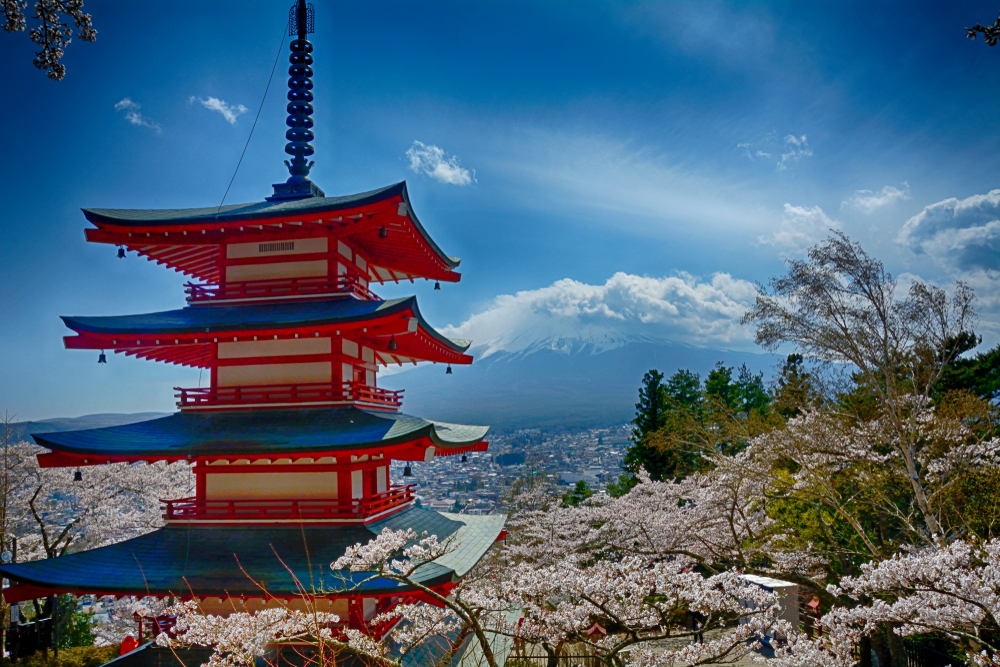
About
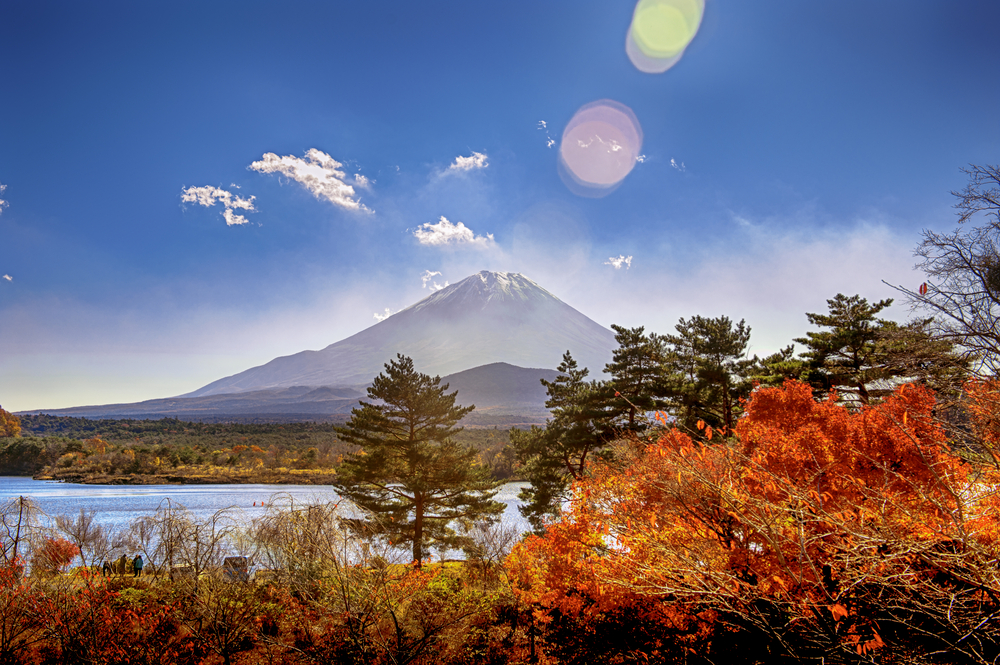
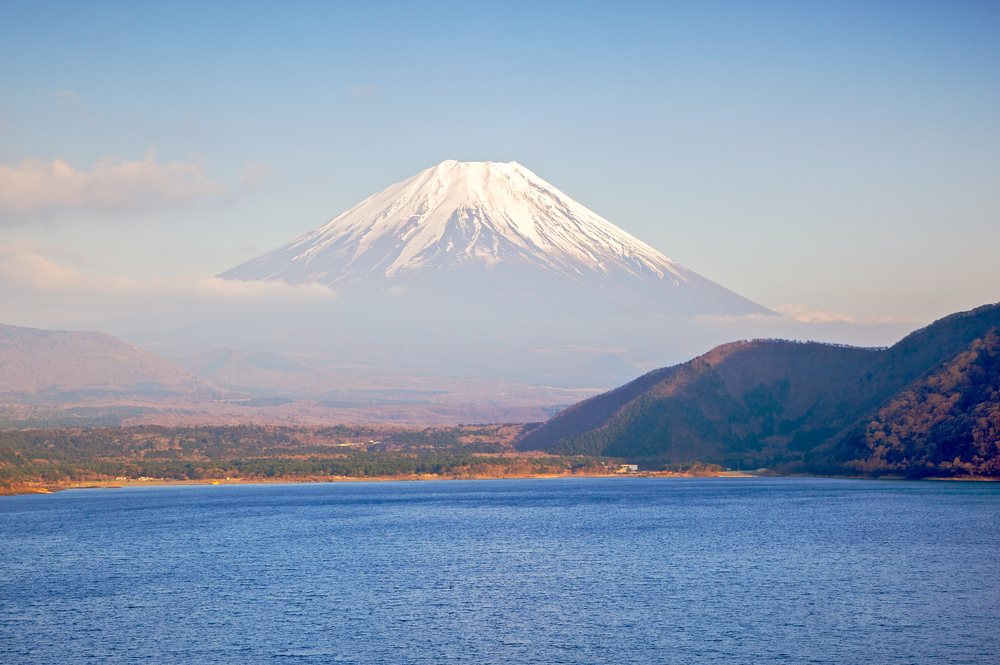
Fuji-Hakone-Izu National Park is located in three different prefectures that include Kanagawa, Shizuoka, and Yamanashi. The city of Tokyo looks out toward Mount Fuji is counted as part of the park area.
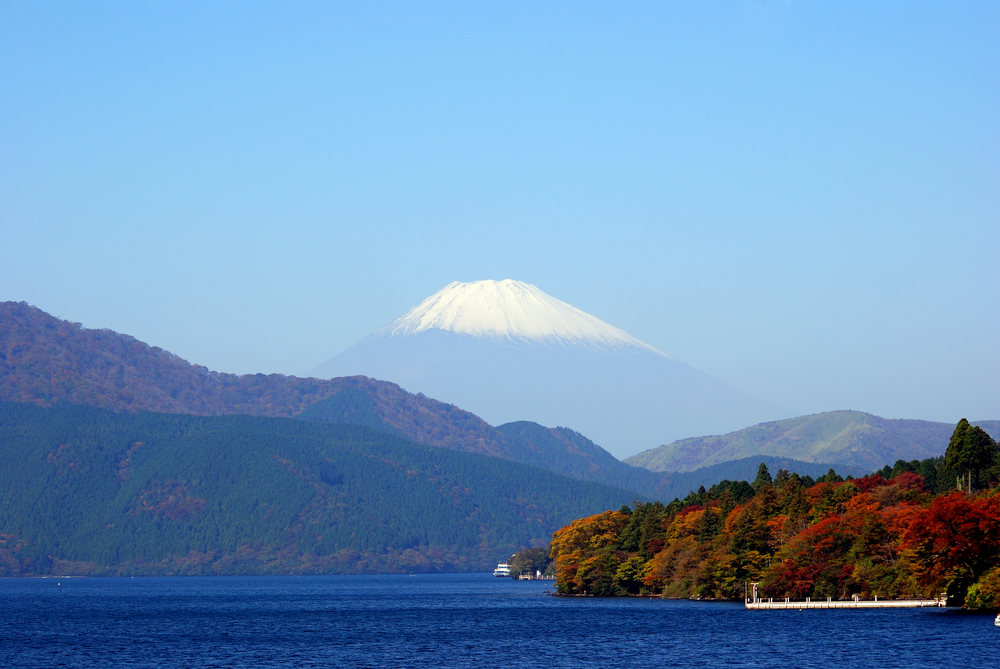
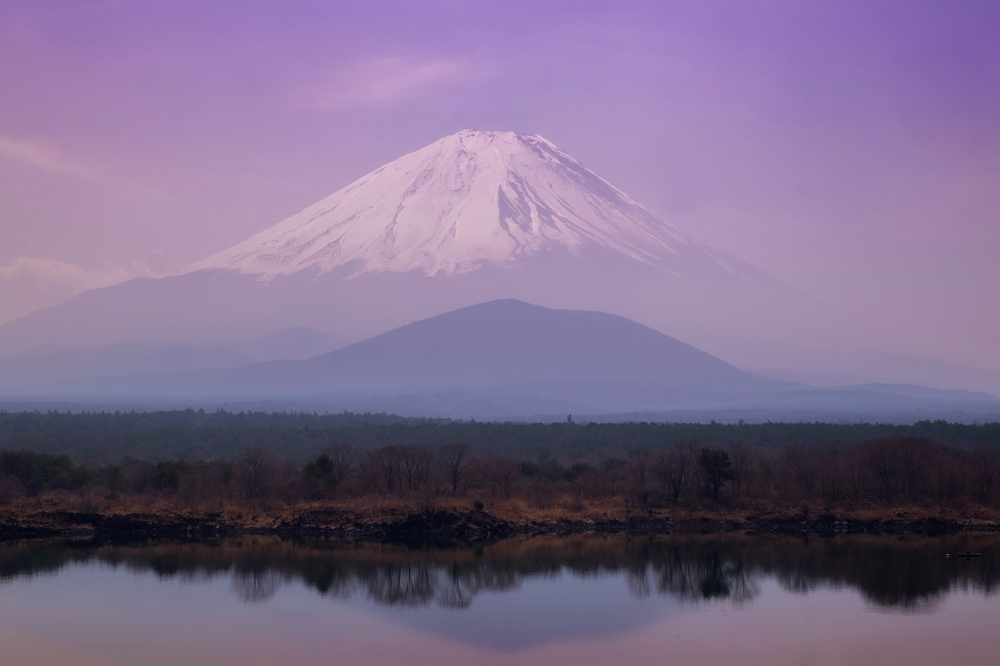
The national park is spread across 474 square miles (1,227 sq km). It is home to Fuji Five Lakes, Hakone, Izu Islands, the Izu Peninsula, and Mount Fuji. This national park is unique compared to most parks; it represents a collection of different areas versus the traditional singularly enclosed area.
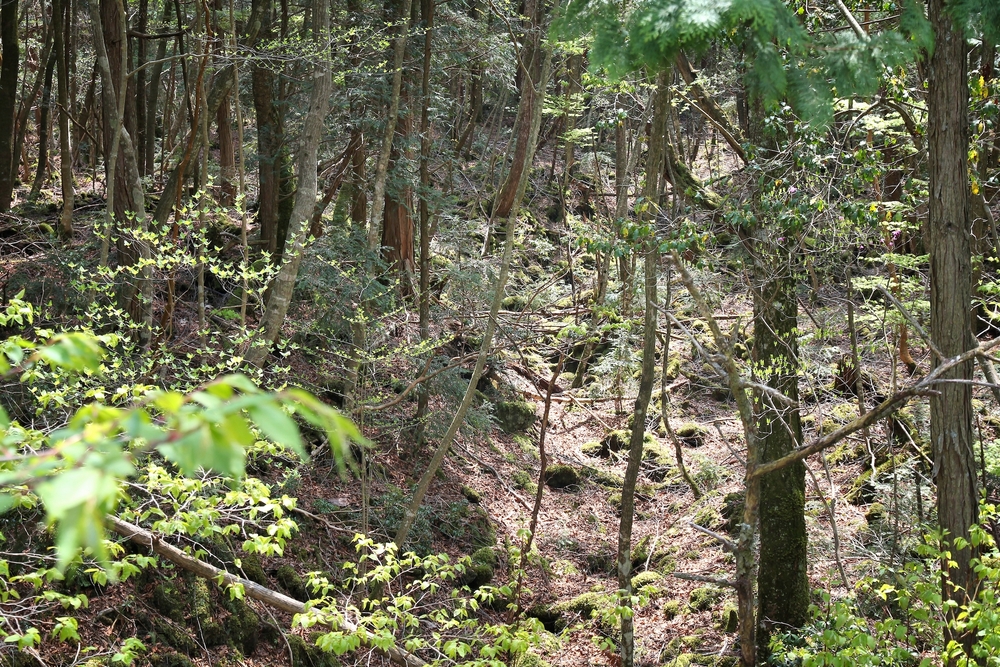
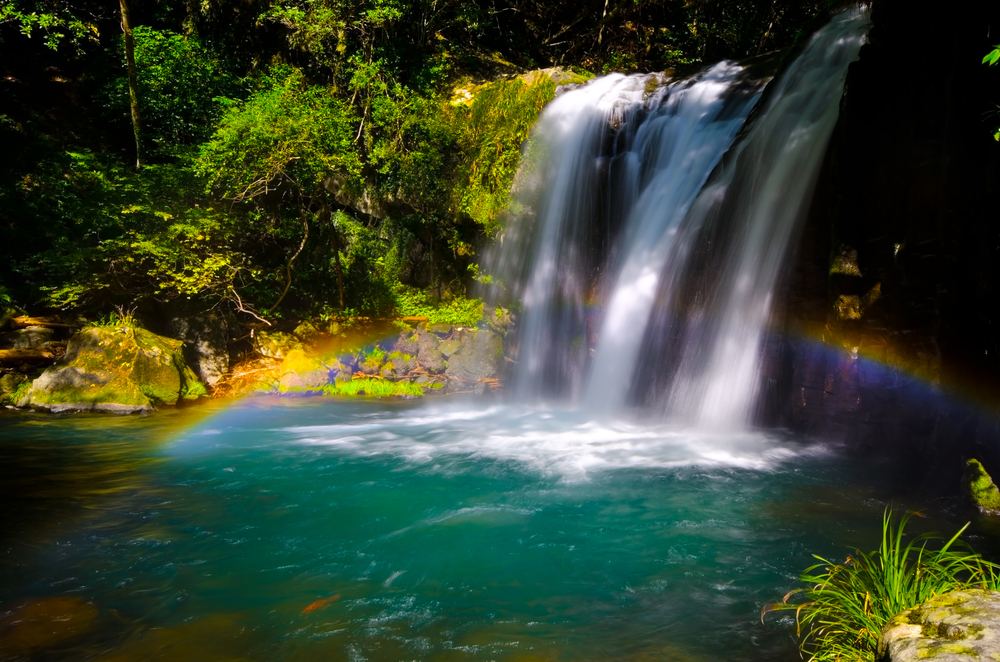
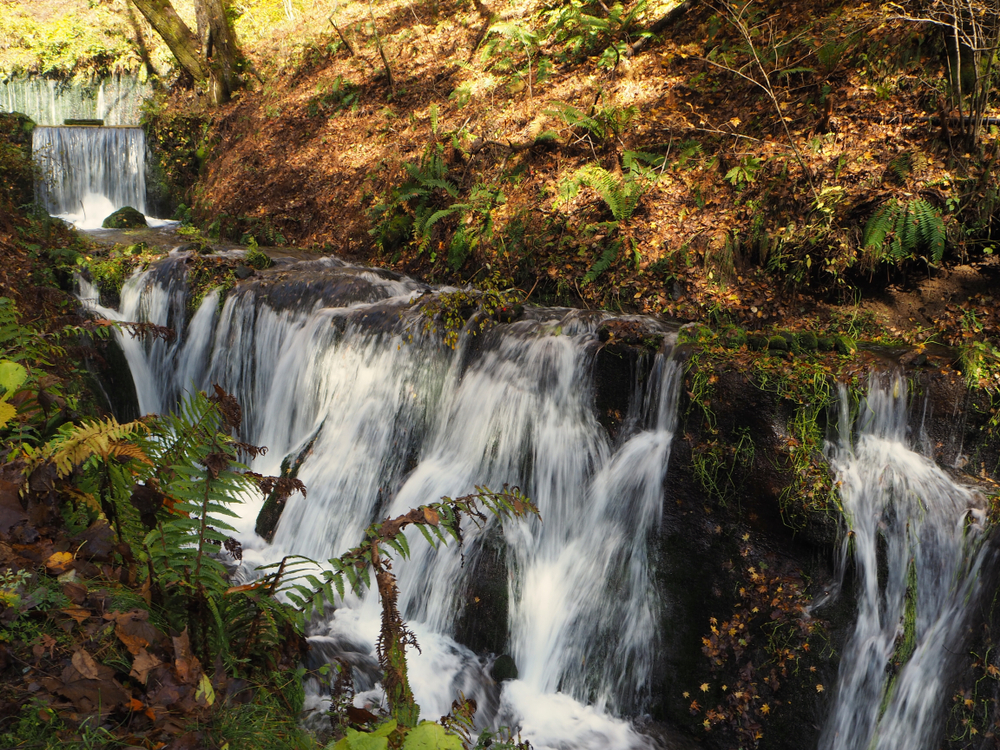
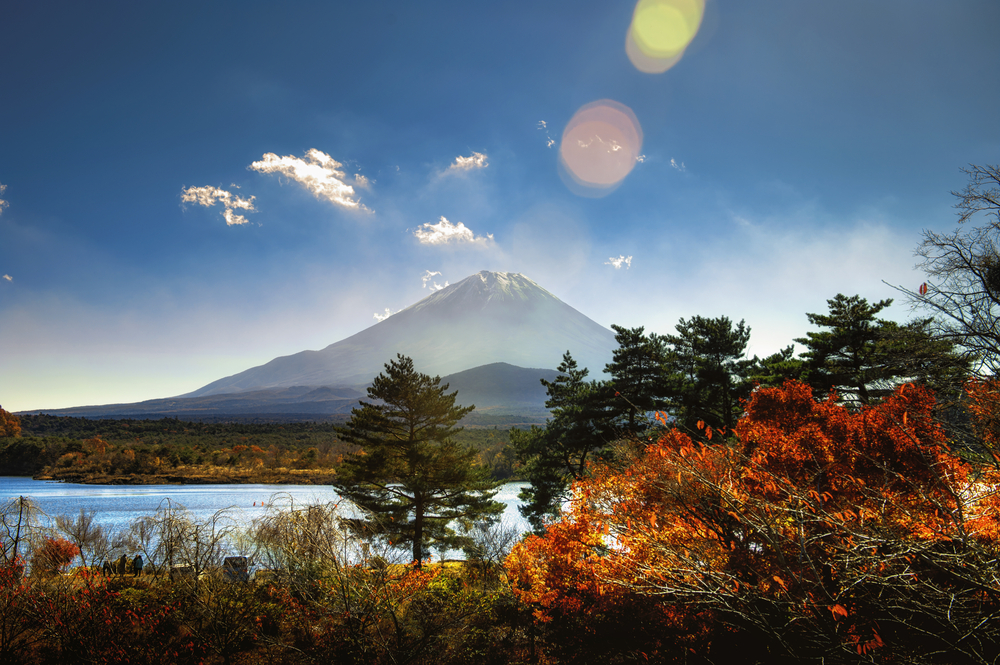
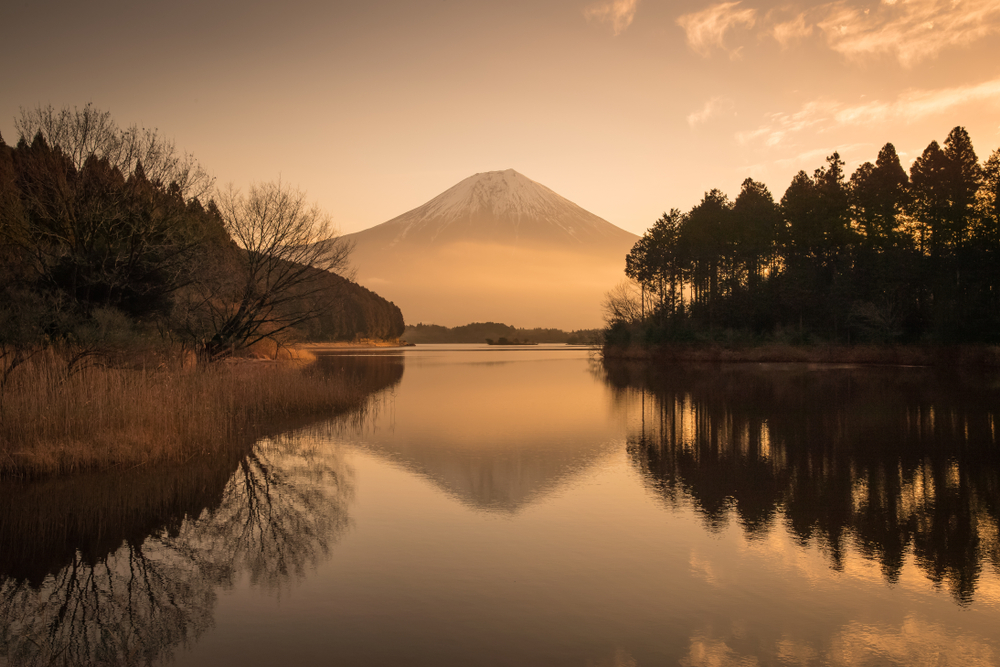
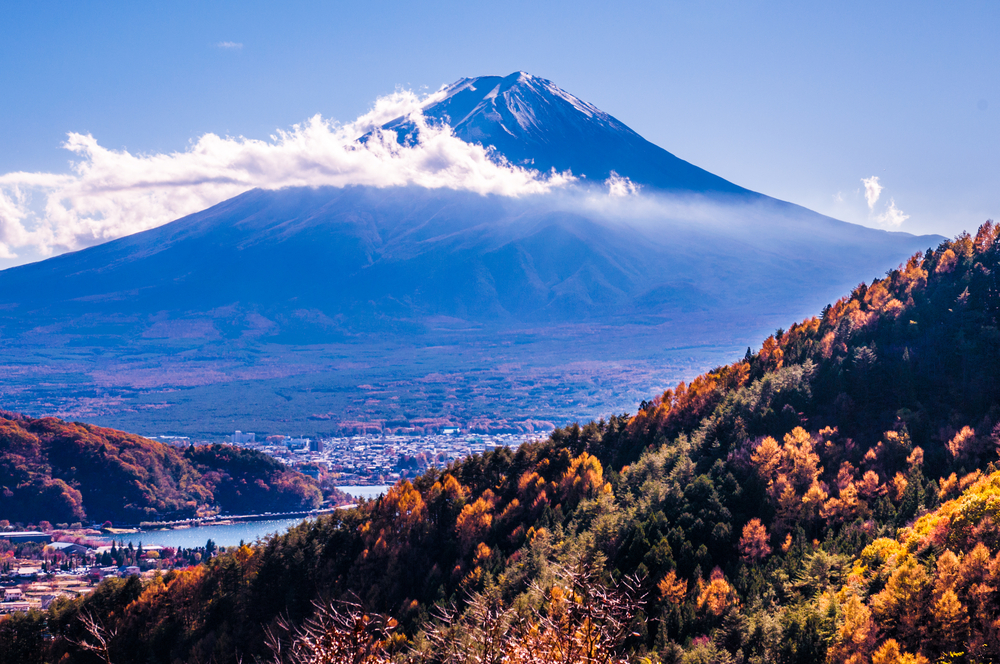
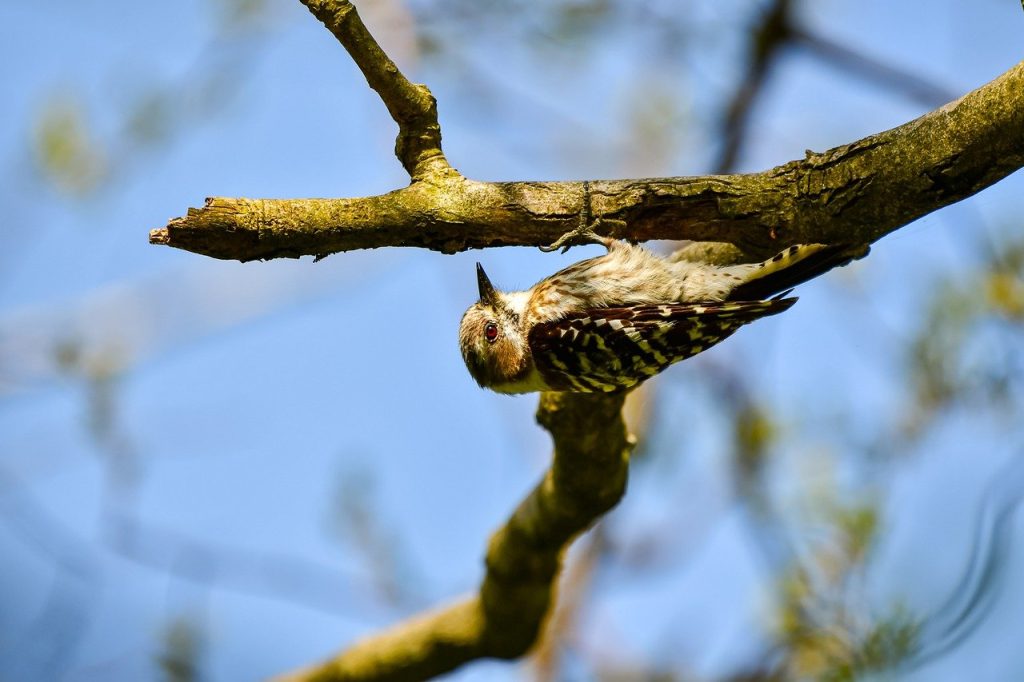
Fuji-Hakone-Izu National Park is rich in biodiversity featuring natural hot springs, lakes, mountainous lakes, Mount Fuji, coastlines, and approximately 1,000 volcanic islands. Vegetation reflects the diversity ranging from mountainous trees to subtropical plant life found on the islands.
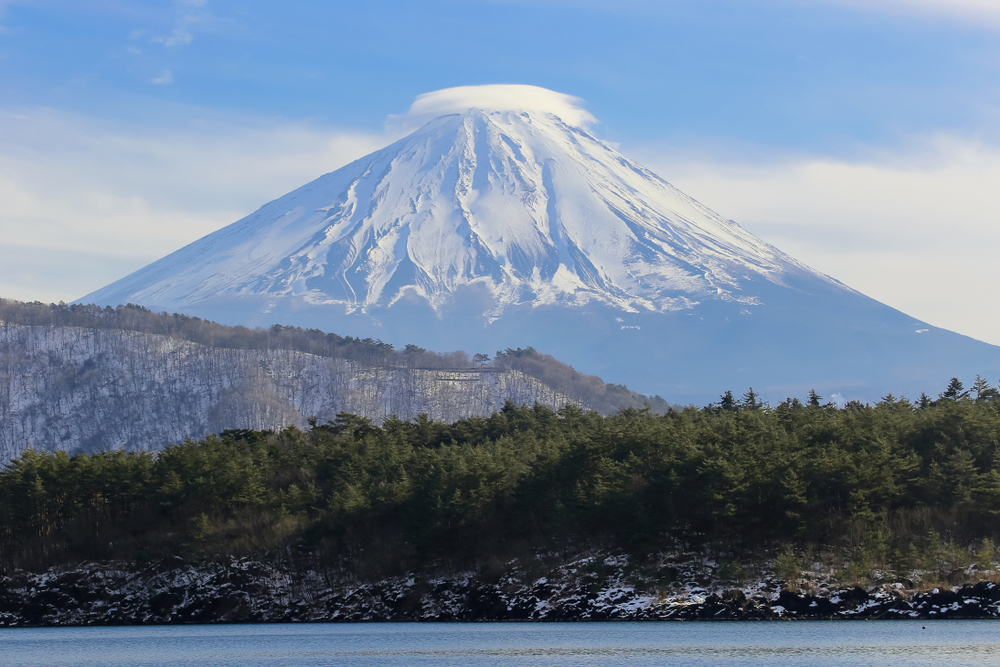
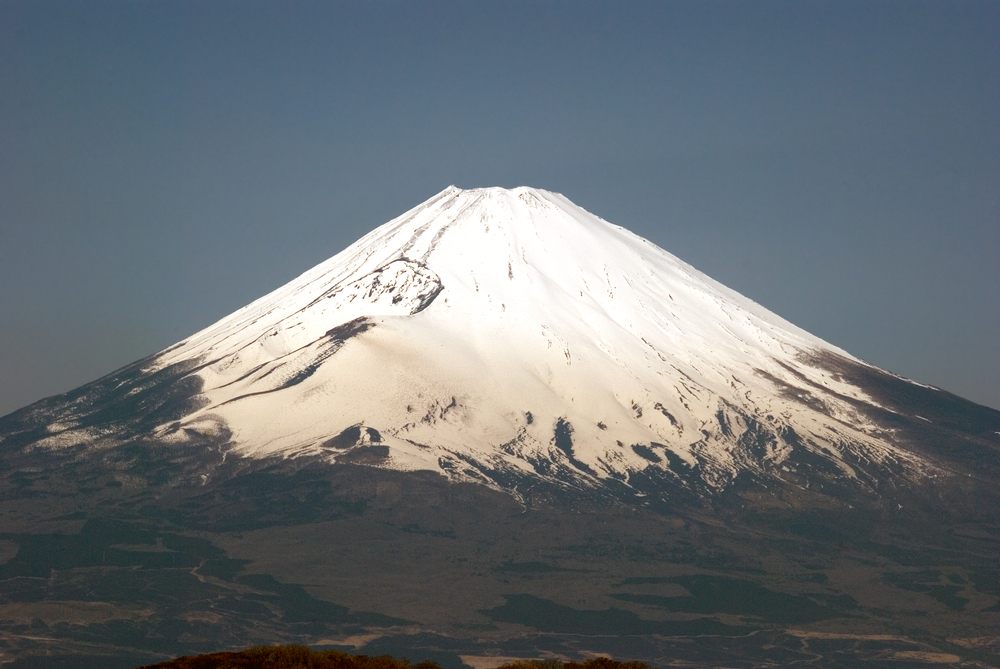
The national park is grouped into four key areas which include the Mount Fuji area, Hakone area, Izu Peninsula, and the Izu Islands. This is the pinnacle nature attraction of Japan.
Photos
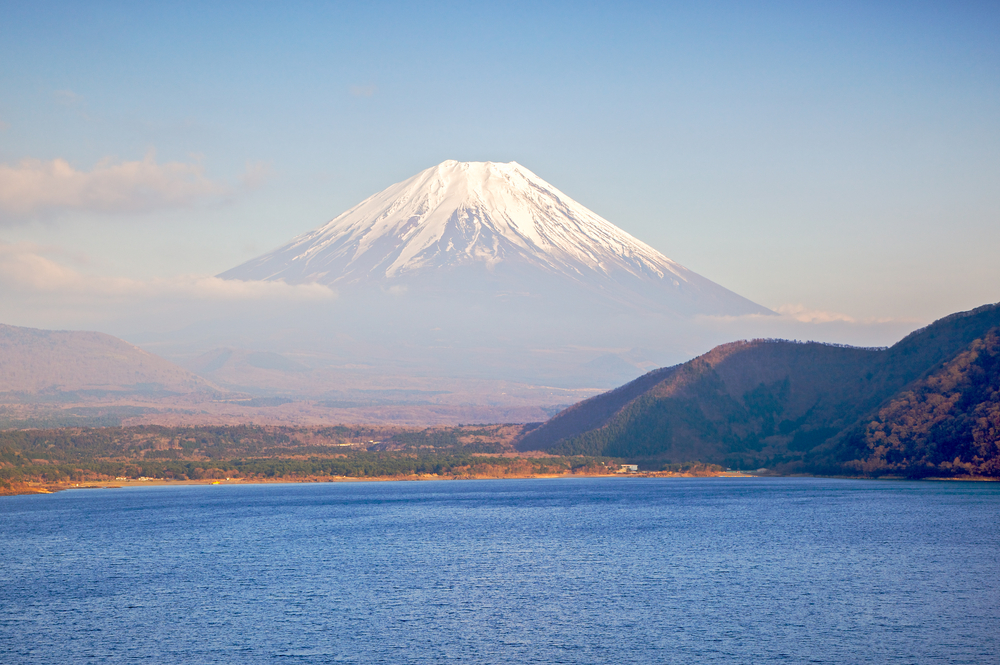
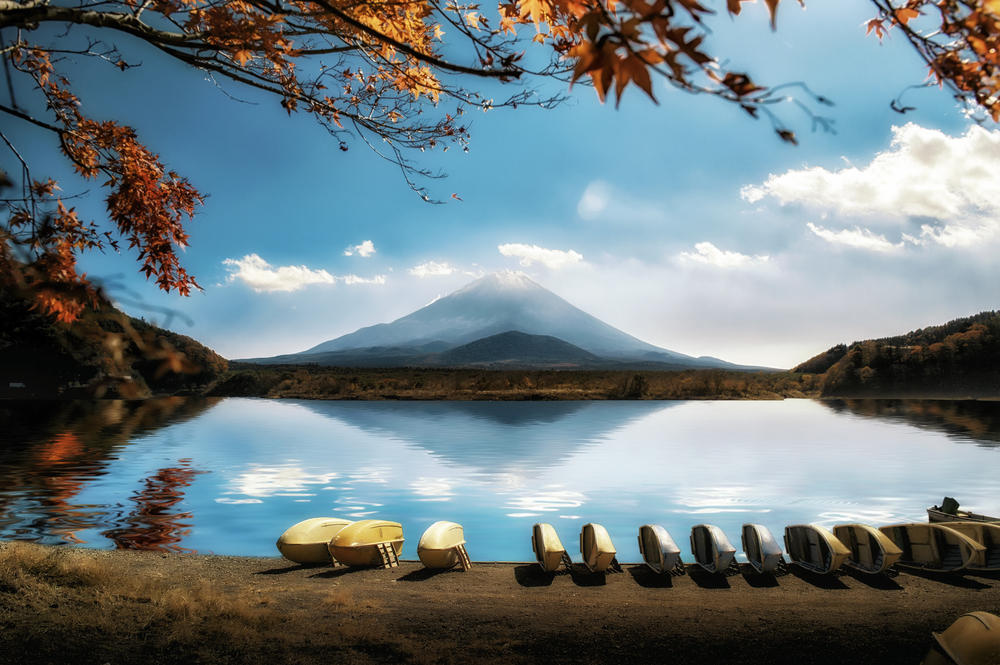
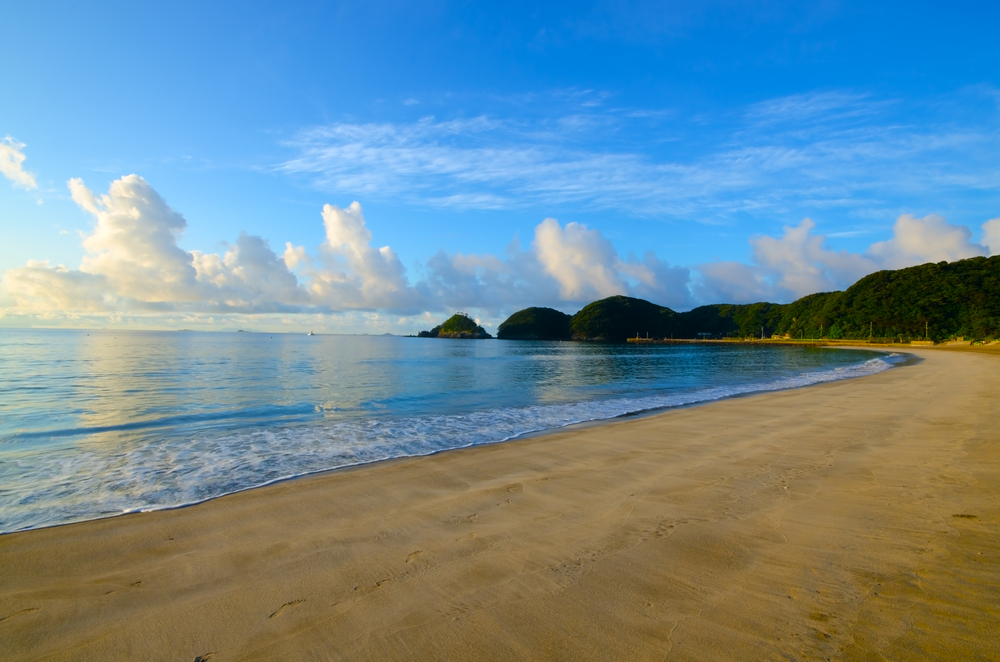
Things to See
 Mount Fuji is probably one of the top tourist destinations for the country of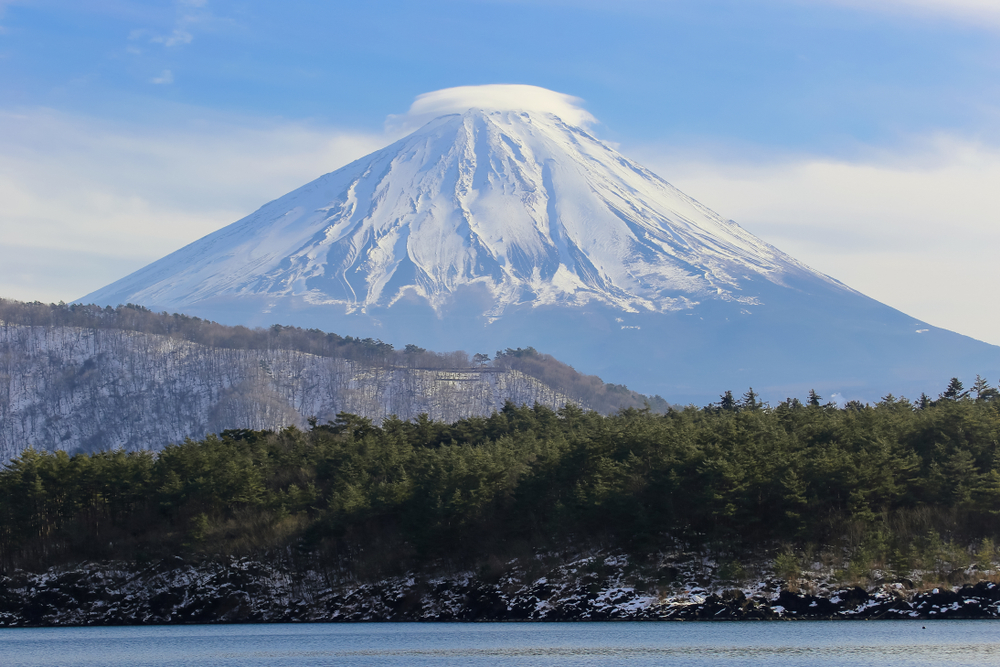
Things To Do
Engaging Fuji-Hakone-Izu
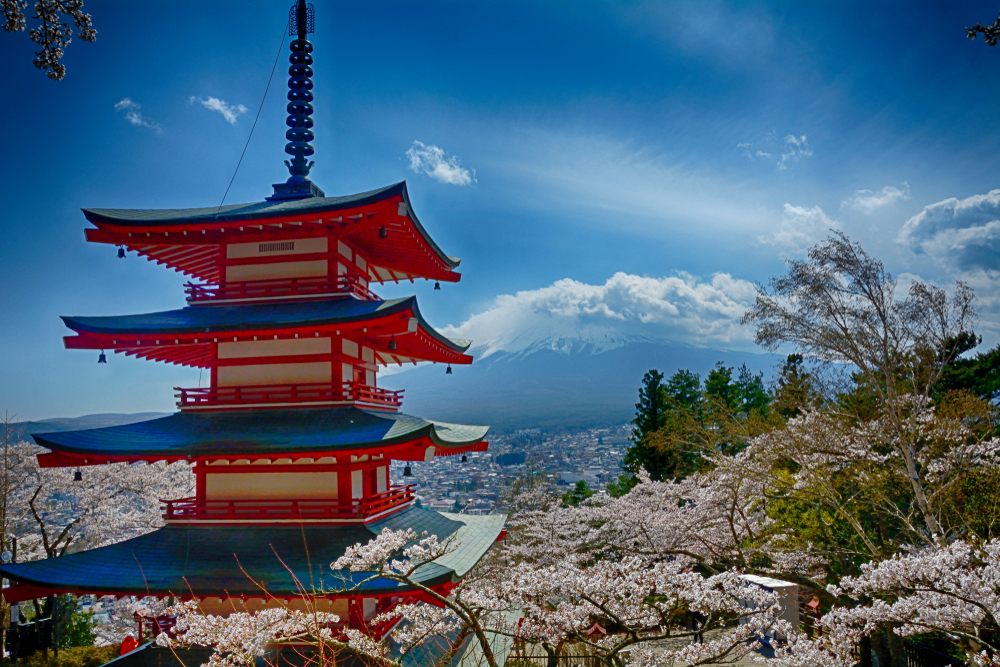
Fuji-Hakone-Izu National Park Trails
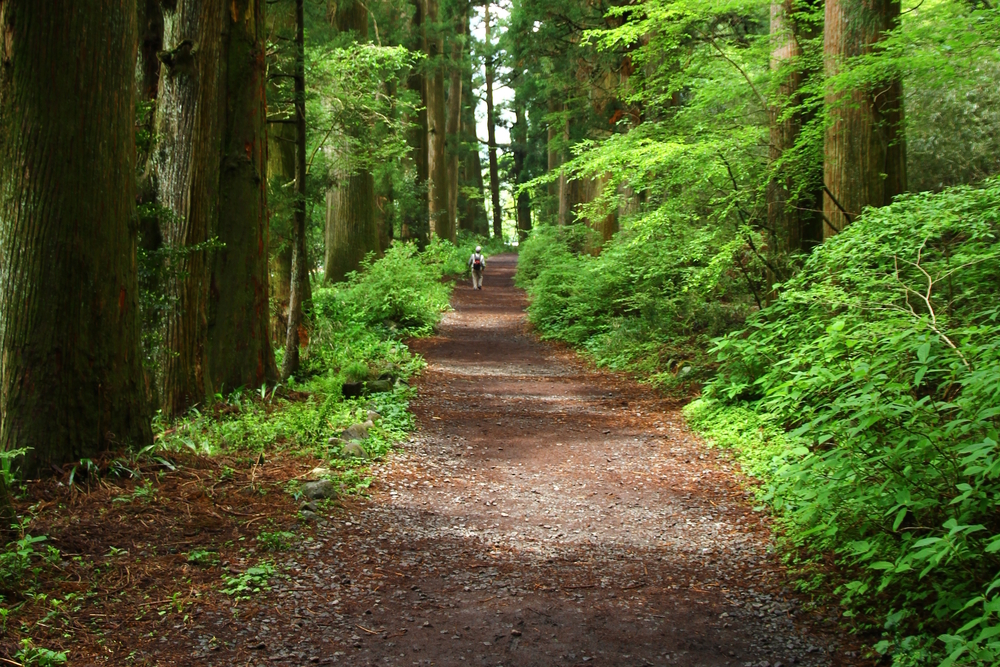
There are different trails and places to hike and explore throughout the different areas that combine to create the larger national park. Most of the walks and hikes are around lakes and vistas that provide views of Mount Fuji. However, there are a variety of ways to ascend to the summit of the mountain. Each of them is rated challenged and it is recommended that you be in good physical condition before making the ascent.

Park Protection
Fuji-Hakone-Izu National Park was created to protect Japan’s tallest mountain as well as the some of the surrounding landscapes. The park protects five lakes, the Izu Islands, and the Izu Peninsula. Collectivley, the four regions of the park protect different unique aspects of nature. The national park also protects Mount Fuji which is one of the country’s sacred mountains.
The Japanese government established these protected areas to make sure that future generations of Japanese and global visitors would be able to enjoy this spectacular mountain.
FAQ’s
When is the best time to visit Fuji-Hakone-Izu National Park?
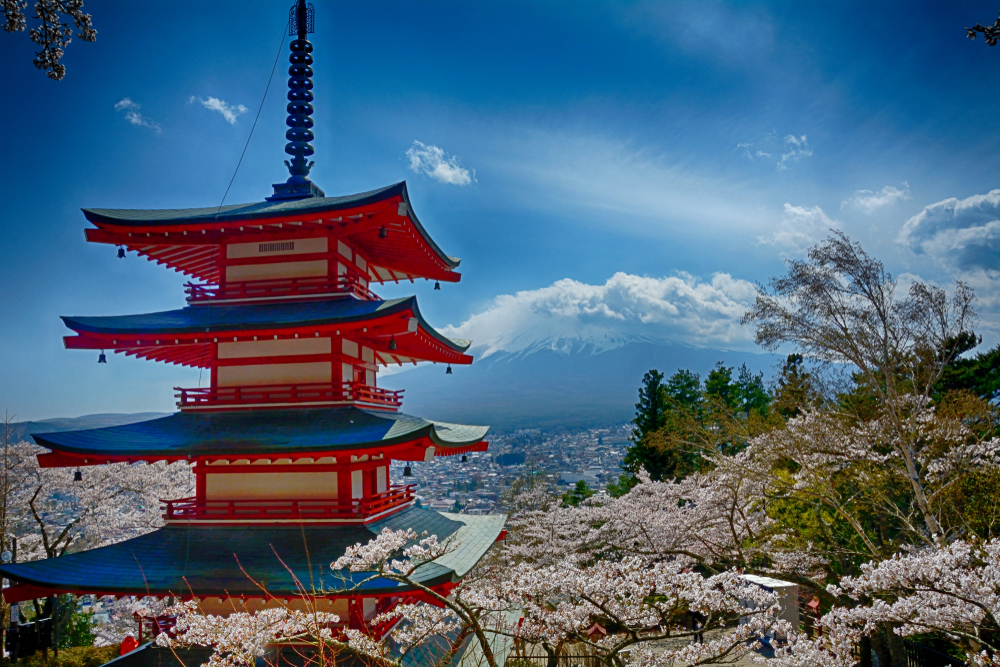
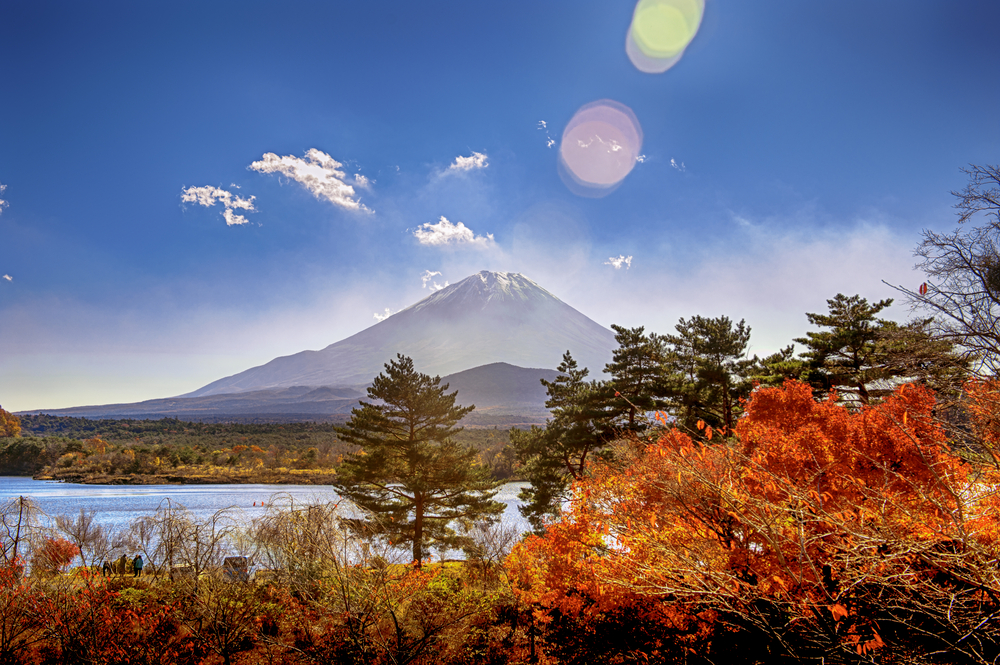
The best time to visit Fuji-Hakone-Izu National Park is during the spring (March to May) and autumn (September to November) seasons when the weather is mild, and the park is adorned with cherry blossoms or colorful foliage.
Avoid the rainy season in June and July and the typhoon season in August, which can disrupt travel plans and outdoor activities.
Are there any restrictions or permits required to climb Mount Fuji?
Climbing Mount Fuji typically requires no permits or fees, but there might be some restrictions or regulations in place, such as designated climbing seasons and trail closures during winter.
It’s essential to check with local authorities or park management for the latest information on climbing conditions, safety guidelines, and any required permits or restrictions before planning your ascent.
When is the best time to see Cherry blossoms or fall foliage?
The best time to see cherry blossoms around Mount Fuji is usually from late March to early April during the spring season.
For autumn foliage, the peak viewing time is typically in November.
However, exact timing can vary depending on weather conditions and the specific location around Mount Fuji.
It’s advisable to check local forecasts and updates closer to your visit for the most accurate information on cherry blossom and autumn foliage viewing times.
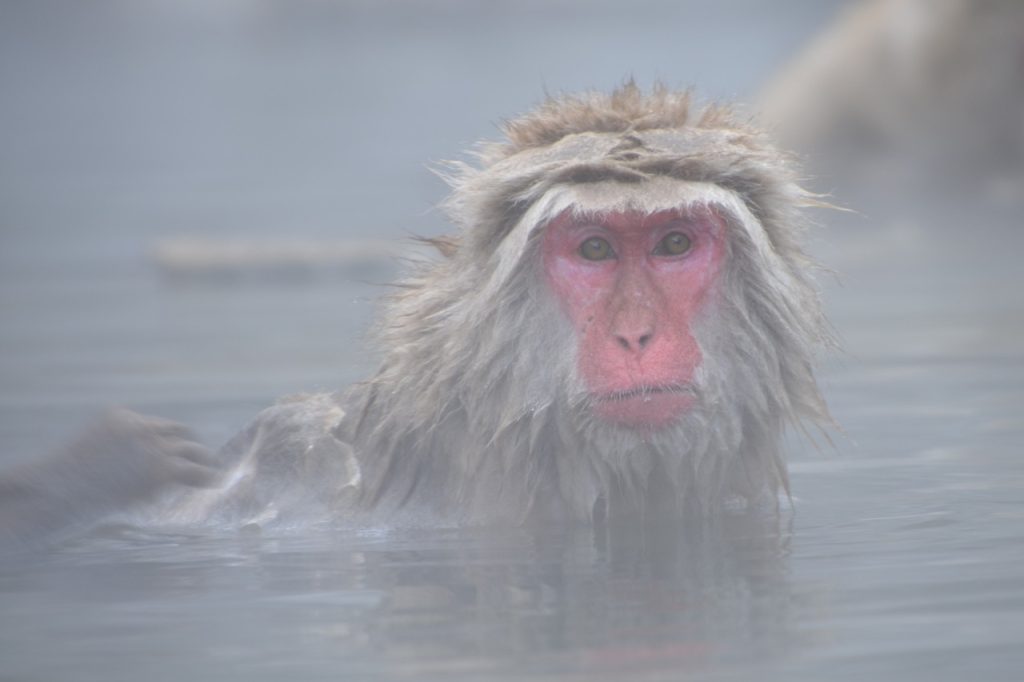
What are the best hot spring (onset) resorts near Mount Fuji?
Some popular onsen (hot spring) resorts near Mount Fuji include:
- Hakone: Known for its numerous hot spring resorts and scenic views of Mount Fuji.
- Kawaguchiko: Offers picturesque views of Mount Fuji and several onsen resorts.
- Yamanakako: Another lakeside resort area with hot spring facilities and views of Mount Fuji.
- Atami: Located on the Izu Peninsula, Atami is a seaside resort town famous for its hot springs.
- Ito: Also on the Izu Peninsula, Ito is renowned for its natural hot springs and coastal scenery.
These resorts offer a relaxing retreat with soothing hot spring baths and stunning views of Mount Fuji and the surrounding landscapes.
When is the best time to visit Fuji-Hakone-Izu National Park?
The best time to visit Fuji-Hakone-Izu National Park is during the spring (March to May) and autumn (September to November) seasons when the weather is mild, and the park is adorned with cherry blossoms or colorful foliage.
Avoid the rainy season in June and July and the typhoon season in August, which can disrupt travel plans and outdoor activities.
Are there any restrictions or permits required to climb Mount Fuji?
Climbing Mount Fuji typically requires no permits or fees, but there might be some restrictions or regulations in place, such as designated climbing seasons and trail closures during winter.
It’s essential to check with local authorities or park management for the latest information on climbing conditions, safety guidelines, and any required permits or restrictions before planning your ascent.
When is the best time to see Cherry blossoms or fall foliage?
The best time to see cherry blossoms around Mount Fuji is usually from late March to early April during the spring season.
For autumn foliage, the peak viewing time is typically in November.
However, exact timing can vary depending on weather conditions and the specific location around Mount Fuji.
It’s advisable to check local forecasts and updates closer to your visit for the most accurate information on cherry blossom and autumn foliage viewing times.
What are the best hot spring (onset) resorts near Mount Fuji?
Some popular onsen (hot spring) resorts near Mount Fuji include:
- Hakone: Known for its numerous hot spring resorts and scenic views of Mount Fuji.
- Kawaguchiko: Offers picturesque views of Mount Fuji and several onsen resorts.
- Yamanakako: Another lakeside resort area with hot spring facilities and views of Mount Fuji.
- Atami: Located on the Izu Peninsula, Atami is a seaside resort town famous for its hot springs.
- Ito: Also on the Izu Peninsula, Ito is renowned for its natural hot springs and coastal scenery.
These resorts offer a relaxing retreat with soothing hot spring baths and stunning views of Mount Fuji and the surrounding landscapes.
Sources
- All Trails, Best Trails in Fuji-Hakone-Izu National Park, https://www.alltrails.com/parks/japan/yamanashi/fuji-hakone-izu-national-park, retrieved July 2020.
- Britannica, Mount Fuji, https://www.britannica.com/place/Mount-Fuji, retrieved July 2020.
- Encyclopedia Britannica, Fuji-Hakone-Izu National Park, https://www.britannica.com/place/Fuji-Hakone-Izu-National-Park, retrieved August 2019.
- Japan Guide, Hakone, https://www.japan-guide.com/e/e5200.html, retrieved August 2019
- Izuhakone Railway, Where to go in Fuji-Hakone-Izu, https://www.fujihakoneizu.com/, retrieved August 2019
- Ministry of the Environment, Fuji-Hakone-Izu National Park, https://www.env.go.jp/en/nature/nps/park/fujihakone/index.html, retrieved Aug 2019.
- National Parks of Japan, Fuji-Hakone-Izu National Park, https://www.japan.travel/national-parks/parks/fuji-hakone-izu/, retrieved August 2019.