About

Beit Guvrin National Park is located in the Judean Lowlands of southern Israel, approximately 35 miles (56 km) southwest of Jerusalem. Covering roughly 19 square miles (49 sq km), the park protects one of the most important archaeological and cultural landscapes in the country.

Together with nearby Maresha, the site is recognized as the Maresha and Bet-Guvrin Caves National Park, a UNESCO World Heritage Site designated in 2014 for its extraordinary network of man-made caves and underground chambers. The park preserves thousands of years of history, from the Iron Age through the Roman, Byzantine, Crusader, and Islamic periods.

The park is best known for its vast underground cave systems, which have earned it the nickname “the Land of a Thousand Caves.” Visitors are drawn to a remarkable collection of bell caves, columbaria, cisterns, burial chambers, olive presses, and subterranean passageways carved into the region’s soft chalk bedrock.

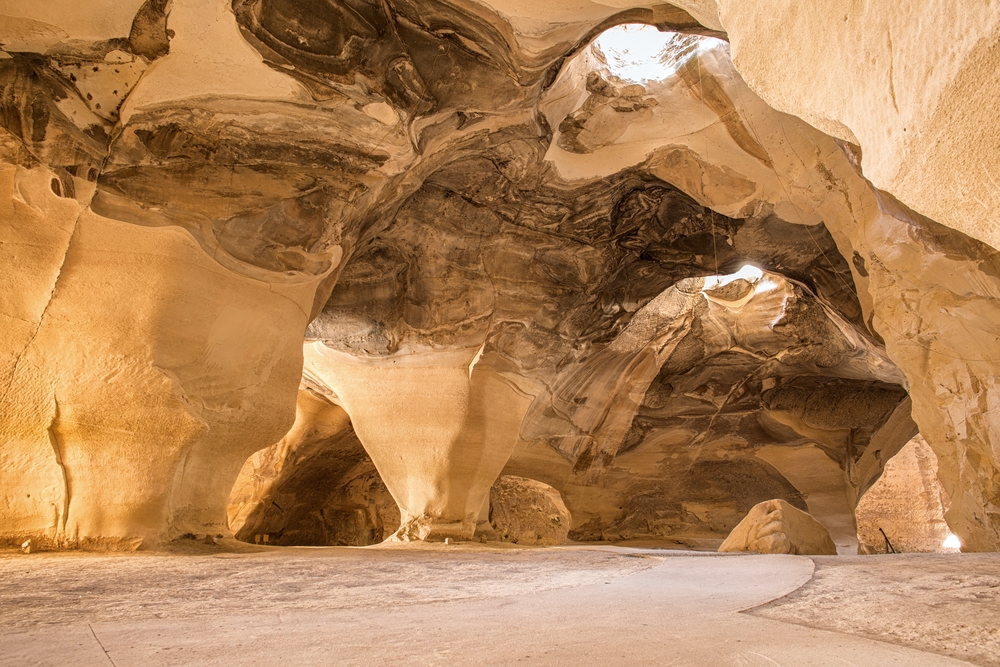
Among the most famous attractions are the Bell Caves, a spectacular complex of soaring chambers excavated centuries ago for building stone. The ancient city of Maresha, one of the region’s most important archaeological sites, allows visitors to explore a unique underground world where daily life once flourished beneath the surface.

Geographically, Beit Guvrin National Park lies within a landscape of rolling hills composed primarily of soft chalk and limestone. Over centuries, inhabitants carved extensive underground systems into these formations, creating one of the world’s largest concentrations of man-made caves.

The Mediterranean climate supports grasslands, shrublands, and scattered woodlands that blanket the hills above the archaeological remains. Seasonal wildflowers add vibrant color to the landscape during spring, while elevated viewpoints provide sweeping vistas across the Judean Lowlands.

Wildlife within Beit Guvrin National Park reflects the ecology of Israel’s Mediterranean region. Mammals include foxes, jackals, hedgehogs, hares, and several species of bats that inhabit the park’s caves. The underground chambers provide important roosting habitat for bat populations throughout the region.

Birdlife includes kestrels, owls, bee-eaters, larks, hoopoes, and numerous migratory birds that pass through Israel along one of the world’s major migration routes. Reptiles such as geckos, skinks, and tortoises are commonly found throughout the park, while native plants support a variety of pollinators and insects.

Beit Guvrin National Park plays a vital role in preserving both the natural and cultural heritage of the Judean Lowlands. The park safeguards an unparalleled archaeological landscape that reveals how successive civilizations adapted to and utilized the region’s geology.

Its significance is often compared to Petra and Cappadocia because of its extensive rock-cut architecture and underground complexes. Through its ancient cities, remarkable cave systems, rich archaeological treasures, and scenic landscapes, Beit Guvrin National Park stands as one of Israel’s most fascinating protected areas and a unique window into more than two millennia of human history.

Things to See
Popular

Popular

Beit Guvrin National Park, located in the heart of Israel, is known for its rich archaeological significance, impressive caves, and diverse ecosystems. The park is home to a variety of species that thrive in its Mediterranean climate and limestone terrain.

Rock Hyrax
The rock hyrax is a small, rodent-like mammal often seen basking on rocky outcrops. Despite its size, it is more closely related to elephants than rodents and is a social animal, living in colonies.

Wild Boar
Wild boars are commonly found in the park’s woodlands and open fields. These adaptable mammals forage for roots, fruits, and small animals, and their presence plays an essential role in the ecosystem.

Golden Jackal
This medium-sized carnivore is a key predator in the park. Golden jackals are known for their adaptability and are often seen during early morning or evening hours.

Palestine Mountain Gazelle
A graceful and agile species, this gazelle is an iconic sight in the park. They inhabit open areas and rely on their speed to escape predators.

Levantine Viper
One of the park’s most notable reptiles, the Levantine viper is venomous and often camouflaged in rocky terrain. It plays a crucial role in controlling rodent populations.

Mediterranean Spur-Thighed Tortoise
This terrestrial tortoise is commonly found in the park’s grassy areas. It is known for its hard, domed shell and herbivorous diet.

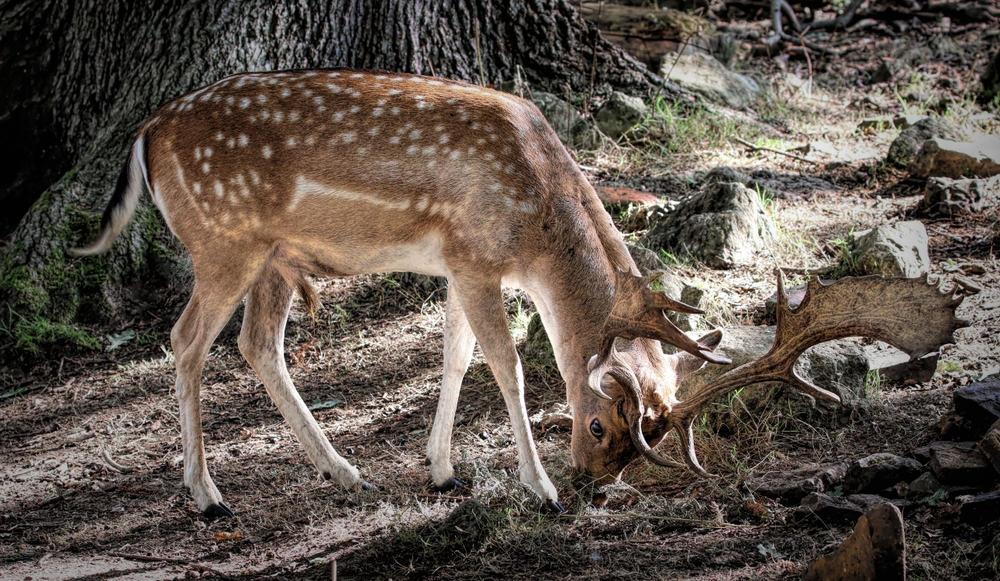
Persian Fallow Deer
Once nearly extinct in the wild, these deer have been reintroduced to certain areas of Israel, including the surroundings of Beit Guvrin, and are occasionally seen in the park.

European Hedgehog
This small mammal is known for its spiny coat and nocturnal habits. It feeds on insects, small invertebrates, and occasionally fruit.

Common Gecko
A small lizard often spotted on the limestone walls and caves. The common gecko is insectivorous and active mainly at night.

Fire Salamander
This striking amphibian, with its black body and yellow markings, thrives in the moist, shady areas of the park’s caves and springs.

Birds

Birds

Beit Guvrin National Park is also a haven for bird enthusiasts, offering a glimpse of several fascinating avian species that inhabit the Mediterranean landscape.

Barn Owl
This nocturnal bird is often found roosting in the park’s caves and ruins. Its silent flight and heart-shaped face make it a unique predator of small mammals.

European Bee-Eater
Known for its vibrant plumage, the European bee-eater migrates through the region and is often seen catching insects mid-flight.

Short-Toed Snake Eagle
A powerful raptor, this eagle is a specialist in hunting snakes and other reptiles in the open areas of the park.

White-Throated Kingfisher
With its striking blue and white plumage, this kingfisher is commonly seen near water sources, feeding on fish, insects, and small reptiles.

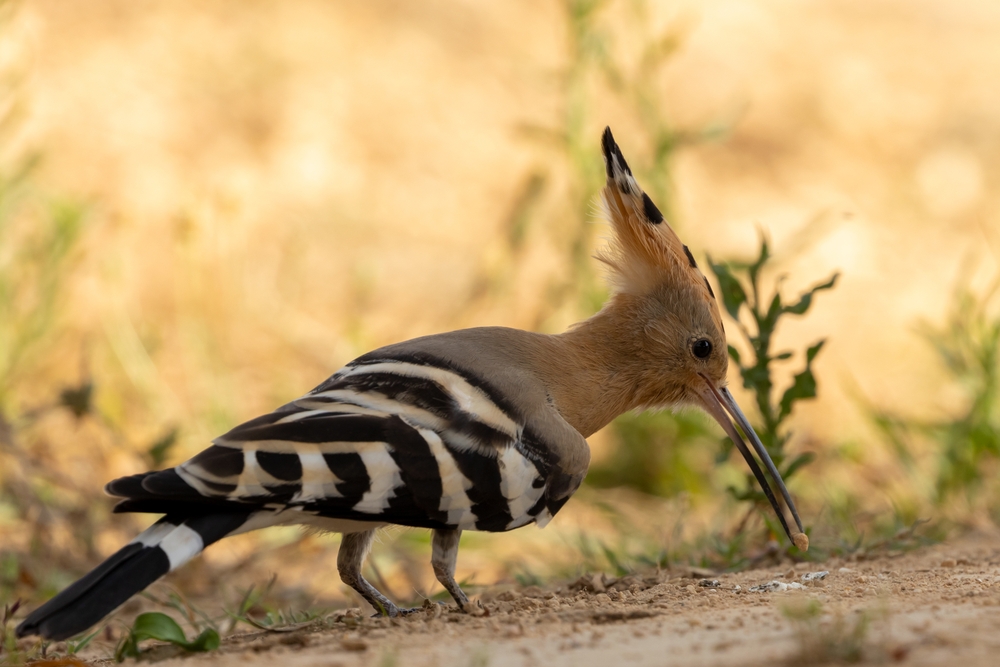
Eurasian Hoopoe
The Eurasian hoopoe, Israel’s national bird, is easily recognized by its orange crest and unique call. It forages for insects in the soil.

Chukar Partridge
This ground-dwelling bird is well adapted to the rocky terrain. It has a distinctive call and striking black-and-white stripes on its flanks.

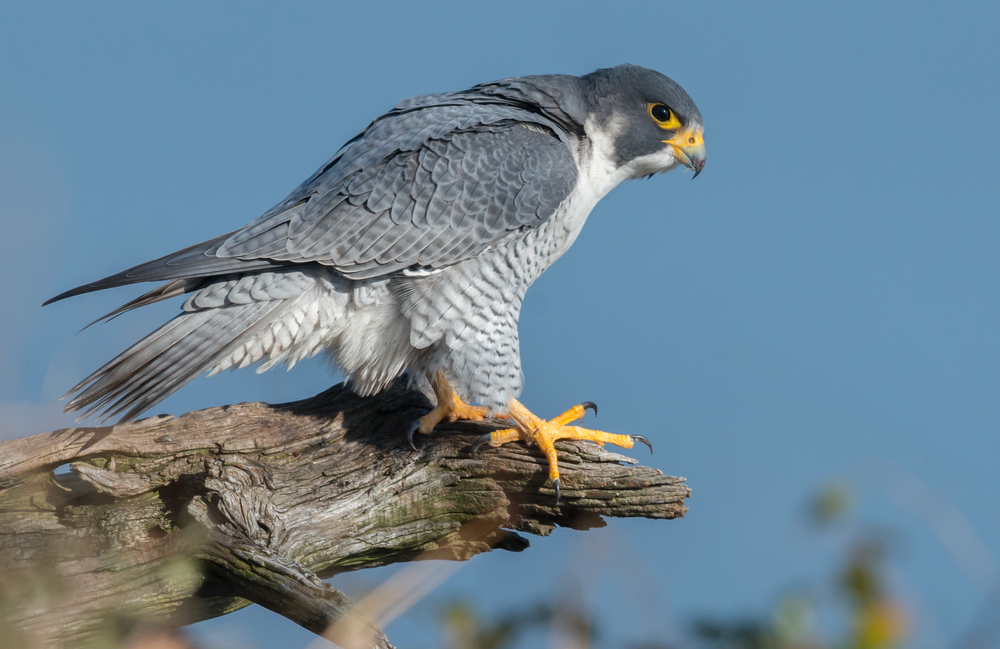
Peregrine Falcon
A fast and agile raptor, the peregrine falcon is often seen soaring over the park’s cliffs in search of prey.

Little Owl
This small owl species is commonly spotted in the park’s ruins and open areas. It is active at dusk and preys on small mammals and insects.

Great Spotted Cuckoo
A brood parasite, this cuckoo lays its eggs in the nests of other birds. Its striking black and white markings make it a fascinating sight.

Crested Lark
Often seen perched on rocks or foraging on the ground, the crested lark has a melodic song and a distinctive feather crest.

Things To Do

Engaging Beit Guvrin National Park
Cave Exploration

Beit Guvrin National Park is renowned for its extensive network of ancient caves, a highlight for visitors seeking both adventure and historical intrigue. These caves, carved into the soft chalk rock over millennia, serve as a testament to the ingenuity of ancient civilizations.

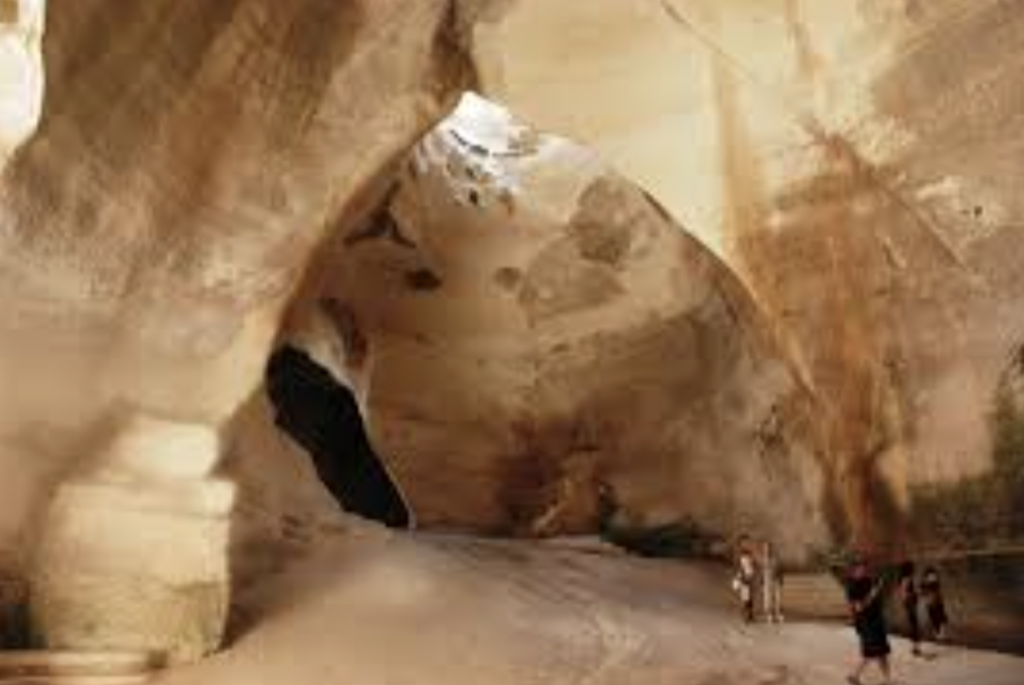
Among the most notable is the Bell Cave complex, a series of spacious caverns with arched ceilings and natural light streaming in through small openings above. These caves were originally quarried during the Byzantine period and offer a dramatic setting for exploration.

The park also features the Sidonian Burial Caves, adorned with colorful frescoes depicting mythological creatures and historical scenes, providing a glimpse into the cultural and spiritual life of the region’s ancient inhabitants.

Don’t miss the Columbarium Caves, which were once used to house pigeons for food and communication. Exploring these fascinating underground spaces feels like stepping back in time, offering a unique combination of archaeology and adventure that’s perfect for families, history buffs, and adventurers alike.

Hiking

Beit Guvrin’s trails offer an opportunity to explore the region’s Mediterranean landscape, home to diverse flora and fauna. Trails wind through rolling hills dotted with wildflowers like cyclamen and anemones during springtime, creating a vibrant palette against the backdrop of olive trees and carob groves. Bird watchers will delight in spotting species such as hoopoes, kestrels, and the occasional eagle soaring above the open fields.

While hiking, visitors can encounter signs of ancient agricultural activity, including terraces and winepresses. These remnants tell the story of a land cultivated for centuries.

The network of trails caters to all fitness levels, making it accessible for casual walkers and avid hikers alike. For those wanting a scenic vantage point, the Tel Maresha trail offers panoramic views of the Judean Lowlands. Whether it’s for the wildlife or the history, hiking in Beit Guvrin provides a serene and enriching outdoor experience.

Archaeological Excavations

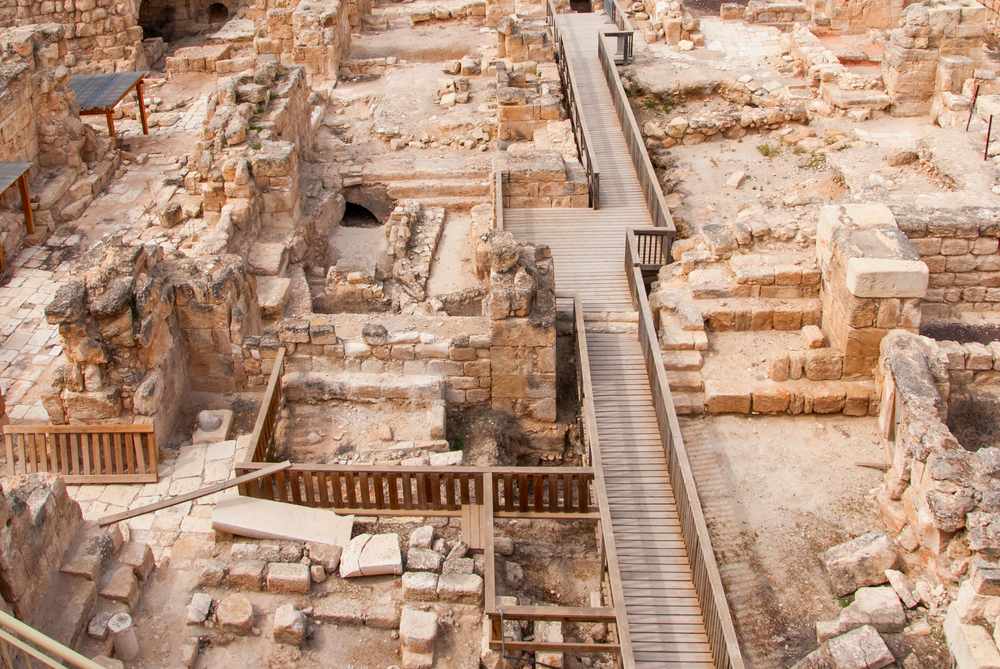
For a hands-on adventure, visitors can participate in archaeological excavations led by experts in the field. Beit Guvrin is part of the ancient city of Maresha, a UNESCO World Heritage Site, and continues to yield fascinating discoveries.

The “Dig for a Day” program invites participants to unearth artifacts such as pottery shards, coins, and tools, many of which date back to the Hellenistic period.

The experience is family-friendly and educational, offering insights into the daily lives of the people who inhabited this region thousands of years ago. After the dig, participants can sift through their findings and even visit a nearby restoration site to see how artifacts are preserved and cataloged.

This interactive activity connects visitors with history in a way that few other experiences can, making it a highlight of any trip to Beit Guvrin National Park.