

About
Jim Corbett National Park is located in the northern part of India just northeast of New Delhi. The national park area covers an area of 201.1 square miles (520.8 sq km) and is part of the sub-Himalayan ecosystem.
An extended area beyond the park provides an additional protected buffer. This area was created to support the tigers, and the park was the first to be placed under the Project Tiger Initiative.
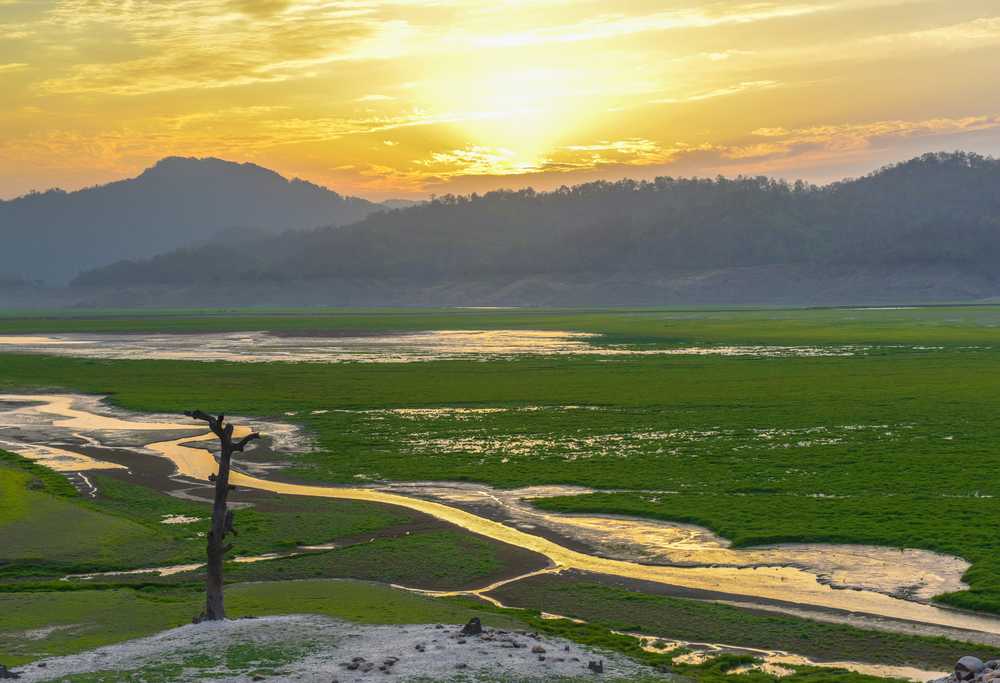
The elevation of the park fluctuates between 1,300 feet to 4,000 feet (400 to 1,220 m) above sea level. The elevation brings cooler evenings; however, the day delivers outstanding temperatures to explore the region. The elevation variations deliver an array of ravines, plateaus, ridges, valleys, streams and rivers.
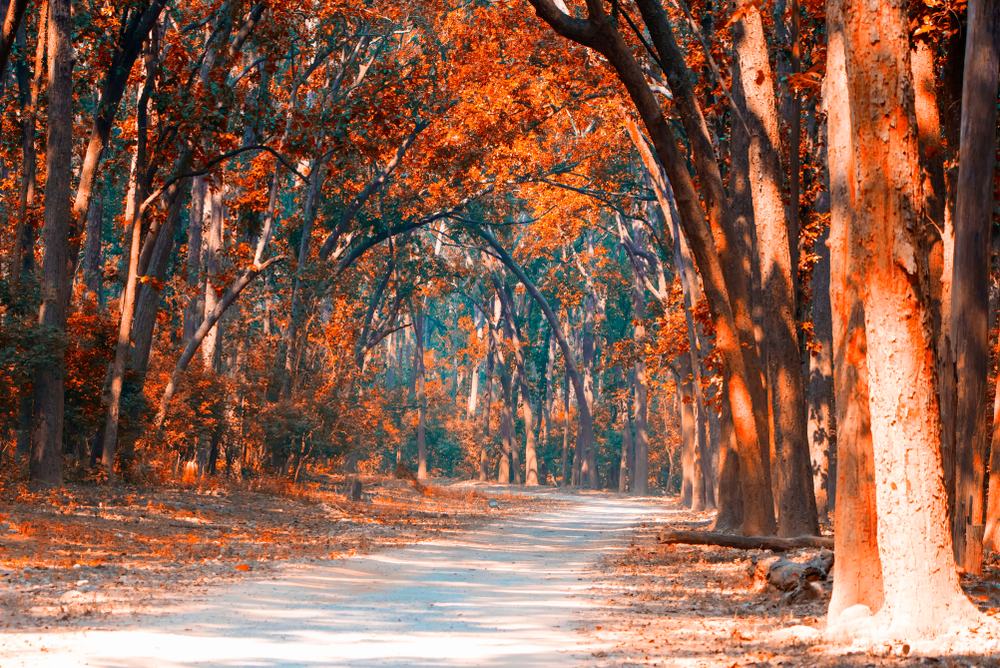
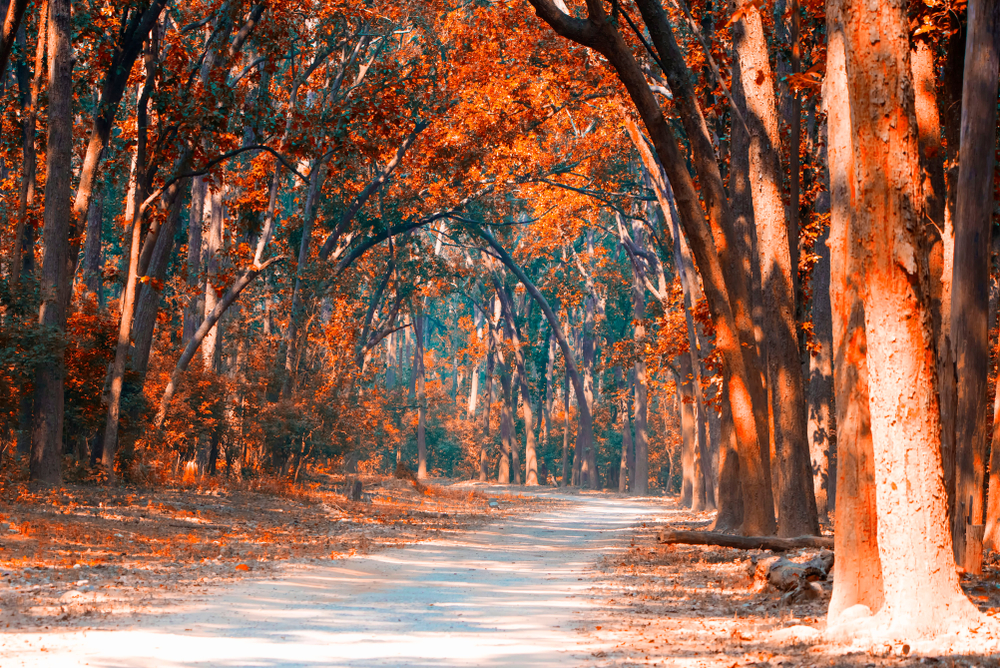
Almost three-quarters of the park is encompassed by deciduous forest including peepal, rohini, and mango trees. There is a total of 110 species of trees making the forested area. Another 10% of the park is accounted for by grasslands. Altogether there are over 485 species of plants found within the boundaries of the park.
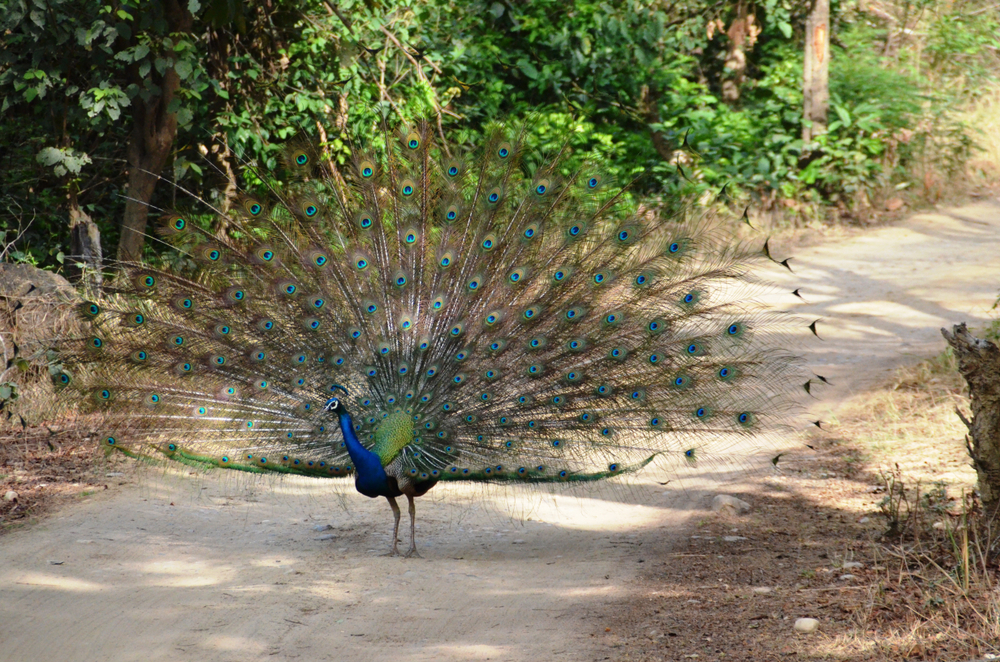
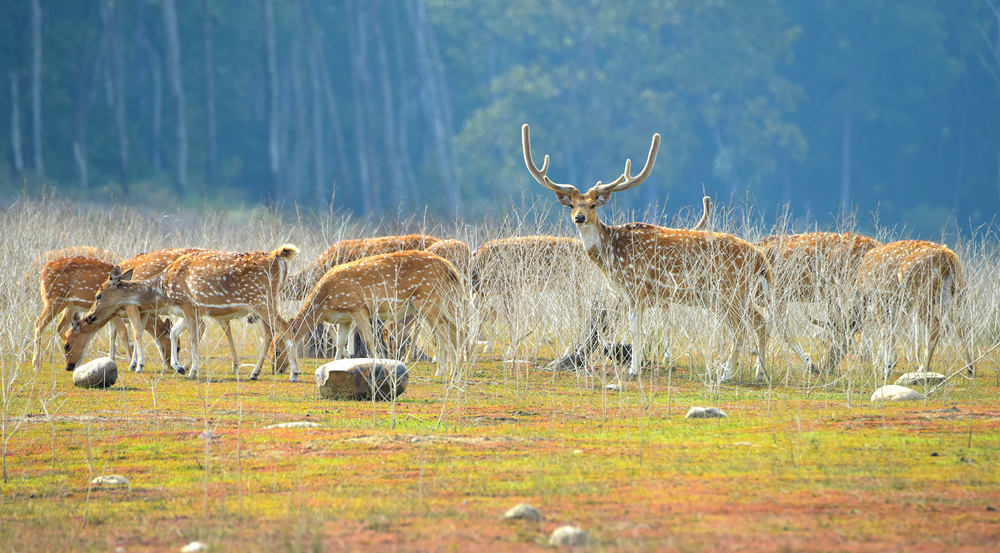
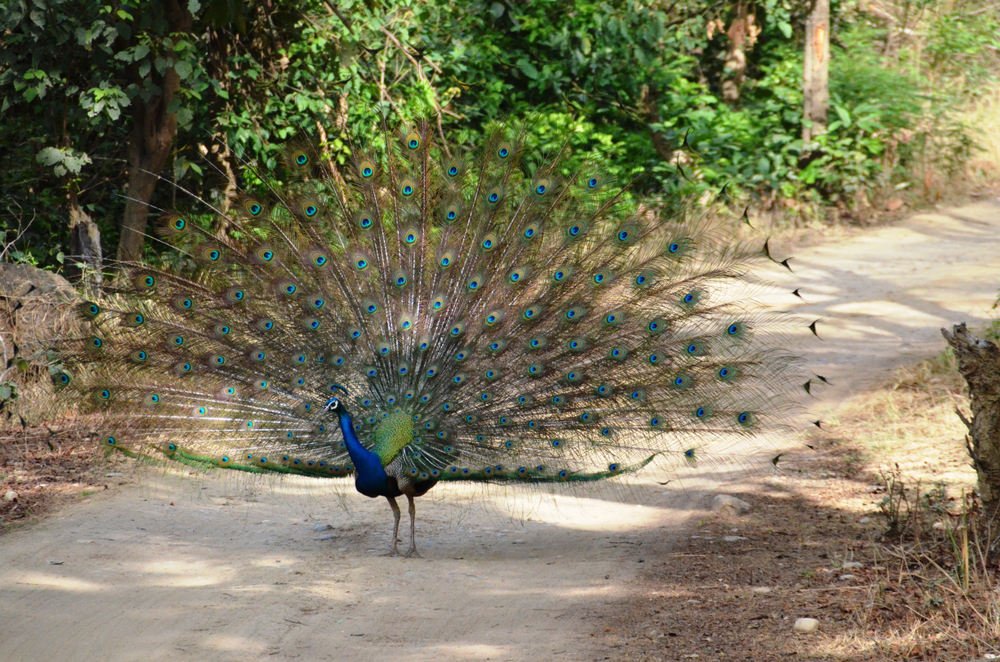
The varied vegetation of the park creates an excellent sanctuary for wildlife with around 50 species of mammals, 25 species of reptiles, and over 575 species of birds. The birds are complemented in the skies by 36 different species of dragonflies.
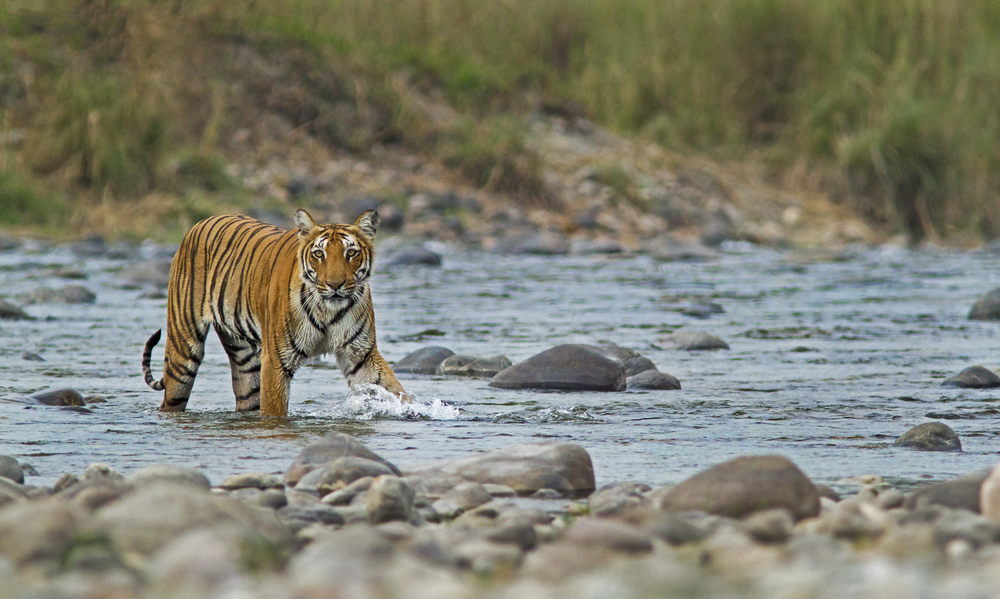
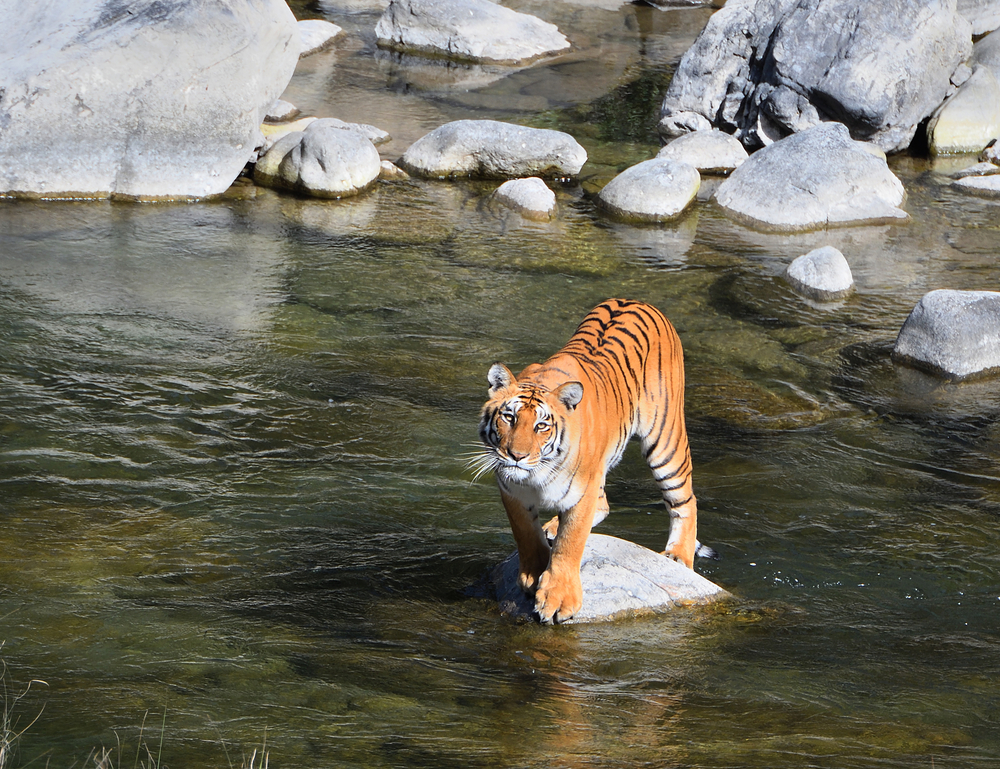
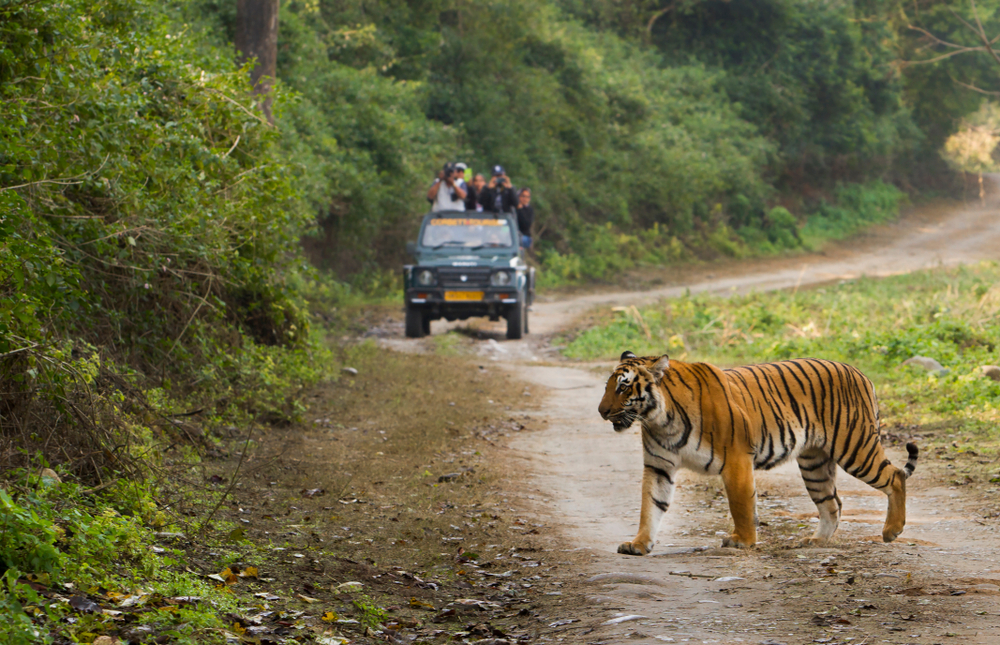
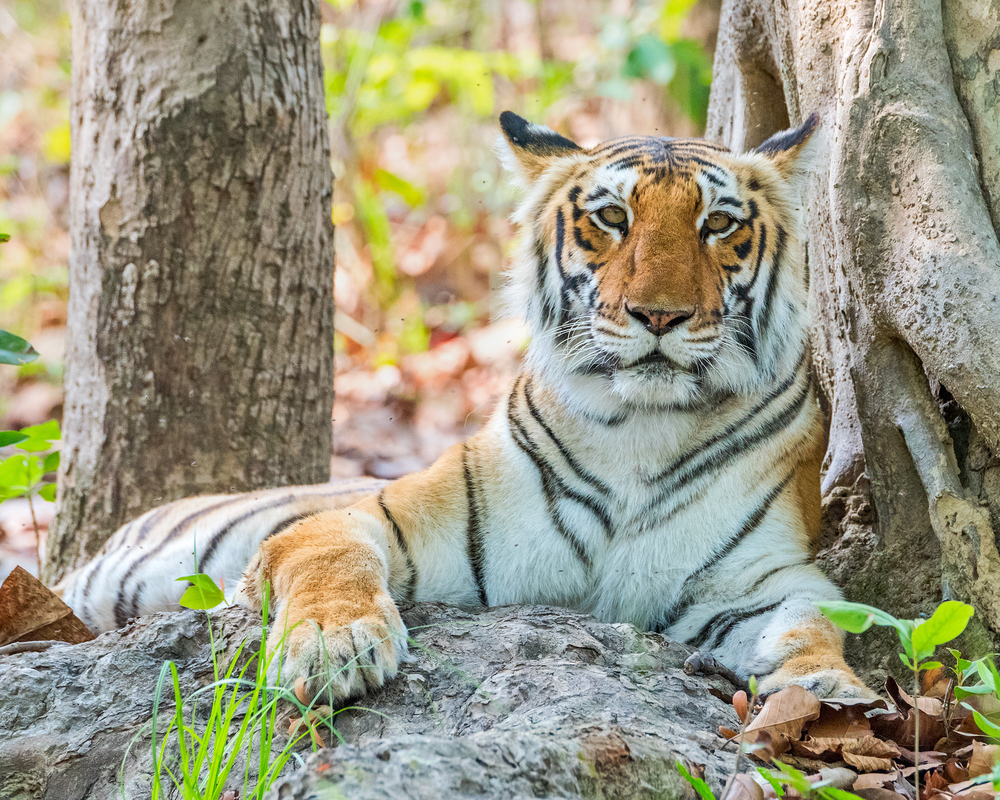
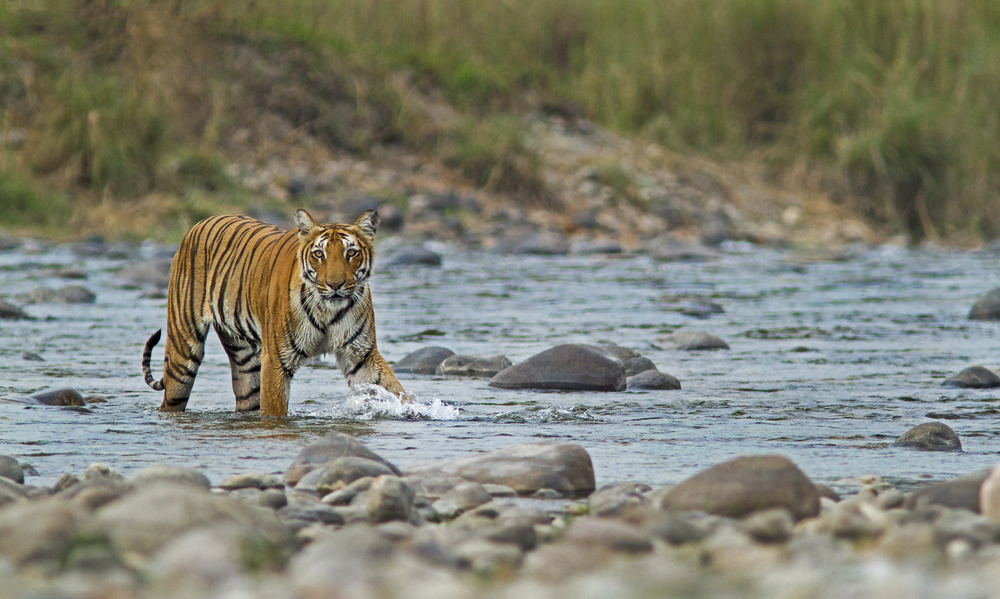
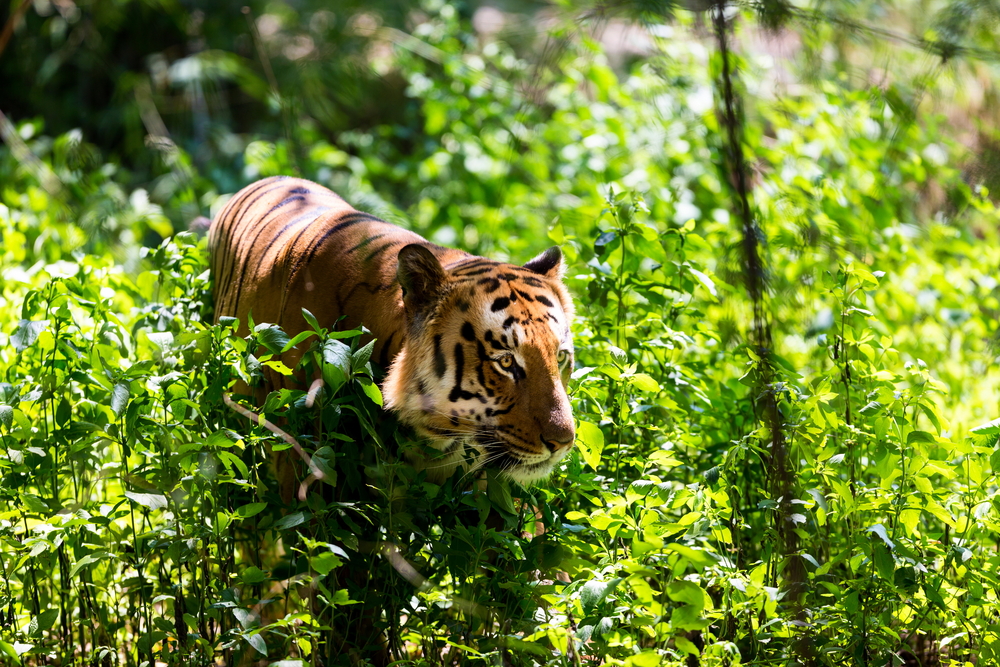
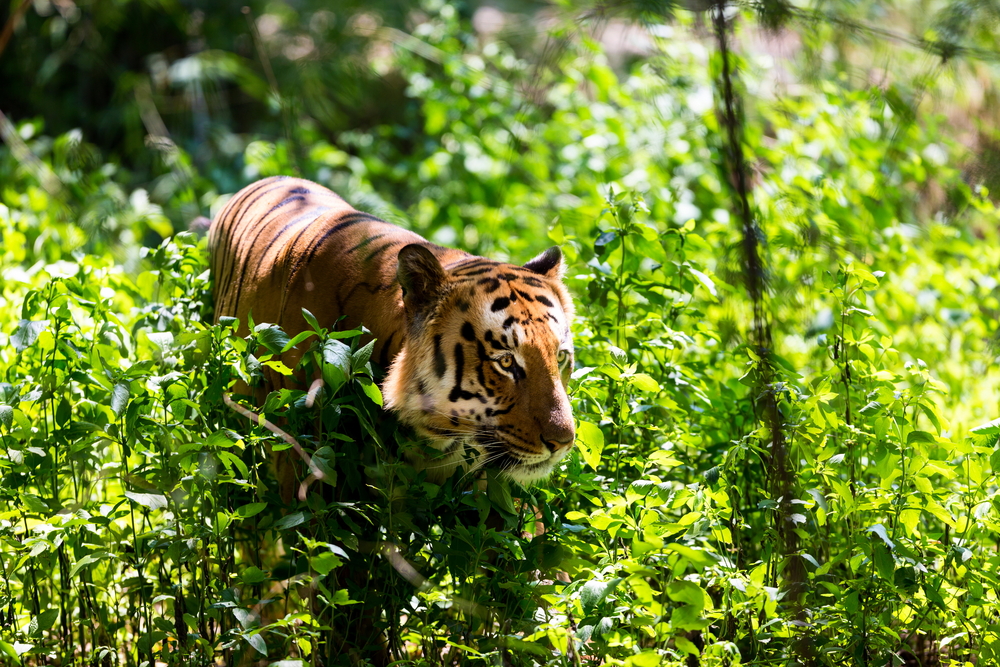
Tigers are one of the leading species of mammals that bring visitors to the parks with hopes of seeing these stunning creatures. Spotting tigers is a challenge because of the abundance of thick vegetation.
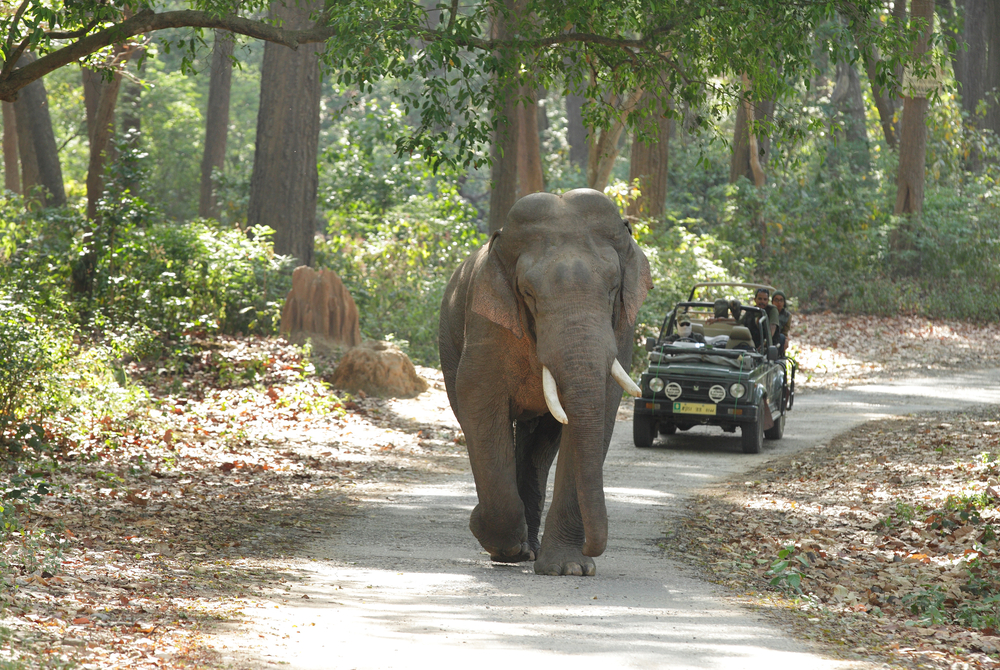
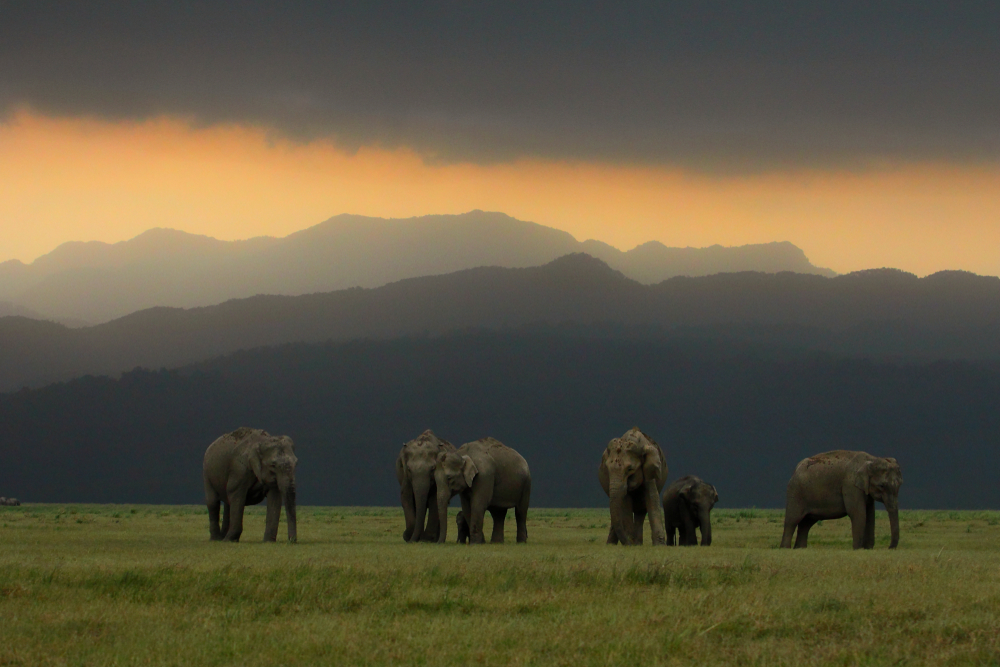
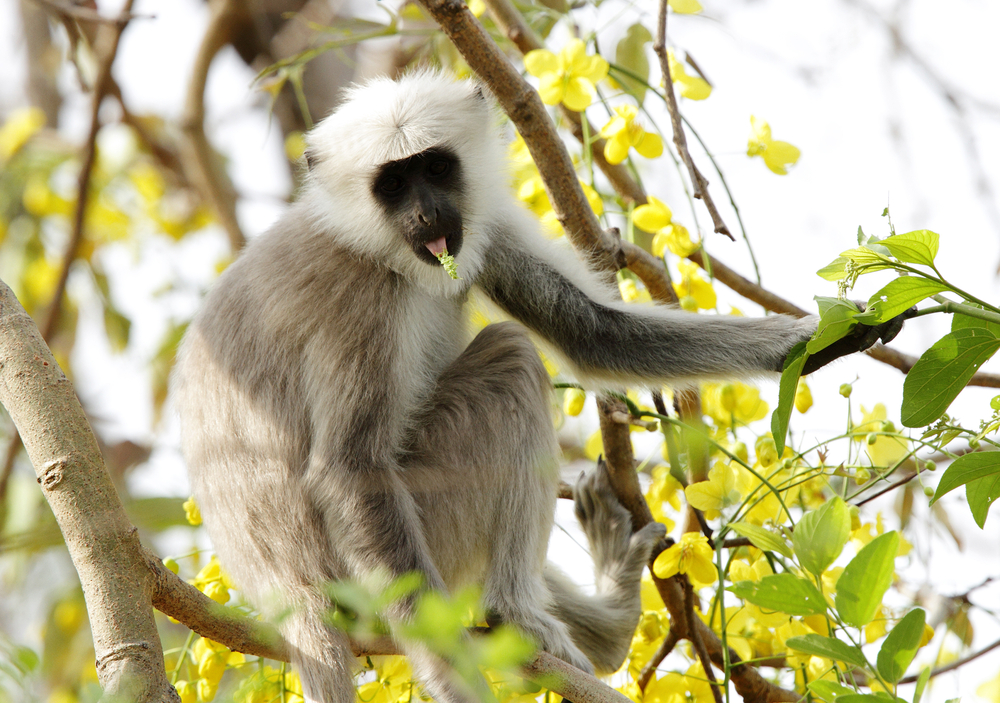
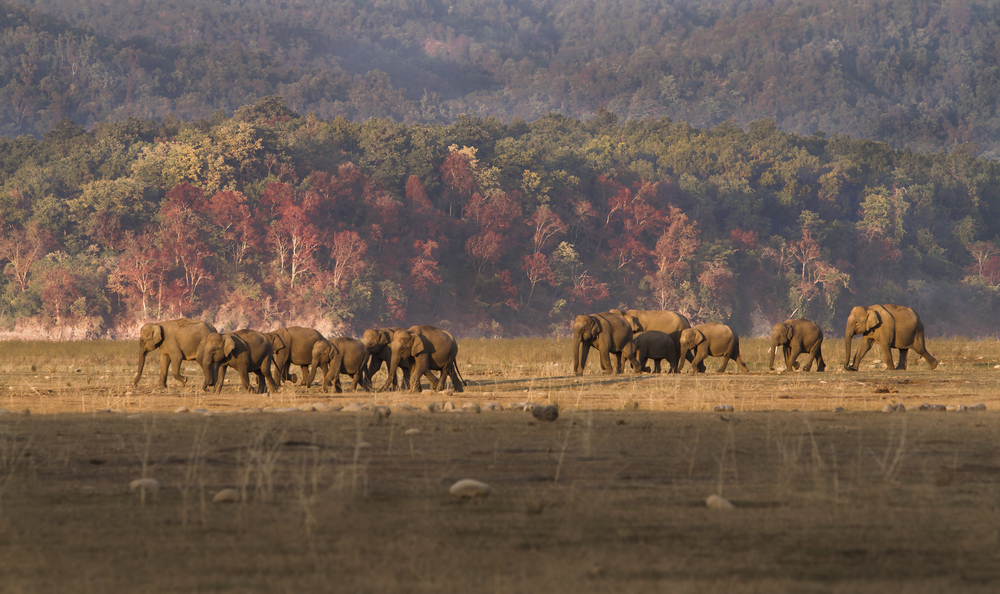
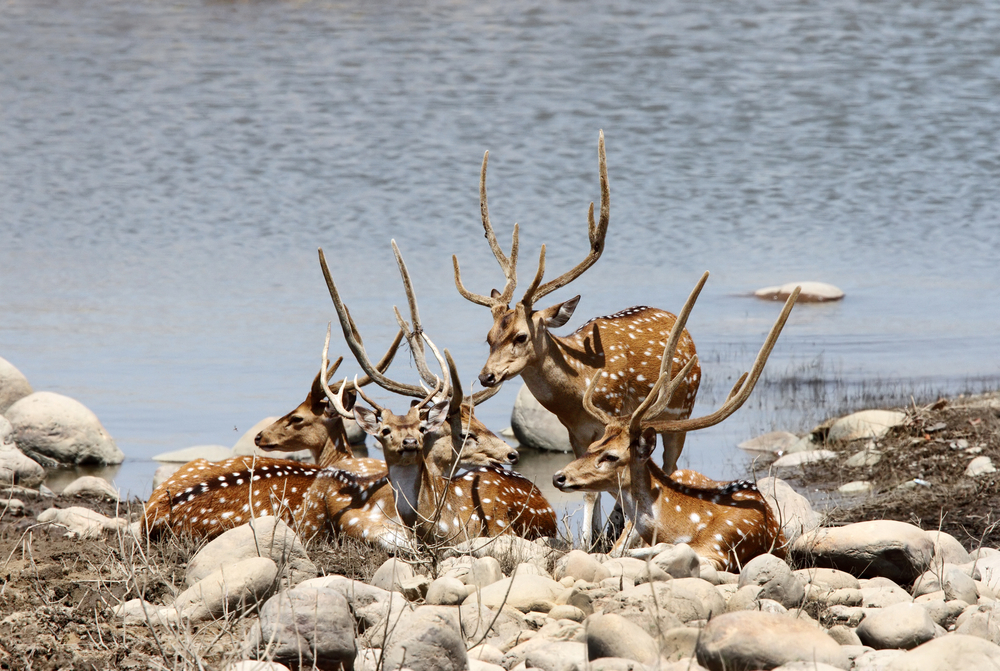
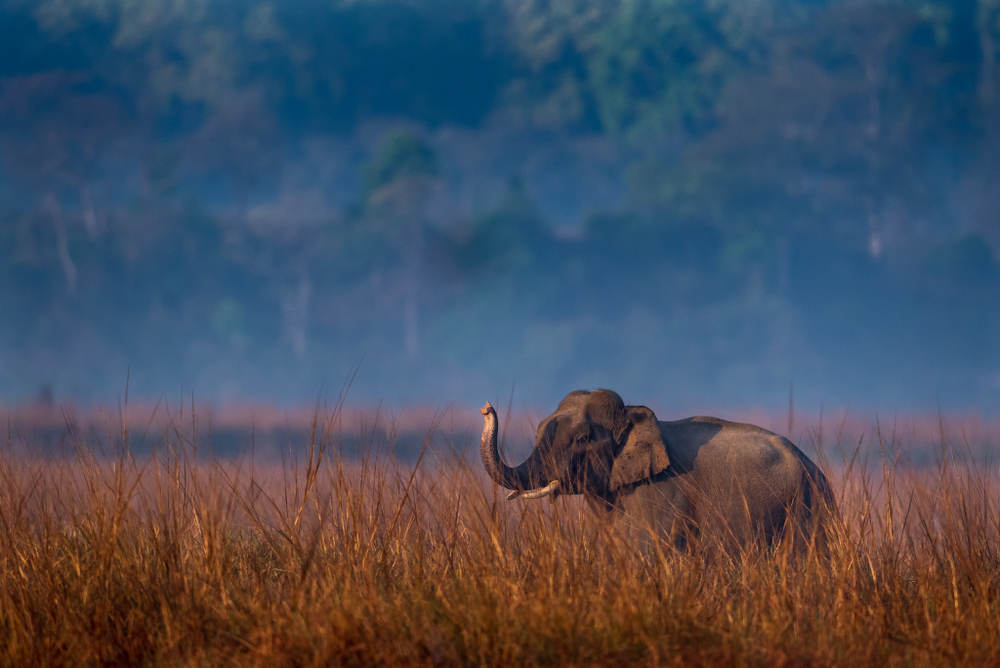
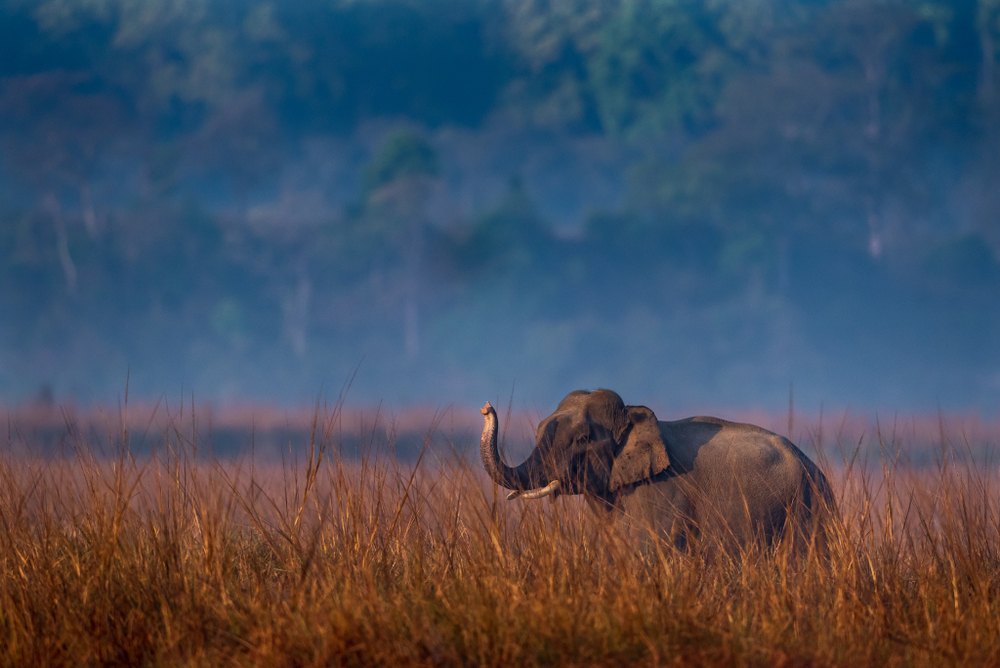
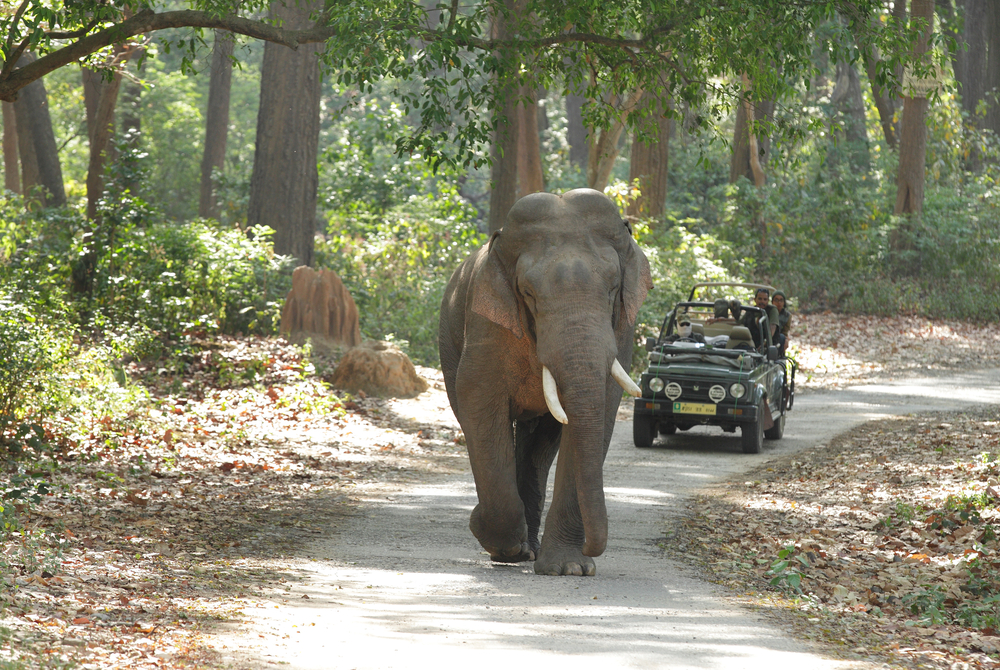
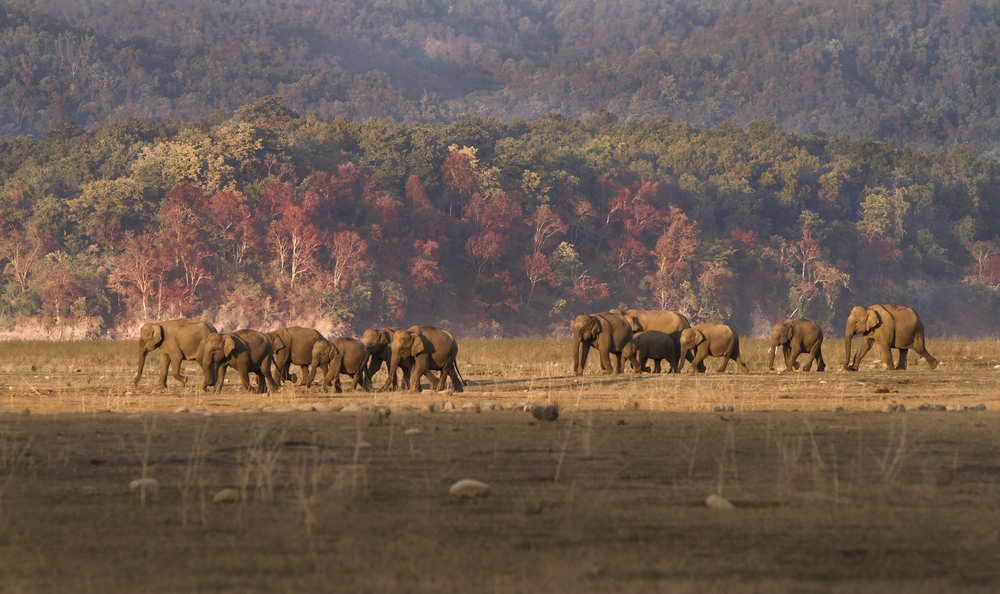
Other predator species include leopards, jungle cats, fishing cats, and the leopard cat. Popular mammalian species include elephants, water buffalo, barking deer, sambar deer, chital, black bears, mongoose, rhesus macaques, and hog deer.
Crocodiles and gharials have regenerated eroding populations for a stronger presence in the park. The Indian python is a notorious reptile that can kill almost any of the species found in Jim Corbett National Park.
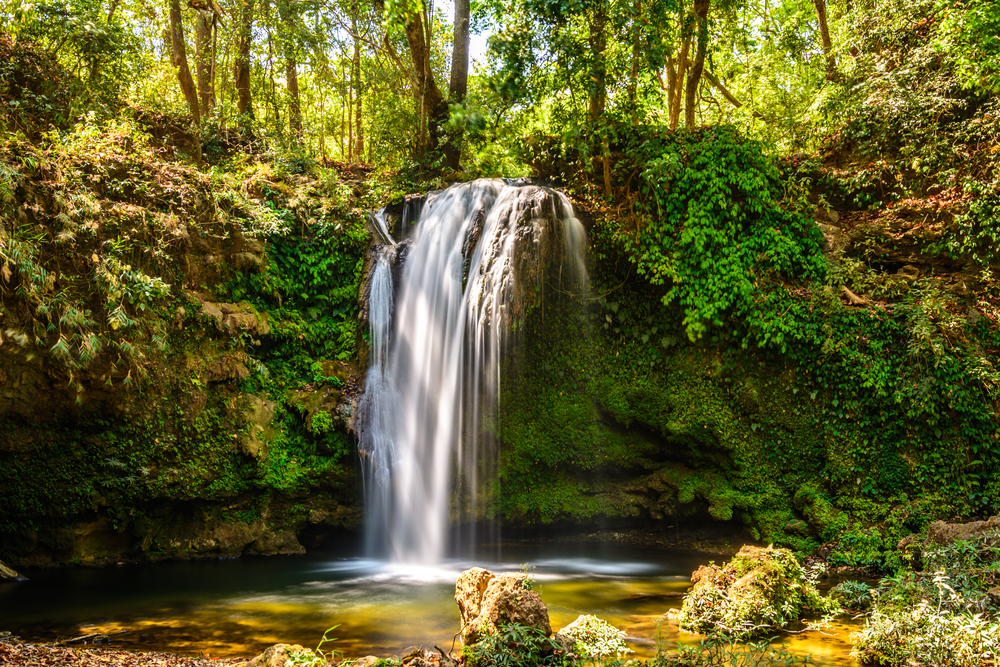
Although wildlife is the primary appeal of the park, it is not the only encounter with nature that people remember. Corbett Falls reaches a height of 66 feet (20 m) and is nestled in the dense jungle. The sounds of the falls are the only sounds you will hear when experiencing the falls.
Garjiva Devi Temple is a revered temple situated on the riverbank of the river Kosi. This is just an added cultural and historical feature of the national park. Kalagarh Dam is an architectural feature within the park boundaries which creates an amazing place for bird lovers to spot a variety of birds and waterfowl from both local and migratory species.
Photos
Things to See
 The wildlife of the national park is the immediate attraction and the highlight of all visitors. It is the wildlife that draws them to experience the Jim Corbett National Park.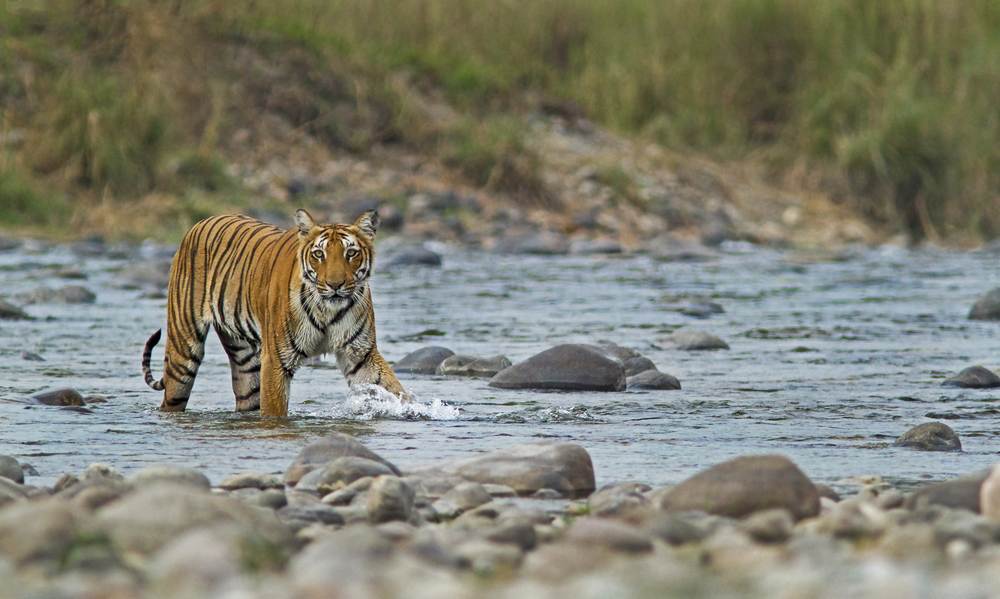
Things To Do
Jim Corbett National Park is one of the favorite destinations in India for seeing wildlife. There is more than one way to do it.
Jim Corbett National Park Trails
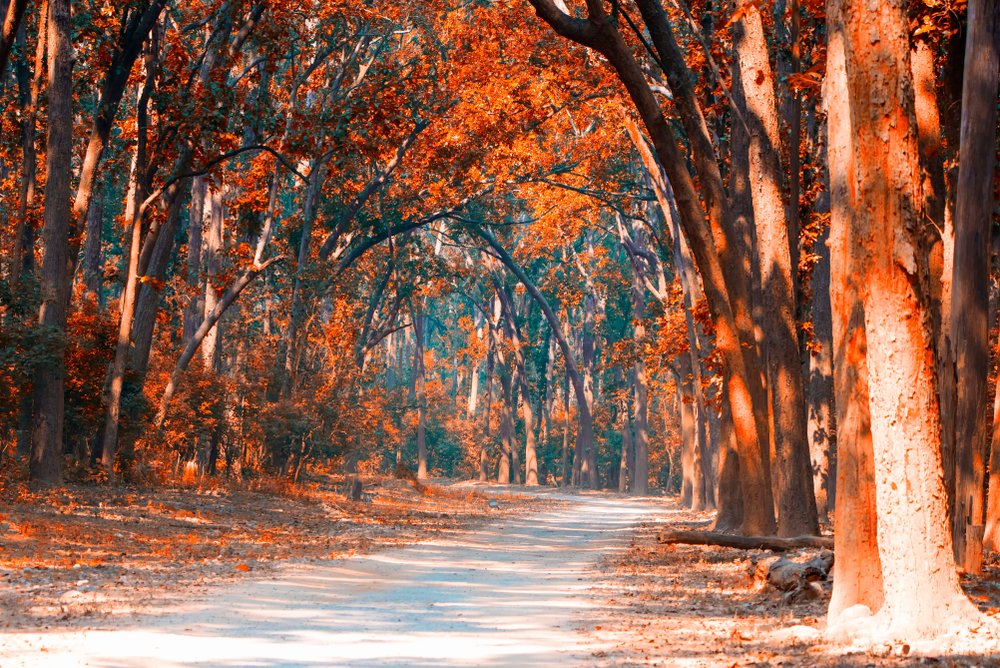
There are no trails for hiking in the park because of the abundance of wildlife. However, trekking is permitted with the assistance of a registered park guide. You can explore the park on foot using one of guided walking safaris.

FAQ’s
How many tigers are there in Jim Corbett National Park?
As of the latest estimates, Jim Corbett National Park is home to around 200 tigers. However, population numbers can fluctuate due to various factors such as habitat availability, prey abundance, and conservation efforts.
What is Jim Corbett National Park most known for?
Jim Corbett National Park is most renowned for being one of the oldest and most prestigious tiger reserves in India. It gained international fame as the first national park established in Asia and for its successful efforts in conserving the endangered Bengal tiger.
Besides tigers, the park is celebrated for its rich biodiversity, diverse ecosystems, and picturesque landscapes, making it a prime destination for wildlife enthusiasts, nature lovers, and adventure seekers alike.
What other national parks are close to Jim Corbett National Park?
Jim Corbett National Park is situated in the northern Indian state of Uttarakhand, near the foothills of the Himalayas.
Several other national parks and wildlife reserves are in proximity to Jim Corbett National Park, offering visitors a chance to explore the diverse ecosystems and wildlife of the region.
Rajaji National Park: Located in the state of Uttarakhand, Rajaji National Park is known for its population of Asian elephants, tigers, leopards, and various species of birds.
Nanda Devi National Park: Situated in the state of Uttarakhand, Nanda Devi National Park is a UNESCO World Heritage Site known for its stunning alpine meadows, glaciers, and diverse flora and fauna.
Dudhwa National Park: Located in the state of Uttar Pradesh, Dudhwa National Park is renowned for its population of Bengal tigers, one-horned rhinoceroses, and swamp deer.
These national parks offer opportunities for wildlife safaris, birdwatching, and exploring the natural beauty of the Himalayan region.
Sources
- Britannica, Corbet National Park, https://www.britannica.com/place/Corbett-National-Park, retrieved March 2020.
- Corbett National Park, park site, https://www.corbett-national-park.com/, retrieved March 2020.
- Corbett Nationalpark.in, park site, https://www.corbettnationalpark.in/, retrieved March 2020.
- Travelogy India, Jim Corbett National Park, https://www.travelogyindia.com/wildlife-tours/national-park/jim-corbett-national-park.html, retrieved March 2020.
- Uttarakhand Tourism Department, Corbett National Park, https://uttarakhandtourism.gov.in/activity/corbett-national-park-2/, retrieved March 2020.