About

Bandipur National Park is located on the eastern side of southern India in the state of Karnataka.  The national park covers an area of 337 square miles (874 sq km).

Banipur is renowned for its tiger population and is one of the national parks under the Project Tiger Initiative.  Combined with Nagarhole National Park, Bandipur is an excellent location to try and see tigers.

Bandipur, Nagarhole, Mudumalai National Park, and the Wayanad Wildlife Sanctuary work together creating the largest protected area in southern India.  Elephants and tigers are two of the endangered species India is invested to protect.  The collective parks account for 843 square miles (2,183 sq km) of protected habitat. 

Dry deciduous forest account for the majority of vegetation in the park, however, there are various biomes present.  Moist deciduous forests, shrublands, riverbeds, and plateaus make up the landscape of the park.

Himavad Gopalaswamy Betta is the highest point found in the park.  There is a Hindu temple located at this spot adding a cultural and historical facet to your nature exploration.

The abundance of dry and moist deciduous forests and other accompanying vegetation create an amazing habitat for wildlife.  Wildlife is what brings most people to the national park.

The tiger population has grown and repopulated over the past several years.  Although Bandipur features the second largest population of tigers, they can still be a challenge to see because of the dense vegetation.  Along with the tigers, the park is home to other endangered species including Indian elephant, sloth bears, jackals, four-horned antelope, gaur, and the Indian giant squirrel.

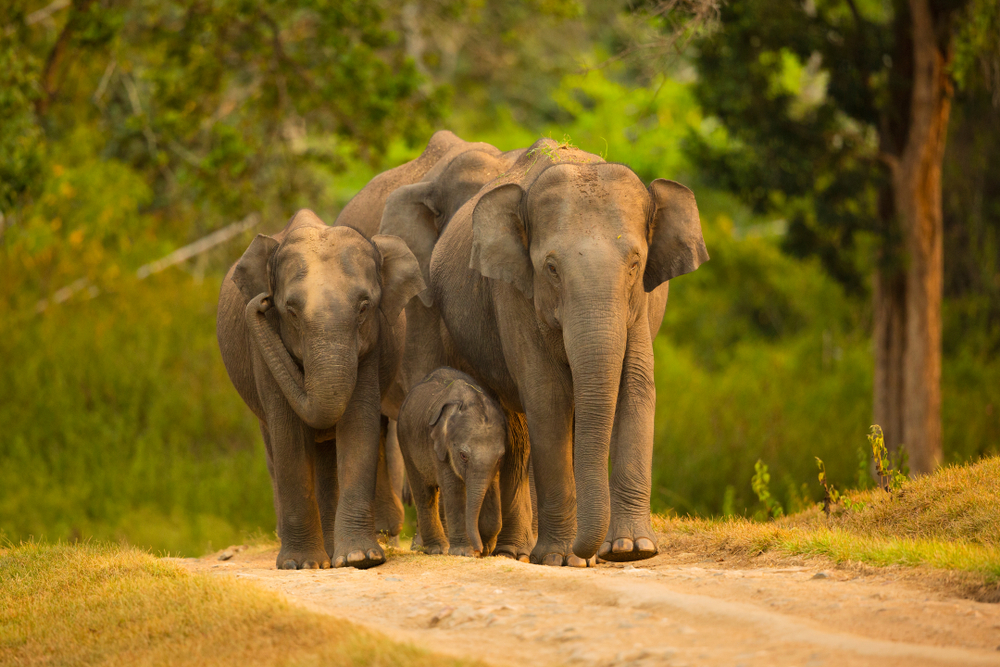
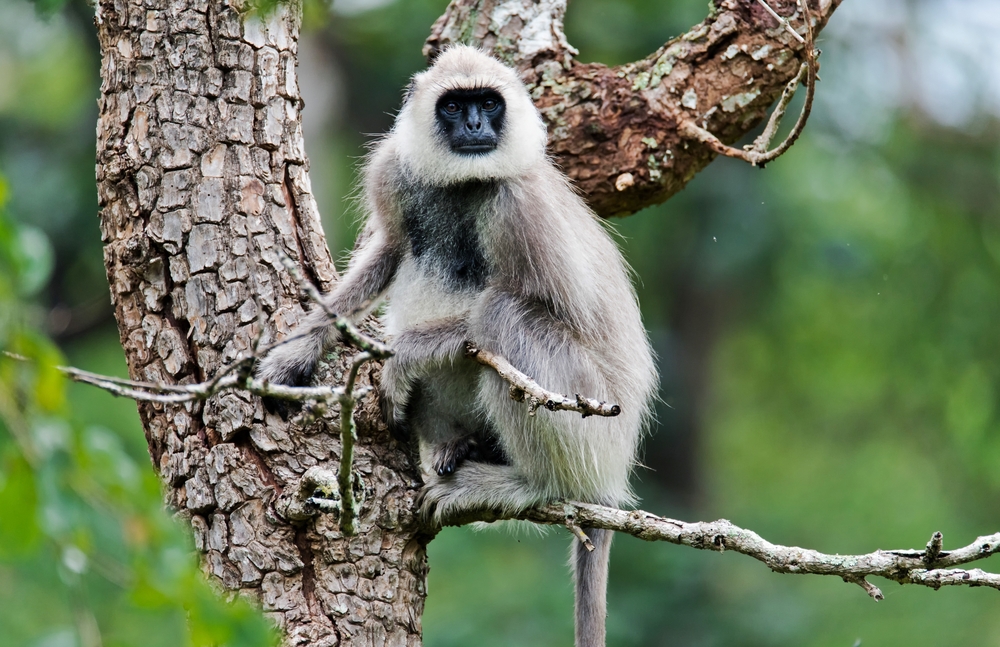
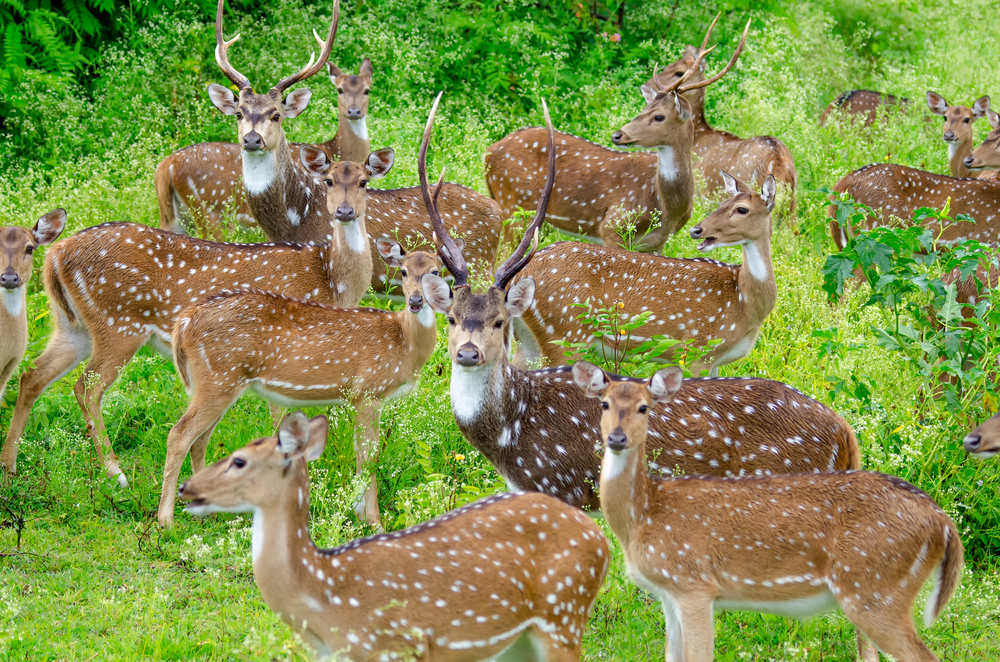
Popular animals that visitors should anticipate seeing include Indian elephants, gray langurs, chital, and the Indian giant squirrels.  Other species visitors can hope to experience include tiger, leopard, gaur, sambar deer, sloth bear, wild boar, muntjac, and the four-horned antelope.

Many people hope not to see these, but Bandipur is also home to the Indian rock python, spectacled cobra, various vipers, monitor lizards, flying lizards, and the Indian chameleon.  Some species may be more desirable to see than others.

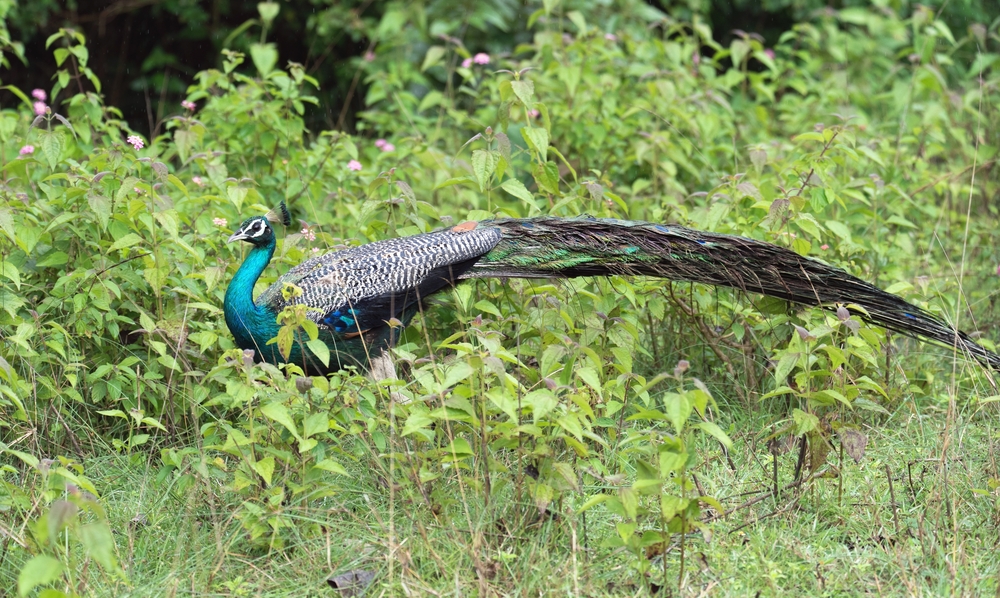
There are over 200 species of birds that call Bandipur home.  Peafowl and jungle fowl are the species most likely to be seen.  Indian rollers, bee-eaters, kingfishers, osprey, and changeable hawk-eagles are some of the more desired sightings.

Things to See

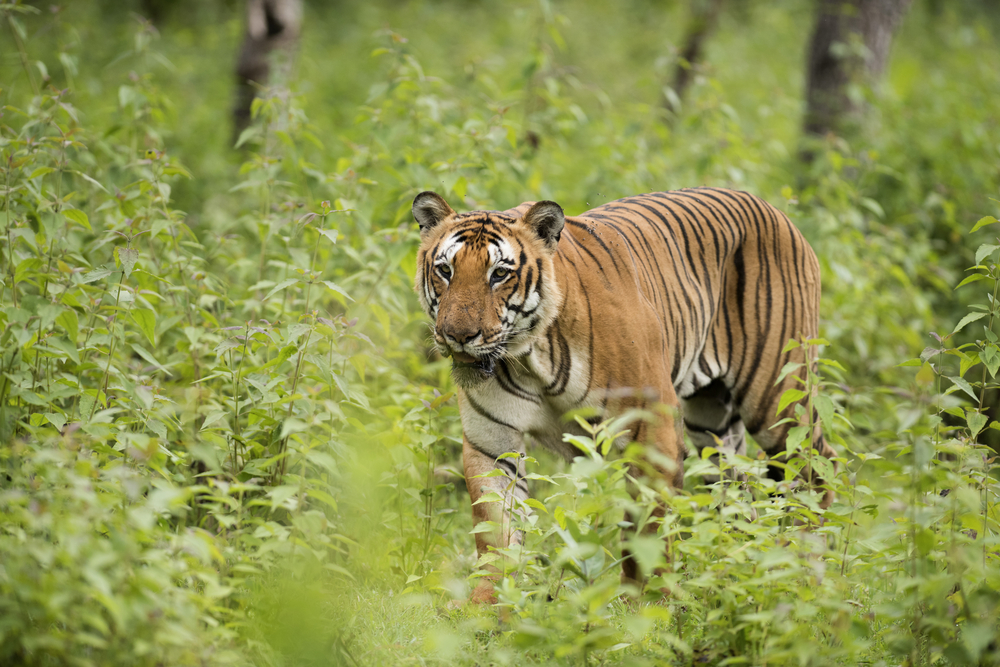
Tigers are the highlight of Bandipur and the feature that brings most people to the park.  The park delivers the second largest population of tigers throughout India.

Although it is a good place to bird watch, take a game drive, and see a variety of nature.  The tigers are the highlight that most people come to Bandipur hoping to experience.

Predators

Predators

Bandipur National Park is a crucial conservation area, playing host to a variety of predator species that underscore the park’s critical ecological dynamics.

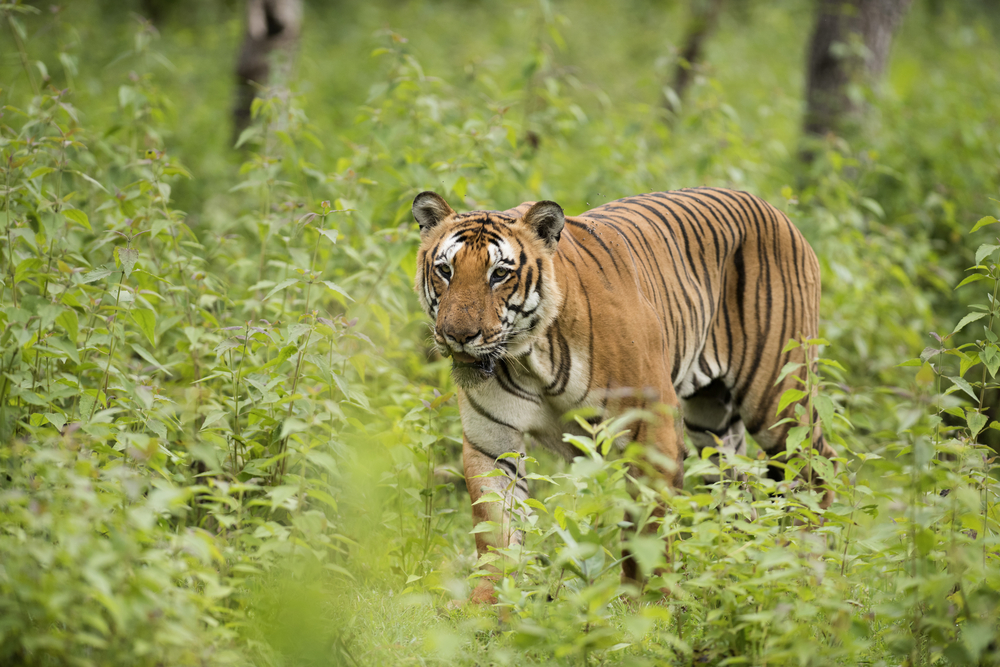
Bengal Tiger
At the apex of Bandipur’s food chain, the Bengal Tiger is a majestic and powerful predator, embodying the wild beauty and complexity of the ecosystem.

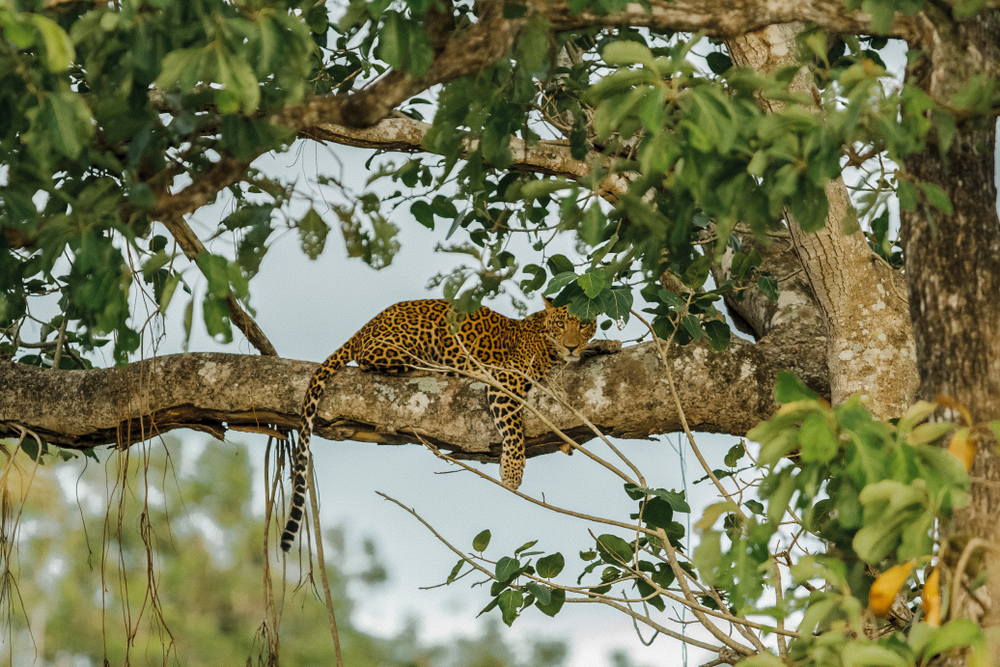
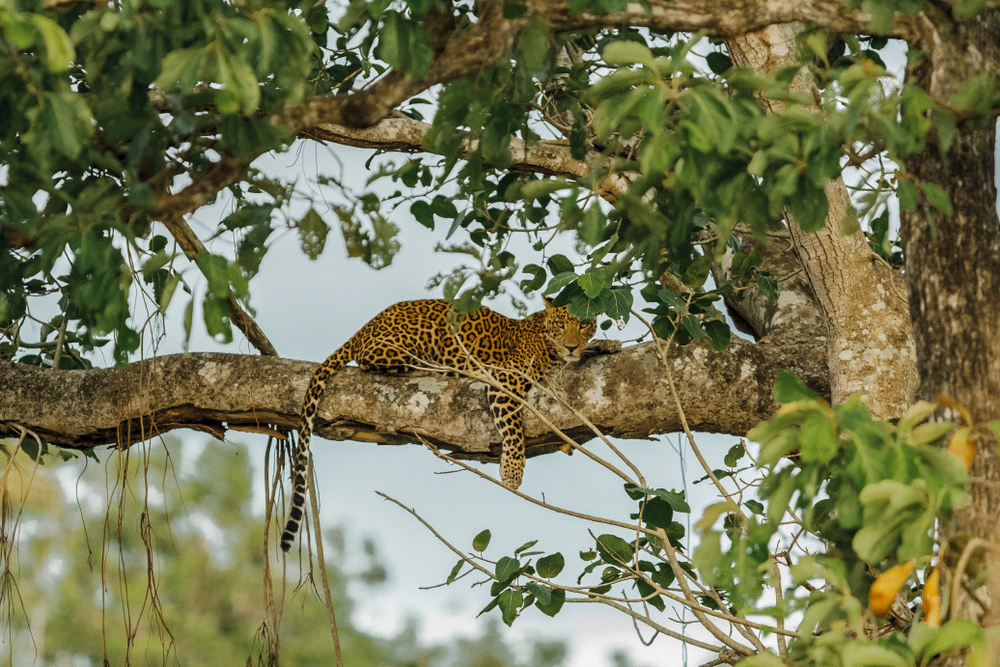
Leopard
The elusive Leopard thrives in the dense forests of Bandipur, utilizing its superb camouflage and climbing skills to ambush prey from above.

Dhole (Indian Wild Dog)
These highly social and cooperative hunters are known for their endurance and strategy, working in packs to take down even the largest of prey.

Sloth Bear
Primarily nocturnal, Sloth Bears forage for termites and fruit, but their powerful build allows them to stand their ground against other predators.

Striped Hyena
Although less common, the Striped Hyena is a scavenger that plays an important role in the ecosystem by cleaning up carrion and other organic waste.

Indian Python
The Indian Python, one of the largest snakes in the world, is a formidable predator in Bandipur, relying on its strength to constrict and overpower prey.

Mugger Crocodile
Residing in the park’s water bodies, the Mugger Crocodile is a key aquatic predator, feeding on fish, reptiles, and sometimes larger mammals.

These predators are integral to maintaining the natural balance within Bandipur National Park, ensuring the health and sustainability of its diverse ecosystems.

Popular

Popular

Bandipur National Park is home to a diverse range of wildlife species, each contributing to the rich tapestry of life in this vibrant protected area.

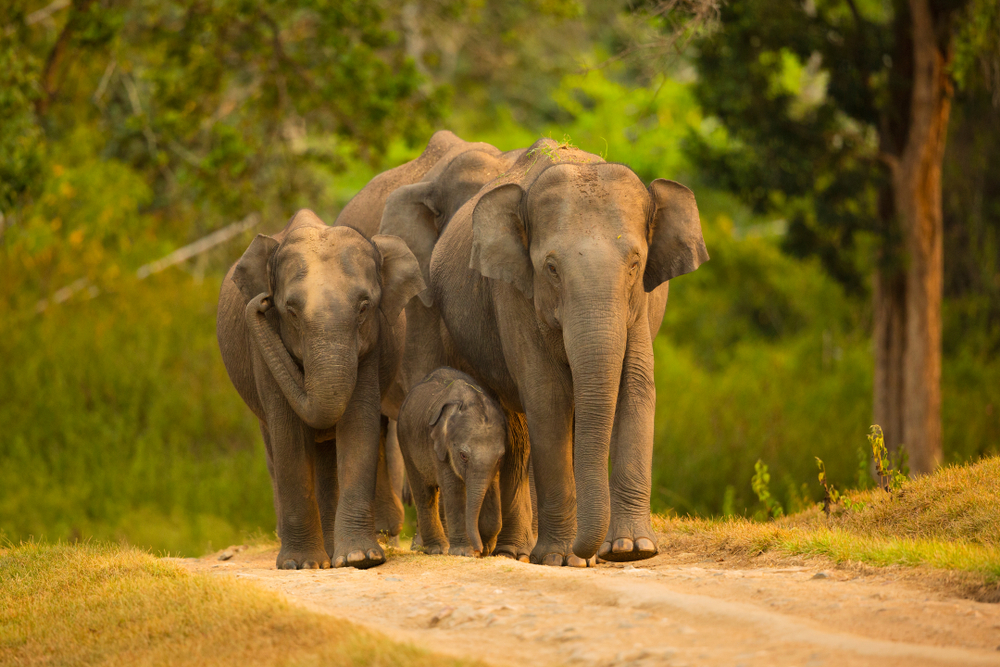
Indian Elephant
A keystone species, the Indian Elephant plays a critical role in shaping the environment, with their large herds often seen wandering the park’s landscapes.

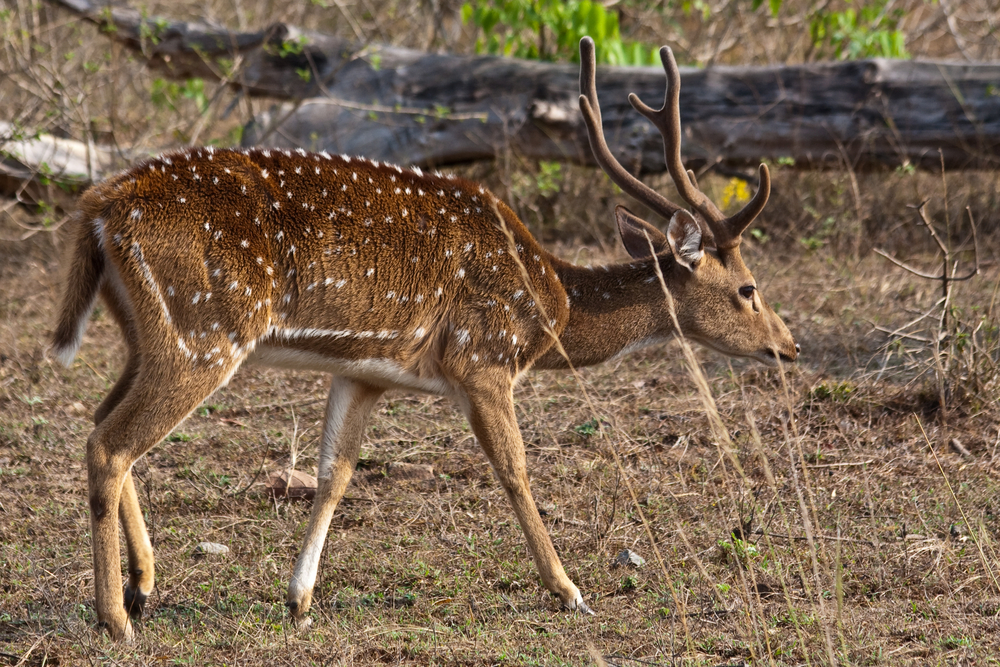
Chital (Spotted Deer)
With their striking spotted coats, Chital are a common sight, grazing in herds across the park, providing a vital food source for many predators.

Sambar Deer
The largest Indian deer, Sambar are distinguished by their robust build and large antlers, playing a key role in the park’s ecological balance.

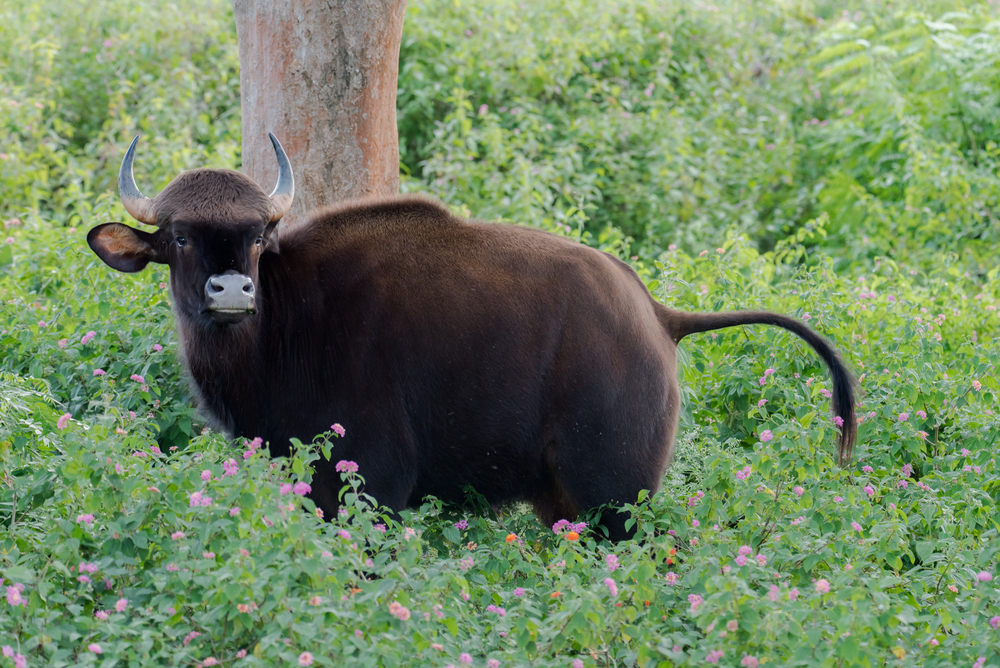
Indian Gaur (Bison)
The mighty Gaur, or Indian Bison, is Asia’s largest bovine, known for its muscular stature and imposing presence within the park’s forests.

Wild Boar
Adaptable and omnivorous, Wild Boars have a significant impact on the ecosystem through their feeding habits, which include rooting and seed dispersal.

Nilgiri Langur
Endemic to the Western Ghats, the Nilgiri Langur is a leaf-eating monkey with a striking black fur and a long tail, often found in troops.

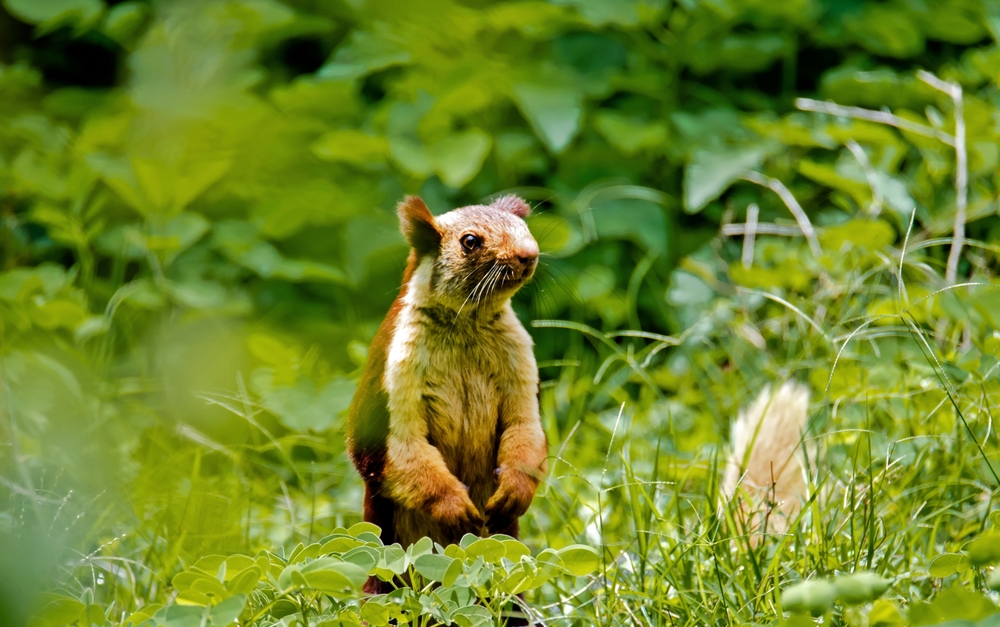
Indian Giant Squirrel
The colorful Indian Giant Squirrel is known for its impressive size and vivid coat, leaping through the canopy with remarkable agility.

Indian Muntjac (Barking Deer)
Small and elusive, the Indian Muntjac is often heard through its distinctive bark, serving as an alarm call in the dense underbrush of the forest.

Four-horned Antelope
Unique for its four horns, a rarity among antelopes, this shy and solitary creature navigates the park’s terrain, grazing on a variety of plants.

Common Langur
These greyish primates, with their long tails and black faces, are vital for seed dispersal, contributing to the health of the park’s forests.

Each of these species, from the majestic Indian Elephant to the vibrant Indian Giant Squirrel, adds to the dynamic biodiversity that makes Bandipur National Park a crucial sanctuary for wildlife conservation.

Birds

Birds

Bandipur National Park is a birdwatcher’s paradise, offering a habitat to an impressive variety of bird species, each adding a unique note to the park’s symphony.

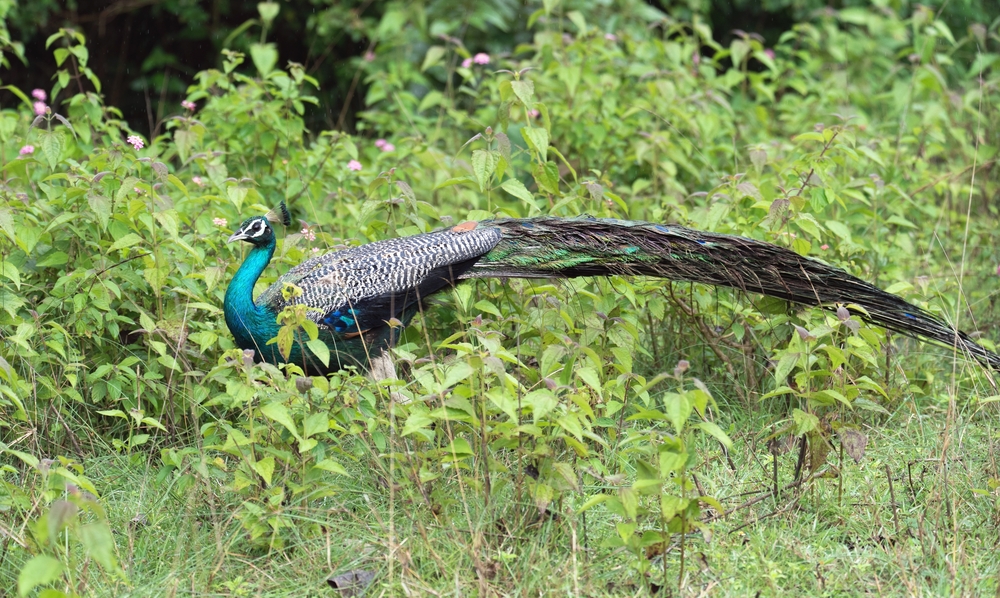
Peafowl (Indian Peafowl)
The majestic Indian Peafowl is best known for the male’s spectacular display of iridescent tail feathers, a symbol of beauty in the natural world.

Crested Serpent Eagle
Soaring high, the Crested Serpent Eagle is distinguished by its sharp gaze and prowess in hunting snakes, playing a crucial role in controlling reptile populations.

Malabar Pied Hornbill
With its striking black and white plumage and large casque atop the bill, this hornbill is vital for seed dispersal in the park’s forests.

Grey Junglefowl
The wild relative of domestic chickens, the Grey Junglefowl is recognized by its dazzling plumage and distinctive call that echoes through the underbrush at dawn.

Changeable Hawk-Eagle
A versatile predator, the Changeable Hawk-Eagle is admired for its varied plumage and remarkable adaptability in hunting a range of prey sizes.

Indian Vulture
Critical to the ecosystem as a scavenger, the Indian Vulture is an imposing presence, helping to keep the park clean by consuming carrion.

Red-headed Vulture
With its striking red head and powerful build, the Red-headed Vulture is another essential scavenger, contributing to the ecological balance by removing dead animals.

White-bellied Minivet
This small, vibrant bird with its contrasting red and white plumage is often seen flitting about in search of insects, adding color to the park’s foliage.

Green Bee-eater
Graceful and colorful, the Green Bee-eater is known for its acrobatic flights, catching bees and other insects in mid-air, a delightful sight for visitors.

Black-headed Ibis
Standing tall with its distinctively curved beak, the Black-headed Ibis frequents wetlands within the park, searching for fish and amphibians.

Each bird species in Bandipur National Park plays an integral part in the ecosystem, from controlling insect populations to pollinating plants and dispersing seeds.

Things To Do

Engaging Bandipur

placeholder

Jeep Safari

The jeep safari offers an immersive experience into the dense forests of Bandipur, where visitors can spot elephants, tigers, gaurs, and various bird species. The journey through mixed forest types, from dry deciduous to scrublands, showcases the park’s biodiversity and landscape variety.

placeholder

Elephant Safari

An elephant safari provides a unique perspective on the park’s wildlife and terrain. Riding on these gentle giants offers a closer view of the forest floor’s inhabitants and a chance to see wildlife in their natural habitat, including deer, monkeys, and perhaps even a tiger.

placeholder

Nature Walks

Under the guidance of forest officials, nature walks in buffer zones around Bandipur allow for safe exploration of the park’s flora. These walks are educational, focusing on plant identification, bird watching, and understanding the ecosystem.

Bird Watching

Bandipur is home to over 200 bird species, making it a haven for bird watchers. Guided tours provide opportunities to spot rare and endemic birds, including the Malabar pied hornbill, crested serpent eagle, and the Indian peafowl, amidst the natural beauty of the Western Ghats.

placeholder

Village Visits

For a cultural experience, visits to villages on the periphery of Bandipur offer insights into the life of communities living in close proximity to wildlife. These visits highlight the balance between conservation and livelihood, showcasing traditional practices and the impact of conservation efforts on local populations.

placeholder

Jeep Safari

The jeep safari offers an immersive experience into the dense forests of Bandipur, where visitors can spot elephants, tigers, gaurs, and various bird species. The journey through mixed forest types, from dry deciduous to scrublands, showcases the park’s biodiversity and landscape variety.

placeholder

Elephant Safari

An elephant safari provides a unique perspective on the park’s wildlife and terrain. Riding on these gentle giants offers a closer view of the forest floor’s inhabitants and a chance to see wildlife in their natural habitat, including deer, monkeys, and perhaps even a tiger.

placeholder

Nature Walks

Under the guidance of forest officials, nature walks in buffer zones around Bandipur allow for safe exploration of the park’s flora. These walks are educational, focusing on plant identification, bird watching, and understanding the ecosystem.

Bird Watching

Bandipur is home to over 200 bird species, making it a haven for bird watchers. Guided tours provide opportunities to spot rare and endemic birds, including the Malabar pied hornbill, crested serpent eagle, and the Indian peafowl, amidst the natural beauty of the Western Ghats.

placeholder

Village Visits

For a cultural experience, visits to villages on the periphery of Bandipur offer insights into the life of communities living in close proximity to wildlife. These visits highlight the balance between conservation and livelihood, showcasing traditional practices and the impact of conservation efforts on local populations.

Bandipur National Park Trails

There are no hiking trails in the national park.  The abundant wildlife and presence of tigers make trekking out of the realm of possibilities.

placeholder

No Traditional Trails

Bandipur National Park, part of the Nilgiri Biosphere Reserve in India, is predominantly a wildlife sanctuary without traditional hiking trails due to safety regulations and the conservation of wildlife.

Instead, visitors explore the park through guided safaris and tours, which provide opportunities to observe a diverse range of flora and fauna from the safety of a vehicle.

placeholder

No Traditional Trails

Bandipur National Park, part of the Nilgiri Biosphere Reserve in India, is predominantly a wildlife sanctuary without traditional hiking trails due to safety regulations and the conservation of wildlife.

Instead, visitors explore the park through guided safaris and tours, which provide opportunities to observe a diverse range of flora and fauna from the safety of a vehicle.

FAQ’s

What is Bandipur National Park known for?

Bandipur National Park is renowned for its rich biodiversity and conservation efforts. It’s one of India’s oldest and most well-managed national parks. Bandipur is particularly known for its population of endangered Bengal tigers and Indian elephants.

The park’s diverse habitats, including dry deciduous forests, grasslands, and riverine forests, support a wide variety of wildlife, including leopards, sloth bears, dhole (wild dogs), and over 200 species of birds.

Visitors to Bandipur can enjoy wildlife safaris, nature walks, and birdwatching excursions, offering ample opportunities to observe and appreciate the park’s natural beauty and wildlife.

What is Bandipur National Park known for?

Bandipur National Park is renowned for its rich biodiversity and conservation efforts. It’s one of India’s oldest and most well-managed national parks. Bandipur is particularly known for its population of endangered Bengal tigers and Indian elephants.

The park’s diverse habitats, including dry deciduous forests, grasslands, and riverine forests, support a wide variety of wildlife, including leopards, sloth bears, dhole (wild dogs), and over 200 species of birds.

Visitors to Bandipur can enjoy wildlife safaris, nature walks, and birdwatching excursions, offering ample opportunities to observe and appreciate the park’s natural beauty and wildlife.

Sources