About

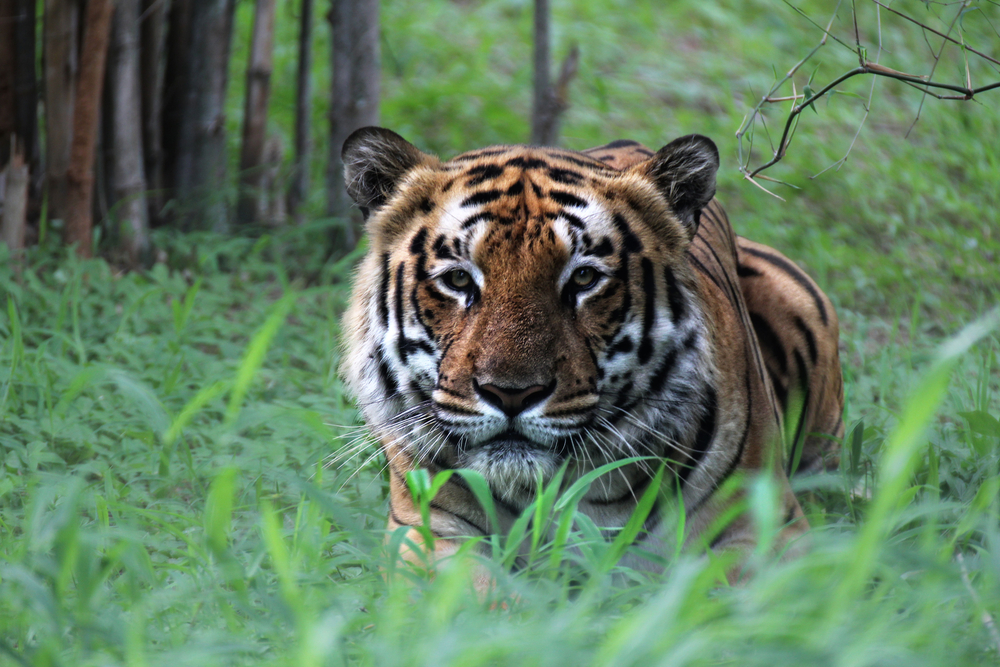
Bandhavgarh National Park is located in the eastern part of Central India in Madhya Pradesh.  The national park covers an area of 593 square miles (1,536 sq km). This is one of the leading tiger reserves and destinations in all of India.

Bandhavgarh protects significant biodiversity for the India region.  There are three regions within the park that include Tala, Magadhi, and Khitauli with Tala serving as the primary area for the tigers.  The National Tiger Conservation Authority helps leverage the park and others to protect the declining tiger population.

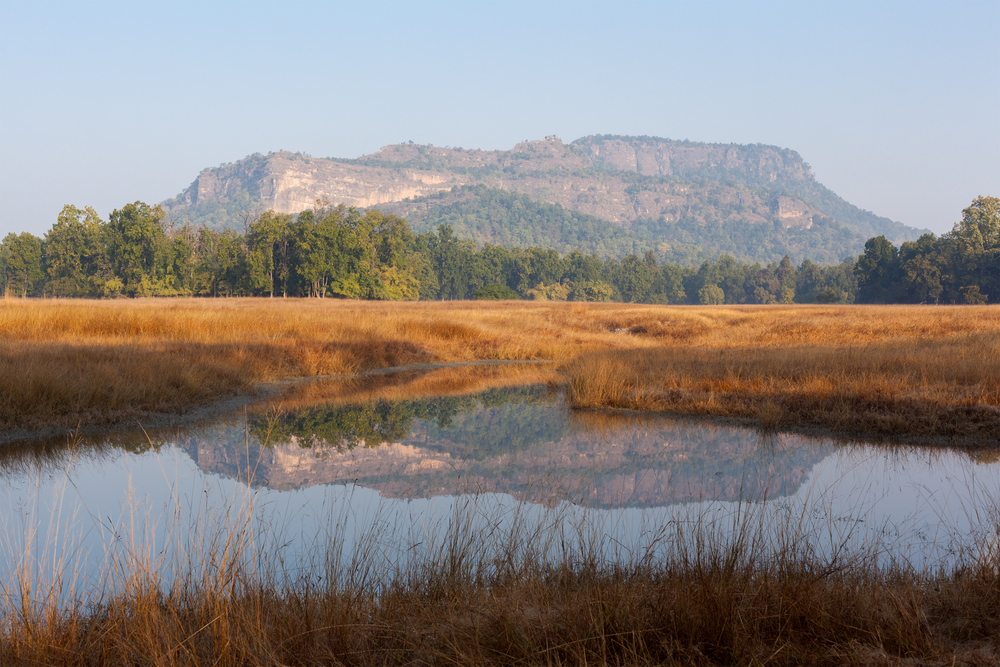
The national park features wide valleys between the ranges that provide grasslands, Sal forests, rich mixed forests, and thickets of bamboo.  In addition to the tiger, there are 37 species of mammals.

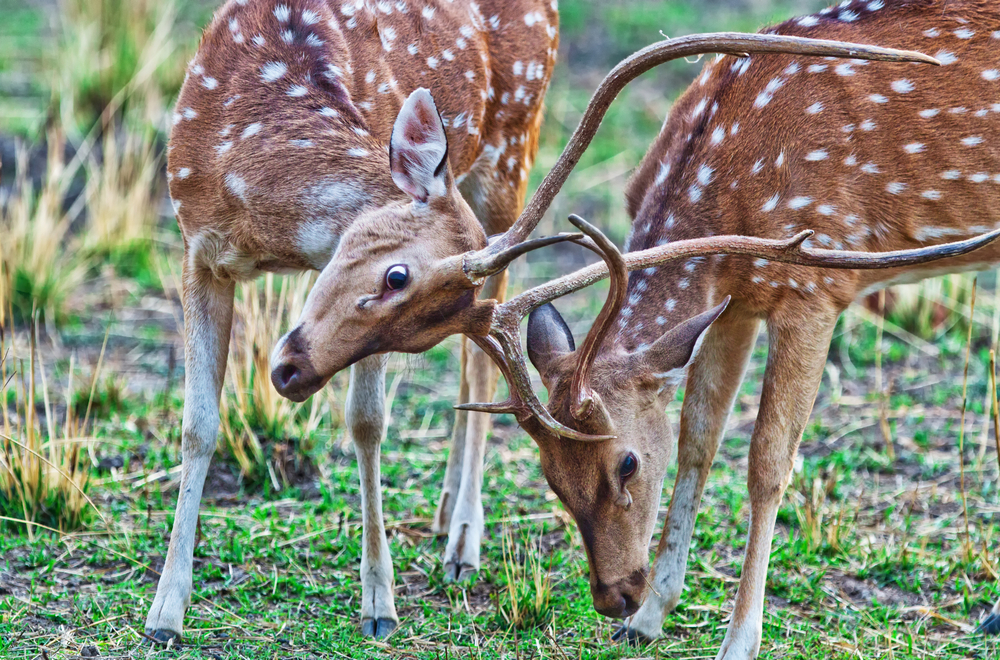
The predators of Bandhavgarh include the tiger, leopard, striped hyena, and the caracal.  Sambar, barking deer, spotted deer, and nilgai are all commonly seen in the park.  The spotted deer is the favorite prey of the tiger.  The tiger is the most exciting wildlife sighting and one of the leading reasons that visitors come to the national park.

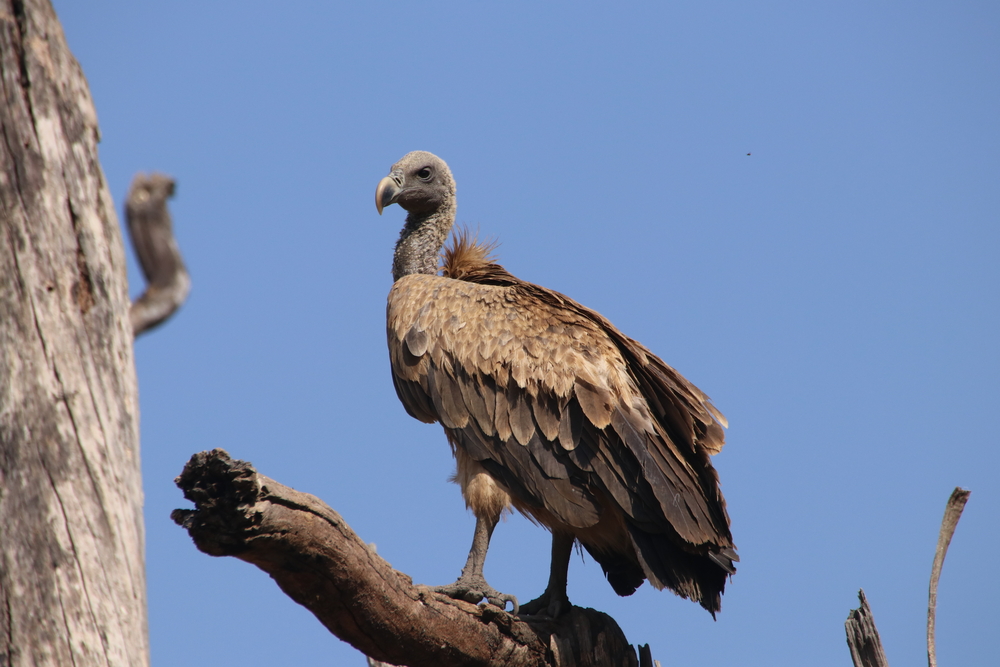
For those who appreciate the skies, and depending on the reports, there are between 250 and 350 species of birds with 80 species of butterflies providing an abundance of beauty in the air. 

Things to See

Bandhavgarh National Park has one of the largest populations of tigers in all of India.  The park also features a significant number of breeding leopards.  Although the park is relatively small, it is home to approximately 46 tigers.

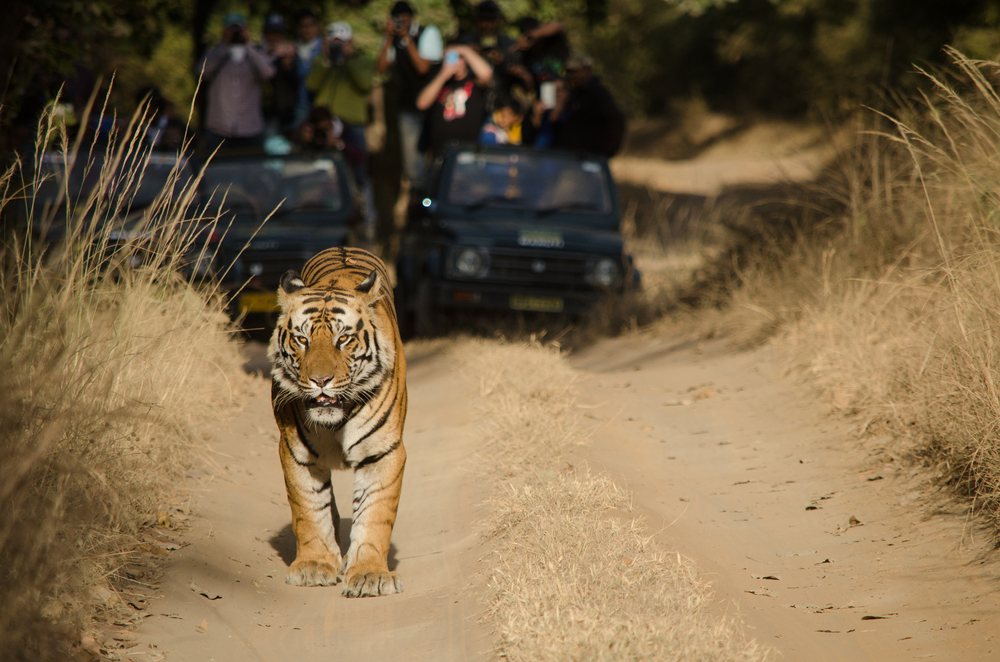
A traditional saying of the park is, “In any other park, you are lucky if you see a tiger.  In Bandhavgarh, you are unlucky if you don’t see at least one.”

Tigers

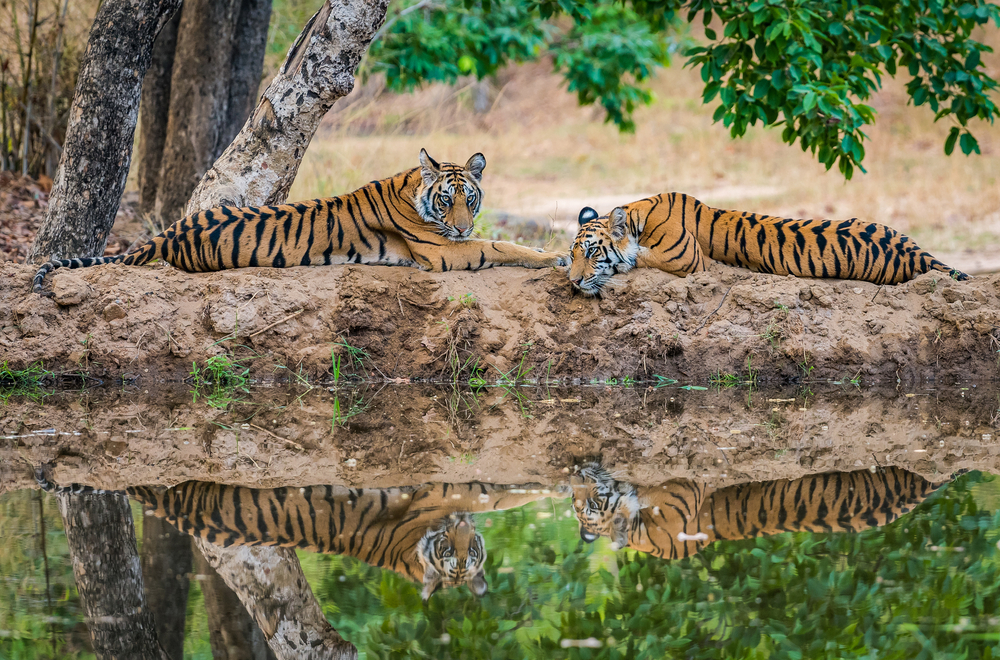
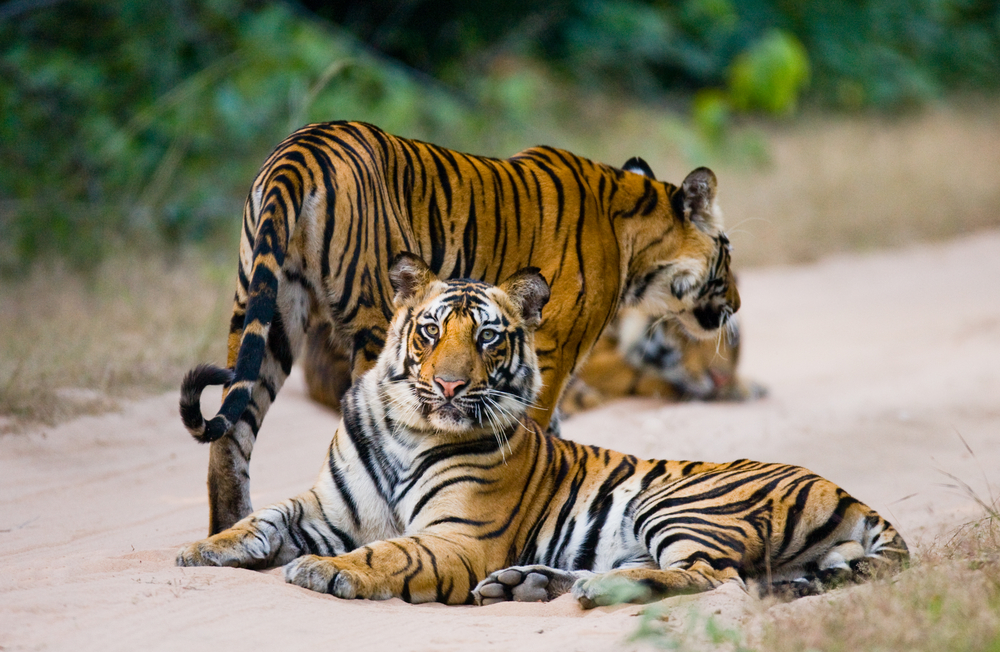
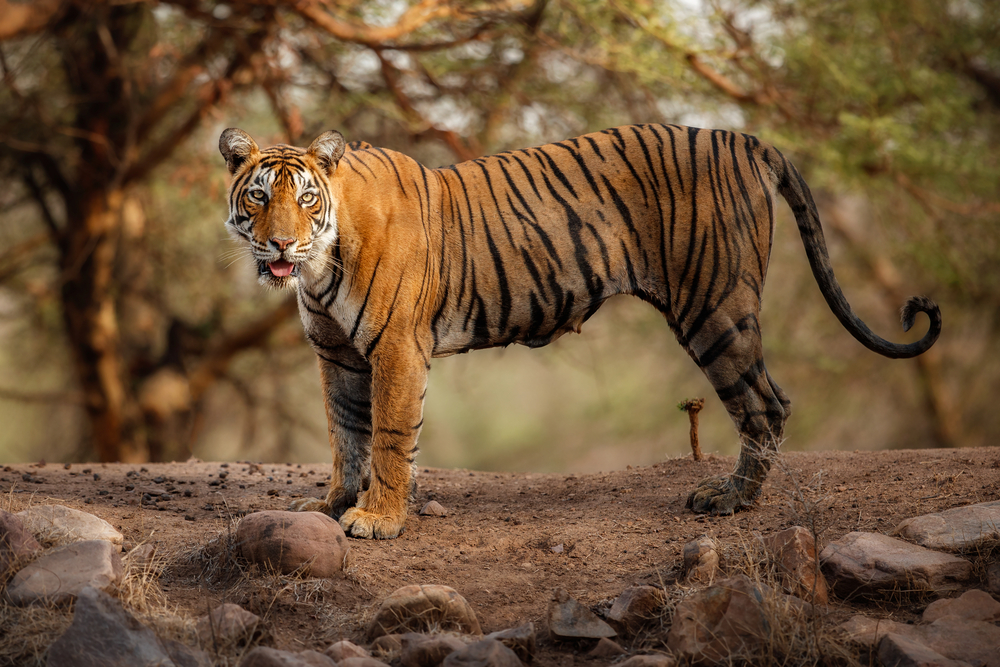
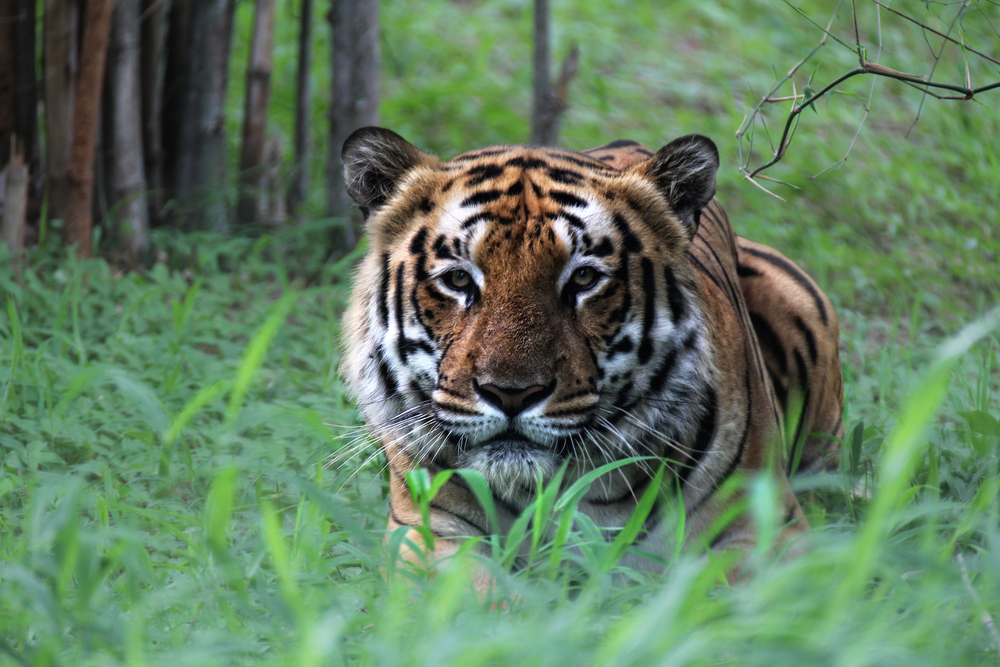
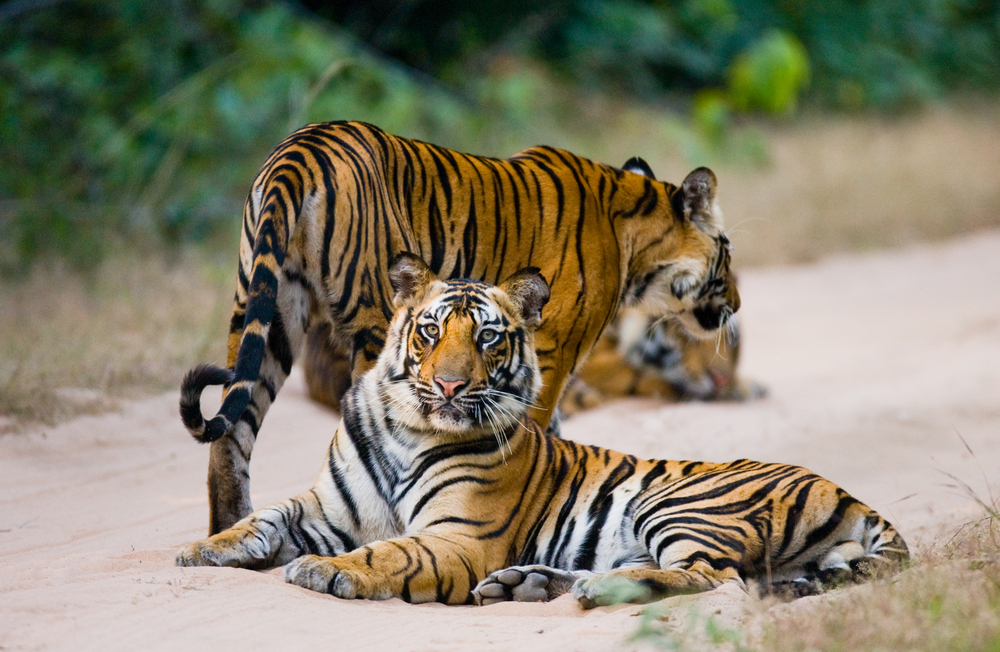
The tiger is the pinnacle attraction at the national park and the wildlife species that most people strive to see.  The tiger is the largest of the cats.  It is renowned for its beautiful black and orange striped fur.  The underbelly is also striped but usually features a softer whitish color of fur along with the black stripes.

The tiger is the official national animal of India.  The male ranges in length from about 8.2 feet to 12.8 feet (250 to 390 cm) and weighing between 198 to 675 pounds (90 to 306 kg).  Females are smaller ranging from 6.56 to 9.02 feet (200 to 275 cm) and weighing between 143 to 368 pounds (65 to 167 kg).

Bandhavgarh Fort

The Bandhavgarh Fort sits atop a hill reaching a height of 2,660.76 feet (811 m) giving it amazing panoramic views over the terrain of the national park. The fort now serves as a historical part of the national park experience with wildlife roaming about the fort as if it was their own. 

Predators

Predators

Bandhavgarh National Park teems with apex predators, each playing a crucial role in maintaining the ecological balance of this diverse habitat.

Bengal Tiger
The park’s star, the Bengal Tiger, is a symbol of India’s wildlife conservation efforts, showcasing immense strength, stealth, and an unmistakable striped coat.

Leopard
Elusive and versatile, leopards adapt to various habitats within the park, showcasing remarkable climbing ability and nocturnal hunting prowess.

Dhole (Indian Wild Dog)
Highly social and cooperative hunters, Dholes are known for their distinctive whistles and remarkable efficiency in taking down prey much larger than themselves.

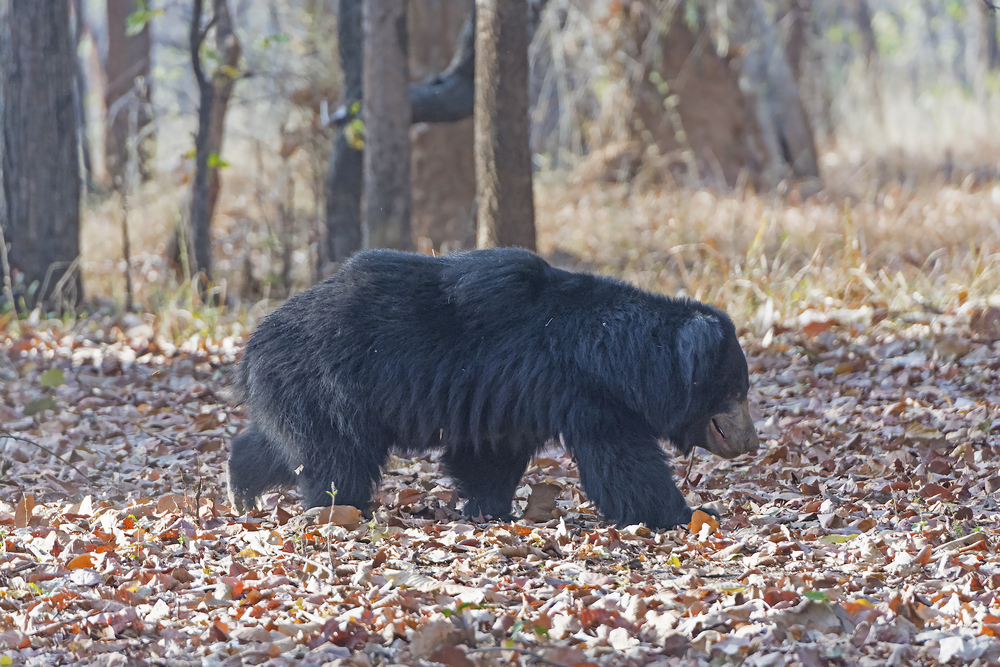
Sloth Bear
With shaggy fur and a distinctive snout, Sloth Bears primarily feed on termites, but their strong claws and powerful build make them formidable.

Jungle Cat
Smaller than some of its fellow predators, the Jungle Cat relies on stealth and speed, hunting a variety of small prey across different terrains.

Striped Hyena
Often scavenging near tiger kills, the Striped Hyena is a solitary nocturnal predator, contributing to the park’s ecological cleanup crew.

Indian Python
A powerful constrictor, the Indian Python preys on a variety of animals, showcasing the diverse predatory strategies within Bandhavgarh National Park.

Gharial
Focusing on fish, the Gharial’s narrow snout is perfectly adapted for catching slippery prey in the park’s water bodies, adding to the predator diversity.

These predators, among others, underline Bandhavgarh National Park’s status as a biodiversity hotspot, highlighting the intricate balance of predator and prey dynamics within this thriving ecosystem.

Popular

Popular

Bandhavgarh National Park is a vibrant ecosystem, home to a rich tapestry of wildlife species, each contributing to the park’s ecological diversity.

Sambar Deer
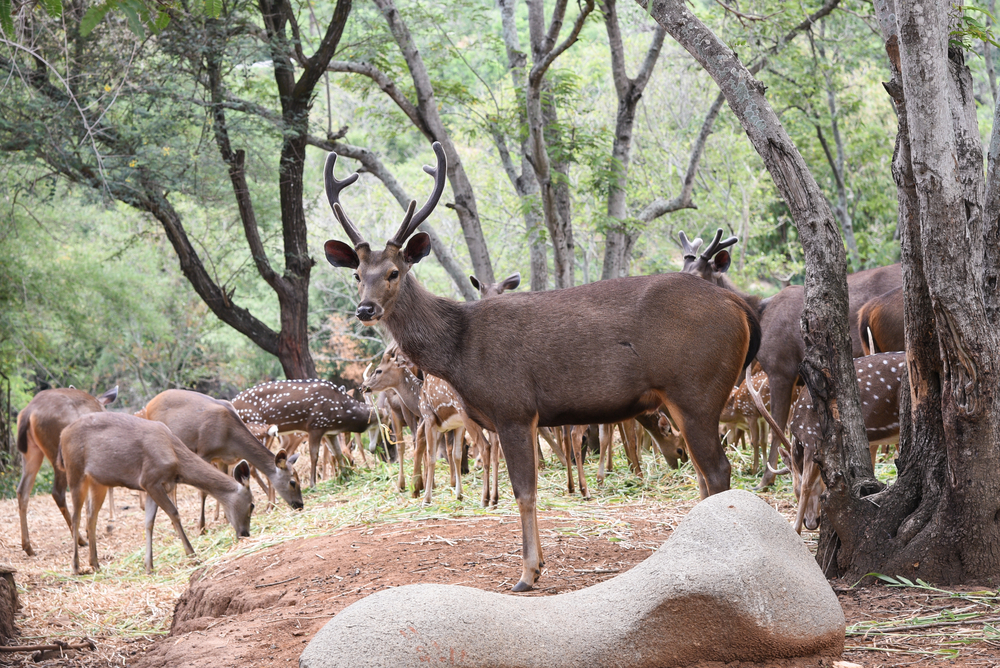
The largest Indian deer, Sambar Deer are vital prey for tigers, with their large, rugged antlers and a barking alarm call to signal danger.

Indian Bison (Gaur)
As the largest bovine, the Gaur impresses with its massive size and strength, grazing in herds and maintaining the grassland and forest balance.

Langur (Hanuman Monkey)
Often seen in troops, Langurs are crucial for seed dispersal, their grey coats and black faces a common sight amidst the park’s canopies.

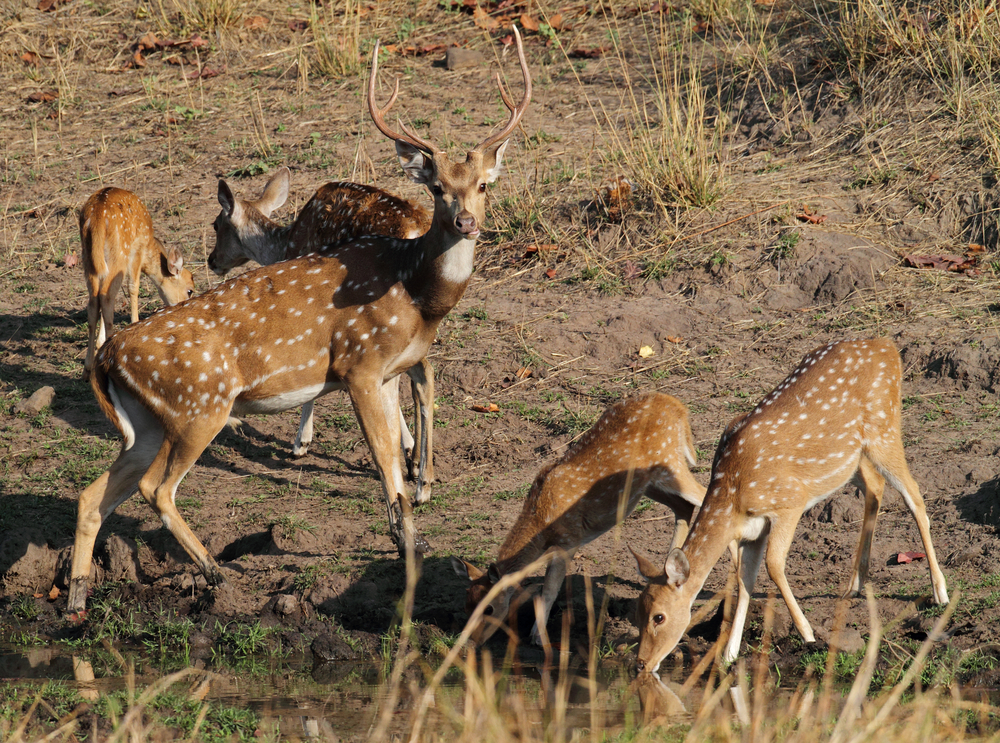
Chital (Spotted Deer)
Easily recognized by their beautiful spotted coats, Chital are abundant, social, and a key food source for the park’s predators.

Indian Peafowl
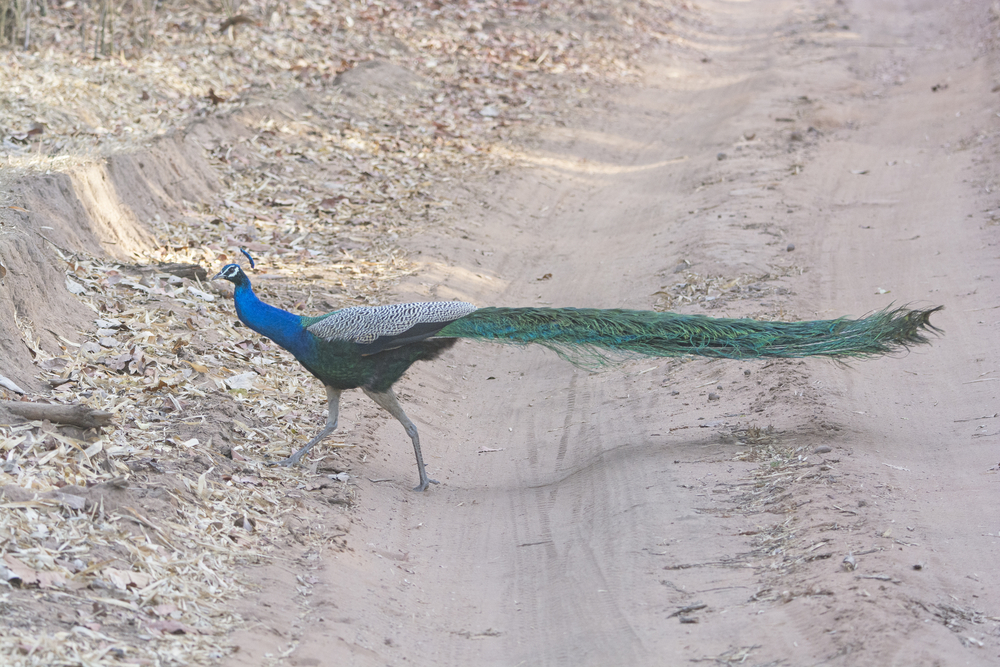
The national bird of India, Peafowls display a spectacular array of colors, with males showcasing their iconic tail feathers during courtship dances.

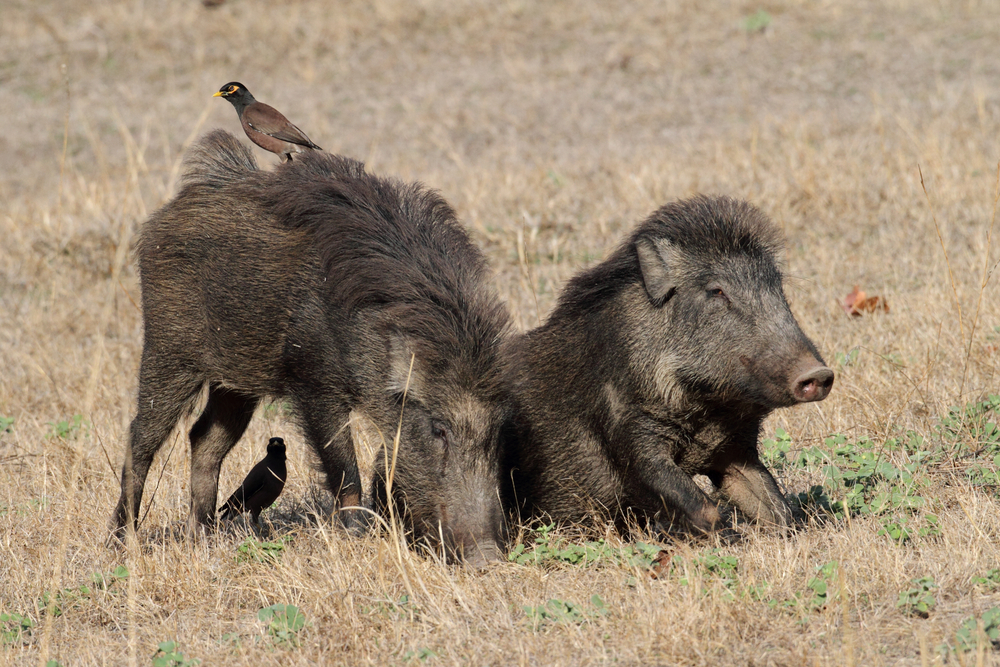
Wild Boar
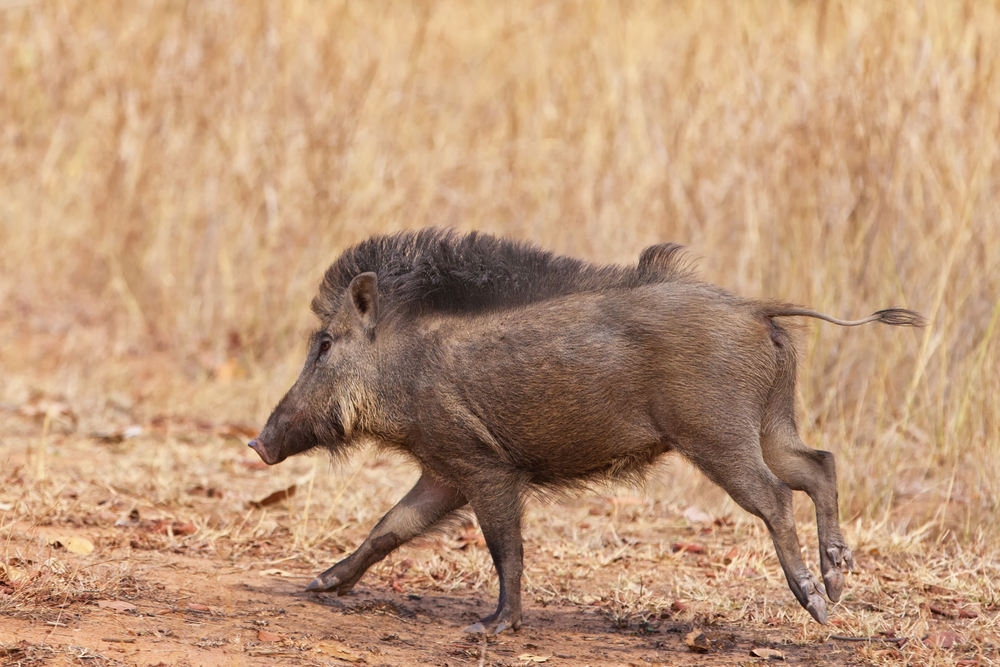
Adaptable and omnivorous, Wild Boars play a significant role in the park’s ecosystem, from seed dispersal to being prey for large carnivores.

Barasingha (Swamp Deer)
Characterized by their large, multi-tined antlers, Barasingha are adapted to wet habitats, contributing to the diversity of the park’s grassland dwellers.

Malabar Pied Hornbill
Notable for their large, casqued beak, these birds are vital for the forest as they spread seeds, helping in the growth of many tree species.

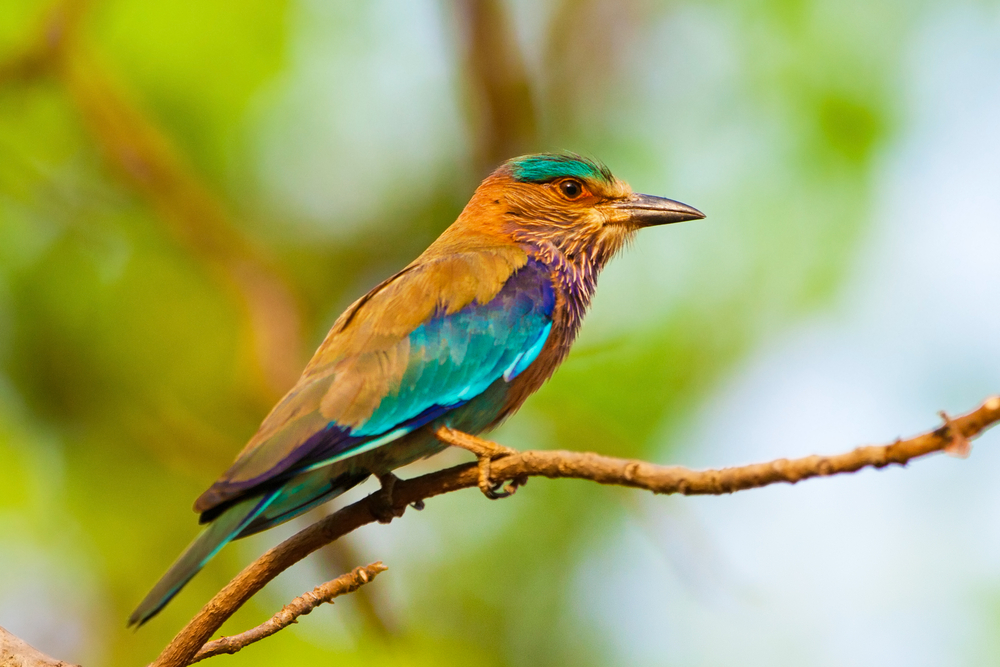
Indian Roller
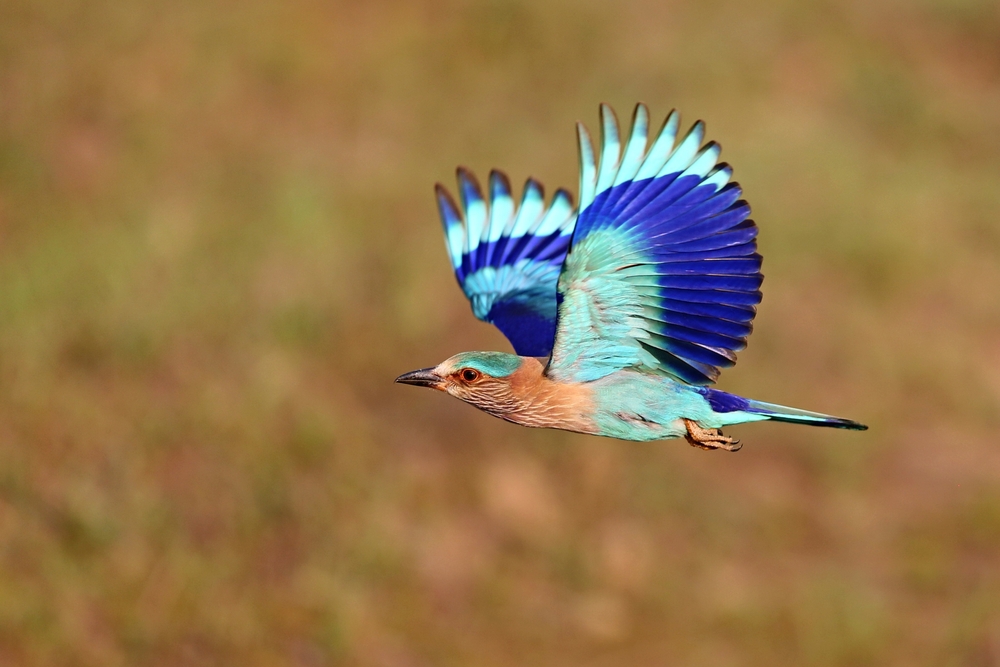
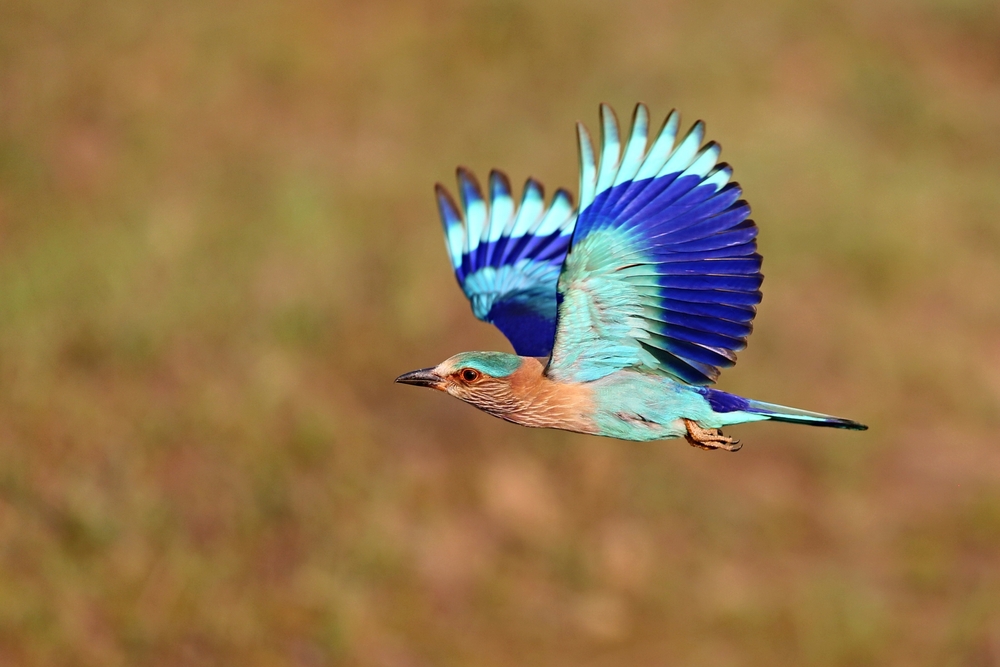
Admired for its stunning blue plumage and acrobatic flight, the Indian Roller is a colorful addition to the park’s birdlife, often seen perched near open fields.

Indian Elephant
Although sightings are rare in Bandhavgarh, the Indian Elephant plays a crucial role in shaping the landscape, creating paths and clearings used by other species.

Each species in Bandhavgarh National Park contributes to its status as a haven for naturalists and wildlife enthusiasts, showcasing the beauty and complexity of India’s natural heritage.

Things To Do

Viewing the wildlife is the primary activity of the national park.  Visitors can also explore the Bandhavgarh Fort to see the home that monkey have overtaken.
Game Drives

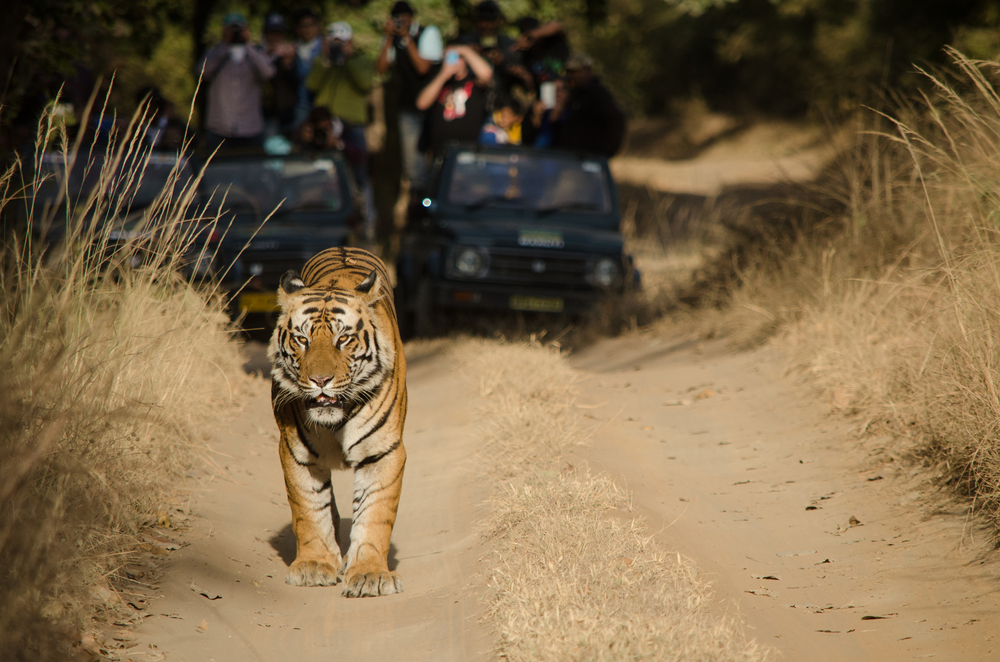
The game drive for most visitors is an adventure with the hopes of tracking tigers.  Some even call this tiger drives.  Hopefully, you will have the opportunity to see these striking cats.

Tala Zone Safari

The Tala Zone is the most popular and picturesque area of Bandhavgarh, offering the highest chances of tiger sightings. Visitors can also see ancient caves with prehistoric carvings. The lush biodiversity, including various deer species, birds, and leopards, makes for an unforgettable experience.

Magadhi Zone Safari

Known for its excellent tiger spotting opportunities, the Magadhi Zone captivates visitors with its beautiful landscapes and diverse wildlife. The safari takes you through dense forests and meadows, providing encounters with various animals and birds, enhancing the wilderness experience.

Khitauli Zone Safari

This zone is appreciated for its scenic beauty and quieter safari experience. While tigers are the main attraction, the area is also home to many bird species, making it a paradise for bird watchers. The varied vegetation and tranquil surroundings offer a peaceful exploration.

Tala Zone Safari

The Tala Zone is the most popular and picturesque area of Bandhavgarh, offering the highest chances of tiger sightings. Visitors can also see ancient caves with prehistoric carvings. The lush biodiversity, including various deer species, birds, and leopards, makes for an unforgettable experience.

Magadhi Zone Safari

Known for its excellent tiger spotting opportunities, the Magadhi Zone captivates visitors with its beautiful landscapes and diverse wildlife. The safari takes you through dense forests and meadows, providing encounters with various animals and birds, enhancing the wilderness experience.

Khitauli Zone Safari

This zone is appreciated for its scenic beauty and quieter safari experience. While tigers are the main attraction, the area is also home to many bird species, making it a paradise for bird watchers. The varied vegetation and tranquil surroundings offer a peaceful exploration.

Bandhavgarh National Park Trails

Bandhavgarh is primarily a safari destination and as a destination that features tigers and leopards, it is not a place frequented for hiking.  The hiking opportunities are limited.

placeholder

Bandhavgarh Fort Trail

This is a one-hour adventure into the park to view the fort. The fort sits atop of a hill at about (807 m).  From the fort, you will have a tremendous panoramic view of the area below.  There are chances to see wildlife, but exploring the fort is the primary purpose of the hike.

placeholder

Bandhavgarh Fort Trail

Rating: Moderate

Distance and Elevation Gain: Specific details may vary; permission required for access.

Description: Although not a traditional hiking trail and requiring special permission, the trek to Bandhavgarh Fort is a highlight.

Situated atop a hill, it offers panoramic views of the park and insights into the area’s historical significance.

The ancient fort, temples, and statues amidst the wild setting create a unique blend of history and nature.

placeholder

Bandhavgarh Fort Trail

Rating: Moderate

Distance and Elevation Gain: Specific details may vary; permission required for access.

Description: Although not a traditional hiking trail and requiring special permission, the trek to Bandhavgarh Fort is a highlight.

Situated atop a hill, it offers panoramic views of the park and insights into the area’s historical significance.

The ancient fort, temples, and statues amidst the wild setting create a unique blend of history and nature.

Park Protection

Bandhavgarh National Park was created to protect the tigers and the habit where they live.  This is part of the larger National TIger Conservation Authority reflecting India’s commitment to protecting these magnificent creatures.

The park boundaries also protects the cultural and historical of the Bandhavgarh Fort, which is now mostly a home for monkeys and panoramic views of the area below.

FAQ’s

What is Bandhavgarh National Park known for?

Bandhavgarh National Park, located in the Indian state of Madhya Pradesh, is renowned for its thriving population of Bengal tigers.

It’s considered one of the best places in India to spot these majestic big cats in their natural habitat. The park’s dense forests, grasslands, and rocky terrain provide ideal conditions for tiger sightings.

Besides tigers, Bandhavgarh is also home to a variety of other wildlife, including leopards, deer, wild boar, and a rich birdlife. Additionally, the park holds historical and archaeological significance, with ancient ruins and cave shelters scattered throughout its landscape, adding to its allure as a destination for nature lovers and history enthusiasts alike.

What is Bandhavgarh National Park known for?

Bandhavgarh National Park, located in the Indian state of Madhya Pradesh, is renowned for its thriving population of Bengal tigers.

It’s considered one of the best places in India to spot these majestic big cats in their natural habitat. The park’s dense forests, grasslands, and rocky terrain provide ideal conditions for tiger sightings.

Besides tigers, Bandhavgarh is also home to a variety of other wildlife, including leopards, deer, wild boar, and a rich birdlife. Additionally, the park holds historical and archaeological significance, with ancient ruins and cave shelters scattered throughout its landscape, adding to its allure as a destination for nature lovers and history enthusiasts alike.

Sources