About

João Vieira and Poilão Marine National Park, locally known as “Parque Nacional Marinho João Vieira e Poilão”, is a stunning marine and terrestrial conservation area located in the Bijagós Archipelago of Guinea-Bissau. Established in 2000, the park encompasses approximately 495 square kilometers (191 square miles) and consists of a group of four islands—João Vieira, Poilão, Cavalo, and Meio—along with surrounding marine waters. The park is a vital sanctuary for marine biodiversity and an integral part of the UNESCO Biosphere Reserve of the Bijagós Archipelago.

The terrain of the park is a mix of pristine sandy beaches, mangrove forests, coastal dunes, and coral reefs. The islands are fringed by turquoise waters, while their interiors feature sparse vegetation, including palm trees and salt-tolerant shrubs. The surrounding marine environment is equally diverse, with seagrass beds and coral reefs providing critical habitats for numerous species.

João Vieira and Poilão Marine National Park is best known as a globally significant nesting site for green sea turtles. Poilão Island, in particular, is one of the most important nesting sites for this endangered species in West Africa. Other marine life includes hawksbill turtles, manatees, and dolphins, as well as a variety of fish and crustaceans. Bird species such as ospreys, terns, and herons thrive on the islands, making the park a vital habitat for both resident and migratory birds.

Visitors to the park can experience its natural beauty and wildlife through eco-tourism activities. Turtle nesting season, which occurs from July to October, is a highlight for visitors, offering the chance to witness green turtles laying their eggs or hatchlings making their journey to the sea. Guided boat tours allow for exploration of the islands and their marine environments, while snorkeling and diving reveal the rich underwater ecosystems of the coral reefs. The park also provides opportunities for birdwatching and photography, with stunning coastal landscapes as a backdrop.

Despite its significance, João Vieira and Poilão Marine National Park faces challenges such as illegal fishing, climate change, and the disturbance of turtle nesting sites. Conservation efforts by Guinea-Bissau’s Institute for Biodiversity and Protected Areas (IBAP) focus on protecting turtle populations, regulating fishing practices, and engaging local communities in sustainable resource management. Partnerships with international organizations support research and monitoring initiatives to ensure the long-term health of the park’s ecosystems.

João Vieira and Poilão Marine National Park is a jewel of Guinea-Bissau’s natural heritage. Its pristine landscapes, marine biodiversity, and crucial role in sea turtle conservation make it a vital area for both ecological protection and eco-tourism. Safeguarding this park ensures the preservation of its unique ecosystems and reinforces Guinea-Bissau’s commitment to global marine conservation.

Things to See

Popular

João Vieira and Poilão Marine National Park, located in Guinea-Bissau, is a pristine marine and island ecosystem renowned for its role in protecting diverse marine species and critical habitats.

Green Sea Turtle (Chelonia mydas)
The park is one of the most important nesting sites for green sea turtles in the West African region. These turtles come ashore to lay eggs on the sandy beaches, playing a vital role in maintaining marine ecosystem health.

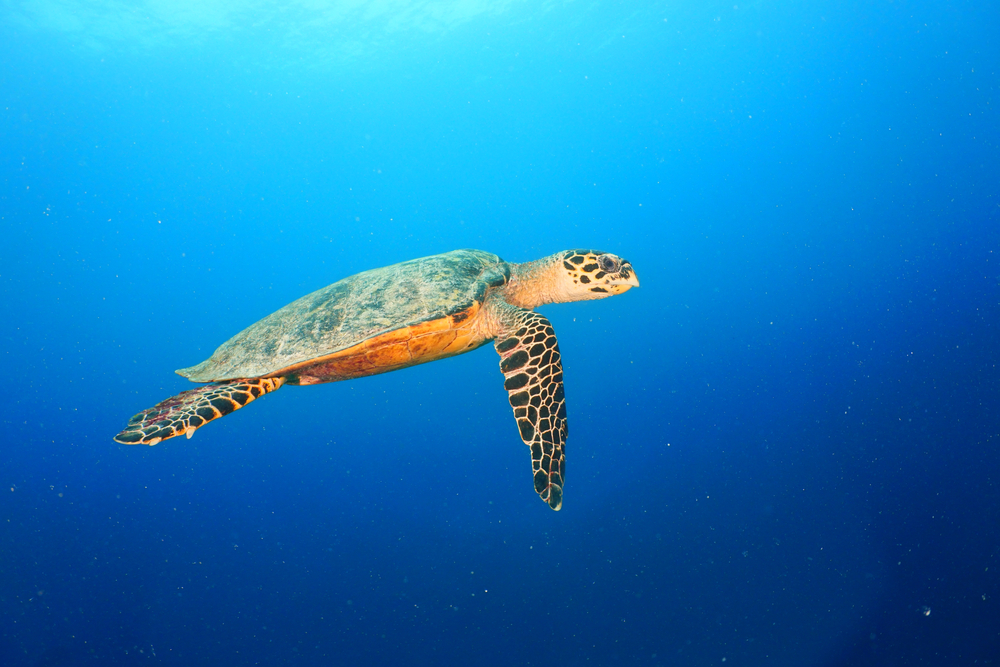
Hawksbill Turtle (Eretmochelys imbricata)
Hawksbill turtles are frequent visitors to the park’s coral reefs. Known for their beautiful shells, these turtles feed on sponges and algae, contributing to the health of reef ecosystems.

Loggerhead Turtle (Caretta caretta)
This species occasionally nests in the park. Loggerhead turtles feed on crustaceans and mollusks, using their strong jaws to crush shells.

West African Manatee (Trichechus senegalensis)
Often found in the park’s coastal waters, these gentle giants graze on seagrass beds, helping to maintain healthy aquatic habitats.

Dolphins (Delphinidae)
Various dolphin species, including bottlenose dolphins, are frequently seen in the park’s waters. Their playful behavior and social interactions are a highlight for visitors.

Nile Crocodile (Crocodylus niloticus)
Inhabiting the park’s estuaries and mangroves, Nile crocodiles are apex predators, preying on fish, amphibians, and small mammals.

Sharks (Carcharhinidae)
The park’s waters are home to several species of sharks, including blacktip and hammerhead sharks. These predators are essential for maintaining the balance of marine ecosystems.

Octopus (Octopoda)
The rocky underwater habitats of the park provide ideal conditions for octopuses, which are known for their intelligence and ability to camouflage.

West African Mudskipper (Periophthalmus barbarus)
Found in the park’s mangroves, this unique fish can move on land and water, feeding on algae and small invertebrates.

Coral Species
The park’s coral reefs are teeming with diverse coral species, which provide shelter and breeding grounds for countless marine organisms. These reefs are vital for the park’s ecological health.

Birds

João Vieira and Poilão Marine National Park is a haven for birdlife, with its islands, mangroves, and coastal waters providing habitats for a variety of seabirds and migratory species.

Brown Booby (Sula leucogaster)
This seabird nests on the park’s islands and is often seen diving into the ocean to catch fish.

African Oystercatcher (Haematopus moquini)
A striking black bird with bright red legs and beak, it forages along the park’s shores, feeding on shellfish and crustaceans.

Royal Tern (Thalasseus maximus)
A common sight along the coast, the royal tern is known for its sharp calls and dives to catch fish near the surface.

White-breasted Cormorant (Phalacrocorax lucidus)
This large waterbird frequents the park’s coastal waters, hunting fish and drying its wings on rocky outcrops.

Greater Flamingo (Phoenicopterus roseus)
Occasionally seen in the park’s estuaries, these elegant birds feed on algae and small invertebrates.

Grey-headed Gull (Chroicocephalus cirrocephalus)
This gull is a regular visitor to the park’s beaches, scavenging for food along the shorelines.

Black-winged Stilt (Himantopus himantopus)
Often found wading in shallow waters, this bird feeds on insects and small aquatic creatures.

Caspian Tern (Hydroprogne caspia)
The largest tern species, it hunts fish in the park’s waters, often hovering before diving.

African Spoonbill (Platalea alba)
A wading bird with a distinctive spoon-shaped bill, it feeds on small fish and aquatic invertebrates in the park’s wetlands.

Mangrove Kingfisher (Halcyon senegaloides)
This colorful bird is often seen perched in the mangroves, hunting fish and small crabs in the shallow waters.

Things To Do

Engaging João Vieira and Poilão Marine National Park

placeholder

Turtle Nesting

placeholder

Exploring Mangroves

placeholder

Snorkeling