About

Waka National Park, locally known as “Parc National de Waka”, is a pristine haven nestled in Gabon’s south-central region. Spanning approximately 1,070 square kilometers (413 square miles), this national park is a hidden gem of biodiversity, showcasing Gabon’s unique rainforest ecosystems and rugged mountainous terrain. Waka’s remote location and dense vegetation make it an ideal refuge for wildlife and a fascinating destination for eco-tourists and researchers alike.

The terrain of Waka National Park is a mix of lush rainforests, steep hills, and winding river valleys. The park’s topography is shaped by the Chaillu Mountains, whose peaks dominate the landscape and create dramatic vistas. These mountainous rainforests are teeming with life, offering a complex ecosystem supported by abundant rainfall and a variety of vegetation types. Towering trees, thick undergrowth, and clear streams characterize this untouched environment.

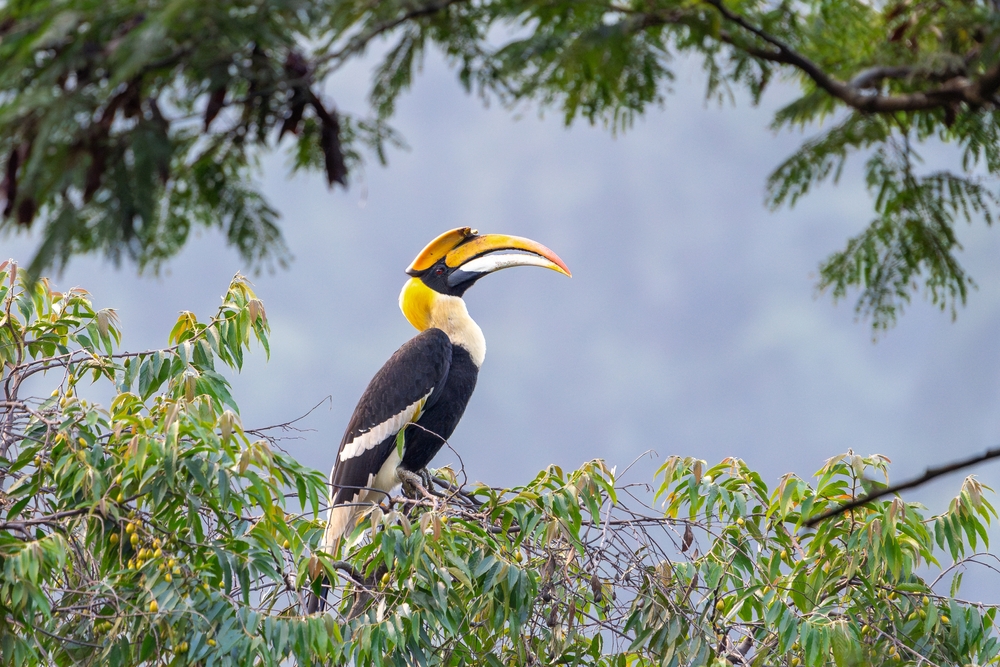
Waka is home to an extraordinary array of wildlife, including some of Gabon’s most iconic species. Forest elephants roam the park’s dense woodlands, while western lowland gorillas and chimpanzees inhabit the tree canopies and forest floors. The park also supports populations of leopards, red river hogs, and duikers. Bird enthusiasts will be delighted by the presence of hornbills, African grey parrots, and other tropical bird species. Reptiles and amphibians thrive in the park’s riverine habitats, contributing to its rich biodiversity.

Visitors to Waka National Park can immerse themselves in its natural beauty through guided treks and wildlife observation tours. The park’s rugged terrain offers excellent opportunities for adventurous hiking, allowing visitors to explore its pristine forests and discover hidden waterfalls and streams. Eco-tourism initiatives also include educational programs led by local guides, providing insights into the park’s ecosystems and the importance of conservation. While the park remains relatively undeveloped for tourism, its remote nature ensures an authentic and serene experience for those seeking to connect with nature.

Waka National Park faces challenges from poaching, illegal logging, and habitat degradation caused by human activities in surrounding areas. The park’s remote location complicates enforcement efforts, making it crucial to allocate resources effectively for its protection. However, Gabon’s government, in collaboration with international conservation organizations, has implemented measures to address these threats. Anti-poaching patrols, community engagement programs, and sustainable development initiatives are central to preserving Waka’s ecosystems.

Waka National Park stands as a testament to Gabon’s commitment to protecting its natural heritage. Its unspoiled rainforests, diverse wildlife, and breathtaking landscapes make it a critical area for conservation and a rewarding destination for eco-tourism. Continued efforts to tackle conservation challenges and promote sustainable practices will ensure that Waka remains a sanctuary for Gabon’s unique biodiversity and a source of wonder for generations to come.

Things to See
Popular

Popular

Waka National Park, located in the central region of Gabon, is a lush rainforest sanctuary teeming with a wide variety of terrestrial and aquatic species that reflect the biodiversity of the Congo Basin.

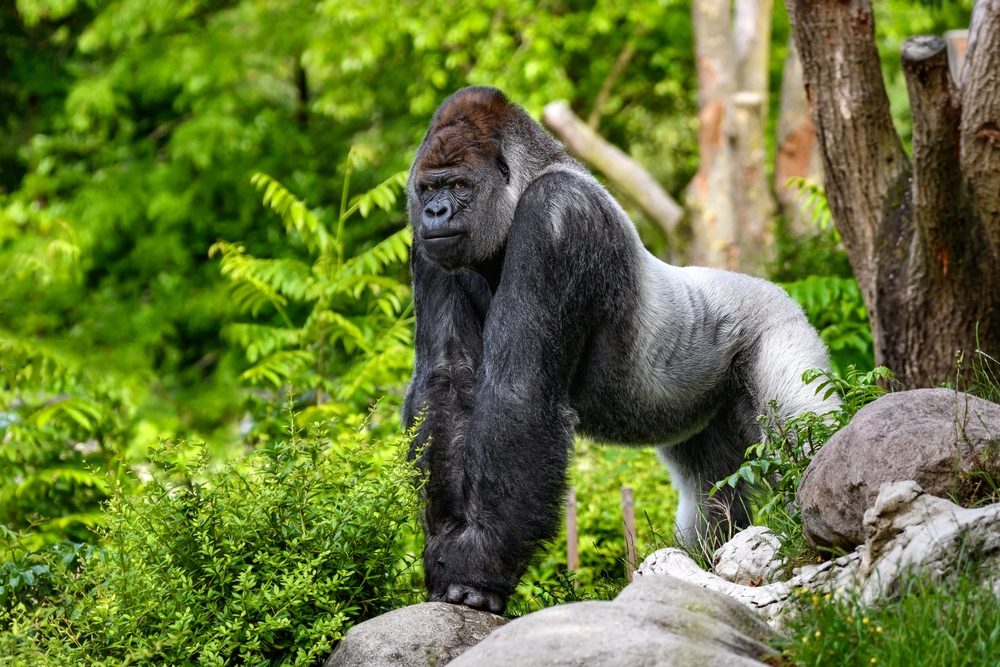
Western Lowland Gorilla (Gorilla gorilla gorilla)
This critically endangered primate is a flagship species of the park, playing a vital role in forest regeneration through seed dispersal.

Forest Elephant (Loxodonta cyclotis)
These elusive and smaller elephants traverse Waka’s dense forests, shaping the ecosystem by clearing vegetation and dispersing seeds.

Central Chimpanzee (Pan troglodytes troglodytes)
Known for their intelligence and social complexity, chimpanzees thrive in Waka’s forests, contributing to biodiversity through their foraging and interactions.

Leopard (Panthera pardus)
This apex predator is a master of stealth, preying on various animals and maintaining the park’s ecological balance.

Blue Duiker (Philantomba monticola)
A small forest antelope, the blue duiker aids in nutrient cycling by feeding on fruits and dispersing seeds in the undergrowth.

Giant Pangolin (Smutsia gigantea)
An elusive and rare mammal, the giant pangolin plays a key role in controlling insect populations, particularly ants and termites.

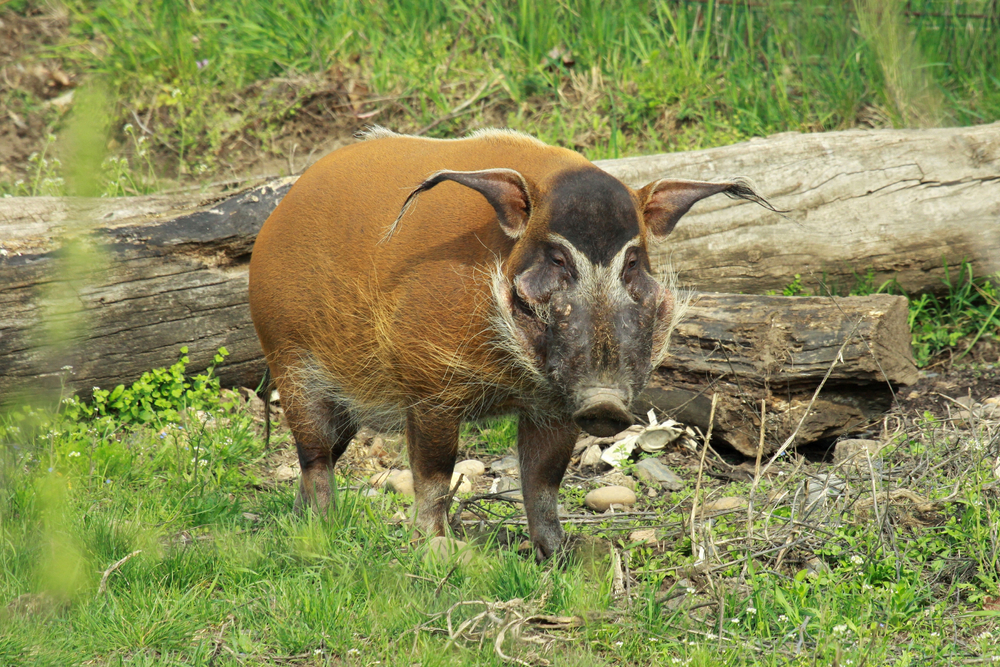
Red River Hog (Potamochoerus porcus)
These brightly colored mammals forage widely, aerating soil and recycling nutrients as they feed on roots, fruits, and tubers.

Forest Buffalo (Syncerus caffer nanus)
Smaller and more agile than their savannah counterparts, forest buffalo graze in the park’s clearings and wetlands, influencing vegetation growth.

Dwarf Crocodile (Osteolaemus tetraspis)
This shy crocodile species inhabits Waka’s rivers and wetlands, contributing to aquatic ecosystem stability by preying on fish and small mammals.

Aardvark (Orycteropus afer)
A nocturnal creature, the aardvark improves soil aeration and pest control by burrowing and feeding on ants and termites.

Waka National Park’s dense rainforests and serene waterways provide a haven for a remarkable diversity of birdlife, including several rare and endemic species.

Grey Parrot (Psittacus erithacus)
This intelligent and charismatic bird is a key seed disperser, contributing to forest health and regeneration.

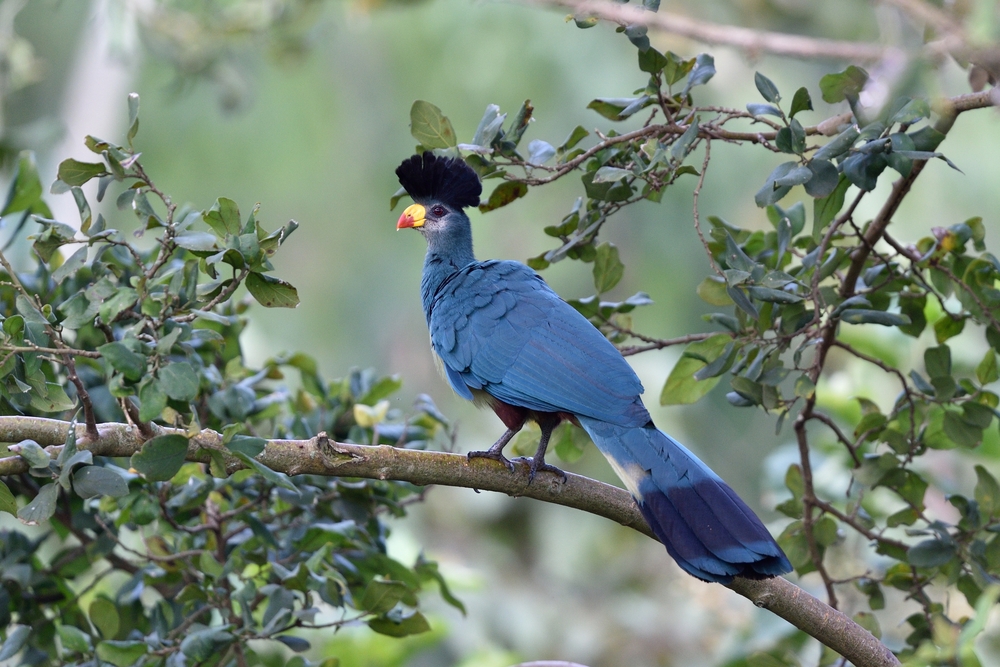
Great Blue Turaco (Corythaeola cristata)
A large and vibrant bird, the great blue turaco is a vital seed disperser and a highlight for bird enthusiasts.

Yellow-Casqued Hornbill (Ceratogymna elata)
This iconic hornbill plays a crucial ecological role by consuming and dispersing fruit seeds across the park’s forests.

Black-Casqued Hornbill (Ceratogymna atrata)
Another important seed disperser, this hornbill helps maintain the biodiversity of Waka’s dense rainforests.

Western Green Tinkerbird (Pogoniulus coryphaeus)
This small bird contributes to pollination and seed dispersal, thriving in the park’s canopy and understory.

Blue-Breasted Kingfisher (Halcyon malimbica)
This brightly colored bird hunts along the park’s waterways, preying on fish and small aquatic creatures.

White-Backed Night Heron (Gorsachius leuconotus)
A nocturnal wader, this heron inhabits Waka’s wetlands, feeding on fish, amphibians, and invertebrates.

African Crowned Eagle (Stephanoaetus coronatus)
This powerful raptor preys on small to medium-sized mammals, playing a key role in the park’s predator-prey dynamics.

Olive Sunbird (Cyanomitra olivacea)
This nectar-feeding bird aids in pollination and thrives in Waka’s diverse vegetation.

Yellow-Billed Barbet (Trachyphonus purpuratus)
A colorful bird commonly seen in the forest, it contributes to seed dispersal and is a favorite among birdwatchers.

Things To Do

Engaging Waka National Park

Primate Tracking

Primate Tracking

Nature Walks

Nature Walks

Birdwatching

Birdwatching