About

Crystal Mountains National Park, locally known as “Parc National des Monts de Cristal”, is one of Gabon’s most breathtaking natural treasures. Located in the northwestern part of the country, the park covers approximately 1,200 square kilometers (463 square miles) and is renowned for its lush tropical rainforests, dramatic waterfalls, and unique granite mountain formations. The park’s biodiversity and ecological importance make it a cornerstone of Gabon’s conservation efforts and a haven for nature enthusiasts.

The terrain of Crystal Mountains National Park is a striking combination of rugged granite peaks, forested hills, and river valleys. These ancient geological formations, rich with crystalline minerals, give the park its evocative name. The park’s diverse landscapes are covered in dense rainforest, which transitions into patches of montane forest at higher elevations. Numerous rivers and streams cascade through the park, creating picturesque waterfalls and nourishing the vibrant ecosystems below.

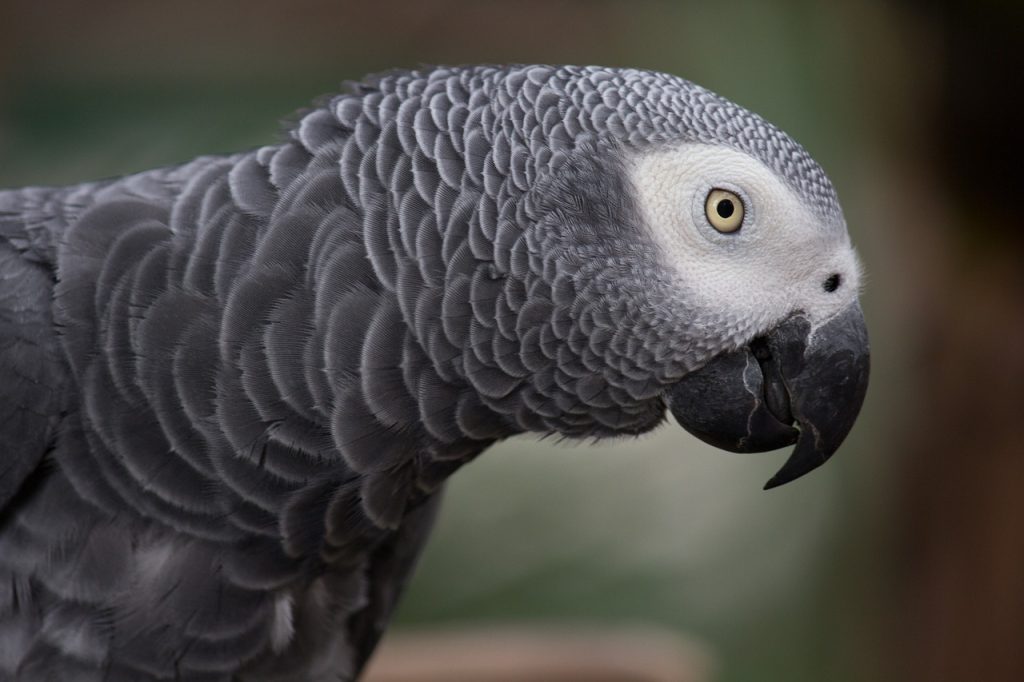
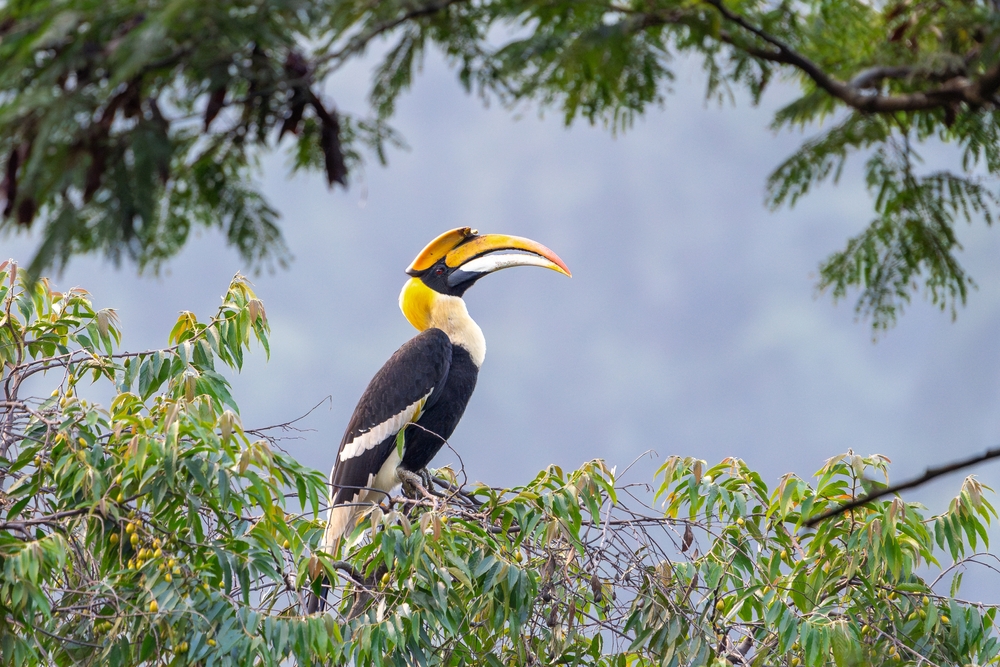
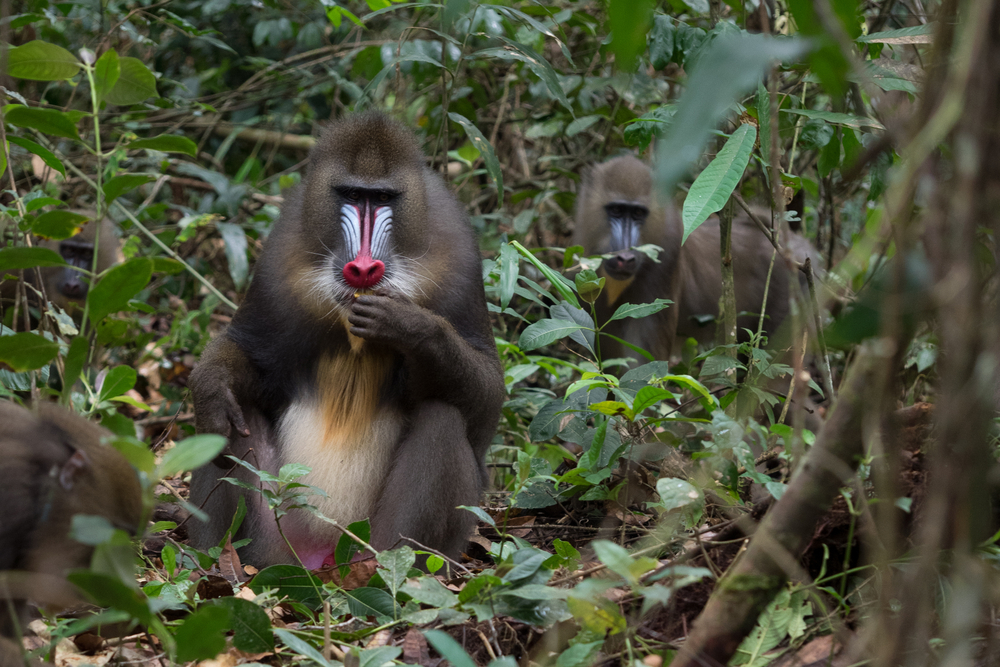
The park is home to an extraordinary array of wildlife, making it one of Gabon’s most biodiverse areas. Visitors may encounter western lowland gorillas, forest elephants, and a variety of monkey species, including the endangered mandrill. The park’s avian population is equally impressive, with birdwatchers often spotting African grey parrots, hornbills, and the rare grey-necked rockfowl. Crystal Mountains is also a haven for reptiles, amphibians, and insects, many of which are endemic to the region.

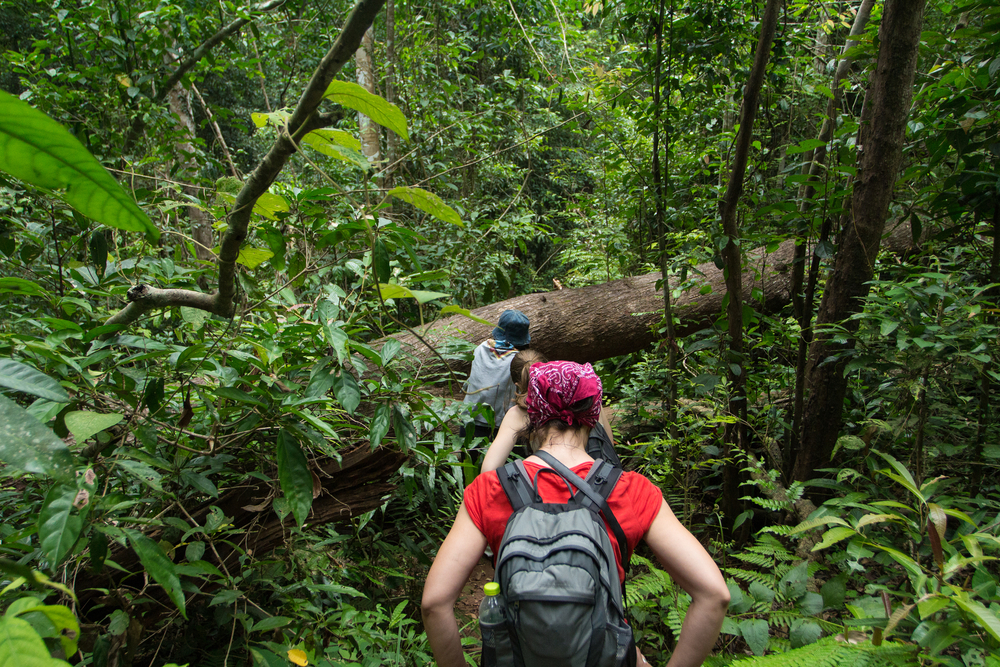
Exploring Crystal Mountains National Park offers visitors a range of activities. Guided hikes and treks through the rainforest provide opportunities to immerse oneself in the park’s natural beauty while discovering its flora and fauna. The waterfalls and rivers are ideal spots for photography and relaxation, offering serene settings amidst the wild landscapes. Educational tours led by local guides highlight the park’s ecological significance and its role in Gabon’s conservation strategy.

The park faces several conservation challenges, including habitat loss from logging and agricultural expansion in surrounding areas. Poaching and human-wildlife conflict also pose threats to its iconic species. However, Gabon’s robust commitment to conservation has led to initiatives aimed at addressing these issues. Anti-poaching patrols, habitat restoration programs, and community engagement projects have shown promising results. Partnerships with international conservation organizations further support research and protection efforts.

Crystal Mountains National Park stands as a testament to Gabon’s rich natural heritage and its dedication to preserving biodiversity. Its stunning landscapes, rare wildlife, and ecological significance make it a must-visit destination for eco-tourism and a critical component of global conservation. By continuing to address challenges and promoting sustainable tourism, the park can thrive as a sanctuary for wildlife and a source of pride for Gabon and the world.

Things to See
Popular

Popular

Crystal Mountains National Park, located in Gabon, is a biodiversity hotspot characterized by its misty highlands, lush rainforests, and unique microclimates that support a wide array of species, many of which are endemic to the region.

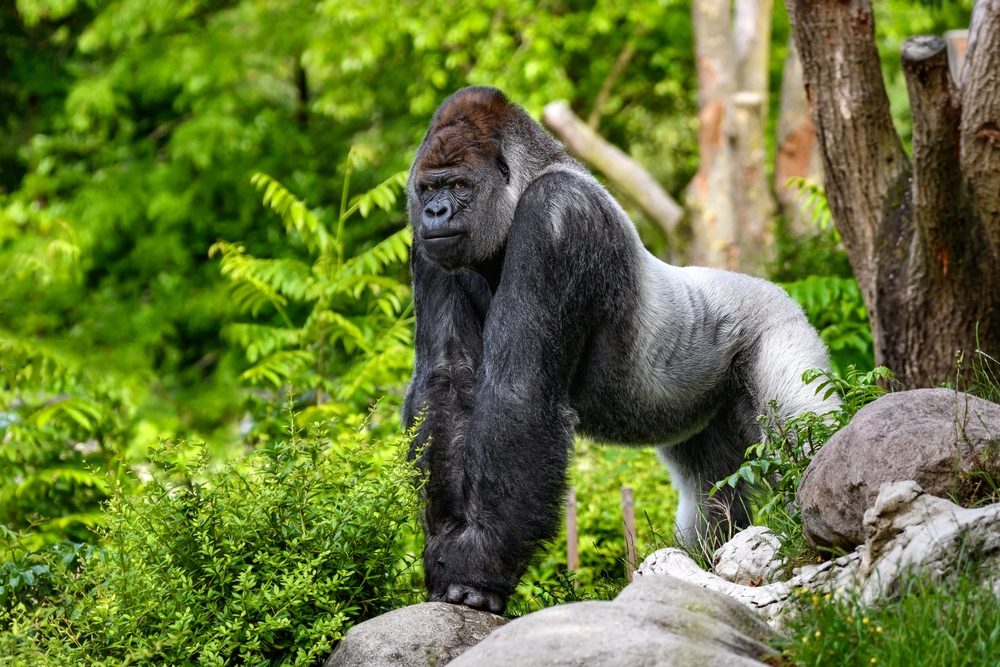
Western Lowland Gorilla (Gorilla gorilla gorilla)
These critically endangered primates inhabit the park’s dense forests, contributing to ecosystem health through their role as seed dispersers.

Forest Elephant (Loxodonta cyclotis)
Smaller and more elusive than their savanna counterparts, forest elephants roam the park’s thick vegetation, aiding in forest regeneration by dispersing seeds.

Central Chimpanzee (Pan troglodytes troglodytes)
Known for their intelligence and social behavior, chimpanzees thrive in the park’s rainforest, where they play a significant ecological role in seed dispersal.

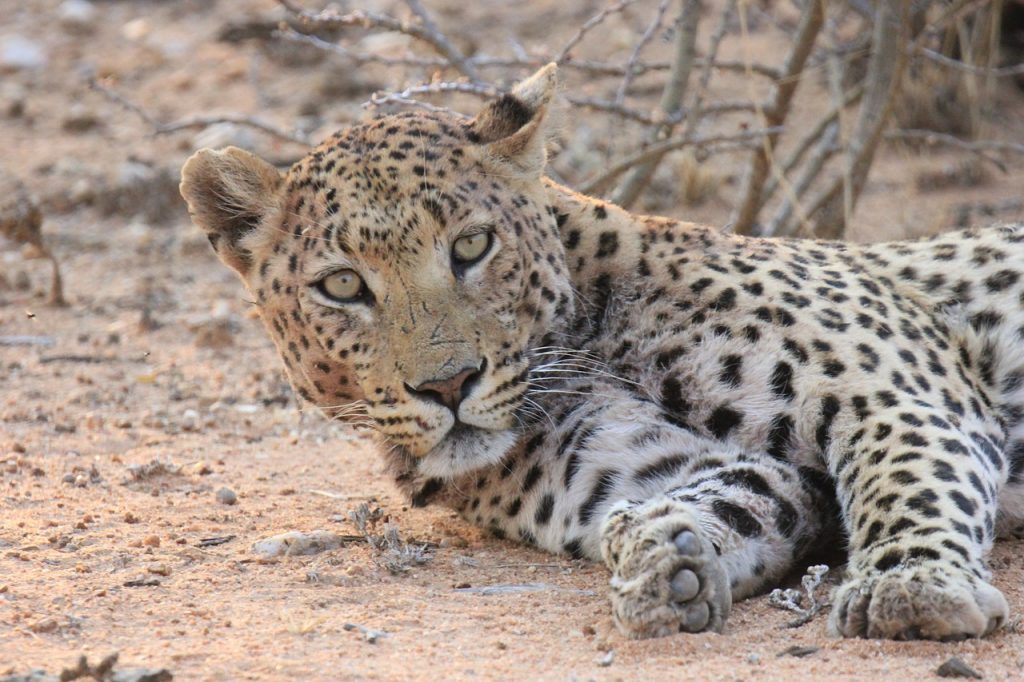
Leopard (Panthera pardus)
This adaptable and elusive predator roams the park’s forests, maintaining the balance of the food chain by preying on herbivores.

Blue Duiker (Philantomba monticola)
This small antelope inhabits the undergrowth of the park’s forests, feeding on fruits and aiding in nutrient cycling.

Pangolin (Phataginus tricuspis)
A nocturnal insectivore, the pangolin helps control ant and termite populations while its burrowing aerates the soil.

Red River Hog (Potamochoerus porcus)
This vibrantly colored mammal forages for roots and fruits, helping to aerate the soil and recycle nutrients.

Forest Buffalo (Syncerus caffer nanus)
This smaller buffalo subspecies grazes in clearings and wetlands, contributing to vegetation management and serving as prey for predators.

Dwarf Crocodile (Osteolaemus tetraspis)
This small and shy crocodile resides in the park’s rivers and wetlands, preying on fish and small mammals while maintaining aquatic ecosystem balance.

Aardvark (Orycteropus afer)
This nocturnal mammal feeds on ants and termites, contributing to soil health through its burrowing and pest control activities.

Birds

Birds

The unique ecosystems of Crystal Mountains National Park, from misty highlands to dense forests, provide critical habitats for an extraordinary variety of bird species, including numerous endemic and migratory birds.

Grey Parrot (Psittacus erithacus)
This intelligent bird thrives in the park’s forests, playing a key role in seed dispersal and forest regeneration.

Great Blue Turaco (Corythaeola cristata)
A striking bird that contributes to the park’s biodiversity by dispersing seeds and maintaining forest health.

Yellow-Casqued Hornbill (Ceratogymna elata)
A large and colorful canopy dweller, this hornbill is an essential seed disperser in the park’s rainforests.

Western Green Tinkerbird (Pogoniulus coryphaeus)
This small and vibrant bird is a key pollinator, thriving in the park’s highland forests.

African Grey Woodpecker (Dendropicos goertae)
This woodpecker forages on tree bark for insects, aiding in pest control and forest health.

Black-Casqued Hornbill (Ceratogymna atrata)
This large bird inhabits the forest canopy, playing a vital ecological role in seed dispersal.

White-Throated Bee-Eater (Merops albicollis)
A migratory species, this bird feeds on flying insects, enriching the park’s biodiversity.

Blue-Breasted Kingfisher (Halcyon malimbica)
Commonly found near water, this kingfisher preys on fish and crustaceans, supporting wetland ecosystems.

Cassin’s Hawk-Eagle (Aquila africana)
This agile raptor preys on small mammals and birds, maintaining predator-prey dynamics in the park.

Olive Sunbird (Cyanomitra olivacea)
A small and colorful bird that feeds on nectar, playing a crucial role in pollination within the park’s diverse plant life.

Things To Do

Engaging Crystal Mountains National Park
Primate Tracking

Primate Tracking

Nature Hikes

Nature Hikes

Birdwatching

Birdwatching