About

Mao-Komo National Park, located in Ethiopia’s Benishangul-Gumuz Region near the western border with Sudan, is a significant protected area recognized for its unique ecosystems and biodiversity.

Locally referred to as “Mao-Komo Natonal Park”, the park spans an area of approximately 2,330 square kilometers (900 square miles). Established to preserve the diverse flora and fauna of the region, Mao-Komo National Park is a critical conservation site and a potential hub for eco-tourism.

The terrain of Mao-Komo National Park is characterized by a mix of savannas, grasslands, river valleys, and wooded hills, with an elevation ranging from 1,000 to 2,500 meters above sea level. The park’s location along the Blue Nile Basin enhances its ecological importance, as the rivers and streams that run through the park play a vital role in sustaining its habitats. The park’s vegetation is a combination of acacia-dominated woodlands, riverine forests, and open grasslands, creating a mosaic of habitats that support a wide variety of species.

Mao-Komo National Park is home to a diverse range of wildlife, including several species unique to the region. Large mammals such as elephants, buffaloes, and antelopes roam its savannas and woodlands. Predators like leopards, hyenas, and wild dogs also inhabit the park, contributing to its ecological balance.

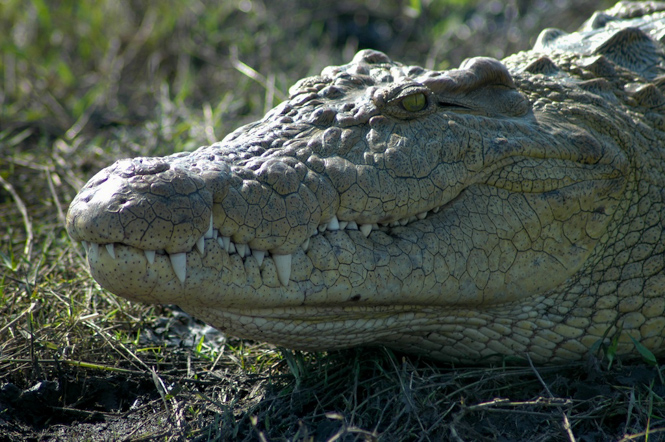
Birdlife is especially rich, with species such as Abyssinian ground hornbills, African fish eagles, and numerous weaver birds found in abundance. The rivers and wetlands are habitats for reptiles, including Nile crocodiles and various turtles, as well as amphibians.

Visitors to Mao-Komo National Park can experience its natural beauty through guided wildlife safaris and birdwatching tours. Hiking trails offer opportunities to explore its diverse landscapes, from wooded hills to riverine areas. The park’s serene rivers and forests provide ideal spots for picnics and photography.

Cultural interactions with the local Mao and Komo communities add a unique dimension to the experience, offering insights into their traditional lifestyles and sustainable resource management practices.

Despite its ecological significance, Mao-Komo National Park faces considerable challenges. Habitat degradation due to agricultural expansion, illegal logging, and overgrazing threatens its delicate ecosystems. Poaching and human-wildlife conflict also pose significant risks to the park’s biodiversity.

Conservation efforts, led by the Ethiopian Wildlife Conservation Authority (EWCA) and supported by local and international partners, focus on habitat restoration, anti-poaching measures, and community engagement programs. Developing eco-tourism infrastructure is also a key strategy for generating revenue and promoting awareness about the park’s value.

Mao-Komo National Park is a vital part of Ethiopia’s natural heritage, showcasing the ecological and cultural diversity of the Benishangul-Gumuz Region. Its unique landscapes, rich biodiversity, and cultural significance make it an essential area for conservation and a promising destination for sustainable tourism. Protecting this park ensures the preservation of its ecosystems for future generations and contributes to Ethiopia’s broader conservation goals.

Things to See
Popular

Popular

Mao-Komo National Park, situated in western Ethiopia, is a remote and ecologically diverse area that supports a variety of wildlife species, thriving in its grasslands, woodlands, and wetlands.

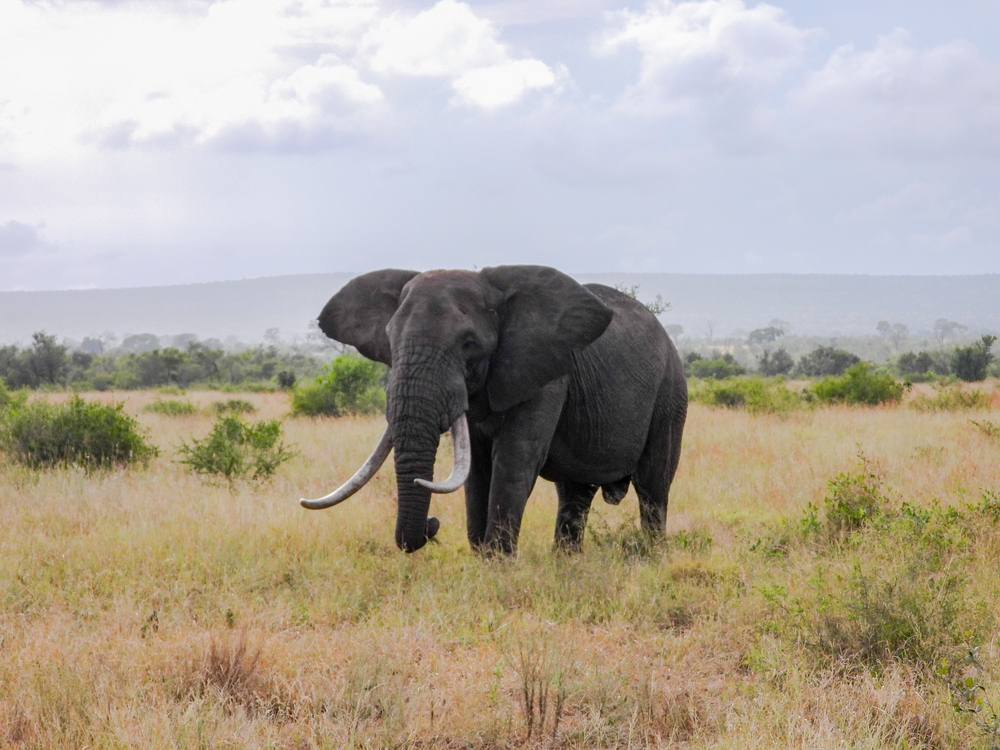
African Elephant (Loxodonta africana)
African elephants are a keystone species in Mao-Komo, traversing its savannahs and woodlands. These majestic animals play a vital role in shaping vegetation and dispersing seeds.

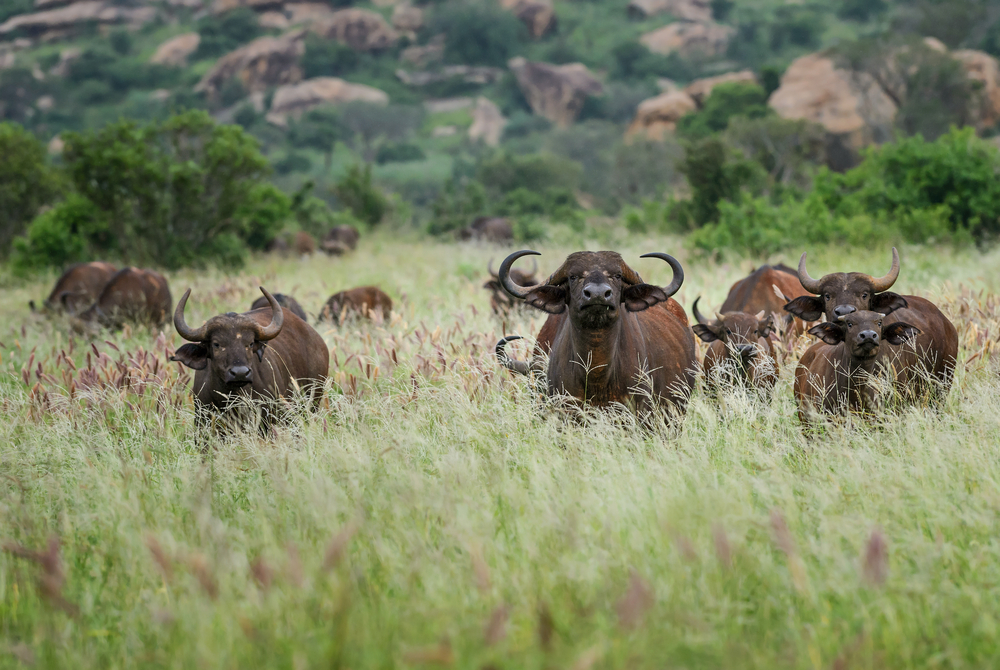
Buffalo (Syncerus caffer)
Large herds of buffalo roam the park’s grasslands and wetlands, grazing on grasses and serving as prey for predators such as lions and leopards.

Lion (Panthera leo)
As apex predators, lions are a critical part of the park’s ecosystem, preying on herbivores like antelope and buffalo and maintaining ecological balance.

Leopard (Panthera pardus)
Elusive and powerful, leopards inhabit Mao-Komo’s rocky and wooded areas, hunting antelope, monkeys, and smaller mammals.

Greater Kudu (Tragelaphus strepsiceros)
This antelope species, with its striking spiraled horns, thrives in the park’s woodlands, feeding on leaves, fruits, and shoots.

Warthog (Phacochoerus africanus)
Warthogs forage in the park’s open areas, feeding on roots and tubers. Their burrowing activities enhance soil health and vegetation growth.

Spotted Hyena (Crocuta crocuta)
Spotted hyenas are both scavengers and skilled hunters, playing a crucial role in nutrient recycling and regulating prey populations.

Bushbuck (Tragelaphus scriptus)
This shy and adaptable antelope is often found in dense vegetation near water sources, feeding on a diet of leaves, fruits, and shoots.

Aardvark (Orycteropus afer)
A nocturnal species, the aardvark feeds on ants and termites, creating burrows that provide shelter for other animals and contribute to ecosystem health.

Roan Antelope (Hippotragus equinus)
Roan antelopes, among the largest of their kind, graze in the park’s open savannahs and woodlands, contributing to grassland maintenance and serving as prey for predators.

Birds

Birds

Mao-Komo National Park is a haven for bird enthusiasts, offering a variety of habitats that attract a wide range of resident and migratory bird species, making it a premier destination for avian biodiversity.

African Fish Eagle (Haliaeetus vocifer)
This majestic raptor is often seen perched near water, hunting fish and emitting its iconic call, symbolizing the vitality of the park’s rivers.

Northern Carmine Bee-eater (Merops nubicus)
A vibrant bird that nests along riverbanks, the northern carmine bee-eater adds color and energy to the park’s wetlands as it hunts flying insects.

Grey Crowned Crane (Balearica regulorum)
This graceful bird inhabits the park’s wetlands, feeding on seeds, insects, and small aquatic animals, and is often seen in pairs or small groups.

Marabou Stork (Leptoptilos crumenifer)
Known for its scavenging habits, the marabou stork plays an important ecological role by consuming carrion and organic waste.

Yellow-billed Stork (Mycteria ibis)
This wading bird is often seen in wetlands, using its specialized bill to sweep for fish and invertebrates in shallow waters.

Malachite Kingfisher (Corythornis cristatus)
This small, brightly colored bird frequents the park’s wetlands, diving to catch small fish and aquatic insects.

Black-headed Heron (Ardea melanocephala)
This tall and graceful wader frequents the park’s wetlands and grasslands, feeding on small mammals, reptiles, and amphibians.

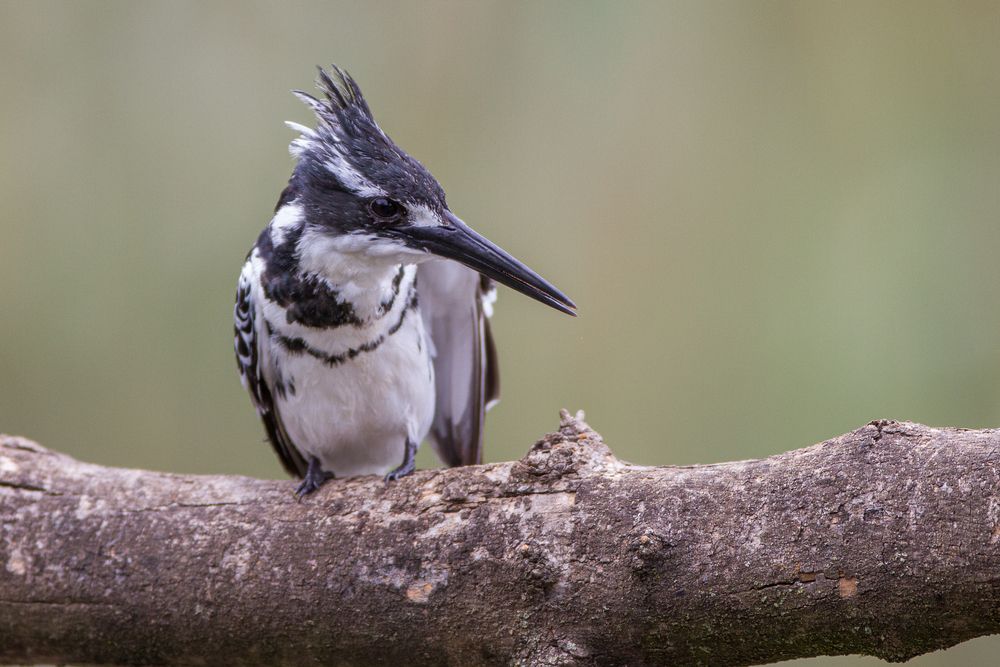
Pied Kingfisher (Ceryle rudis)
A dynamic bird that hovers above water before diving to catch fish, making it a favorite among birdwatchers.

White-browed Coucal (Centropus superciliosus)
A secretive bird that thrives in dense vegetation, feeding on insects and small reptiles, contributing to pest control.

Abyssinian Ground Hornbill (Bucorvus abyssinicus)
This large terrestrial bird is often seen walking across savannahs, feeding on insects, small reptiles, and seeds, adding to the park’s avian diversity.

Things To Do

Engaging Mao-Komo National Park

Game Drive

Game Drives

River Excursions

River Excursions

Birdwatching

Birdwatching