About

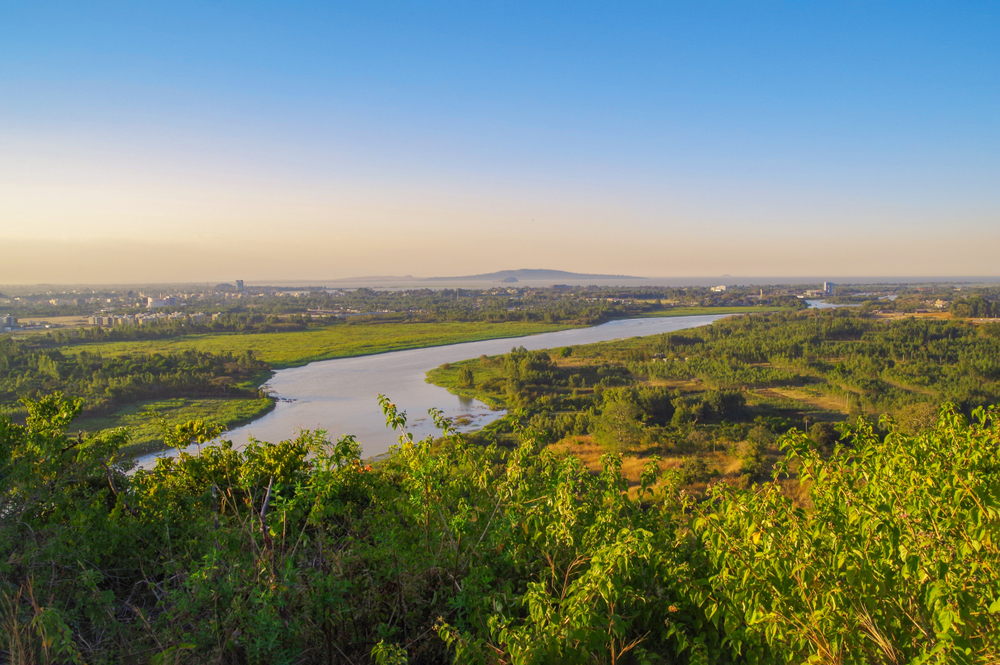
Didessa National Park, located in western Ethiopia’s Oromia Region, is a remarkable protected area named after the Didessa River, which runs through its heart. Locally known as “Didessa Natonal Park”, it spans an area of approximately 1,330 square kilometers (513 square miles). The park was established to preserve the region’s unique biodiversity, protect its ecosystems, and provide sustainable eco-tourism opportunities. As one of Ethiopia’s lesser-known national parks, Didessa offers a tranquil escape into nature and an opportunity to witness the country’s natural heritage.

The terrain of Didessa National Park is characterized by undulating hills, river valleys, and flat plains. The Didessa River, a major tributary of the Blue Nile, meanders through the park, creating a network of wetlands and riparian habitats. The diverse landscape supports a range of vegetation, including dense woodlands, savannas, and riverine forests. The park’s higher elevations are dotted with acacia trees and various shrubs, while its wetlands are rich in reeds and grasses, providing vital habitats for aquatic and terrestrial species.

Didessa National Park is home to a variety of wildlife, making it an important area for conservation. Large mammals such as elephants, buffaloes, and warthogs can be spotted in the park, alongside predators like lions, leopards, and hyenas. The Didessa River and its wetlands attract aquatic species such as Nile crocodiles and hippos. Birdlife is abundant, with species such as African fish eagles, black-headed weavers, and pied kingfishers frequently observed. The park’s ecosystems also support reptiles, amphibians, and numerous insect species, contributing to its overall biodiversity.

Visitors to Didessa National Park can explore its natural beauty through guided safaris, hiking trails, and birdwatching tours. The river provides opportunities for canoeing and boat trips, allowing visitors to experience the park’s aquatic habitats and spot wildlife along the banks. Cultural experiences with local Oromo communities enhance the visit, offering insights into traditional practices and their connection to the park’s ecosystems. The park’s peaceful atmosphere and picturesque landscapes make it a perfect destination for eco-tourism and photography.

Despite its ecological importance, Didessa National Park faces significant challenges. Habitat degradation due to agricultural expansion, deforestation, and overgrazing threatens its biodiversity. Poaching and human-wildlife conflict further exacerbate these issues, while limited infrastructure and resources for park management hinder effective conservation efforts. However, initiatives led by Ethiopia’s government, in collaboration with international organizations, aim to address these challenges. Conservation programs focus on habitat restoration, anti-poaching measures, and community engagement to ensure the park’s long-term sustainability.

Didessa National Park is a vital part of Ethiopia’s natural heritage. Its diverse landscapes, rich wildlife, and cultural connections make it an essential area for conservation and an emerging destination for eco-tourism. Protecting this park ensures the preservation of its ecosystems and supports sustainable development for surrounding communities.

Things to See
Popular

Popular

Didessa National Park, located in western Ethiopia, is a stunning sanctuary of rivers, wetlands, and savannahs, offering refuge to a rich variety of wildlife that thrives in its diverse habitats.

African Elephant (Loxodonta africana)
Didessa’s expansive grasslands and forests provide a crucial habitat for African elephants. These majestic creatures play a vital ecological role by dispersing seeds and shaping the park’s vegetation.

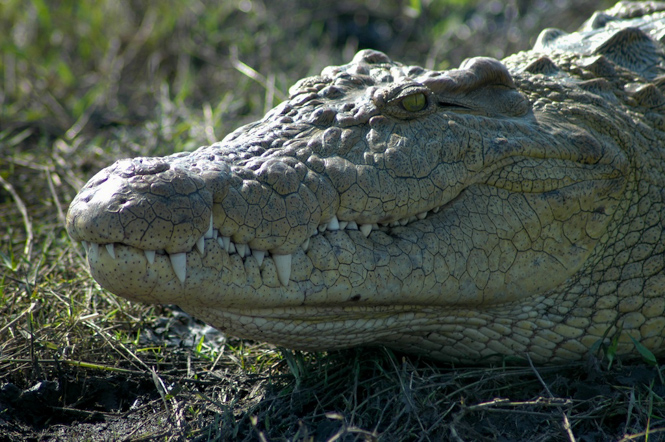
Nile Crocodile (Crocodylus niloticus)
The park’s rivers and wetlands are home to Nile crocodiles, apex predators that prey on fish, mammals, and occasionally other wildlife, maintaining balance in aquatic ecosystems.

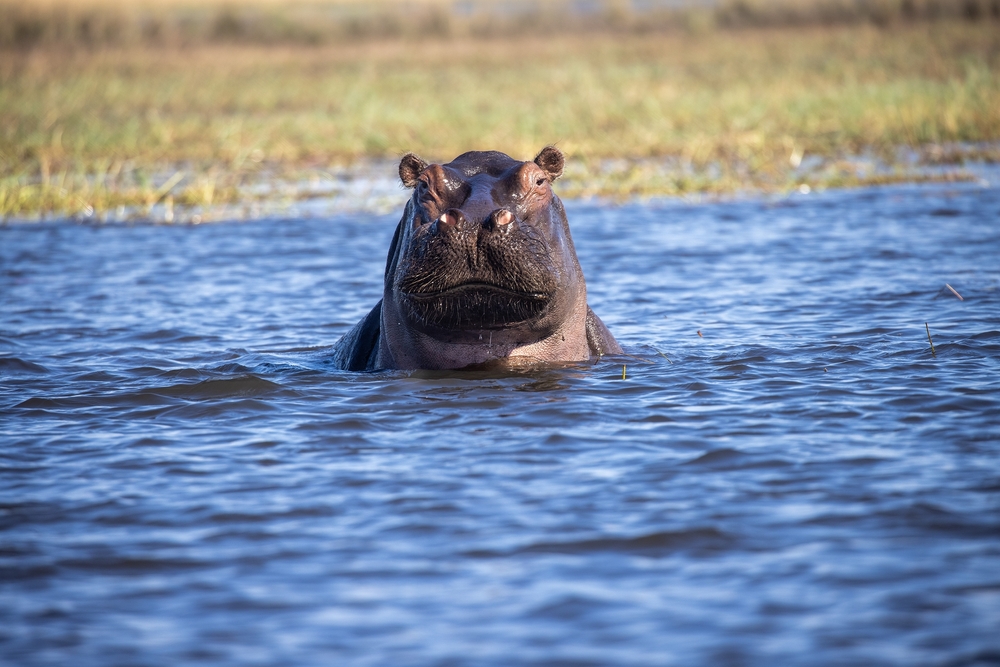
Hippopotamus (Hippopotamus amphibius)
The rivers and wetlands of Didessa are ideal for hippos, which spend their days submerged to stay cool and graze on grasses at night, contributing to nutrient cycling in aquatic habitats.

Warthog (Phacochoerus africanus)
Warthogs are commonly seen in the park’s open areas, foraging for roots and tubers. Their burrowing activities benefit soil health and help other species find shelter.

Olive Baboon (Papio anubis)
These highly social primates thrive in the park’s forests and savannahs, feeding on fruits, seeds, and small animals. They also play a role in seed dispersal.

Leopard (Panthera pardus)
Elusive and powerful, leopards inhabit Didessa’s woodlands and rocky areas. As apex predators, they help regulate prey populations and maintain ecosystem balance.

Bushbuck (Tragelaphus scriptus)
This shy antelope prefers the park’s dense vegetation and feeds on leaves, fruits, and shoots, often staying hidden from predators.

Aardvark (Orycteropus afer)
A nocturnal species, the aardvark thrives in Didessa’s grasslands, feeding on ants and termites. Its burrowing creates habitats for other animals.

Spotted Hyena (Crocuta crocuta)
Both scavenger and hunter, the spotted hyena is essential for nutrient recycling in the park. Its distinctive calls often echo through the night.

Giant Forest Hog (Hylochoerus meinertzhageni)
The largest species of wild pig, the giant forest hog is a rare but notable inhabitant of Didessa’s dense woodlands, feeding on roots, fruits, and vegetation.

Birds

Birds

Didessa National Park is a birdwatcher’s paradise, with its wetlands, forests, and grasslands supporting a wide range of resident and migratory bird species, making it a significant avian habitat in Ethiopia.

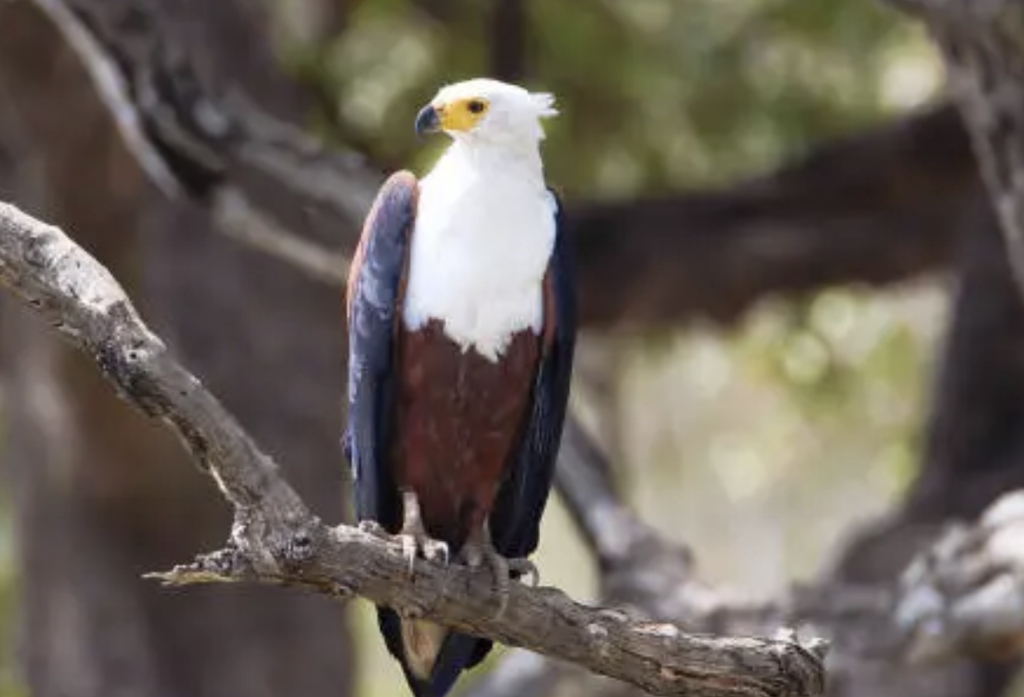
African Fish Eagle (Haliaeetus vocifer)
This iconic raptor is often seen perched near water, hunting fish and emitting its distinctive call, adding a dramatic presence to the park’s rivers.

Blue-winged Goose (Cyanochen cyanoptera)
Endemic to Ethiopia, this waterfowl is commonly found in the park’s wetlands, feeding on aquatic plants and grasses.

Wattled Ibis (Bostrychia carunculata)
An Ethiopian endemic, this bird is often seen foraging in grasslands and wetlands, feeding on insects and small invertebrates.

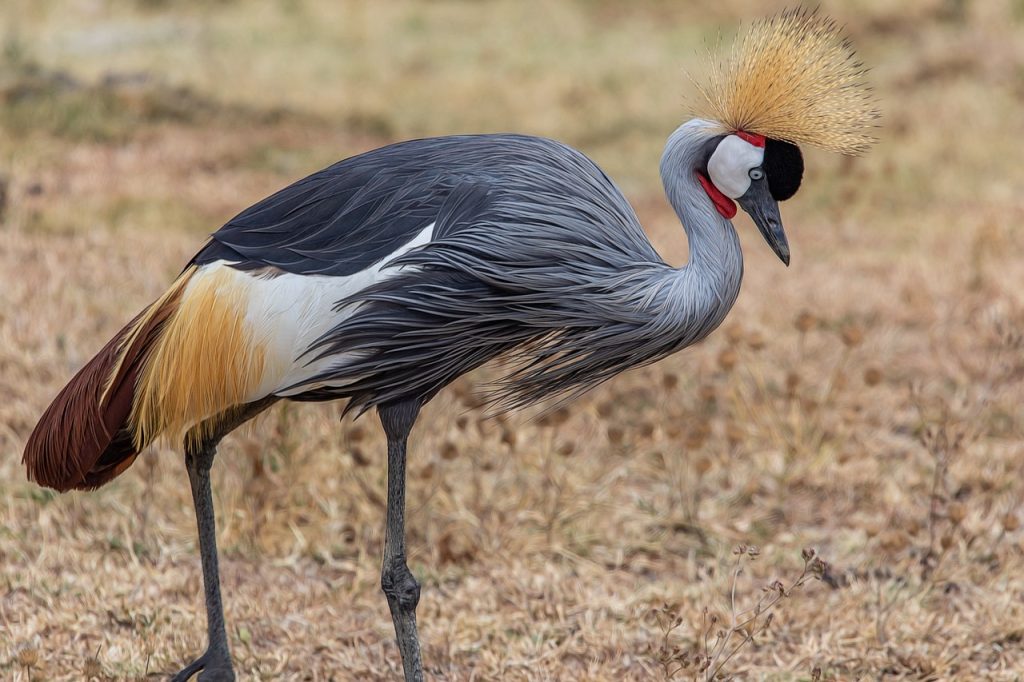
Grey Crowned Crane (Balearica regulorum)
A graceful and striking bird, the crowned crane frequents Didessa’s wetlands, feeding on seeds, insects, and small aquatic animals.

Yellow-billed Stork (Mycteria ibis)
This wading bird is commonly seen along the park’s rivers and wetlands, using its specialized bill to catch fish and small invertebrates.

Marabou Stork (Leptoptilos crumenifer)
Known for its scavenging habits, the marabou stork plays a vital role in maintaining the park’s ecosystem by consuming carrion and organic waste.

Thick-billed Raven (Corvus crassirostris)
Endemic to Ethiopia, this intelligent bird is often seen scavenging in open areas and forests, contributing to nutrient cycling.

Black-winged Stilt (Himantopus himantopus)
A slender wader, this bird frequents the park’s wetlands, feeding on small aquatic creatures and insects.

Abyssinian Ground Hornbill (Bucorvus abyssinicus)
A large terrestrial bird, the ground hornbill is often seen walking through the park’s savannahs, feeding on insects, reptiles, and small mammals.

Pied Kingfisher (Ceryle rudis)
This dynamic bird is frequently spotted near water, hovering before diving to catch fish, making it a highlight for birdwatchers in Didessa.

Things To Do

Engaging Didessa National Park
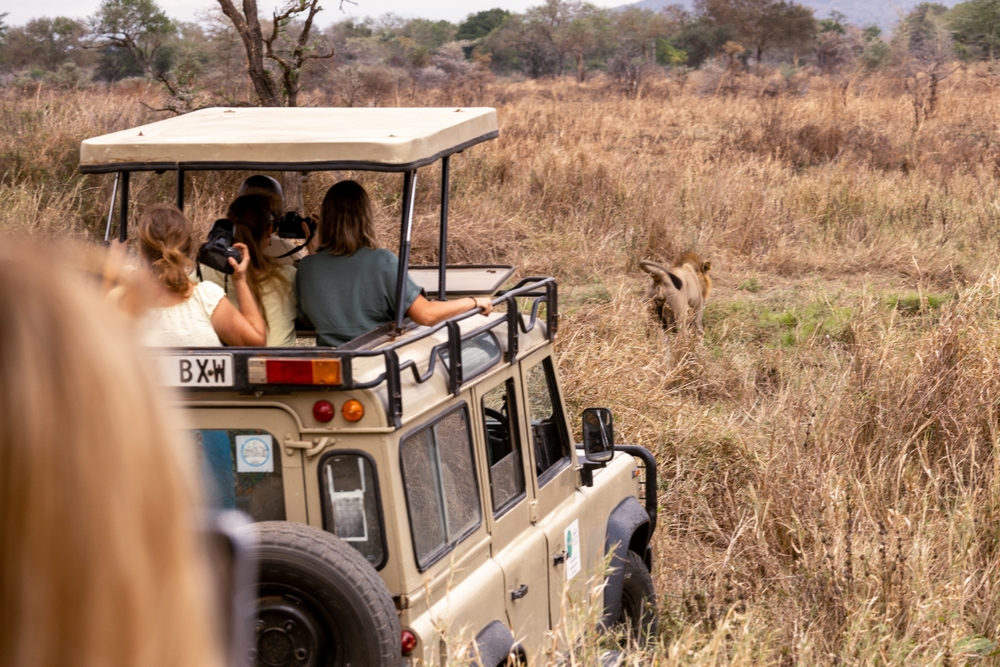
Game Drive

Game Drives

River Excursions

River Excursions

Birdwatching

Birdwatching