About

Dati Wolel National Park, sometimes referred to as “Dhati-Welel National Park”, is located in the Oromia Region of Ethiopia. Established to conserve the unique biodiversity of the region, the park spans an area of approximately 1,000 square kilometers (386 square miles). This protected area showcases Ethiopia’s rich natural heritage, with its diverse landscapes and ecosystems providing habitats for numerous species of flora and fauna. Dati Wolel is particularly valued for its role in maintaining ecological balance and supporting sustainable livelihoods for nearby communities.

The park’s terrain is a mix of rolling hills, valleys, dense woodlands, and grasslands, making it an ecologically diverse area. The altitudes in the park range from 1,500 to 3,000 meters above sea level, contributing to a variety of microclimates. The region’s river systems, including the Dhati and Welel Rivers, play a crucial role in nourishing the vegetation and supporting wildlife. The park’s woodlands are dominated by indigenous tree species, including acacias and junipers, while its grasslands provide grazing grounds for herbivores.

Dati Wolel National Park is home to a variety of wildlife, including some of Ethiopia’s most iconic and endangered species. Large mammals such as leopards, hyenas, and lions inhabit the park, alongside herbivores like bushbucks and warthogs. The park is also a haven for birdlife, with species such as the Abyssinian catbird, white-cheeked turaco, and blue-breasted bee-eater frequently observed. Reptiles and amphibians thrive in the park’s wetland areas, contributing to its biodiversity.

Visitors to Dati Wolel National Park can explore its natural beauty through guided hikes, birdwatching excursions, and wildlife safaris. The park’s diverse terrain offers excellent opportunities for trekking, with scenic viewpoints and tranquil spots for picnicking. The rivers provide habitats for aquatic species and add a serene element to the landscape. Cultural interactions with nearby Oromo communities enhance the visitor experience, offering insights into traditional practices and their harmonious coexistence with nature.

Despite its ecological importance, Dati Wolel National Park faces challenges, including habitat loss due to agricultural expansion, poaching, and deforestation. The pressure from nearby human populations and climate change further threatens its ecosystems. Conservation efforts by Ethiopia’s government, in collaboration with local and international partners, focus on protecting wildlife, restoring habitats, and promoting sustainable tourism. Community engagement programs aim to involve local people in conservation activities, fostering a sense of stewardship and shared responsibility.

Dati Wolel National Park is a vital part of Ethiopia’s network of protected areas. Its diverse landscapes, wildlife, and cultural connections make it an essential area for conservation and an attractive destination for eco-tourism. By protecting this park, Ethiopia ensures the preservation of its natural heritage and supports sustainable development for future generations.

Things to See
Popular

Popular

Dati Wolel National Park, located in western Ethiopia, is a diverse ecological haven characterized by montane forests, wetlands, and grasslands that provide habitats for a variety of remarkable wildlife species.

Colobus Monkey (Colobus guereza)
These black-and-white monkeys are a common sight in the park’s forests. They feed primarily on leaves, fruits, and flowers, playing a vital role in seed dispersal.

Olive Baboon (Papio anubis)
Highly social and adaptable, olive baboons thrive in the park’s open areas and forest edges, feeding on a wide range of food, including fruits, seeds, and small animals.

Aardvark (Orycteropus afer)
Nocturnal and elusive, aardvarks are skilled diggers that feed on ants and termites. Their burrowing activities benefit the ecosystem by creating habitats for other species.

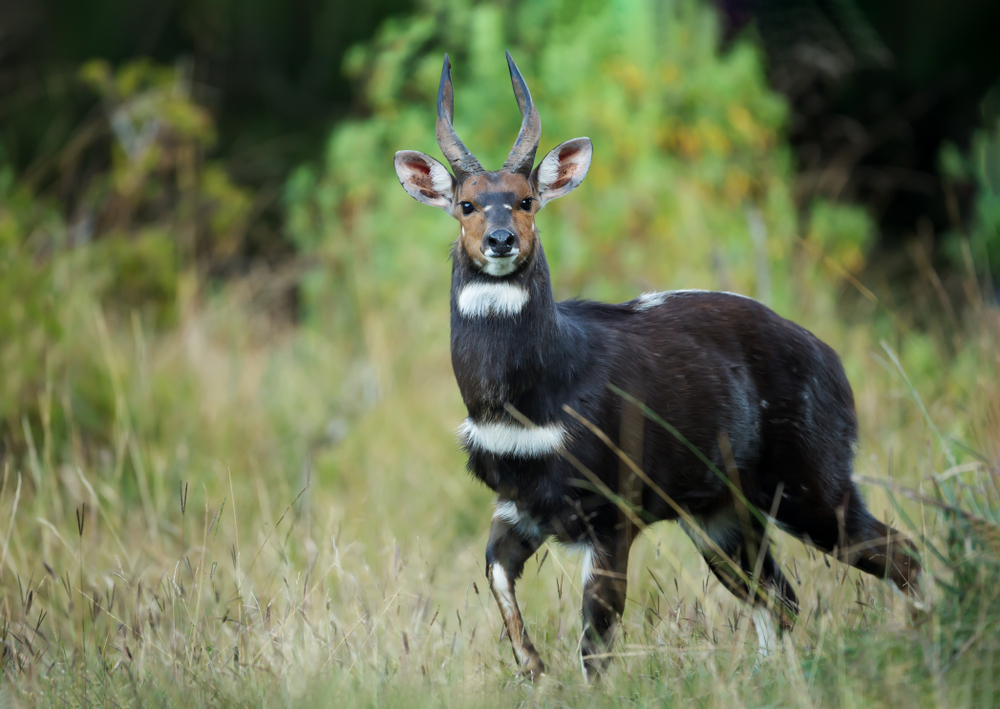
Bushbuck (Tragelaphus scriptus)
This shy and solitary antelope prefers the dense vegetation of the park, feeding on leaves, fruits, and shoots.

Spotted Hyena (Crocuta crocuta)
A key predator and scavenger, the spotted hyena plays an essential role in nutrient recycling and maintaining population balance among prey species.

Warthog (Phacochoerus africanus)
Often seen in the park’s grasslands, warthogs forage for roots, tubers, and grasses, contributing to soil aeration and ecosystem health.

African Civet (Civettictis civetta)
This nocturnal carnivore thrives in the park’s forests and wetlands, feeding on small mammals, insects, and fruits.

Porcupine (Hystrix cristata)
Porcupines are nocturnal foragers, feeding on roots, tubers, and bark. They are often found in the park’s rocky and forested areas.

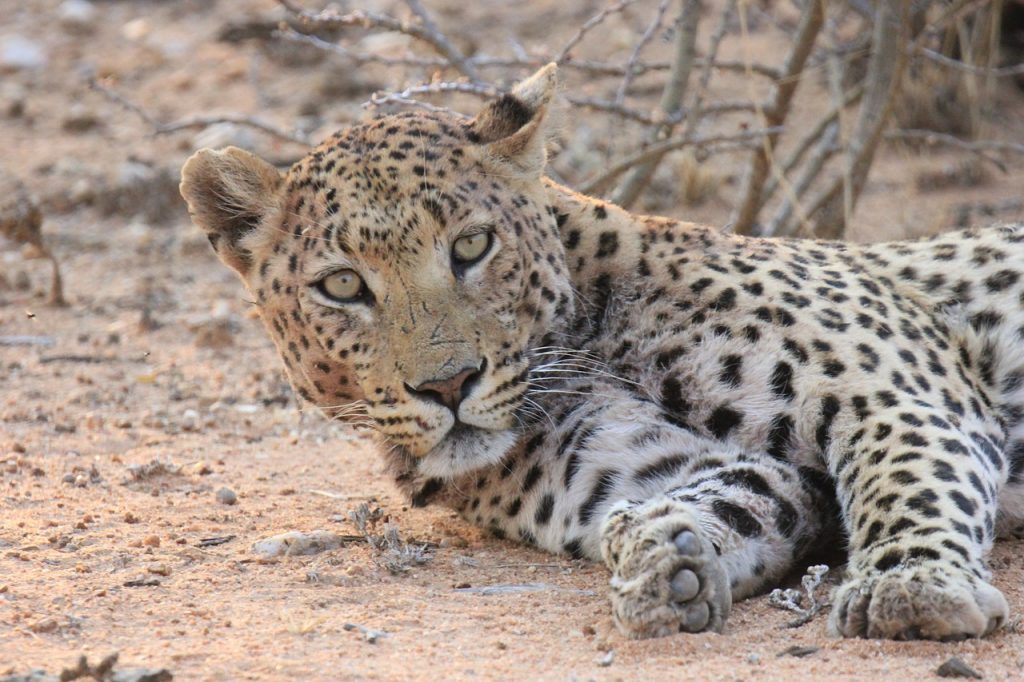
Leopard (Panthera pardus)
Elusive and powerful, leopards inhabit the park’s forests and rocky areas, preying on antelope, monkeys, and other small mammals.

Honey Badger (Mellivora capensis)
Known for its fearless nature, the honey badger is a versatile predator and scavenger that feeds on insects, reptiles, and small mammals in the park’s varied habitats.

Birds

Birds

Dati Wolel National Park is a sanctuary for bird enthusiasts, with its diverse habitats attracting an impressive array of resident and migratory bird species, making it a significant birding destination in Ethiopia.

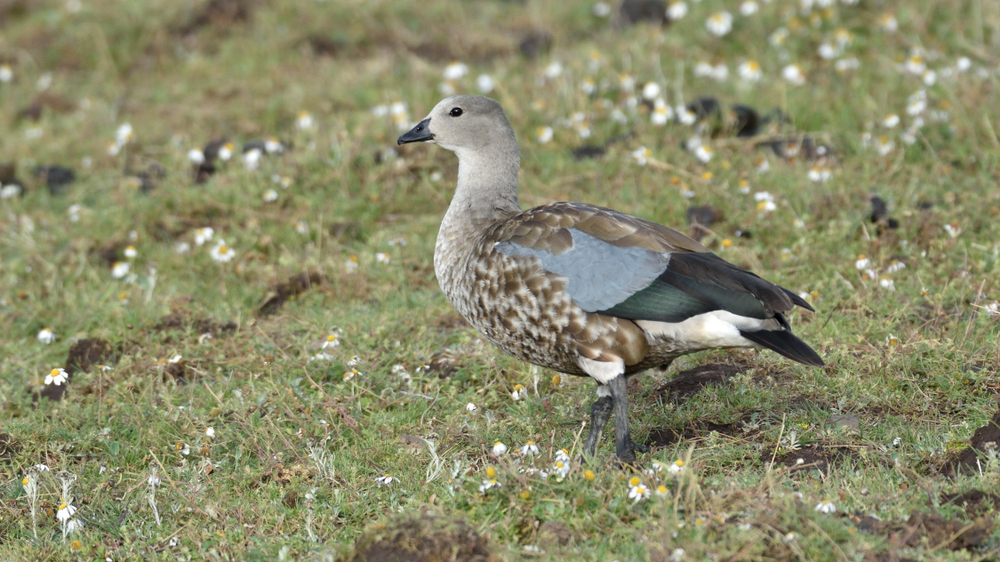
Blue-winged Goose (Cyanochen cyanoptera)
This endemic waterfowl is often seen in the park’s wetlands, feeding on aquatic plants and grasses.

Wattled Ibis (Bostrychia carunculata)
An Ethiopian endemic, this bird is a common resident of the park’s grasslands and wetlands, feeding on insects and small invertebrates.

Thick-billed Raven (Corvus crassirostris)
Endemic to Ethiopia, this large and intelligent bird scavenges in the park’s open areas and forests, often near human activity.

African Harrier-Hawk (Polyboroides typus)
A versatile raptor, the African harrier-hawk is often seen foraging in trees and cliffs, hunting small mammals and reptiles.

Grey Crowned Crane (Balearica regulorum)
This iconic bird frequents the park’s wetlands, feeding on seeds, insects, and small aquatic animals.

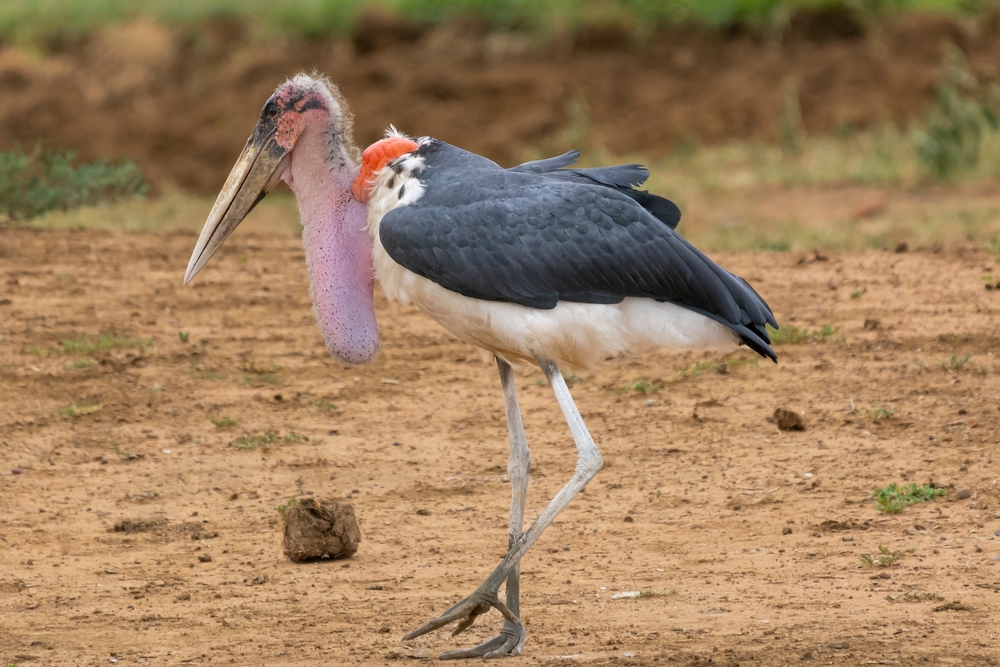
Marabou Stork (Leptoptilos crumenifer)
Known for its scavenging behavior, the marabou stork is an important ecological cleaner, consuming carrion and organic waste.

Yellow-billed Stork (Mycteria ibis)
This wading bird is often found in the park’s wetlands, sweeping its bill through the water to catch fish and invertebrates.

Ethiopian Oriole (Oriolus monacha)
A vibrant and melodious endemic bird, the Ethiopian oriole thrives in the park’s forests, feeding on fruits and insects.

Lammergeier (Gypaetus barbatus)
Also known as the bearded vulture, this striking bird of prey is often seen gliding over the park’s rugged cliffs, feeding on bones and carrion.

Abyssinian Catbird (Parophasma galinieri)
This elusive and melodious bird, endemic to Ethiopia’s highlands, inhabits the park’s dense thickets and forests.

Things To Do

Engaging Dati Wolel National Park
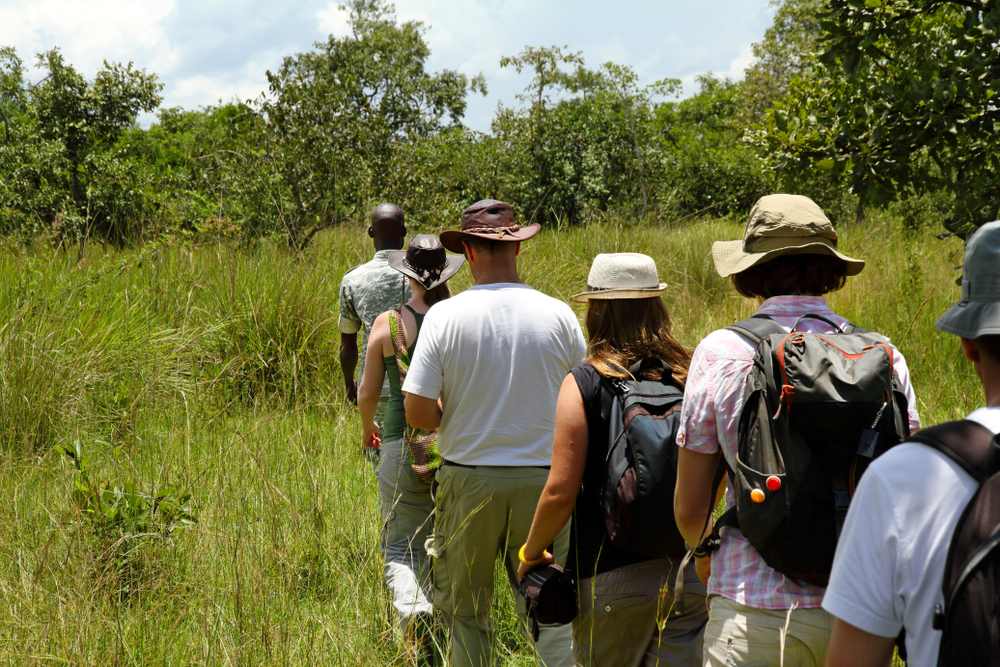
Nature Walks

Nature Walks

Birdwatching

Birdwatching

placeholder

Cultural Heritage