

About
Awash National Park, located in the northeastern region of Ethiopia, is a vibrant and diverse protected area covering approximately 827 square miles (2,150 square kilometers). Established in 1966, it is one of the oldest and most renowned national parks in the country, known for its stunning landscapes, rich biodiversity, and cultural significance. Nestled within the Great Rift Valley, Awash National Park is a mosaic of varied ecosystems, including acacia woodlands, savannahs, hot springs, and the majestic Awash River.
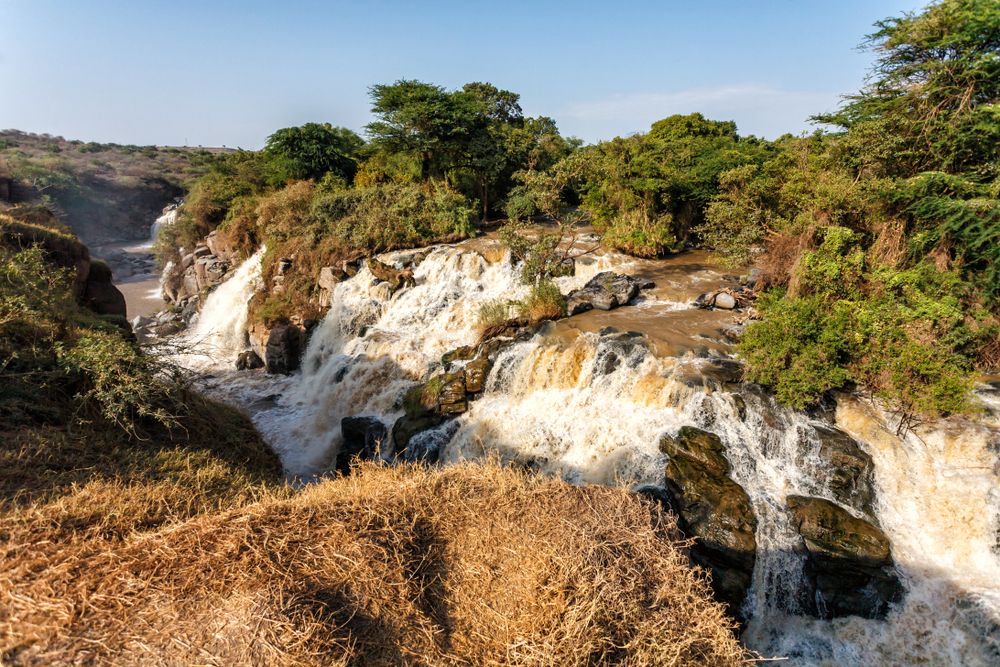
The park’s terrain is dominated by the dormant Fantale Volcano, which rises to about 2,007 meters (6,584 feet) above sea level. The volcanic landscape, with its rugged lava fields and expansive plains, creates a dramatic backdrop for the park’s diverse flora and fauna. The Awash River, which meanders through the park, forms a series of picturesque waterfalls and lush riverine forests, providing essential water sources for the wildlife.
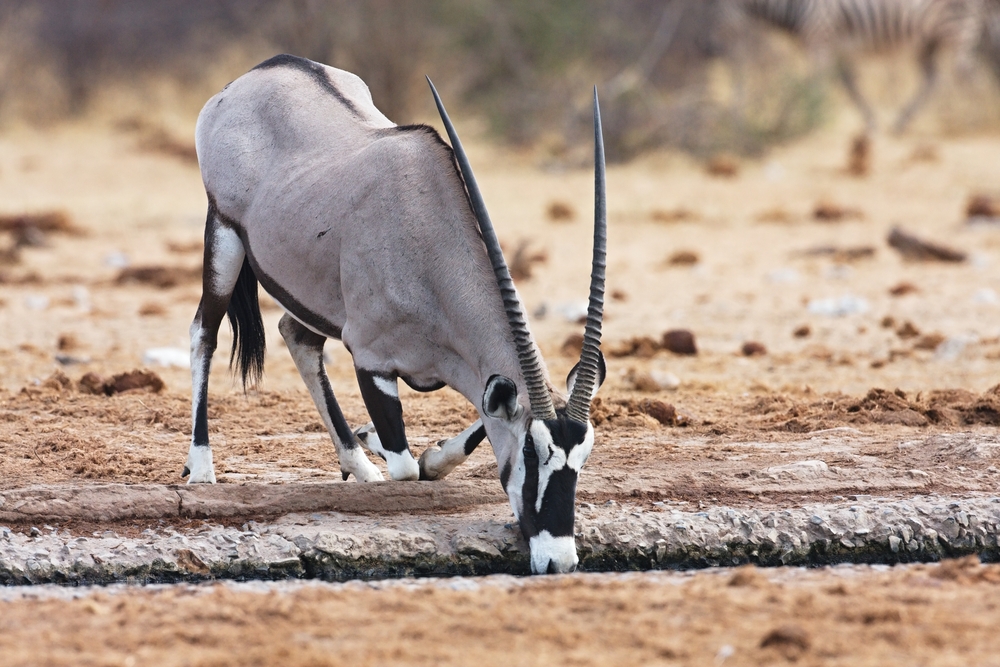
Awash National Park is home to an impressive array of wildlife. Visitors can expect to see mammals such as the Beisa oryx, Soemmerring’s gazelle, kudu, and warthogs. The park is also a haven for predators, including lions, leopards, and hyenas. One of the park’s most notable residents is the Hamadryas baboon, which can be seen in large troops throughout the area. These baboons are a unique species, distinguished by their striking appearance and complex social structures.
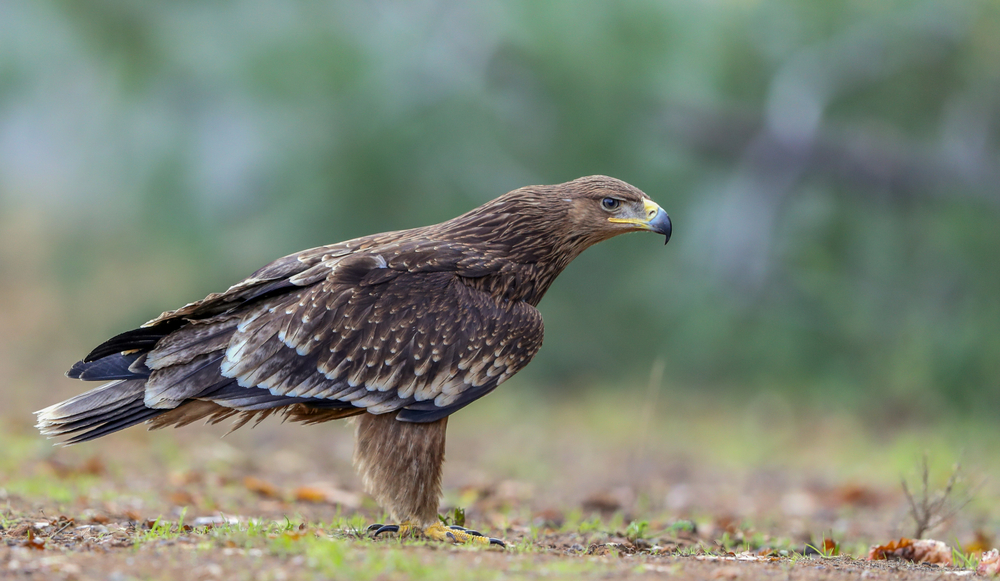
Birdwatching is a major attraction in Awash National Park, with over 450 bird species recorded. Notable birds include the secretary bird, Abyssinian roller, and the vibrant carmine bee-eater. The park’s wetlands and riverbanks attract a variety of waterfowl, making it a prime location for bird enthusiasts to observe both resident and migratory species.
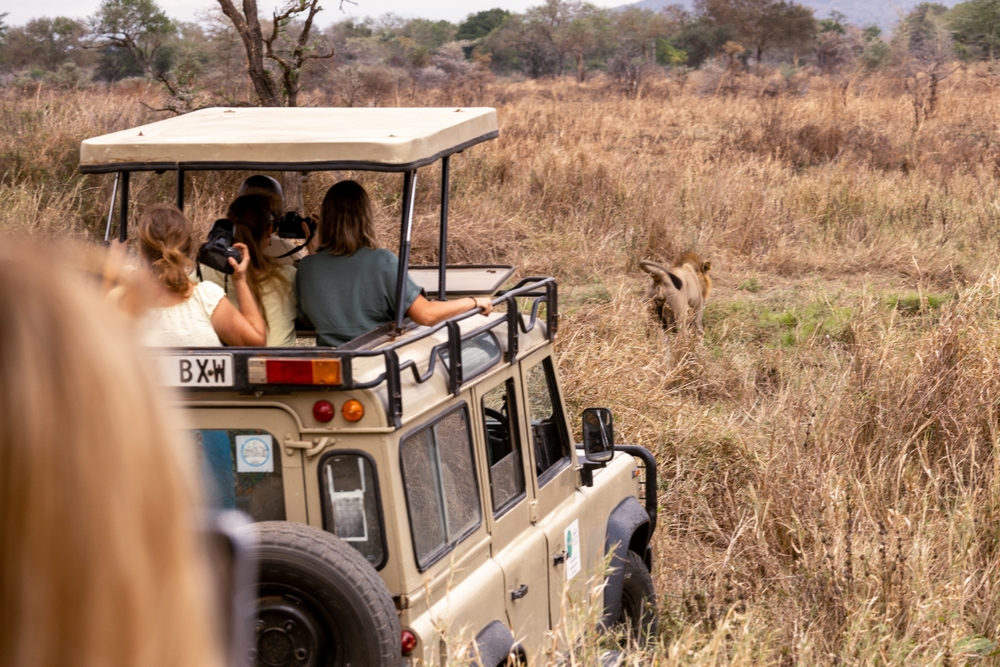
Exploring Awash National Park offers a range of activities and experiences. Guided game drives and walking safaris provide opportunities to see wildlife up close and explore the park’s diverse landscapes. The park’s hot springs, particularly the Filwoha hot springs, are a popular spot for relaxation, offering warm, mineral-rich waters amidst the natural beauty of the park. The Awash River, with its dramatic waterfalls, such as the Awash Falls, is another highlight, offering stunning views and a tranquil environment.
Conservation efforts in Awash National Park focus on preserving its unique ecosystems and protecting its diverse wildlife. The park faces challenges such as habitat degradation and human-wildlife conflict, but ongoing initiatives aim to mitigate these threats. Efforts include community engagement programs that involve local populations in conservation activities and promote sustainable resource use. By fostering a sense of ownership and responsibility among the local communities, these programs help ensure the long-term protection of the park’s natural resources.
Awash National Park also holds cultural significance, with several indigenous communities living in and around the park. These communities, including the Afar and Kereyu people, have a deep connection to the land and its wildlife. Their traditional knowledge and practices are integral to the park’s conservation efforts, providing valuable insights into sustainable living and environmental stewardship. Visitors can learn about the local culture and traditions, adding a cultural dimension to their visit.
In summary, Awash National Park is a natural wonder that showcases the rich biodiversity and stunning landscapes of Ethiopia. Its diverse ecosystems, abundant wildlife, and vibrant birdlife make it a must-visit destination for nature enthusiasts and eco-tourists. The park’s commitment to conservation and community involvement underscores its importance as a model of sustainable environmental management. Whether exploring the rugged volcanic terrain, relaxing in the hot springs, or observing the diverse wildlife, visitors to Awash National Park will be captivated by its natural splendor and ecological significance.
Things to See
Things To Do
Engaging Awash National Park

Park Protection
Awash National Park was created to protect the volcanic landscapes, savannas, acacia woodlands, riverine forests, and wetlands surrounding the Awash River in central Ethiopia. The park provides important habitat for several threatened and endangered species, including the endangered Grevy’s zebra, the endangered African wild dog, and the vulnerable beisa oryx.
It also supports populations of East African oryx, Soemmerring’s gazelle, greater kudu, olive baboons, hamadryas baboons, leopards, spotted hyenas, and more than 450 species of birds. The Awash River and its associated wetlands provide critical water resources that sustain wildlife throughout the year in this otherwise semi-arid landscape.
The park is especially significant for protecting the dramatic volcanic features of the Great Rift Valley, including the active Mount Fentale and extensive lava fields, hot springs, and the spectacular Awash Falls. Its position within the Rift Valley creates a remarkable diversity of habitats that support both highland and lowland species.
The park also forms an important ecological link between Ethiopia’s central highlands and eastern savannas. Together, Awash National Park safeguards endangered wildlife, unique volcanic and Rift Valley ecosystems, vital river and wetland habitats, and one of Ethiopia’s most distinctive protected landscapes.
FAQ’s
What is the main reason people visit Awash National Park?
Awash National Park is primarily visited for its diverse wildlife, dramatic volcanic landscapes, and accessibility from Ethiopia’s capital. Located in the Rift Valley region of eastern Ethiopia, the park protects a unique combination of savanna grasslands, acacia woodlands, volcanic features, hot springs, and the spectacular Awash River Gorge. Visitors come to see wildlife such as Beisa oryx, Soemmerring’s gazelle, baboons, crocodiles, and more than 450 bird species while enjoying one of Ethiopia’s most accessible safari destinations.
What animals can visitors hope to see in Awash National Park?
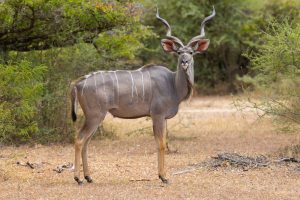 Awash National Park supports approximately 81 mammal species and more than 40 reptile species. The park is known for its large populations of East African savanna wildlife and several species adapted to the arid landscapes of the Rift Valley.
Some of the most popular mammals found in Awash National Park include:
- Beisa Oryx
- Soemmerring’s Gazelle
- Salt’s Dik-Dik
- Greater Kudu
- Lesser Kudu
- Defassa Waterbuck
- Bohor Reedbuck
- Bushbuck
- Klipspringer
- Common Duiker
- Warthog
- Bush Pig
- Olive Baboon
- Hamadryas Baboon
- Grivet Monkey
- Vervet Monkey
- Colobus Monkey
- African Buffalo
- Hippopotamus
- Leopard
- Lion
- Cheetah
- Caracal
- Serval
- African Wildcat
- Striped Hyena
- Spotted Hyena
- Black-backed Jackal
- Golden Jackal
- Honey Badger
- African Civet
- White-tailed Mongoose
- Egyptian Mongoose
- Slender Mongoose
- Banded Mongoose
- Crested Porcupine
- Rock Hyrax
- Tree Hyrax
- Ethiopian Hare
- Cape Hare
- Giant Mole-Rat
- Ground Squirrel Species
- Grass Rat Species
- Dormouse Species
- Fruit Bat Species
- Horseshoe Bat Species
- Pipistrelle Bat Species
- Mouse-eared Bat Species
- Shrew Species
- Various Small Rodents
What birds can visitors hope to see in Awash National Park?
Awash National Park is one of Ethiopia’s premier birdwatching destinations, with more than 450 recorded bird species. The park’s combination of wetlands, river habitats, savanna, and volcanic landscapes attracts both resident and migratory birds.
Some of the most popular birds seen in Awash National Park include:
- Ostrich
- Secretarybird
- Kori Bustard
- Arabian Bustard
- African Fish Eagle
- Verreaux’s Eagle
- Martial Eagle
- Tawny Eagle
- Steppe Eagle
- Augur Buzzard
- Lappet-faced Vulture
- White-backed Vulture
- Hooded Vulture
- Egyptian Vulture
- Bateleur
- African Harrier-Hawk
- Saddle-billed Stork
- Yellow-billed Stork
- Marabou Stork
- Woolly-necked Stork
- African Openbill
- Sacred Ibis
- Hadada Ibis
- Glossy Ibis
- Hamerkop
- Goliath Heron
- Purple Heron
- Grey Heron
- Great Egret
- Little Egret
- African Spoonbill
- Spur-winged Goose
- Egyptian Goose
- Knob-billed Duck
- White-faced Whistling Duck
- African Jacana
- Black Crake
- Abyssinian Ground Hornbill
- Von der Decken’s Hornbill
- Red-billed Hornbill
- Yellow-billed Hornbill
- Lilac-breasted Roller
- Abyssinian Roller
- Carmine Bee-eater
- White-fronted Bee-eater
- Pied Kingfisher
- Giant Kingfisher
- Malachite Kingfisher
- White-cheeked Turaco
- Superb Starling
Is Awash National Park worth visiting?
Yes, Awash National Park is worth visiting and remains one of Ethiopia’s most popular wildlife destinations. Its combination of accessible wildlife viewing, spectacular landscapes, waterfalls, volcanic features, and birdwatching makes it an excellent introduction to Ethiopia’s natural heritage.
While it does not offer the same concentrations of large mammals as famous East African parks such as Serengeti National Park or Maasai Mara National Reserve, it provides a rewarding safari experience with far fewer visitors.
What is the best time to visit Awash National Park?
The best time to visit Awash National Park is during the dry season from October through February.
During these months:
- Wildlife gathers around water sources.
- Temperatures are generally pleasant.
- Roads are easier to navigate.
- Birdwatching remains excellent.
The rainy season from June through September brings greener landscapes but can make some roads more difficult to access.
How many days do you need to visit Awash National Park?
Most visitors should plan for 1 to 3 days.
- 1 day: Wildlife viewing and key scenic attractions.
- 2 days: Game drives, birdwatching, and exploration of the Awash Gorge.
- 3 days: Comprehensive safari experience including hot springs and photography opportunities.
Many visitors include Awash as part of a broader northern or eastern Ethiopia itinerary.
How do you get to Awash National Park?
Awash National Park is located approximately 225 kilometers east of Addis Ababa.
Most visitors:
- Fly into Addis Ababa.
- Travel by road via the Addis Ababa–Djibouti highway.
- Reach the park in approximately 4 to 5 hours by vehicle.
Its relatively easy accessibility makes it one of Ethiopia’s most visited national parks.
Is Awash National Park safe for tourists?
Awash National Park is generally considered safe for tourists when visited with guides and following park regulations.
Visitors should:
- Stay on designated roads and trails.
- Follow wildlife safety guidelines.
- Use local guides when appropriate.
- Check current travel advisories before visiting.
- Carry sufficient water due to the hot climate.
Most visits occur without incident.
Who is involved in protecting and supporting Awash National Park?
Several organizations help protect Awash National Park:
- Ethiopian Wildlife Conservation Authority (EWCA) – the government agency responsible for managing Ethiopia’s national parks.
- Awash National Park Management Office – oversees conservation, tourism, and wildlife management.
- Ethiopian Biodiversity Institute – supports biodiversity research and conservation efforts.
- Regional conservation and tourism authorities within the Afar and Oromia regions.
- Local communities that participate in conservation and sustainable tourism initiatives.
Sources
Here are sources you can explore for more information:
- AllTrails. Awash National Park. https://www.alltrails.com/ethiopia/afar/awash-national-park, retrieved July 2026.
- Encyclopaedia Britannica. Awash National Park. https://www.britannica.com/place/Awash-National-Park, retrieved July 2026.
- Ethiopian Wildlife Conservation Authority (EWCA). Awash National Park. https://www.ewca.gov.et/, retrieved July 2026.
- Pilot Guides. Awash National Park. https://www.pilotguides.com/, retrieved July 2026.
- Protected Planet (UNEP-WCMC & IUCN). Awash National Park. https://www.protectedplanet.net/, retrieved July 2026.
- SafariBookings. Awash National Park. https://www.safaribookings.com/awash, retrieved July 2026.
- Wikipedia. Awash National Park. https://en.wikipedia.org/wiki/Awash_National_Park, retrieved July 2026.
- World Wildlife Fund (WWF). Ethiopian Xeric Grasslands and Shrublands. https://www.worldwildlife.org/ecoregions/at1305, retrieved July 2026.