About

Alitash National Park, located in Ethiopia’s Amhara Region near the Sudanese border, is a protected area of significant ecological and cultural importance. Locally known as “Alitash Natonal Park”, the park was officially established in 2006 and spans approximately 2,666 square kilometers (1,030 square miles). It forms part of Ethiopia’s broader efforts to conserve its unique biodiversity and protect endangered species while offering a tranquil and remote wilderness experience for visitors.

The terrain of Alitash National Park is diverse, encompassing rugged hills, dry river valleys, and vast lowland plains. The park lies in a semi-arid region, and its vegetation is predominantly composed of savanna woodlands, interspersed with acacia trees, shrubs, and grasslands. Seasonal rivers and small streams flow through the park, creating pockets of greener vegetation during the rainy season and sustaining wildlife during drier periods. The landscape’s dramatic vistas are accentuated by the striking contrast between its arid zones and occasional lush patches.

Alitash National Park is home to a variety of wildlife, including some of Ethiopia’s most iconic species. The park provides habitat for elephants, leopards, and lions, as well as antelopes such as greater kudu and dik-diks. Birdlife is abundant, with species such as secretary birds, Abyssinian ground hornbills, and various raptors often spotted in the area. Reptiles, including monitor lizards and various snake species, thrive in the park’s warm climate. Alitash also serves as an important ecological corridor, connecting wildlife populations across the Ethiopian-Sudanese border.

Visitors to Alitash National Park can explore its natural beauty and wildlife through guided safaris and hiking tours. The park’s open landscapes provide excellent opportunities for wildlife observation and photography, particularly during the early morning and late afternoon when animals are most active. Cultural interactions with nearby communities, including the Gumuz people, offer insights into traditional practices and their sustainable relationship with the environment. However, the park remains relatively undeveloped for tourism, offering a remote and untouched wilderness experience.

Despite its ecological significance, Alitash National Park faces challenges such as poaching, habitat loss, and human-wildlife conflicts. The park’s remote location and limited infrastructure have made enforcement of conservation measures difficult. However, ongoing efforts by the Ethiopian Wildlife Conservation Authority (EWCA) and international partners aim to address these issues through anti-poaching initiatives, habitat restoration, and community engagement programs. Promoting eco-tourism is also seen as a sustainable way to generate income for local communities while supporting conservation.

Alitash National Park is a testament to the natural beauty and biodiversity of Ethiopia’s lowland savannas. Its vast landscapes, diverse wildlife, and cultural significance make it a critical area for conservation and an emerging destination for eco-tourists. By safeguarding Alitash, Ethiopia reinforces its commitment to preserving its unique ecosystems and supporting sustainable development in the region.

Things to See
Popular

Popular

Alitash National Park, located in the northwest of Ethiopia near the Sudanese border, is a remote and ecologically diverse area, home to a variety of unique wildlife species that thrive in its rugged landscapes and arid savannahs.

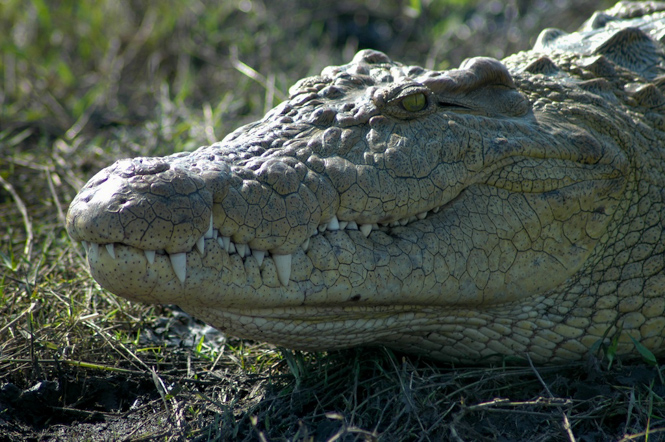
Nile Crocodile (Crocodylus niloticus)
The Nile crocodile inhabits the park’s rivers and wetlands, preying on fish, mammals, and birds. As an apex predator, it plays a critical role in maintaining the aquatic ecosystem’s balance.

African Elephant (Loxodonta africana)
These majestic creatures roam the park’s savannahs, consuming large amounts of vegetation and contributing to seed dispersal and habitat shaping.

Greater Kudu (Tragelaphus strepsiceros)
This striking antelope, with its spiraled horns, thrives in the park’s wooded areas, feeding on leaves, shoots, and fruits, and blending seamlessly into its surroundings.

Leopard (Panthera pardus)
A stealthy predator, the leopard is often found in Alitash’s rocky terrains and woodlands, preying on antelope, warthogs, and smaller mammals.

Warthog (Phacochoerus africanus)
Warthogs forage in the park’s grasslands, feeding on roots, tubers, and grasses. Their burrowing behavior benefits soil health and provides shelters for other animals.

Oribi (Ourebia ourebi)
This small, agile antelope is often seen in open grasslands, feeding on fresh grasses and serving as prey for larger predators.

Aardvark (Orycteropus afer)
Nocturnal and elusive, the aardvark is a skilled digger that feeds on ants and termites, creating burrows that provide habitats for other species.

Honey Badger (Mellivora capensis)
Known for its fearless nature, the honey badger is a versatile carnivore that thrives in Alitash, feeding on small mammals, reptiles, and insects.

African Buffalo (Syncerus caffer)
Large herds of buffalo roam the park’s savannahs, grazing on grasses and shrubs. They play a crucial role in vegetation management and serve as prey for predators like lions.

Bushbuck (Tragelaphus scriptus)
This shy and solitary antelope inhabits the park’s dense woodlands and edges of watercourses, feeding on leaves, fruits, and shoots.

Birds

Birds

Alitash National Park is a haven for birdwatchers, with its mix of savannahs, woodlands, and wetlands providing essential habitats for a wide variety of resident and migratory bird species.

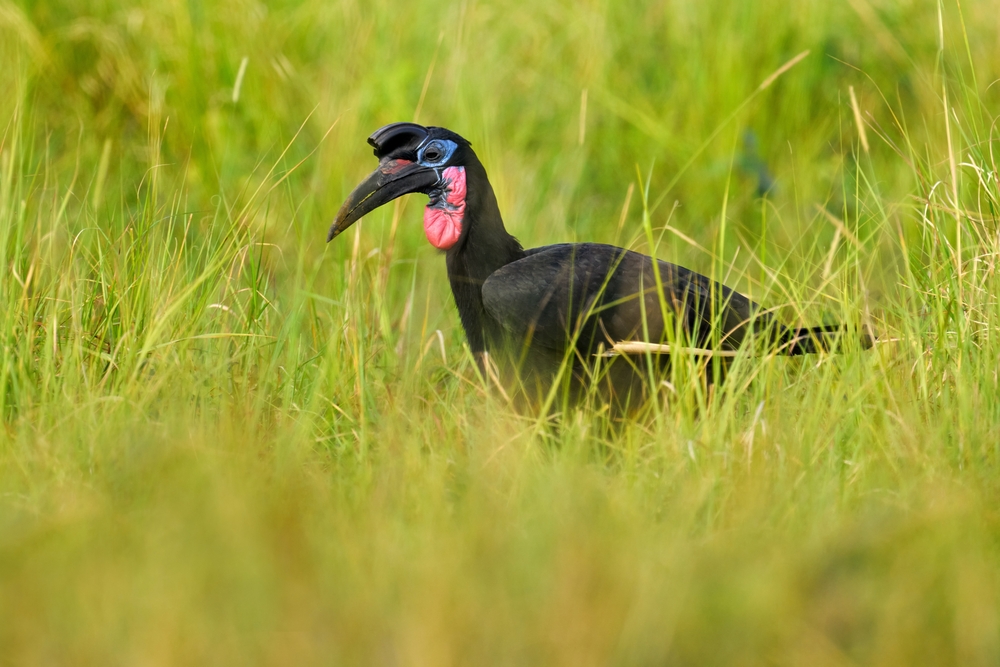
Abyssinian Ground Hornbill (Bucorvus abyssinicus)
This large, terrestrial bird is often seen walking through the savannah, feeding on insects, small reptiles, and seeds.

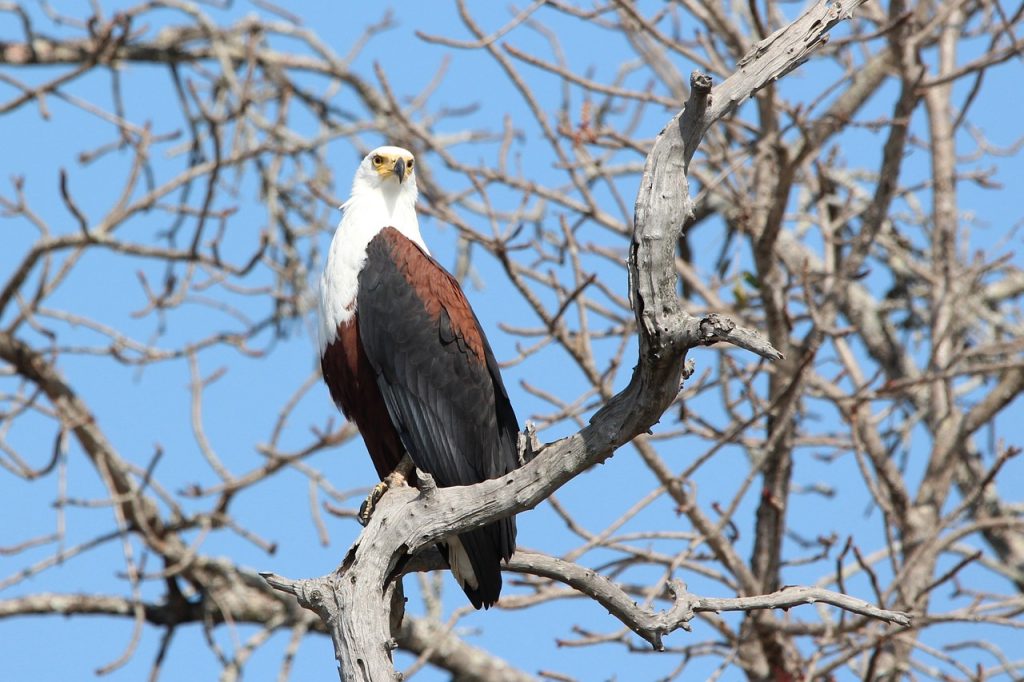
African Fish Eagle (Haliaeetus vocifer)
Perched near water sources, this raptor hunts fish with precision and is recognized for its piercing call.

Marabou Stork (Leptoptilos crumenifer)
Known for its scavenging habits, the marabou stork is vital for cleaning the ecosystem by consuming carrion and organic waste.

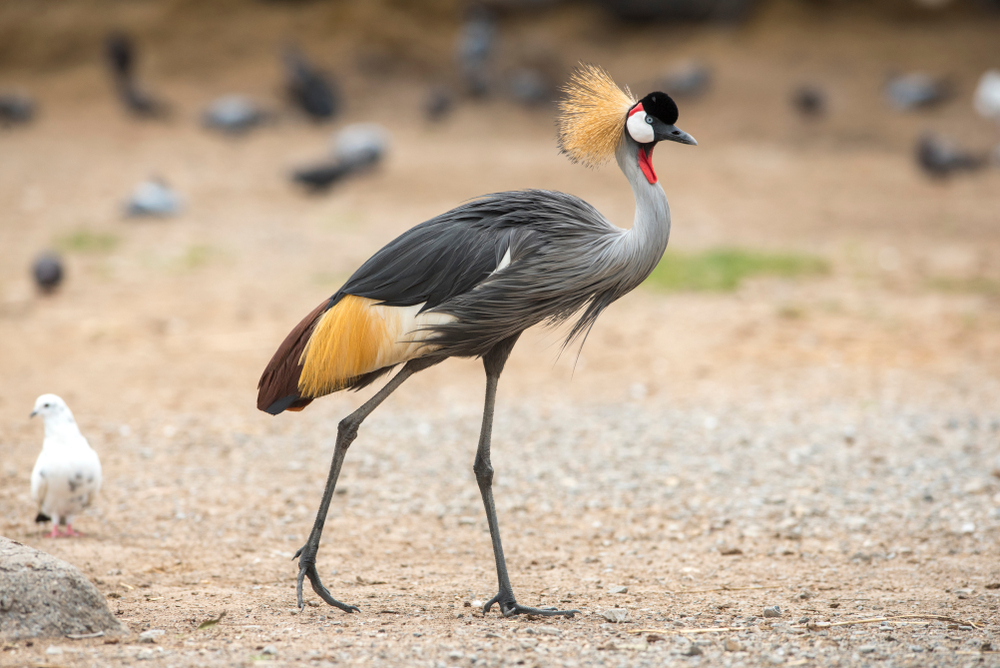
Grey Crowned Crane (Balearica regulorum)
A striking bird with a golden crown, it frequents the park’s wetlands, feeding on seeds, insects, and small aquatic animals.

Secretarybird (Sagittarius serpentarius)
This unique ground-dwelling raptor hunts snakes and small mammals in the park’s savannahs, making it a fascinating species to observe.

Yellow-billed Stork (Mycteria ibis)
Often seen in wetlands, this wader sweeps its bill through shallow waters to catch fish and small invertebrates.

Northern Carmine Bee-eater (Merops nubicus)
A vibrant bird that nests in riverbanks and feeds on flying insects, adding color to the park’s landscapes.

Pied Kingfisher (Ceryle rudis)
Hovering above water before diving to catch fish, this kingfisher is commonly found along rivers and wetlands.

Black-winged Stilt (Himantopus himantopus)
This slender wader frequents shallow waters, feeding on insects and small aquatic creatures.

Great White Pelican (Pelecanus onocrotalus)
Often seen in large groups on water bodies, these pelicans are spectacular fish hunters, using their large bills to scoop prey.

Things To Do

Engaging Alitash National Park
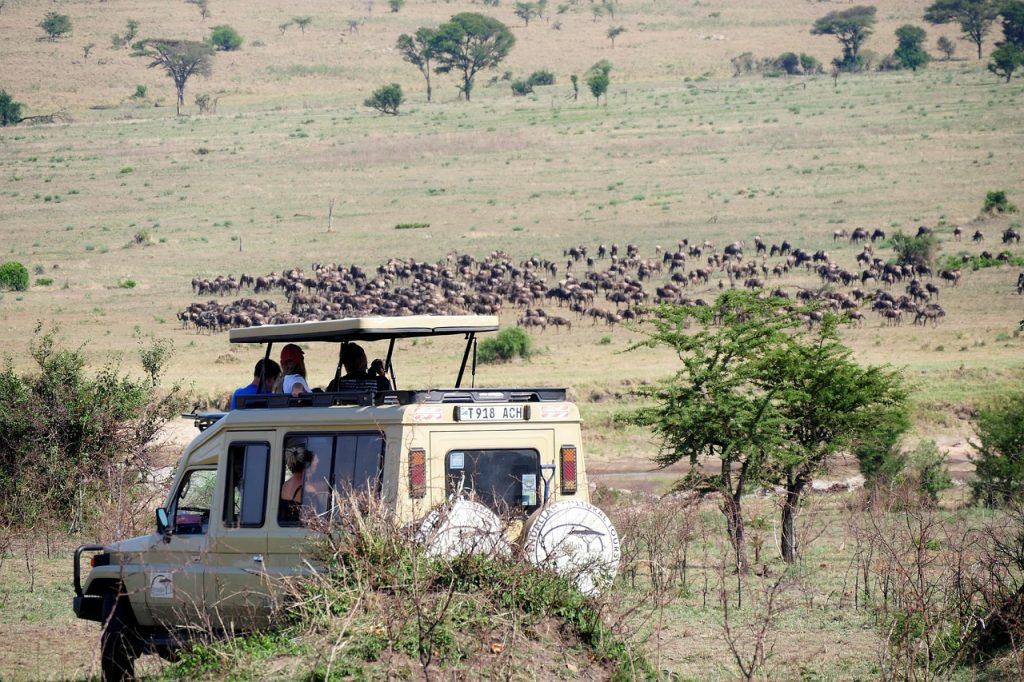
Game Drives

Game Drives

placeholder

River Excursions

Birdwatching

Birdwatching