

About
Hlane Royal National Park, the park is located in northeastern Eswatini (formerly Swaziland) within the country’s lowveld region. The park covers approximately 86 square miles (220 sq km) and is the largest protected area in Eswatini.
Established as a protected wildlife reserve under the authority of the Swazi monarchy, Hlane lies east of the Mlawula Nature Reserve and north of the Mbuluzi Game Reserve. The name “Hlane” means “wilderness” in Siswati, an appropriate description for a landscape that preserves some of southern Africa’s most important wildlife habitats. Today, the park serves as the flagship conservation area of Eswatini and attracts visitors from around the world.
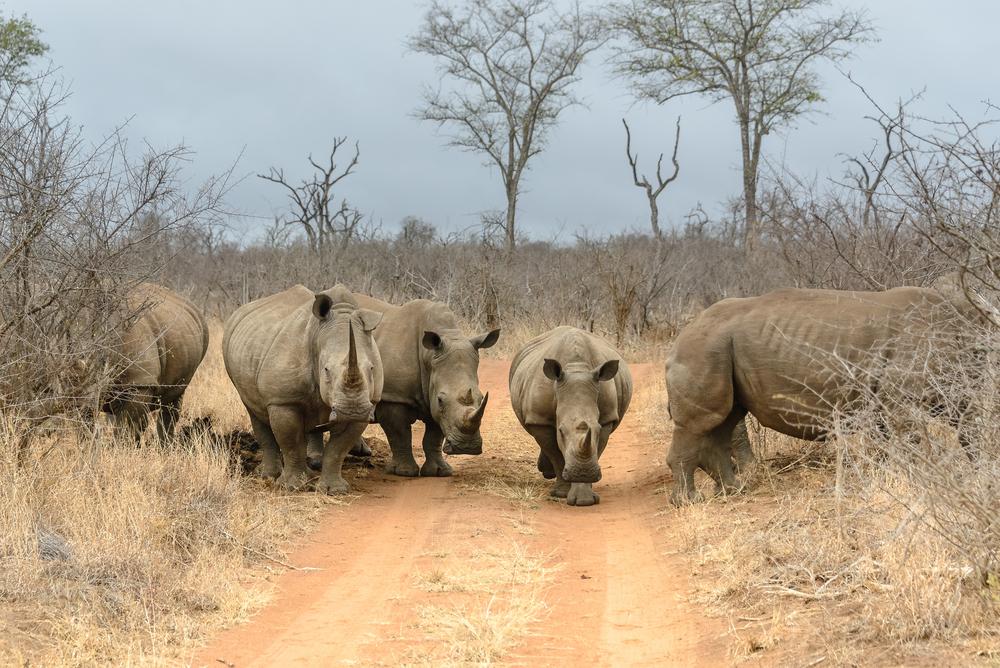
Hlane Royal National Park is best known for its populations of large mammals, including lions, elephants, and both black and white rhinoceroses. As Eswatini’s premier safari destination, the park offers visitors opportunities to experience classic African wildlife viewing within a relatively compact and accessible setting.
Guided game drives, self-drive safaris, walking trails, and birdwatching excursions allow guests to explore the park’s diverse landscapes. The park is particularly renowned for its successful rhino conservation efforts and has become one of the most important strongholds for these threatened animals in southern Africa. Wildlife viewing is often excellent due to strategically located waterholes that attract animals throughout the year.
The geography of Hlane Royal National Park consists of open savannas, mixed woodlands, grasslands, and seasonal wetlands. The landscape is generally flat to gently rolling, with scattered rocky outcrops and clusters of indigenous trees. Acacia woodlands dominate portions of the park, while grass-covered plains provide ideal grazing habitat for herbivores.
Seasonal rainfall patterns influence vegetation growth and water availability, creating changing conditions throughout the year. Permanent waterholes serve as focal points for wildlife and provide excellent opportunities for observation. The park’s diverse habitats support a wide range of species and contribute significantly to its ecological value.
Wildlife is the primary attraction of Hlane Royal National Park. Large mammals include elephant, white rhinoceros, black rhinoceros, lion, giraffe, zebra, blue wildebeest, kudu, impala, and warthog. The park is one of the few places in Eswatini where visitors can reliably observe lions in a natural environment. Rhinos are a major conservation success story, with both species benefiting from intensive protection efforts.
Birdlife is equally impressive, with more than 300 recorded species inhabiting the park. Hlane is especially famous for its large breeding colony of white-backed vultures, one of the largest in Africa. Eagles, hornbills, storks, kingfishers, and numerous grassland birds further enrich the park’s biodiversity.
Hlane Royal National Park plays a critical role in conserving Eswatini’s natural heritage and protecting some of southern Africa’s most threatened wildlife species. The park safeguards important savanna ecosystems while supporting regional efforts to conserve rhinos, vultures, and other vulnerable animals. Its conservation significance is often compared to renowned protected areas such as Hluhluwe–iMfolozi Park and Kruger National Park because of its contributions to rhino conservation and wildlife management.
Although smaller than these parks, Hlane has become a vital sanctuary for biodiversity within Eswatini. Today, it remains one of the kingdom’s most treasured protected areas, offering visitors exceptional wildlife encounters while preserving a wilderness that reflects the country’s rich natural legacy.
Things to See
Things To Do
Engaging Hlane Royal National Park

FAQ’s
What is the main reason people visit Hlane Royal National Park?
Hlane Royal National Park is primarily visited for its exceptional wildlife viewing, Big Game experiences, and status as Eswatini’s largest protected area. Located in northeastern Eswatini, Hlane Royal National Park was once the royal hunting grounds of the Swazi monarchy and today serves as the country’s premier safari destination.
Visitors come to see lions, elephants, rhinoceroses, vultures, antelope, and numerous bird species while enjoying a classic African safari experience in a less-crowded setting than many larger parks in southern Africa.
What animals can visitors hope to see in Hlane Royal National Park?
Hlane Royal National Park supports approximately 50 mammal species and more than 30 reptile species. The park is best known for its populations of white rhinoceros, elephant, lion, and a variety of antelope species.
Some of the most popular mammals found in Hlane Royal National Park include:
- White Rhinoceros
- African Elephant
- Lion
- Leopard
- Spotted Hyena
- Black-backed Jackal
- Side-striped Jackal
- Serval
- Caracal
- African Wildcat
- African Civet
- Large-spotted Genet
- Small-spotted Genet
- Honey Badger
- White-tailed Mongoose
- Slender Mongoose
- Banded Mongoose
- Dwarf Mongoose
- Warthog
- Bush Pig
- Hippopotamus
- Plains Zebra
- Giraffe
- Blue Wildebeest
- Greater Kudu
- Nyala
- Impala
- Waterbuck
- Bushbuck
- Steenbok
- Common Duiker
- Reedbuck
- Sable Antelope
- Eland
- Tsessebe
- Red Hartebeest
- African Buffalo (occasionally managed populations)
- Vervet Monkey
- Chacma Baboon
- Cape Hare
- Scrub Hare
- Porcupine
- Ground Squirrel
- Tree Squirrel Species
- Fruit Bat Species
- Pipistrelle Bat Species
- Free-tailed Bat Species
- Shrew Species
- Rodent Species
- Various Small Mammals
What birds can visitors hope to see in Hlane Royal National Park?
Hlane Royal National Park is one of Eswatini’s top birdwatching destinations, with more than 300 recorded bird species. The park is especially famous for its large breeding colonies of vultures and birds of prey.
Some of the most popular birds seen in Hlane Royal National Park include:
- White-backed Vulture
- Lappet-faced Vulture
- Hooded Vulture
- Cape Vulture
- Bateleur
- Martial Eagle
- Tawny Eagle
- Wahlberg’s Eagle
- African Fish Eagle
- Brown Snake Eagle
- Black-chested Snake Eagle
- Secretarybird
- Southern Ground Hornbill
- Kori Bustard
- Saddle-billed Stork
- Yellow-billed Stork
- Marabou Stork
- Woolly-necked Stork
- African Openbill
- Sacred Ibis
- Hadada Ibis
- Glossy Ibis
- Hamerkop
- Grey Heron
- Purple Heron
- Goliath Heron
- Great Egret
- Little Egret
- African Spoonbill
- Spur-winged Goose
- Egyptian Goose
- Knob-billed Duck
- White-faced Whistling Duck
- African Jacana
- Pied Kingfisher
- Giant Kingfisher
- Malachite Kingfisher
- Woodland Kingfisher
- Lilac-breasted Roller
- European Roller
- Southern Carmine Bee-eater
- White-fronted Bee-eater
- Yellow-billed Hornbill
- Red-billed Hornbill
- Crowned Hornbill
- Purple-crested Turaco
- Crested Barbet
- Village Weaver
- Southern Red Bishop
- Black-headed Oriole
Is Hlane Royal National Park worth visiting?
Yes, Hlane Royal National Park is absolutely worth visiting and is widely considered Eswatini’s premier safari destination. It offers excellent opportunities to see rhinos, elephants, lions, giraffes, and numerous antelope species in a relatively compact and accessible park.
Visitors seeking a less-crowded safari experience often find Hlane particularly appealing. While it does not offer the vast scale of parks such as Kruger National Park, it provides outstanding wildlife viewing and a more intimate safari atmosphere.
What is the best time to visit Hlane Royal National Park?
The best time to visit Hlane Royal National Park is during the dry season from May through September.
During these months:
- Wildlife concentrates around water sources.
- Vegetation is less dense.
- Temperatures are comfortable.
- Game viewing is at its best.
The wet season from October through April offers lush scenery, newborn animals, and excellent birdwatching opportunities.
How many days do you need to visit Hlane Royal National Park?
Most visitors should plan for 1 to 3 days.
- 1 day: Rhino safari and wildlife viewing.
- 2 days: Multiple game drives and birdwatching.
- 3 days: Comprehensive safari experience with guided walks and photography.
Many visitors combine Hlane with other protected areas in Eswatini.
How do you get to Hlane Royal National Park?
Hlane Royal National Park is located in northeastern Eswatini along the MR3 highway.
Most visitors:
- Fly into Mbabane via nearby regional airports or arrive through Johannesburg.
- Travel by road to the park.
- Enter through the main Hlane gate.
The park is approximately 1.5 to 2 hours from most major destinations within Eswatini.
Is Hlane Royal National Park safe for tourists?
Yes, Hlane Royal National Park is generally considered very safe for tourists.
Visitors should:
- Follow guide instructions.
- Remain in designated areas.
- Maintain safe distances from wildlife.
- Participate in guided activities where required.
- Follow all park regulations.
As in any safari destination, wildlife presents the primary safety consideration.
Who is involved in protecting and supporting Hlane Royal National Park?
Several organizations contribute to the conservation of Hlane Royal National Park:
- Big Game Parks – manages Hlane Royal National Park and several of Eswatini’s major protected areas.
- Eswatini National Trust Commission – supports conservation and environmental protection efforts nationwide.
- Eswatini Environment Authority – assists with environmental management and biodiversity conservation.
- Local communities and tourism operators that contribute to sustainable conservation and ecotourism initiatives.
Why is Hlane Royal National Park called a Royal National Park?
Hlane Royal National Park was historically the private hunting reserve of the Swazi royal family. The name “Hlane” means “wilderness” in siSwati, and the park’s royal designation reflects its historical connection to the monarchy. Today, it serves as a protected conservation area and one of Eswatini’s most important wildlife reserves.