About

Lahemaa National Park is located along the northern coast of Estonia and covers approximately 286 square miles (742 sq km), making it one of the country’s largest and most important protected areas. Established in 1971, it was the first national park created in the former Soviet Union and remains one of Northern Europe’s premier conservation destinations.

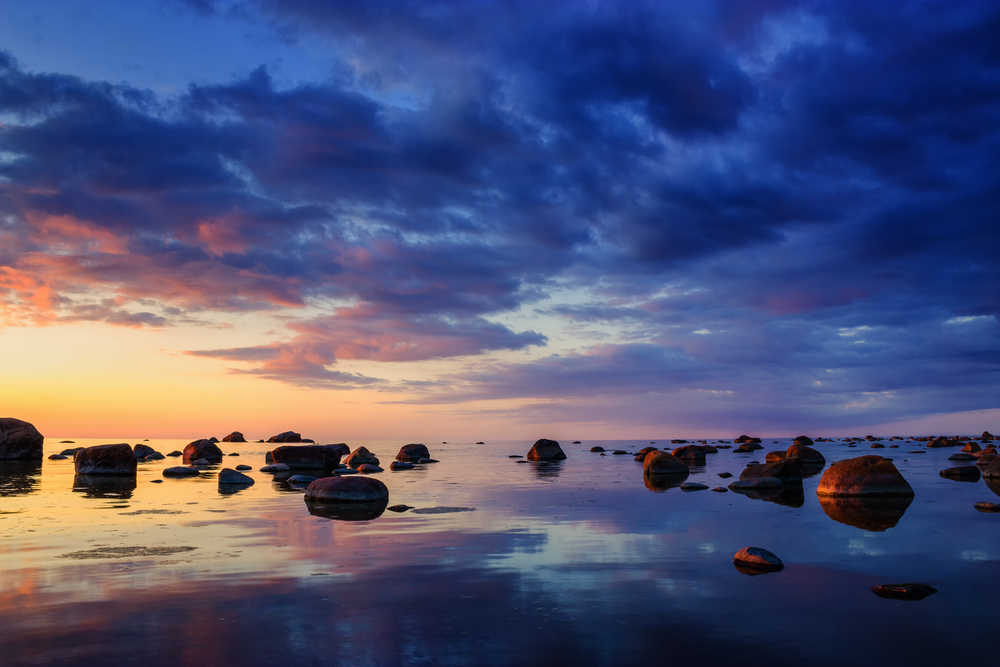
Situated east of Tallinn along the Gulf of Finland, the park protects an exceptional combination of forests, wetlands, coastline, rivers, and cultural landscapes. Its name, meaning “Land of Bays,” reflects the park’s distinctive geography, which includes several large peninsulas and bays extending into the Baltic Sea. Lahemaa National Park preserves a remarkable blend of natural beauty and cultural heritage that is unique within the Baltic region.

Lahemaa National Park is best known for its diverse landscapes and well-preserved historic estates. Visitors are drawn to its scenic coastline, ancient forests, extensive bogs, and charming fishing villages. Popular activities include hiking, cycling, birdwatching, photography, canoeing, and exploring historic manor houses.

The park contains numerous trails and boardwalks that allow visitors to experience wetlands and forest ecosystems up close. Historic estates such as Palmse, Sagadi, and Vihula provide insight into Estonia’s cultural history while complementing the surrounding natural environment. The combination of nature and heritage makes Lahemaa one of Estonia’s most visited protected areas.

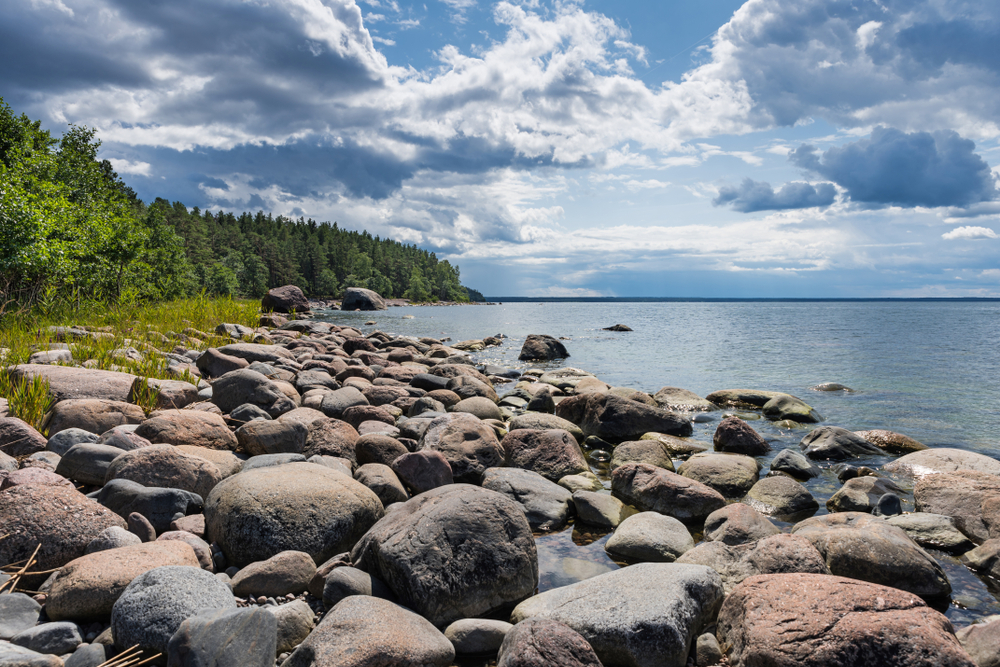
The geography of Lahemaa National Park reflects thousands of years of glacial activity and coastal evolution. The landscape consists of rocky shorelines, sandy beaches, forests, rivers, lakes, bogs, and limestone formations. Extensive wetlands and peat bogs occupy large portions of the park and represent some of the most important ecosystems in northern Europe.

Dense forests of pine, spruce, and birch cover much of the landscape, while coastal meadows and marshes provide valuable habitat for wildlife. The interaction between marine and terrestrial environments contributes significantly to the park’s ecological diversity and scenic character.

Wildlife within Lahemaa National Park is among the richest in Estonia. Large mammals include moose, wild boar, roe deer, lynx, brown bears, and wolves. Smaller mammals such as foxes, beavers, otters, and martens are also common.

Birdlife is particularly abundant, with species including white-tailed eagles, black storks, cranes, owls, woodpeckers, and numerous migratory waterfowl. The park’s wetlands, forests, and coastal habitats support hundreds of species and serve as important stopover locations for migratory birds traveling across northern Europe. The diversity of habitats allows wildlife to thrive throughout the year.

Lahemaa National Park plays a vital role in protecting Estonia’s natural and cultural heritage. The park safeguards old-growth forests, rare wetland ecosystems, coastal habitats, and historic settlements that reflect centuries of human interaction with the landscape. Conservation efforts focus on preserving biodiversity, restoring natural habitats, and maintaining traditional cultural features.

Lahemaa is often compared to Scandinavian coastal parks because of its forests, wetlands, and maritime landscapes. Yet its unique combination of Baltic coastline, historic manor estates, and extensive bog ecosystems gives it a distinctive identity. Today, Lahemaa National Park stands as one of Estonia’s most treasured protected areas, preserving a landscape where nature, history, and culture continue to coexist in remarkable harmony.

Things to See
Popular Species

Popular Species

Lahemaa National Park is home to a diverse range of species that thrive in its vast forests, wetlands, and coastal areas.

Brown bears roam the dense forests of the park, foraging for berries, insects, and small mammals, and are a symbol of the Estonian wilderness.

Wolves are top predators in the park, playing a vital role in regulating prey populations such as deer and wild boar across the forested areas.

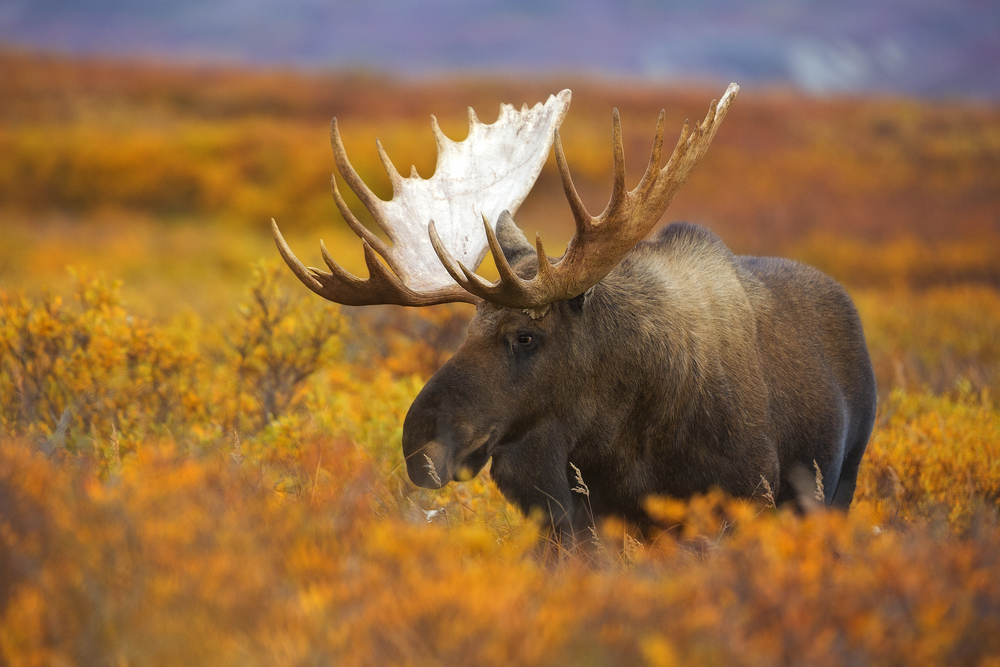
Moose are the largest herbivores in the park, often seen grazing in wetlands and forest clearings, particularly during the early morning or late evening.

Roe deer are smaller herbivores frequently spotted grazing in the park’s open meadows and woodland edges, known for their quick movements and agility.

Wild boars forage in the park’s forests, digging for roots, acorns, and small animals, often leaving visible traces of their activity in the undergrowth.

Red foxes are adaptable predators found throughout the park, hunting small mammals, birds, and insects, and are often seen during dawn or dusk.

European otters thrive in the park’s rivers and wetlands, hunting for fish and small aquatic creatures, contributing to the aquatic ecosystem’s health.

Beavers are ecosystem engineers in Lahemaa, building dams and lodges along the park’s rivers, which create wetland habitats beneficial for other species.

European hares are fast and elusive herbivores that graze in the park’s open meadows, using their speed to avoid predators such as foxes and wolves.

Adder is the only venomous snake in the park, commonly found basking in sunny spots and feeding on small mammals and birds.

Bird Species

Bird Species

Lahemaa National Park is a birdwatcher’s paradise, with a wide variety of bird species inhabiting its forests, wetlands, and coastal areas.

White-tailed eagles are majestic birds of prey often seen soaring over the park’s coastlines and forests, hunting for fish and small mammals.

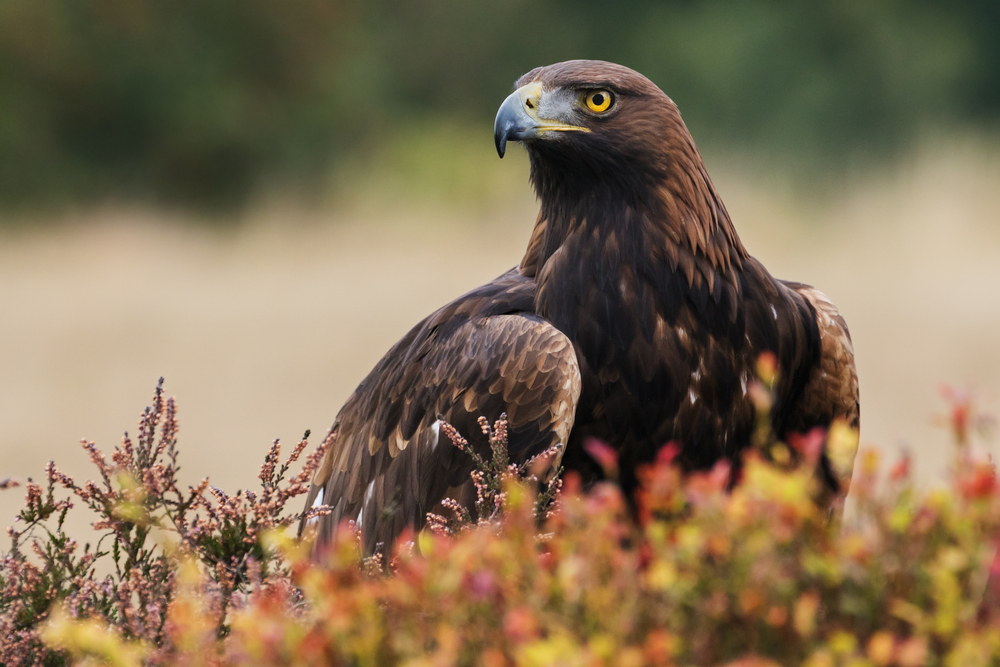
Golden eagles are powerful raptors found in the park’s mountainous regions, using their keen eyesight to hunt for small mammals and birds.

Cranes are graceful, migratory birds that gather in the park’s wetlands during the breeding season, known for their distinctive calls and elegant flight.

Black storks are large wading birds that nest in the park’s remote areas, foraging along rivers and wetlands for fish, amphibians, and small invertebrates.

Eurasian eagle-owls are the largest owls in the park, often heard at night as they hunt small mammals and birds in the dense forests.

Barnacle geese are migratory birds that stop in Lahemaa during their seasonal journeys, feeding in the park’s meadows and wetlands.

Common buzzards are frequently seen gliding above the park’s open areas and woodlands, using their sharp vision to spot prey below.

Ospreys are large raptors that fish in the park’s lakes and rivers, diving dramatically into the water to catch their prey.

Woodpeckers are abundant in the park’s forests, using their strong beaks to search for insects in trees and create nesting sites.

Kingfishers are brightly colored birds often seen near the park’s rivers, diving swiftly into the water to catch fish and small aquatic creatures.

Palmse Manor

Palmse Manor

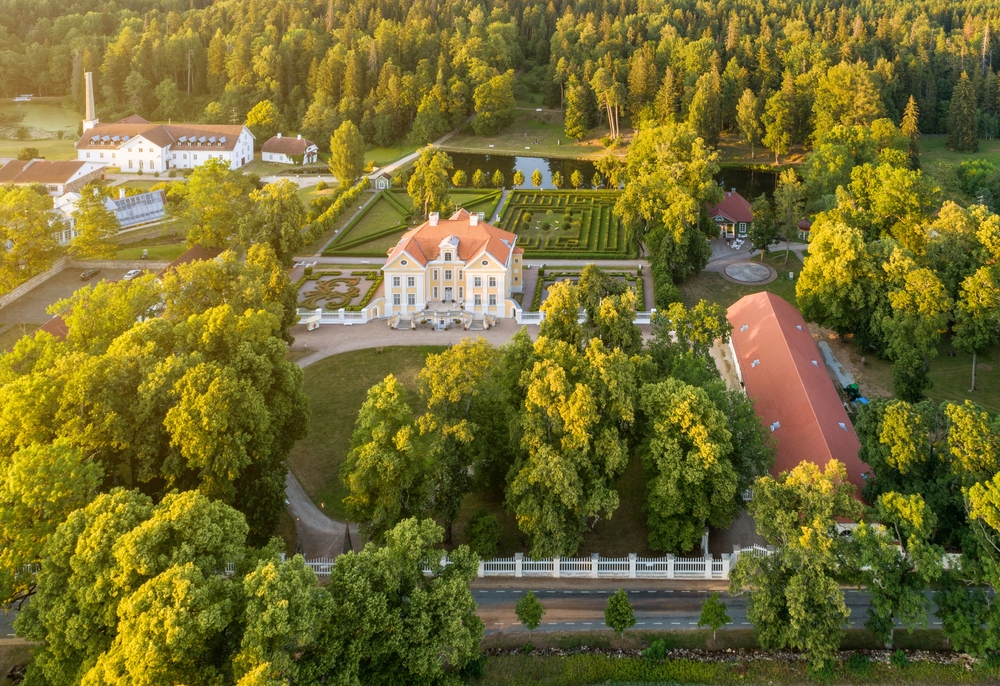
Palmse Manor (in Estonian: Palmse mõis) is a beautifully preserved manor house located in Lahemaa National Park, Estonia. Dating back to the 17th century, the manor was once the residence of the wealthy von der Pahlen family and is one of the most significant examples of Baroque architecture in the country. The estate covers an expansive area, featuring the grand main building, a well-manicured park, orchards, ponds, and charming outbuildings such as stables and a distillery.

Restored in the late 20th century, Palmse Manor is now a museum that offers visitors a glimpse into the life of the Baltic German nobility. The manor’s lavish interiors include period furnishings, ornate decorations, and historical artifacts, giving insight into Estonia’s aristocratic past.

The surrounding gardens and parklands provide a serene setting for leisurely walks, with beautiful vistas of the manor and the natural surroundings of Lahemaa National Park.

Palmse Manor is not only an architectural gem but also an important cultural and historical landmark in Estonia, making it a must-visit for those exploring the region.

Things To Do

Engaging Lahemaa National Park
Hiking

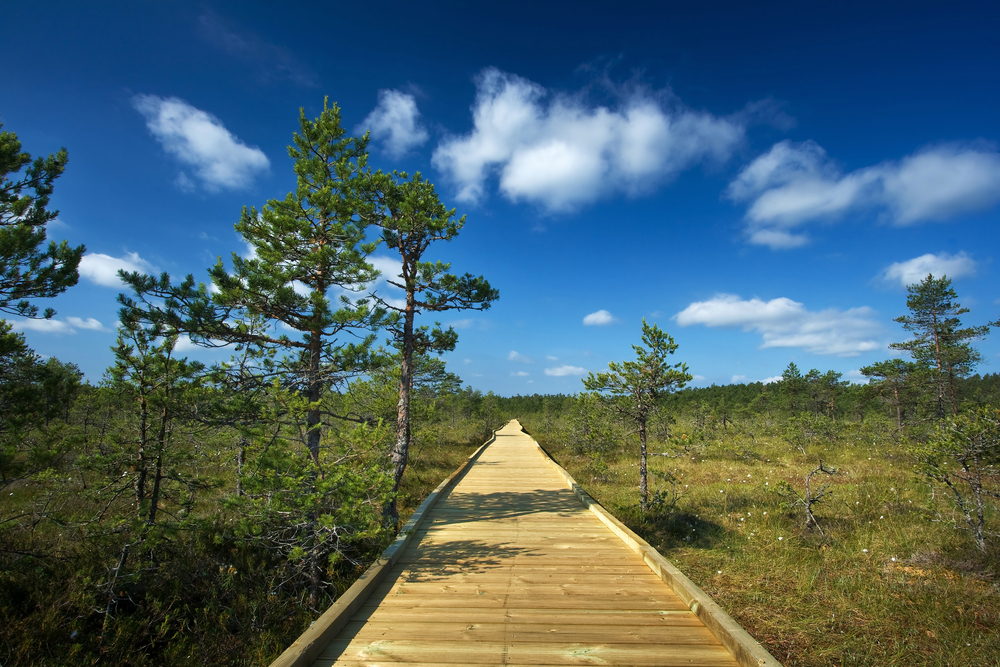
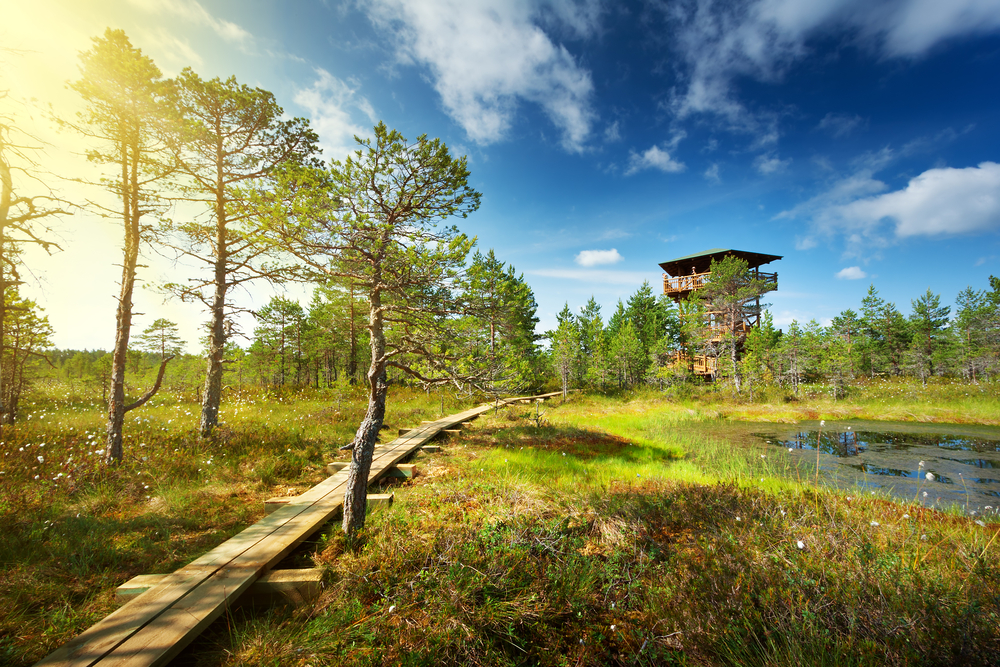
One of the most popular ways to experience Lahemaa National Park is by hiking the Viru Bog Trail. This well-maintained boardwalk takes visitors through a peaceful bog landscape, where they can observe unique flora, pools of water, and the sweeping vistas of the wetland.

Along the trail, visitors will find observation towers that offer panoramic views of the surrounding bog, forests, and meadows. The trail is suitable for all ages and provides a serene experience with the park’s distinct ecosystem.

Exploring the Manor

Lahemaa National Park is home to several well-preserved 18th-century manor houses, including Sagadi, Palmse, and Vihula. Visitors can explore these stately homes and their surrounding gardens, offering a glimpse into Estonia’s aristocratic past.

Each manor has its own museum, showcasing local history, art, and cultural heritage. Visiting the manors provides an enriching cultural experience that complements the natural beauty of the park.

Cycling

Cycling is a fantastic way to explore the park’s coastal areas and traditional Estonian villages. The park has several scenic routes that pass through forested areas, open meadows, and along the Baltic coastline.

Visitors can stop at charming fishing villages like Altja or Käsmu, where they can experience local culture, visit small museums, and enjoy fresh seafood. Cycling allows for a more immersive and leisurely exploration of Lahemaa’s diverse landscapes.

Kayaking

For a more active experience, visitors can go kayaking along the Jagala River, which winds through the park’s forests and meadows before reaching the Baltic Sea.

Kayakers can enjoy the peaceful waters while taking in the beautiful surroundings, with opportunities to spot wildlife along the riverbanks. The route passes through quiet natural landscapes, offering a serene way to experience Lahemaa’s rich biodiversity.

Sources

Frog Mom, What to do in Lahemaa National Park, https://frogmom.com/estonia-travel-what-to-do-in-lahemaa-national-park/, retrieved August 2024.

RMC, Lahemaa National Park, https://loodusegakoos.ee/where-to-go/national-parks/lahemaa-national-park, retrieved August 2024.

Visit Estonia, Lahemaa National Park, https://www.visitestonia.com/en/lahemaa-national-park-estonia, retrieved August 2024.

Wikipedia, Lahemaa National Park, https://en.wikipedia.org/wiki/Lahemaa_National_Park, retrieved August 2024.

Wiki Voyage, Lahemaa National Park, https://en.wikivoyage.org/wiki/Lahemaa_National_Park, retrieved August 2024.