About

Altos de Nsork National Park, known locally as “Parque Nacional de Los Altos de Nsork,” is a significant protected area in mainland Equatorial Guinea. Established in 2000, the park covers approximately 700 square kilometers (270 square miles) in the Kie-Ntem Province, near the town of Nsork. The park’s name translates to “Heights of Nsork,” reflecting its varied topography of high hills and dissected terraces.

The park’s terrain is characterized by elevated hills and low, dissected terraces, creating a diverse landscape that supports a rich array of flora and fauna. The western boundary is defined by the Abang River, while roads mark its eastern and southern limits. The park’s interior remains largely undeveloped, with few roads, preserving its pristine natural state.

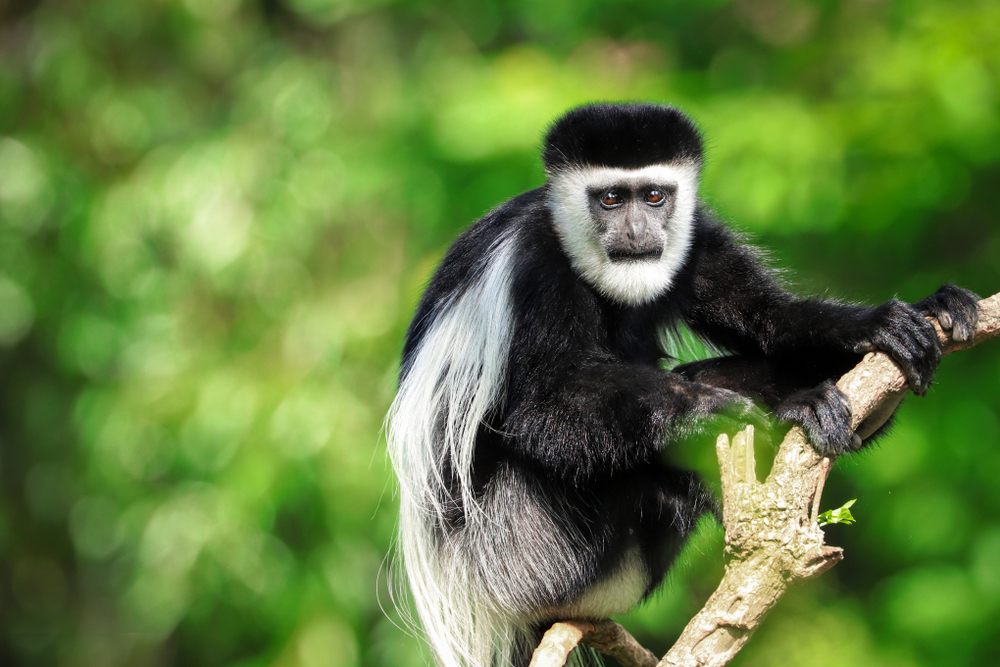
Altos de Nsork National Park is renowned for its biodiversity. The dense rainforests are home to various primate species, including mandrills and black colobus monkeys. Forest elephants traverse the park, leaving discernible trails through the underbrush. Birdlife is abundant, with numerous species inhabiting the forest canopy and understory. The park’s ecosystems also support a variety of plant species, contributing to its status as a vital conservation area.

Conservation efforts in Altos de Nsork focus on preserving its unique ecosystems and wildlife. The park’s establishment aimed to protect its rich biodiversity from threats such as poaching and habitat destruction. Organizations like the Biodiversity Initiative have conducted studies within the park to assess bird diversity, providing valuable data to inform conservation strategies. These efforts are crucial in maintaining the ecological integrity of the park and ensuring the survival of its resident species.

Visitors to Altos de Nsork National Park can experience its natural beauty through guided tours and wildlife observation. The park’s remote location and limited infrastructure mean that access may require careful planning. However, the opportunity to witness untouched rainforests and encounter diverse wildlife offers a rewarding experience for nature enthusiasts and researchers alike.

In summary, Altos de Nsork National Park stands as a testament to Equatorial Guinea’s commitment to environmental preservation. Its diverse landscapes and rich biodiversity make it a critical area for conservation and a unique destination for those seeking to explore Central Africa’s natural heritage.

Things to See

Popular

Altos de Nsork National Park is a pristine rainforest haven where the diversity of its inhabitants highlights the richness of Equatorial Guinea’s natural heritage.

Western Lowland Gorilla
These powerful yet gentle apes move through the dense forest in small family groups, showcasing intelligence and social complexity.

Chimpanzee
Highly adaptable and curious, chimpanzees are frequently seen using tools and engaging in intricate social behaviors within the park.

Red Colobus Monkey
This striking monkey with a vivid red coat is often found leaping gracefully between the canopy branches.

Golden Cat
A rarely spotted predator, the golden cat roams the park’s underbrush, embodying the stealth and beauty of the wild.

Blue Duiker
A small antelope with a sleek blue-gray coat, the blue duiker forages for fruits and leaves along the forest floor.

Crested Pangolin
With its overlapping scales and tree-dwelling habits, this pangolin is both unique and vital to insect population control.

African Forest Elephant
These majestic animals are smaller and more elusive than their savanna relatives but play a crucial role in forest regeneration.

Mandrill
Renowned for their vividly colored faces, mandrills travel in large, noisy groups through the park’s dense vegetation.

Water Chevrotain
Often called the “mouse deer,” this shy and solitary creature inhabits the park’s damp lowland areas.

Potto
A slow-moving primate, the potto clings to branches at night, searching for insects and small fruit.

Birds

The park’s varied landscapes support a wealth of birdlife, offering visitors a chance to witness a dazzling array of avian species in their natural habitat.

Great Blue Turaco
A large and vibrant bird, the great blue turaco stands out with its vivid colors and leisurely flight between treetops.

Black-casqued Hornbill
This magnificent hornbill, with its robust casque, adds drama to the forest canopy as it forages for fruit.

Yellow-throated Cuckoo
Elusive and melodious, this bird is a gem for birdwatchers seeking rare species in the park.

Grey-headed Kingfisher
Often seen perched near rivers and streams, this kingfisher flashes brilliant blue and orange plumage as it dives for prey.

African Grey Parrot
Famous for their intelligence and vocal mimicry, these parrots gather in noisy flocks among the trees.

Green-backed Woodpecker
With its rhythmic drumming, this bird is a common sight in the park’s wooded areas, probing for insects.

Blue-throated Roller
Known for its stunning acrobatics, this bird often performs dramatic flights while hunting for insects.

Red-throated Twinspot
A striking little bird with vibrant red markings, it flits through the dense undergrowth with agility.

Palm-nut Vulture
This unique bird of prey thrives near palm groves, where it feeds primarily on palm fruits and small vertebrates.

Hartlaub’s Duck
A waterbird of serene elegance, it is often found in the park’s freshwater habitats.

Things To Do

Engaging Altos de Nsork National Park

placeholder

Jungle Trekking

placeholder

Canopy Walks

placeholder

Cultural Heritage