About

Wadi el Gemal National Park is located in the southeastern part of Egypt along the coastline of the Red Sea. The total park covers an area of 2,880 square miles (7,450 sq km) creating one of Egypt’s largest wadis. Ras Muhammad National Park is a neighboring park that protects another region of the Red Sea Reef.

The national park is divided into portions that are land and portions that are the sea.  The land accounts for the largest part at 1,840 square miles (4,770 sq km), while the sea adds the additional 810 square miles (2,100 sq km) of the protected area.

Some would argue that although the aquatic portion of the park is smaller, it protects a greater amount of diversity and uniqueness. There are over 450 species of coral and over 1,200 species of fish protected in the Red Sea portion of the national park.

The land part of the park adds historical and cultural significance to the natural wonders that are part of the habitat and ecosystem of the coastline. The UNESCO World Heritage Site highlights the prehistoric rock art, the Ptolemaic ruins, and the ruins from the Roman empire.  Ancient Egypt is found throughout the park in different ways.

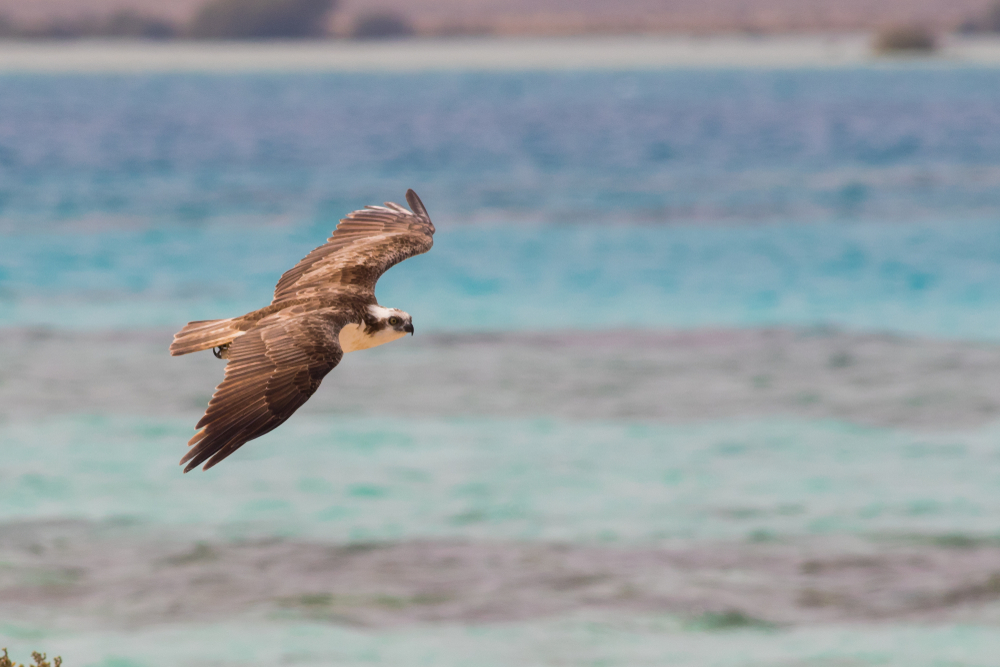
The land also includes five separate islands that serve the marine-oriented ecosystem as breeding grounds. One of the islands is Wadi El Gamal Island as the namesake of the park.  Thirteen species of birds use these islands to nest.  The seagrass surrounding the islands and areas of the coral reef serves as a great habitat for the endangered dugong and the green turtle.

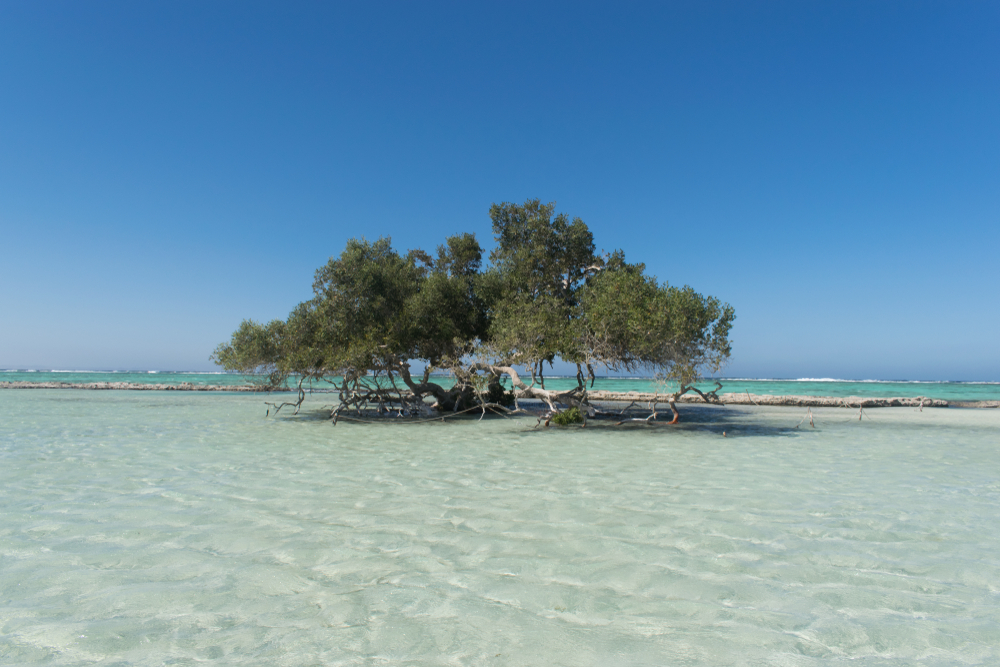
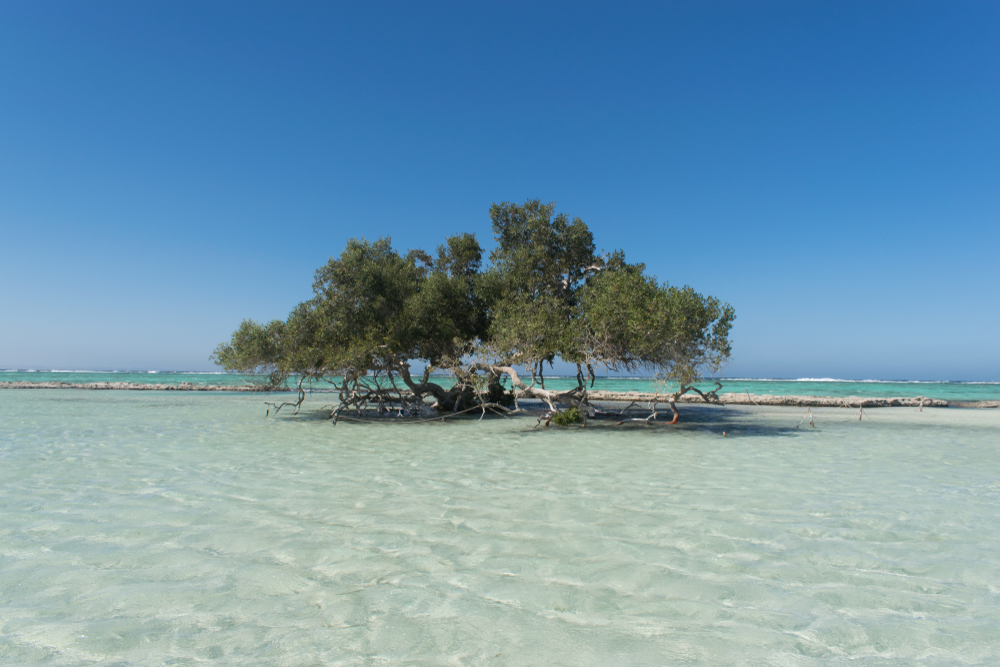
The coastline is also home to mangroves which add to the ecosystem that supports the dugong and bird species who take to the trees.  The primary wildlife of the area is focused on Dorca’s gazelle and the Nubian Ibex while other species include camel, hyrax, and wild donkey.  The majority of wildlife in both numbers and diversity are found in the marine ecosystems of the park.

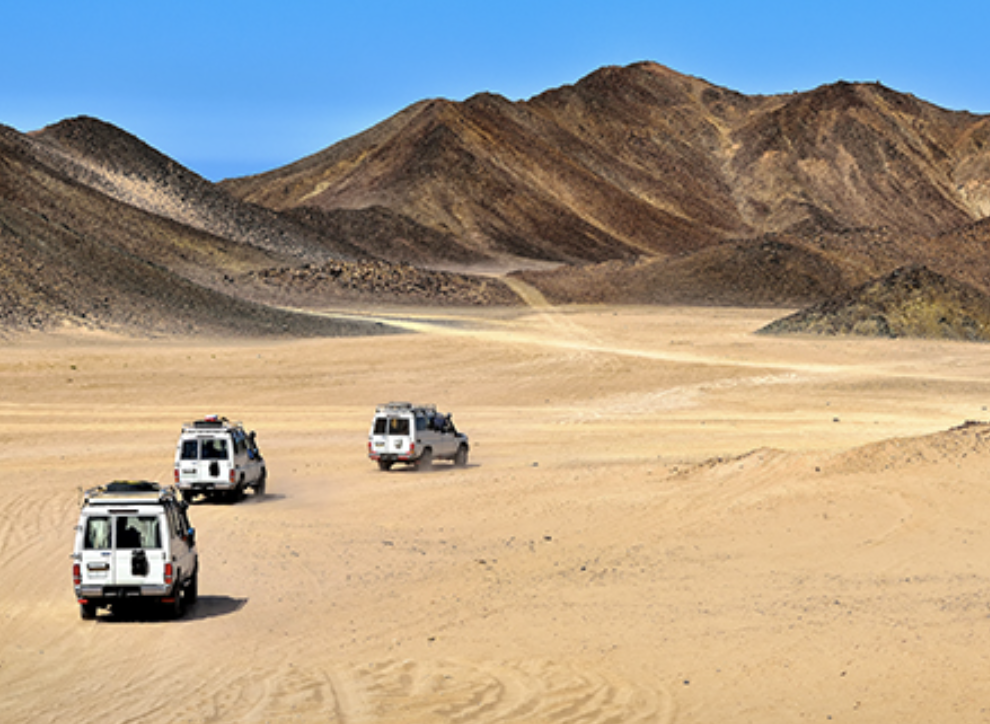
There are a variety of ways of experiencing the natural and cultural facets of the park by jeep or four-wheel safari vehicles, camel rides, snorkeling, scuba diving, and hiking.

Things to See

Wadi el Gemal provides visitors with a chance to experience cultural, historical, natural, and marine facets all in one visit.  The variety of the visit is what many people find as the highlight.  The Red Sea and abundant marine life is a highlight for most.

Red Sea and Coral Reef

Although the Red Sea is a much larger body of water lying between Africa and Asia and between multiple countries, Egypt protects over 800 square miles (2,072 sq km) of it here through the national park.

The Red Sea is a saltwater body of water off of the Indian Ocean with a surface area of 169,100 square miles (438,000 sq km).  It is the world’s furthest northern tropical body of water. The World Wildlife Fund recognizes the area as a Global 300 ecoregion because of the wildlife diversity.

The coral reef of the Red Sea stretches along the coastline for about 1,240 miles (2,000 km).  The coral itself represents diversity but it also serves as the habitat for an abundance of aquatic wildlife.

There are over 1,200 species of fish as well as 44 species of shark.  Approximately 10% of marine life is endemic and found nowhere else in the world.

Land Based

Land Based

Here is a glimpse into the wildlife species of Wadi el Gemal National Park found on the land portion of the park:

Arabian Oryx: Majestic and resilient, Arabian oryxes roam the desert landscapes of Wadi el Gemal, their elegant horns and graceful movements embodying the park’s untamed beauty.

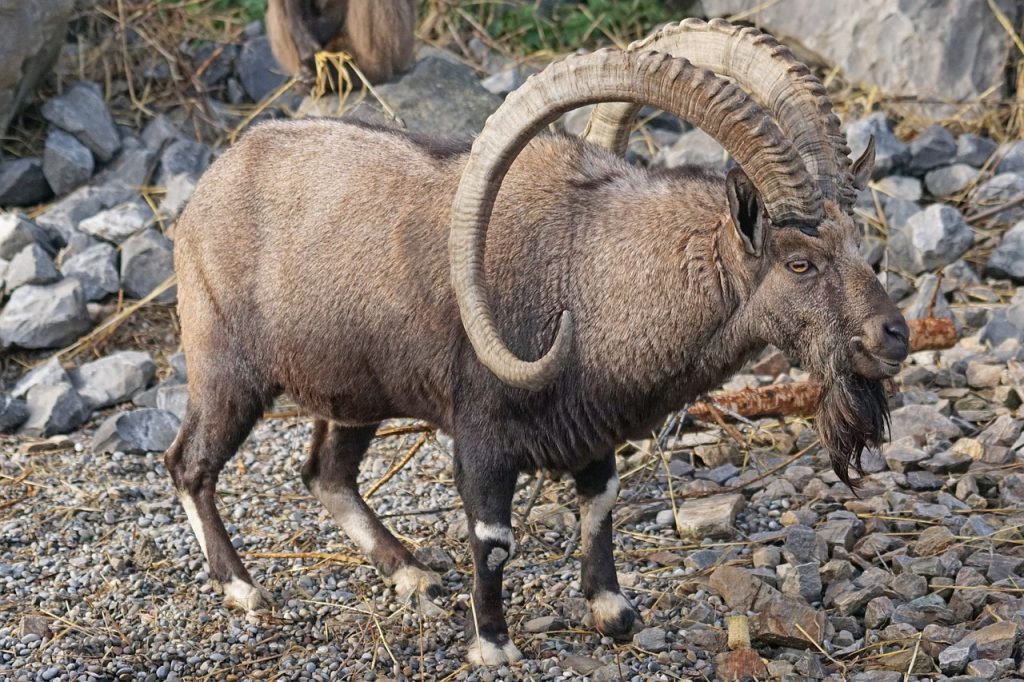
Nubian Ibex: Agile and sure-footed, Nubian ibexes traverse the rugged cliffs of Wadi el Gemal, their impressive horns and acrobatic leaps showcasing their adaptation to the desert terrain.

Dorcas Gazelle: Graceful and swift, dorcas gazelles navigate the sandy plains of Wadi el Gemal, their slender build and delicate features adding charm to the desert landscape.

Egyptian Vulture: Majestic and resourceful, Egyptian vultures soar above Wadi el Gemal, their keen eyesight and scavenging habits playing a vital role in the park’s ecosystem.

Rüppell’s Fox: Elusive and nocturnal, Rüppell’s foxes are adept desert hunters in Wadi el Gemal, their sandy coats and bushy tails blending seamlessly with the dunes.

Spiny-tailed Lizard: Hardy and camouflaged, spiny-tailed lizards inhabit the arid regions of Wadi el Gemal, their spiky armor and swift movements a testament to their desert adaptation.

Desert Hedgehog: Nocturnal and adaptable, desert hedgehogs forage for insects in Wadi el Gemal’s sandy soils, their spiny coats and burrowing habits making them elusive desert dwellers.

Arabian Red Fox: Agile and cunning, Arabian red foxes thrive in the desert environs of Wadi el Gemal, their keen senses and swift movements helping them survive in harsh conditions.

Sand Cat: Stealthy and secretive, sand cats blend into the desert landscapes of Wadi el Gemal, their nocturnal habits and soft fur allowing them to hunt efficiently in sandy terrain.

Striped Hyena: Solitary and scavenging, striped hyenas roam the desert outskirts of Wadi el Gemal, their distinctive coats and haunting calls echoing through the night.

Sea Based

Sea Based

Wadi el Gemal has wildlife diversity in the protected Red Sea area of the national park.  Here is a look at what could be experienced:

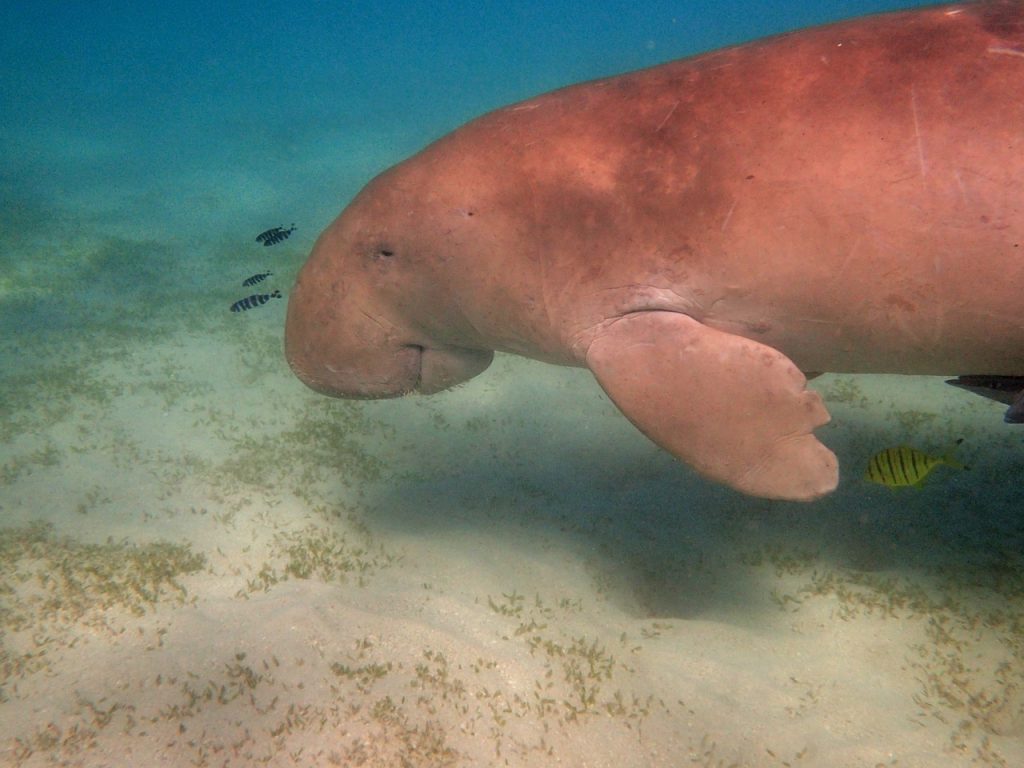
Dugong: Graceful and elusive, dugongs inhabit the coastal waters of Wadi el Gemal, their gentle demeanor and seagrass diet making them icons of marine conservation.

Green Sea Turtle: Ancient and majestic, green sea turtles glide through the clear waters of Wadi el Gemal, their nesting sites along the coast symbolizing the park’s biodiversity.

Indo-Pacific Humpback Dolphin: Playful and sociable, Indo-Pacific humpback dolphins frolic in the Red Sea near Wadi el Gemal, their acrobatic displays delighting visitors to the park.

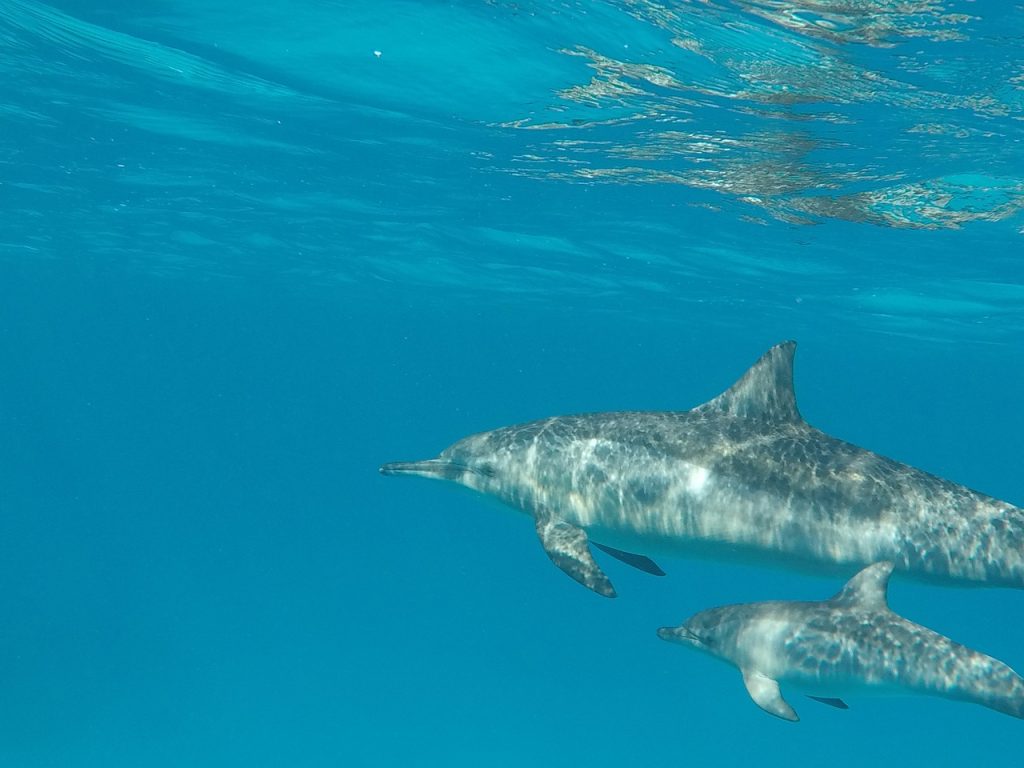
Spinner Dolphin: Energetic and acrobatic, spinner dolphins leap and spin in the waves off the coast of Wadi el Gemal, their synchronized movements captivating onlookers from afar.

Bottlenose Dolphin: Intelligent and charismatic, bottlenose dolphins navigate the coastal waters of Wadi el Gemal, their curious nature often leading them to interact with boats and swimmers.

Blue-spotted Stingray: Elegant and camouflaged, blue-spotted stingrays glide over the sandy seabeds of Wadi el Gemal, their mesmerizing patterns and graceful movements adding to the park’s underwater allure.

Hawksbill Turtle: Endangered and ancient, hawksbill turtles forage among the coral reefs of Wadi el Gemal, their striking shells and gentle presence highlighting the park’s marine diversity.

Moray Eel: Stealthy and secretive, moray eels lurk within crevices and coral reefs in Wadi el Gemal, their sinuous bodies and gaping mouths emblematic of the park’s underwater mysteries.

Giant Trevally: Powerful and predatory, giant trevallies patrol the coastal waters of Wadi el Gemal, their sleek forms and lightning-fast strikes a reminder of the ocean’s wild beauty.

Octopus: Intelligent and adaptable, octopuses camouflage themselves among rocks and corals in Wadi el Gemal, their elusive nature and shape-shifting abilities fascinating divers and snorkelers alike

Things To Do

Engaging Wadi el Gemal
Desert Safari

Embark on a desert safari adventure through the park’s arid landscapes, where you can witness the unique flora and fauna adapted to this harsh environment. Traverse sandy dunes and rocky terrain while enjoying breathtaking views of the surrounding wilderness.

Snorkeling and Diving

Explore the vibrant underwater world of Wadi el Gemal National Park by snorkeling or diving in its pristine coral reefs.

Discover an array of colorful fish, coral formations, and other marine life as you glide through the warm waters teeming with biodiversity.

Dolphin Watching

Embark on a thrilling boat excursion along the Red Sea coast of Wadi el Gemal National Park to spot pods of playful dolphins leaping through the crystal-clear waters. Experienced guides lead these excursions, providing insights into the behavior and habitats of these majestic marine

Desert Safari

Embark on a desert safari adventure through the park’s arid landscapes, where you can witness the unique flora and fauna adapted to this harsh environment. Traverse sandy dunes and rocky terrain while enjoying breathtaking views of the surrounding wilderness.

Snorkeling and Diving

Explore the vibrant underwater world of Wadi el Gemal National Park by snorkeling or diving in its pristine coral reefs.

Discover an array of colorful fish, coral formations, and other marine life as you glide through the warm waters teeming with biodiversity.

Dolphin Watching

Embark on a thrilling boat excursion along the Red Sea coast of Wadi el Gemal National Park to spot pods of playful dolphins leaping through the crystal-clear waters. Experienced guides lead these excursions, providing insights into the behavior and habitats of these majestic marine

Wadi el Gemal National Park Trails

The majority of exploration in the park is done by snorkelers and divers, however, there are jeep and four-wheel vehicles. However, there is hiking in the national park giving you a chance to get more personal with the natural wonders of the park.

placeholder

8 Day Hiking

This is an adventure that goes beyond a hike.  It is a trek across and throughout the national park with camping along the way.  It is a guided adventure with meals and porters as part of the service.

placeholder

Living History Trail

This is a full 1-day excursion that explores some of the historical ruins and sites of the park.

placeholder

High Spirits Trail

This is a full-day outing that is guided every Tuesday into different regions of the park.  The trekking is rugged with inclines so make sure that you are physically fit.

placeholder

Big Foot Trail

This is an excursion that spends the day ascending Mount Hamata while taking in the panoramic views of the area.

placeholder

Coastal Dunes Trail

Rating: Easy

Distance and Elevation Gain: 2 miles (3.2 km) with minimal elevation gain

Description: The Coastal Dunes Trail offers a leisurely stroll along the pristine sandy beaches and towering dunes of Wadi el Gemal National Park.

Hikers will enjoy panoramic views of the Red Sea coastline and may encounter migratory birds and marine life along the way.

With the sound of crashing waves as your soundtrack, this easy hike provides a serene escape into the park’s coastal beauty.

placeholder

Gebel el Rosas Trail

Rating: Moderate

Distance and Elevation Gain: 4 miles (6.4 km) with an elevation gain of 656 feet (200 meters)

Description: The Gebel el Rosas Trail leads hikers on a scenic journey through the rugged mountains and desert landscapes of Wadi el Gemal National Park.

As you ascend, enjoy sweeping views of the surrounding valleys and distant horizons. Keep an eye out for desert wildlife such as Nubian ibex and Arabian gazelles.

This moderate hike offers a rewarding blend of adventure and natural beauty.

placeholder

Mangrove Forest Trail

Rating: Easy to Moderate

Distance and Elevation Gain: 3 miles (4.8 km) with minimal elevation gain

Description: The Mangrove Forest Trail takes hikers on a peaceful exploration of the park’s coastal mangrove forests.

Trek along wooden boardwalks through dense mangrove stands, home to a variety of bird species and marine creatures. Learn about the importance of mangrove ecosystems in coastal biodiversity and conservation efforts.

This easy to moderate hike provides an immersive experience in the park’s unique coastal habitats.

placeholder

Wadi Abu Ghusun Trail

Rating: Moderate

Distance and Elevation Gain: 5 miles (8 km) with an elevation gain of 656 feet (200 meters)

Description: The Wadi Abu Ghusun Trail offers hikers a chance to explore the park’s rugged wadis and hidden oases.

Trek through rocky terrain and dry riverbeds, surrounded by towering cliffs and desert vegetation.

Keep an eye out for desert wildlife such as sand foxes and spiny-tailed lizards. This moderate hike provides a glimpse into the natural wonders of Wadi el Gemal National Park.

placeholder

Ras Banas Lighthouse Trail

Rating: Moderate to Difficult

Distance and Elevation Gain: 7 miles (11.2 km) with an elevation gain of 984 feet (300 meters)

Description: The Ras Banas Lighthouse Trail leads hikers on a challenging trek to the historic lighthouse overlooking the Red Sea.

Traverse sandy beaches and rocky cliffs, enjoying panoramic views of the coastline and surrounding islands.

Explore tide pools teeming with marine life and take in the breathtaking sunset from the lighthouse summit. This moderate to difficult hike promises adventure and stunning vistas at every turn.

placeholder

Coastal Dunes Trail

Rating: Easy

Distance and Elevation Gain: 2 miles (3.2 km) with minimal elevation gain

Description: The Coastal Dunes Trail offers a leisurely stroll along the pristine sandy beaches and towering dunes of Wadi el Gemal National Park.

Hikers will enjoy panoramic views of the Red Sea coastline and may encounter migratory birds and marine life along the way.

With the sound of crashing waves as your soundtrack, this easy hike provides a serene escape into the park’s coastal beauty.

placeholder

Gebel el Rosas Trail

Rating: Moderate

Distance and Elevation Gain: 4 miles (6.4 km) with an elevation gain of 656 feet (200 meters)

Description: The Gebel el Rosas Trail leads hikers on a scenic journey through the rugged mountains and desert landscapes of Wadi el Gemal National Park.

As you ascend, enjoy sweeping views of the surrounding valleys and distant horizons. Keep an eye out for desert wildlife such as Nubian ibex and Arabian gazelles.

This moderate hike offers a rewarding blend of adventure and natural beauty.

placeholder

Mangrove Forest Trail

Rating: Easy to Moderate

Distance and Elevation Gain: 3 miles (4.8 km) with minimal elevation gain

Description: The Mangrove Forest Trail takes hikers on a peaceful exploration of the park’s coastal mangrove forests.

Trek along wooden boardwalks through dense mangrove stands, home to a variety of bird species and marine creatures. Learn about the importance of mangrove ecosystems in coastal biodiversity and conservation efforts.

This easy to moderate hike provides an immersive experience in the park’s unique coastal habitats.

placeholder

Wadi Abu Ghusun Trail

Rating: Moderate

Distance and Elevation Gain: 5 miles (8 km) with an elevation gain of 656 feet (200 meters)

Description: The Wadi Abu Ghusun Trail offers hikers a chance to explore the park’s rugged wadis and hidden oases.

Trek through rocky terrain and dry riverbeds, surrounded by towering cliffs and desert vegetation.

Keep an eye out for desert wildlife such as sand foxes and spiny-tailed lizards. This moderate hike provides a glimpse into the natural wonders of Wadi el Gemal National Park.

placeholder

Ras Banas Lighthouse Trail

Rating: Moderate to Difficult

Distance and Elevation Gain: 7 miles (11.2 km) with an elevation gain of 984 feet (300 meters)

Description: The Ras Banas Lighthouse Trail leads hikers on a challenging trek to the historic lighthouse overlooking the Red Sea.

Traverse sandy beaches and rocky cliffs, enjoying panoramic views of the coastline and surrounding islands.

Explore tide pools teeming with marine life and take in the breathtaking sunset from the lighthouse summit. This moderate to difficult hike promises adventure and stunning vistas at every turn.

FAQ’s

What is Wadi el Gemal National Park known for?

Wadi el Gemal National Park is known for its stunning landscapes, rich biodiversity, and cultural heritage. The name “Wadi el Gemal” translates to “Valley of the Camels,” reflecting the historical importance of camel caravans that traversed the region.

One of the park’s main attractions is its diverse ecosystems, which include coastal plains, sand dunes, mangrove forests, and coral reefs. These habitats support a wide variety of plant and animal species, including rare and endangered species such as the Nubian ibex, Dorcas gazelle, and endangered sea turtles.

Wadi el Gemal National Park is also known for its pristine coastline and vibrant marine life. The park encompasses several protected marine areas, including coral reefs, seagrass beds, and mangrove forests, which provide essential habitat for a wealth of marine species, including colorful reef fish, dolphins, and dugongs.

In addition to its natural beauty, Wadi el Gemal National Park is rich in archaeological and cultural heritage. The region is dotted with ancient ruins, including Roman ports, Pharaonic rock art sites, and Bedouin settlements, offering visitors a glimpse into the area’s fascinating history and cultural heritage.

Overall, Wadi el Gemal National Park offers a unique blend of natural beauty, biodiversity, and cultural heritage, making it a must-visit destination for nature lovers, adventure seekers, and history enthusiasts alike.

What is Wadi el Gemal National Park known for?

Wadi el Gemal National Park is known for its stunning landscapes, rich biodiversity, and cultural heritage. The name “Wadi el Gemal” translates to “Valley of the Camels,” reflecting the historical importance of camel caravans that traversed the region.

One of the park’s main attractions is its diverse ecosystems, which include coastal plains, sand dunes, mangrove forests, and coral reefs. These habitats support a wide variety of plant and animal species, including rare and endangered species such as the Nubian ibex, Dorcas gazelle, and endangered sea turtles.

Wadi el Gemal National Park is also known for its pristine coastline and vibrant marine life. The park encompasses several protected marine areas, including coral reefs, seagrass beds, and mangrove forests, which provide essential habitat for a wealth of marine species, including colorful reef fish, dolphins, and dugongs.

In addition to its natural beauty, Wadi el Gemal National Park is rich in archaeological and cultural heritage. The region is dotted with ancient ruins, including Roman ports, Pharaonic rock art sites, and Bedouin settlements, offering visitors a glimpse into the area’s fascinating history and cultural heritage.

Overall, Wadi el Gemal National Park offers a unique blend of natural beauty, biodiversity, and cultural heritage, making it a must-visit destination for nature lovers, adventure seekers, and history enthusiasts alike.

Sources