About

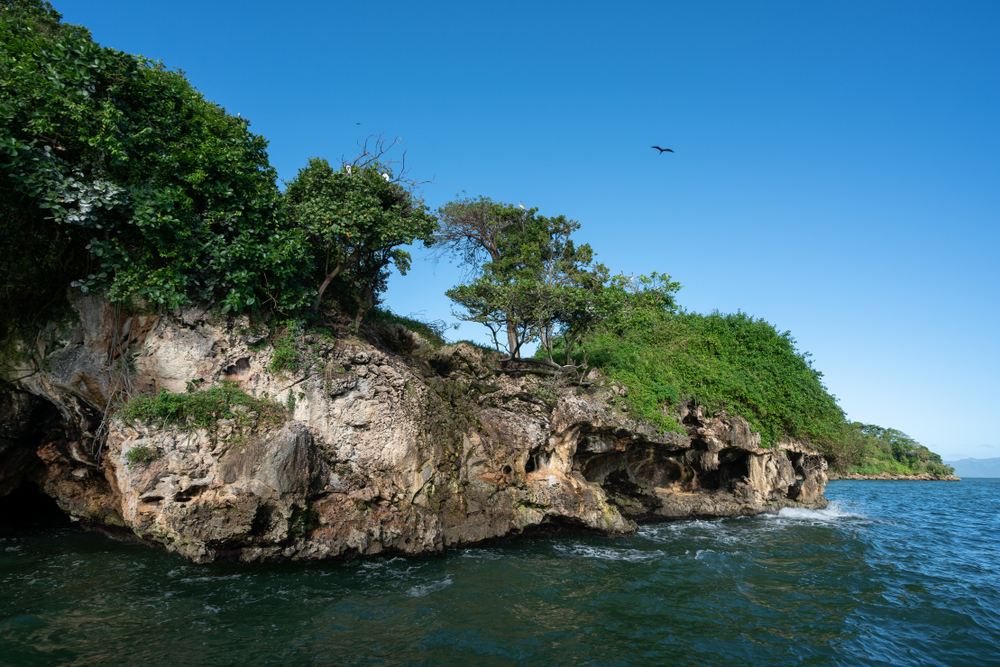
Los Haitises National Park (locally known as Parque Nacional Los Haitises) is located in the northeastern Dominican Republic, covering an area of approximately 618 square miles (1,600 square kilometers). This expansive park, established in 1976, is situated along the Samaná Bay, primarily in the provinces of Samaná and Monte Plata. Known for its dramatic karst landscapes, Los Haitises features a maze of lush, forest-covered hills, coastal mangroves, and stunning limestone formations, which rise steeply from the sea.

The park’s unique terrain is shaped by eroded limestone, creating a network of caves, cliffs, and sinkholes. Many of these caves, such as Cueva de la Línea and Cueva de San Gabriel, are adorned with ancient Taino petroglyphs and pictographs, making the park a significant cultural site as well as a natural one. Visitors can explore these caves, either by hiking trails or boat tours through the park’s intricate mangrove canals, offering a glimpse into both the natural and historical wonders of the region.

Los Haitises is home to one of the most biodiverse areas in the Dominican Republic, with a variety of ecosystems ranging from tropical rainforests to wetlands. Vegetation in the park includes mangroves, broadleaf forests, and a variety of tropical flora. The park’s rich vegetation provides crucial habitats for an array of wildlife, particularly birds.

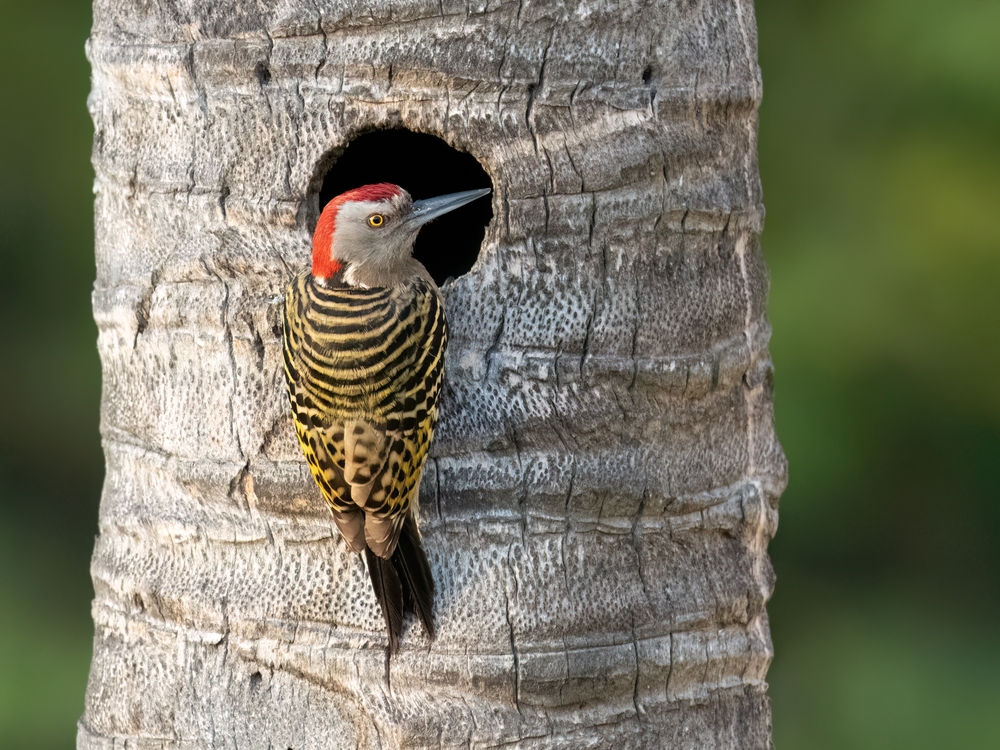
The park is a haven for birdwatchers, as it hosts over 200 bird species, including the endangered Ridgway’s hawk, brown pelicans, frigatebirds, and Hispaniolan woodpeckers. The coastal areas also attract manatees and dolphins, while the dense forests shelter reptiles like boa constrictors and endemic species such as the Hispaniolan hutia and solenodon. The diverse landscapes and ecosystems of Los Haitises make it one of the most ecologically valuable and visually striking parks in the Caribbean.

Things to See
Popular Species

Popular Species

Los Haitises National Park is home to a wide variety of species, each thriving in its unique ecosystems of mangroves, coastal forests, and wetlands.

Hispaniolan solenodon (Solenodon paradoxus) – An endangered, nocturnal mammal endemic to Hispaniola, known for its long snout and ancient lineage, it forages for insects in the park’s forested areas.

Hispaniolan hutia (Plagiodontia aedium) – A large rodent species endemic to the island, it is often found in the park’s forests and caves, feeding on vegetation and tree bark.

West Indian manatee (Trichechus manatus) – This gentle marine mammal inhabits the coastal waters of the park, where it feeds on seagrass and plays a crucial role in the aquatic ecosystem.

American crocodile (Crocodylus acutus) – Although not a predator to most species mentioned, this reptile is commonly found in the park’s mangroves and coastal areas, contributing to the park’s biodiversity.

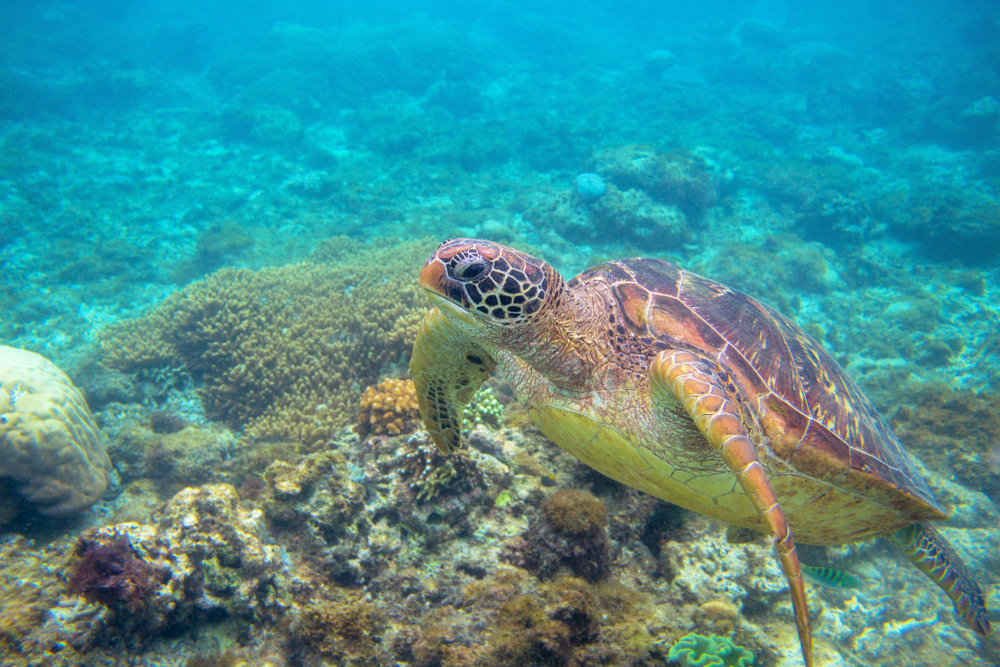
Green sea turtle (Chelonia mydas) – Frequently seen in the park’s coastal waters, this endangered marine turtle nests on nearby beaches and is important for maintaining healthy seagrass beds.

Mangrove oyster (Crassostrea rhizophorae) – Found attached to the roots of mangroves, this bivalve helps filter water and provides critical ecosystem services to the park’s wetlands.

Caribbean hermit crab (Coenobita clypeatus) – Commonly seen in the park’s coastal areas, this land crab is known for inhabiting discarded shells and playing a role in nutrient recycling.

Hispaniolan curlytail lizard (Leiocephalus schreibersii) – An endemic reptile of Hispaniola, often spotted sunning itself on rocks and feeding on insects and small invertebrates.

Red mangrove (Rhizophora mangle) – A keystone plant species in the park, forming dense mangrove forests that protect the coast from erosion and provide habitats for numerous species.

Hispaniolan racer (Alsophis anomalus) – A non-venomous, endemic snake species that thrives in the park’s forested areas, feeding on small mammals and birds.


Bird Species

Bird Species

Los Haitises National Park is a birdwatcher’s paradise, with a wide array of bird species, many of which are endemic to the island of Hispaniola.

Ridgway’s hawk (Buteo ridgwayi) – An endangered raptor species endemic to Hispaniola, often seen soaring above the park’s forests in search of small mammals and reptiles.

Brown pelican (Pelecanus occidentalis) – This large coastal bird is commonly seen gliding over the park’s waters, diving to catch fish in its expandable throat pouch.

Frigatebird (Fregata magnificens) – Known for its distinctive forked tail and large wingspan, this bird is often seen soaring above the park’s mangroves and coastal areas.

Hispaniolan parrot (Amazona ventralis) – A medium-sized, green parrot native to the island, frequently spotted flying over the park’s forests or perched in tall trees.

Hispaniolan woodpecker (Melanerpes striatus) – Easily recognizable by its red head and striped black-and-white back, this endemic bird drills into trees for insects in the park’s forested areas.

White-crowned pigeon (Patagioenas leucocephala) – A large pigeon species that inhabits the park’s mangroves and coastal areas, often seen flying between forested areas and feeding on fruits.

Yellow-crowned night heron (Nyctanassa violacea) – This nocturnal heron can be seen wading through the park’s wetlands, hunting for crabs and other small prey in the shallow waters.

Antillean piculet (Nesoctites micromegas) – A small, endemic bird resembling a woodpecker, it is commonly found in the park’s dense forests, feeding on insects in tree bark.

Greater flamingo (Phoenicopterus ruber) – Often seen in large flocks around the park’s lagoons, this striking pink bird feeds on algae and small crustaceans in the shallow waters.

Hispaniolan trogon (Priotelus roseigaster) – A beautifully colored, endemic bird, often spotted in the park’s forests, known for its vibrant plumage and its importance as a symbol of the island.

Things To Do

Engaging Los Hantises National Park

Boat Tours

Boat Tours

Kayaking

Kayaking

Hiking

Hiking

Exploring Caves

Exploring Caves

Sources

Barcelo Experiences, Los Haitises National Park, https://www.barcelo.com/guia-turismo/en/dominican-republic/dominican-republic/things-to-do/los-haities/, retrieved August 2024.

Go Dominican Republic, Los Haitises National Park, https://www.godominicanrepublic.com/listing/los-haitises-national-park/2834/, retrieved August 2024.

Just Go Places, Why You Should Visit Los Haitises National Park, https://www.justgoplacesblog.com/los-haitises-national-park/, retrieved August 2024.

Park Site, Los Haitises National Park, https://www.parquenacionalloshaitises.com/, retrieved August 2024.

Wikipedia, Los Haitises National Park, https://en.wikipedia.org/wiki/Los_Haitises_National_Park, retrieved August 2024.