

About
Yoboki National Park, located in Djibouti’s Tadjourah region, is a captivating blend of arid landscapes, volcanic formations, and salt plains, offering visitors a unique natural experience. Known locally as “Parc National de Yoboki”, this park encompasses a semi-arid ecosystem that supports desert-adapted wildlife and showcases the stark beauty of Djibouti’s geological features. Yoboki National Park is a vital part of the country’s conservation efforts, preserving its fragile ecosystems while promoting sustainable tourism.
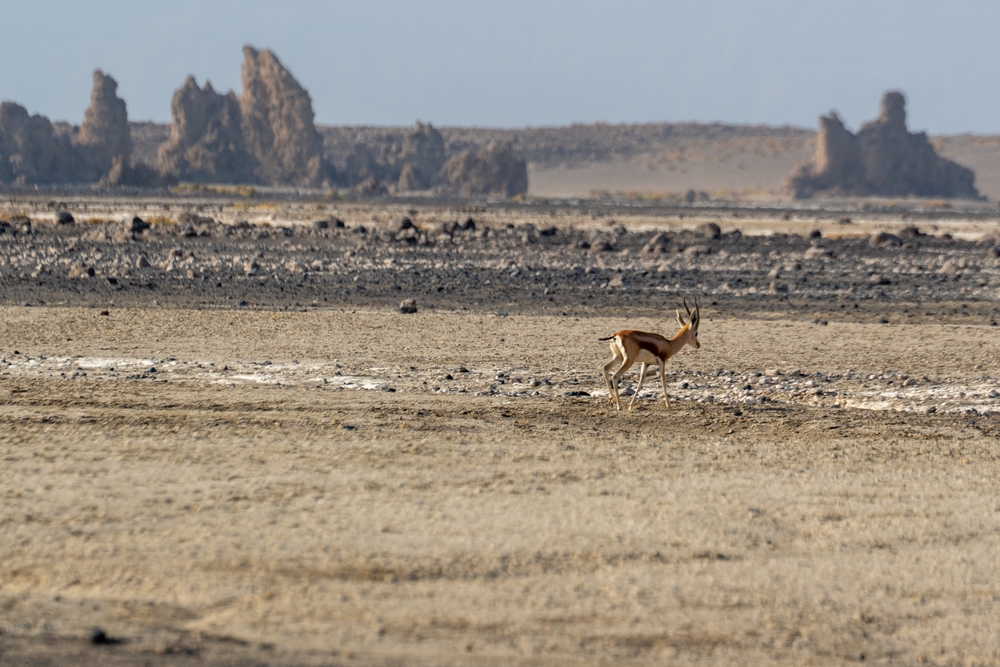
The park’s terrain is marked by a rugged landscape of basaltic plateaus, scattered volcanic peaks, and expansive salt flats. The interplay of volcanic activity and erosion has shaped the terrain into a dramatic and visually striking area. Sparse vegetation, including acacia trees, succulents, and desert grasses, dots the landscape, providing crucial support for the region’s wildlife. The salt plains within the park are a defining feature, reflecting Djibouti’s unique geological history and adding to its allure.
Yoboki National Park is home to a range of desert-adapted wildlife, offering a glimpse into species that thrive in harsh environments. Visitors may encounter Dorcas gazelles, sand foxes, and various species of reptiles. Birdlife is also prominent, with larks, weavers, and desert owls commonly seen. Seasonal water sources attract migratory birds, making the park an occasional hotspot for birdwatching. The park’s biodiversity underscores its ecological importance, despite the challenging conditions.
Engaging with Yoboki National Park offers visitors a variety of activities that highlight its natural and geological features. Hiking through the volcanic terrain provides an intimate view of its unique landscapes, while guided tours delve into the ecological and cultural significance of the region. Photography enthusiasts will find the salt flats and volcanic formations to be particularly captivating subjects. For those interested in local culture, interactions with nearby communities offer insights into traditional ways of life and their connection to the land.
The park faces numerous challenges that threaten its delicate ecosystems. Overgrazing by livestock and the expansion of human settlements have led to habitat degradation. Climate change exacerbates these issues, altering rainfall patterns and intensifying desertification. Limited resources for park management also hinder effective conservation efforts. However, recent initiatives have focused on engaging local communities in sustainable practices, such as reducing overgrazing and protecting key habitats. Partnerships with international organizations aim to bolster these efforts by funding conservation projects and promoting eco-tourism as an alternative source of income.
Yoboki National Park exemplifies the unique beauty and ecological value of Djibouti’s natural landscapes. Its combination of stark desert terrain, volcanic formations, and desert-adapted wildlife offers a rare and memorable experience for visitors. By addressing its conservation challenges and fostering sustainable tourism, the park can continue to serve as a vital sanctuary for biodiversity and a symbol of Djibouti’s commitment to protecting its natural heritage.
Things to See
Things To Do
Engaging Yoboki National Park
