

About
Mols Bjerge National Park is located on the Djursland Peninsula in eastern Denmark and covers approximately 69 square miles (180 sq km). Established in 2009, the park protects one of Denmark’s most diverse and scenic landscapes.
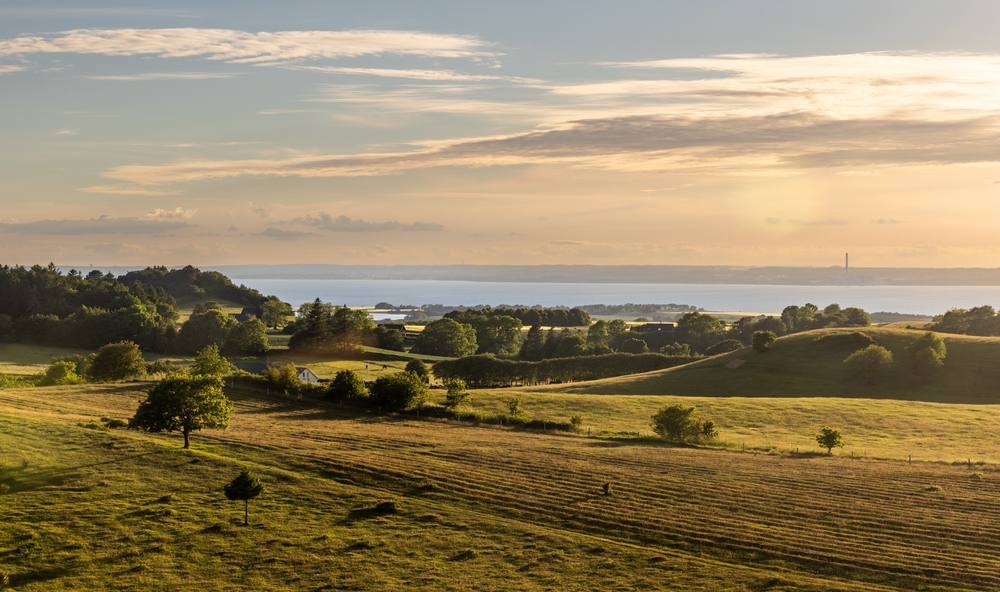
Situated along the Kattegat coast between Aarhus and Grenaa, the park encompasses rolling hills, forests, heathlands, grasslands, wetlands, coastal habitats, and historic cultural landscapes. Unlike many national parks that focus primarily on wilderness preservation, Mols Bjerge National Park combines natural beauty with centuries of human history, creating a landscape where nature and traditional land use have evolved together. The park is widely regarded as one of Denmark’s most important protected areas and one of the country’s premier destinations for outdoor recreation and nature exploration.
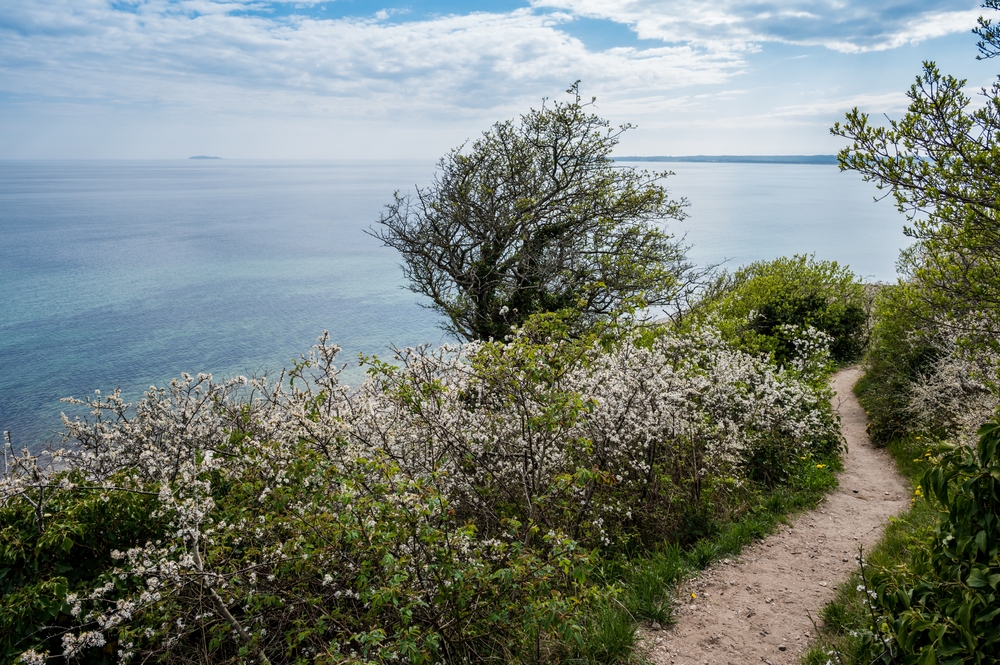
Mols Bjerge National Park is best known for its distinctive glacial hills and panoramic coastal scenery. The name “Mols Bjerge,” meaning “Mols Mountains,” refers to a series of rolling hills that rise prominently above the surrounding landscape. Although modest in elevation compared to mountain ranges elsewhere in Europe, these hills provide some of the most dramatic viewpoints in Denmark.
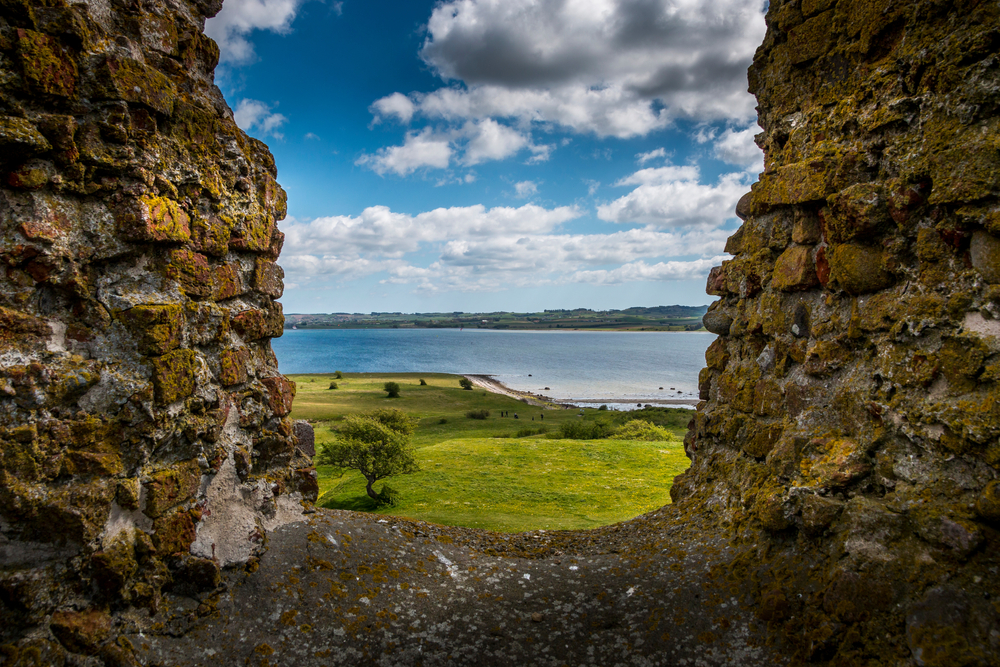
Visitors are drawn to the park for hiking, cycling, horseback riding, birdwatching, photography, and exploring historic villages and archaeological sites. Scenic trails wind through open grasslands, woodlands, and coastal environments, offering views of bays, islands, and the surrounding countryside. The combination of natural beauty and cultural heritage makes the park a unique destination within Northern Europe.
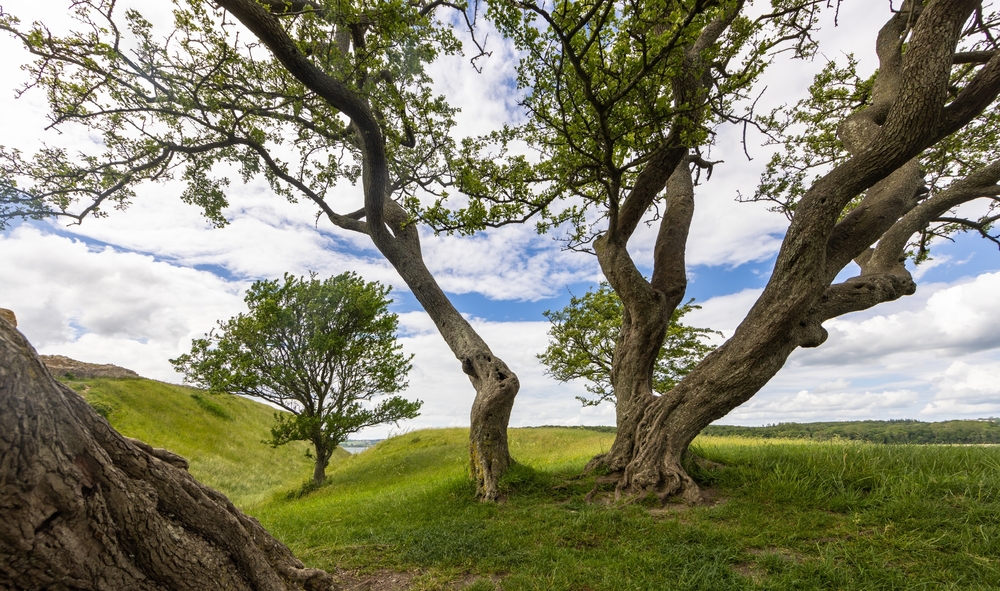
The geography of Mols Bjerge National Park was largely shaped by glaciers during the last Ice Age. Retreating ice sheets sculpted the landscape into rolling hills, kettle lakes, valleys, and coastal formations that define the region today. The park contains diverse habitats including heathlands, meadows, beech forests, marshes, lakes, and rocky shorelines.
Coastal cliffs and sheltered bays add further variety to the landscape, while traditional grazing practices help maintain open habitats that support rich biodiversity. Vegetation includes heather, juniper, wildflowers, oak and beech woodlands, grasslands, and wetland plant communities. This mosaic of habitats contributes significantly to the ecological richness of the park.
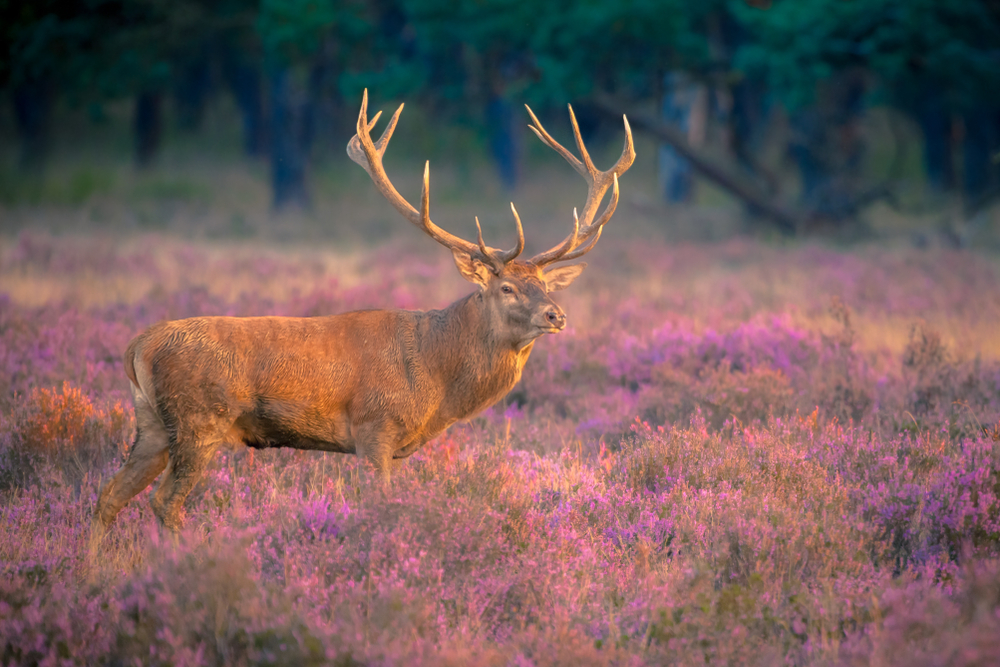
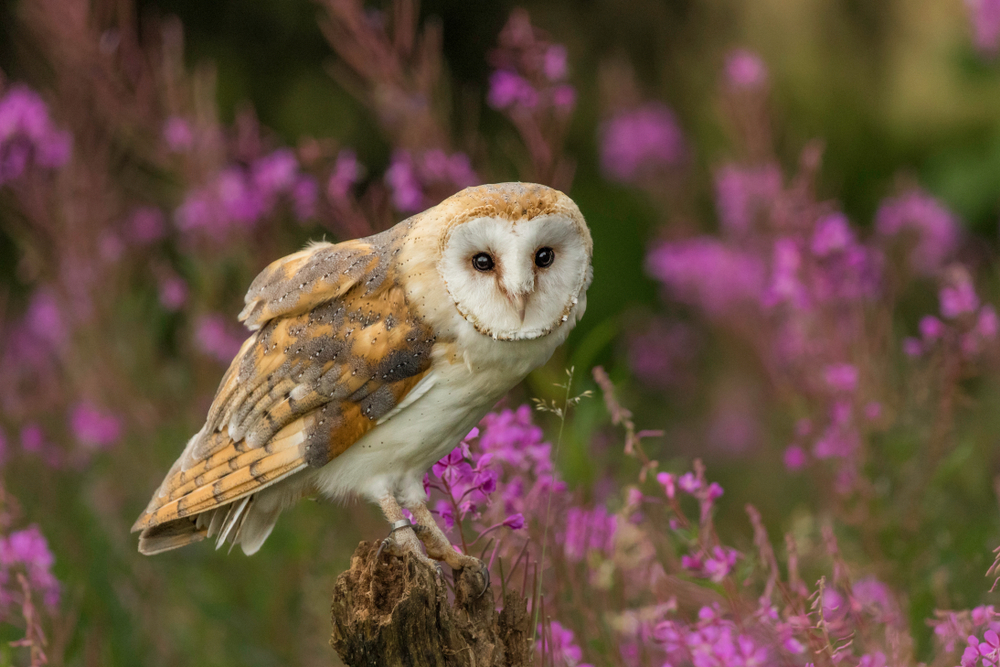
Wildlife within Mols Bjerge National Park reflects the diversity of its habitats. Roe deer are among the park’s most commonly observed mammals, while foxes, hares, badgers, and numerous small mammals inhabit the forests and grasslands. Birdlife is particularly abundant, with species such as white-tailed eagles, buzzards, kestrels, woodpeckers, warblers, and migratory waterbirds utilizing the park throughout the year.
Wetlands and coastal habitats support ducks, geese, herons, and wading birds. The park is also known for its rich insect diversity, including butterflies, dragonflies, and pollinators that thrive within the flower-rich grasslands and heathlands. Conservation management helps maintain these habitats and supports a wide range of native species.
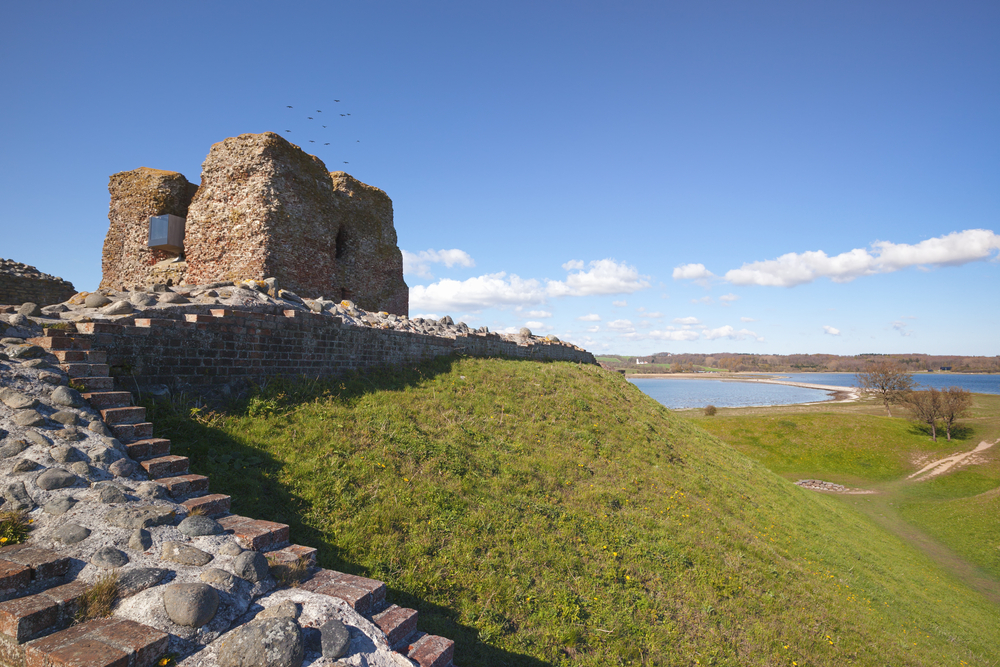
Mols Bjerge National Park plays a vital role in protecting Denmark’s natural and cultural heritage. The park safeguards rare habitats, archaeological sites, historic villages, and landscapes that reflect thousands of years of human interaction with nature. Conservation efforts focus on restoring heathlands, maintaining traditional grazing systems, preserving biodiversity, and protecting important migration corridors for birds.
Mols Bjerge is often compared to Thy National Park and South Downs National Park because of its rolling landscapes and blend of natural and cultural features. Yet its glacially formed hills, coastal setting, and exceptional biodiversity give it a distinctive character. Today, Mols Bjerge National Park stands as one of Denmark’s most treasured protected landscapes, preserving a remarkable environment where history, wildlife, and nature continue to flourish together.
Things to See
Things To Do
Engaging Mols Bjerge

Sources
Here are sources you can explore for more information:
- AllTrails. Mols Bjerge National Park. https://www.alltrails.com/parks/denmark/central-denmark/mols-bjerge-national-park, retrieved July 2026.
- Kavanagh, Justin. Complete National Parks of Europe. National Geographic, Washington, D.C.
- National Parks of Denmark. Mols Bjerge National Park. https://nationalparks.dk/en/national-parks/mols-bjerge-national-park/, retrieved July 2026.
- National Parks Worldwide. Mols Bjerge National Park. https://nationalparksworldwide.info/europe/denmark/mols-bjerge-national-park/, retrieved July 2026.
- VisitAarhus. Mols Bjerge National Park. https://www.visitaarhus.com/areas-and-cities/djursland/mols-bjerge-national-park, retrieved July 2026.
- VisitDenmark. Mols Bjerge National Park. https://www.visitdenmark.com/denmark/explore/mols-bjerge-national-park, retrieved July 2026.
- Wikipedia. Mols Bjerge National Park. https://en.wikipedia.org/wiki/Mols_Bjerge_National_Park, retrieved July 2026.