

About
Located along the Atlantic coast of the Democratic Republic of the Congo near the town of Muanda, Mangroves National Park protects one of the country’s most unique and fragile ecosystems. The park covers approximately 297 square miles (768 square kilometers), making it the smallest national park in the Democratic Republic of the Congo.
It sits at the mouth of the mighty Congo River where freshwater meets the Atlantic Ocean. This isolated coastal wilderness lies far from many of the Congo Basin’s famous rainforest parks, yet it plays an equally vital role in protecting biodiversity. Established in 1992, the park became the country’s only marine national park and later earned international recognition as a Ramsar Wetland of International Importance.
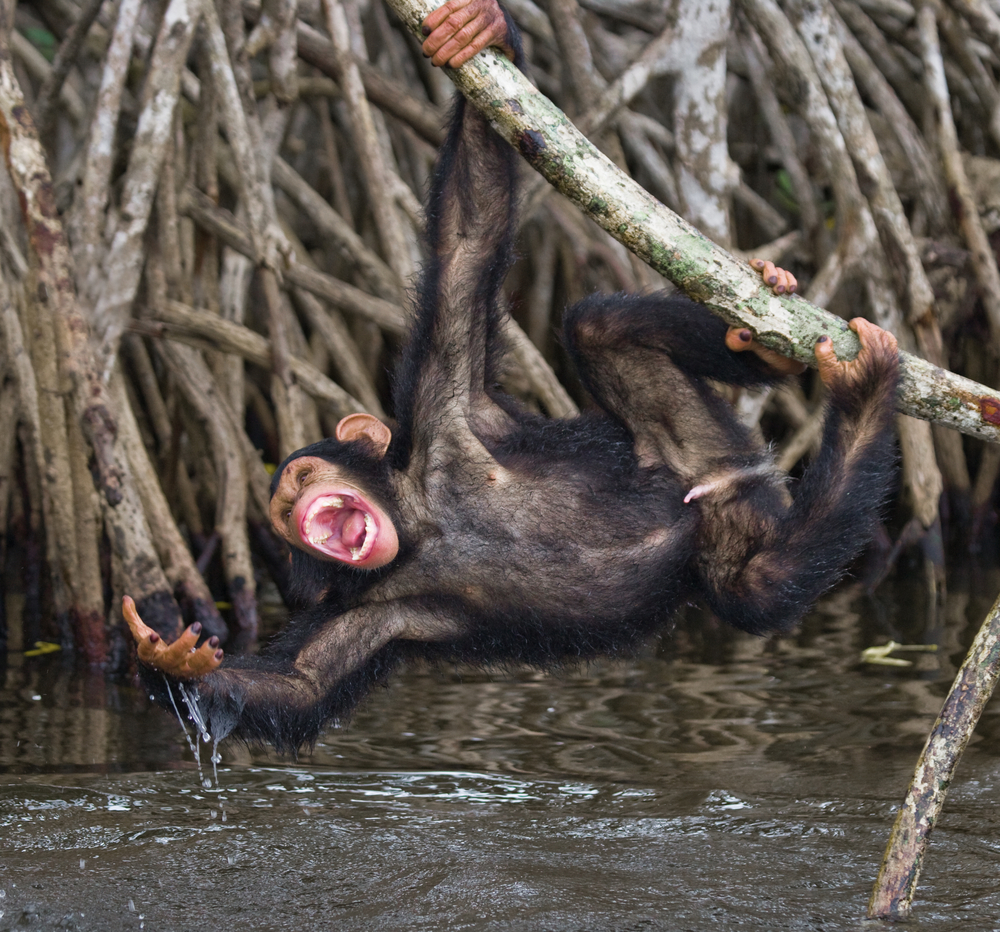
Mangroves National Park is best known for its dense mangrove forests and rich estuarine habitats. The park protects a maze of waterways, mudflats, coastal lagoons, river channels, and flooded forests that create an extraordinary transition zone between land and sea. Visitors are often drawn to the peaceful beauty of the tangled mangrove roots rising from the water. Boat excursions through these channels offer one of the park’s greatest experiences.
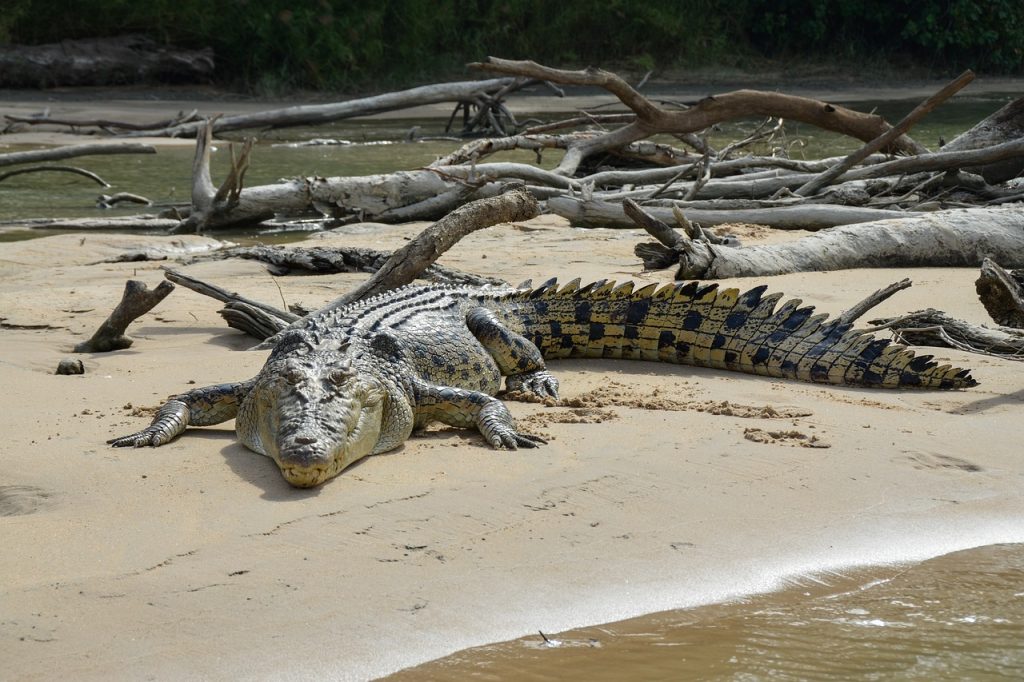
The scenery feels untouched and remote, with birds gliding overhead and crocodiles resting along muddy banks. The park also protects some of the last remaining coastal mangrove ecosystems in Central Africa. These forests serve as natural barriers against erosion while also providing essential breeding grounds for fish and marine life.
The geography of the park is shaped by the immense force of the Congo River. As Africa’s second-longest river empties into the Atlantic Ocean, it creates nutrient-rich wetlands and tidal channels that sustain enormous biological productivity. The vegetation is dominated by salt-tolerant mangrove species such as Rhizophora and Avicennia.
Their exposed root systems create an intricate network that stabilizes the shoreline and shelters countless aquatic organisms. Beyond the mangroves, patches of grasslands, coastal savannah, swamp forests, and riverine vegetation appear across the landscape. The mix of freshwater and saltwater habitats makes the park remarkably diverse despite its relatively small size.
Wildlife within Mangroves National Park reflects the unique connection between river, wetland, and ocean environments. The park is especially important for the endangered African manatee, one of its flagship species. Hippos and Nile crocodiles inhabit the waterways, while bushbuck and southern reedbuck roam the surrounding grasslands.
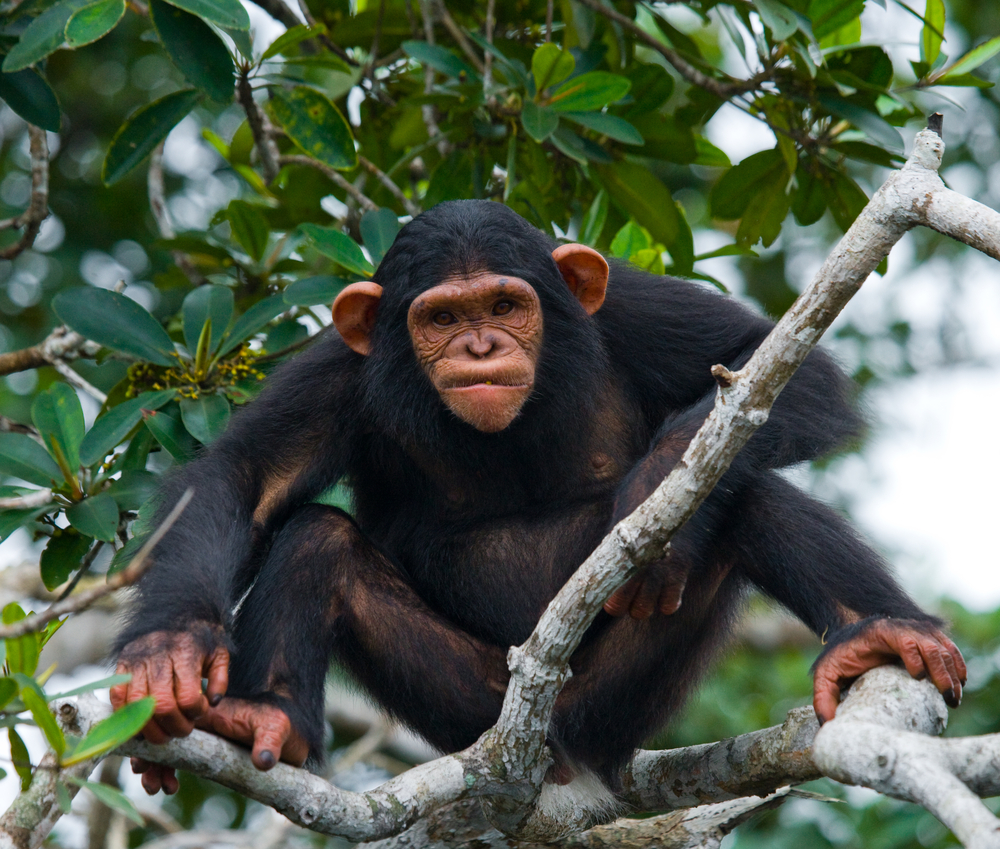
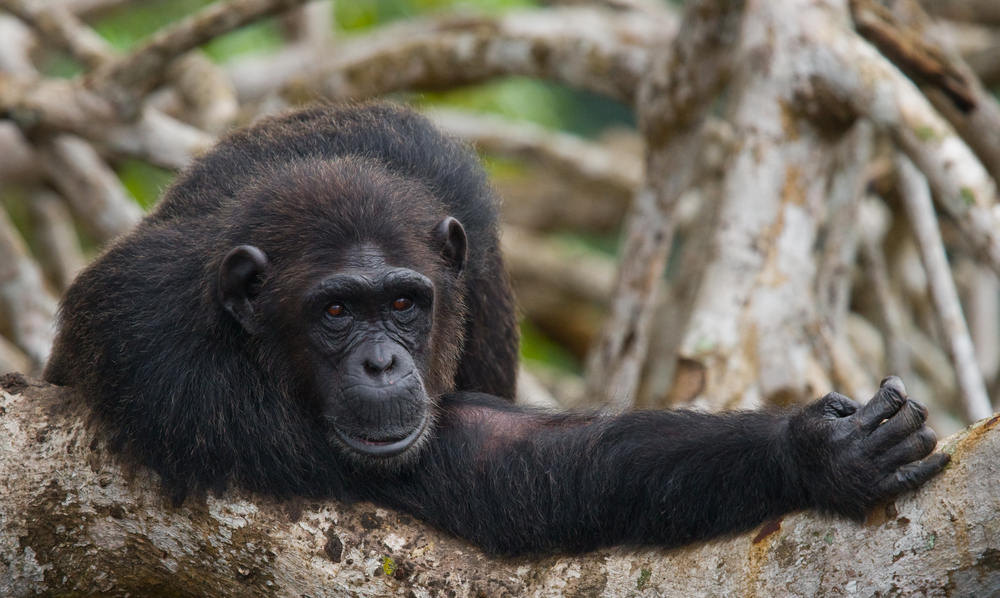
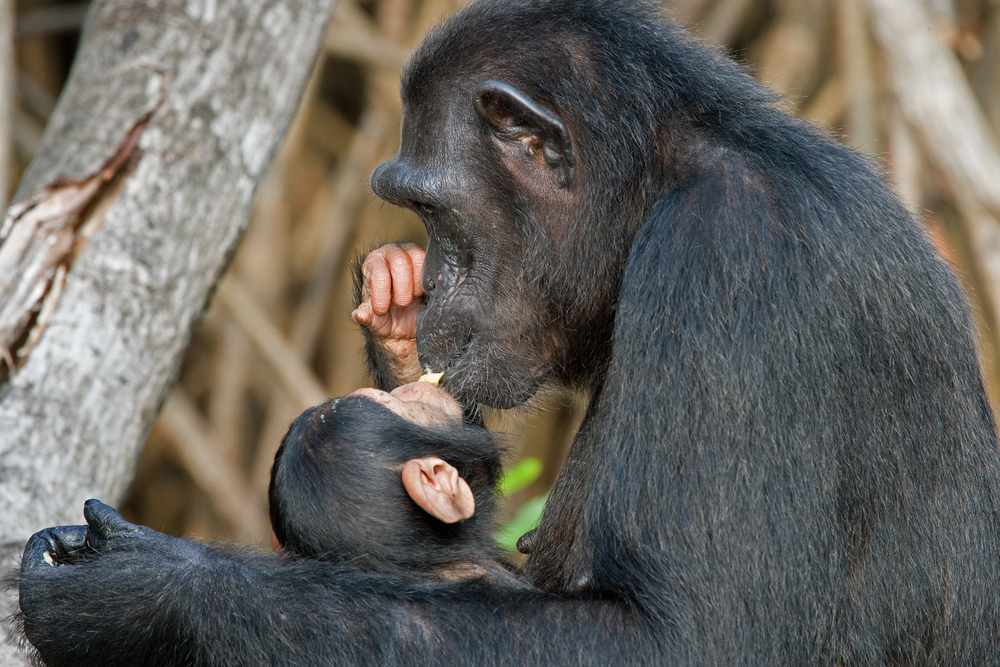
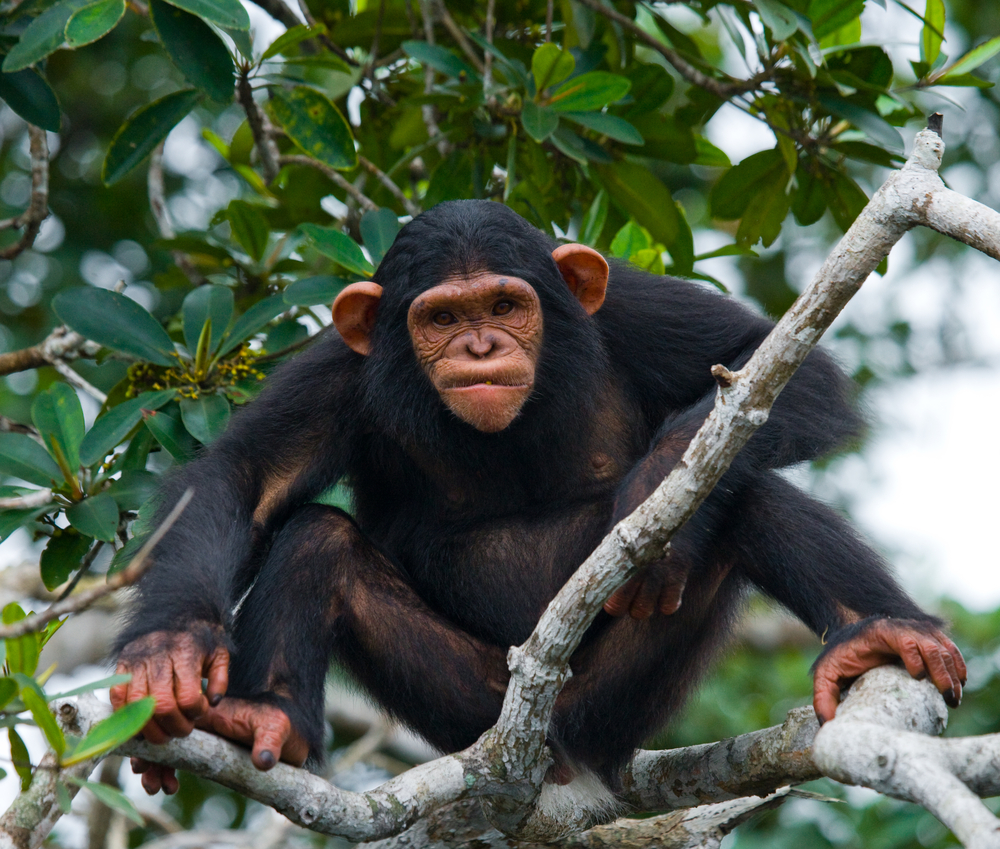
Monkeys, reptiles, turtles, and snakes are also found throughout the park’s forests and wetlands. Birdlife is particularly impressive. African fish eagles, kingfishers, herons, flamingos, and many migratory waterbirds thrive within the estuary. The waterways also support numerous fish species and aquatic life that depend on healthy mangrove habitats for survival.
Mangroves National Park protects far more than a beautiful coastal landscape. It safeguards one of Central Africa’s last major mangrove ecosystems and preserves critical nursery grounds for marine species along the Atlantic coast. Similar to the famous Sundarbans of Bangladesh and India, the park demonstrates how mangrove forests support both wildlife and human communities.
However, the mangroves here are uniquely adapted to the Congo River environment and differ from Asian mangrove systems. The park also helps protect fisheries, reduce coastal erosion, and support climate resilience through carbon storage. In a nation famous for rainforest giants like Salonga National Park and Virunga National Park, Mangroves National Park offers a completely different but equally important vision of African wilderness.
Photos
Things to See
Things To Do
Engaging Mangroves National Park

Mangroves National Park Trails
The majority of the experience of the Mangroves National Park is attached to the aquatic nature of the mangroves. Accordingly, boating amongst the mangroves is the most commonly engaged activity.
There are some bird walks and limited hiking opportunities found within the park. If more detailed hiking information becomes available, we will update you here.
Park Protection
As the only aquatic-based national park, Mangroves protects the mangroves forest and the diverse life they support. The protected waterways help ensure the survival of the endangered manatee.
It is imperative that travelers and service providers take the actions necessary to not infringe upon the mangrove environment that is the habitat for the manatee. The waterways and mangroves also provide habitat for a rich diversity in birdlife.
Sources
- African Gorilla, Mangroves National Park, https://www.africangorilla.com/information/mangroves-national-park-congo/, retrieved July 2020.
- Congo National Parks, Mangroves National Park, https://www.congonationalparks.com/places/70947-2/, retrieved July 2020.
- Congo Parks Guide, Mangroves National Park, https://www.congoparks.com/congo-parks-reserves/mangroves-national-park/, retrieved July 2020.
- Eco travelers, Mangroves National Park, https://www.ecotravelers.org/destinations/dr-congo/mangroves-national-park/, retrieved July 2020.
- Virunga National Park, Mangroves National Park, https://www.virungaparkcongo.com/congo-tour-destinations/mangroves-national-park-parc-national-des-mangroves/, retrieved July 2020.