

About
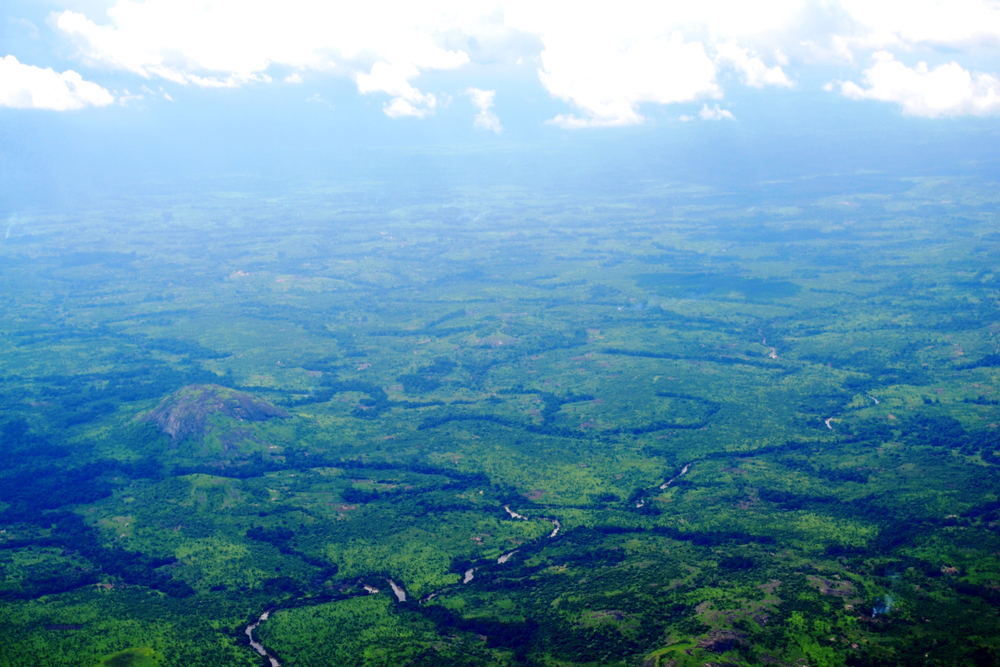
Garamba National Park, situated in the northeastern region of the Democratic Republic of Congo (DRC), spans an impressive 1,930 square miles (4,920 square kilometers). Established in 1938, it is one of Africa’s oldest national parks and has been designated a UNESCO World Heritage Site due to its rich biodiversity and significant conservation value. This park is a wilderness treasure, showcasing a mosaic of savannahs, woodlands, and riverine forests that provide a haven for a diverse array of wildlife.
The park is renowned for its efforts to protect some of Africa’s most iconic and endangered species. It is home to the critically endangered northern white rhinoceros, although their numbers have drastically declined, making sightings extremely rare. Other notable inhabitants include elephants, giraffes, hippos, and a variety of antelope species. The park’s vast savannahs and woodlands also support a healthy population of lions, leopards, and spotted hyenas, making it a vital predator-prey ecosystem.
One of the unique aspects of Garamba National Park is its population of Kordofan giraffes, a subspecies that is distinctively smaller and lighter in color compared to other giraffe species. These giraffes are among the rarest in Africa, and Garamba is one of the few places where they can still be found in significant numbers.
Birdwatchers will find Garamba National Park a paradise, with over 340 bird species recorded within its boundaries. Species such as the shoebill stork, African fish eagle, and various types of bee-eaters and kingfishers can be observed, adding to the park’s rich avian diversity. The park’s wetlands and rivers provide essential habitats for these bird species, particularly during the migratory season.
Exploring Garamba National Park offers a sense of adventure and discovery. Visitors can embark on guided game drives and walking safaris to experience the park’s breathtaking landscapes and observe its wildlife up close. The Dungu River, which flows through the park, is a focal point for wildlife viewing, especially during the dry season when animals gather around water sources. Boat trips along the river offer a unique perspective of the park and opportunities to spot hippos and crocodiles.
Conservation efforts in Garamba National Park are crucial, given the threats posed by poaching and habitat loss. The park has faced significant challenges in protecting its wildlife, particularly from armed poachers targeting elephants for their ivory. Despite these challenges, dedicated conservation teams, including rangers and international organizations, continue to work tirelessly to safeguard the park’s natural heritage. Anti-poaching patrols, community engagement, and sustainable development projects are part of the comprehensive strategy to ensure the park’s long-term survival.
Garamba National Park is also culturally significant, with local communities living in and around the park for generations. These communities have a deep connection to the land and its wildlife, and their traditional knowledge and practices are invaluable to the park’s conservation efforts. Engaging with local communities through education and sustainable development initiatives is a key component of the park’s conservation strategy.
In summary, Garamba National Park is a wilderness treasure that exemplifies the rich biodiversity and natural beauty of the Democratic Republic of Congo. Its diverse ecosystems, rare wildlife, and ongoing conservation efforts make it a vital sanctuary for some of Africa’s most endangered species. Whether navigating the park’s savannahs and woodlands, observing its unique giraffe population, or exploring the Dungu River, visitors to Garamba National Park will be immersed in the awe-inspiring splendor of this exceptional natural wonder.
Things to See
Things To Do
Engaging Garamba National Park

Park Protection
Garamba National Park was created to protect the vast savannas, grasslands, woodlands, and riverine ecosystems of northeastern Democratic Republic of the Congo. The park provides critical habitat for several endangered species, including the endangered African elephant, the endangered Kordofan giraffe, and the critically endangered eastern chimpanzee.
It also supports populations of lion, leopard, spotted hyena, buffalo, hippopotamus, and numerous antelope species. Garamba has long been recognized as one of Africa’s most important strongholds for large mammals and is internationally significant for its role in protecting wildlife within the Sudanian savanna ecosystem.
The park is especially notable for protecting the last remaining population of Kordofan giraffes in the Democratic Republic of the Congo, making it a key conservation area for this endangered subspecies. Garamba was also historically known as one of the final refuges of the northern white rhinoceros before the species became functionally extinct in the wild.
Its expansive and relatively intact savanna landscapes support ecological processes that have disappeared from many parts of Central Africa. Together, Garamba National Park safeguards endangered wildlife, critical savanna and river ecosystems, unique giraffe populations, and one of Africa’s most important conservation landscapes.
FAQ’s
What is the main reason people visit Garamba National Park?
Garamba National Park is primarily visited for its remarkable wildlife, vast savanna landscapes, and conservation significance. Located in northeastern Democratic Republic of the Congo, Garamba is one of Africa’s oldest national parks and a UNESCO World Heritage Site.
Visitors come to experience one of the continent’s last great wilderness areas, observe elephants, giraffes, lions, and rare antelope species, and learn about the park’s globally important conservation efforts. Garamba is particularly famous for protecting the last population of Kordofan giraffes in the Democratic Republic of the Congo.
What animals can visitors hope to see in Garamba National Park?
Garamba National Park supports more than 110 mammal species and approximately 40 reptile species. Its combination of savanna, woodland, riverine forest, and wetland habitats supports one of Central Africa’s richest wildlife communities.
Some of the most notable mammals found in Garamba National Park include:
- African Savanna Elephant
- Kordofan Giraffe
- Lion
- Leopard
- Spotted Hyena
- Side-striped Jackal
- African Wild Dog
- Serval
- Caracal
- African Civet
- African Buffalo
- Hippopotamus
- Nile Crocodile
- Giant Forest Hog
- Bush Pig
- Warthog
- Uganda Kob
- Hartebeest
- Defassa Waterbuck
- Roan Antelope
- Lelwel Hartebeest
- Oribi
- Bohor Reedbuck
- Bushbuck
- Common Duiker
- Blue Duiker
- Red-flanked Duiker
- Sitatunga
- Eland
- Greater Kudu
- Lesser Kudu
- African Golden Cat
- White-tailed Mongoose
- Egyptian Mongoose
- Marsh Mongoose
- Slender Mongoose
- Large-spotted Genet
- Small-spotted Genet
- African Clawless Otter
- Congo Clawless Otter
- Vervet Monkey
- Olive Baboon
- Patas Monkey
- Blue Monkey
- Chimpanzee (localized populations)
- Porcupine
- Cape Hare
- Gambian Giant Pouched Rat
- Fruit Bat Species
- Pipistrelle Bat Species
What birds can visitors hope to see in Garamba National Park?
Garamba National Park is an outstanding birdwatching destination with more than 340 recorded bird species. The park’s savannas, wetlands, rivers, and woodlands support a rich diversity of resident and migratory birds.
Some of the most popular birds seen in Garamba National Park include:
- Shoebill
- Saddle-billed Stork
- Yellow-billed Stork
- Marabou Stork
- African Openbill
- Woolly-necked Stork
- African Fish Eagle
- Secretarybird
- Kori Bustard
- Abyssinian Ground Hornbill
- Black Crowned Crane
- Grey Crowned Crane
- African Spoonbill
- Sacred Ibis
- Glossy Ibis
- Hadada Ibis
- Goliath Heron
- Purple Heron
- Grey Heron
- Black-headed Heron
- Great Egret
- Little Egret
- Hamerkop
- Spur-winged Goose
- Egyptian Goose
- Knob-billed Duck
- White-faced Whistling Duck
- African Jacana
- Black Crake
- Martial Eagle
- Bateleur
- Tawny Eagle
- Wahlberg’s Eagle
- African Hawk-Eagle
- Long-crested Eagle
- White-backed Vulture
- Lappet-faced Vulture
- Hooded Vulture
- Rüppell’s Vulture
- Pied Kingfisher
- Giant Kingfisher
- Malachite Kingfisher
- Woodland Kingfisher
- Lilac-breasted Roller
- European Roller
- Carmine Bee-eater
- Blue-cheeked Bee-eater
- Village Weaver
- Northern Red Bishop
- Black-headed Gonolek
Is Garamba National Park worth visiting?
Yes, Garamba National Park is worth visiting for travelers interested in wilderness, wildlife conservation, and remote safari experiences. It protects one of Africa’s most important ecosystems and offers opportunities to see species such as Kordofan giraffes, elephants, lions, and shoebills in a largely untouched environment.
However, tourism infrastructure is limited, and security conditions in northeastern Democratic Republic of the Congo can fluctuate. As a result, access for international tourists is often restricted or limited. Prospective visitors should verify current park accessibility and security conditions before planning a trip.
What is the best time to visit Garamba National Park?
The best time to visit Garamba National Park is during the dry season from December through March.
During these months:
- Wildlife gathers near rivers and water sources.
- Roads are generally easier to navigate.
- Grass is shorter, improving wildlife visibility.
- Birdwatching remains excellent.
The rainy season brings lush vegetation but can make travel and wildlife viewing more challenging.
How many days do you need to visit Garamba National Park?
Most visitors should plan for 3 to 5 days.
- 2 days: Wildlife viewing and birdwatching.
- 3 days: Comprehensive safari experience.
- 4–5 days: Additional exploration of remote sectors, photography, and conservation-focused activities.
Given the park’s size and remoteness, longer stays are often more rewarding.
How do you get to Garamba National Park?
Garamba National Park is located in northeastern Democratic Republic of the Congo near the borders of South Sudan and Uganda.
Access typically involves:
- Flying into Kinshasa.
- Taking domestic charter or regional flights to airstrips serving the Garamba region.
- Coordinating transportation through park authorities or authorized operators.
Because of the park’s remote location, independent travel is generally not practical.
Is Garamba National Park safe for tourists?
Safety conditions in and around Garamba National Park can vary and should be carefully evaluated before travel.
Visitors should:
- Check current government travel advisories.
- Confirm park operational status.
- Travel only with authorized operators and park personnel.
- Follow all security instructions from park authorities.
Security concerns have affected tourism in parts of northeastern DRC, making advance planning essential.
Who is involved in protecting and supporting Garamba National Park?
Several organizations play important roles in protecting Garamba National Park:
- Institut Congolais pour la Conservation de la Nature (ICCN) – the government agency responsible for managing the park.
- African Parks – manages Garamba National Park in partnership with ICCN and has played a major role in wildlife protection, anti-poaching operations, and community development.
- Garamba National Park Management – oversees conservation and tourism operations within the park.
- Local communities surrounding the park that participate in conservation initiatives and sustainable development programs.
Sources
Here are sources you can explore for more information:
- AllTrails. Garamba National Park. https://www.alltrails.com/democratic-republic-of-the-congo/haut-uele/garamba-national-park, retrieved July 2026.
- Encyclopaedia Britannica. Garamba National Park. https://www.britannica.com/place/Garamba-National-Park, retrieved July 2026.
- African Parks. Garamba National Park. https://www.africanparks.org/the-parks/garamba, retrieved July 2026.
- Pilot Guides. Garamba National Park. https://www.pilotguides.com/, retrieved July 2026.
- Protected Planet (UNEP-WCMC & IUCN). Garamba National Park. https://www.protectedplanet.net/, retrieved July 2026.
- UNESCO World Heritage Centre. Garamba National Park. https://whc.unesco.org/en/list/136/, retrieved July 2026.
- Wikipedia. Garamba National Park. https://en.wikipedia.org/wiki/Garamba_National_Park, retrieved July 2026.
- World Wildlife Fund (WWF). Northern Congolian Forest–Savanna Mosaic. https://www.worldwildlife.org/ecoregions/at0712, retrieved July 2026.