About

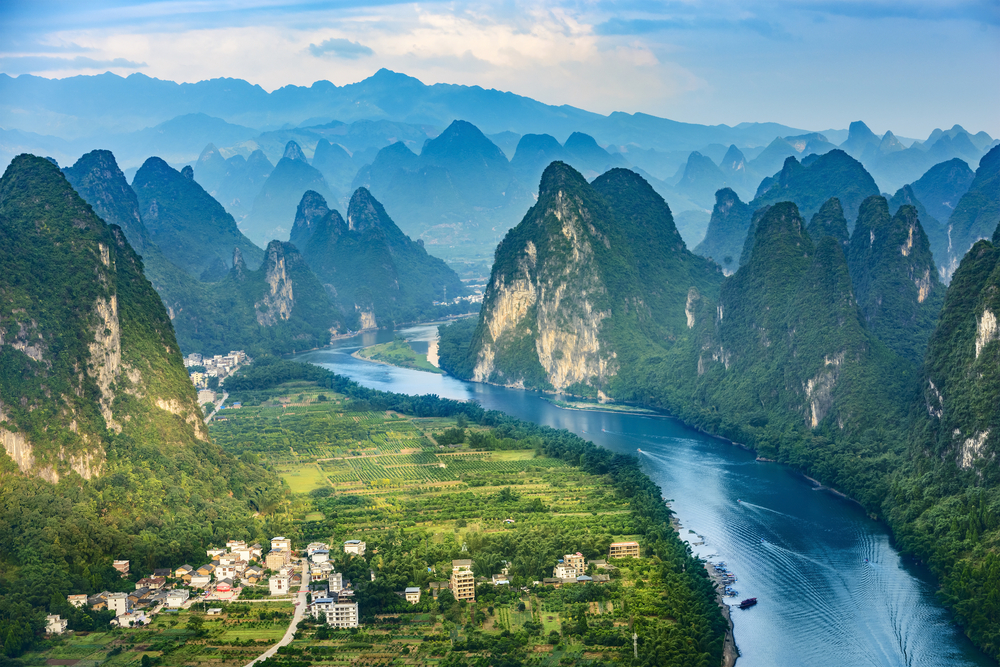
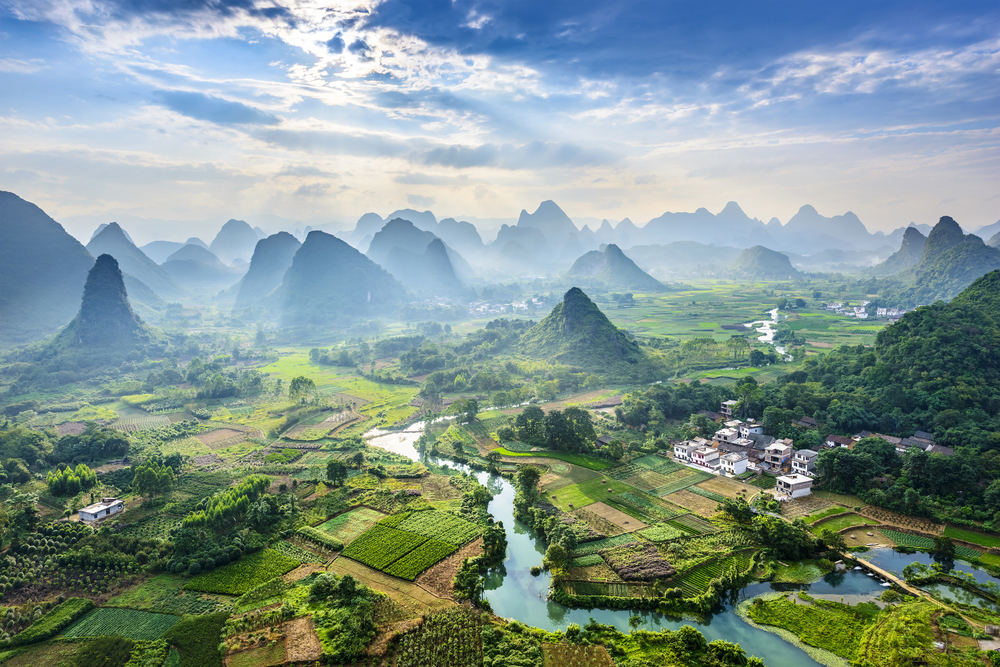
Guilin and Lijiang River National Park is located in the northeastern region of Guangxi Zhuang, China, and features the Li River, also known as Li Jiang, of the Pearl River Basin. The river flows a total of 102 miles (164 km).

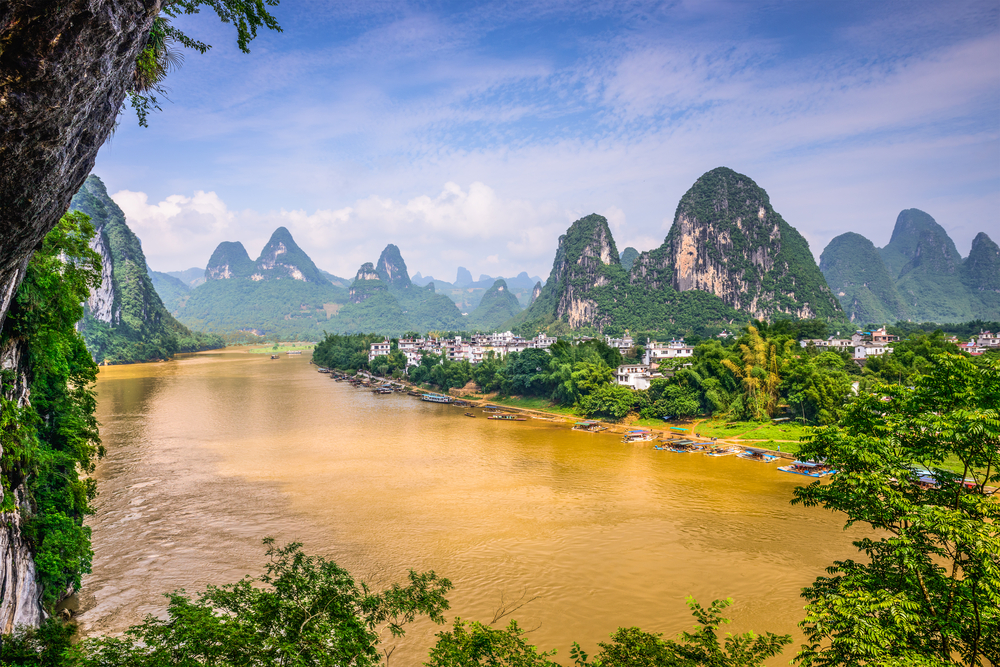
The national park represents the outstanding scenery along the Li River between the cities of Yangshuo and Guilin City. The scenery found between these two cities even serves as the artwork on the Chinese 20 yuan note.

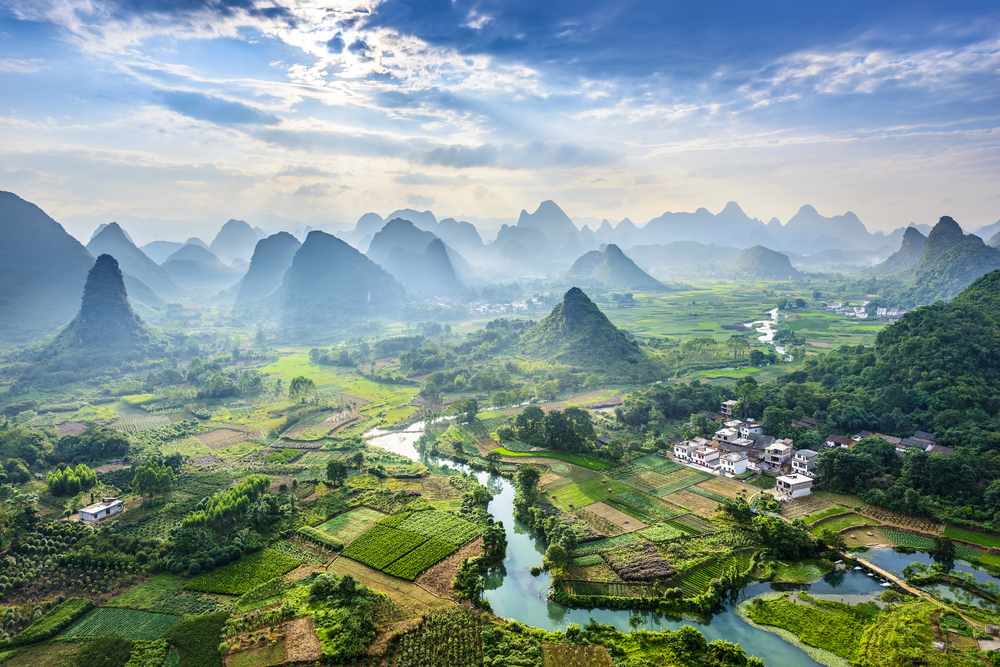
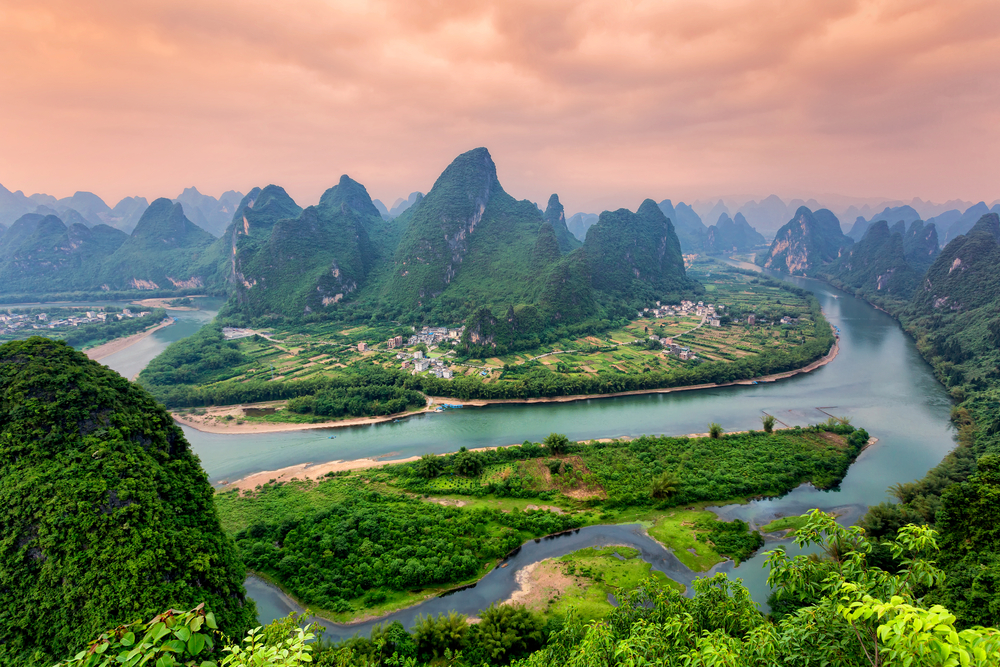
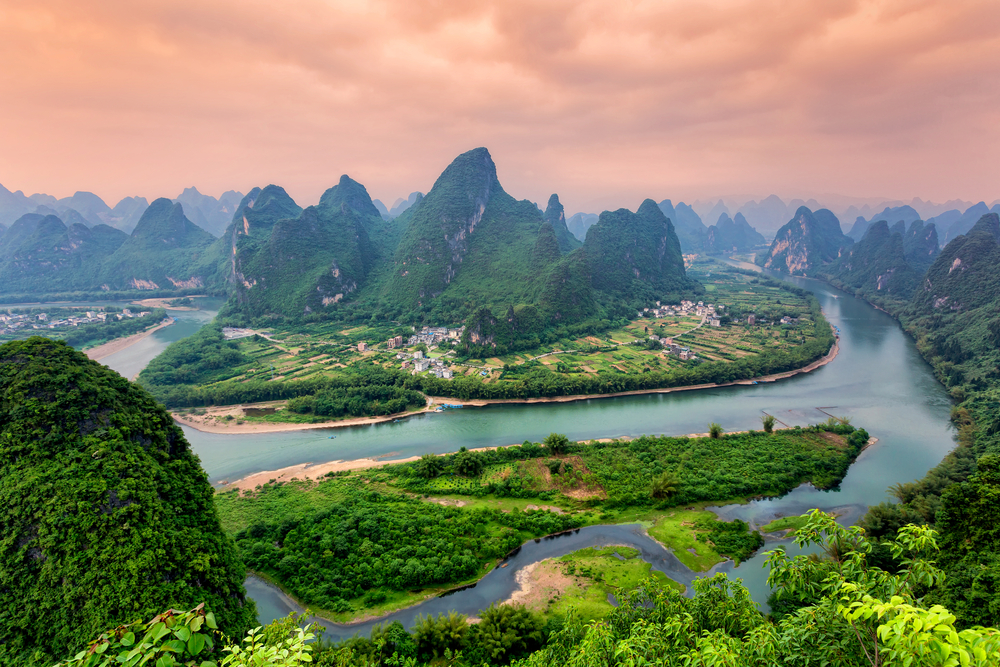
The mountains decorate the shoreline as they individually pierce toward the sky. There are two different types of limestone karsts along the river differing depending on the region. The most common is Fengcong karst.

These Fengcong karst limestone hills feature deep depressions between the peaks and can be seen most of the way as you travel the river. There are numerous caves in these mountains as well with the Guanyin Cave System being the longest.

As you approach the Yangshuo area, you will experience the Fenglin limestone hills which are more isolated and separated peaks. They can reach a height of 984 feet (300 m) and in many cases will feature near-perfect vertical sides.

Things to See

The Fengcong and Fenglin karsts and limestone mountains create the pinnacle serenity scene. These mountains have inspired numerous artists, photographers, and poets because of their sheer beauty.

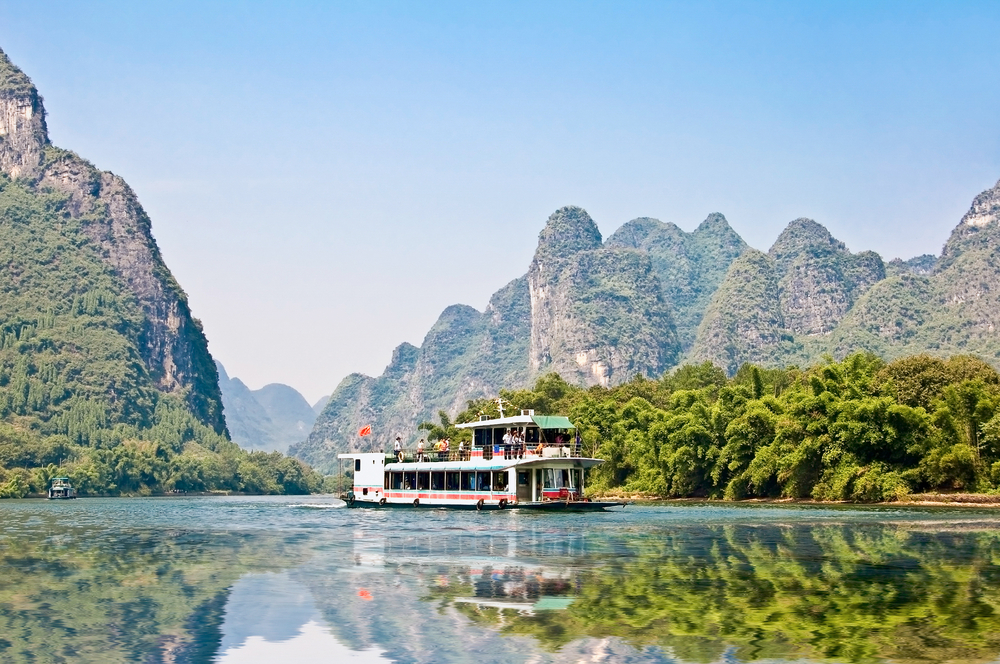
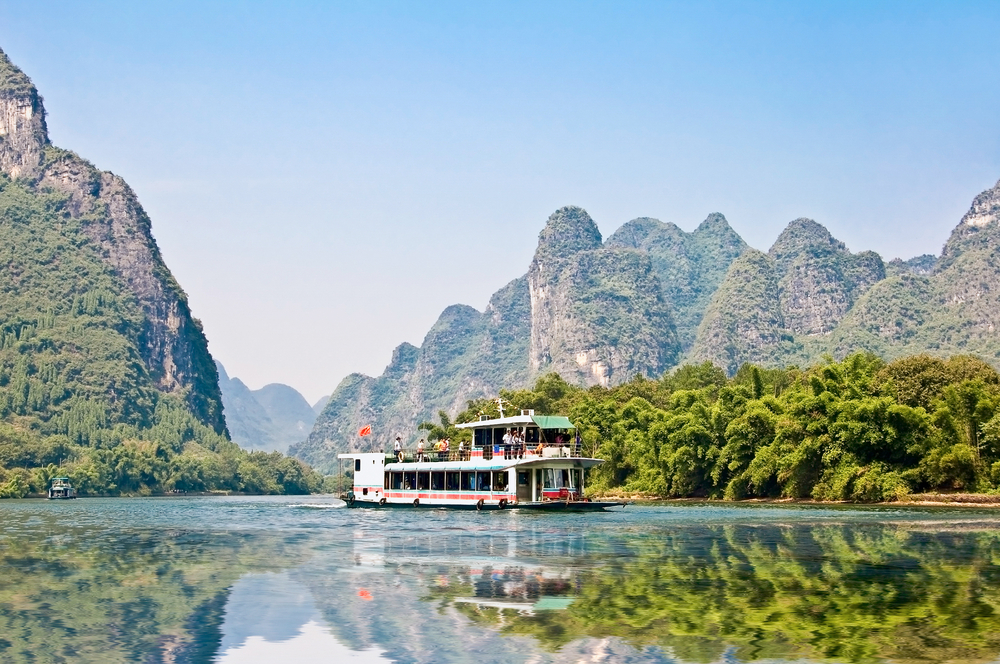
The highlight of Guilin and Lijiang River National Park is a slow-paced journey through these magnificent hills. A river cruise is a must, but travelers may also explore the scenic region by automobile and on foot.

Things To Do

Engaging Guilin Lijiang National Park
Hiking Adventures

Explore the park’s karst formations on hiking trails that wind through dense forests, meander along rivers, and ascend to panoramic viewpoints. Choose from a variety of hiking routes, ranging from leisurely walks to challenging treks, providing opportunities to discover hidden caves, picturesque waterfalls, and stunning vistas.

River Cruise

Embark on a scenic river cruise along the Li River, offering mesmerizing views of Guilin Lijiang National Park’s iconic karst landscapes. Glide past towering limestone peaks, lush greenery, and traditional fishing villages as you cruise down the tranquil waters, immersing yourself in the natural beauty of the region.

Rock Climbing

Challenge yourself with rock climbing adventures amidst Guilin Lijiang National Park’s karst mountains. Ascend towering limestone cliffs, test your skills on vertical rock faces, and enjoy breathtaking views of the surrounding landscapes from elevated vantage points. Guided rock climbing tours cater to climbers of all levels, providing equipment and instruction for safe and exhilarating climbing experiences.

Hiking Adventures

Explore the park’s karst formations on hiking trails that wind through dense forests, meander along rivers, and ascend to panoramic viewpoints. Choose from a variety of hiking routes, ranging from leisurely walks to challenging treks, providing opportunities to discover hidden caves, picturesque waterfalls, and stunning vistas.

River Cruise

Embark on a scenic river cruise along the Li River, offering mesmerizing views of Guilin Lijiang National Park’s iconic karst landscapes. Glide past towering limestone peaks, lush greenery, and traditional fishing villages as you cruise down the tranquil waters, immersing yourself in the natural beauty of the region.

Rock Climbing

Challenge yourself with rock climbing adventures amidst Guilin Lijiang National Park’s karst mountains. Ascend towering limestone cliffs, test your skills on vertical rock faces, and enjoy breathtaking views of the surrounding landscapes from elevated vantage points. Guided rock climbing tours cater to climbers of all levels, providing equipment and instruction for safe and exhilarating climbing experiences.

Guilin Lijiang National Park Trails

There are a good number of trails that allow visitors to explore the picturesque landscape that Guilin-Lijiang is renowned for.  Who knows, maybe you will find your own artistic inspiration as you explore the region.

placeholder

Reed Flute Caves Trail

This is a short 1.3-mile (2.09 km) trail that is an easy rated.  It meanders through the fields and forests making way to the caves.  There are chances to see wildflowers and wildlife but it is the views of the landscape and discovering the caves that are the highlights of this trail.

placeholder

Ping'An Rice Terrace Trail

Ping’An Rice Terrace Trail: This is another easy rated trail that meanders through the forest and up the hills to views out of the renowned rice terrace landscapes.  The trail ascends 551 feet (167.95 m) with easy footing.

placeholder

Yangdi Xingping Trail

This moderate rated trail ascends 1,633 feet (497.74 m) over a distance of 9.5 miles (15.29 km).  The trail offers astounding views of the forest, river, and striking karsts mountains. There is a chance to see wildlife and wildflowers while making the ascent.  The scenic landscapes along the way and from higher points are truly magnificent.

placeholder

Thousand Layer Trail

This is another chance to see the picturesque rice field landscapes.  This trail is rated moderate and ascends 1,040 feet (316.99 m) while traveling over a distance of 3.5 miles (5.6 km) out and back.  Most people are mesmerized by how the rice fields are created and the striking landscapes they create.

placeholder

Li River Bamboo Raft Trail

Rating: Easy

Distance and Elevation Gain: Varies, as this is a water-based experience rather than a hiking trail

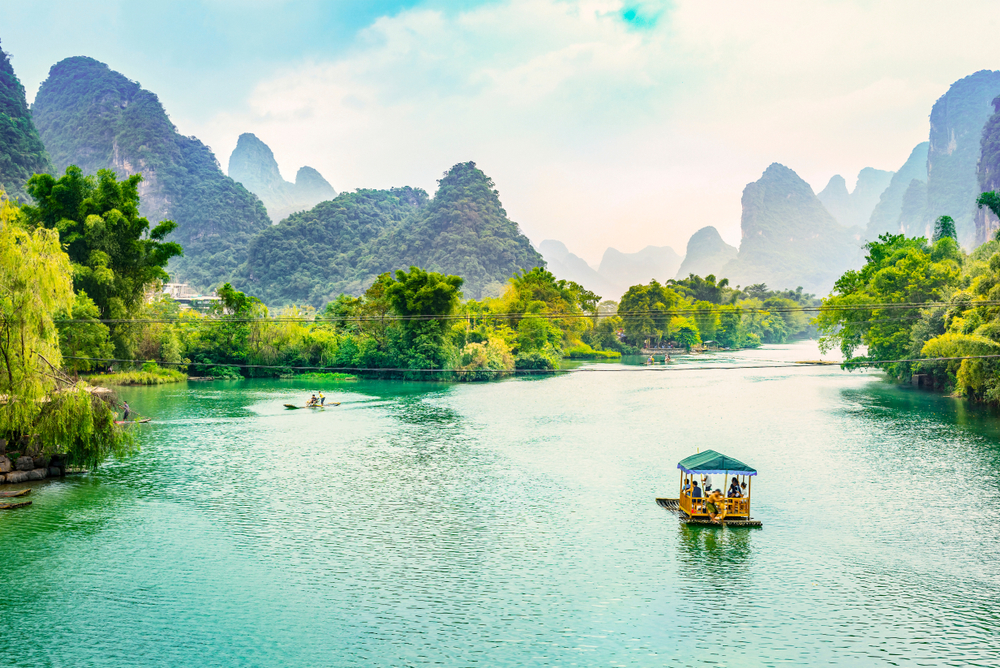
Description: While not a trail in the traditional sense, bamboo rafting along the Li River offers a unique way to experience the breathtaking scenery of Guilin’s karst mountains. Travelers will glide past ancient villages, lush bamboo groves, and iconic limestone peaks.

This serene journey provides unparalleled photographic opportunities and a chance to see local fishermen employing traditional techniques.

placeholder

Moon Hill Hike

Rating: Moderate

Distance and Elevation Gain: 0.8 miles (1.3 km) one way with about 800 feet (244 meters) elevation gain

Description: Moon Hill offers a moderately challenging hike to a natural arch with a moon-shaped hole, providing stunning panoramic views of the surrounding countryside and karst formations.

The ascent involves a stairway leading to the arch, making it accessible yet rewarding for those seeking elevated views.

The area is iconic for its geological features and is a favorite among photographers and nature enthusiasts.

placeholder

Xianggong Hill Viewpoint

Rating: Easy to Moderate

Distance and Elevation Gain: 0.5 miles (0.8 km) one way with about 300 feet (91 meters) elevation gain

Description: Xianggong Hill is renowned for its spectacular sunrise and foggy morning views over the Li River and karst landscape.

The hike to the viewpoint is short but steep, culminating in one of the most breathtaking panoramas in the region.

It’s a must-visit for photographers and those looking to experience the quintessential beauty of Guilin’s natural scenery.

placeholder

Reed Flute Cave Path

Rating: Easy

Distance and Elevation Gain: 0.3 miles (0.5 km) round trip with minimal elevation gain, inside the cave

Description: Located within a natural limestone cave, this easy walk takes visitors through a fantastical landscape of stalactites, stalagmites, and rock formations illuminated by colorful lights.

The Reed Flute Cave, known as “the Palace of Natural Arts,” offers a magical exploration of Guilin’s underground wonders.

It’s suitable for all ages and provides a cool respite from the outdoor heat.

placeholder

Longji Rice Terraces Trek

Rating: Moderate to Difficult

Distance and Elevation Gain: Varies, up to 5 miles (8 km) with significant elevation gain across multiple trails

Description: The Longji (Dragon’s Backbone) Rice Terraces, located a few hours from Guilin, offer various trails through stunning agricultural landscapes.

Hikers can explore traditional Zhuang and Yao villages, marvel at the intricate terraces carved into the mountains over centuries, and enjoy seasonal changes that paint the landscape in different hues.

The trek can be tailored to fitness levels, promising cultural insights and natural beauty.

placeholder

Li River Bamboo Raft Trail

Rating: Easy

Distance and Elevation Gain: Varies, as this is a water-based experience rather than a hiking trail

Description: While not a trail in the traditional sense, bamboo rafting along the Li River offers a unique way to experience the breathtaking scenery of Guilin’s karst mountains. Travelers will glide past ancient villages, lush bamboo groves, and iconic limestone peaks.

This serene journey provides unparalleled photographic opportunities and a chance to see local fishermen employing traditional techniques.

placeholder

Moon Hill Hike

Rating: Moderate

Distance and Elevation Gain: 0.8 miles (1.3 km) one way with about 800 feet (244 meters) elevation gain

Description: Moon Hill offers a moderately challenging hike to a natural arch with a moon-shaped hole, providing stunning panoramic views of the surrounding countryside and karst formations.

The ascent involves a stairway leading to the arch, making it accessible yet rewarding for those seeking elevated views.

The area is iconic for its geological features and is a favorite among photographers and nature enthusiasts.

placeholder

Xianggong Hill Viewpoint

Rating: Easy to Moderate

Distance and Elevation Gain: 0.5 miles (0.8 km) one way with about 300 feet (91 meters) elevation gain

Description: Xianggong Hill is renowned for its spectacular sunrise and foggy morning views over the Li River and karst landscape.

The hike to the viewpoint is short but steep, culminating in one of the most breathtaking panoramas in the region.

It’s a must-visit for photographers and those looking to experience the quintessential beauty of Guilin’s natural scenery.

placeholder

Reed Flute Cave Path

Rating: Easy

Distance and Elevation Gain: 0.3 miles (0.5 km) round trip with minimal elevation gain, inside the cave

Description: Located within a natural limestone cave, this easy walk takes visitors through a fantastical landscape of stalactites, stalagmites, and rock formations illuminated by colorful lights.

The Reed Flute Cave, known as “the Palace of Natural Arts,” offers a magical exploration of Guilin’s underground wonders.

It’s suitable for all ages and provides a cool respite from the outdoor heat.

placeholder

Longji Rice Terraces Trek

Rating: Moderate to Difficult

Distance and Elevation Gain: Varies, up to 5 miles (8 km) with significant elevation gain across multiple trails

Description: The Longji (Dragon’s Backbone) Rice Terraces, located a few hours from Guilin, offer various trails through stunning agricultural landscapes.

Hikers can explore traditional Zhuang and Yao villages, marvel at the intricate terraces carved into the mountains over centuries, and enjoy seasonal changes that paint the landscape in different hues.

The trek can be tailored to fitness levels, promising cultural insights and natural beauty.

Park Protection

Guilin Lijiang National Park protects the astounding karsts and limestone landscapes as well as the majestic Lijiang River that meanders amongst the towering karst peaks.  It also protects a region of China that has been an inspiration of artists and poets from around the world.  The Chinese government knew that it was essential to protect this region for future generations of travelers and artists to come and be inspired.

FAQ’s

What is Guilin Lijiang National Park known for?

Guilin Lijiang National Park in China is known for its stunning karst landscapes, featuring towering limestone mountains, picturesque rivers, and lush forests.

Apart from pandas, the park is renowned for its scenic beauty, which has inspired poets and artists for centuries.

Visitors can explore the park’s karst formations through activities such as river cruises, hiking, and rock climbing, immersing themselves in the natural wonders of Guilin’s landscape.

When is the best time to visit Guilin Lijiang National Park

The best time to visit Guilin Lijiang National Park is during the spring (March to May) or autumn (September to November) when the weather is mild and comfortable.

Average temperatures during these seasons range from 60°F to 80°F (15°C to 27°C) during the day, providing pleasant conditions for outdoor activities. Additionally, spring and autumn offer clearer skies and less rainfall, enhancing the scenic beauty of the park’s karst landscapes.

What is Guilin Lijiang National Park known for?

Guilin Lijiang National Park in China is known for its stunning karst landscapes, featuring towering limestone mountains, picturesque rivers, and lush forests.

Apart from pandas, the park is renowned for its scenic beauty, which has inspired poets and artists for centuries.

Visitors can explore the park’s karst formations through activities such as river cruises, hiking, and rock climbing, immersing themselves in the natural wonders of Guilin’s landscape.

When is the best time to visit Guilin Lijiang National Park

The best time to visit Guilin Lijiang National Park is during the spring (March to May) or autumn (September to November) when the weather is mild and comfortable.

Average temperatures during these seasons range from 60°F to 80°F (15°C to 27°C) during the day, providing pleasant conditions for outdoor activities. Additionally, spring and autumn offer clearer skies and less rainfall, enhancing the scenic beauty of the park’s karst landscapes.

Sources