

About
Dzanga-Ndoki National Park is located in the southwestern corner of the Central African Republic near the borders of Cameroon and Republic of the Congo. Established in 1990, the park covers approximately 442 square miles (1,143 sq km) and forms part of the internationally significant Sangha Trinational conservation landscape.
It borders Lobéké National Park and Nouabalé-Ndoki National Park, creating one of the largest protected rainforest ecosystems in Africa. Together, these parks safeguard vast tracts of the Congo Basin, the world’s second-largest tropical rainforest after the Amazon.
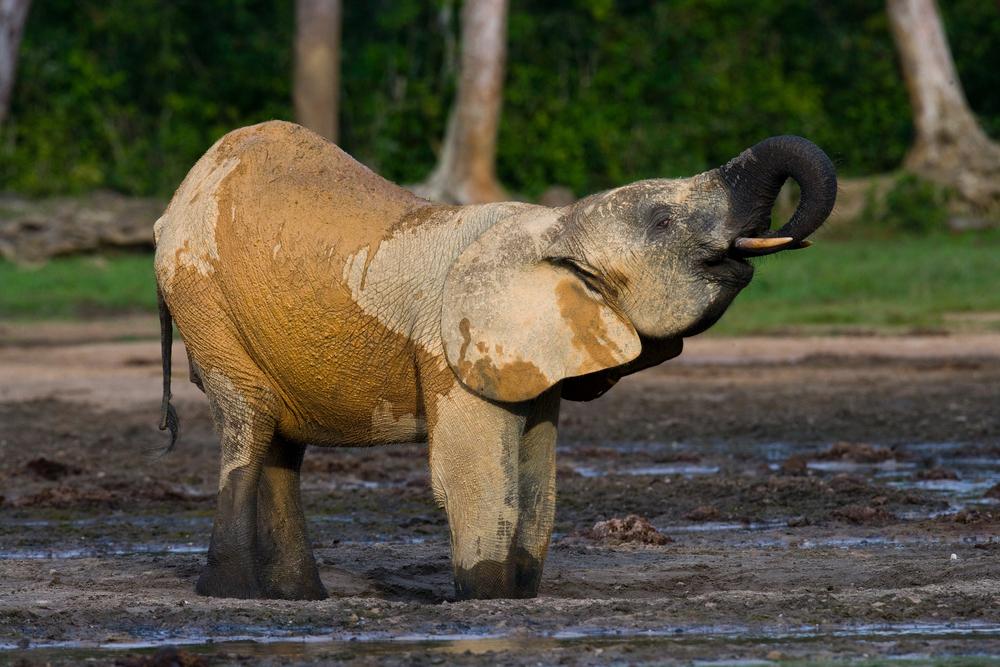
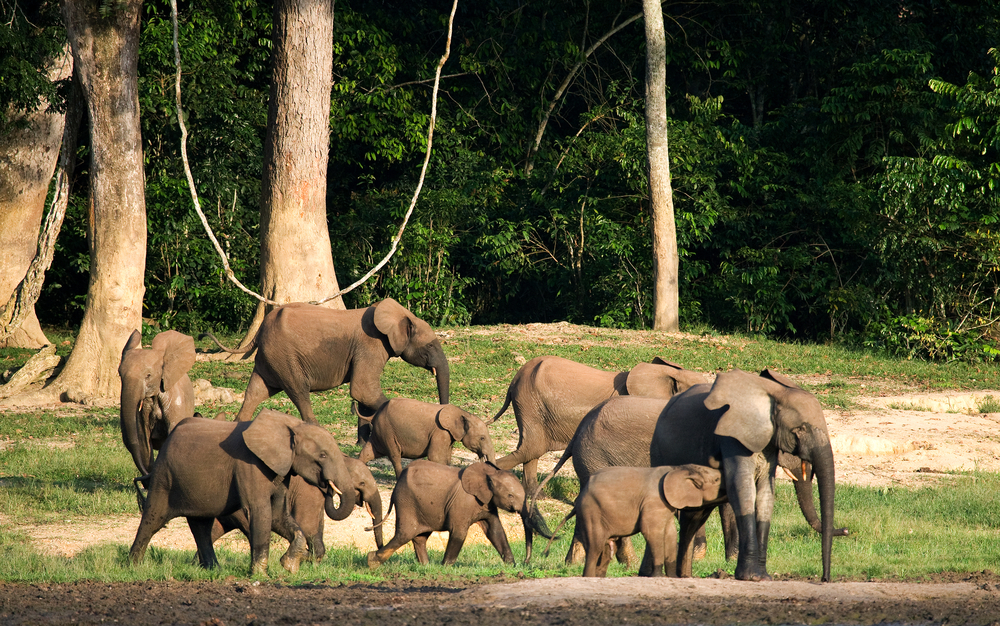
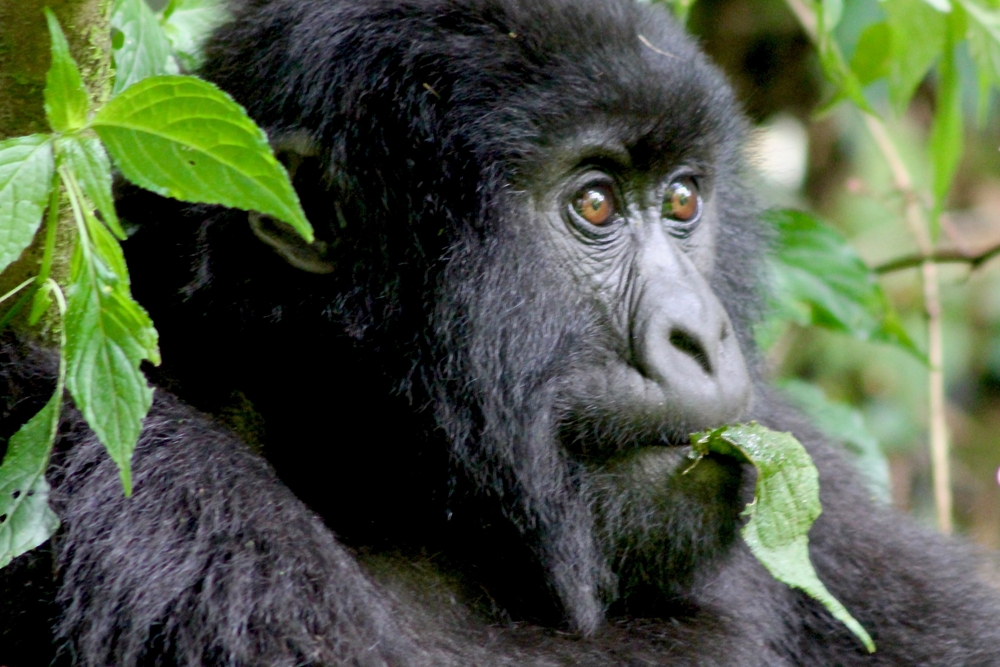
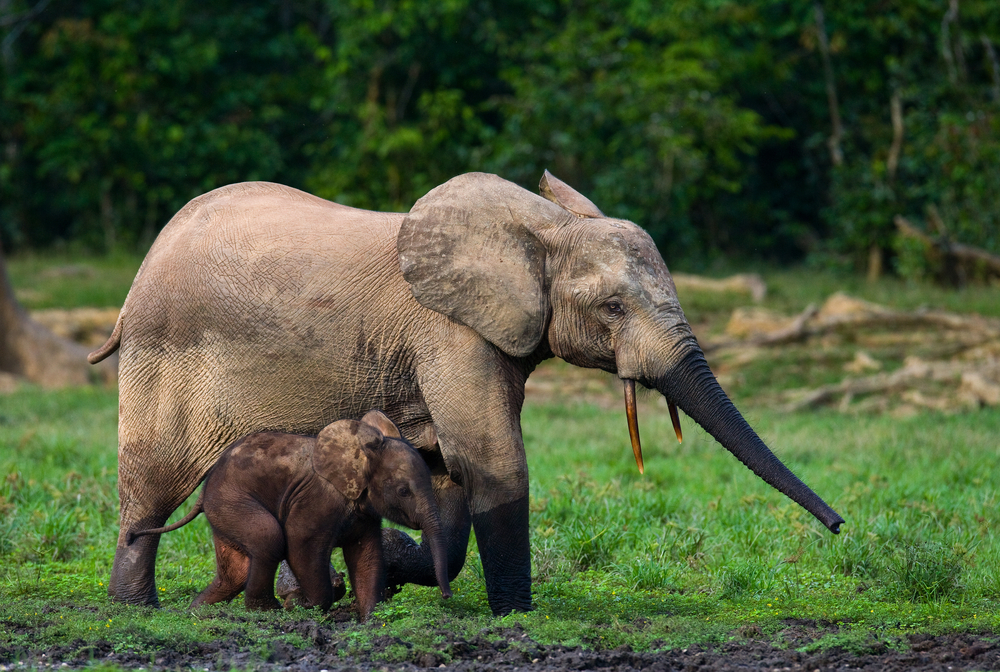
The park is best known for its extraordinary populations of forest elephants and western lowland gorillas. One of its most famous attractions is Dzanga Bai, often called the “Village of Elephants.” This large forest clearing attracts hundreds of forest elephants that gather to consume mineral-rich soils and water.
Few wildlife experiences in Africa rival the opportunity to observe these elusive elephants in such numbers. Visitors also come to track habituated gorilla groups through the rainforest, offering a rare chance to observe these endangered primates in their natural environment. These experiences have made Dzanga-Ndoki one of the premier wildlife destinations in Central Africa.
The geography of the park is characterized by dense lowland tropical rainforest, winding rivers, swamp forests, and natural forest clearings known as bais. These open spaces are scattered throughout the forest and serve as important gathering places for wildlife. The Sangha River and its tributaries influence much of the park’s landscape, creating a mosaic of habitats that support exceptional biodiversity.
Towering hardwood trees rise above the forest canopy, while lianas, ferns, palms, and dense understory vegetation create a rich and layered ecosystem. The rainforest remains largely intact, providing an increasingly rare example of an undisturbed Congo Basin environment.
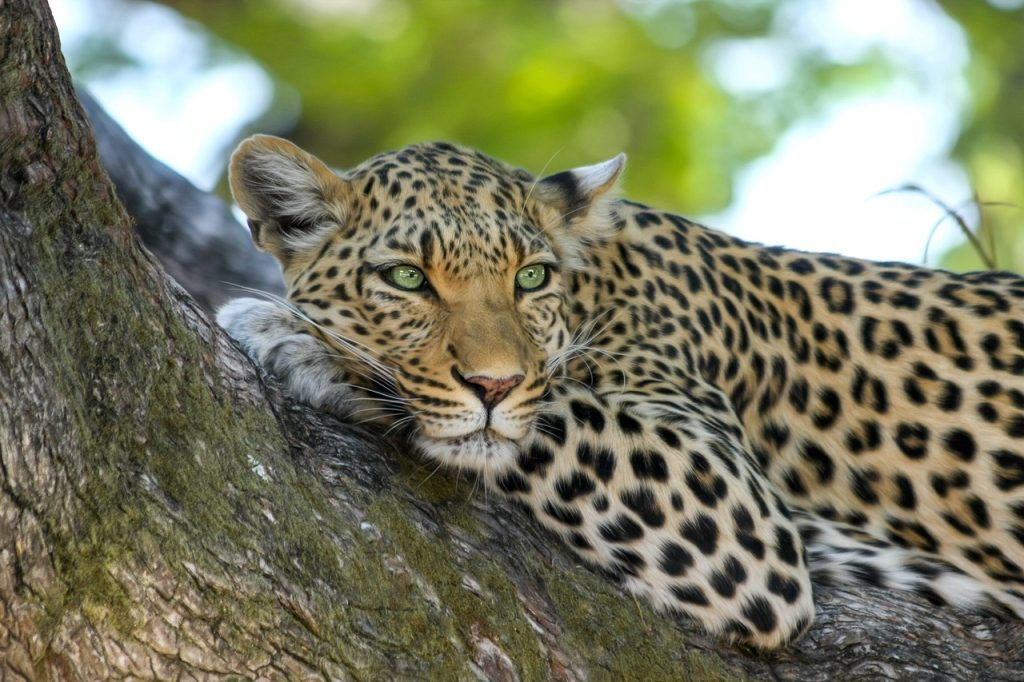
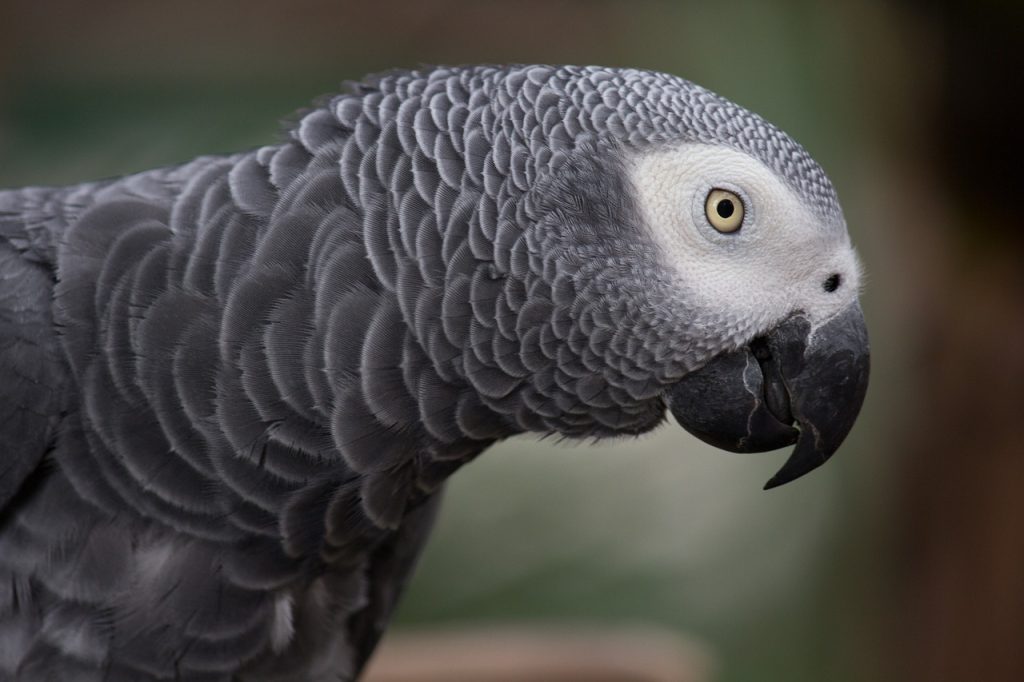
Dzanga-Ndoki National Park supports one of the richest concentrations of wildlife in Central Africa. In addition to forest elephants and western lowland gorillas, the park provides habitat for chimpanzees, bongos, forest buffalo, giant forest hogs, sitatungas, and several species of duikers. P
redators such as leopards move quietly through the forest, though they are rarely seen. Birdlife is equally impressive, with hornbills, African grey parrots, kingfishers, bee-eaters, and numerous forest specialists inhabiting the park. The biodiversity found here reflects the extraordinary ecological richness of the Congo Basin rainforest.
The conservation importance of Dzanga-Ndoki National Park cannot be overstated. It protects globally significant populations of endangered species, including western lowland gorillas and African forest elephants, both of which face serious threats from poaching and habitat loss. The park also safeguards traditional forest lands used by Indigenous Ba’Aka communities, whose knowledge and stewardship contribute to conservation efforts.
Ecologically, Dzanga-Ndoki is often compared to renowned rainforest reserves such as Bwindi Impenetrable National Park and Corcovado National Park because of its remarkable biodiversity and intact ecosystems. Through its vast forests, iconic wildlife, and critical role within the Sangha Trinational landscape, Dzanga-Ndoki National Park remains one of Africa’s most important strongholds for rainforest conservation and one of the continent’s most extraordinary wilderness destinations.
Things to See
Things To Do
Engaging Dzanga-Ndoki

FAQ’s
What is Dzanga-Ndoki most known for?
Dzanga-Ndoki National Park is renowned for its rich biodiversity, pristine rainforests, and unique wildlife encounters, notably for its habituated western lowland gorillas and forest elephants.
What is the lowland gorilla population within the park?
The lowland gorilla population within Dzanga-Ndoki National Park is estimated to be around 2,000 individuals.
What is the elephant population within Dzanga-Ndoki?
As for the elephant population, there are approximately 3,500 forest elephants inhabiting the park.
Sources
Dzanga-Sangha, The Dzanga Sangha Protected Areas, https://dzanga-sangha.org/facts-infos/, retrieved April 2024.
GRID, Dzanga Ndoki, https://www.grida.no/resources/1509, retrieved April 2024.
UNESCO, Sangha Trinational, https://whc.unesco.org/en/list/1380/, retrieved April 2024.