About

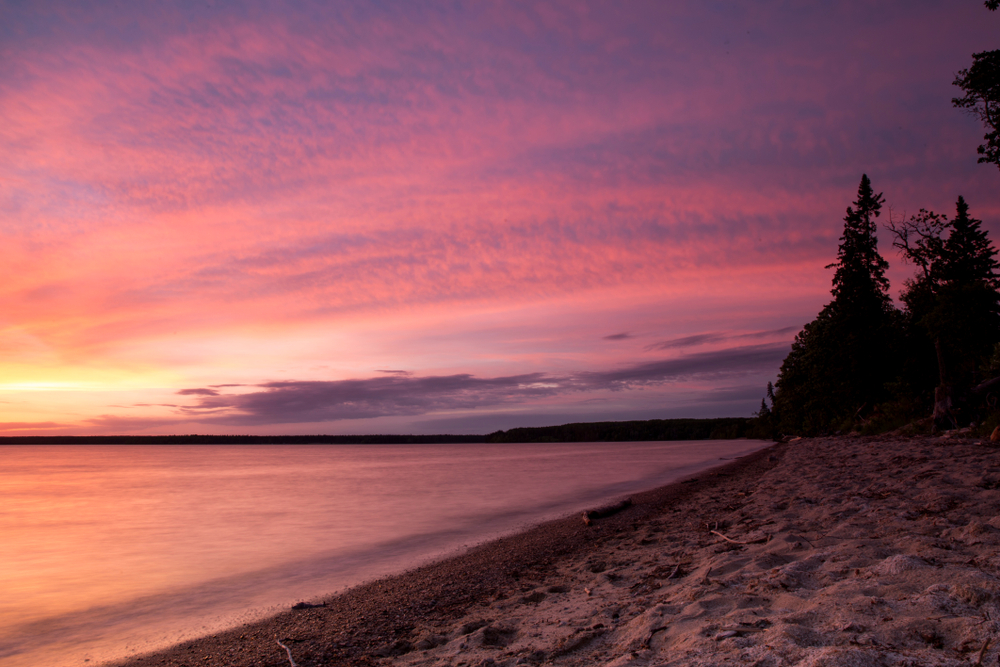
Prince Albert National Park is located right in the middle of Saskatchewan, Canada.  The park covers an area of 1,496 square miles (3,874 sq km).

The elevation of the park varies from 1,601 feet (488 m) on the western side and then rising up to 2,375 feet (724 m) as you move east. The northern part of the park is predominantly blanketed with boreal forest across the rolling hills of the park.

As you move south in the park’s boundaries, the terrain becomes a combination of aspen forest and fescue grassland meadows.  The meadow and grasslands help a herd of 400 bison thrive in the area.  The remaining forest is predominantly coniferous forest.

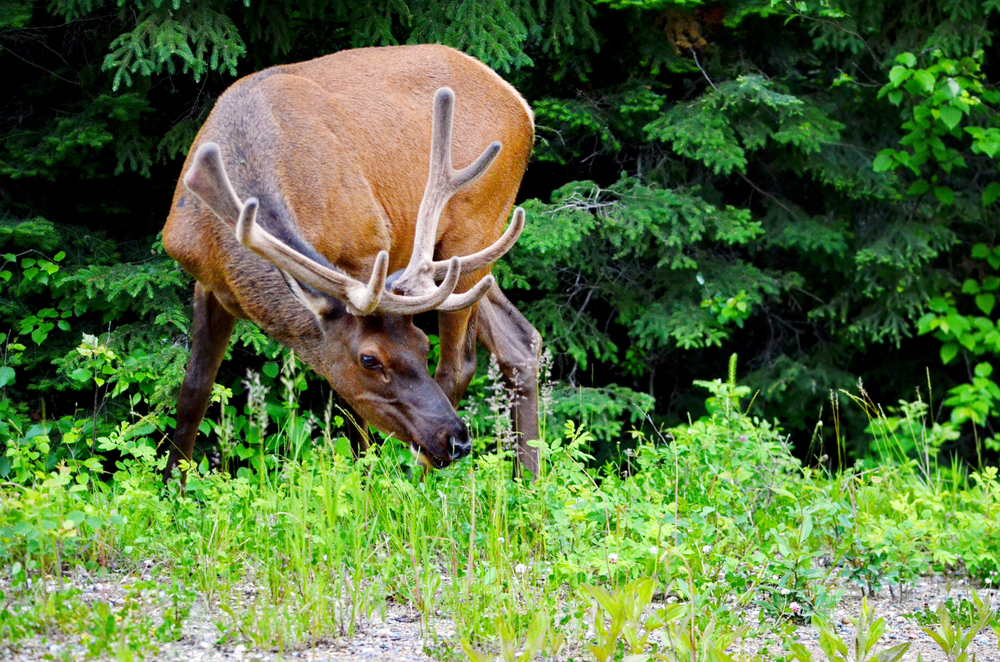
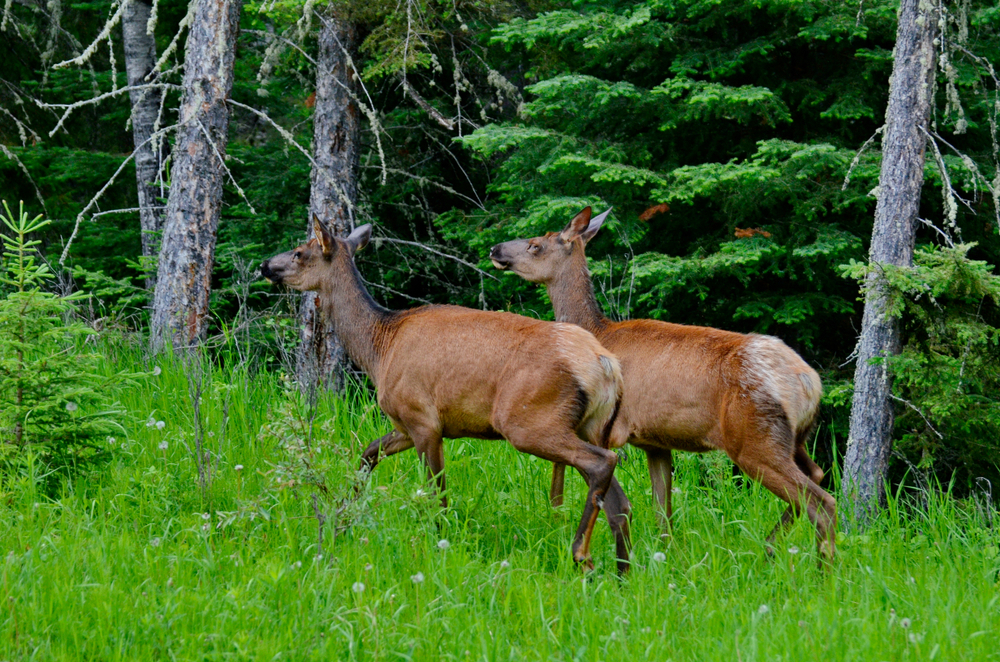
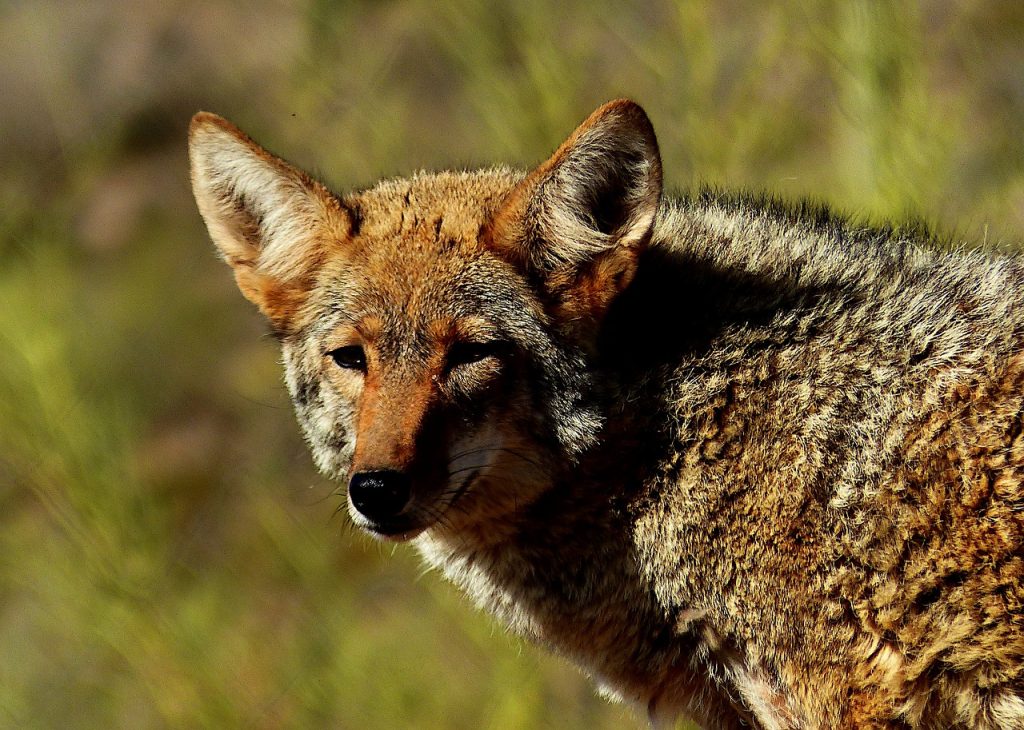
Collectively, the varied forest and grassland vegetation support a variety of ungulates including elk, moose, white-tailed deer, and the already mentioned bison.  The most common predator in the park is the timber wolf followed by the coyote.

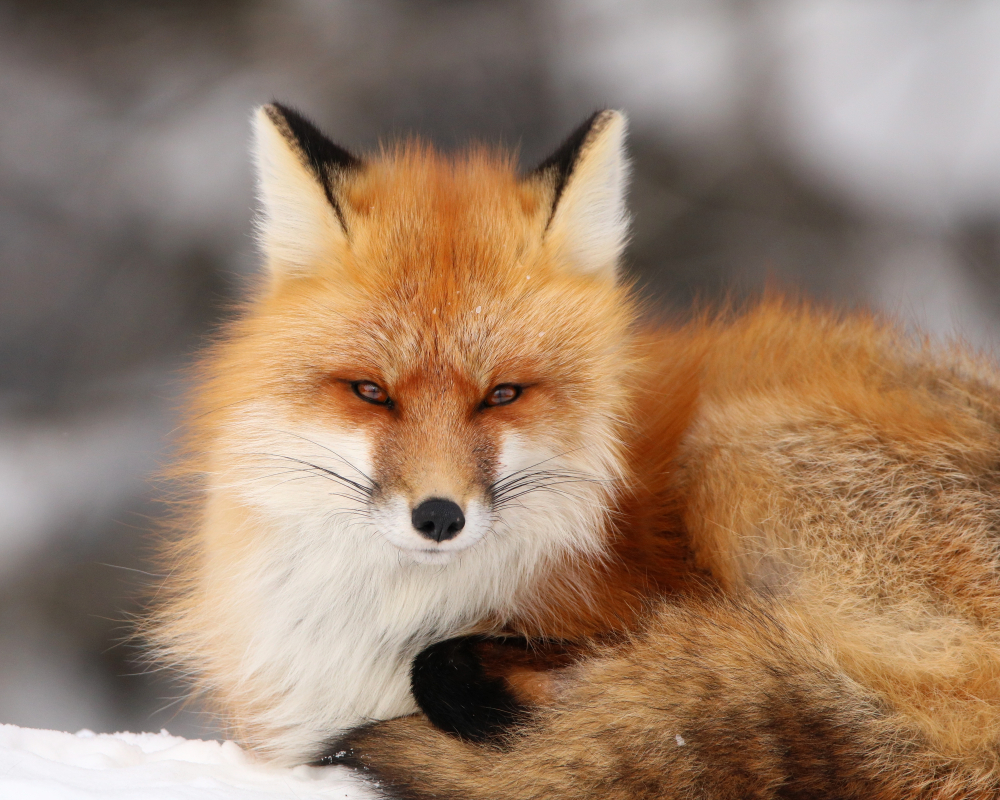
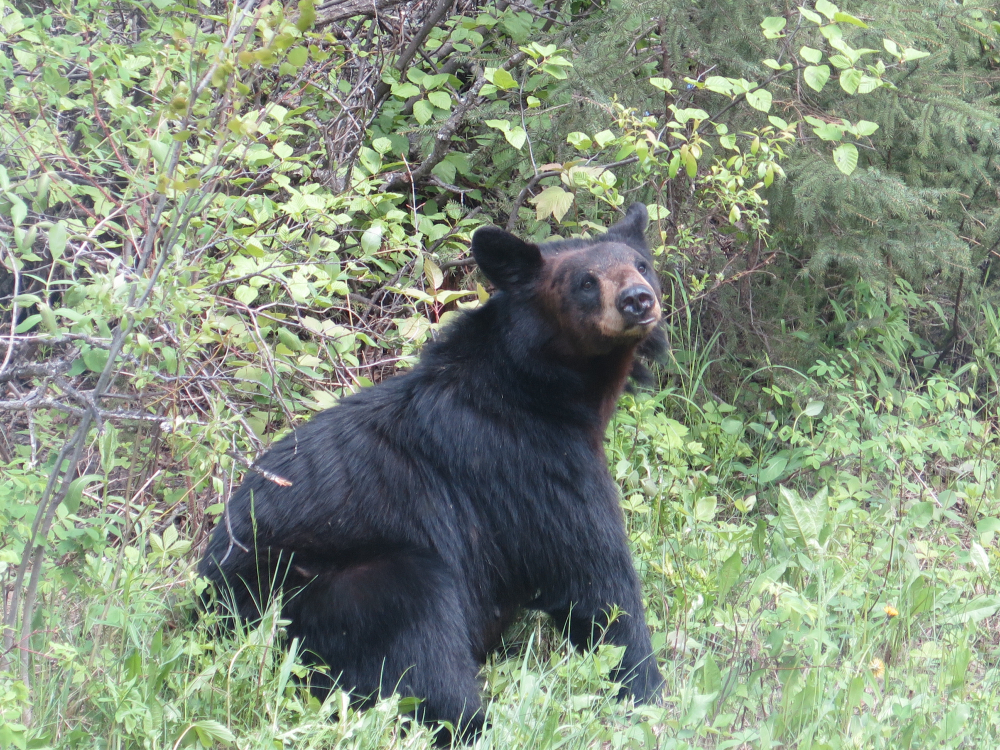
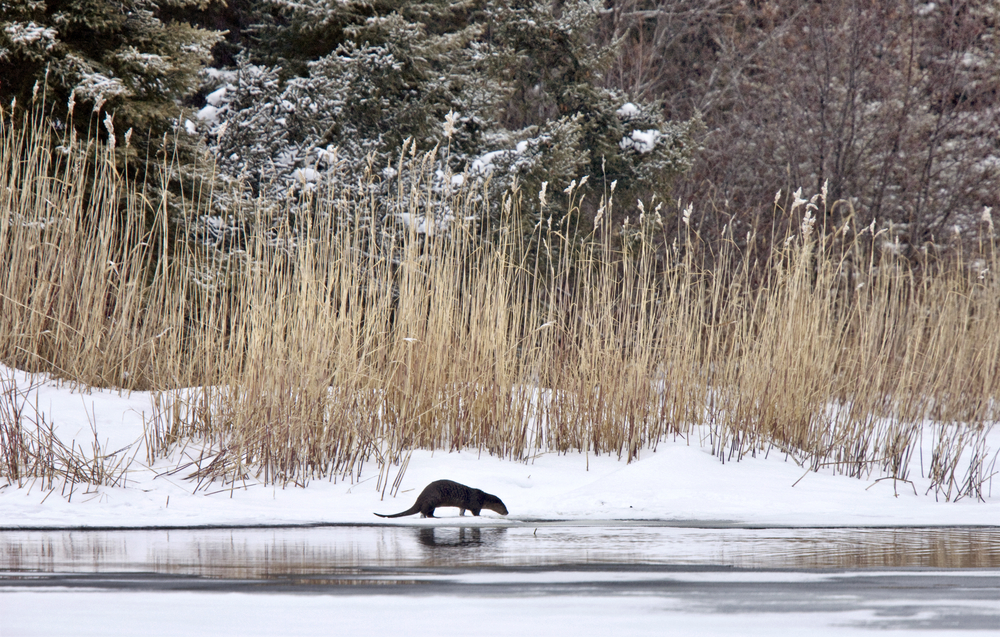
Other popular wildlife species include beaver, badger, black bear, red fox, and river otters.  Bald eagle, great blue heron, and the three-toed woodpecker are some of the favorite bird species.

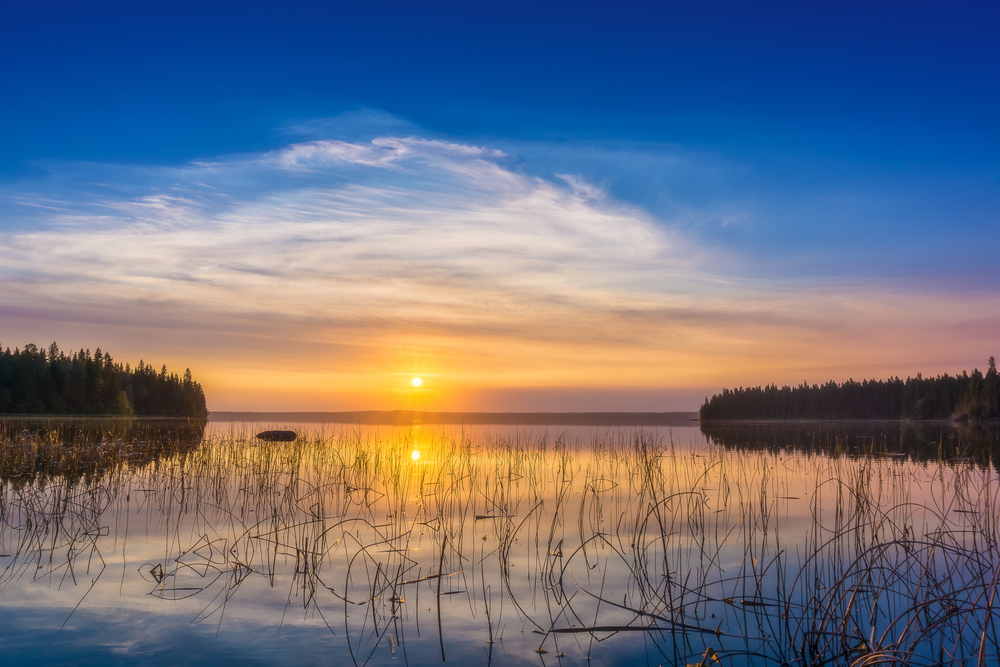
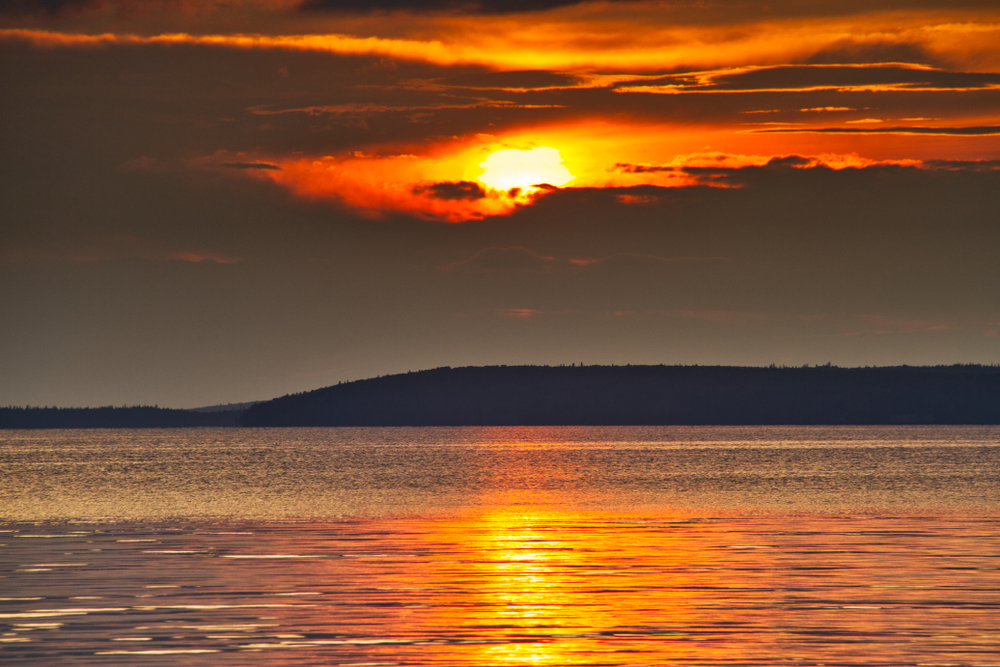
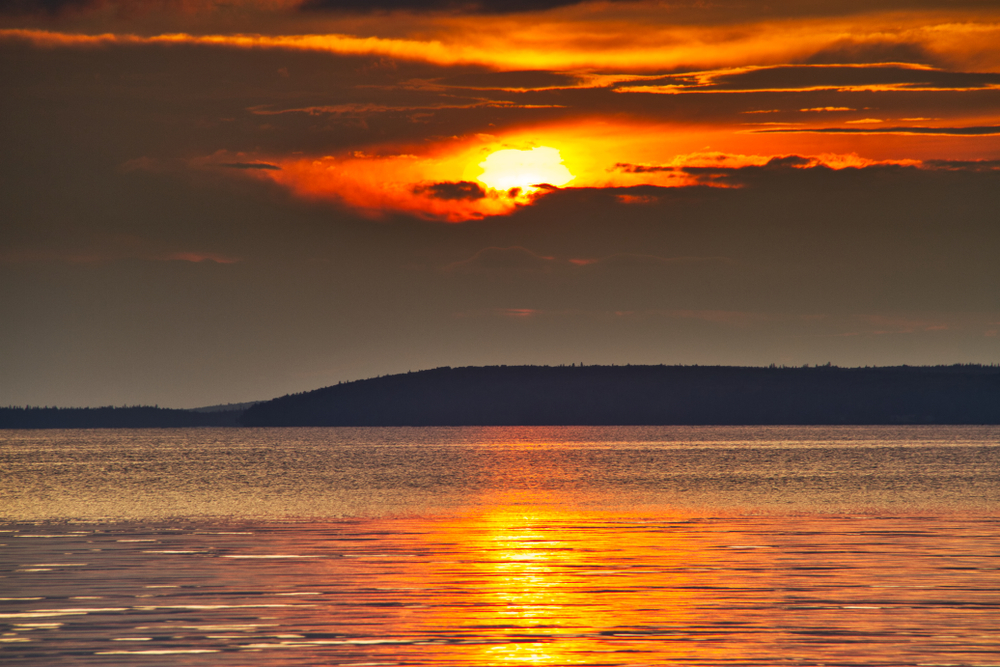
There are a few different scenic drives that traverse across the park providing overlooks and vistas that show views of the lakes, rolling forested hills, and overall terrain of the park.

Things to See

One of the main highlights for many people is having a nice escape into the exquisite wilderness with a chance to see a variety of wildlife.  There is a good chance that bison among other species will be part of your experience.

Aurora Borealis

The aurora borealis is often referred to as the northern lights. These lights are a naturally occurring phenomenon that occurs in both the southern and northern areas as you move closer to the poles.

The aurora borealis is one of the Seven Natural Wonders of the World and people often describe them as one of the most beautiful things they have ever seen.  They display in different ways sometimes as colored waving sheets and other times as dancing lines of light.  The lights can appear in any combination or something in between.

The colors may vary but they most often appear as shades of green. There can be traces of blue or even more reddish colors as well.

Popular

Popular

Pinnacles National Park, celebrated for its dramatic landscapes and intricate cave systems, is a vibrant ecosystem home to an array of wildlife, offering visitors a unique glimpse into the survival strategies of species adapted to this distinctive environment in California.

California Condor A symbol of conservation success, California Condors’ recovery efforts allow visitors to witness these majestic birds soaring against the backdrop of the park’s spires.

Prairie Falcon The Prairie Falcon, a swift and powerful raptor, hunts across the park’s open skies, showcasing its agility and speed as it dives for prey.

Townsend’s Big-eared Bat Inhabiting the park’s caves, Townsend’s Big-eared Bat is essential for controlling insect populations, easily recognized by its notably large ears.

Coyote The Coyote’s adaptability is on full display within the park, where it thrives in various habitats, contributing to the ecosystem as a key predator.

Bobcat The secretive Bobcat navigates the park’s rugged terrain with grace, its presence a reminder of the wildness that pervades Pinnacles’ landscapes.

Western Bluebird Visitors are often delighted by the Western Bluebird, with its vibrant plumage adding a splash of color to the park’s oak woodlands and grasslands.

American Kestrel The American Kestrel, North America’s smallest falcon, is a frequent sight, hovering in search of insects and small animals in the park’s open areas.

California Quail The California Quail, with its distinctive call and plume, scurries through the underbrush, emblematic of the state’s birdlife and a charming sight for visitors.

Black-tailed Deer Black-tailed Deer roam the park’s diverse habitats, from wooded areas to grasslands, playing a crucial role in the ecosystem as browsers.

Brush Rabbit The Brush Rabbit, often seen at dawn and dusk, uses the park’s dense chaparral for cover, a small but important part of the local food web.

Pinnacles National Park’s array of wildlife, from the iconic California Condor to the elusive Bobcat, showcases the ecological diversity and natural beauty of this unique national park, inviting visitors to explore and appreciate the wonders of its natural inhabitants.

Things To Do

Engaging Prince Albert National Park
Hiking

Explore the diverse landscapes of Prince Albert National Park on its network of hiking trails. From leisurely strolls along scenic lakeshores to challenging treks through boreal forests, the park offers trails for all skill levels and interests. Keep an eye out for wildlife such as elk, moose, and black bears as you immerse yourself in the natural beauty of the park.

Canoeing/Kayaking

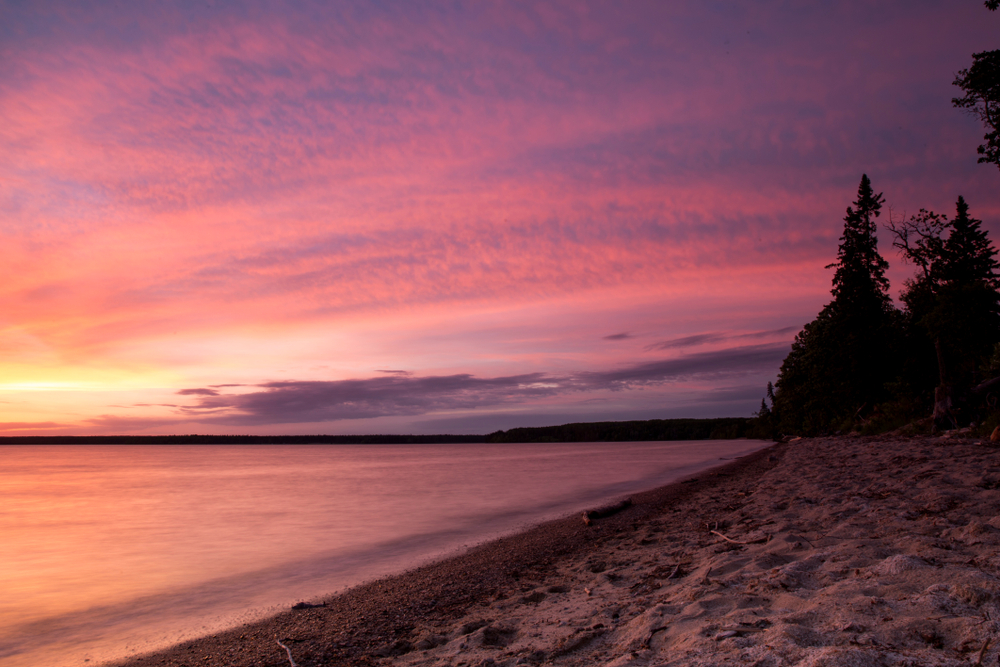
Discover the tranquil waters of Waskesiu Lake and other lakes and rivers within Prince Albert National Park by canoe or kayak. Paddle along peaceful shorelines, explore hidden bays and inlets, and enjoy stunning views of the surrounding boreal forest. With rental facilities available, it’s easy to embark on a paddling adventure and experience the serenity of the park from the water.

Hiking

Explore the diverse landscapes of Prince Albert National Park on its network of hiking trails. From leisurely strolls along scenic lakeshores to challenging treks through boreal forests, the park offers trails for all skill levels and interests. Keep an eye out for wildlife such as elk, moose, and black bears as you immerse yourself in the natural beauty of the park.

Canoeing/Kayaking

Discover the tranquil waters of Waskesiu Lake and other lakes and rivers within Prince Albert National Park by canoe or kayak. Paddle along peaceful shorelines, explore hidden bays and inlets, and enjoy stunning views of the surrounding boreal forest. With rental facilities available, it’s easy to embark on a paddling adventure and experience the serenity of the park from the water.

Prince Albert National Park Trails

There is a whole network of trails ranging from short trails to longer trails for the more adventurous. The trails vary between easy and moderate ratings making it easy for almost everyone to be able to explore the park.

placeholder

Kingsmere River Trail

This is an easy 2.1-mile (3.38 km) through the woods and out to a lake.  The out and back trail is relaxing while also offering an escape into nature.

placeholder

Narrows Peninsula Trail

This is an easy rated loop trail circles the peninsula over a 2.1-mile (3.38 km) trek with views of the shoreline and chances to see wildlife along the way.

placeholder

Waskesiu River Trail

This is a short 1.5-mile trail (2.41 km) loop trail.  The first portion is boardwalk suggesting an easy trail; however, it does get more difficult as you progress through the woods. The forested terrain and views of the river are the primary attraction.

placeholder

Fisher Trail

This is another moderate-rated loop trail.  It has an elevation gain of 528 feet (160.9 m) over 4.3 miles (6.92 km). The trail is rugged and popular for mountain bikers as well.  You will meander through the woods and along a small lake.

placeholder

Spruce River Highlands Trail

This is a more adventurous trail covering 5.4 miles (8.69 km) with an elevation gain of 862 feet (262.74 m). This loop trail provides views out over the forested area as well as lakes below.

placeholder

Grey Owl Trail

Rating: Moderate to Difficult

Distance and Elevation Gain: 12.5 miles (20 km) one way with minimal elevation gain

Description: This trail leads to the cabin of the legendary conservationist Grey Owl, on the shores of Ajawaan Lake. The journey takes hikers through boreal forests and along scenic lake shores.

It’s a pilgrimage to the site where Grey Owl lived with his beavers, offering insights into early conservation efforts.

The trail can be a challenging day hike or an overnight adventure, with backcountry camping available by the lake.

placeholder

Boundary Bog Trail

Rating: Easy

Distance and Elevation Gain: 1.2 miles (2 km) loop with minimal elevation gain

Description: A boardwalk trail that winds through a fascinating boreal bog ecosystem, showcasing unique plant life such as carnivorous pitcher plants, orchids, and sphagnum moss.

Interpretive signs along the route explain the significance of bogs and their role in the northern landscape.

It’s an accessible and educational walk suitable for all ages, offering a glimpse into a delicate and less commonly seen natural environment.

placeholder

Elk Trail

Rating: Moderate

Distance and Elevation Gain: 2.5 miles (4 km) loop with some elevation changes

Description: This trail offers a moderately challenging hike through a variety of ecosystems, including forested areas and open meadows, where elk are often sighted.

Along the way, hikers can enjoy diverse flora and fauna, as well as beautiful views of the surrounding landscape.

It’s a great option for those looking to explore the park’s wildlife and scenic beauty in a relatively short distance.

placeholder

Kingsmere River Trail

Rating: Moderate

Distance and Elevation Gain: 3.1 miles (5 km) one way with minimal elevation gain

Description: Leading to the picturesque Kingsmere Lake, this trail follows the Kingsmere River and features lush forest scenery, river views, and potential wildlife sightings.

The trail ends at the Southend campground, making it an excellent day hike or the starting point for further exploration around Kingsmere Lake, including the backcountry campsites and canoe routes.

placeholder

Waskesiu River Trail

Rating: Easy to Moderate

Distance and Elevation Gain: 1.9 miles (3 km) loop with minimal elevation gain

Description: This scenic loop trail follows the Waskesiu River as it flows into Waskesiu Lake, offering peaceful views of the water and surrounding forest.

The trail features gentle elevation changes, making it accessible to most hikers.

It’s a great trail for spotting birds and other wildlife, with several benches along the way to relax and enjoy the natural beauty of the park.

placeholder

Grey Owl Trail

Rating: Moderate to Difficult

Distance and Elevation Gain: 12.5 miles (20 km) one way with minimal elevation gain

Description: This trail leads to the cabin of the legendary conservationist Grey Owl, on the shores of Ajawaan Lake. The journey takes hikers through boreal forests and along scenic lake shores.

It’s a pilgrimage to the site where Grey Owl lived with his beavers, offering insights into early conservation efforts.

The trail can be a challenging day hike or an overnight adventure, with backcountry camping available by the lake.

placeholder

Boundary Bog Trail

Rating: Easy

Distance and Elevation Gain: 1.2 miles (2 km) loop with minimal elevation gain

Description: A boardwalk trail that winds through a fascinating boreal bog ecosystem, showcasing unique plant life such as carnivorous pitcher plants, orchids, and sphagnum moss.

Interpretive signs along the route explain the significance of bogs and their role in the northern landscape.

It’s an accessible and educational walk suitable for all ages, offering a glimpse into a delicate and less commonly seen natural environment.

placeholder

Elk Trail

Rating: Moderate

Distance and Elevation Gain: 2.5 miles (4 km) loop with some elevation changes

Description: This trail offers a moderately challenging hike through a variety of ecosystems, including forested areas and open meadows, where elk are often sighted.

Along the way, hikers can enjoy diverse flora and fauna, as well as beautiful views of the surrounding landscape.

It’s a great option for those looking to explore the park’s wildlife and scenic beauty in a relatively short distance.

placeholder

Kingsmere River Trail

Rating: Moderate

Distance and Elevation Gain: 3.1 miles (5 km) one way with minimal elevation gain

Description: Leading to the picturesque Kingsmere Lake, this trail follows the Kingsmere River and features lush forest scenery, river views, and potential wildlife sightings.

The trail ends at the Southend campground, making it an excellent day hike or the starting point for further exploration around Kingsmere Lake, including the backcountry campsites and canoe routes.

placeholder

Waskesiu River Trail

Rating: Easy to Moderate

Distance and Elevation Gain: 1.9 miles (3 km) loop with minimal elevation gain

Description: This scenic loop trail follows the Waskesiu River as it flows into Waskesiu Lake, offering peaceful views of the water and surrounding forest.

The trail features gentle elevation changes, making it accessible to most hikers.

It’s a great trail for spotting birds and other wildlife, with several benches along the way to relax and enjoy the natural beauty of the park.

FAQ’s

What is Prince Albert National Park known for?

Prince Albert National Park, located in Saskatchewan, Canada, is known for its stunning boreal forest landscapes, pristine lakes, and abundant wildlife. Established in 1927, the park is one of Canada’s first national parks and encompasses a diverse range of ecosystems, including forests, wetlands, and sand dunes.

One of the park’s main attractions is the stunning Waskesiu Lake, a picturesque body of water surrounded by dense forests and sandy beaches.

Visitors to Prince Albert National Park can enjoy a variety of outdoor activities, including hiking, canoeing, fishing, and wildlife viewing. The park is home to a rich variety of wildlife, including elk, moose, black bears, and timber wolves, making it a popular destination for nature lovers and outdoor enthusiasts.

In addition to its natural beauty, Prince Albert National Park also offers opportunities for cultural and historical exploration. The park is home to several Indigenous archaeological sites and historic landmarks, providing insights into the region’s rich cultural heritage.

Whether you’re seeking adventure in the great outdoors or simply looking to relax and reconnect with nature, Prince Albert National Park offers something for everyone to enjoy.

What is Prince Albert National Park known for?

Prince Albert National Park, located in Saskatchewan, Canada, is known for its stunning boreal forest landscapes, pristine lakes, and abundant wildlife. Established in 1927, the park is one of Canada’s first national parks and encompasses a diverse range of ecosystems, including forests, wetlands, and sand dunes.

One of the park’s main attractions is the stunning Waskesiu Lake, a picturesque body of water surrounded by dense forests and sandy beaches.

Visitors to Prince Albert National Park can enjoy a variety of outdoor activities, including hiking, canoeing, fishing, and wildlife viewing. The park is home to a rich variety of wildlife, including elk, moose, black bears, and timber wolves, making it a popular destination for nature lovers and outdoor enthusiasts.

In addition to its natural beauty, Prince Albert National Park also offers opportunities for cultural and historical exploration. The park is home to several Indigenous archaeological sites and historic landmarks, providing insights into the region’s rich cultural heritage.

Whether you’re seeking adventure in the great outdoors or simply looking to relax and reconnect with nature, Prince Albert National Park offers something for everyone to enjoy.

Sources