About

Kejimkujik National Park is located in the southernmost region of the Nova Scotia peninsula.  The park covers an area of 156 square miles (404 sq km).

The park is comprised of two individual land areas. The first is located away from the coast and includes the Kejimkujik National Historic Site.  The second area is located on the east coast facing the Atlantic Ocean.

Most national parks are focused solely on the natural facets of the area.  However, like Mesa Verde in the United States, Kejimkujik incorporates a historical area as well.  The park is comprised of historical features that include habitation sites, burial grounds, hunting and fishing sites, as well as petroglyphs.

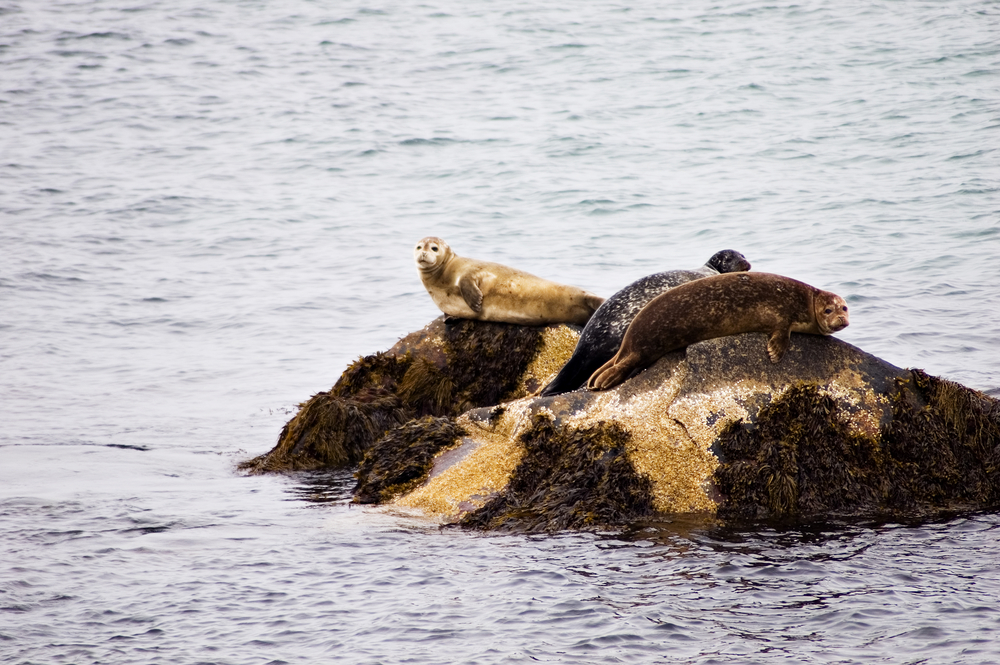
The second area is a wilderness that is located along the coast.  The natural facets of the area include beaches, bogs, and intertidal areas.  The area is rich in vegetation with dense forests and other plant life that make it a great haven for wildlife.

The wildlife in Kejimkujik tends to have fewer of the larger mammalian species demonstrating its diversity in other areas.  There are more reptilian and amphibian species in the national park than anywhere else in the Atlantic Canada side of the country.

The white-tailed deer is the largest of the mammalian species with other popular ones including beaver, porcupine, fox, snowshoe hare, and different squirrels.

Things to See

One of the highlights is the diversity of interests in the park including historical facets along with amazing wilderness and diverse wildlife.

Lake Kejimikujik

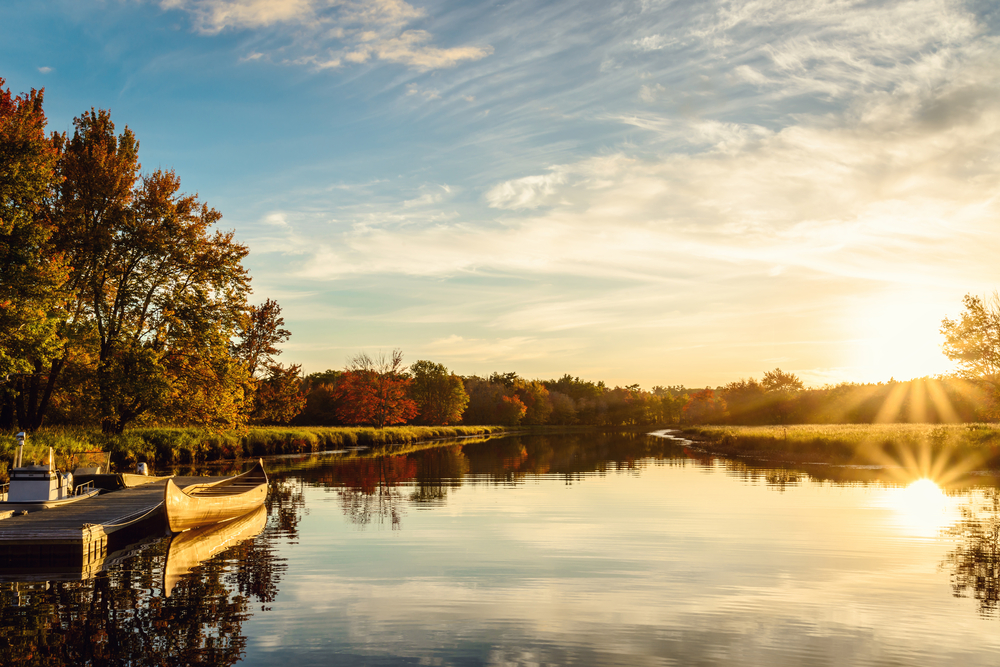
Lake Kejimikujik is the largest lake in the national park and the second-largest freshwater lake in the province. It covers approximately 10.04 square miles (26 sq km) of the area with a maximum depth of 62.99 feet (19.2 m).

There are 27.96 miles (45 km) of shoreline around the lake which has many small islands scattered across it.  Lake Kejimikujik is where the name of the park comes from.

Popular

Popular

Kejimkujik National Park, nestled in Nova Scotia’s picturesque wilderness, is a haven for a diverse range of wildlife species, each playing a role in the park’s vibrant ecosystem and offering visitors a chance to connect with nature’s untouched beauty.

Blanding’s Turtle Endangered and cherished, Blanding’s Turtle is easily recognized by its bright yellow throat and dome-shaped shell, thriving in the park’s freshwater habitats.

Common Loon The haunting call of the Common Loon, a symbol of Canadian wilderness, resonates across Kejimkujik’s lakes, captivating visitors with its eerie beauty.

White-tailed Deer Graceful and ubiquitous, White-tailed Deer are frequently observed throughout the park, browsing in meadows and forest edges at dawn and dusk.

Snap Turtle The formidable Snapping Turtle, with its powerful beak and prehistoric appearance, inhabits the park’s slow-moving waters, often basking on logs.

Monarch Butterfly Migratory and mesmerizing, Monarch Butterflies add a splash of color to Kejimkujik, especially during their migration, highlighting the park’s role in their journey.

Red Fox Adaptable and cunning, the Red Fox is a common sight, its reddish fur and bushy tail visible as it hunts or explores across various habitats.

Barred Owl The mysterious Barred Owl, with its distinctive “who cooks for you” call, is often heard at night, a ghostly presence in the park’s forests.

Ribbonsnake The threatened Eastern Ribbonsnake, slender and swift, slithers through the park’s wetlands and along water edges, a rare sight for the keen observer.

Atlantic Salmon Once abundant, efforts are underway to restore Atlantic Salmon to the park’s rivers, symbolizing hope for the revival of this iconic species.

Wood Turtle The Wood Turtle, with its sculpted shell and terrestrial habits, meanders through the park’s forests and streams, an ancient dweller of the landscape.

Kejimkujik National Park’s wildlife, from the serene Common Loon to the elusive Wood Turtle, paints a picture of the rich biodiversity within this protected area, offering visitors a unique opportunity to observe and appreciate the natural inhabitants of Nova Scotia’s wilderness.

Things To Do

Engaging Kejimkujik National Park
Hiking

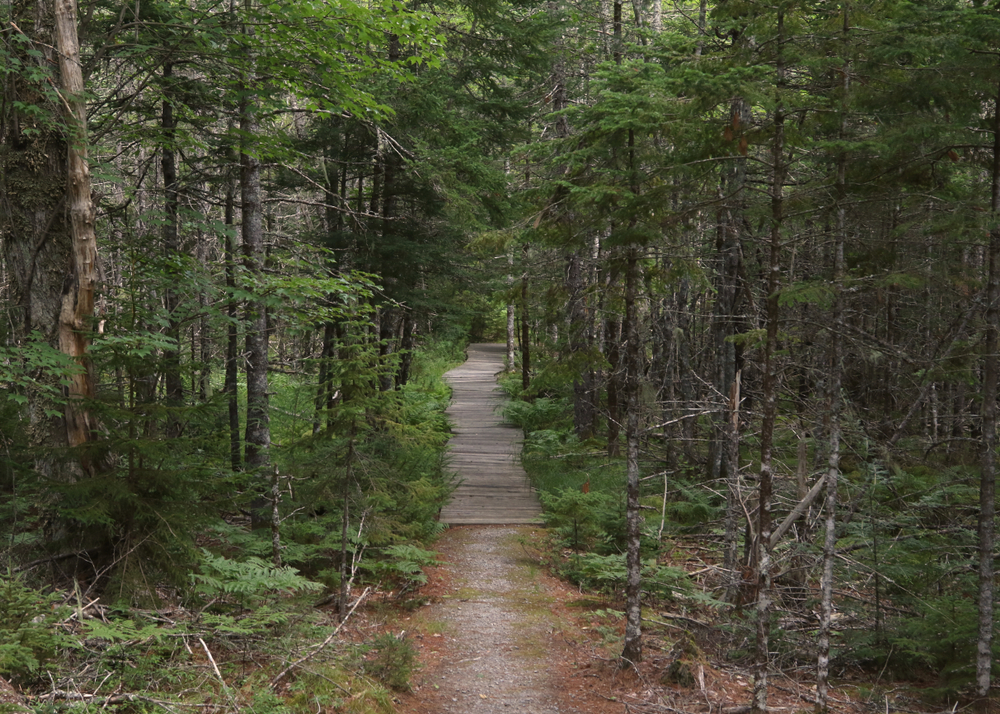
Discover the beauty of Kejimkujik National Park on its network of hiking trails. Explore old-growth forests, rocky shorelines, and scenic viewpoints as you hike through the park’s diverse ecosystems.

With trails ranging from easy strolls to challenging treks, hikers of all abilities can enjoy the park’s natural beauty and wildlife. Highlights include the Hemlocks and Hardwoods Trail, which winds through a lush forest of towering trees, and the Coastal Loop Trail, which offers stunning views of the Atlantic Ocean.

Hiking in Kejimkujik provides opportunities to connect with nature and experience the tranquility of Nova Scotia’s wilderness.

Canoeing

Explore the tranquil waterways of Kejimkujik National Park by canoe. Paddle along winding rivers, serene lakes, and peaceful streams, immersing yourself in the park’s pristine wilderness.

With over 100 kilometers of interconnected water routes to choose from, canoeists can embark on day trips or multi-day expeditions, camping at backcountry sites along the way. Keep an eye out for wildlife such as bald eagles, loons, and beavers as you glide through the park’s diverse ecosystems.

Canoeing in Kejimkujik offers a unique opportunity to experience the beauty and tranquility of Nova Scotia’s natural landscapes from a different perspective.

Kejimkujik National Park Trails

There are well over a dozen trails ranging from easy to difficult that may be leveraged to explore the area of Kejimkujik National Park.

placeholder

Mill Falls Trail

This is one of the easy rated trails that travels 1.7 miles (2.73 km) out to a waterfall as well as other waterway views.

placeholder

Kejimkujik Harbor Rocks Trail

This is another easy rated loop trail covering a distance of 3.1 miles (4.99 km) while accessing the beach and providing views of the shoreline and rocky formations that decorate the coastline.

placeholder

Port Joli Head Trail

This 5.8-mile (9.33 km) loop trail is moderate rated that treks through the forest and along the coastline.  The elevation gain is not that much, but the trail is rocky and less developed.  The trek provides great panoramic views of the ocean and bay as well as picturesque rock formations along the coastline.

placeholder

Hemlocks and Hardwoods Trail

This is a 3.1-mile (4.99) trail that much of it is boardwalk.  The elevation gain is 367 feet (111.9 m) while traversing through the dense forest and along the lake shoreline.  There is a chance for birdwatching and spotting wildlife or wildflowers.

placeholder

Channel Lake Trail

This is a difficult rated 13.5-mile (21.73 km) loop trail that features an elevation gain of 1,030 feet (313.94 m).  The loop trail spends much of the time with views out over the lake and waterways as well as time in the forest.  There is a chance to see wildlife and wildflowers if it is the right season.

placeholder

Peter Point Trail

Rating: Easy

Distance and Elevation Gain: 1.1 miles (1.8 km) loop with minimal elevation gain

Description: A short but sweet trail leading to a quiet, secluded beach on Kejimkujik Lake. It’s an excellent spot for swimming or picnicking, with beautiful views across the water.

The trail gently meanders through mixed forest, offering a quick escape into nature and a perfect viewpoint for sunsets over the lake.

placeholder

Mersey River Trail

Rating: Moderate

Distance and Elevation Gain: 3.1 miles (5 km) round trip with minimal elevation gain

Description: This trail follows the meandering Mersey River, offering serene views of the water and surrounding forest.

Boardwalk sections protect sensitive wetlands while providing close-up views of the river’s ecosystem. It’s an excellent trail for bird watching and spotting other wildlife like turtles and otters.

placeholder

Liberty Lake Trail

Rating: Difficult

Distance and Elevation Gain: 38.5 miles (62 km) loop with significant elevation gain over the entire loop

Description: The most challenging trail in the park, Liberty Lake Trail, offers an extended backcountry experience around Liberty Lake. This multi-day hike traverses through a variety of landscapes including dense forests, wetlands, and lakeshores.

It’s an adventure for experienced hikers seeking solitude and the opportunity to explore the deeper wilderness of Kejimkujik National Park.

FAQ’s

What is Kejimkujik National Park known for?

Kejimkujik National Park, located in Nova Scotia, Canada, is known for its rich cultural history, diverse ecosystems, and abundance of recreational activities.

The park is home to ancient Mi’kmaq petroglyphs and pictographs, showcasing the indigenous heritage of the region. It is also renowned for its pristine wilderness, including old-growth forests, crystal-clear lakes, and winding rivers.

Visitors come to Kejimkujik to enjoy a variety of outdoor activities, such as hiking, canoeing, camping, and wildlife viewing.

The park’s tranquil beauty and cultural significance make it a popular destination for nature lovers, outdoor enthusiasts, and those seeking to connect with Canada’s natural and cultural heritage.

Sources