About

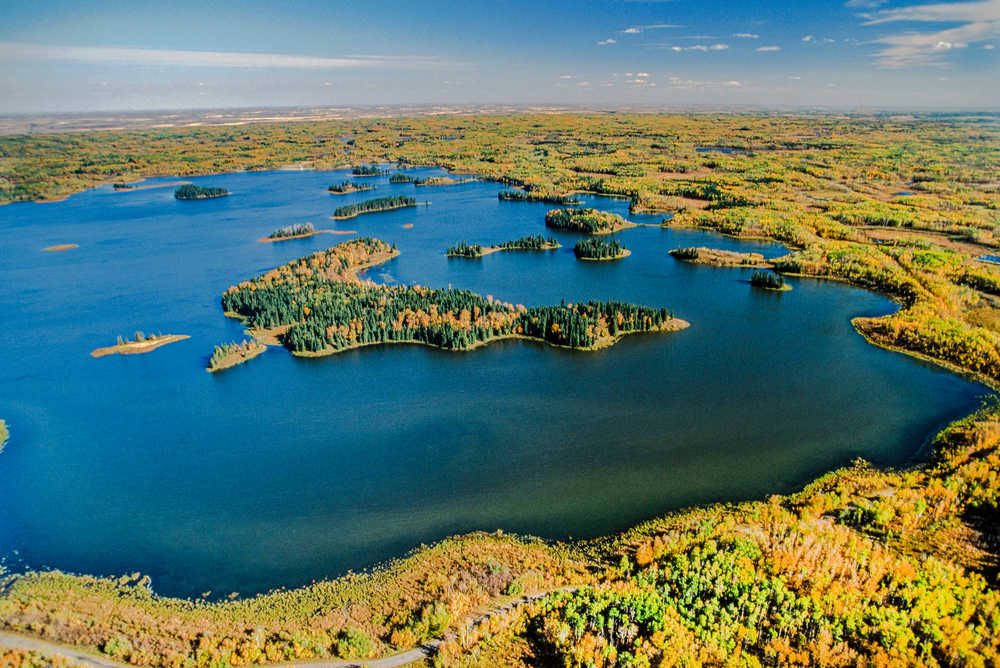
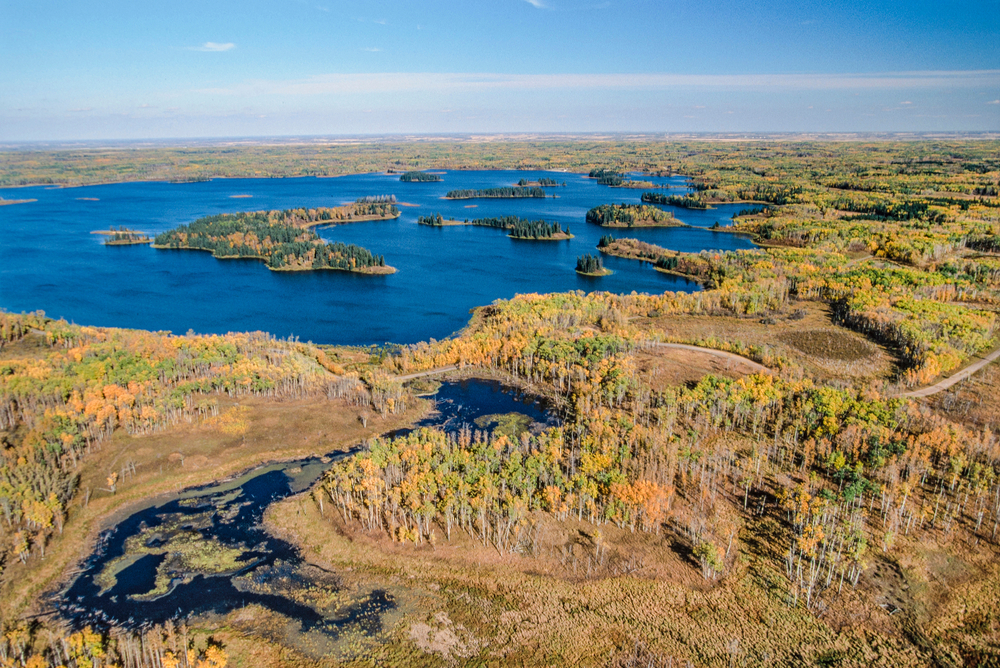
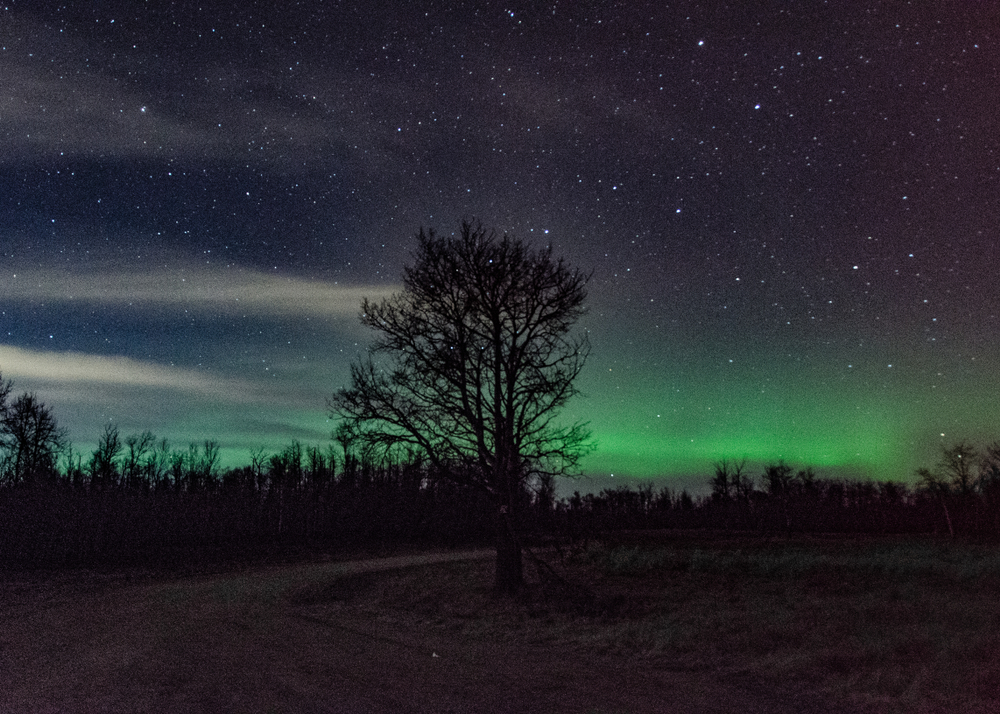
Elk Island National Park is located just southeast of the central point in Alberta, Canada. The park covers an area of 75 square miles (194sq km).

The holds historical and cultural significance with over 200 separate archaeological locations that reveal tool-making remnants as well as campsites or some type of living.

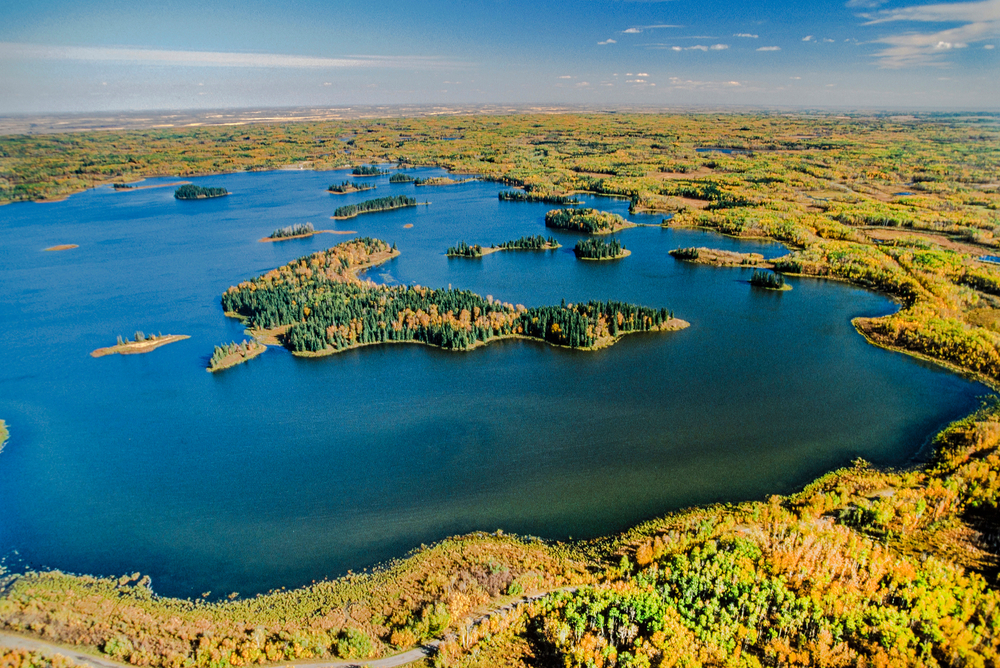
The park is comprised of fescue grasslands, aspen parkland, and boreal forest that blanket a prairies plateau creating a habit that is rich and substantive for an array of wildlife.  Of course, elk account for the largest population of ungulates in the park and serve as the namesake.

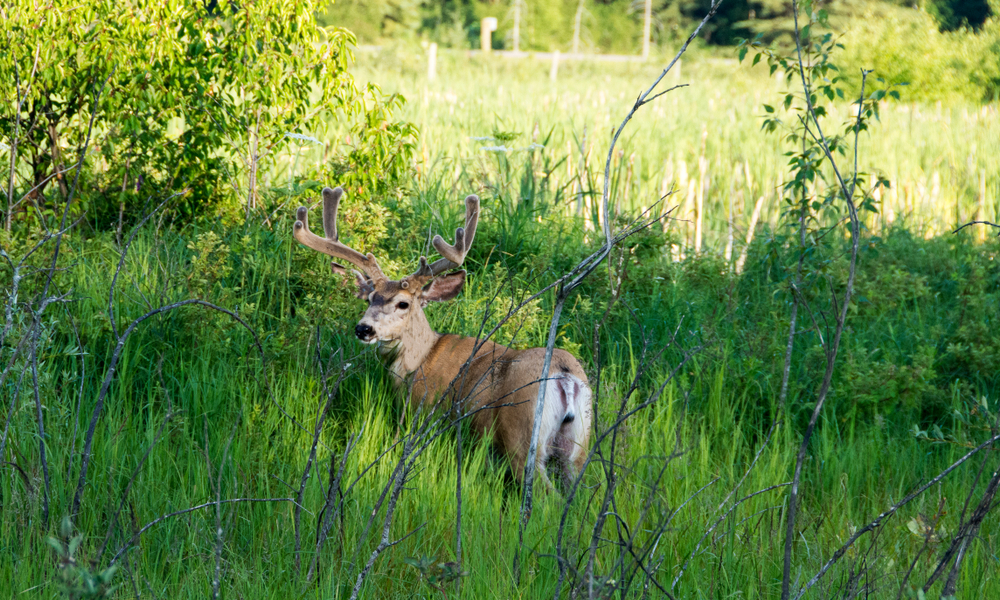
The wildlife is one of the key features of this biologically rich ecosystem.  This prairie plateau is home to the largest population of hoofed mammals in all of Canada. These include bison, elk, moose, mule deer, and white-tailed deer. There is no denser population anywhere in the country.

Other large wildlife species roaming about the park boundaries include black bear, coyote, lynx, and timber wolf. Some of the smaller species include beaver, porcupine, and other typical prairie species.

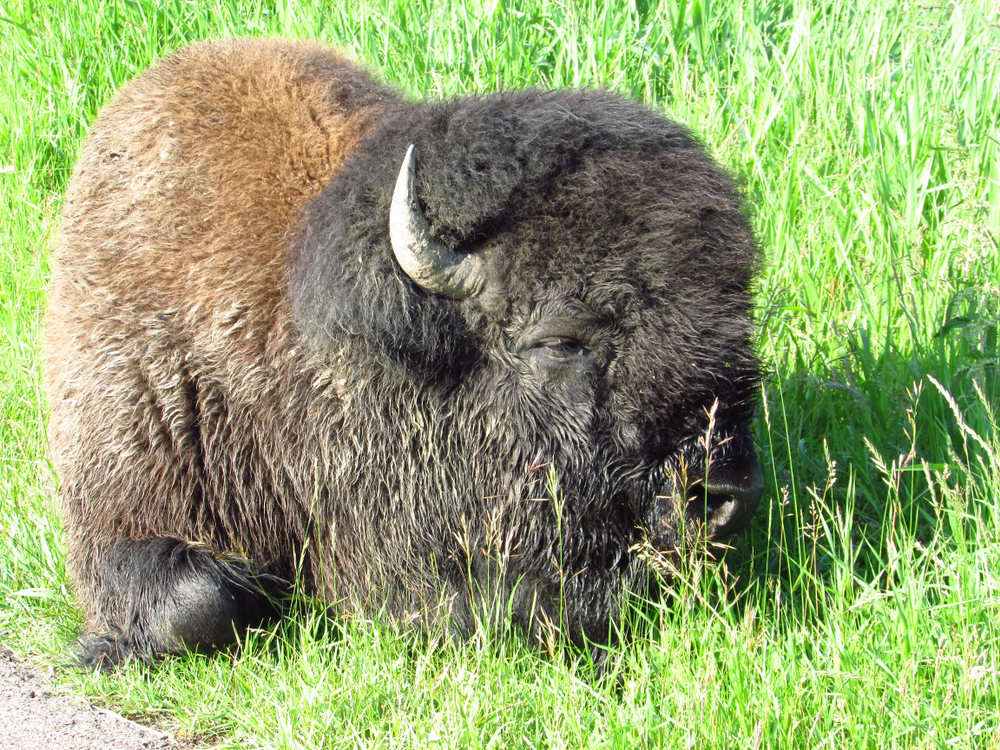
There are over 250 species of birds that either nest or migrate through the park.  The great blue herons and red-tailed hawks are two of the popular bird sightings. One of the unique facets of the park is that it is home to the largest terrestrial mammal in North America, the wood bison, while also being home to the smallest with the pygmy shrew.

Things to See

Without question, the abundance and array of wildlife in the national park is the highlight for most people.  Most travelers venture into Elk Island for the purpose of seeing elk and many other species.

Ungulates

Elk Island has the densest population of hoofed animals across the entire country.  Collectively, the relatively small national park is thriving with these magnificent creatures. The estimates for these include:

  • Over 600 elk
  • Approximately 300 moose
  • Exceeding over 500 deer
  • Over 300 wood bison

Elk Island has been tremendously successful in ungulate population growth.  This success has been leveraged to export groups of different species to reintroduce and populate other regions of North America that had declined.

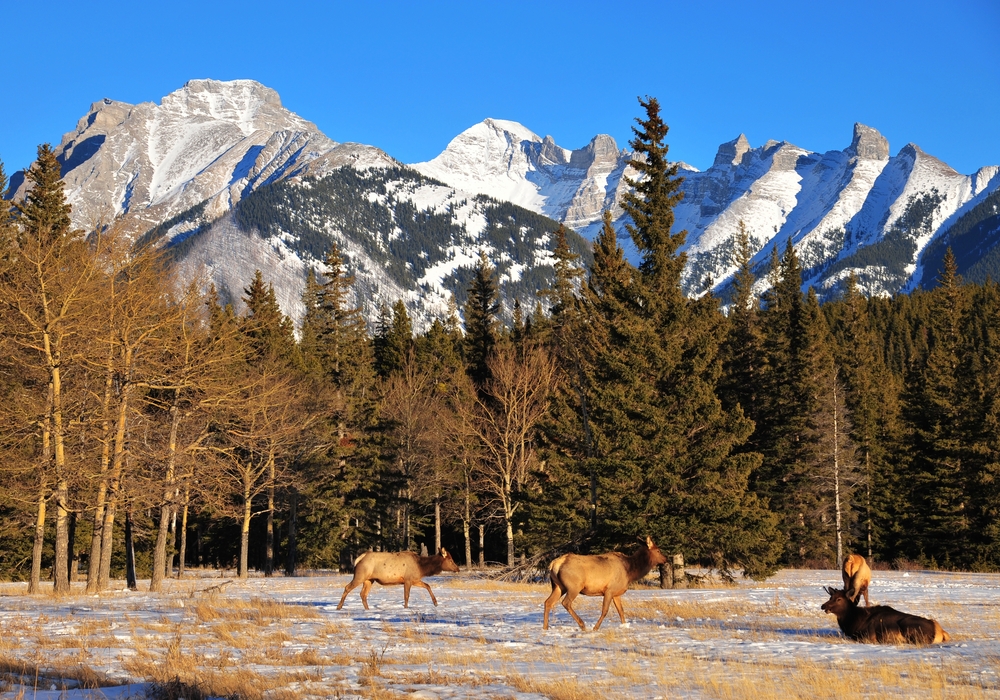
The herd of elk in the park represents the densest population of the varied ungulate species. Although the moose is the largest, some would argue that the elk is the most regal presenting of all the ungulates.

Popular

Popular

This park, celebrated for its efforts in species preservation and its diverse habitats, from aspen parklands to wetlands, offers visitors the unique opportunity to observe a wide range of animals in their natural environment.

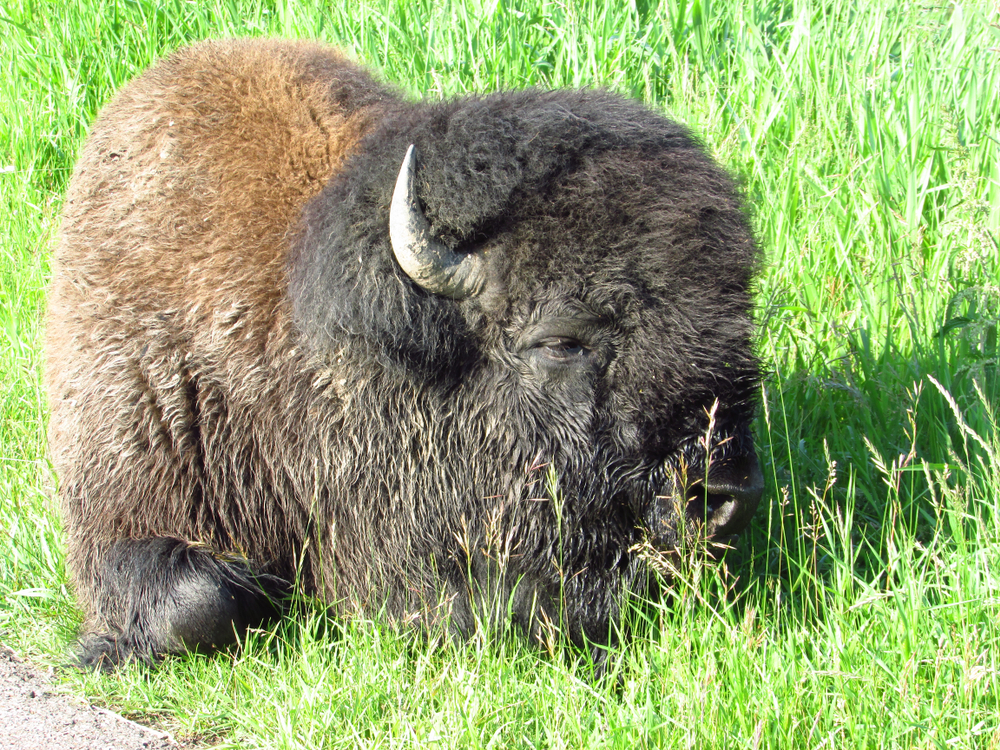
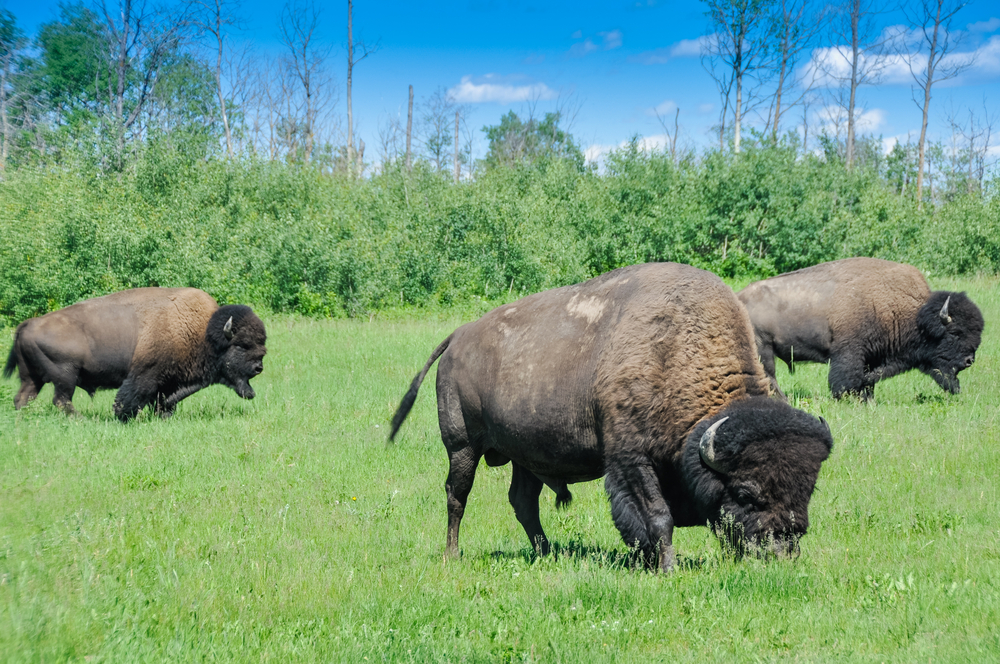
Plains Bison – Once on the brink of extinction, the Plains Bison thrive within the park, symbolizing successful conservation efforts and roaming freely in their natural grassland habitat.

Wood Bison – Larger and less common than their Plains cousins, Wood Bison were reintroduced to the park, showcasing another triumph of species recovery and management.

Moose – Majestic and solitary, Moose are often seen browsing the park’s forests and wetlands, their towering presence a testament to the park’s diverse ecosystems.

Elk – Named after the park, Elk are a flagship species, with their impressive antlers and herding behavior, offering a glimpse into Canada’s wildlife heritage.

White-tailed Deer – Common throughout the park, White-tailed Deer gracefully navigate the landscape, their agility and adaptability making them a frequent sight along trails and meadows.

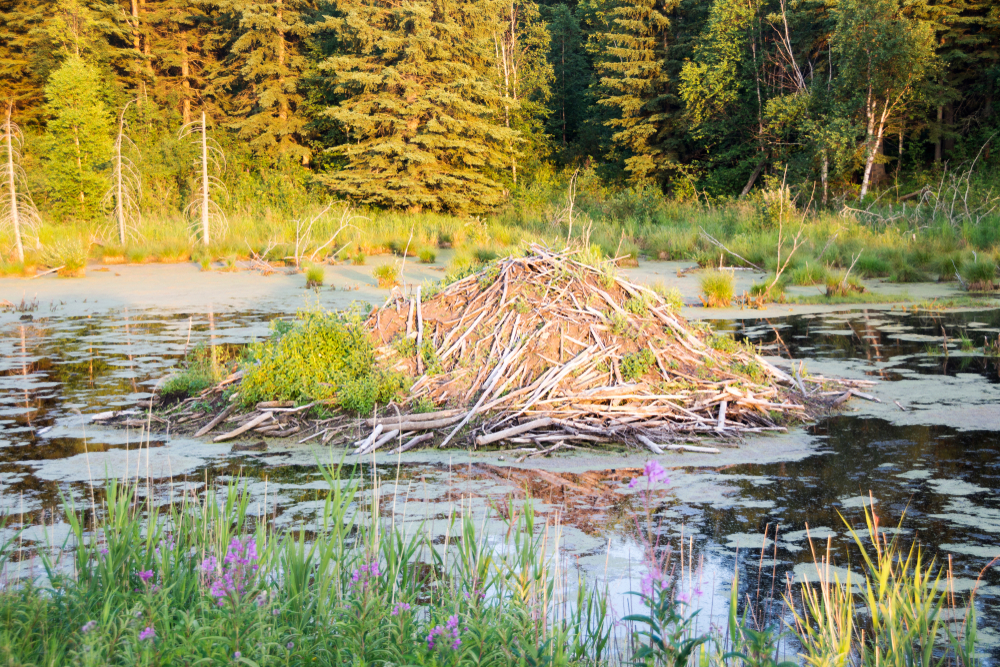
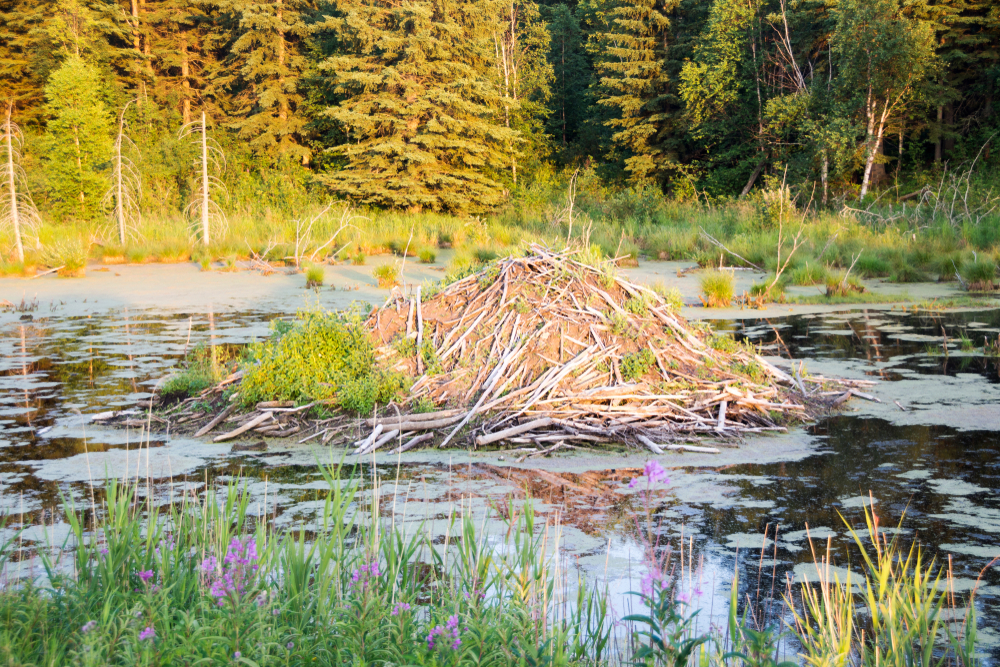
Beaver – As nature’s engineers, Beavers play a crucial role in shaping the park’s aquatic ecosystems, their lodges and dams a common and intriguing feature.

Trumpeter Swan – The restoration of the Trumpeter Swan, once nearly extinct, is celebrated here, with their graceful forms adorning the park’s lakes and wetlands.

Great Horned Owl – Emblematic of the park’s avian predators, the Great Horned Owl’s haunting call fills the night, a master hunter of the parkland’s forests.

Red Fox – The cunning Red Fox, with its striking orange fur, is a versatile and adaptable resident, often spotted along the park’s boundaries and open areas.

American Black Bear – Though sightings are rare, the American Black Bear occasionally wanders through the park, a reminder of the wildness that Elk Island helps preserve.

Elk Island National Park’s wildlife, from the iconic bison to the elusive moose and the industrious beaver, enriches the visitor experience, offering a vivid portrayal of Alberta’s natural heritage and ongoing conservation success stories.

Things To Do

Engaging Elk Island

Hiking

With over 80 kilometers of trails winding through forests, meadows, and along picturesque shorelines, hiking is a popular activity in Elk Island National Park. Trails vary in difficulty, offering options for casual strolls, family outings, or more challenging hikes for experienced adventurers.

Canoeing and Kayaking

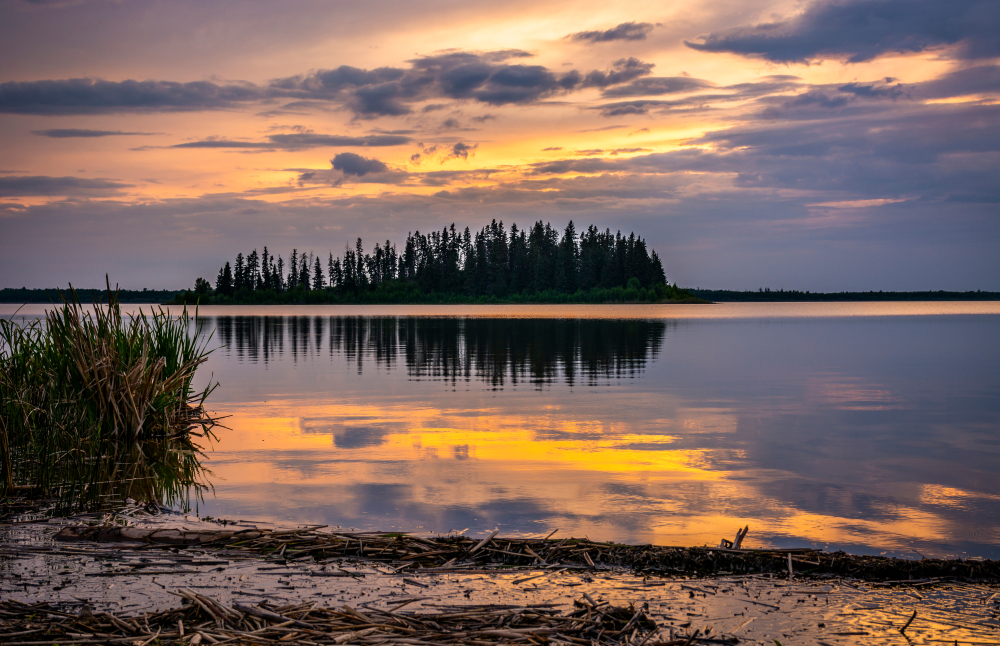
Exploring Elk Island’s pristine lakes and waterways by canoe or kayak provides a tranquil and immersive experience. Paddle along Astotin Lake or Tawayik Lake, surrounded by lush forests and breathtaking scenery, and keep an eye out for wildlife along the shoreline.

Hiking

With over 80 kilometers of trails winding through forests, meadows, and along picturesque shorelines, hiking is a popular activity in Elk Island National Park. Trails vary in difficulty, offering options for casual strolls, family outings, or more challenging hikes for experienced adventurers.

Canoeing and Kayaking

Exploring Elk Island’s pristine lakes and waterways by canoe or kayak provides a tranquil and immersive experience. Paddle along Astotin Lake or Tawayik Lake, surrounded by lush forests and breathtaking scenery, and keep an eye out for wildlife along the shoreline.

Elk Island National Park Trails

There are over a dozen trails providing aspects to the terrain and prairie plateau habit of the park.  These trails provide hikers with a chance to see wildlife while hiking through the wilderness. The trails are mostly easy to moderate rated with a fair balance between the two.

placeholder

Beaver Pond Trail

This is one of the easy rated loop trails that covers a distance of 2.1 miles (3.37 km) which provides hikers with a chance to see wildflowers, wildlife, and views of a lake.  The trail meanders through the forest out to Beaver Pond.

placeholder

Astotin Lake Shoreline Trail

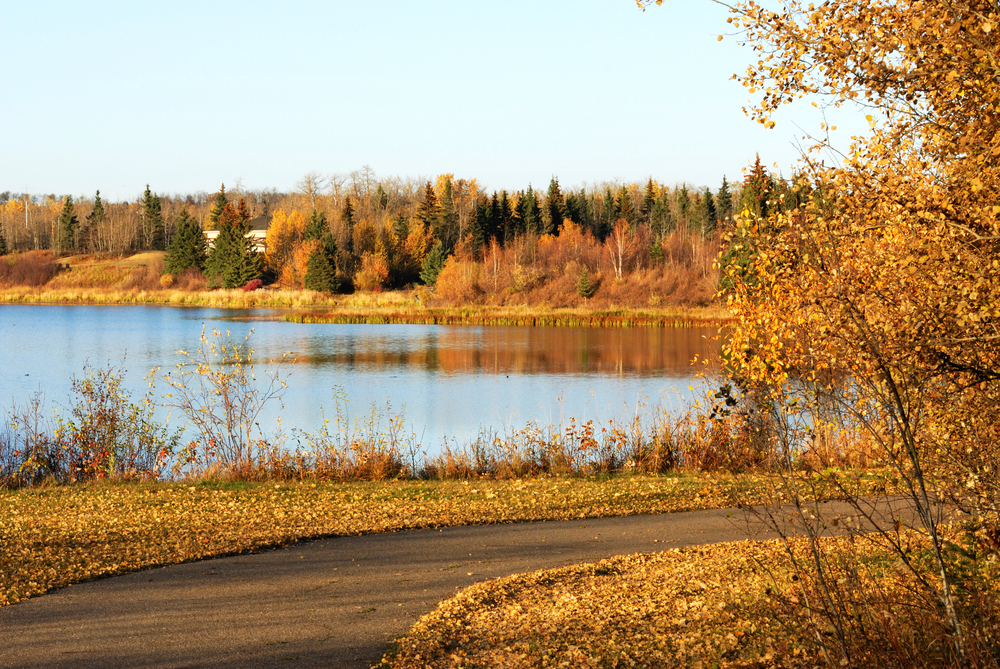
This is a longer easy 4-mile (6.43 km) that meanders along the shoreline of the lake.  There is a chance to experience wildlife, particularly birds, as well as wildflowers. The trail is family-friendly and accessible to almost everyone.

placeholder

Wood Bison Trail

This moderate rated loop trail travels 9.9 miles (15.9 km) through the dense forest and around a lake.  The elevation gain is 561 feet (170.99 m) with scenic views out over the lake.  There are opportunities to enjoy wildflowers and potentially see birds and other wildlife.

placeholder

Tawayik Lake Trail

This is another moderate rated loop trail that circles around Tawayik Lake. The journey covers a distance of 9.5 miles (15.2 km) and features an elevation gain of 643 feet (195.99 m). The varied forest, prairie, and lake terrain offer a chance to see birds and larger wildlife species while also experiencing wildflowers and views of the lake.

placeholder

Wood Bison Trail

Rating: Moderate

Distance and Elevation Gain: 9.9 miles (16 km) round trip with minimal elevation gain

Description: This trail takes hikers through a variety of landscapes including aspen woodlands, wetlands, and grassy plains. It’s an excellent trail for spotting the park’s namesake elk and wood bison in their natural habitat.

The trail offers a true wilderness experience, with chances to see not only bison but also other wildlife like deer, beavers, and numerous bird species.

placeholder

Beaver Pond Trail

Rating: Easy

Distance and Elevation Gain: 2.1 miles (3.4 km) loop with minimal elevation gain

  • Description: Circumnavigating a serene beaver pond, this trail is perfect for families and those looking for a leisurely walk. Interpretive signs along the path educate hikers about the beaver’s impact on the ecosystem. The trail is known for its birdwatching opportunities, with waterfowl and songbirds aplenty.
placeholder

Shirley Lake Trail

Rating: Moderate

Distance and Elevation Gain: 5.6 miles (9 km) loop with minimal elevation gain

Description: This scenic trail meanders through mixed-wood forests, open meadows, and past several small lakes.

It’s an excellent choice for those looking to enjoy a peaceful hike with varied scenery and good chances of wildlife sightings, including moose and coyotes. The trail is well-marked and suitable for hikers of all skill levels.

placeholder

Tawayik Lake Trail

Rating: Moderate

Distance and Elevation Gain: 9.3 miles (15 km) loop with minimal elevation gain

Description: Offering stunning views of Tawayik Lake, this trail is a favorite for those seeking solitude and the chance to observe waterfowl and bison.

The path takes hikers through diverse habitats, including forests, meadows, and marshlands, providing a comprehensive tour of the park’s natural beauty.

placeholder

Amisk Wuche Trail

Rating: Easy

Distance and Elevation Gain: 1.2 miles (2 km) loop with minimal elevation gain

Description: This easy trail is ideal for a quick, educational outing. It winds through diverse ecosystems, offering views of lakes, forests, and meadows.

Interpretive signage along the route provides insights into the area’s flora and fauna, making it a great educational resource for visitors of all ages.

placeholder

Wood Bison Trail

Rating: Moderate

Distance and Elevation Gain: 9.9 miles (16 km) round trip with minimal elevation gain

Description: This trail takes hikers through a variety of landscapes including aspen woodlands, wetlands, and grassy plains. It’s an excellent trail for spotting the park’s namesake elk and wood bison in their natural habitat.

The trail offers a true wilderness experience, with chances to see not only bison but also other wildlife like deer, beavers, and numerous bird species.

placeholder

Beaver Pond Trail

Rating: Easy

Distance and Elevation Gain: 2.1 miles (3.4 km) loop with minimal elevation gain

  • Description: Circumnavigating a serene beaver pond, this trail is perfect for families and those looking for a leisurely walk. Interpretive signs along the path educate hikers about the beaver’s impact on the ecosystem. The trail is known for its birdwatching opportunities, with waterfowl and songbirds aplenty.
placeholder

Shirley Lake Trail

Rating: Moderate

Distance and Elevation Gain: 5.6 miles (9 km) loop with minimal elevation gain

Description: This scenic trail meanders through mixed-wood forests, open meadows, and past several small lakes.

It’s an excellent choice for those looking to enjoy a peaceful hike with varied scenery and good chances of wildlife sightings, including moose and coyotes. The trail is well-marked and suitable for hikers of all skill levels.

placeholder

Tawayik Lake Trail

Rating: Moderate

Distance and Elevation Gain: 9.3 miles (15 km) loop with minimal elevation gain

Description: Offering stunning views of Tawayik Lake, this trail is a favorite for those seeking solitude and the chance to observe waterfowl and bison.

The path takes hikers through diverse habitats, including forests, meadows, and marshlands, providing a comprehensive tour of the park’s natural beauty.

placeholder

Amisk Wuche Trail

Rating: Easy

Distance and Elevation Gain: 1.2 miles (2 km) loop with minimal elevation gain

Description: This easy trail is ideal for a quick, educational outing. It winds through diverse ecosystems, offering views of lakes, forests, and meadows.

Interpretive signage along the route provides insights into the area’s flora and fauna, making it a great educational resource for visitors of all ages.

FAQ’s

What is Elk Island National Park known for?

Elk Island National Park, nestled in the heart of Alberta, Canada, is renowned for its stunning landscapes, diverse wildlife, and conservation efforts.

Established in 1906, it stands as an important sanctuary for various species, particularly the plains and wood bison, which roam freely across its expansive terrain.

Visitors flock to the park to witness these iconic creatures in their natural habitat, as well as to explore its pristine lakes, lush forests, and picturesque meadows.

Additionally, Elk Island offers a range of outdoor activities, including hiking, picnicking, kayaking, and wildlife viewing, providing ample opportunities for nature enthusiasts to immerse themselves in the park’s breathtaking surroundings.

Whether it’s a tranquil stroll along the shoreline or an exhilarating encounter with a bison herd, Elk Island National Park promises an unforgettable wilderness experience for visitors of all ages.

What is Elk Island National Park known for?

Elk Island National Park, nestled in the heart of Alberta, Canada, is renowned for its stunning landscapes, diverse wildlife, and conservation efforts.

Established in 1906, it stands as an important sanctuary for various species, particularly the plains and wood bison, which roam freely across its expansive terrain.

Visitors flock to the park to witness these iconic creatures in their natural habitat, as well as to explore its pristine lakes, lush forests, and picturesque meadows.

Additionally, Elk Island offers a range of outdoor activities, including hiking, picnicking, kayaking, and wildlife viewing, providing ample opportunities for nature enthusiasts to immerse themselves in the park’s breathtaking surroundings.

Whether it’s a tranquil stroll along the shoreline or an exhilarating encounter with a bison herd, Elk Island National Park promises an unforgettable wilderness experience for visitors of all ages.

Sources