


About

Located in the Far North Region of Cameroon near the border with Chad and Nigeria, Waza National Park is one of Central Africa’s most important savannah wildlife reserves. The park covers approximately 660 square miles (1,700 sq km) and lies within the semi-arid Sahel region south of Lake Chad.
Established as a national park in 1968, Waza protects critical floodplain and savannah ecosystems that support wildlife in an otherwise harsh and drought-prone environment. The park is located near the city of Maroua and has long been considered one of Cameroon’s premier safari destinations.
Waza National Park is best known for its open savannah landscapes, seasonal floodplains, and concentrations of large mammals during the dry season. Wildlife viewing is especially rewarding when animals gather around remaining water sources as surrounding areas become increasingly dry.
Visitors are drawn to the park for classic African safari experiences that feel remote and untamed. The wide-open plains allow excellent visibility for observing elephants, giraffes, antelope, and predators moving across the landscape. Waza is also recognized internationally as an important birdwatching destination because migratory birds from Europe and other parts of Africa seasonally fill the park’s wetlands and floodplains.
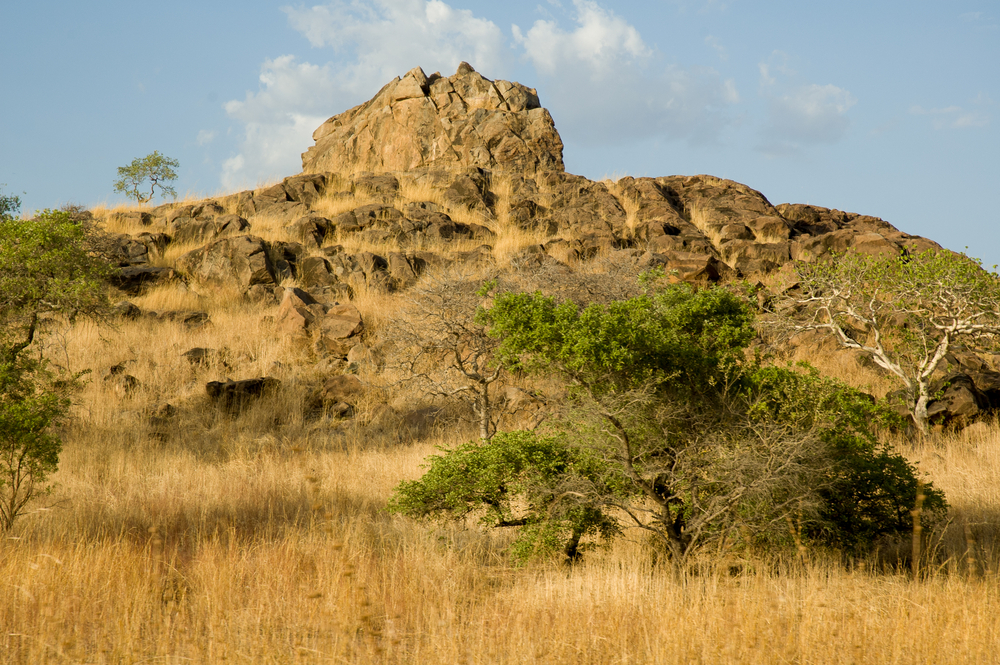
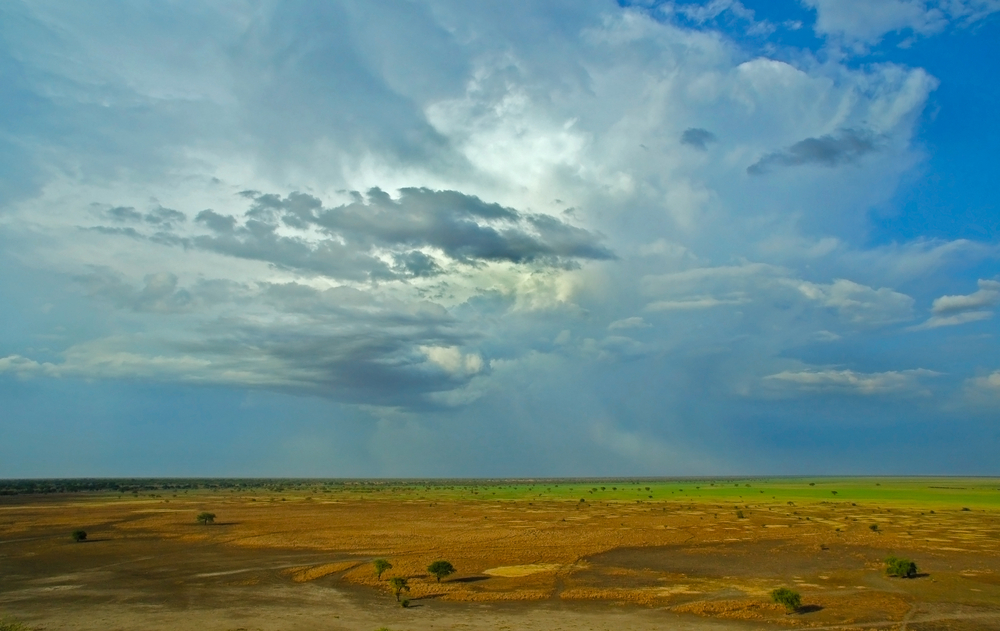
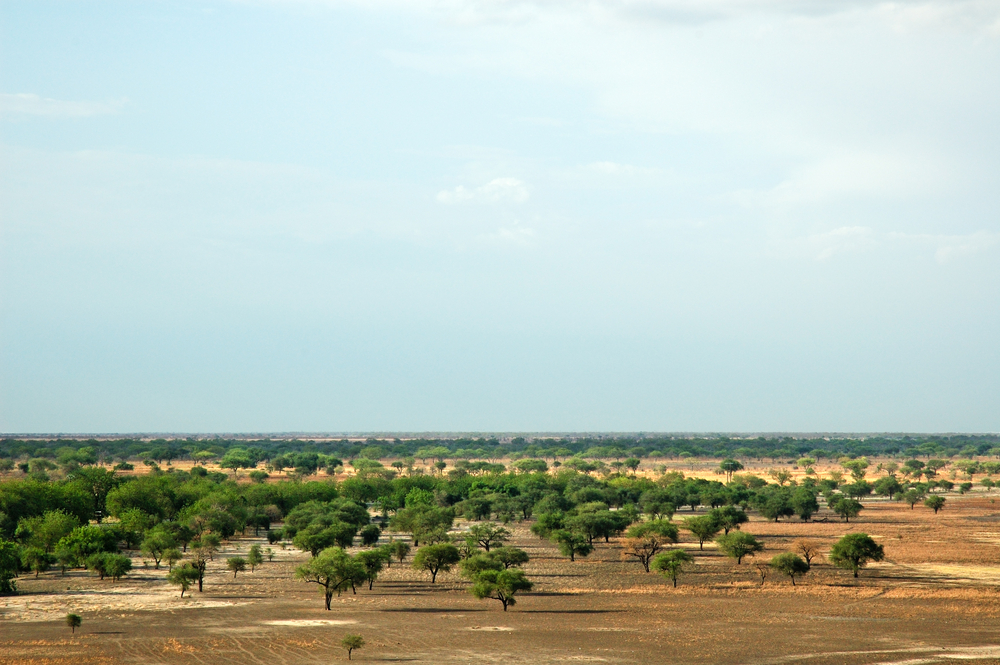
The geography of Waza National Park is shaped by flat grasslands, seasonal wetlands, acacia savannah, thorn scrub, and floodplains influenced by nearby river systems connected to the Lake Chad Basin. Seasonal flooding creates fertile grazing areas that support wildlife during wetter months before drying conditions return across much of the region.
Vegetation includes acacia trees, grasses, shrubs, and drought-resistant plants adapted to the Sahel climate. Open plains dominate much of the park while wetter depressions and marshy areas provide important habitat diversity. The changing seasons dramatically influence the appearance of the landscape and the movement of wildlife throughout the year.
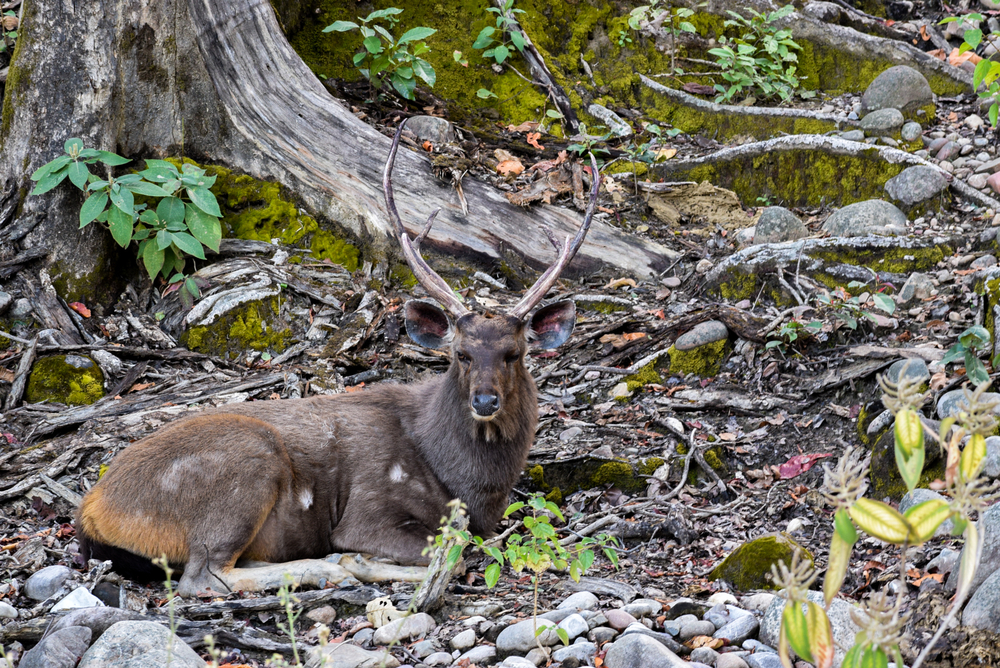
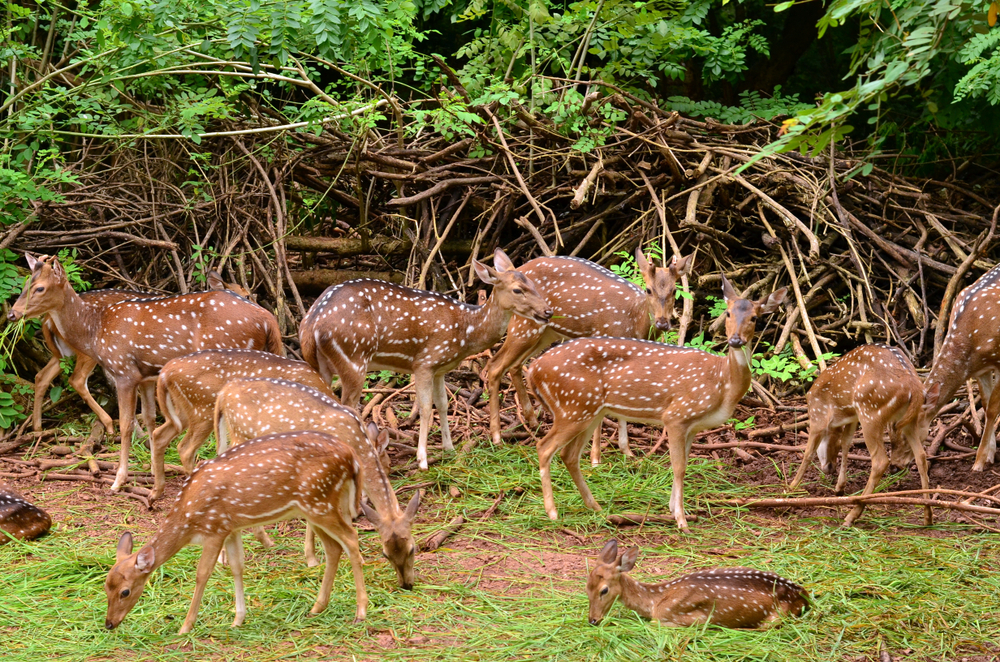
Waza National Park supports a wide variety of wildlife despite the challenges posed by its dry environment. African elephants, giraffes, lions, hyenas, warthogs, and antelope species such as kob, hartebeest, and roan antelope inhabit the park. Korrigum, a subspecies of topi antelope that has become rare across much of West and Central Africa, is also found within the reserve.
Birdlife is particularly impressive with hundreds of species recorded, including crowned cranes, pelicans, storks, herons, eagles, and migratory waterbirds that rely on seasonal wetlands. Reptiles and smaller mammals also thrive in areas where water remains available during dry periods.
Waza National Park plays a vital role in protecting Sahelian ecosystems and preserving wildlife populations that have declined significantly across Central and West Africa. The park safeguards habitats critical for migratory birds and large mammals while serving as one of the few remaining strongholds for some regional species. Conservation challenges such as drought, habitat pressure, poaching, and changing water availability continue to threaten the region’s biodiversity, making the park increasingly important for long-term ecological protection.
Compared to larger safari parks such as Serengeti National Park or Kruger National Park, Waza offers a more remote and lesser-known safari experience rooted in the landscapes of the Sahel. Waza National Park remains one of Cameroon’s greatest natural treasures and an essential refuge for wildlife in Central Africa’s dry northern frontier.
Photos
Things to See
Sources
- Afrito, Waza National Park, https://www.africatouroperators.org/cameroon/waza-national-park, retrieved October 2019.
- Britannica, Waza National Park, https://www.britannica.com/place/Waza-National-Park, retrieved June 2020.
- Famous Wonders, Waza National Park, http://famouswonders.com/waza-national-park/, retrieved October 2019.
- Pilot Guides, Waza National Park, Cameroon, https://www.pilotguides.com/articles/waza-national-park-cameroon/, retrieved October 2019.
- UNESCO, Waza, https://en.unesco.org/biosphere/africa/waza, retrieved July 2021.