About

Takamanda National Park, locally known as “Parc National de Takamanda”, is a vital conservation area in southwestern Cameroon, near the border with Nigeria. Established in 2008, the park spans approximately 676 square kilometers (261 square miles) and is part of the Cross-Sanaga-Bioko coastal forest ecoregion, a globally significant biodiversity hotspot. Takamanda’s lush landscapes and rare wildlife make it a critical area for conservation and an emerging destination for eco-tourism.

The park’s terrain is characterized by rolling hills, rugged mountains, and river valleys. Its dense tropical rainforests dominate the landscape, creating a canopy that supports a rich variety of plant and animal life. The park’s rivers and streams are lifelines for the region, forming vital aquatic habitats and providing resources for local communities. The varied elevation and microclimates create a range of ecological niches, enhancing the park’s biodiversity.

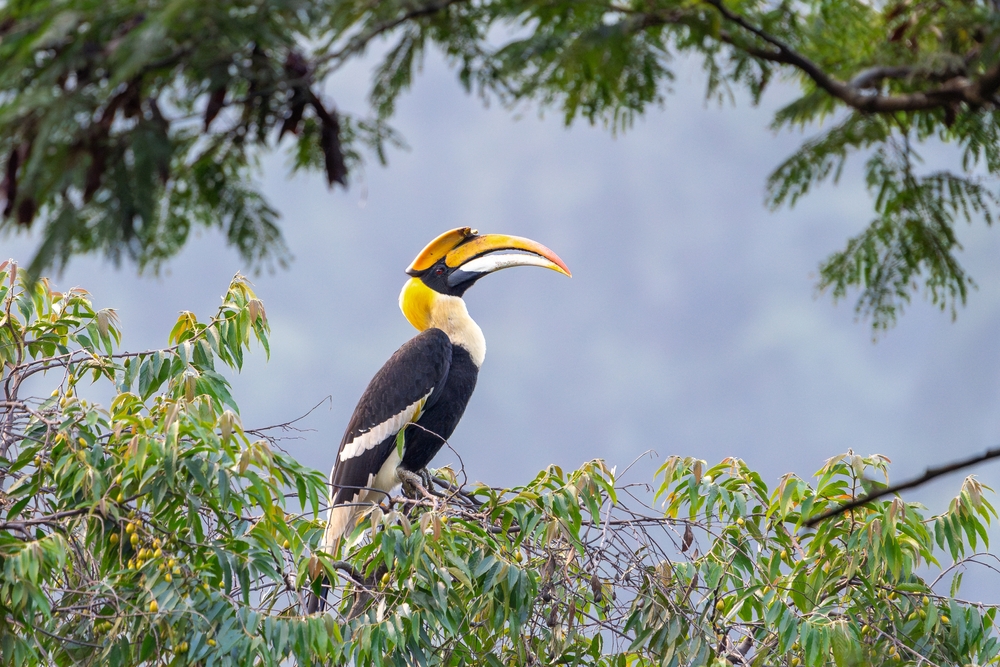
Takamanda National Park is internationally recognized for its population of critically endangered Cross River gorillas, one of the world’s rarest primates. It also supports other primates, such as Nigeria-Cameroon chimpanzees and drills. Mammals like forest elephants, duikers, and bush pigs inhabit the park, while its birdlife includes species such as turacos, hornbills, and sunbirds. Reptiles, amphibians, and a myriad of insects add to the park’s ecological richness, showcasing the diversity of Cameroon’s wildlife.

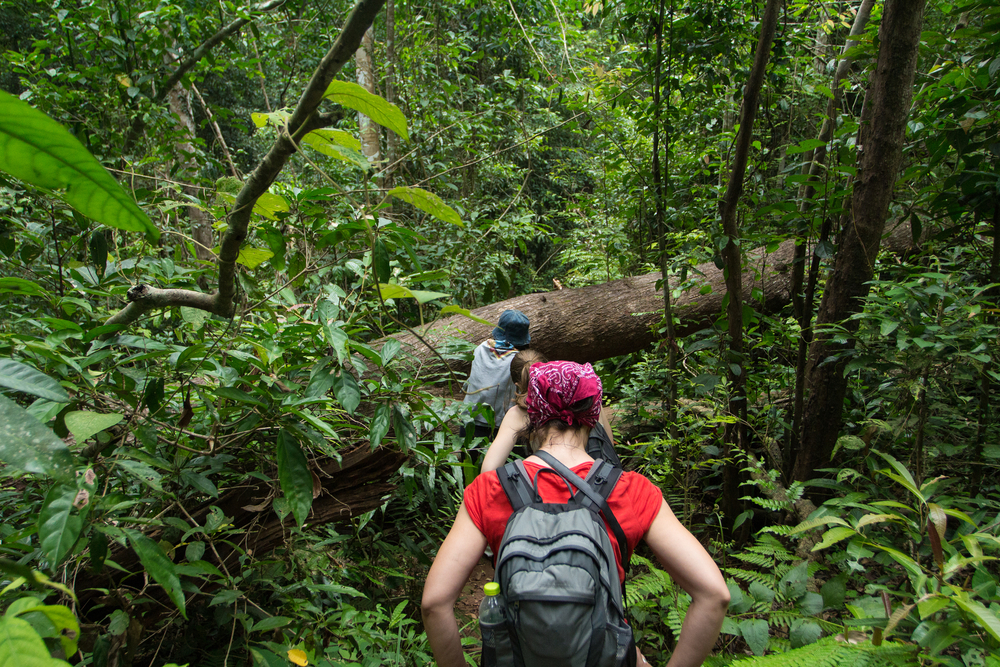
Visitors to Takamanda National Park can engage with its natural wonders through guided forest treks, gorilla tracking, and birdwatching tours. Gorilla tracking is a highlight, offering a rare opportunity to observe these elusive primates in their natural habitat. Hiking trails provide a chance to explore the park’s varied landscapes, from river valleys to forested hills. Bird enthusiasts can enjoy spotting vibrant and rare species, while cultural experiences with nearby communities offer insights into traditional lifestyles and conservation practices.

Despite its ecological importance, Takamanda National Park faces significant challenges. Poaching and illegal hunting for bushmeat threaten the park’s wildlife, particularly its gorillas and other large mammals. Logging and agricultural encroachment result in habitat loss and fragmentation. Human-wildlife conflict has also escalated as communities expand their activities near park boundaries. Conservation efforts, spearheaded by the Cameroonian government in partnership with international organizations, focus on anti-poaching patrols, habitat restoration, and community-based initiatives. Promoting eco-tourism is a key strategy to generate sustainable income and raise awareness of the park’s importance.

Takamanda National Park is a cornerstone of Cameroon’s natural heritage, representing a sanctuary for critically endangered species and a symbol of the country’s commitment to biodiversity conservation. Its lush rainforests, unique wildlife, and cultural significance make it a valuable destination for eco-tourism and a critical area for global conservation. Protecting Takamanda ensures the survival of its unique ecosystems and supports efforts to preserve some of the world’s most threatened species for future generations.

Things to See

Popular

Popular

Takamanda National Park, located in southwestern Cameroon, is a biodiversity hotspot, renowned for its lush rainforests that provide a haven for numerous iconic and endangered species.

Cross River Gorilla (Gorilla gorilla diehli)
This critically endangered gorilla subspecies is the park’s flagship species. Living in small, elusive groups, they play a crucial role in seed dispersal and forest regeneration.

Forest Elephant (Loxodonta cyclotis)
These gentle giants roam the park’s forests, shaping vegetation and creating clearings that support biodiversity through their seed dispersal and foraging activities.

Preuss’s Monkey (Allochrocebus preussi)
This rare and striking monkey is a highlight of the park’s primate diversity, known for its social behaviors and role in maintaining forest health.

Leopard (Panthera pardus)
A stealthy and elusive predator, leopards help regulate prey populations within the park, ensuring a balanced ecosystem.

Blue Duiker (Philantomba monticola)
A small and agile antelope, the blue duiker inhabits the forest floor, feeding on fruits and aiding in nutrient recycling.

Pangolin (Phataginus tricuspis)
This nocturnal insectivore is vital for pest control, feeding on ants and termites and aerating the soil through its digging.

Forest Buffalo (Syncerus caffer nanus)
This smaller subspecies of buffalo grazes in the park’s clearings, contributing to vegetation management and serving as prey for larger predators.

Red River Hog (Potamochoerus porcus)
Recognizable by its vibrant reddish coat, this social species forages for a diverse diet, helping to aerate the soil and recycle nutrients.

Aardvark (Orycteropus afer)
An elusive nocturnal mammal, the aardvark feeds on ants and termites, playing a critical role in maintaining soil health and creating burrows used by other animals.

Nile Monitor (Varanus niloticus)
This large, semi-aquatic lizard thrives in the park’s rivers and wetlands, preying on fish, crustaceans, and small mammals.

Birds

Birds

Takamanda National Park’s diverse rainforests and waterways make it a sanctuary for an impressive variety of bird species, many of which are endemic or rare.

Grey Parrot (Psittacus erithacus)
This highly intelligent parrot is a key seed disperser in the park, contributing to forest regeneration and biodiversity.

Yellow-Casqued Hornbill (Ceratogymna elata)
A striking canopy dweller, this hornbill aids in seed dispersal and plays a vital role in maintaining forest health.

Great Blue Turaco (Corythaeola cristata)
A large, colorful bird, the great blue turaco feeds on fruits and helps to regenerate the forest ecosystem.

African Grey Woodpecker (Dendropicos goertae)
This vibrant woodpecker forages for insects in tree bark, aiding in pest control and maintaining forest health.

Pied Kingfisher (Ceryle rudis)
Seen hovering over water before diving to catch fish, this dynamic bird adds vibrancy to the park’s wetlands.

Northern Carmine Bee-Eater (Merops nubicus)
With its vivid plumage, this bird nests in riverbanks and preys on flying insects, enriching the park’s ecosystems.

Saddle-Billed Stork (Ephippiorhynchus senegalensis)
This large, colorful stork frequents wetlands, feeding on fish, amphibians, and small reptiles.

Helmeted Guineafowl (Numida meleagris)
A ground-dwelling bird, the helmeted guineafowl forages for seeds and insects in the park’s savannah and forest edges.

Palm-Nut Vulture (Gypohierax angolensis)
A unique raptor, it feeds on palm fruits and small prey, contributing to the ecological balance in wetlands and forest areas.

Yellow-Billed Stork (Mycteria ibis)
This wading bird uses its specialized bill to forage in wetlands, feeding on fish and invertebrates.

Things To Do

Takamanda National Park

Gorilla Tracking

Gorilla Tracking

Forest Safaris

Forest Safaris

placeholder

Cultural Heritage