About
Ream National Park (Khmer: ឧទ្យានជាតិរាម), officially known as Preah Sihanouk Ream National Park, is located on the Gulf of Thailand in southwestern Cambodia approximately 11 miles (18 km) east of the city of Sihanoukville. Established in 1993, the park covers approximately 81 square miles (210 sq km), including both terrestrial and marine environments.
Ream National Park was one of the first national parks established in Cambodia and protects a diverse landscape of tropical forests, mangrove ecosystems, beaches, estuaries, rivers, islands, and coral-rich coastal waters. Its location along the Gulf of Thailand makes it one of Cambodia’s most important coastal conservation areas.
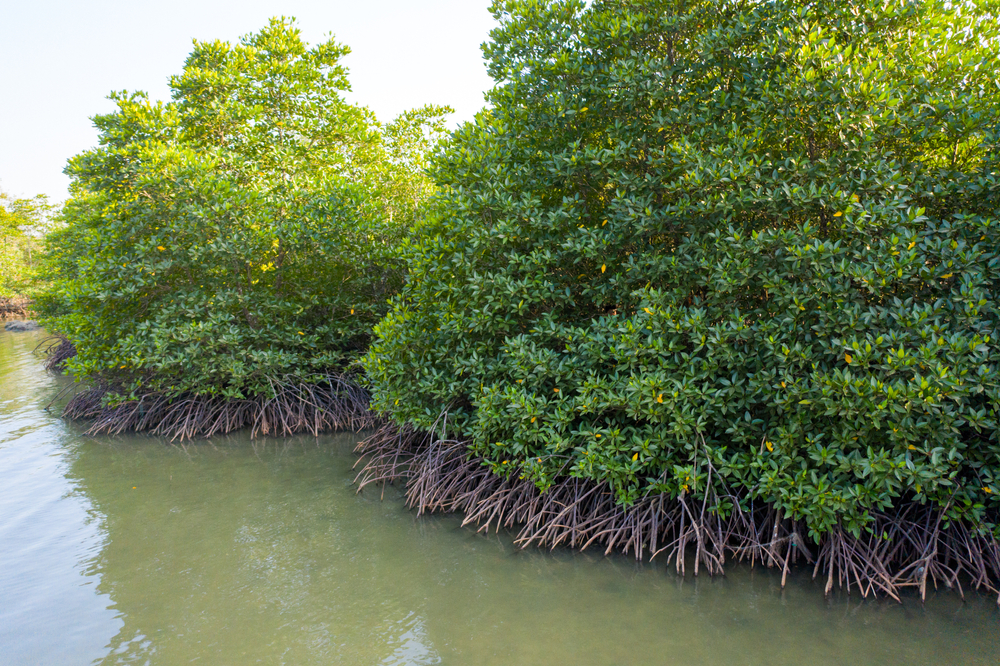
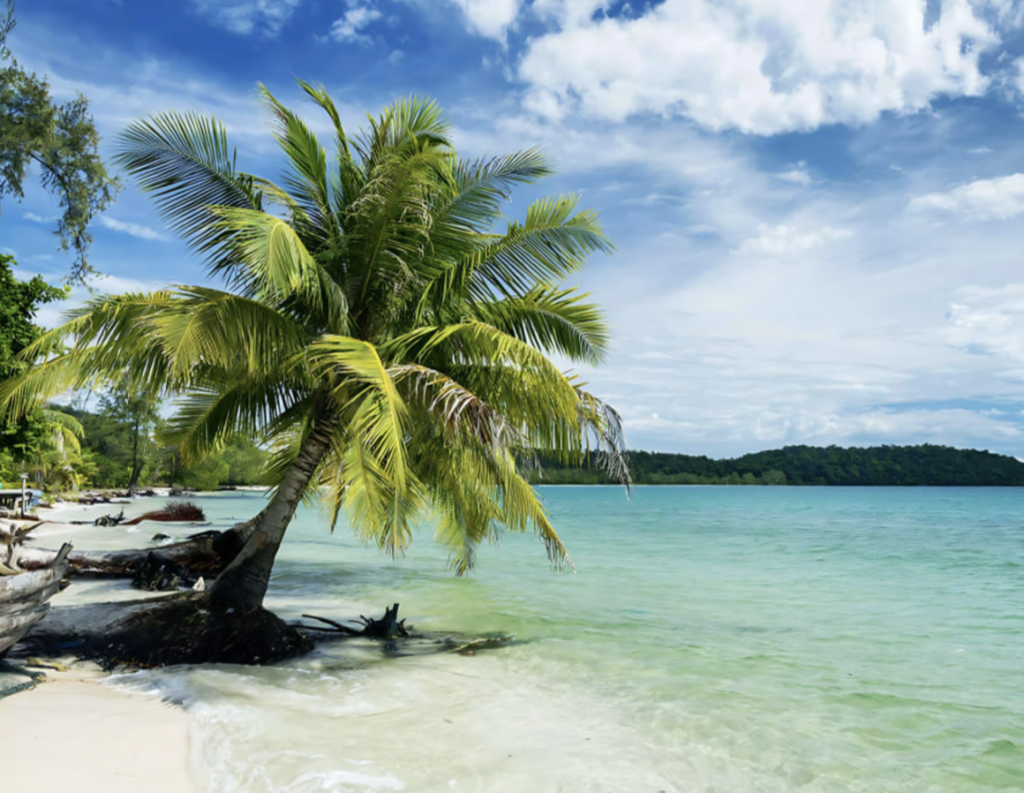
The park is best known for its beautiful blend of tropical rainforest and marine habitats. Visitors are drawn to its quiet beaches, winding mangrove waterways, offshore islands, and opportunities to observe wildlife in a relatively accessible setting. Boat tours through the mangrove forests provide a popular way to explore the park, offering close views of birds, monkeys, and coastal scenery.
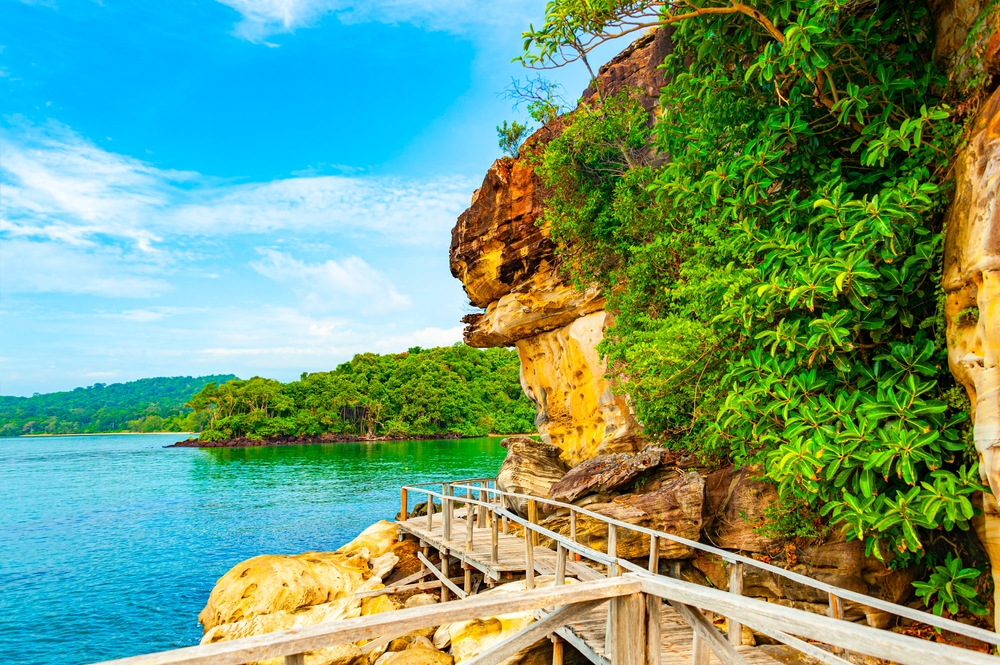
The park also serves as a gateway to several picturesque islands where visitors can enjoy snorkeling, kayaking, and nature exploration. Unlike Cambodia’s more heavily visited cultural destinations, Ream offers a tranquil experience focused on natural beauty and biodiversity.
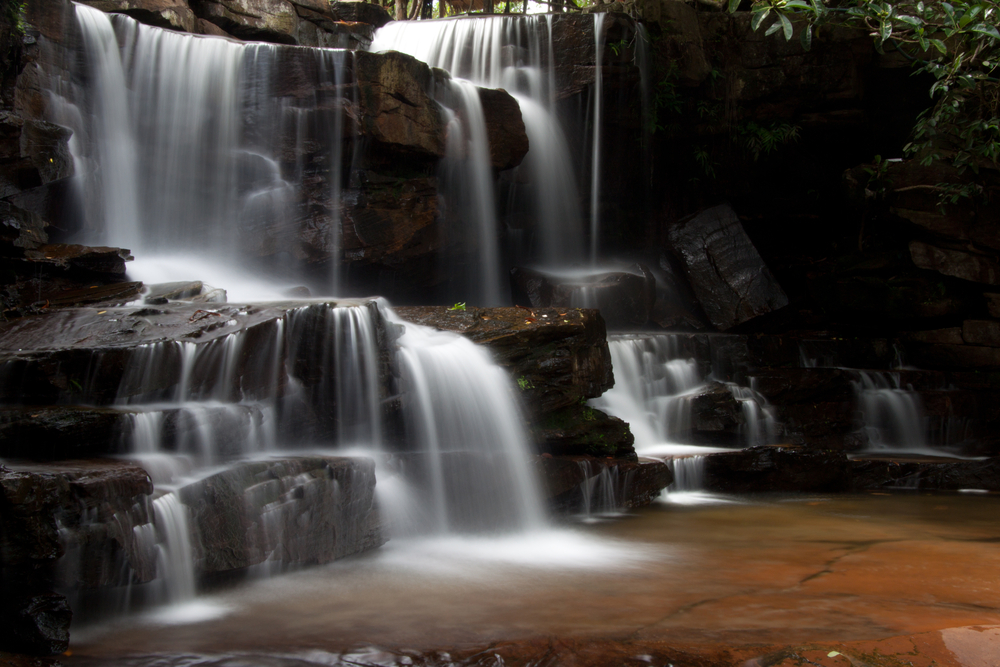
Geographically, Ream National Park encompasses a remarkable variety of ecosystems. Dense evergreen forests cover portions of the mainland, while extensive mangrove forests line rivers and estuaries. The Prek Teuk Sap River and its tributaries flow through the park before reaching the Gulf of Thailand, creating productive wetlands and aquatic habitats.
Offshore islands, sandy beaches, seagrass beds, and coral communities further enhance the park’s ecological diversity. The tropical climate, abundant rainfall, and coastal location support lush vegetation and highly productive ecosystems that sustain a wide range of plant and animal life.
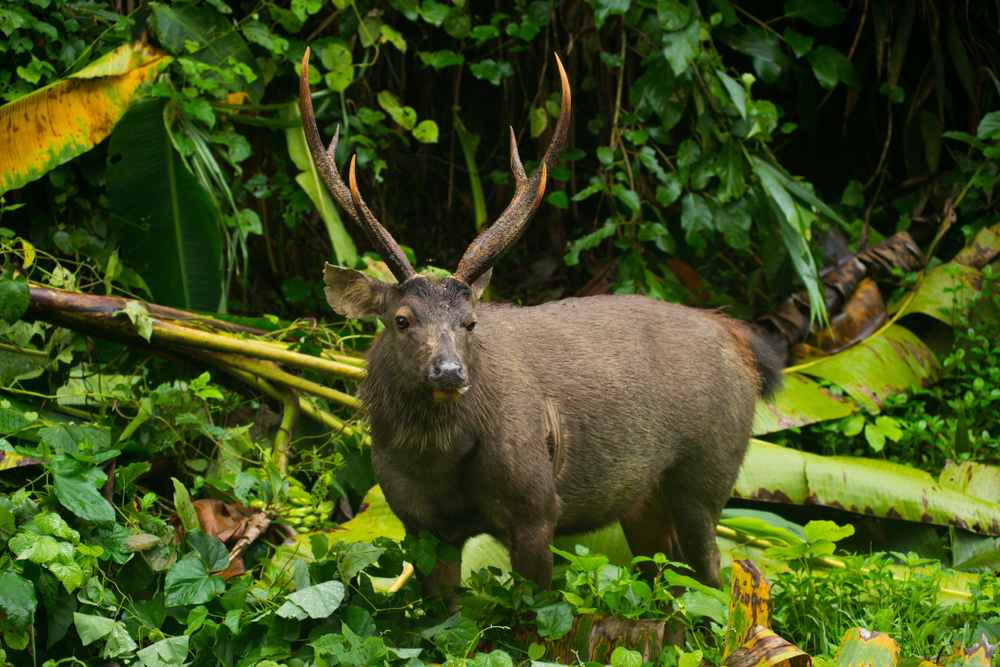
Wildlife within Ream National Park is exceptionally diverse. Mammals found in the park include long-tailed macaques, silvered langurs, civets, otters, and several species of bats. The mangrove forests and estuarine habitats provide important nursery areas for fish and crustaceans. Birdlife is particularly impressive, with more than 150 species recorded.
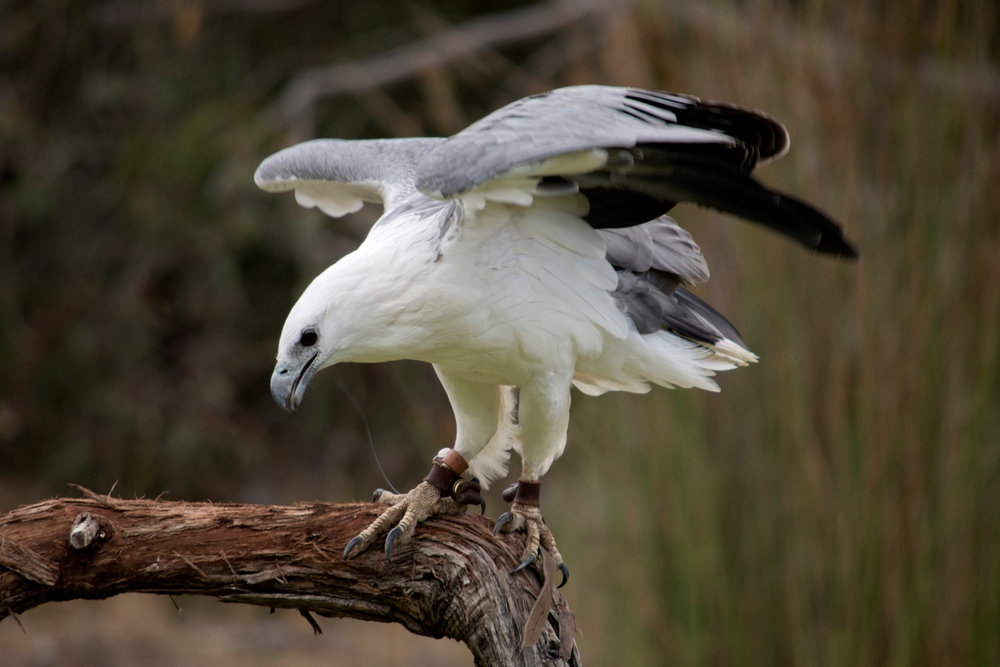
Kingfishers, herons, egrets, brahminy kites, hornbills, and migratory shorebirds are frequently observed throughout the park. Marine environments support dolphins, sea turtles, reef fish, and numerous aquatic species. The combination of terrestrial and marine habitats creates one of the richest biodiversity areas along Cambodia’s coastline.
Ream National Park plays a critical role in protecting Cambodia’s coastal ecosystems. The park safeguards mangrove forests that help stabilize shorelines, reduce erosion, and provide habitat for countless species. Its marine environments support fisheries and protect important breeding grounds for aquatic wildlife. The park also serves as an important stopover site for migratory birds traveling along regional flyways.
Ecologically, Ream is often compared to protected coastal reserves such as Mu Ko Ang Thong National Marine Park and Bako National Park because of its combination of rainforest, mangroves, beaches, and marine biodiversity. Through its coastal forests, thriving wildlife, scenic waterways, and conservation importance, Ream National Park stands as one of Cambodia’s most valuable natural treasures and a vital sanctuary for the ecosystems of the Gulf of Thailand.
Things to See
Things To Do
Engaging Ream National Park