About

Kep National Park (Khmer: ឧទ្យានជាតិកែប) is located in southern Cambodia within Kep Province along the Gulf of Thailand near the border with Vietnam. Established in 1993, the park covers approximately 19 square miles (50 sq km) and protects the forested hills and coastal landscapes surrounding the seaside city of Kep.

Although one of Cambodia’s smaller national parks, Kep National Park is among the country’s most accessible and popular protected areas. Its combination of tropical forest, mountain viewpoints, coastal scenery, and proximity to the sea makes it a favorite destination for both local residents and international visitors.

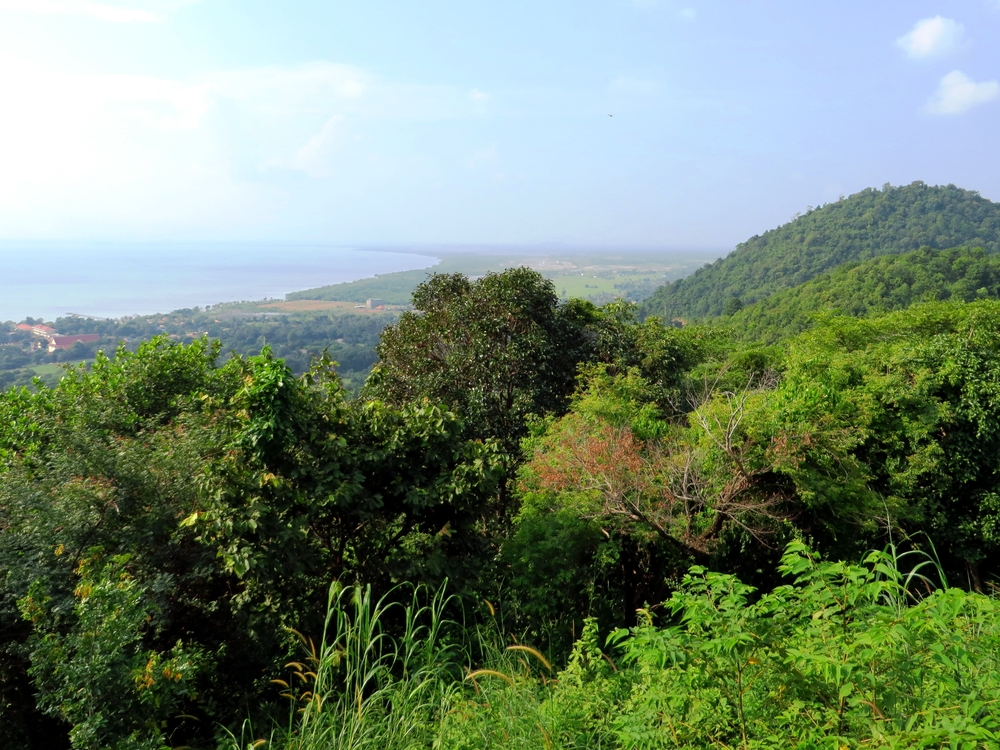
The park is best known for its scenic hiking trails, panoramic viewpoints, and lush tropical forests overlooking the Gulf of Thailand. Visitors are attracted to the park’s well-maintained trail network, which circles the mountain range and offers sweeping views of the coastline, nearby islands, and surrounding countryside.

One of the most popular attractions is the Sunset Rock viewpoint, where visitors can enjoy spectacular views of the ocean and distant islands. The park also features cultural landmarks, small temples, and tranquil picnic areas that contribute to its reputation as a peaceful retreat from urban life. The nearby coastal town of Kep, famous for its seafood and colonial-era history, complements the park’s natural attractions.

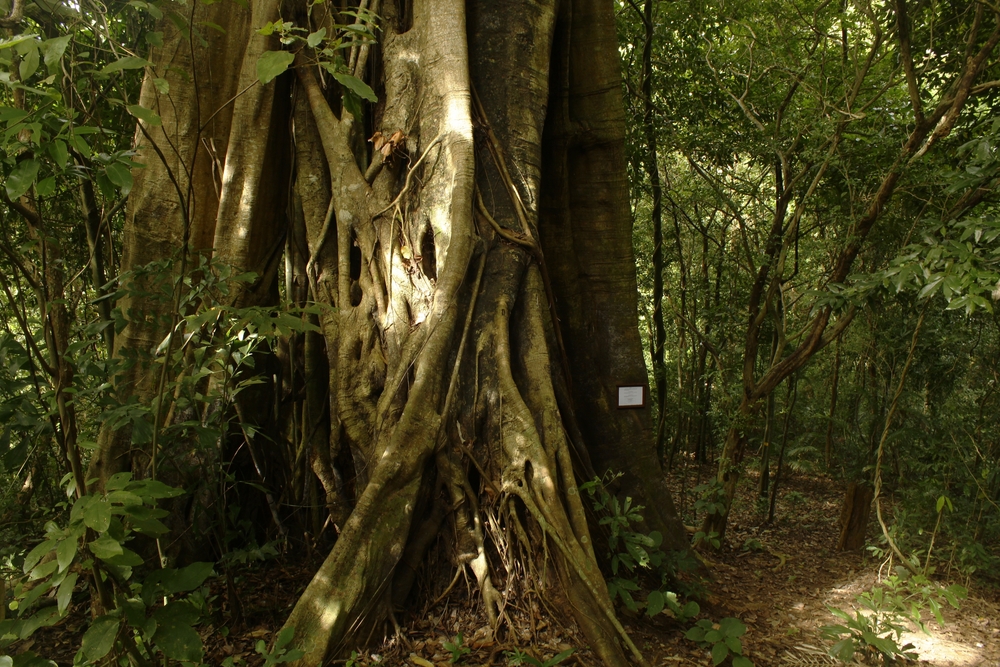
Geographically, Kep National Park is centered around a series of low mountains and hills that rise above the coastal plain. Dense tropical forests cover much of the park, while ridgelines provide elevated viewpoints over the Gulf of Thailand. The landscape includes forested slopes, rocky outcrops, valleys, and small streams that support a variety of plant communities.

The warm tropical climate and seasonal rainfall sustain evergreen vegetation throughout much of the year. The park’s coastal location creates a unique environment where mountain forests and marine influences combine to support rich biodiversity within a relatively compact area.

Wildlife within Kep National Park includes a variety of species adapted to tropical forest habitats. Mammals commonly found in the park include macaques, civets, squirrels, and several species of bats. While larger mammals once occurred more widely throughout the region, the park today primarily serves as an important refuge for smaller forest wildlife.

Birdlife is particularly diverse, with kingfishers, hornbills, drongos, barbets, sunbirds, and numerous migratory species inhabiting the forest canopy. Reptiles, amphibians, and a wide range of insects contribute to the park’s ecological richness. The surrounding coastal waters also support marine life that enhances the region’s overall biodiversity.

Kep National Park plays an important role in conserving one of Cambodia’s remaining coastal forest ecosystems. The park protects watershed resources, provides habitat for wildlife, and preserves green space within a region experiencing increasing tourism and development. Its forests help stabilize soils, support biodiversity, and maintain ecological connectivity along Cambodia’s southern coastline.

Ecologically and recreationally, Kep is often compared to protected coastal parks such as Bokor National Park and Khao Sam Roi Yot National Park because of its combination of forested hills, scenic coastal views, and accessible nature trails. Through its tropical forests, beautiful vistas, wildlife habitats, and proximity to the Gulf of Thailand, Kep National Park remains one of Cambodia’s most charming protected areas and an important destination for nature conservation and outdoor recreation.

Things to See
Popular

Popular

Kep National Park in Cambodia is known for its lush tropical forests and diverse wildlife, offering visitors a chance to encounter a variety of fascinating species. Below are some of the more popular species that can be found in the park:

Long-tailed Macaque (Macaca fascicularis)
This agile and social primate is commonly seen in the forests of Kep. They are highly adaptable, feeding on fruits, seeds, insects, and small animals, and often travel in groups.

Asian Palm Civet (Paradoxurus hermaphroditus)
A nocturnal mammal, the palm civet is known for its sleek body and unique diet that includes fruits, insects, and small vertebrates. It plays an important role in seed dispersal.

Clouded Monitor Lizard (Varanus nebulosus)
This large reptile can often be seen basking in the sun along forest trails. It is a skilled predator, feeding on small mammals, birds, and eggs.

Indochinese Ground Squirrel (Menetes berdmorei)
These small, striped squirrels are quick and energetic, often spotted darting through the undergrowth. They forage for nuts, seeds, and fruits.

Tokay Gecko (Gekko gecko)
Known for its vibrant coloration and loud calls, the tokay gecko is a nocturnal species that thrives in the forest habitats of Kep.

Smooth-coated Otter (Lutrogale perspicillata)
Found in wetland areas near Kep, these social animals are excellent swimmers and primarily feed on fish and other aquatic creatures.

Cambodian Blue Tarantula (Cyriopagopus albostriatus)
This striking tarantula, with its iridescent blue sheen, is native to Cambodia and lives in burrows in the forest floor.

Asian Water Dragon (Physignathus cocincinus)
This semi-aquatic lizard is often seen near streams or ponds. It is known for its vibrant green coloration and ability to remain underwater for extended periods.

Flying Fox Bat (Pteropus spp.)
These large fruit bats roost in trees and play a crucial role in pollination and seed dispersal across the park.

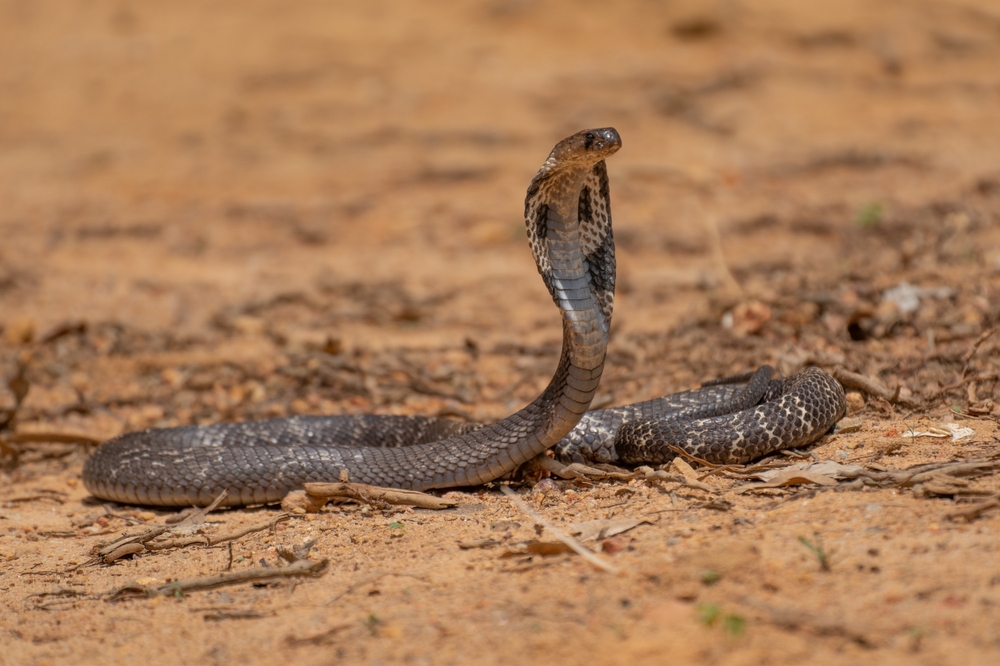
King Cobra (Ophiophagus hannah)
One of the most impressive and feared snakes in the region, the king cobra is a powerful predator that primarily preys on other snakes.

Birds

Birds

Kep National Park is also a haven for bird enthusiasts, offering sightings of a range of beautiful and rare bird species. Below are some of the popular birds found in the park:

Asian Koel (Eudynamys scolopaceus)
Known for its melodious calls, this large cuckoo is often found in the forest canopy, feeding on fruits and insects.

Oriental Pied Hornbill (Anthracoceros albirostris)
A striking bird with a large, curved bill and distinctive black-and-white plumage. It is often seen in pairs or small groups.

Greater Racket-tailed Drongo (Dicrurus paradiseus)
This sleek, black bird is known for its distinctive tail streamers and its remarkable ability to mimic the calls of other birds.

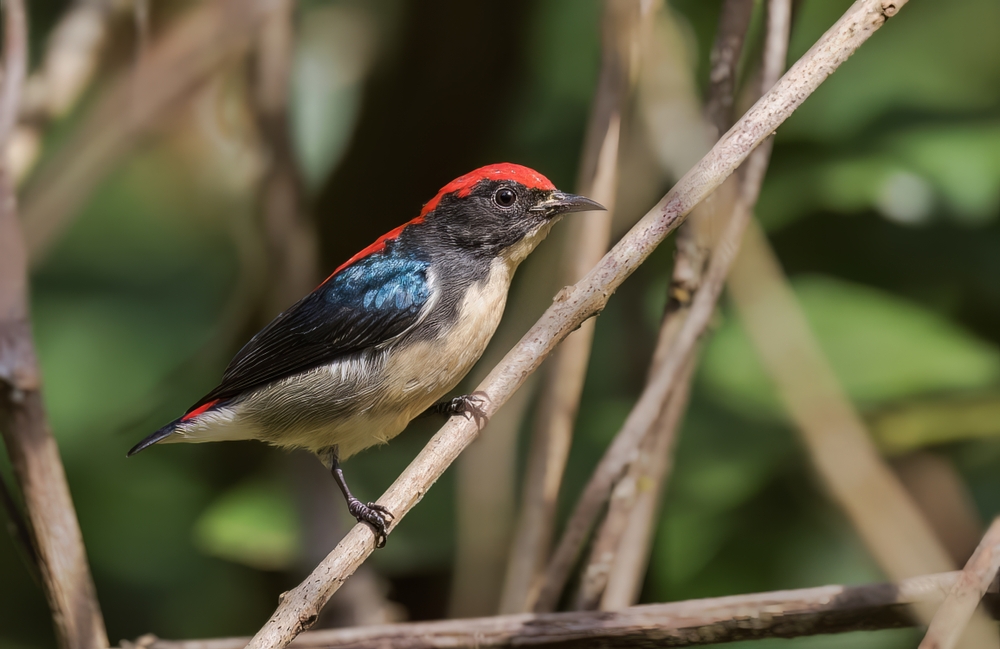
Scarlet-backed Flowerpecker (Dicaeum cruentatum)
A tiny, brightly colored bird with a striking red back and a cheerful chirping call, commonly seen flitting among the treetops.

White-throated Kingfisher (Halcyon smyrnensis)
This vibrant kingfisher is easily recognized by its bright blue body, chestnut head, and white throat, often found near water sources.

Green Bee-eater (Merops orientalis)
A small, agile bird with vivid green plumage and a graceful flight, frequently seen catching insects mid-air.

Asian Barred Owlet (Glaucidium cuculoides)
This small, round-headed owl is active during the day and night, preying on insects, small mammals, and reptiles.

Black Baza (Aviceda leuphotes)
A striking bird of prey with bold black-and-white patterns, often seen gliding gracefully over the forest canopy.

Oriental Magpie-Robin (Copsychus saularis)
A common bird with elegant black-and-white plumage and a sweet, melodious song. It is often found perched on low branches or hopping on the ground.

Crested Serpent Eagle (Spilornis cheela)
This majestic bird of prey is known for its sharp eyesight and preference for hunting snakes and lizards in the forest.

Things To Do

Engaging Kep National Park
Hiking

Kep National Park offers a network of well-maintained trails that provide a perfect blend of adventure and scenic beauty. The main loop trail, approximately 8 kilometers long, circles the park and offers panoramic views of Kep’s coastline, the Gulf of Thailand, and nearby islands.

Along the way, hikers traverse lush tropical forests, spot native wildlife such as monkeys and lizards, and discover hidden gems like the Little Buddha statue and pagodas. For those seeking a more challenging hike, trails leading to mountain viewpoints provide rewarding vistas and a deeper connection with the park’s natural surroundings.

Guided hikes are available for those interested in learning about the park’s flora, fauna, and conservation efforts, making hiking a must-do activity in Kep National Park.

Birdwatching

Kep National Park is a haven for birdwatchers, with its mix of coastal, forest, and grassland habitats attracting a variety of bird species. Guided birdwatching tours take visitors to prime locations where species like hornbills, kingfishers, and sunbirds can be observed in their natural habitats.

Early morning excursions are particularly fruitful, as birds are most active during this time. Alongside birdwatching, guides provide insights into the park’s ecosystem and the role of birds in maintaining its ecological balance.

For novice and expert birdwatchers alike, Kep National Park offers a tranquil and rewarding experience amidst nature.

placeholder

Biking

For a more active way to engage with Kep National Park, cycling through its scenic trails is an increasingly popular activity. The park’s relatively gentle terrain and well-marked paths make it ideal for bikers of all skill levels.

Visitors can rent bikes locally and explore trails that lead to hidden viewpoints, secluded picnic spots, and cultural landmarks like the old French-era villas scattered around the park’s edges.

Cycling offers a unique perspective on the park’s landscapes, allowing visitors to cover more ground while enjoying the serenity of its natural beauty. Combining physical activity with discovery, cycling in Kep National Park provides an engaging and memorable experience.