

About
Ulu Temburong National Park, locally known as Taman Nasional Ulu Temburong, is located in the eastern part of Brunei’s Temburong District. Spanning 212 square miles (approximately 550 square kilometers), this pristine park is often referred to as the “Green Jewel of Brunei” due to its untouched rainforests and immense biodiversity. Established in 1991, the park is part of the larger Heart of Borneo conservation initiative, which aims to preserve the region’s tropical rainforests.
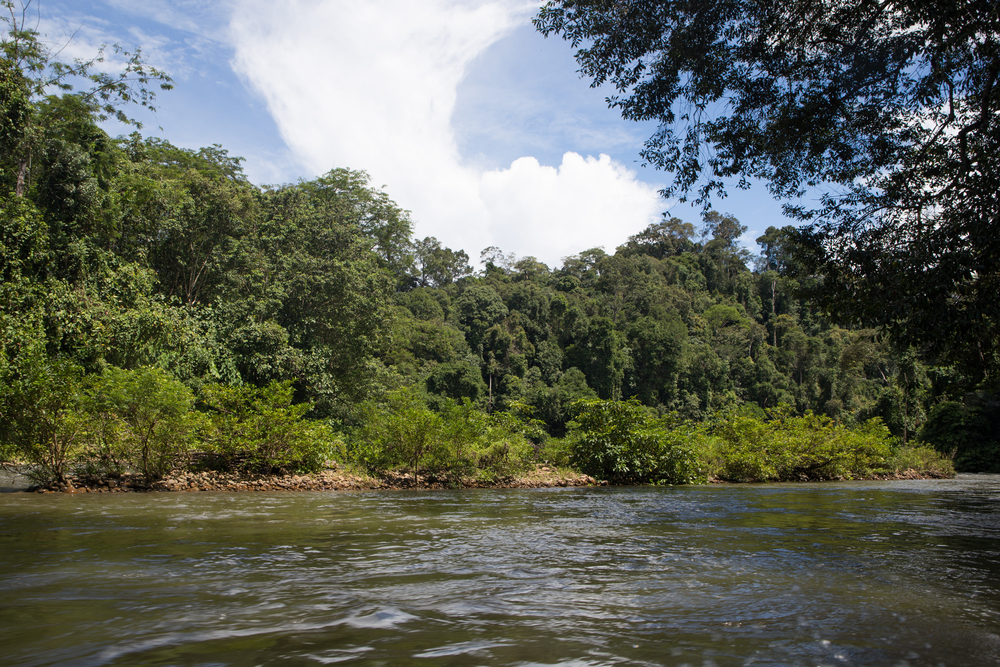
The landscape of Ulu Temburong National Park is dominated by primary rainforest, featuring steep hills, winding rivers, and dense jungle. The park’s rainforest is one of the most well-preserved in Borneo, making it a haven for researchers, nature lovers, and eco-tourists. The park’s signature feature is its canopy walkway, a series of suspended bridges that rise over 150 feet (50 meters) above the forest floor, offering visitors stunning panoramic views of the treetops and the sprawling rainforest.
The park’s vegetation is rich and diverse, with towering dipterocarp trees, ferns, and various species of orchids and other tropical plants. The lush greenery and dense foliage create a vibrant environment that supports a wide variety of wildlife. Visitors can explore the rainforest through guided treks and boat tours along the Temburong River, with plenty of opportunities to observe the park’s remarkable flora and fauna.
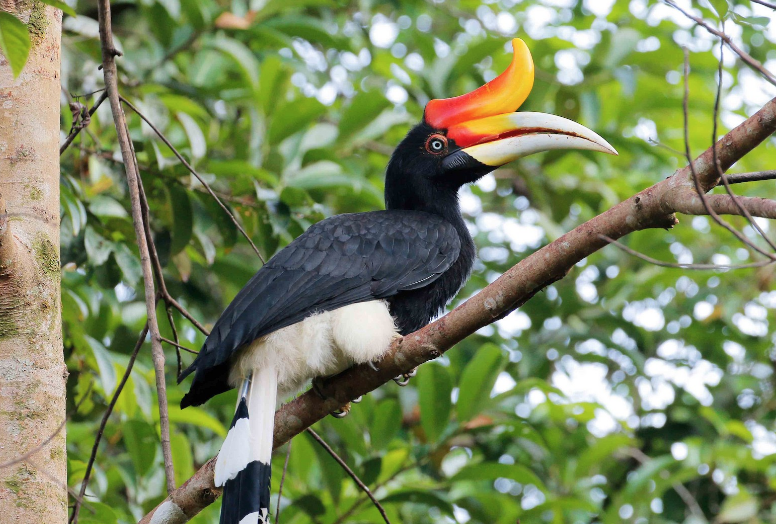
Ulu Temburong National Park is home to an incredible array of wildlife, including proboscis monkeys, gibbons, hornbills, and various species of reptiles and amphibians. The park is also a paradise for birdwatchers, with over 400 species of birds, including the rare Bornean bristlehead. The diversity of life, combined with the tranquility of the untouched rainforest, makes Ulu Temburong National Park one of the most spectacular natural destinations in Southeast Asia.
Things to See

Things To Do
Engaging Ulu Temburong National Park


FAQ’s
When was Ulu Temburong National Park established?
Ulu Temburong National Park was established in 1991 as Brunei’s first national park. Covering an area of 212 square miles (550 square kilometers), the park was created to protect the pristine rainforest and its rich biodiversity.
As part of the larger Heart of Borneo conservation initiative, it plays a vital role in preserving Borneo’s tropical ecosystems and is a key destination for ecotourism and scientific research.
What is Ulu Temburong National Park known for?
Ulu Temburong National Park, often referred to as the “Green Jewel of Brunei,” is known for its pristine, untouched tropical rainforest, which forms part of the larger Borneo rainforest ecosystem.
The park is famous for its rich biodiversity, including unique species like the proboscis monkey and Bornean gibbon, as well as its impressive canopy walkway that offers panoramic views of the rainforest.
It is also renowned for its adventure experiences, such as jungle trekking, river safaris, and waterfall explorations, making it a premier eco-tourism destination in Southeast Asia.
Sources
Backpack and Work, Day Trip into Ulu Temburong National Park, https://backpackandwork.com/day-trip-to-ulu-temburong-national-park-brunei/, retrieved August 2024.
Borneo Adventure, Ulu Temburong National Park, https://borneoadventure.com/destinations/ulu-temburong/, retrieved August 2024.
Brunei Tourism, Ulu Temburong National Park, https://www.bruneitourism.com/bruneiplaces/ulu-temburong-national-park/ retrieved August 2024.
Ecology Asia, Ulu Temburong National Park, https://www.ecologyasia.com/html-loc/ulu-temburong.htm, retrieved August 2024.
Forestry Department, Ulu Temburong National Park, http://www.forestry.gov.bn/SitePages/Ulu%20Temburong%20National%20Park.aspx, retrieved August 2024.