About

Kgalagadi Transfrontier Park stretches across the remote arid regions of southern Africa, straddling the border between Botswana and South Africa. Covering approximately 14,670 square miles (38,000 sq km), it is one of the largest protected areas in Africa and among the first officially designated transfrontier parks in the world.

Formed through the unification of South Africa’s Kalahari Gemsbok National Park and Botswana’s Gemsbok National Park, Kgalagadi represents a pioneering model of cross-border conservation. Its vast, open landscapes feel almost limitless, defined not by fences but by ecosystems that flow naturally across political boundaries, offering a true wilderness experience far removed from urban life.

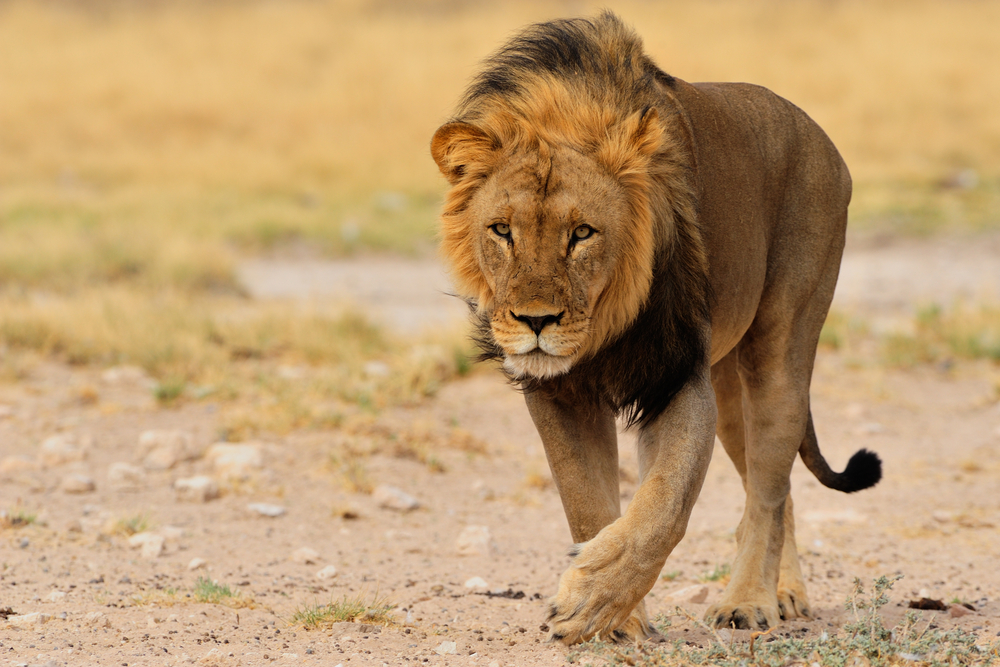
The park is best known for its iconic red sand dunes, sparse vegetation, and extraordinary predator sightings, particularly the famous black-maned lions of the Kalahari. These lions, adapted to the harsh desert conditions, are among the most sought-after wildlife experiences in Africa. The dry riverbeds of the Nossob and Auob Rivers form the lifelines of the park, where animals congregate in search of water and shade, creating exceptional opportunities for wildlife viewing.

Visitors often travel along these fossilized river valleys, encountering dramatic scenes of survival and interaction between predators and prey. The stark beauty of the landscape, combined with the intensity of its wildlife encounters, gives Kgalagadi a raw and unforgettable character.

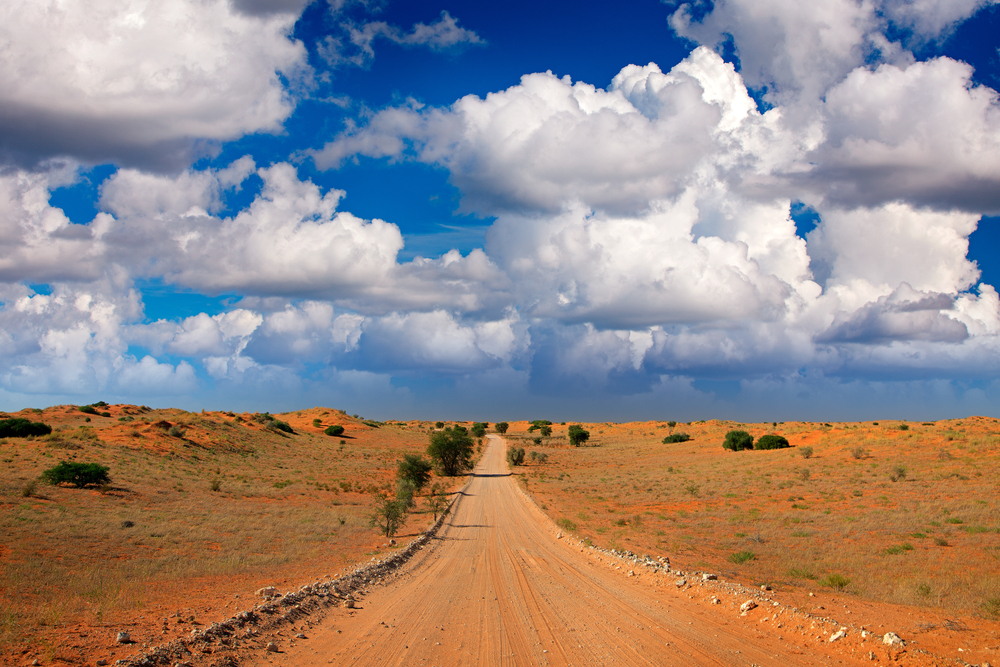
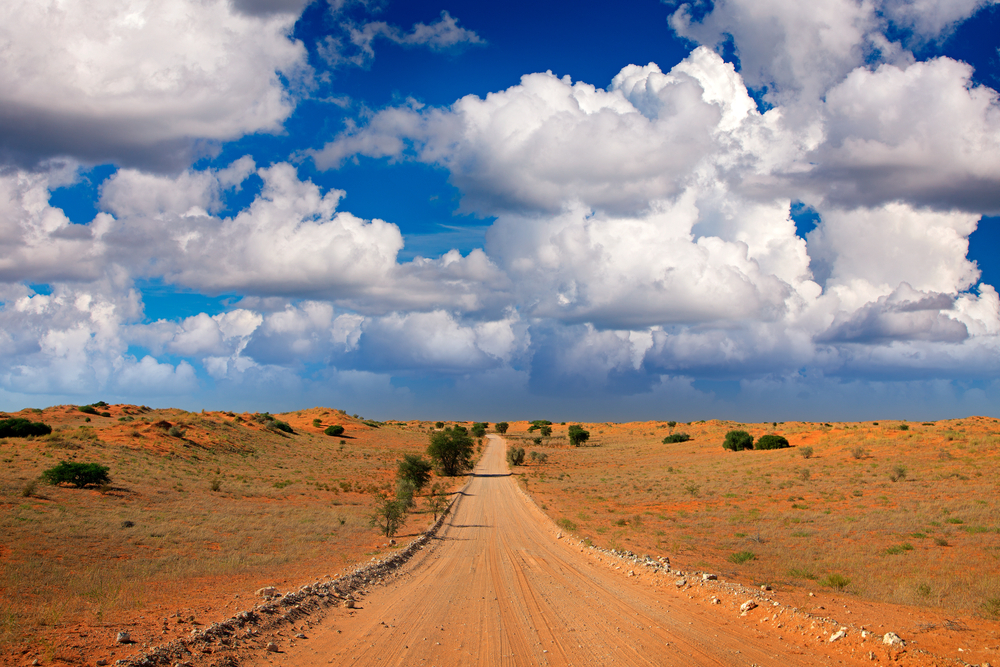
Geographically, Kgalagadi is part of the larger Kalahari Desert system, characterized by rolling dunes, expansive plains, and ancient river channels. The red coloration of the dunes comes from iron oxide in the sand, creating vivid contrasts against the deep blue sky. Vegetation is sparse but resilient, dominated by hardy grasses, thorny shrubs, and iconic camelthorn trees that provide essential shade and nesting sites.

Seasonal rains can briefly transform parts of the park, bringing a flush of green and attracting migratory species, but for most of the year, the environment remains dry and demanding. The open terrain allows for sweeping views that stretch for miles, reinforcing the sense of isolation and scale.

Wildlife in Kgalagadi is uniquely adapted to desert conditions and is both diverse and highly visible due to the open landscape. In addition to the black-maned lions, the park is home to cheetahs, leopards, and elusive brown hyenas. Large herbivores such as gemsbok (oryx), springbok, and wildebeest roam the plains, their movements closely tied to the availability of water and vegetation.

Smaller creatures, including meerkats, bat-eared foxes, and a variety of reptiles, thrive in this environment, showcasing remarkable adaptations to heat and scarcity. Birdlife is also exceptional, with raptors such as martial eagles and pale chanting goshawks frequently seen scanning the landscape for prey.

Kgalagadi Transfrontier Park protects a fragile desert ecosystem that is both harsh and incredibly balanced. Its significance extends beyond its borders as a model for international cooperation in conservation, demonstrating how countries can work together to preserve shared natural heritage. The park safeguards critical habitats for species that depend on wide-ranging territories, particularly large predators, and helps maintain ecological processes that have existed for thousands of years.

In a world where many ecosystems are increasingly fragmented, Kgalagadi stands as a powerful example of connectivity and resilience. It offers not only a sanctuary for wildlife but also a profound reminder of the beauty and importance of preserving even the most seemingly inhospitable environments on Earth.

Things to See

Predator Species

Predator Species

Kgalagadi Transfrontier Park is home to a wide array of predator species that thrive in its vast desert and savannah landscapes, dominating the food chain.

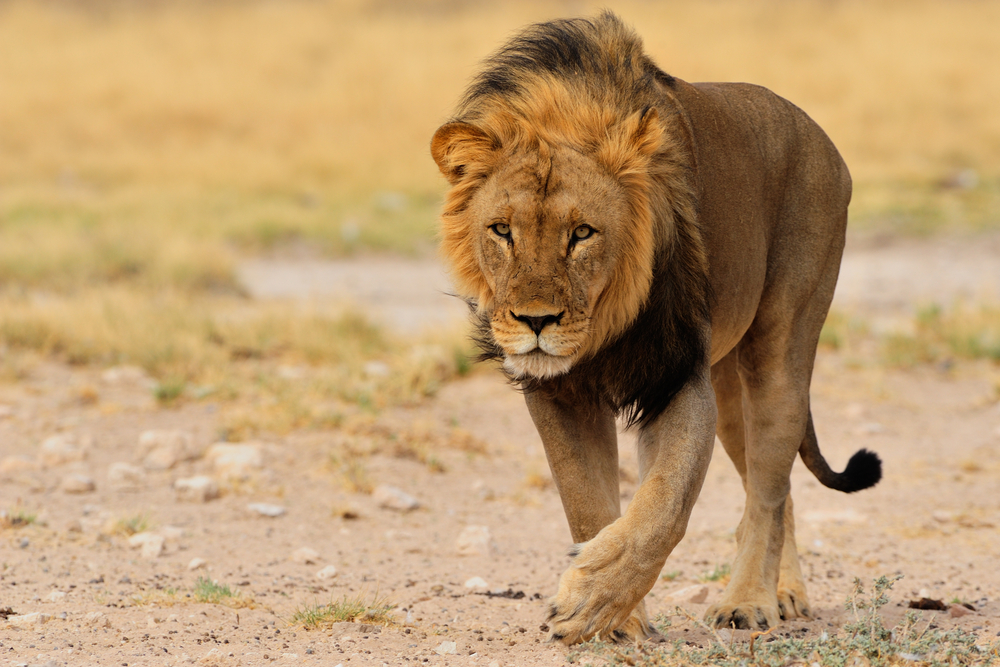
Black-maned lions are the iconic apex predators of the park, known for their majestic dark manes and ability to take down large prey like gemsbok and wildebeest.

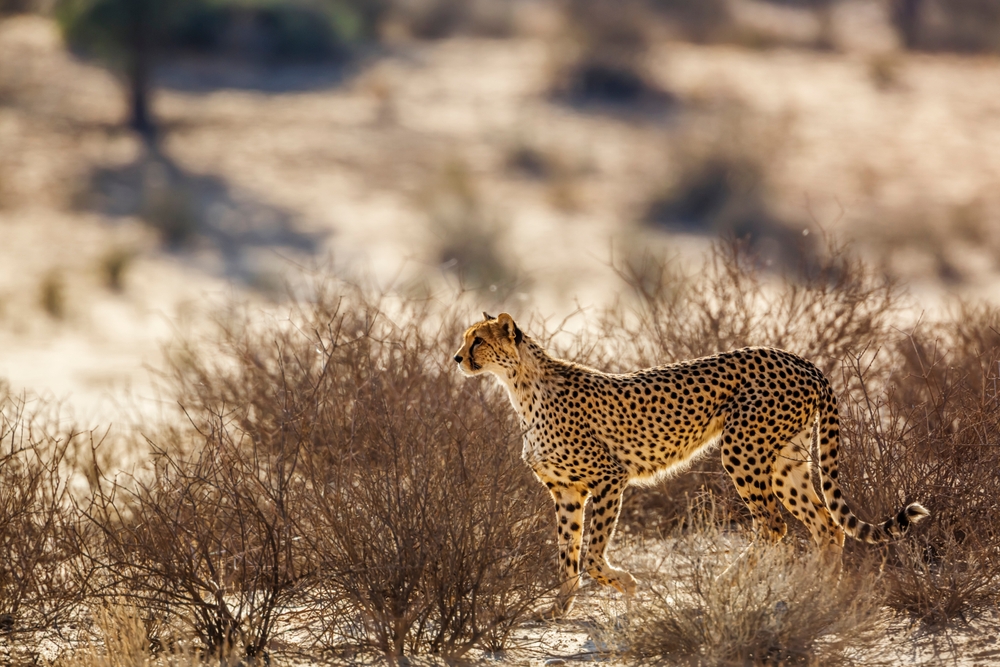
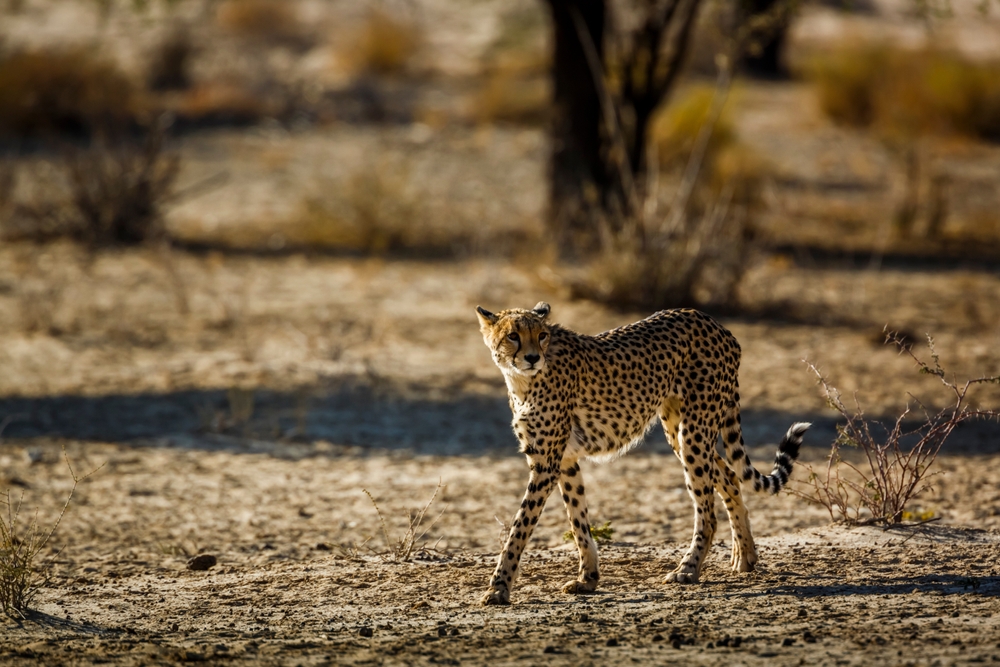
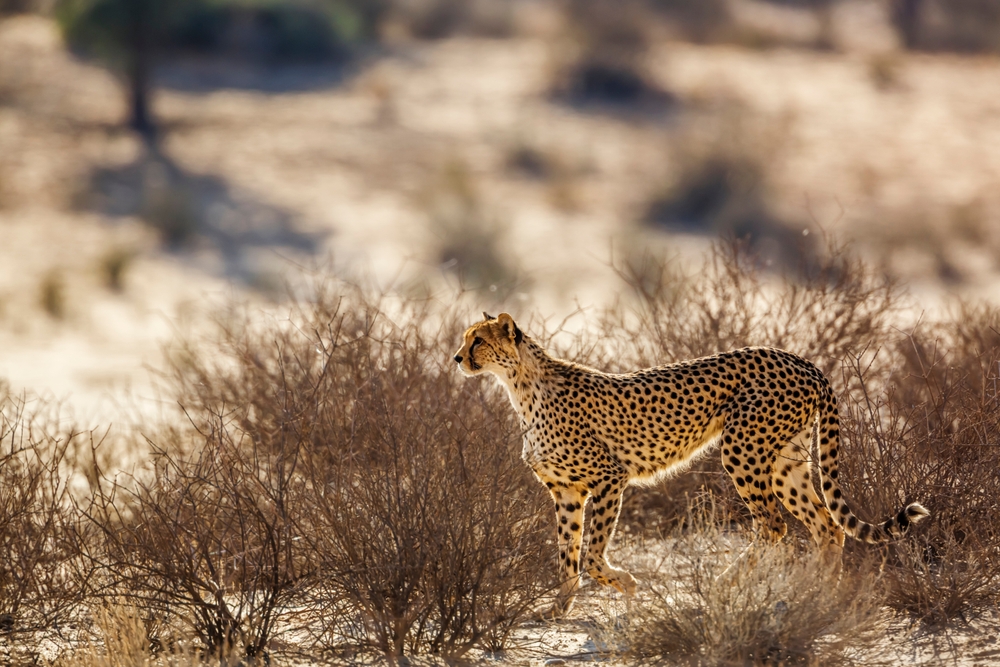
Cheetahs are swift, solitary hunters that use their speed and agility to chase down smaller herbivores like springbok, often seen sprinting across the park’s open plains.

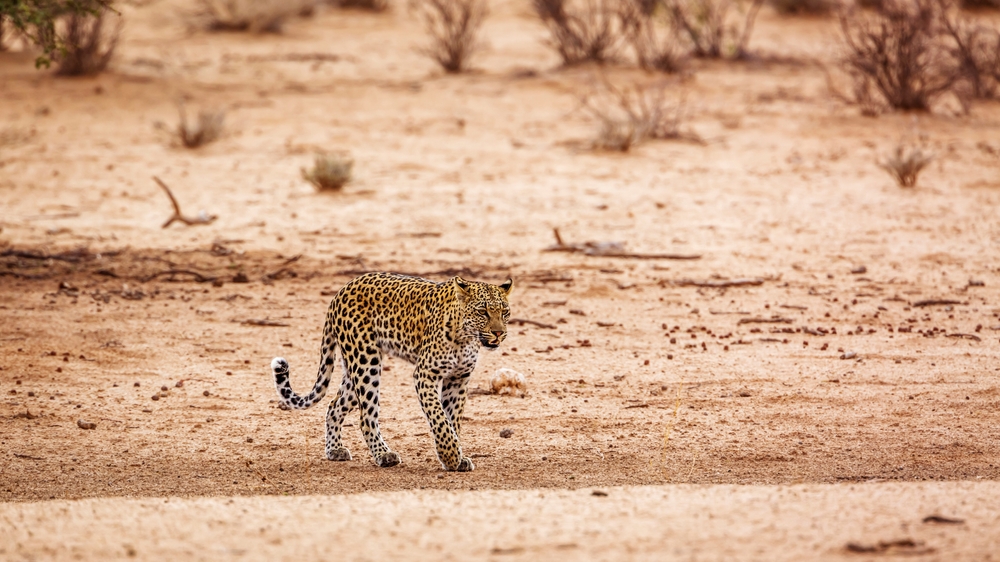
Leopards are elusive and solitary cats, hunting smaller mammals and birds by stealth and often dragging their kills into trees to avoid scavengers.

Spotted hyenas are powerful scavengers and opportunistic hunters, living in clans and using their strong jaws to break bones and consume nearly all parts of a carcass.

Brown hyenas are shy, nocturnal predators, scavenging from other animals’ kills and occasionally hunting small mammals, birds, and reptiles in the park’s drier areas.

Caracals are medium-sized, agile cats with powerful hind legs, using their leaping abilities to catch birds in flight and ambushing small mammals in grasslands.

Bat-eared foxes are small, social predators known for their large ears, which help them detect insects, small mammals, and reptiles, their primary sources of food.

Honey badgers are tough and fearless predators, known for their tenacity and ability to take on much larger animals, feeding on small mammals, reptiles, and insects.

African wildcats are small, nocturnal hunters that resemble domestic cats, preying on rodents, birds, and reptiles in the park’s dry savannahs and bushy areas.

Black-backed jackals are opportunistic predators and scavengers, often seen hunting small mammals and birds or scavenging the kills of larger predators.

Popular Species

Popular Species

Kgalagadi Transfrontier Park is home to a variety of herbivores and other wildlife species that thrive in its harsh desert environment, providing prey for the park’s predators.

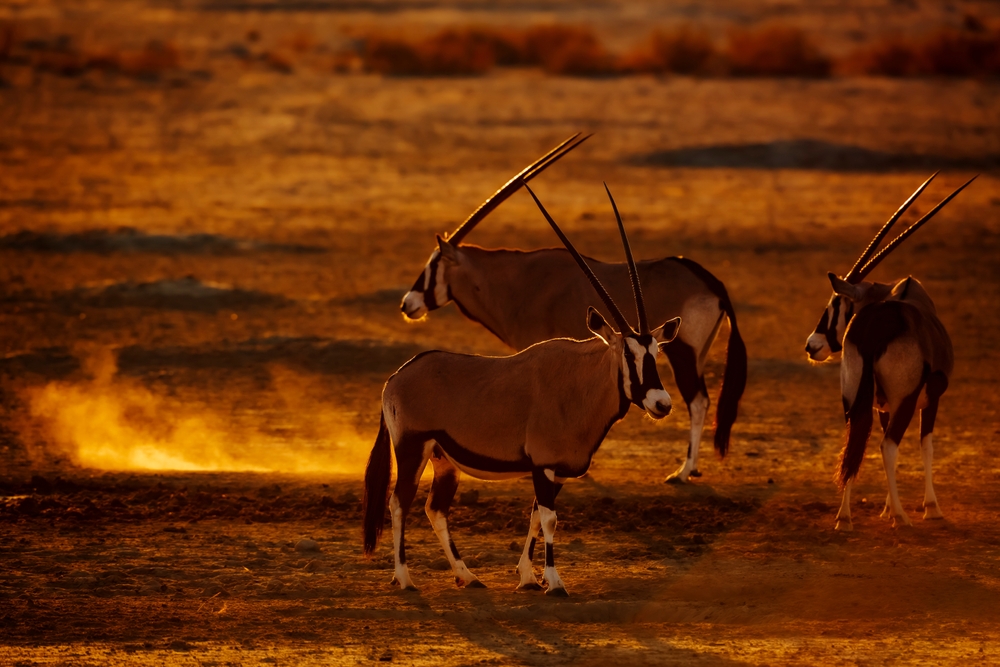
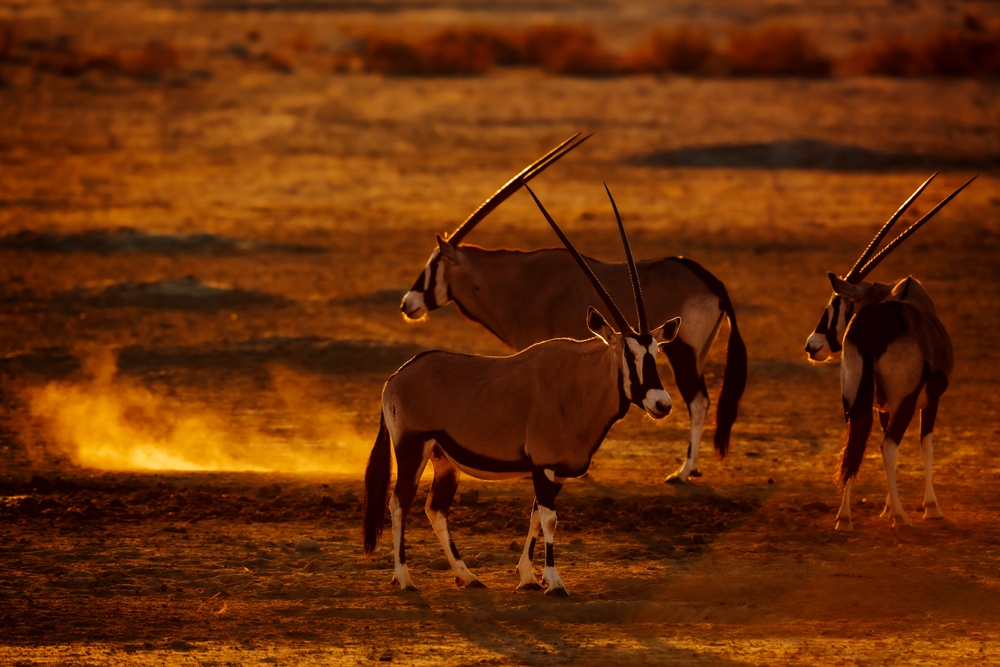
Gemsbok are large antelopes with long, straight horns and striking black-and-white facial markings, perfectly adapted to the arid conditions of the park’s deserts.

Springbok are graceful antelopes known for their characteristic leaps, called pronking, often seen in large herds across the park’s open plains, especially during the rainy season.

Eland are the largest antelope species in the park, moving in herds and grazing on grasses and shrubs, often using their size and strength to defend against predators.

Kudu are majestic antelopes with spiral horns, browsing on leaves and shoots, often found in the park’s more vegetated areas, using their excellent hearing to avoid predators.

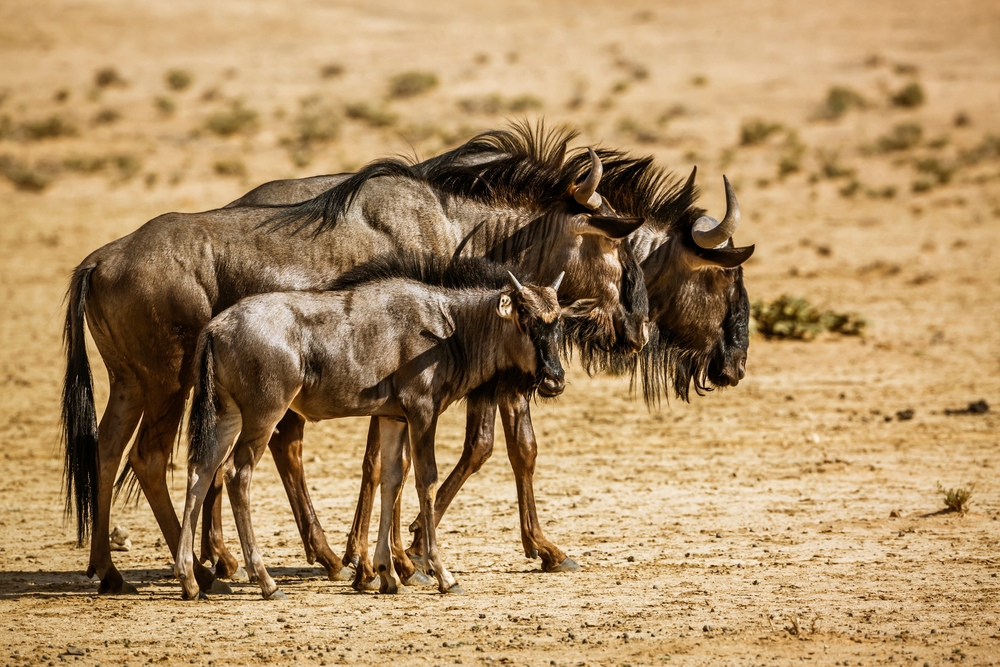
Blue wildebeest are hardy grazers that migrate in herds across the park’s plains, providing prey for many predators, particularly during the dry season when water is scarce.

Meerkats are social and inquisitive small mammals that live in large groups, standing upright on their hind legs to keep a lookout for predators while foraging for insects.

Ground squirrels are small rodents that dig extensive burrow systems, often seen foraging in the open for seeds and plants, using their bushy tails to shield themselves from the sun.

Cape foxes are small, nocturnal animals with bushy tails, feeding primarily on small mammals, insects, and fruits, often found foraging at night in the park’s open areas.

Porcupines are large, nocturnal rodents with sharp quills for defense, feeding on roots, tubers, and bark, often found in the park’s drier, rockier regions.

Warthogs are tough, stout mammals with tusks, often seen foraging on their knees in the park’s savannahs, digging up roots and tubers with their snouts.

Bird Species

Bird Species

Kgalagadi Transfrontier Park is a birdwatcher’s paradise, home to a diverse range of bird species, from majestic raptors to colorful smaller species, thriving in its varied landscapes.

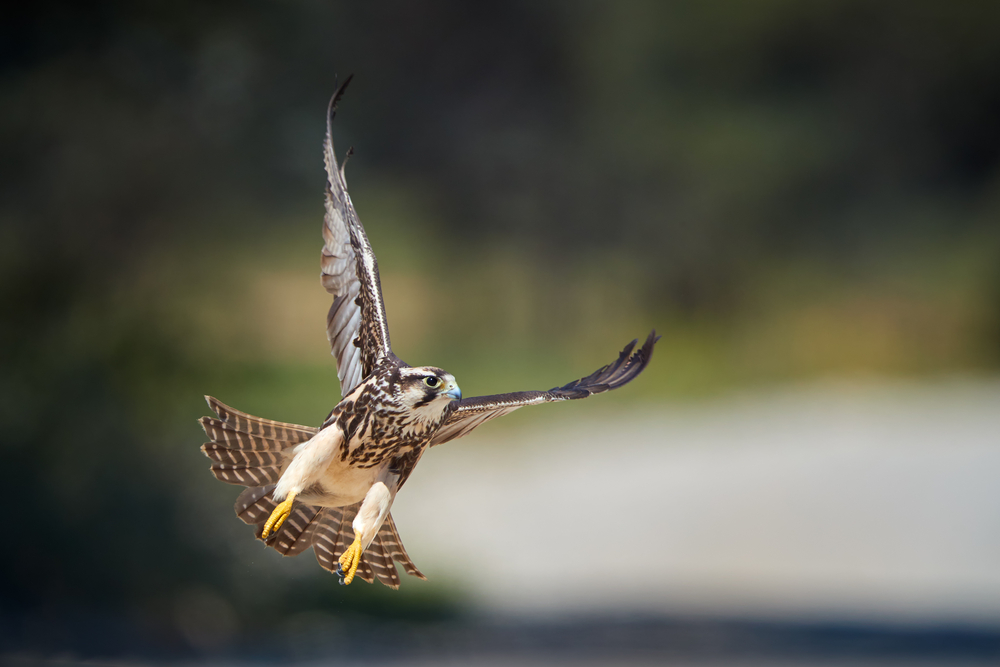
Pale chanting goshawks are sleek, graceful birds of prey often seen perched on trees or poles, hunting for small mammals, birds, and reptiles in the park’s open areas.

Martial eagles are the largest eagles in the park, using their keen eyesight and powerful talons to hunt medium-sized mammals, birds, and reptiles across the savannahs.

Kori bustards are the heaviest flying birds in Africa, often seen striding through the park’s open grasslands, feeding on insects, small mammals, and seeds.

Secretary birds are tall, long-legged raptors known for their striking appearance and snake-hunting skills, often seen striding across the park’s savannahs.

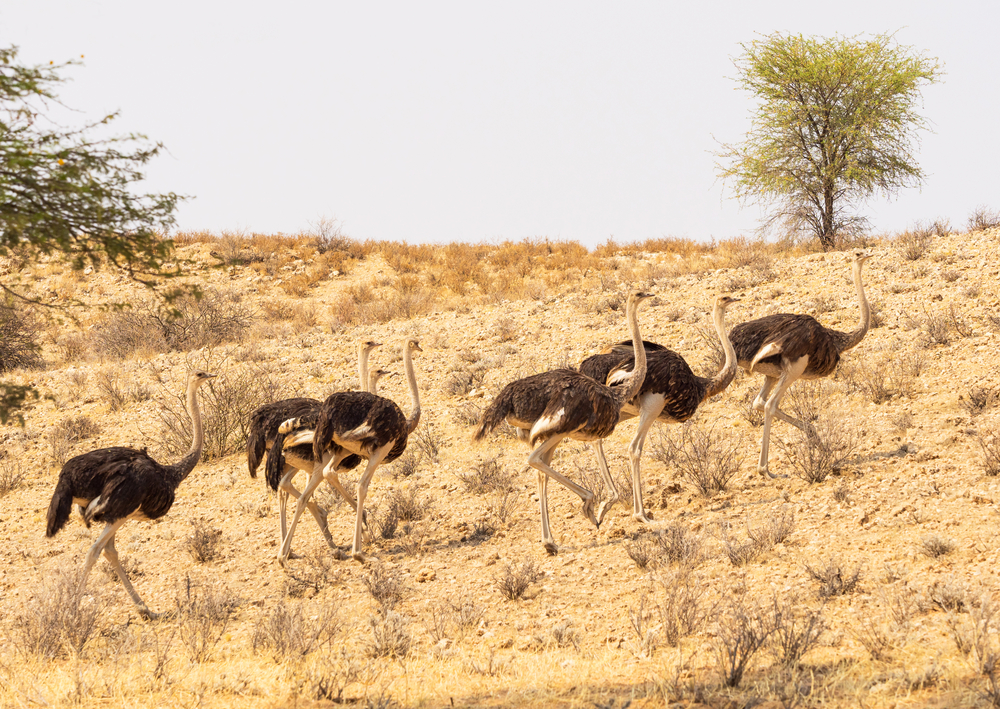
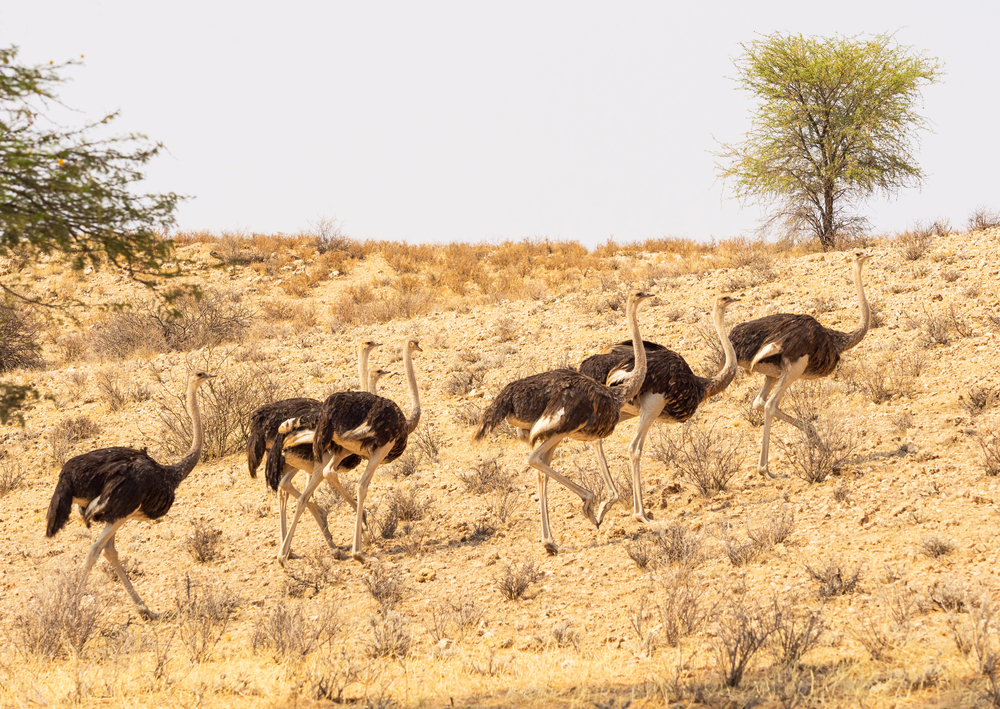
Ostriches are the largest flightless birds in the world, roaming the park’s plains in small groups and feeding on grasses, seeds, and occasionally small animals.

Southern yellow-billed hornbills are brightly colored birds with large, curved beaks, often seen foraging on the ground for insects and seeds in the park’s more vegetated areas.

Sociable weavers are small birds that live in large communal nests, often seen in colonies in the park’s trees, feeding on seeds, insects, and small fruits.

Lappet-faced vultures are large, powerful scavengers, using their strong beaks to tear into carcasses, often seen soaring above the park in search of food.

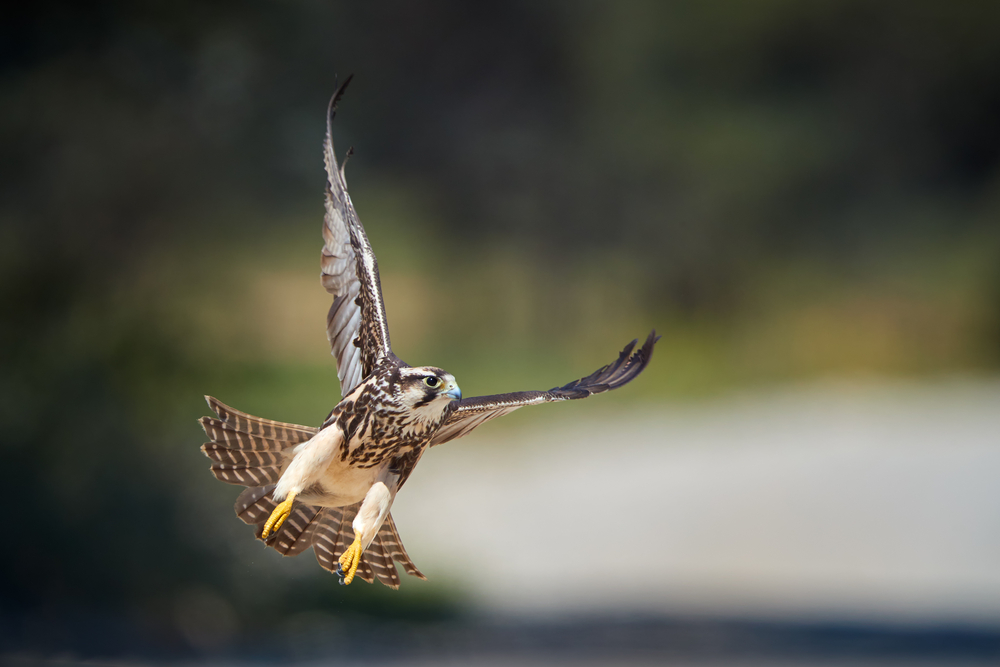
Pygmy falcons are small but fierce raptors, often seen hunting insects, small birds, and reptiles, using their speed and agility to catch prey in the park’s arid areas.

White-backed vultures are large scavengers that rely on their keen sense of smell to locate carcasses, playing a critical role in the park’s ecosystem by cleaning up remains.

Things To Do

Engaging Kgalagadi Transfrontier Park
Wildlife Safaris

Kgalagadi Transfrontier Park is renowned for its incredible wildlife, especially predators such as lions, leopards, and cheetahs.

Visitors can experience the park’s famed wilderness through wildlife safaris. Safari drives, either self-guided or led by professional guides, allow travelers to explore the arid landscapes and open plains, offering sightings of not only predators but also herds of antelope, giraffes, and various bird species.

The iconic black-maned lions of the Kalahari are one of the park’s star attractions. Safari-goers can expect a raw, unfiltered experience of Africa’s wildlife in a truly wild and remote setting.

Birdwatching

The park’s diverse habitats make it an excellent destination for birdwatching, with over 280 bird species recorded. Birds of prey are particularly abundant, including the Pale Chanting Goshawk, Martial Eagle, and Pygmy Falcon.

For avid birdwatchers, the vast, open skies and the desert’s unique birdlife create an unforgettable experience. The dry landscape and open plains offer excellent visibility, making birdwatching one of the highlights of visiting Kgalagadi. Early morning and late afternoon are the best times to spot a variety of bird species in their natural environment.

Guided 4x4 Tours

Kgalagadi’s rugged, remote terrain is perfect for guided 4×4 adventures, allowing visitors to explore areas of the park that are inaccessible by regular vehicles. These off-road trails offer a thrilling experience as visitors navigate through sandy dunes, rocky outcrops, and dry riverbeds.

On a 4×4 trail, visitors can expect to see some of the more elusive wildlife and get off the beaten path, discovering hidden gems of the Kalahari Desert. Expert guides provide insights into the region’s ecology, adding depth to the adventure.

placeholder

Camping Under the Stars

For visitors looking to immerse themselves in the wild, camping is one of the most intimate ways to experience Kgalagadi. The park has several campsites, both fully equipped and rustic, that offer visitors a chance to sleep under the stars in the heart of the Kalahari.

Without light pollution, the desert skies come alive with stars, providing an extraordinary night-time experience. The sounds of the wild, from lion roars to jackal calls, create an unforgettable atmosphere, adding to the sense of adventure and connection with nature.

Wildlife Safaris

Kgalagadi Transfrontier Park is renowned for its incredible wildlife, especially predators such as lions, leopards, and cheetahs.

Visitors can experience the park’s famed wilderness through wildlife safaris. Safari drives, either self-guided or led by professional guides, allow travelers to explore the arid landscapes and open plains, offering sightings of not only predators but also herds of antelope, giraffes, and various bird species.

The iconic black-maned lions of the Kalahari are one of the park’s star attractions. Safari-goers can expect a raw, unfiltered experience of Africa’s wildlife in a truly wild and remote setting.

Birdwatching

The park’s diverse habitats make it an excellent destination for birdwatching, with over 280 bird species recorded. Birds of prey are particularly abundant, including the Pale Chanting Goshawk, Martial Eagle, and Pygmy Falcon.

For avid birdwatchers, the vast, open skies and the desert’s unique birdlife create an unforgettable experience. The dry landscape and open plains offer excellent visibility, making birdwatching one of the highlights of visiting Kgalagadi. Early morning and late afternoon are the best times to spot a variety of bird species in their natural environment.

Guided 4x4 Tours

Kgalagadi’s rugged, remote terrain is perfect for guided 4×4 adventures, allowing visitors to explore areas of the park that are inaccessible by regular vehicles. These off-road trails offer a thrilling experience as visitors navigate through sandy dunes, rocky outcrops, and dry riverbeds.

On a 4×4 trail, visitors can expect to see some of the more elusive wildlife and get off the beaten path, discovering hidden gems of the Kalahari Desert. Expert guides provide insights into the region’s ecology, adding depth to the adventure.

placeholder

Camping Under the Stars

For visitors looking to immerse themselves in the wild, camping is one of the most intimate ways to experience Kgalagadi. The park has several campsites, both fully equipped and rustic, that offer visitors a chance to sleep under the stars in the heart of the Kalahari.

Without light pollution, the desert skies come alive with stars, providing an extraordinary night-time experience. The sounds of the wild, from lion roars to jackal calls, create an unforgettable atmosphere, adding to the sense of adventure and connection with nature.

Sources

Botswana Tourism Organizations, Kgalagadi Transfrontier National Park, https://www.botswanatourism.co.bw/explore/kgalagadi-transfrontier-park, retrieved August 2024.

Britannica, Kgalagadi Transfrontier National Park, https://www.britannica.com/place/Kgalagadi-Transfrontier-Park, retrieved August 2024.

Peace Parks Foundation, Kgalagadi, https://www.peaceparks.org/tfcas/kgalagadi/, retrieved August 2024.

Siyabona Africa, Kgalagadi Transfrontier National Park, https://www.nature-reserve.co.za/kgalagadi-transfrontier-nature-preserve.html, retrieved August 2024.

South Africa National Parks, Kgalagadi Transfrontier National Park, https://www.sanparks.org/parks/kgalagadi, retrieved August 2024.