About

Wangchuck Centennial National Park, located in northern Bhutan, spans an area of approximately 4,914 square kilometers (1,897 square miles). Established in 2008, this park commemorates the centenary of Bhutan’s monarchy and serves as a vital conservation area in the Eastern Himalayas.

Its pristine landscape is a breathtaking mix of rugged mountains, alpine meadows, glacial valleys, and dense forests. The terrain varies dramatically with elevations ranging from about 2,500 meters (8,200 feet) to over 5,000 meters (16,400 feet), making it a critical habitat for diverse flora and fauna.

The park’s vegetation transitions from subtropical broadleaf forests at lower altitudes to temperate coniferous forests and alpine meadows as the elevation increases. The forests are dominated by species such as fir, spruce, and rhododendron, while higher altitudes host fragile tundra ecosystems.

This rich biodiversity supports significant wildlife, including snow leopards, Himalayan black bears, red pandas, and blue sheep. Wangchuck Centennial National Park is also home to numerous bird species, such as the Himalayan monal and the critically endangered white-bellied heron, making it a paradise for birdwatchers.

Visitors can engage with the park through trekking, nature exploration, and cultural immersion. Several trekking routes traverse its dramatic landscapes, such as the Snowman Trek, considered one of the most challenging and beautiful treks in the world. Trekkers experience the park’s unspoiled beauty, including views of sacred peaks like Gangkar Puensum, Bhutan’s highest mountain. Along the way, visitors encounter traditional yak-herding communities and ancient monasteries, offering a glimpse into Bhutan’s rich cultural heritage.

Despite its beauty and ecological importance, Wangchuck Centennial National Park faces challenges. The effects of climate change, such as glacial retreat and unpredictable weather patterns, threaten its delicate ecosystems.

Human activities, including overgrazing and poaching, also pose risks. Bhutan’s government and local communities are actively engaged in conservation efforts, promoting sustainable practices and conducting research to protect the park’s biodiversity.

Wangchuck Centennial National Park is a stunning example of Bhutan’s commitment to preserving its natural and cultural heritage. Its diverse landscapes, rare wildlife, and vibrant traditions make it a destination of unparalleled beauty and significance. Visitors leave with a deep appreciation for the interconnectedness of nature, culture, and conservation, ensuring the park’s legacy endures for generations to come.

Things to See

Popular

Popular

Wangchuck Centennial National Park, located in the heart of Bhutan, is a pristine wilderness that showcases an extraordinary array of biodiversity. Home to diverse ecosystems, this park supports numerous species that thrive across its alpine meadows, dense forests, and snow-capped peaks.

Snow Leopard
This elusive and majestic big cat is a symbol of the park’s high-altitude ecosystems. Known for its thick gray fur and black rosettes, the snow leopard is well-adapted to the harsh, cold environment of the Himalayas.

Red Panda
A charming arboreal mammal, the red panda is easily recognizable by its reddish-brown fur, bushy tail, and masked face. It primarily inhabits the bamboo forests of the park.

Himalayan Musk Deer
This small deer species is famous for its unique scent glands, which are sought after for traditional perfumes. It thrives in the park’s subalpine forests and meadows.

Bengal Tiger
As a rare and protected species, the Bengal tiger occasionally traverses the park’s lower altitudes. It plays a crucial role in maintaining ecological balance.

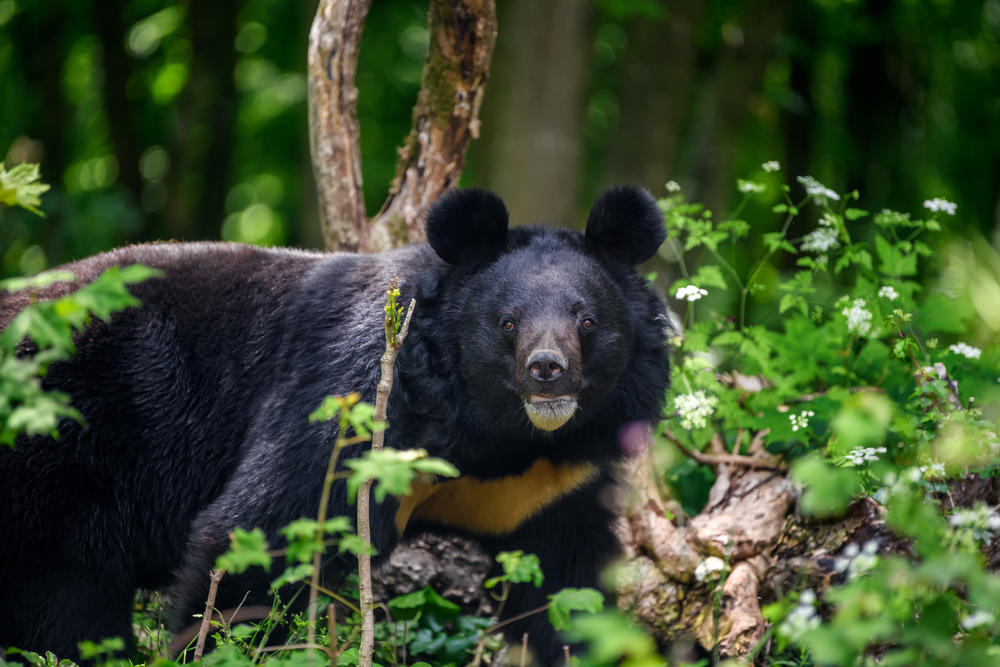
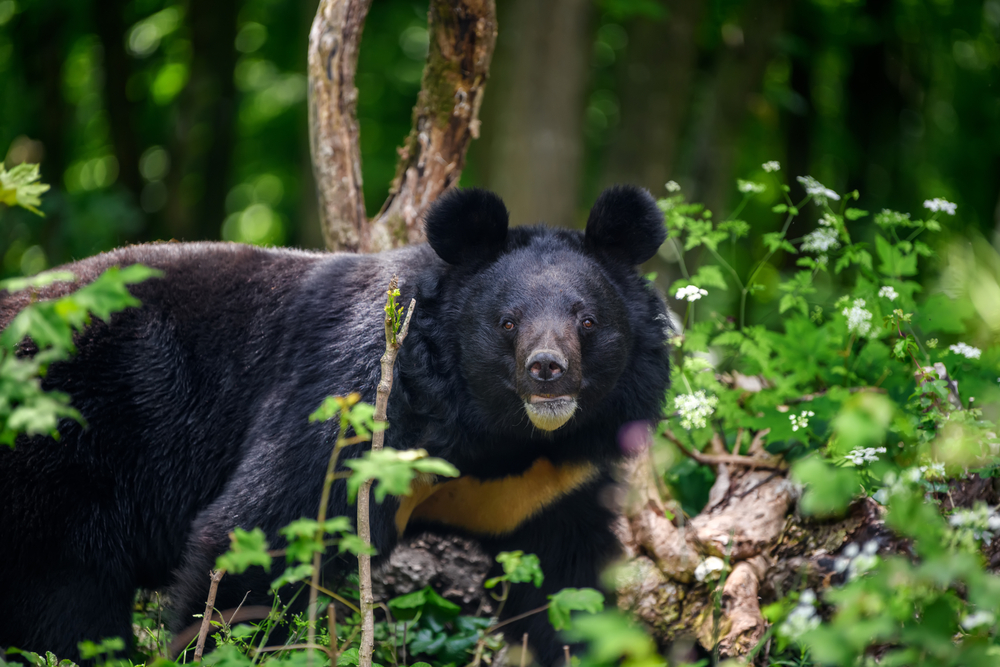
Asiatic Black Bear
Also known as the moon bear for the white crescent marking on its chest, this species is found in the park’s forested regions, where it feeds on fruits, nuts, and insects.

Golden Langur
This striking primate is known for its golden-orange fur and long tail. It is endemic to Bhutan and thrives in the park’s lush forests.

Himalayan Monal
Though primarily a bird, this pheasant-like species adds brilliant color to the alpine meadows with its iridescent plumage and is culturally significant.

Himalayan Tahr
A goat-like ungulate, the Himalayan tahr is agile and perfectly adapted to navigate the steep, rugged terrain of the park’s high-altitude regions.

Blue Sheep (Bharal)
These sure-footed herbivores are commonly spotted on rocky slopes and are a critical prey species for the snow leopard.

Pika
A small, rabbit-like mammal, the pika is a keystone species of the park’s alpine ecosystems, contributing significantly to the food chain.

Birds

Birds

Wangchuck Centennial National Park is also a sanctuary for a rich variety of bird species, making it a haven for avian enthusiasts. These vibrant creatures contribute to the park’s ecological diversity and visual splendor.

Himalayan Monal
With its dazzling iridescent plumage, the Himalayan Monal stands out as one of the most vibrant bird species in the park.

Blood Pheasant
This bird is named for its striking red markings. It thrives in the park’s subalpine forests and alpine meadows.

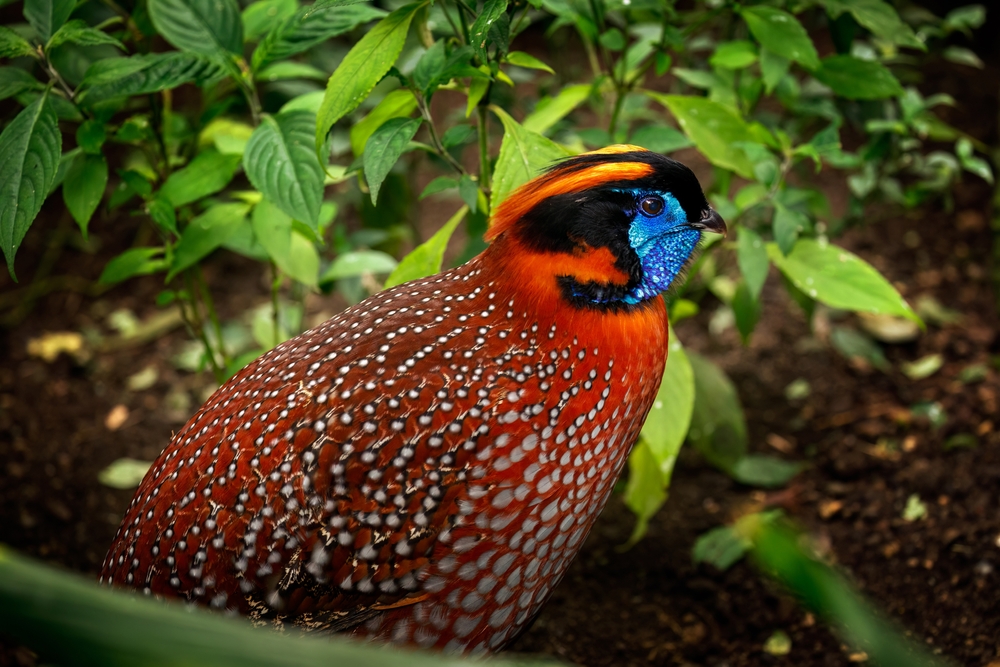
Satyr Tragopan
Known for its vivid red and orange plumage, this pheasant species inhabits dense forests and is a delight for birdwatchers.

Tibetan Snowcock
An alpine specialist, this bird is often seen at high altitudes, blending into its rocky surroundings.

Ibisbill
A wader with a distinct long, red down-curved bill, the Ibisbill frequents the park’s riverbanks and gravel beds.

Fire-tailed Sunbird
This small, nectar-feeding bird is known for its vibrant red tail and shimmering plumage, often seen flitting around flowering plants.

Hodgson’s Bushchat
A rare and striking bird, this species is found in the park’s open grasslands and scrub habitats.

Rufous-necked Hornbill
This large, colorful hornbill is notable for its distinctive casque and vibrant plumage, found in the park’s lower forests.

Golden Bush Robin
A striking bird with a bright golden hue, it inhabits the park’s dense undergrowth and is a favorite among photographers.

White-capped Redstart
This bird adds a splash of color to riverbanks and streams, with its striking black, white, and red plumage.

Things To Do

Engaging Wangchuck Centennial National Park

Trekking

Trekking

Wildlife Viewing

Wildlife Viewing

placeholder

Cultural Heritage