About
Phrumsengla National Park (formerly known as Thrumshingla National Park) is located in central-eastern Bhutan and spans portions of Bumthang, Mongar, Lhuentse, and Zhemgang districts. Established in 1998, the park covers approximately 350 square miles (905 sq km) and protects a remarkable section of the eastern Himalayas.
The park is centered around Phrumsengla Pass, one of Bhutan’s highest road passes, which rises to approximately 12,500 feet (3,800 m). Its position between western and eastern Bhutan makes it a crucial biological corridor connecting several of the country’s protected areas and supporting exceptional biodiversity.
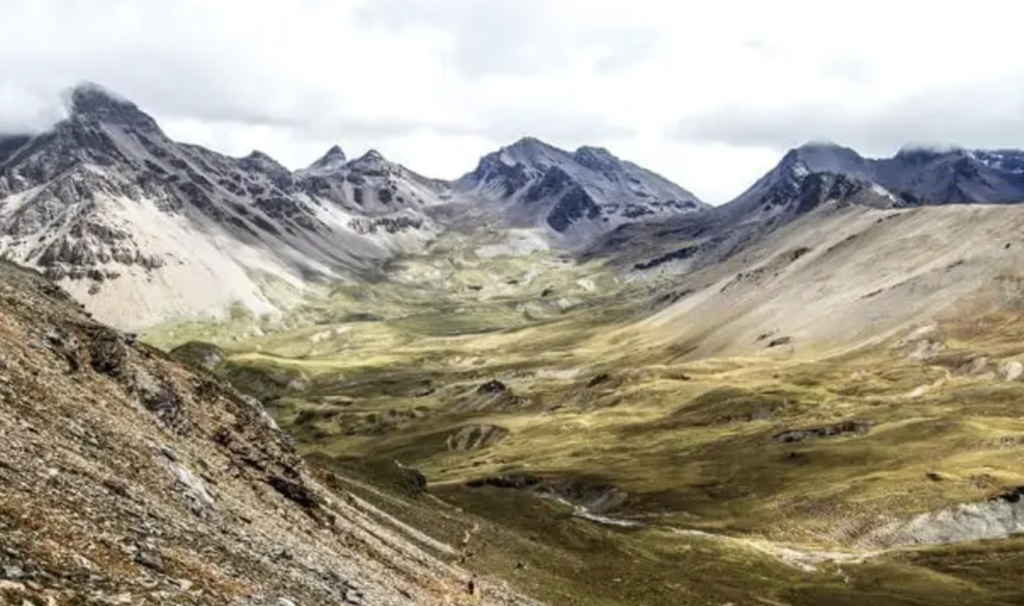
The park is best known for its stunning mountain scenery, dense forests, and extraordinary variety of habitats. Visitors traveling along Bhutan’s scenic East–West Highway pass through the heart of the park, where dramatic mountain views, mist-covered forests, and colorful rhododendron blooms create some of the country’s most beautiful landscapes.
The region is especially famous for its spring wildflower displays, when hillsides burst into vibrant colors. Unlike many national parks that focus on a single ecosystem, Phrumsengla encompasses an extraordinary range of habitats, making it one of Bhutan’s most biologically diverse protected areas.
Geographically, Phrumsengla National Park stretches across a broad elevation range from approximately 2,300 feet (700 m) to over 14,000 feet (4,300 m). This variation creates a remarkable diversity of ecosystems, including subtropical forests, temperate broadleaf forests, conifer forests, alpine meadows, and high mountain shrublands.
The park’s steep valleys and rugged ridges are crossed by numerous rivers and streams that contribute to important watersheds throughout Bhutan. Extensive forests of fir, spruce, hemlock, oak, maple, and rhododendron dominate much of the landscape, while alpine areas support hardy vegetation adapted to harsh mountain conditions.
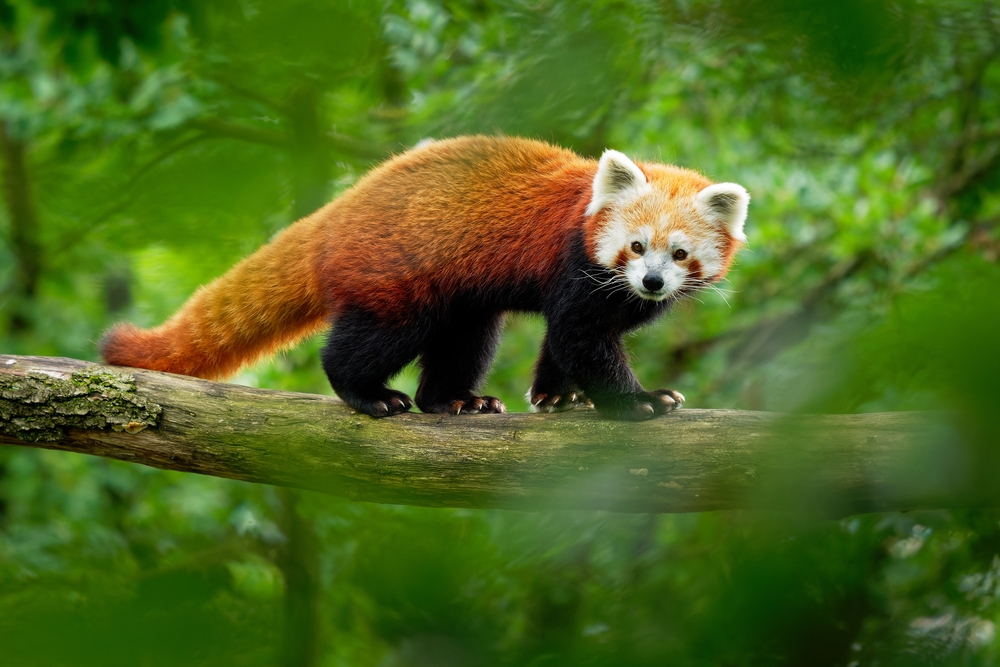
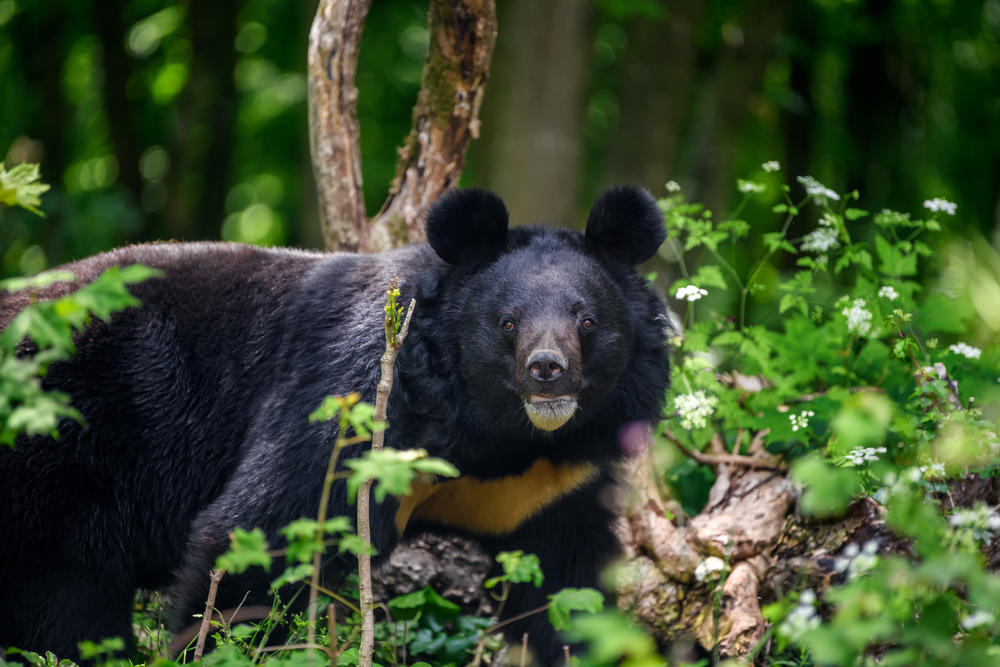
Wildlife within Phrumsengla National Park is exceptionally rich. Mammals include Bengal tigers, clouded leopards, snow leopards, Himalayan black bears, red pandas, musk deer, and serow. One of the park’s most remarkable features is that it supports Bengal tigers at unusually high elevations, demonstrating the adaptability of the species within Bhutan’s protected landscapes.
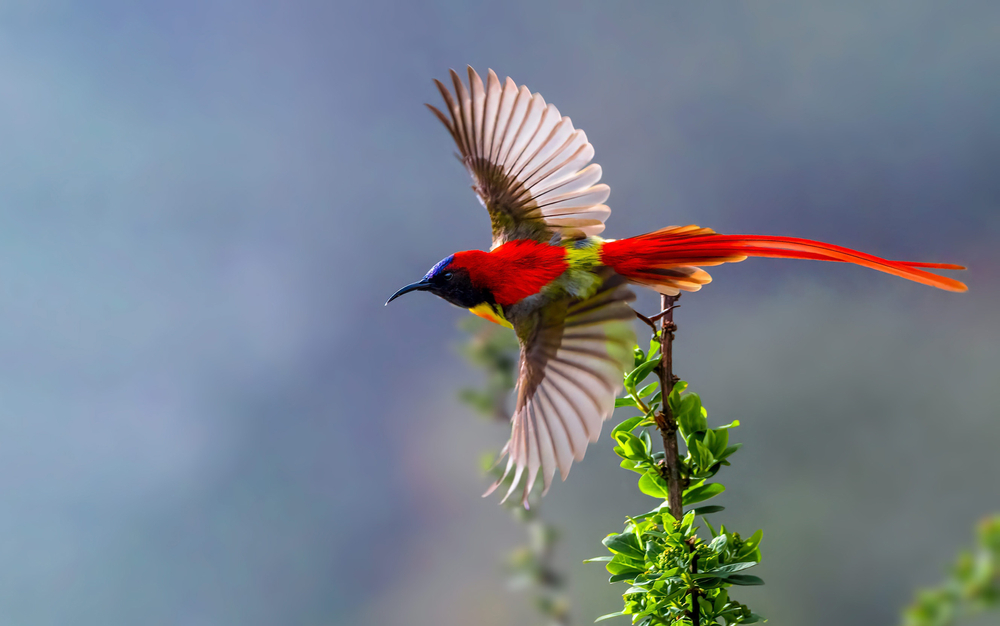
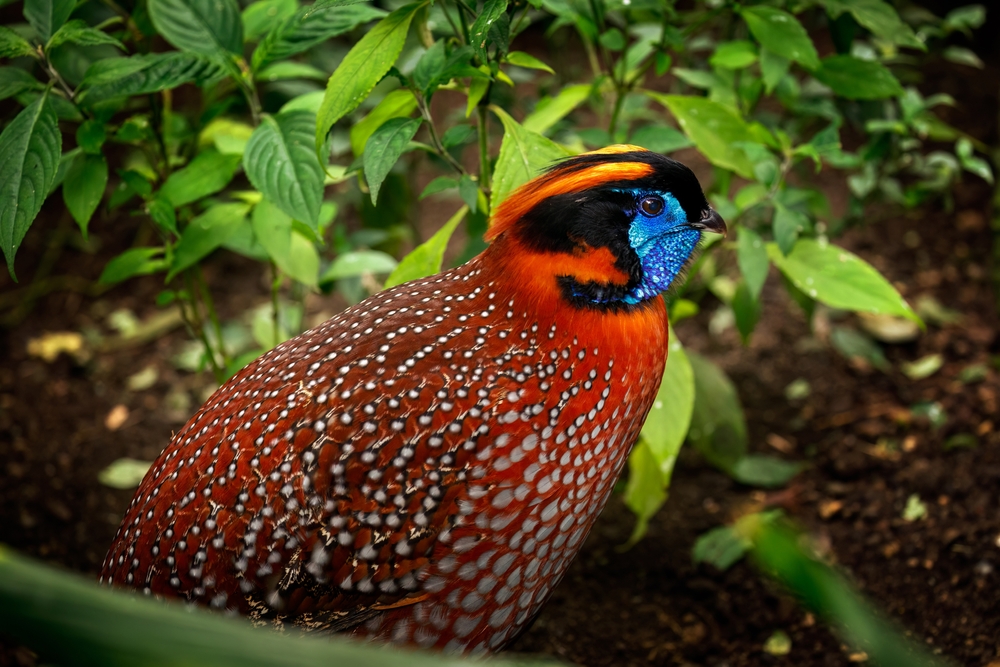
Birdlife is equally impressive, with more than 360 species recorded. The park is particularly renowned for rare Himalayan birds such as the satyr tragopan, ward’s trogon, blood pheasant, and various species of laughing thrushes and flycatchers. Reptiles, amphibians, butterflies, and countless plant species further contribute to the park’s extraordinary biodiversity.
Phrumsengla National Park plays a vital role in Bhutan’s conservation strategy by protecting critical wildlife habitat and maintaining ecological connectivity between major protected areas. The park preserves watersheds, forests, and migration corridors that allow species to move freely across the landscape.
Its conservation importance is often compared to renowned Himalayan reserves such as Jigme Dorji National Park and Sagarmatha National Park because of its mountain ecosystems, rare wildlife, and exceptional biodiversity. Through its forested mountains, alpine meadows, rare species, and spectacular scenery, Phrumsengla National Park stands as one of Bhutan’s most important protected areas and a shining example of Himalayan conservation.
Things to See
Things To Do
Engaging Phrumsengla National Park