About
Narachanski National Park (Narachansky National Park) is located in northwestern Belarus and covers approximately 337 square miles (874 sq km). Established in 1999, the park protects one of the largest and most important freshwater regions in the country.
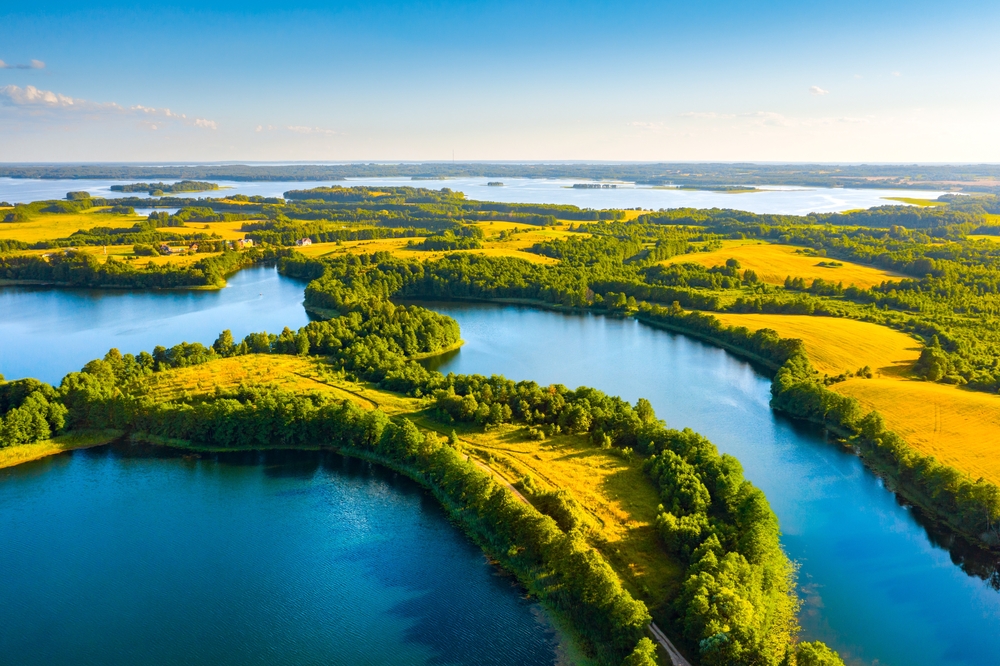
Situated northwest of Minsk, the park is centered around Lake Narach, the largest lake in Belarus. The protected area encompasses a diverse landscape of lakes, forests, wetlands, rivers, and traditional rural settlements. Narachanski National Park serves as both an important conservation area and one of Belarus’s premier recreational destinations, attracting visitors seeking nature, wildlife, and outdoor activities.
Narachanski National Park is best known for its spectacular lake system, which includes dozens of interconnected lakes and waterways. Lake Narach itself covers more than 30 square miles (80 sq km) and is renowned for its clear waters, sandy shores, and scenic beauty.
Visitors are drawn to the park for boating, kayaking, fishing, swimming, hiking, cycling, wildlife observation, and photography. The region has long been valued as a health and recreation destination due to its clean environment, forests, and freshwater resources. Numerous nature trails and observation areas allow visitors to experience the park’s landscapes while learning about its ecological significance.
The geography of Narachanski National Park was shaped by glacial activity during the last Ice Age. Retreating glaciers carved depressions that later filled with water, creating the region’s extensive network of lakes. Rolling hills, moraines, wetlands, and forested landscapes surround the waterways, producing a varied and scenic environment.
The park contains pine forests, mixed woodlands, marshes, meadows, and peatlands that support a wide range of plant communities. Rivers and streams connect many of the lakes, creating an interconnected freshwater ecosystem that is among the most important in Belarus. The diversity of habitats contributes significantly to the park’s ecological value.
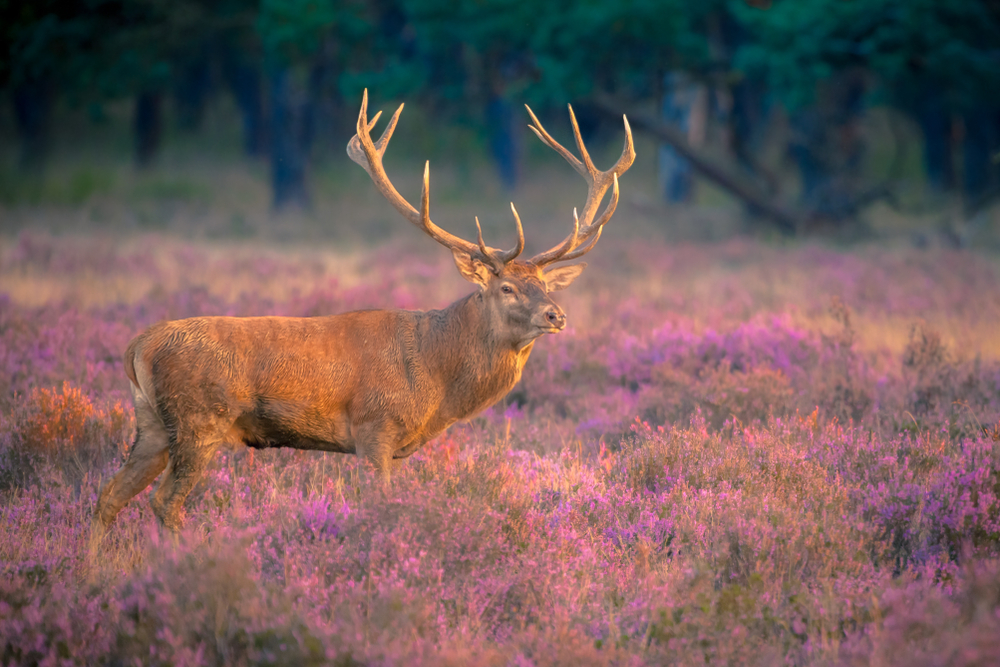
Wildlife within Narachanski National Park is abundant and diverse. Mammals include elk, roe deer, red deer, wild boar, wolves, foxes, lynx, beavers, otters, and numerous smaller species. The lakes and wetlands support rich birdlife, making the park an important destination for birdwatching.
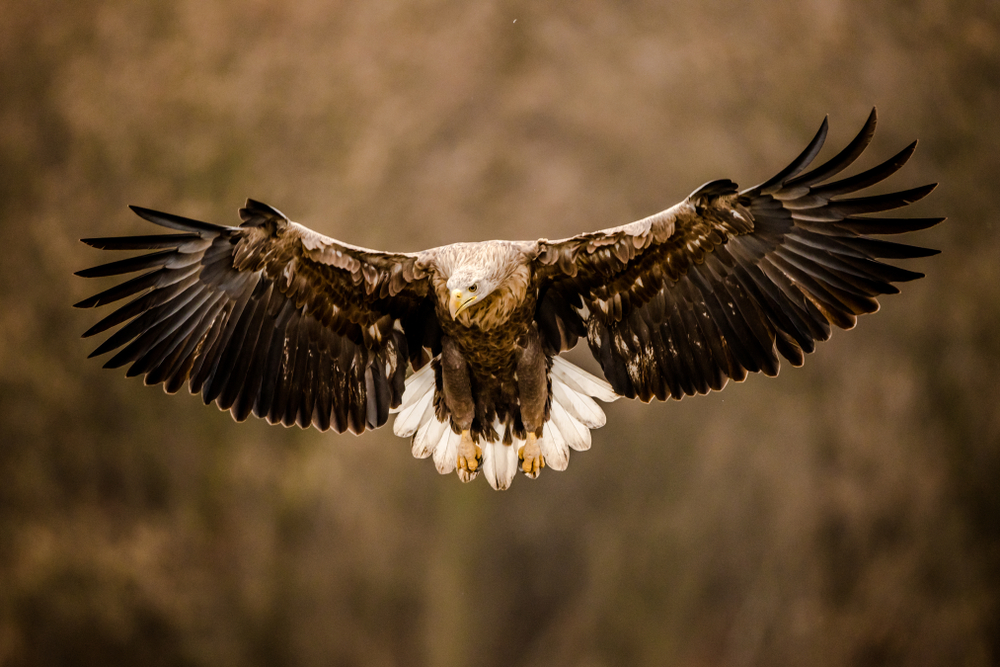
Visitors may observe white-tailed eagles, ospreys, black storks, cranes, herons, swans, ducks, and migratory waterfowl throughout the year. The park’s lakes contain healthy fish populations, including pike, perch, bream, and other freshwater species. The combination of aquatic and terrestrial habitats supports a remarkable diversity of wildlife across the region.
Narachanski National Park plays a vital role in protecting Belarus’s largest freshwater ecosystems and preserving important habitats for wildlife. Conservation efforts focus on maintaining water quality, safeguarding wetlands, protecting biodiversity, and promoting sustainable tourism. The park also serves as an important center for environmental education and scientific research.
Narachanski is often compared to Braslav Lakes National Park and Masurian Lake District because of its extensive lake systems and recreational opportunities. However, its protection of Belarus’s largest lake and its combination of forests, wetlands, and interconnected waterways give it a distinctive identity. Today, Narachanski National Park stands as one of Belarus’s most treasured protected landscapes, preserving a remarkable environment where lakes, forests, wildlife, and natural beauty continue to flourish.