About

Belovezhskaya Pushcha National Park is located in western Belarus along the border with Poland and covers approximately 589 square miles (1,527 sq km). Established as a protected area in various forms over centuries and designated as a national park in 1991, it preserves one of the last and largest remaining tracts of primeval lowland forest in Europe.

The park adjoins Białowieża National Park, together forming a transboundary UNESCO World Heritage Site of global ecological significance. Situated southwest of Minsk, Belovezhskaya Pushcha protects ancient forests, wetlands, meadows, rivers, and a remarkable diversity of wildlife. Often referred to as Europe’s last primeval forest, it provides a rare glimpse into the ecosystems that once covered much of the continent.

Belovezhskaya Pushcha National Park is best known for its ancient old-growth forests and its role in saving the European bison from extinction. Visitors are drawn to the park’s towering trees, rich biodiversity, and unique opportunity to experience a landscape that has remained largely unchanged for centuries.

Hiking, cycling, wildlife observation, photography, and environmental education are among the park’s most popular activities. Numerous trails provide access to forest habitats where centuries-old oaks, ashes, lindens, and spruces create an atmosphere unlike that of managed forests elsewhere in Europe. The park’s wilderness character and ecological importance make it one of the continent’s most celebrated natural destinations.

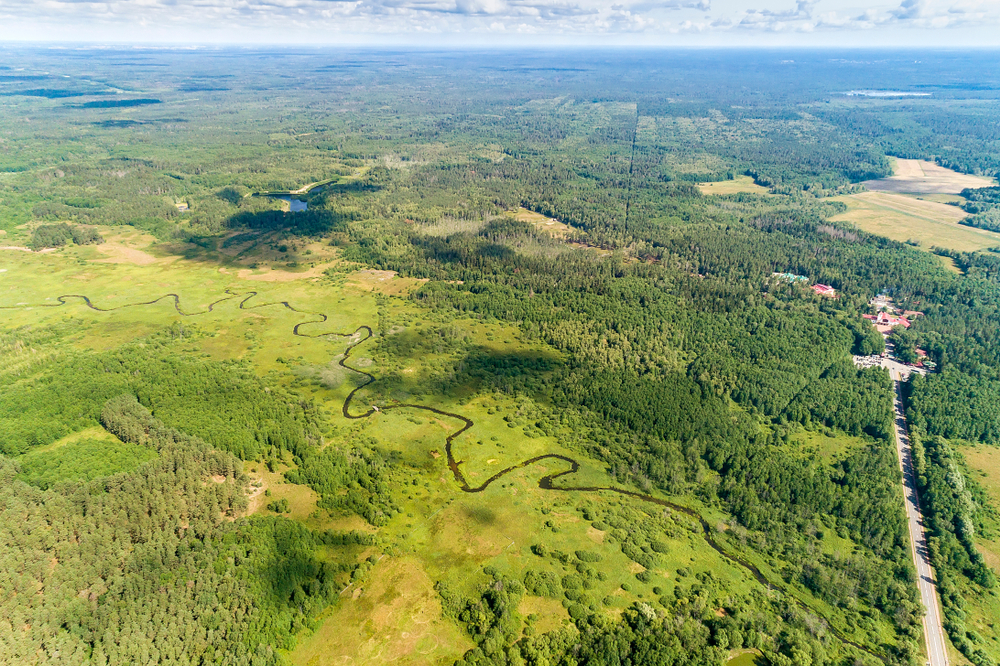
The geography of Belovezhskaya Pushcha National Park consists primarily of lowland forest ecosystems interspersed with wetlands, rivers, meadows, and peatlands. The terrain is generally flat to gently rolling, reflecting the influence of ancient glacial processes. The park contains a complex mosaic of habitats that support exceptional biodiversity.

Some trees exceed several hundred years in age, while deadwood and natural forest succession create conditions that are increasingly rare across Europe. Vegetation includes oak forests, mixed deciduous woodlands, conifer stands, wetland forests, marshes, and open grasslands. These habitats contribute to one of the richest ecosystems on the continent.

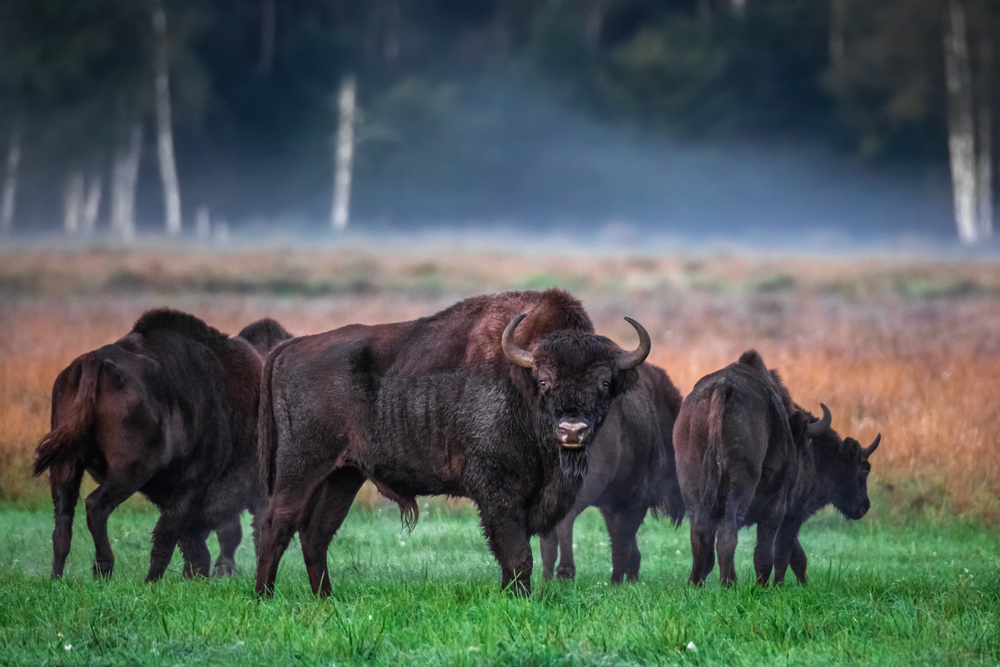
Wildlife within Belovezhskaya Pushcha National Park is among the most impressive in Europe. The European bison, or wisent, is the park’s most iconic species. After becoming extinct in the wild during the early twentieth century, the species was successfully reintroduced through conservation programs centered in part on this forest.

Today, the park supports one of the largest free-ranging bison populations in the world. Other mammals include wolves, lynx, red deer, roe deer, wild boar, elk, foxes, beavers, and otters. Birdlife is equally diverse, with black storks, white-tailed eagles, pygmy owls, woodpeckers, cranes, and numerous forest species inhabiting the park. The abundance of wildlife reflects the exceptional ecological integrity of the forest.

Belovezhskaya Pushcha National Park plays a vital role in protecting Europe’s natural heritage and preserving one of the continent’s last primeval forest ecosystems. Conservation efforts focus on maintaining natural ecological processes, protecting old-growth habitats, and supporting populations of rare and endangered species.

The park is often compared to Białowieża National Park and Šumava National Park because of its ecological importance and forest conservation value. However, its status as one of Europe’s last primeval forests and stronghold of the European bison gives it a unique identity. Today, Belovezhskaya Pushcha National Park stands as one of the world’s most significant forest conservation areas, preserving an ancient landscape where nature continues to function much as it did centuries ago.

Things to See
Popular Species

Popular Species

Belovezhskaya Pushcha National Park is home to a rich variety of wildlife, including some of Europe’s most iconic large mammals and forest-dwelling species.

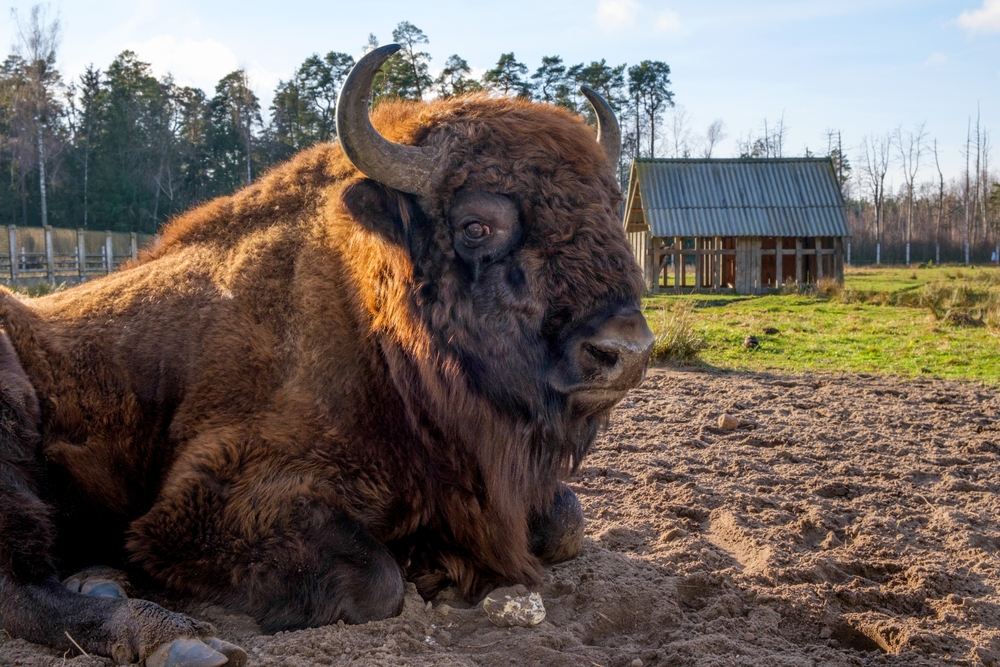
European bison (wisents) are the park’s most famous residents, as the largest land mammals in Europe, roaming freely in herds throughout the forest and grasslands.

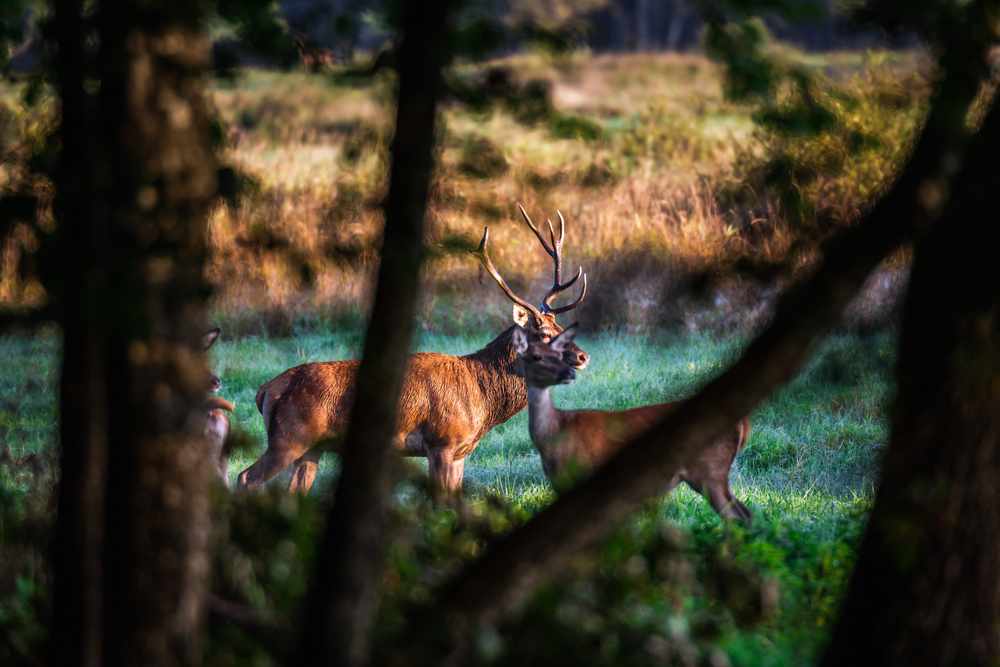
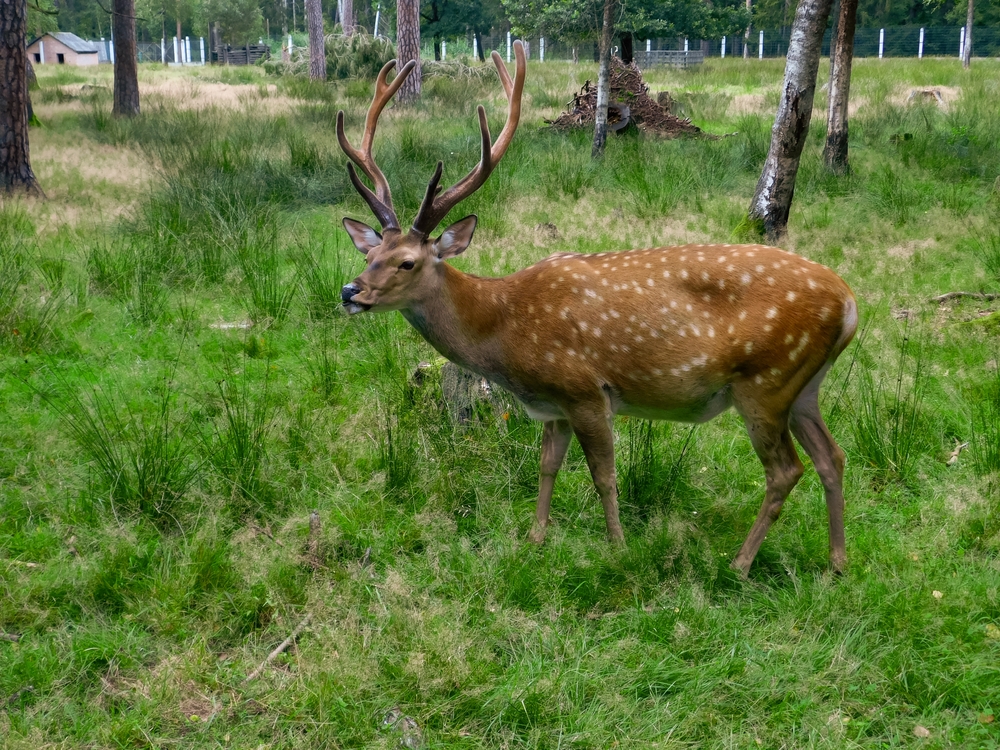
Red deer are commonly found grazing in the park’s clearings and forest edges, known for their majestic antlers and social behavior, particularly during the mating season.

Wild boars are resilient, omnivorous animals that forage in the park’s underbrush for roots, nuts, and small animals, often leaving signs of their activity in the soil.

Elk are the largest herbivores in the park, commonly seen in forested areas, feeding on leaves, bark, and grasses.

Wolves are the top predators in the park, hunting in packs to prey on deer, wild boar, and smaller mammals, although they are rarely seen by visitors.

Foxes are adaptable predators, often seen hunting small mammals, birds, and scavenging in both forested and open areas of the park.

Lynx are elusive, solitary hunters that prey on smaller mammals and birds, using their agility and stealth to navigate the dense forest.

Beavers are active in the park’s rivers and streams, constructing dams and lodges, which create important aquatic habitats for other species.

Roe deer are smaller herbivores found throughout the park, grazing in open fields and forest edges, known for their quick, agile movements.

Brown hares are fast and agile herbivores, often spotted in the park’s clearings and meadows, using their speed to evade predators.

Bird Species

Bird Species

Belovezhskaya Pushcha National Park is a birdwatcher’s paradise, with a diverse array of species thriving in its ancient forests, wetlands, and meadows.

White-tailed eagles are majestic raptors often seen soaring over the park’s forests and wetlands, using their keen eyesight to hunt for fish and small mammals.

Black storks are rare, large birds that nest in the park’s secluded forests, feeding on fish, amphibians, and small animals near rivers and wetlands.

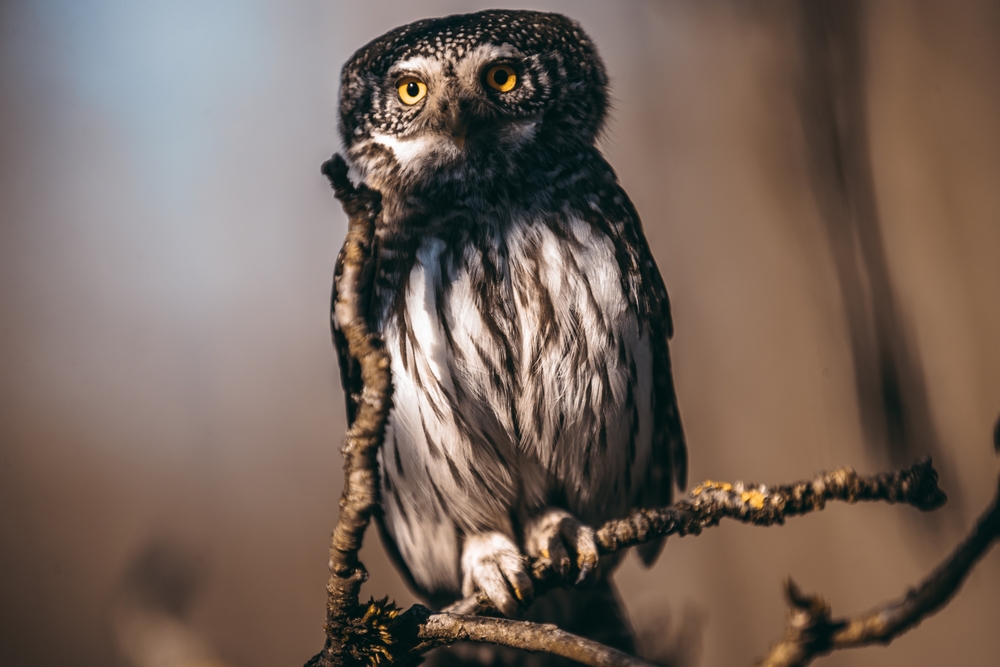
Eurasian pygmy owls are small, nocturnal birds of prey found in the park’s dense forests, known for their distinctive calls and hunting small mammals and birds.

Woodpeckers are common in the park’s forests, using their strong beaks to peck at tree bark in search of insects and to create nesting cavities.

Common buzzards are medium-sized raptors frequently seen soaring above open areas, hunting small mammals and birds with their sharp talons.

Cranes are elegant, tall birds often spotted in the park’s meadows and wetlands, known for their striking courtship dances and distinctive calls.

Tawny owls are nocturnal hunters that inhabit the park’s dense forests, using their sharp talons and keen night vision to hunt small rodents and birds.

Sparrowhawks are agile raptors that fly swiftly through the park’s woodlands, hunting smaller birds in mid-air with their sharp talons.

Golden orioles are brightly colored birds often seen in the park’s forests, known for their vibrant yellow plumage and melodic songs.

Eagles are large birds of prey that soar over the park’s vast landscape, using their sharp talons and keen eyesight to hunt for mammals and birds.

Things To Do

Engaging Belovezhskaya Pushcha
Bison Safari

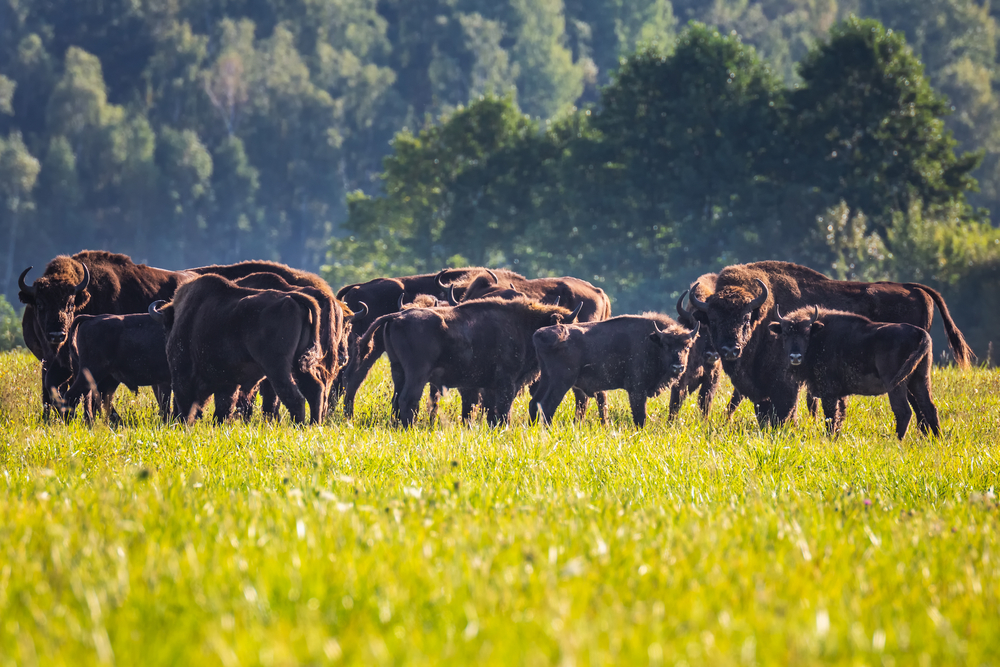
Belovezhskaya National Park is famous for being one of the last refuges of the European bison. Visitors can embark on guided wildlife safaris to observe these majestic animals in their natural habitat.

The park’s dense ancient forests provide an ideal setting for spotting bison, as well as other species such as wild boars, deer, and wolves. Safaris offer a unique opportunity to get close to these rare creatures while learning about the park’s ongoing conservation efforts to protect this endangered species.

Hiking

Belovezhskaya is home to some of the oldest forests in Europe, and hiking through these primeval woodlands is a truly immersive experience. Visitors can explore trails that wind through towering oak and pine trees, many of which are centuries old.

Along the way, hikers will discover the rich biodiversity of the park, including rare plants, fungi, and a variety of bird species. The peaceful atmosphere and pristine nature make it a perfect setting for nature enthusiasts.

Cycling

Cycling is a fantastic way to cover more ground and see the diverse landscapes of Belovezhskaya National Park. Visitors can rent bicycles and explore the park’s scenic cycling routes, which pass through dense forests, open meadows, and tranquil riversides.

The terrain is mostly flat, making it accessible for all ages and fitness levels. Cycling offers the flexibility to stop at key points of interest, such as historical sites, wildlife observation points, and picturesque picnic spots.

Bison Breeding Center

The Bison Breeding Center within Belovezhskaya National Park allows visitors to learn more about the European bison and the conservation efforts to increase their population.

The center offers guided tours where visitors can see bison up close and gain insight into the history and biology of these animals.

The center plays a key role in the preservation of the species, and the tour offers an educational experience that enhances appreciation for wildlife conservation.

Sources

Belarus (Gov), Belovezhskaya Pushcha, https://www.belarus.by/en/travel/belarus-life/belovezhskaya-pushcha, retrieved August 2024.

Britannica, Belovezhskaya Forest, https://www.britannica.com/place/Belovezhskaya-Forest, retrieved August 2024.

Official Site, Belovezhskaya Pushcha National Park, https://npbp.by/eng/, retrieved August 2024.

Park Site, Belovezhskaya Pushcha, https://npbp.by/eng/about/, retrieved August 2024.

Welcome to Belarus, Belovezhskaya Pushcha National Park, https://www.welcomebelarus.com/belarus/attractions/attractions-belarus/national-reserves/belovezhskaya_pushcha.html, retrieved August 2024.