About
Ramsagar National Park is located in the Dinajpur District of northwestern Bangladesh and covers approximately 0.3 square miles (0.8 sq km). Established as a national park in 2001, the park protects one of Bangladesh’s most important historical and ecological landmarks.
The park is centered around Ramsagar Lake, the largest man-made freshwater reservoir in the country. Situated south of Dinajpur, Ramsagar National Park combines natural beauty, biodiversity, and cultural heritage within a relatively small protected area. Although modest in size compared to many national parks, it plays an important role in conservation, recreation, and environmental education in northern Bangladesh.
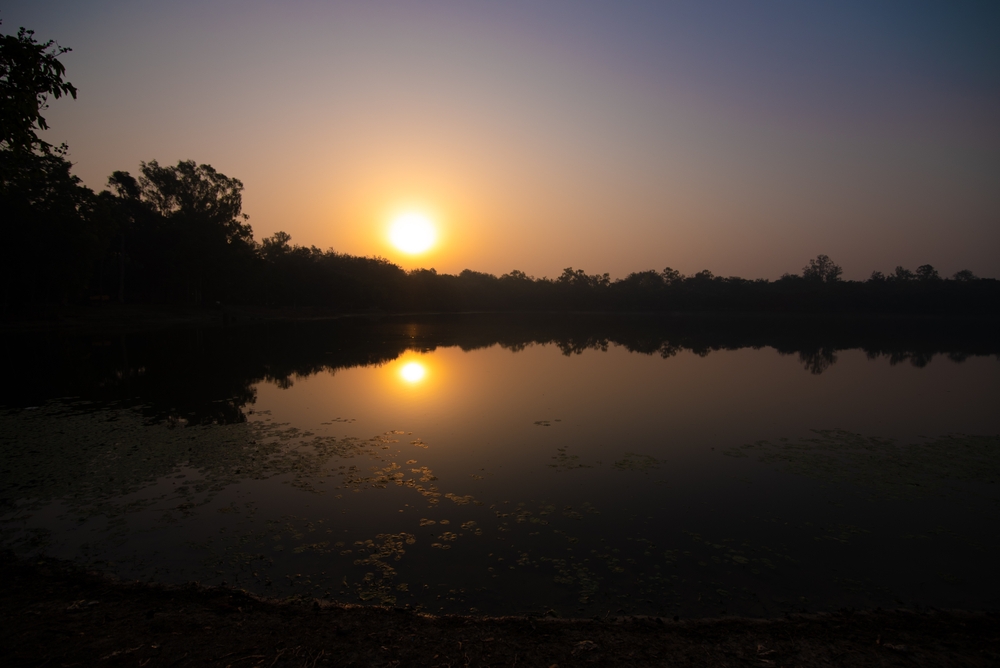
Ramsagar National Park is best known for Ramsagar Lake, a vast reservoir excavated during the eighteenth century under the direction of Raja Ram Nath of Dinajpur to provide water during periods of drought. Today, the lake serves as the park’s central attraction, drawing visitors with its scenic waters, peaceful surroundings, and abundant birdlife.
Popular activities include boating, birdwatching, photography, picnicking, nature walks, and educational visits. The park is a favorite destination for both local residents and tourists seeking a tranquil natural setting. Its combination of historical significance and ecological value makes it one of the most unique protected areas in Bangladesh.
The geography of Ramsagar National Park is dominated by the large freshwater lake and the surrounding woodland habitats. The reservoir stretches across a broad area and is bordered by gently rolling terrain, grassy areas, and mixed forests. Over time, natural vegetation has developed around the lake, creating habitat for numerous plant and animal species.
The park contains a mixture of native and planted tree species, including acacia, mahogany, eucalyptus, banyan, and other tropical trees. Wetland vegetation thrives along the shoreline, supporting aquatic ecosystems that contribute to the park’s biodiversity. The lake serves as an important water source and ecological refuge within an otherwise heavily cultivated landscape.
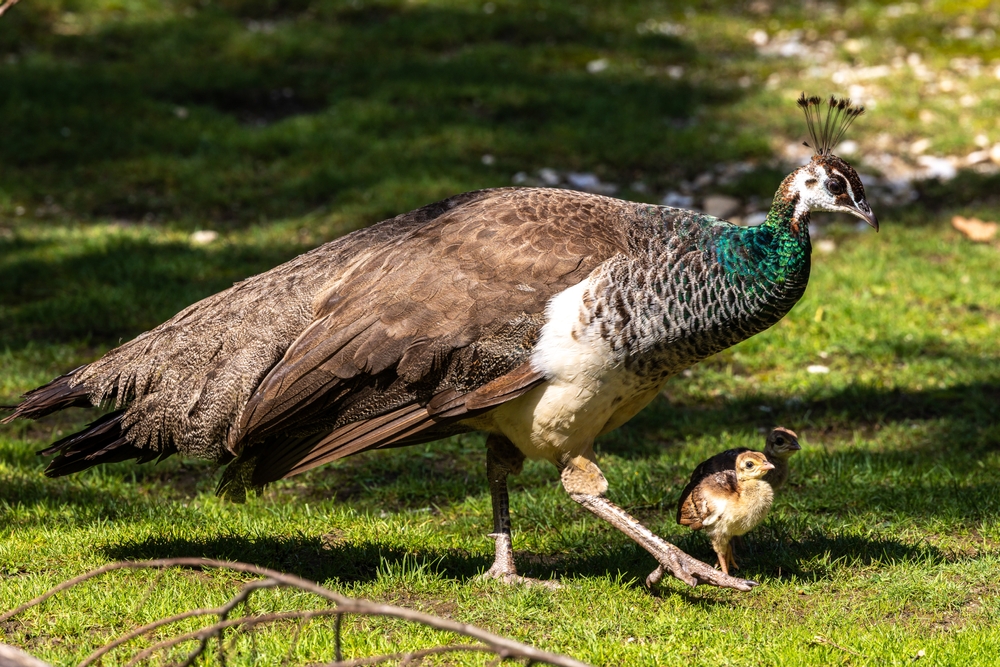
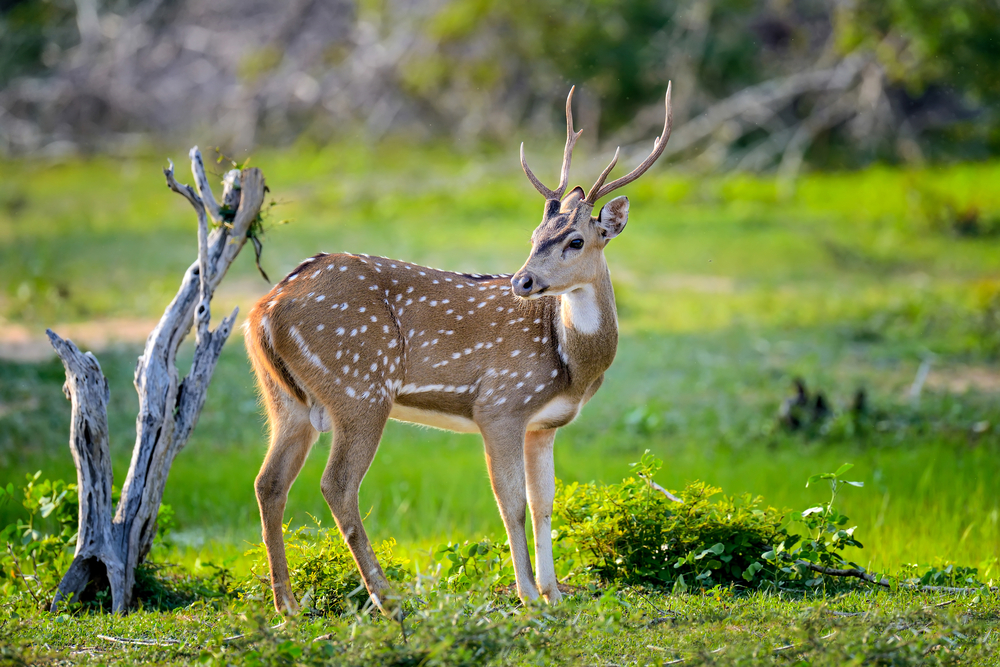
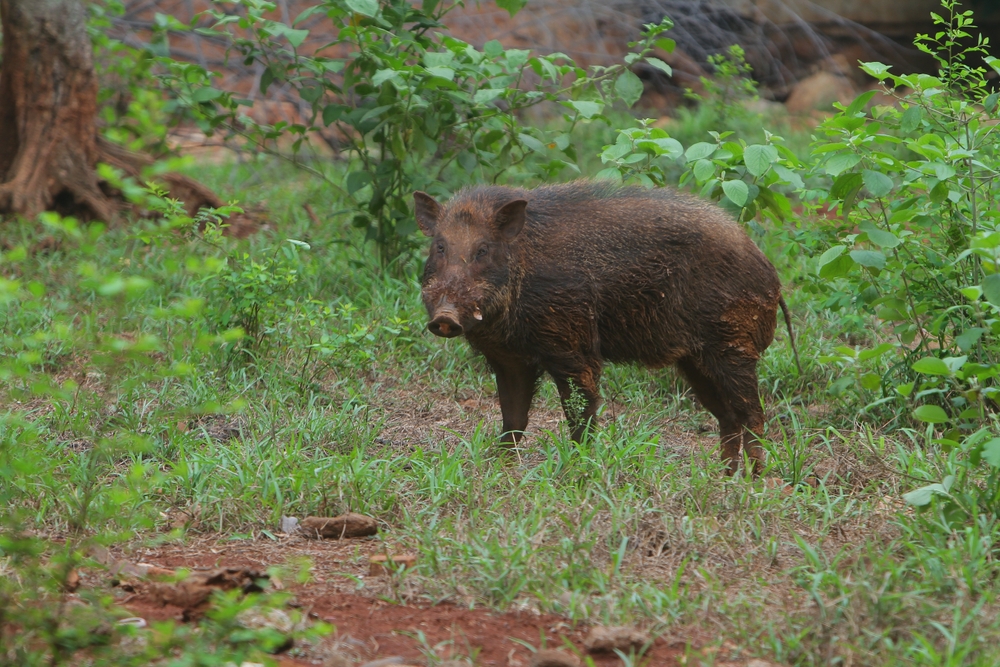
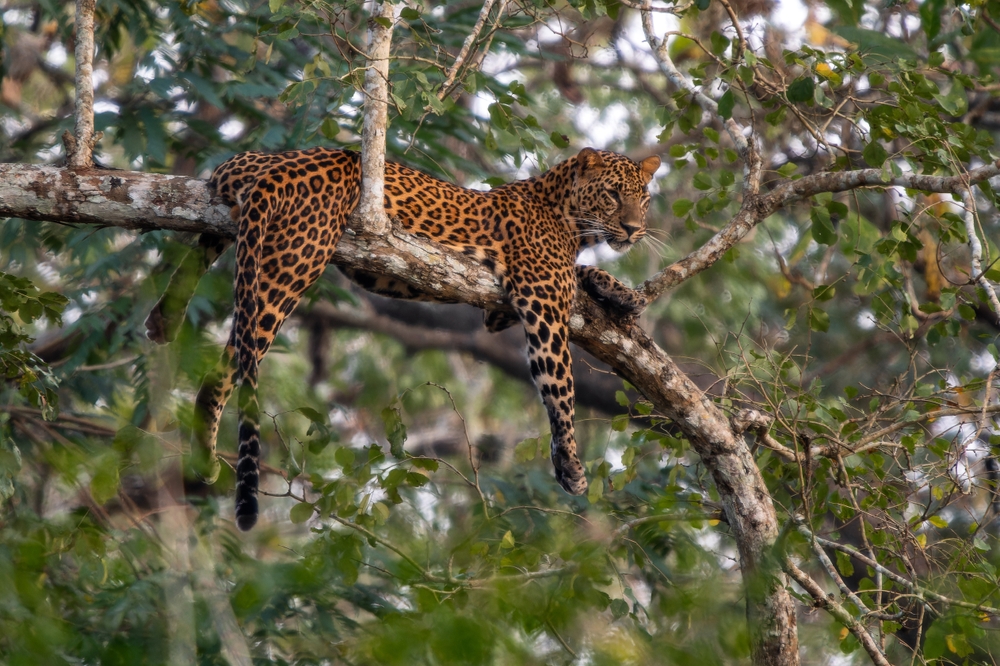
Wildlife within Ramsagar National Park is diverse despite the park’s relatively small size. Mammals include jackals, foxes, squirrels, monkeys, and various small mammals. The park is particularly important for birds, attracting both resident and migratory species throughout the year.
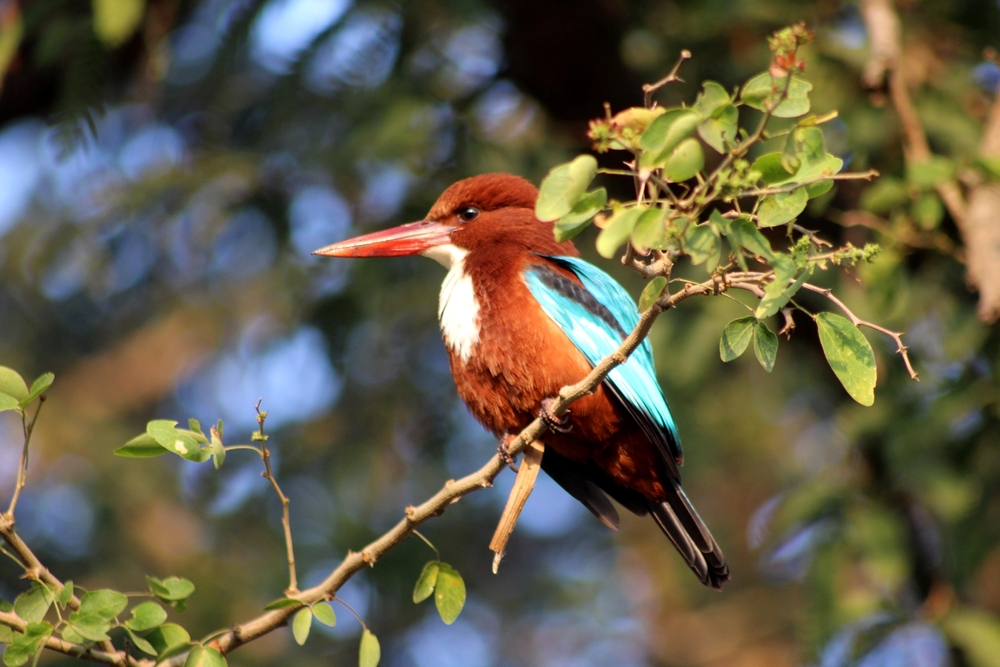
Visitors commonly observe kingfishers, herons, egrets, cormorants, ducks, and numerous songbirds around the lake and forested areas. Reptiles, amphibians, fish, and aquatic invertebrates also inhabit the park’s freshwater ecosystems. The lake’s rich aquatic habitat supports many species that contribute to the ecological health of the region.
Ramsagar National Park plays a vital role in protecting one of Bangladesh’s most important freshwater and recreational landscapes. The park safeguards wetland habitats, supports migratory birds, preserves a historic reservoir, and provides environmental education opportunities for future generations. Conservation efforts focus on maintaining water quality, protecting wildlife habitats, managing tourism, and preserving the cultural significance of Ramsagar Lake.
Ramsagar is often compared to Kaptai National Park and Nijhum Dwip National Park because of its ecological value and role in conservation. However, its combination of a historic man-made lake, rich birdlife, and cultural heritage gives it a distinctive identity. Today, Ramsagar National Park stands as one of Bangladesh’s most cherished protected areas, preserving a landscape where history, nature, and community continue to coexist in harmony.
Things to See
Things To Do
Engaging Ramsagar National Park