About

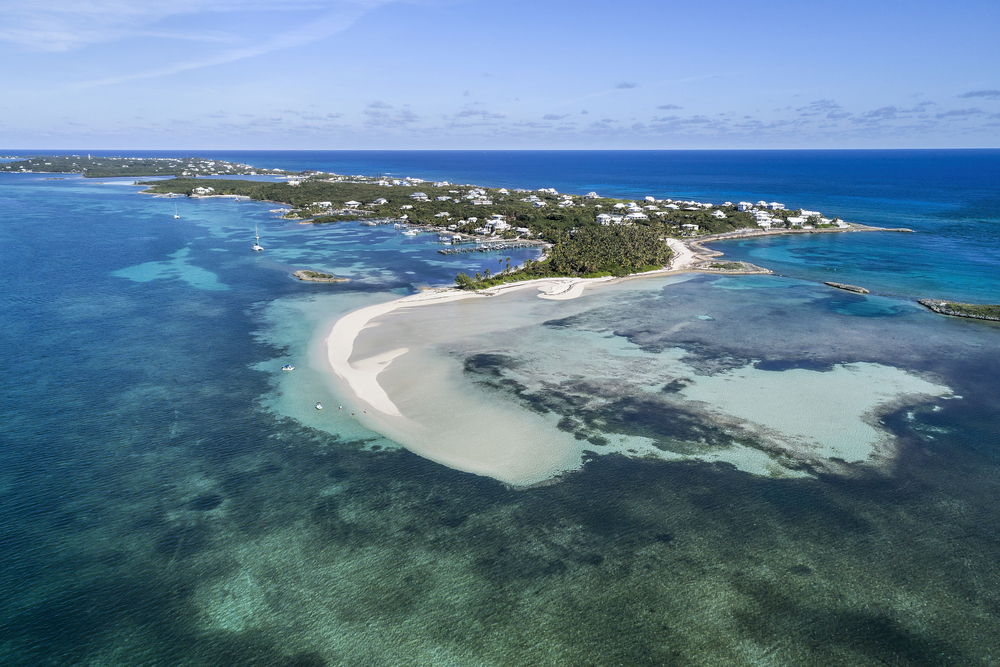
Abaco National Park is located in South Abaco one of the Abaco Islands in the Bahamas southeast of Florida.  The national park encompasses an area of 32.05 square miles (83 sq km). Inagua National Park is a neighboring protected area found within the Bahamas.

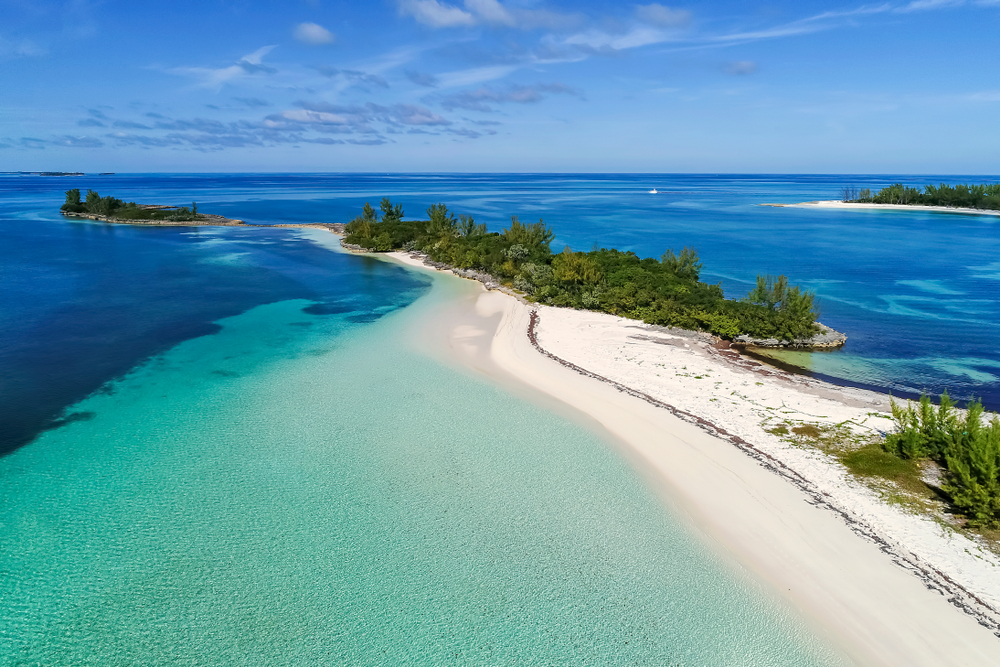
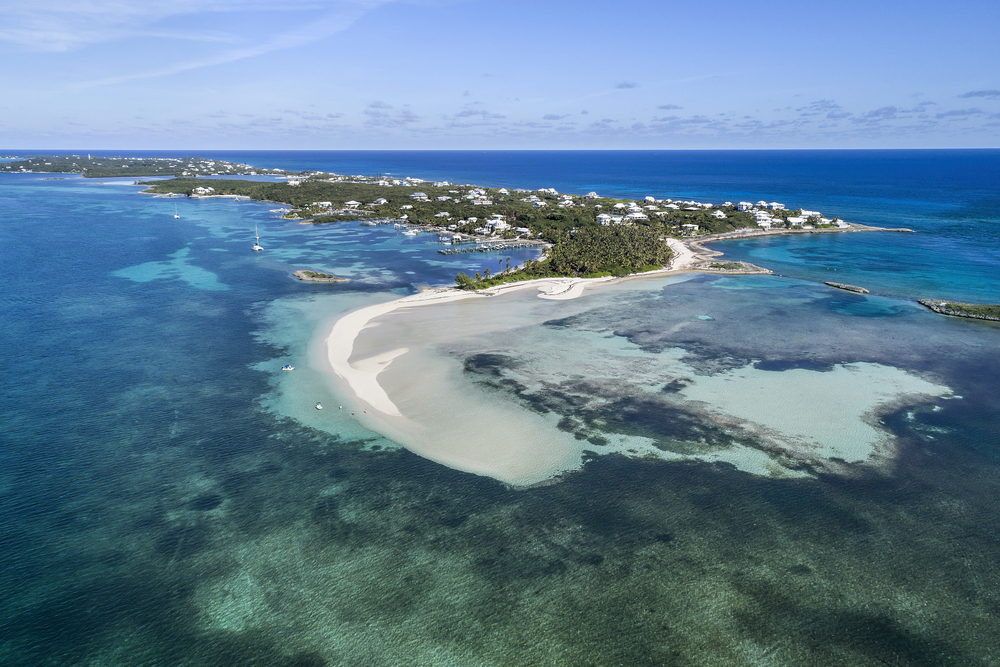
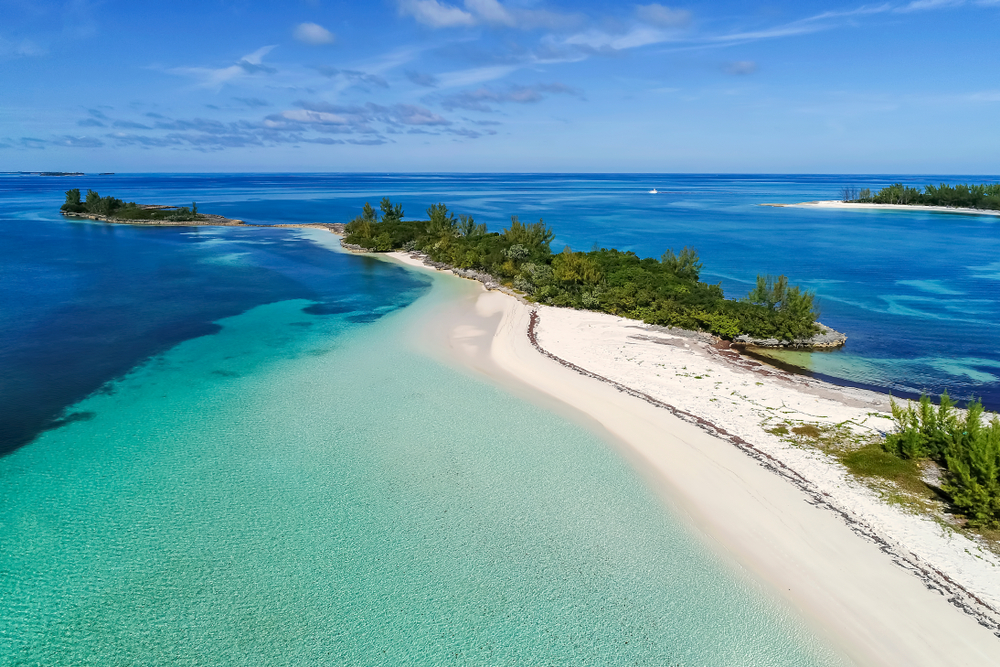
The island, of course, offers the Caribbean blue waters that surround the island and what many people think of when they imagine the Bahamas.  The primary purpose for the national park is the pristine Caribbean pine forest that covers 7.72 square miles (20 sq km) of the island.

The majority of wildlife living with the national park boundaries are bird species.  The Bahama parrot, Bahama Swallow, Bahama yellowthroat, and Bahama mockingbird are some of the endemic species.  Other species include olive-capped warbler, West Indian Woodpecker, loggerhead kingbird, and the white-crowned pigeon.

The Abaco or Bahama parrot is endangered and the primary reason for the establishment of the protected area with national park status. The Inagua park referenced above is another place the parrot and Caribbean pine may be found.

Things to See

The national park was created to protect the pristine Caribbean pine forest as well as the endangered Abaco parrot. The highlight of the national park is the birdwatching. The forest is a rich habitat for the parrot.

Abaco Parrot

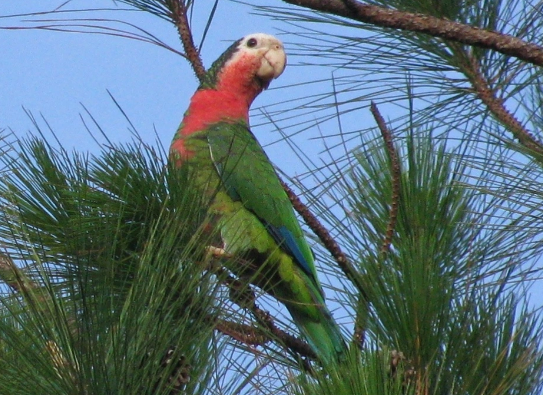
The Abaco Parrot, affectionately known as the Bahamas Parrot, is related to the Cuban Amazon Parrot.  It reaches a size of about 13 inches (33.02 cm).  It is not a large parrot but it is unique to the Bahamas.

The parrot displays a white-topped head with a red chest.  The rest of the bird is green except for under the wing which displays a rich blue feather.  One of the unique characteristics is that two toes face forwards and two toes face backward.  The pine forests of the Abacos Islands is the only place it is found. Inagua National Park is one of the other Bahamian locations where the birds can be found.

Caribbean Pine Forest

The Caribbean pine is at the heart of the Abaco National Park.  This is the habitat that sustains the Abaco Parrot.  The pine is hard and native to Central America.  It can also be found in Cuba, South Florida, and the Turks & Caicos Islands.

The Caribbean pine does best in a tropical and subtropical coniferous forest. It can be found in both savanna and montane forests. It is not a particularly tall pine, but other characteristics are typical pine.

Popular Species

Popular Species

Abaco National Park is home to a variety of species, particularly those adapted to its pine forests, wetlands, and coastal habitats, creating a rich biodiversity.

Bahama parrot (Amazona leucocephala bahamensis) – This colorful, endemic parrot nests in the pine forests of Abaco, playing a vital role in seed dispersal and maintaining the forest ecosystem.

Bahama swallow (Tachycineta cyaneoviridis) – A small, vibrant bird that nests in tree cavities, it is endemic to the Bahamas and is frequently seen flying above open areas of the park.

Cuban tree frog (Osteopilus septentrionalis) – A large, non-native frog species that thrives in the wetlands of Abaco, known for its adaptability to different habitats and its nocturnal habits.

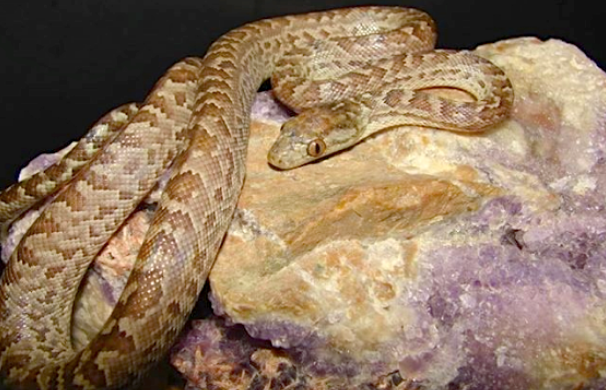
Abaco boa (Chilabothrus exsul) – This non-venomous snake is endemic to the Bahamas and is often seen in the park’s forests, feeding on small mammals and birds.

Brown anole (Anolis sagrei) – This lizard is commonly found throughout the park, especially in open, sunny areas, where it hunts for insects and small invertebrates.

Bahama woodstar (Calliphlox evelynae) – A small hummingbird endemic to the Bahamas, it is frequently seen hovering around flowers in the park’s pine forests, feeding on nectar.

Black-capped petrel (Pterodroma hasitata) – This seabird breeds in coastal areas of the park, using the cliffs and rocky outcrops as nesting sites, and is known for its graceful flight.

West Indian flamingo (Phoenicopterus ruber) – Known for its vibrant pink color, the flamingo can be seen in the wetlands of Abaco, where it feeds on algae and small invertebrates.

Loggerhead turtle (Caretta caretta) – Frequently spotted along the park’s coastal areas, this large marine turtle nests on the beaches and plays a critical role in maintaining healthy ecosystems.

Bahama yellowthroat (Geothlypis rostrata) – This small bird is commonly found in the park’s forests and wetlands, known for its distinctive yellow throat and melodious song.

Bird Species

Bird Species

Abaco National Park is a birdwatcher’s paradise, hosting a range of endemic and migratory bird species that thrive in its diverse ecosystems, from pine forests to wetlands.

Bahama parrot (Amazona leucocephala bahamensis) – The park’s most iconic bird, this colorful parrot nests in limestone cavities and is the only ground-nesting parrot in the Bahamas.

Bahama swallow (Tachycineta cyaneoviridis) – Endemic to the Bahamas, this iridescent bird is often seen in the park’s open skies, nesting in tree cavities and foraging for insects mid-flight.

Bahama yellowthroat (Geothlypis rostrata) – A small, lively warbler with a distinctive yellow throat, this bird is often seen flitting through the park’s dense underbrush in search of insects.

Loggerhead kingbird (Tyrannus caudifasciatus) – Known for its aggressive behavior, this flycatcher can be seen perched on branches, waiting to catch flying insects or even small lizards.

Bahama woodstar (Calliphlox evelynae) – This tiny hummingbird, known for its rapid wing beats and iridescent plumage, frequents flowering plants in the park’s pine forests and wetlands.

Cuban emerald (Chlorostilbon ricordii) – A small, brilliant-green hummingbird often seen hovering around flowers, this species is common throughout the park, feeding on nectar and insects.

West Indian woodpecker (Melanerpes superciliaris) – A striking woodpecker with red, white, and black plumage, it is frequently seen tapping into tree trunks in search of insects in the pine forests.

Greater Antillean bullfinch (Melopyrrha violacea) – This small, seed-eating bird is often seen in the park’s forested areas, known for its dark plumage and distinctively thick bill.

American kestrel (Falco sparverius) – The smallest falcon in the Americas, it is often seen soaring above the park’s open areas, hunting for insects and small animals from the sky.

Red-tailed hawk (Buteo jamaicensis) – A large bird of prey, this hawk is frequently spotted soaring over the park’s pine forests and wetlands, using its keen eyesight to hunt for prey.

Things To Do

Engaging Abaco National Park

placeholder

Hiking

Hiking is a great way to explore the vast landscapes of Abaco National Park, which is primarily covered by pine forests. The park’s trails lead visitors through these towering pine trees, providing glimpses of local wildlife and diverse plant species.

Hikers can observe the unique flora of the region, including rare orchids and native plants, while enjoying the quiet beauty of the forest. The trails range from easy to moderately challenging, offering a variety of experiences for different skill levels.

Hiking in Abaco National Park allows visitors to connect with nature and experience the untouched beauty of the Bahamian wilderness.

Kayaking

For those seeking a water-based adventure, kayaking in the park’s wetlands offers a peaceful way to experience Abaco National Park’s diverse ecosystems. The wetlands are home to a variety of aquatic species and birds, including flamingos and herons.

As visitors paddle through the calm waters, they can observe the intricate mangrove systems and wildlife that thrive in these protected areas.

Kayaking provides a closer look at the park’s rich biodiversity, all while enjoying the tranquility of the surrounding nature. It’s a relaxing and eco-friendly way to explore the park’s aquatic habitats.

Exploring Blue Holes

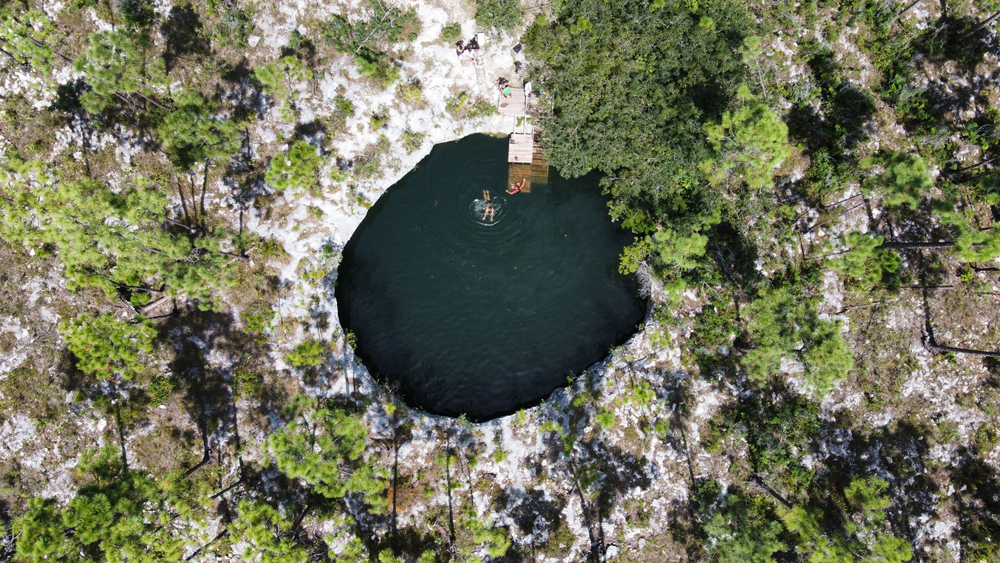
Abaco National Park is known for its unique blue holes—deep underwater sinkholes that offer a fascinating glimpse into the island’s geological history. Visitors can explore these natural wonders, either by swimming, snorkeling, or simply observing them from the shore.

The blue holes are surrounded by lush vegetation and provide a habitat for a variety of marine life, making them a popular spot for nature lovers.

Adventurous visitors can dive into the clear waters to explore the underwater depths, while others may prefer to take in the stunning scenery from above. Exploring these blue holes offers a rare and thrilling connection to Abaco’s natural beauty.

placeholder

Hiking

Hiking is a great way to explore the vast landscapes of Abaco National Park, which is primarily covered by pine forests. The park’s trails lead visitors through these towering pine trees, providing glimpses of local wildlife and diverse plant species.

Hikers can observe the unique flora of the region, including rare orchids and native plants, while enjoying the quiet beauty of the forest. The trails range from easy to moderately challenging, offering a variety of experiences for different skill levels.

Hiking in Abaco National Park allows visitors to connect with nature and experience the untouched beauty of the Bahamian wilderness.

Kayaking

For those seeking a water-based adventure, kayaking in the park’s wetlands offers a peaceful way to experience Abaco National Park’s diverse ecosystems. The wetlands are home to a variety of aquatic species and birds, including flamingos and herons.

As visitors paddle through the calm waters, they can observe the intricate mangrove systems and wildlife that thrive in these protected areas.

Kayaking provides a closer look at the park’s rich biodiversity, all while enjoying the tranquility of the surrounding nature. It’s a relaxing and eco-friendly way to explore the park’s aquatic habitats.

Exploring Blue Holes

Abaco National Park is known for its unique blue holes—deep underwater sinkholes that offer a fascinating glimpse into the island’s geological history. Visitors can explore these natural wonders, either by swimming, snorkeling, or simply observing them from the shore.

The blue holes are surrounded by lush vegetation and provide a habitat for a variety of marine life, making them a popular spot for nature lovers.

Adventurous visitors can dive into the clear waters to explore the underwater depths, while others may prefer to take in the stunning scenery from above. Exploring these blue holes offers a rare and thrilling connection to Abaco’s natural beauty.

Park Protection

Abaco National Park was created to protect the Caribbean Pine and the Abaco Parrot.  The parrot is endemic to the region and an endangered species.  The Bahama government established the protected area to invest in these unique facets of nature as well as the pristine terrain of the island.

Sources