About

Ag-Gel National Park, locally known as Ağ Göl Milli Parkı, is a remarkable natural reserve in Azerbaijan, established in 2003. Spanning the central lowlands of the country, it is a haven for wetland ecosystems and plays a critical role in regional biodiversity.

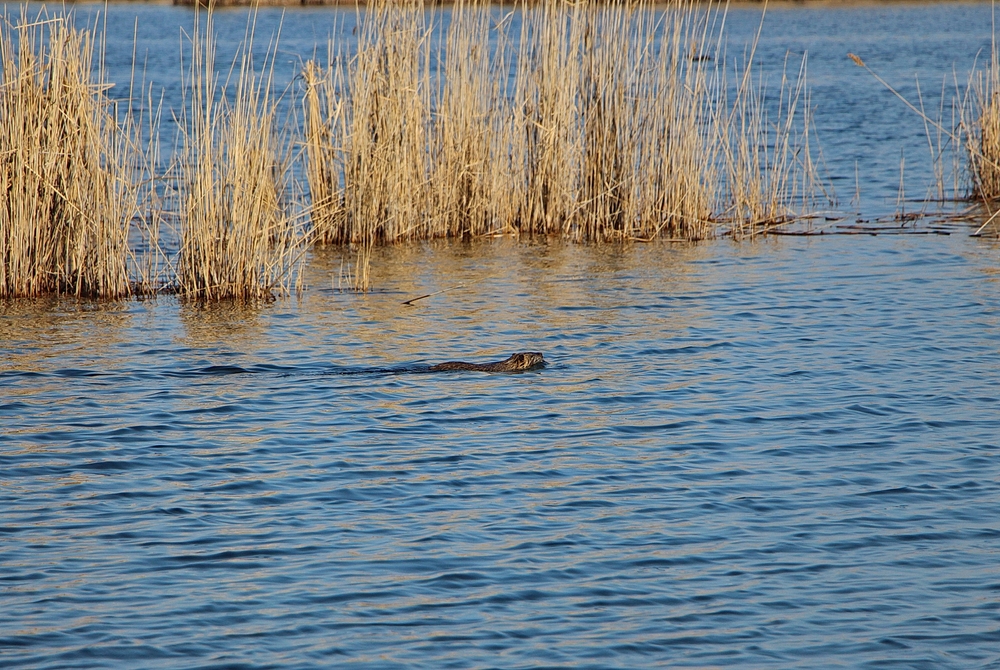
The park is located along the Kura-Araz lowlands and is characterized by its expansive saline lakes, reed beds, and semi-arid steppe terrain. This unique combination of landscapes creates a visually stunning mosaic and supports an extraordinary array of wildlife.

The terrain of Ag-Gel National Park is defined by the interplay between dry, saline soils and wetland habitats. Ag-Gel Lake, the park’s central feature, is a vast, shallow waterbody surrounded by reed thickets that are vital for the ecosystem. The surrounding steppe is sparsely vegetated with salt-tolerant plants like tamarisk and glasswort, which thrive in the saline soil. These environments provide essential resources for a variety of species and create an ecological balance that supports life across the park.

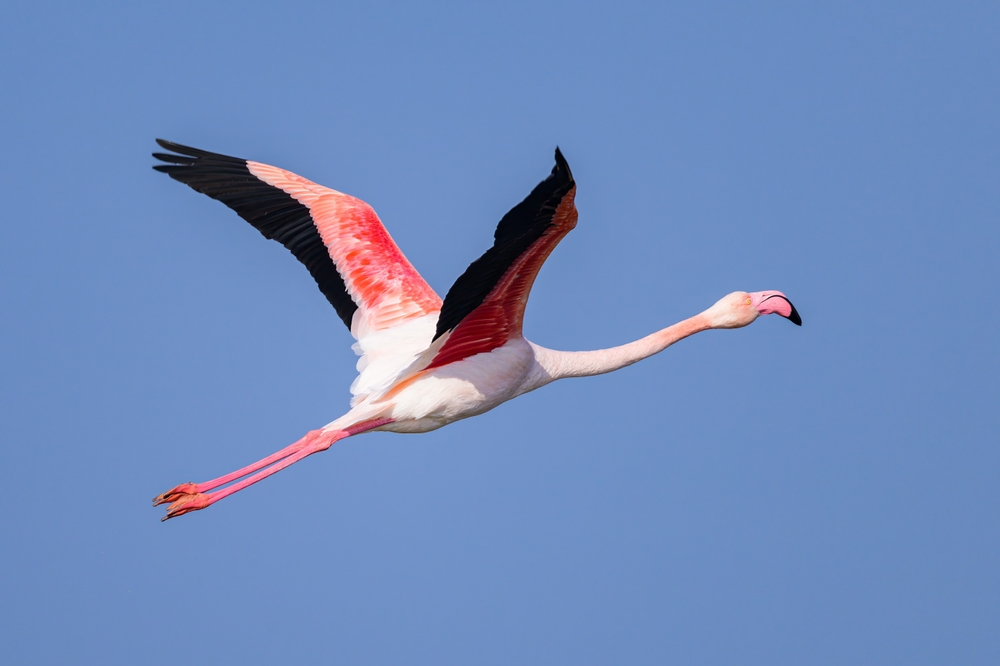
Wildlife in Ag-Gel National Park is especially notable for its avian diversity. The park is a critical stopover for migratory birds along the Central Asian Flyway. Species such as the Dalmatian pelican, greater flamingo, and white-tailed eagle are commonly observed here. It is also home to numerous waterfowl, including ducks, geese, and swans, making it a prime destination for birdwatchers and nature enthusiasts. Beyond birds, mammals such as foxes and hares roam the steppe, while reptiles like Caspian turtles inhabit the wetlands.

Visitors to the park can engage with its natural beauty through guided birdwatching tours, photography expeditions, and serene walks along designated paths near the lake. However, the remote location and arid climate present certain challenges. Extreme temperatures during summer and winter may require careful planning for a visit. Additionally, limited facilities mean that visitors should come prepared with necessary supplies.

Conservation efforts at Ag-Gel National Park are pivotal in maintaining its ecological integrity. The park is recognized as a Ramsar Site, highlighting its international importance as a wetland habitat. Ongoing initiatives aim to combat threats such as habitat degradation, overgrazing, and illegal hunting. Collaboration between local communities and conservation organizations is vital to preserving this delicate ecosystem and ensuring its sustainability for future generations.

Ag-Gel National Park stands as a testament to the natural beauty and biodiversity of Azerbaijan. Its blend of wetlands and steppe, coupled with the vibrant array of wildlife, creates a unique experience for those who visit. Despite challenges, its ecological significance and the conservation efforts underway make it an inspiring symbol of the balance between nature and human stewardship.

Things to See
Popular

Popular

Ag-Gel National Park, located in central Azerbaijan, is a protected area celebrated for its rich biodiversity and unique wetland ecosystems. The park is home to various species that thrive in its marshlands, reed beds, and surrounding areas, making it a vital habitat for wildlife conservation.

Wild Boar
Wild Boars are prominent in Ag-Gel’s wetlands and forests, playing a critical role in the ecosystem by foraging and spreading seeds, which helps maintain ecological balance.

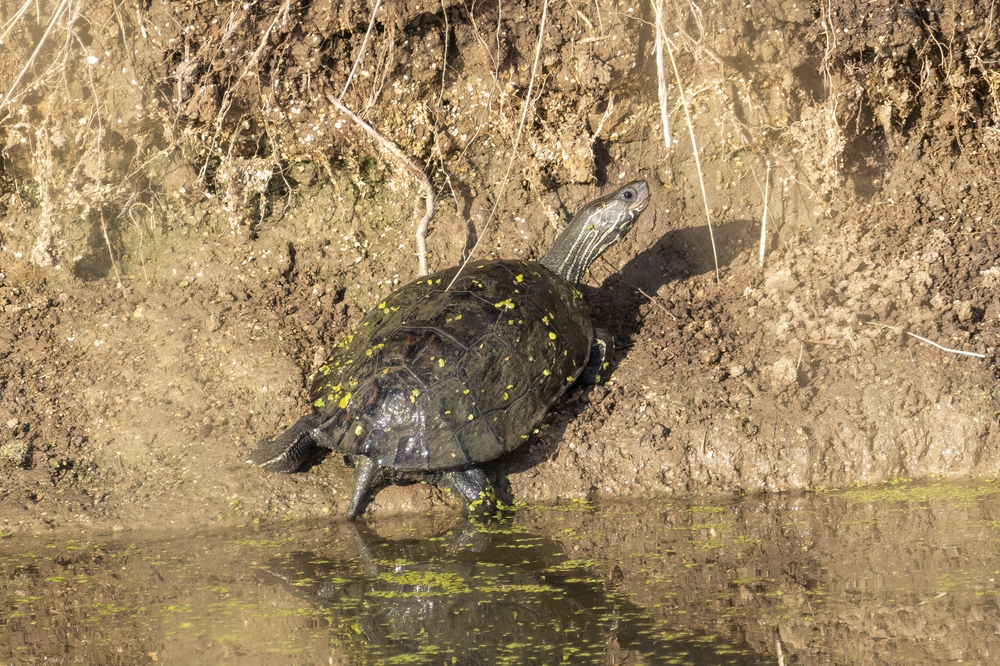
Caspian Turtle
This resilient semi-aquatic turtle is commonly found in the park’s wetlands, thriving in both freshwater and brackish environments while contributing to the health of aquatic ecosystems.

Golden Jackal
The Golden Jackal is a versatile predator and scavenger, often seen near the park’s water bodies. It plays a significant role in regulating populations of small mammals and birds.

Eurasian Otter
This playful and agile mammal inhabits the waterways of the park, where it hunts for fish and helps maintain the balance of aquatic ecosystems.

Steppe Viper
A venomous snake native to the region, the Steppe Viper is an important predator in the park’s grasslands and wetlands, keeping rodent populations in check.

Marbled Polecat
This small carnivorous mammal, with its striking fur pattern, is a skilled hunter of insects and small rodents, crucial for maintaining the ecological balance.

Eurasian Wildcat
The Eurasian Wildcat is a solitary and elusive predator that thrives in the park’s semi-arid and forested areas, hunting small mammals and birds.

Caspian Shrew
This tiny insectivore plays a vital role in controlling insect populations within the park’s diverse ecosystems, ensuring the health of its habitats.

Wild Hare
The Wild Hare is a common species in the park’s grasslands, serving as an essential prey species for many predators while also contributing to vegetation control.

Birds

Birds

Ag-Gel National Park is also a renowned sanctuary for bird species, with its wetlands and reed beds providing essential habitats for resident and migratory birds. The park is particularly significant for its role in supporting global bird migrations and biodiversity.

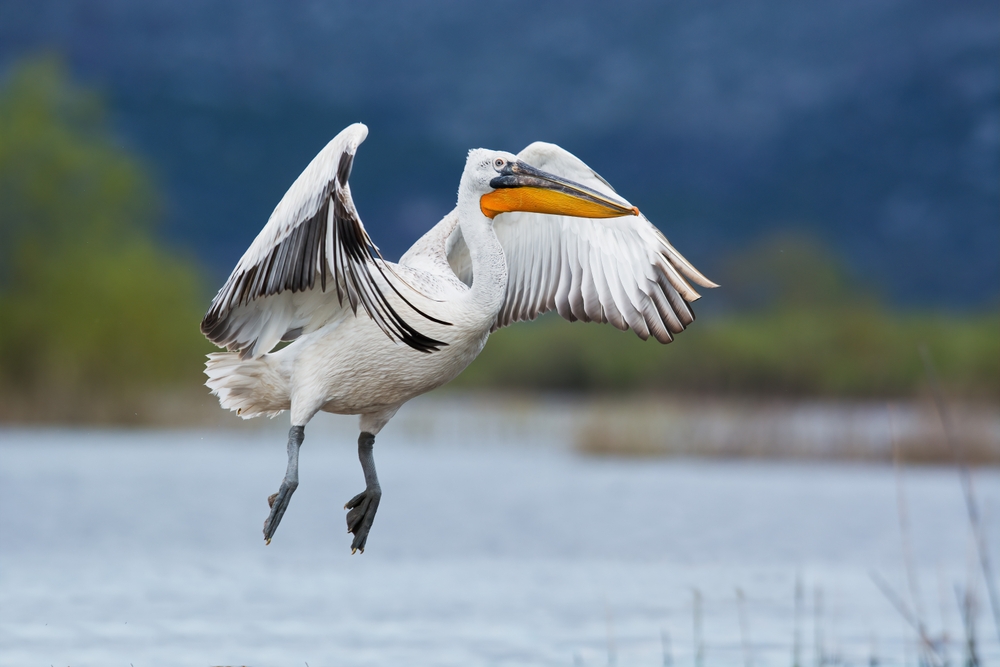
Dalmatian Pelican
This large and graceful bird is a key resident of Ag-Gel’s wetlands, recognized for its white plumage and immense wingspan.

Pygmy Cormorant
A small, dark waterbird, the Pygmy Cormorant is often seen perched on reeds or diving in the water in search of fish.

Purple Heron
The Purple Heron, with its striking plumage and long neck, frequents the park’s reed beds and shallow waters, preying on fish and amphibians.

Glossy Ibis
This bird, with its metallic green and bronze feathers, is a striking sight in the park’s wetlands, where it forages in shallow waters.

Black-winged Stilt
With its long, thin legs and contrasting black-and-white plumage, the Black-winged Stilt is a common wader in the park’s marshy areas.

Greater Flamingo
The park’s saline lakes often host flocks of Greater Flamingos, recognizable by their pale pink feathers and elegant movements.

White Stork
A large wader, the White Stork is a frequent visitor to Ag-Gel, where it can be seen feeding on small aquatic creatures and nesting in tall trees or poles.

Eurasian Spoonbill
This bird, with its distinctive spoon-shaped bill, feeds by sweeping its beak through the shallow waters of the park’s wetlands.

Common Crane
A migratory species, the Common Crane is notable for its graceful flight and distinctive calls, often seen in large flocks during migration seasons.

Little Egret
This elegant, white heron is a regular visitor to the park’s water bodies, where it actively forages for fish and invertebrates.

Things To Do

Engaging Ag-Gel National Park
Wetland Exploration

Wetland Exploration

Boat Excursions

Boat Excursions

Nature Walks

Nature Walks