

About
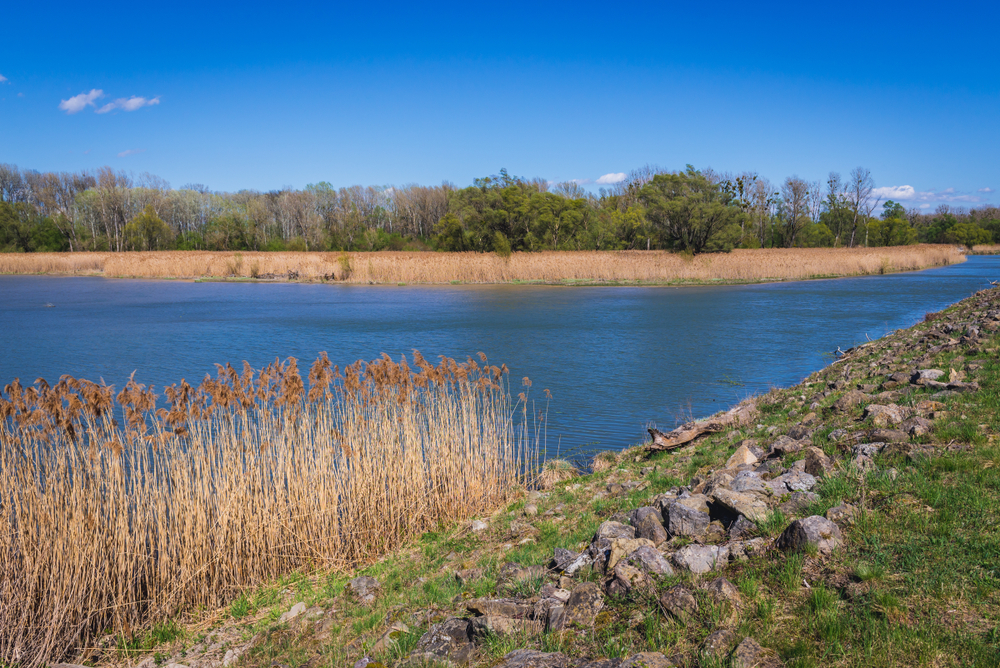
Danube-Auen National Park (German: Nationalpark Donau-Auen) is located in eastern Austria between the cities of Vienna and Bratislava. Established in 1996, the park covers approximately 36 square miles (93 sq km) and protects one of the last major remaining floodplain landscapes along the Danube River in Central Europe.
Stretching for nearly 24 miles (38 km) along the Danube, the park preserves an intricate network of river channels, wetlands, forests, and meadows that support extraordinary biodiversity. While the official English name is Danube-Auen National Park, the German name Donau-Auen National Park is also widely recognized.
The park is best known for its pristine floodplain ecosystems and rich wildlife. Visitors are drawn to peaceful river channels, oxbow lakes, wetlands, and ancient hardwood forests that create one of Europe’s most important natural river landscapes.
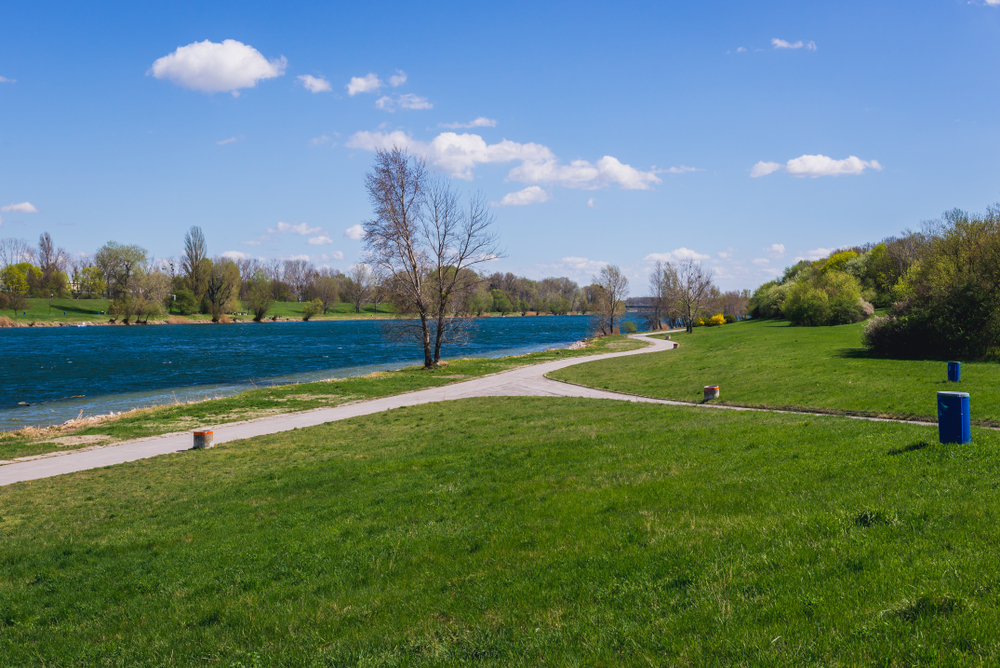
Canoeing, kayaking, hiking, cycling, birdwatching, and guided boat tours are among the park’s most popular activities. The park also offers excellent educational programs that highlight the importance of river conservation and floodplain ecology. Its close proximity to Vienna makes it one of the most accessible wilderness areas in Central Europe.
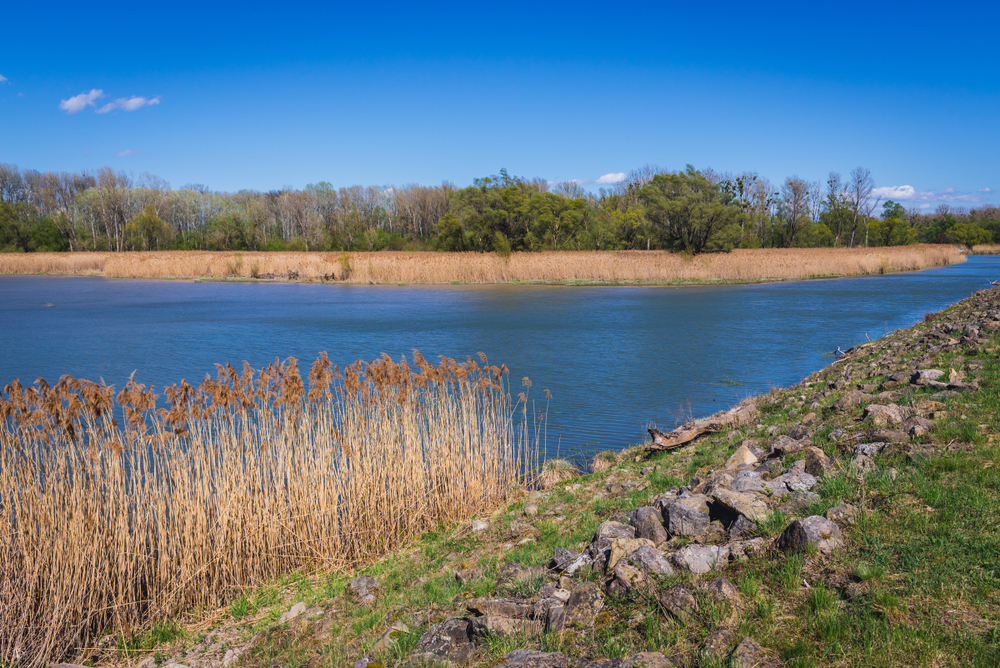
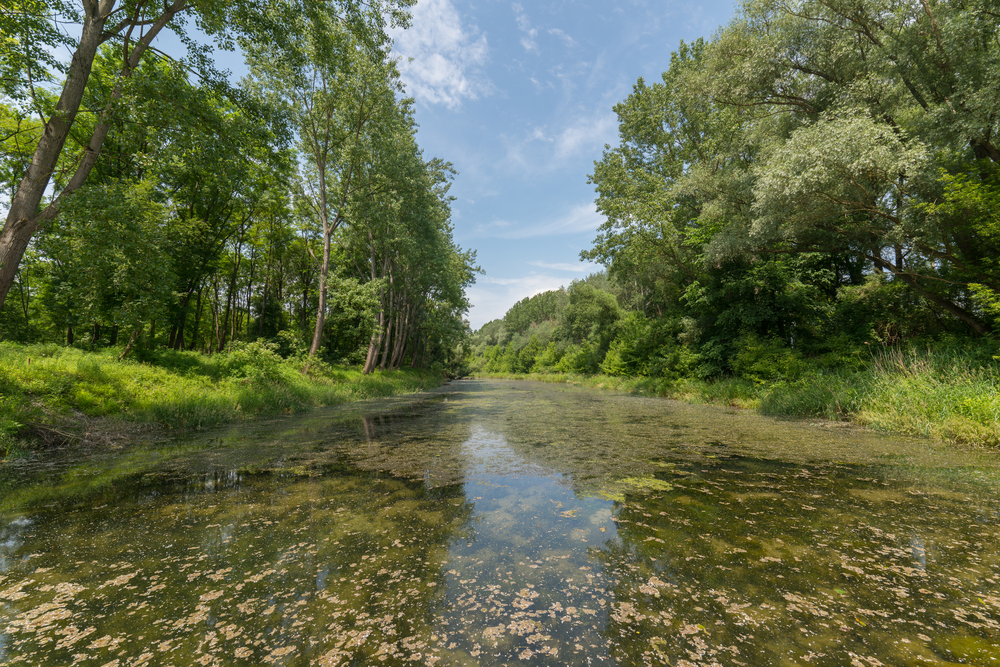
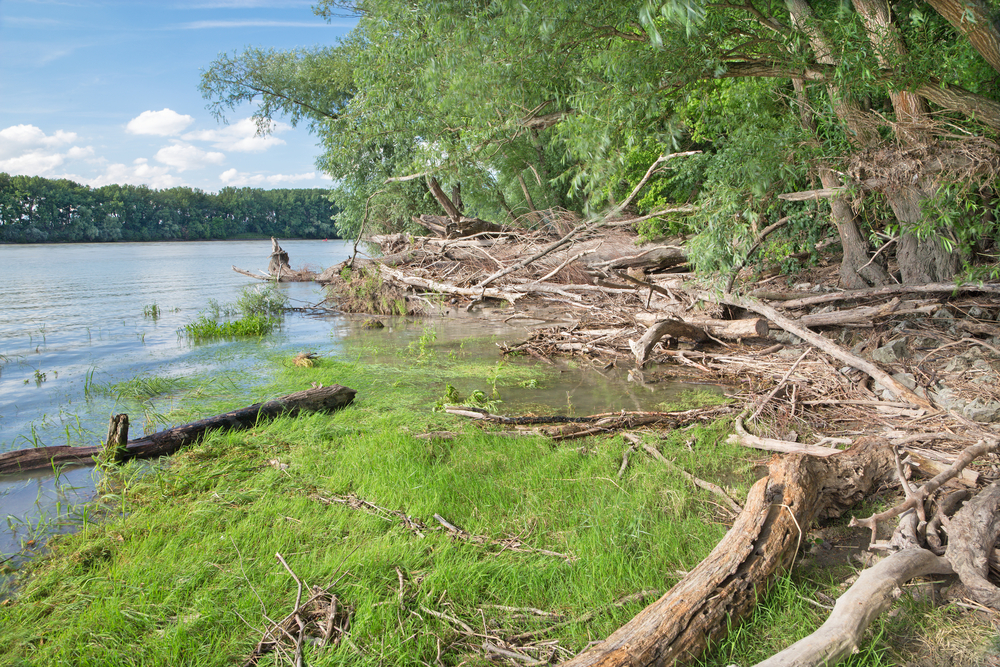
Geographically, Danube-Auen National Park protects a dynamic floodplain shaped by the natural flow of the Danube River. The landscape consists of side channels, gravel banks, wetlands, marshes, riparian forests, islands, and seasonal flood meadows.
Regular flooding replenishes nutrients and continually reshapes the terrain, maintaining a diverse mosaic of habitats. Willow, poplar, oak, ash, and elm forests dominate much of the park, while wetlands and shallow waters provide ideal conditions for aquatic plants and wildlife. This natural floodplain is among the last of its kind remaining along the Danube.
Wildlife within Danube-Auen National Park is exceptionally diverse. Mammals include Eurasian beavers, European otters, red deer, roe deer, wild boar, foxes, and badgers. The park is especially important for aquatic and semi-aquatic species that depend upon healthy floodplain habitats.
Birdlife is outstanding, with more than 200 recorded species including white-tailed eagles, black storks, grey herons, kingfishers, European bee-eaters, and numerous migratory waterbirds. The river supports over 60 fish species, while amphibians, reptiles, dragonflies, and rare plants thrive throughout the wetlands and forests.
Danube-Auen National Park plays a vital role in conserving one of Europe’s last free-flowing floodplain ecosystems. The park protects critical wildlife habitat, preserves natural river dynamics, safeguards water quality, and serves as an important ecological corridor connecting Austria with neighboring countries along the Danube.
Its conservation significance is often compared to Hortobágy National Park and Donau Delta Biosphere Reserve because of its internationally important wetlands, biodiversity, and freshwater ecosystems. Through its ancient floodplain forests, winding waterways, abundant wildlife, and successful restoration efforts, Danube-Auen National Park stands as one of Austria’s most important protected areas and one of Europe’s finest examples of river conservation.
Photos

Danube-Auen National Park Trails
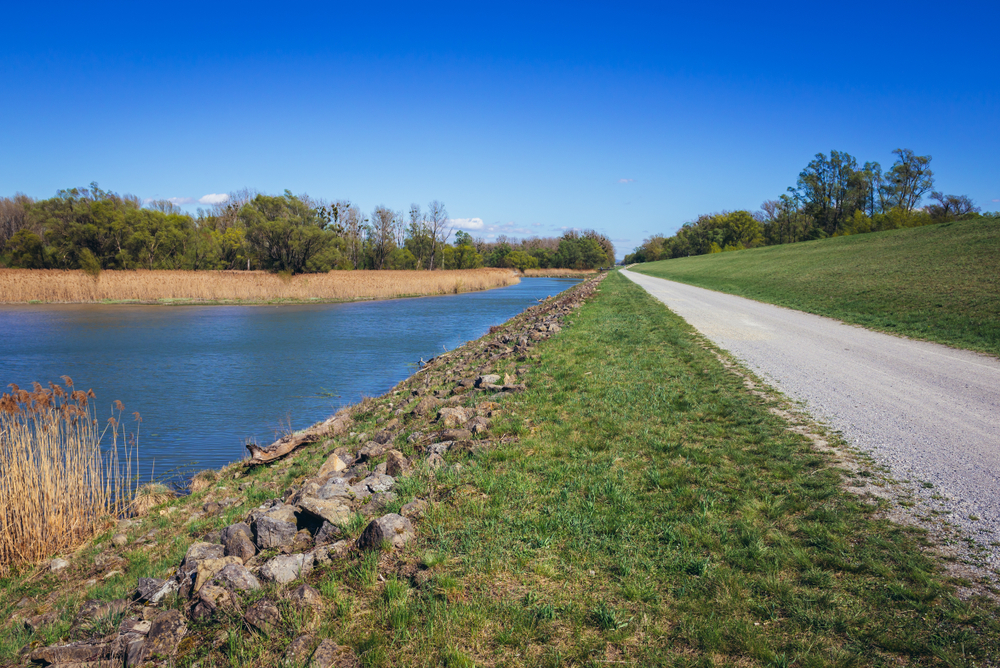
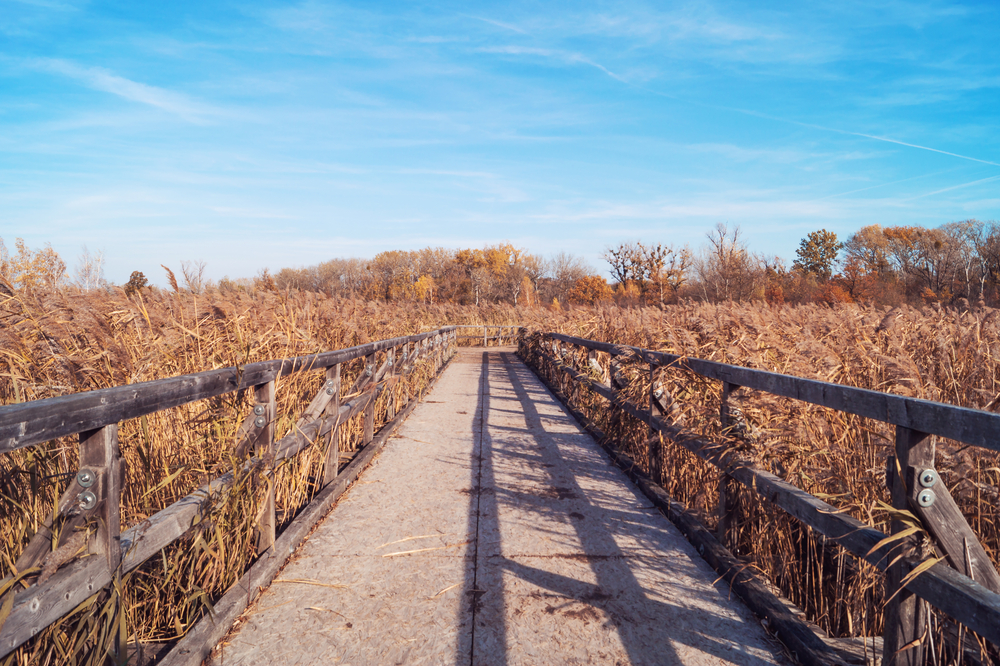
There are a handful of trails that make it easy for visitors to engage the wilderness and experience the natural facets that the park offers. Hiking is one of the popular activities of the national park.

Park Protection
Danube-Auen National Park was created to protect one of the last remaining free-flowing floodplain landscapes along the Danube River in Central Europe. Stretching between Vienna and Bratislava, the park preserves a dynamic network of river channels, wetlands, oxbow lakes, floodplain forests, and gravel banks that provide critical habitat for a remarkable diversity of wildlife.
The park protects several threatened and endangered species, including the European pond turtle, Eurasian otter, white-tailed eagle, and the endangered sterlet, a native Danube sturgeon. Its wetlands also support hundreds of bird species, amphibians, fish, and rare aquatic plants that depend on the river’s natural flooding cycles.
The park is especially significant for preserving one of the largest remaining intact floodplain ecosystems along the Danube, a habitat that has largely disappeared elsewhere due to dams and river regulation. Its constantly shifting channels and seasonal floods create an exceptionally rich mosaic of habitats that support rare plant and animal communities.
As one of Europe’s most important river restoration and conservation success stories, the park plays a vital role in maintaining the ecological health of the Danube Basin. Together, Danube-Auen National Park safeguards endangered freshwater species, vital floodplain forests and wetlands, dynamic river ecosystems, and one of Central Europe’s most valuable natural landscapes.
FAQ’s
What is the main reason people visit Danube-Auen National Park?
Danube-Auen National Park is primarily visited for its remarkable floodplain forests, diverse wildlife, scenic waterways, and status as one of Europe’s last major free-flowing river landscapes. Located east of Vienna along the Danube River, the park protects approximately 36 square miles (93 square kilometers) of wetlands, forests, meadows, backwaters, and islands.
Visitors come to experience one of Central Europe’s most important river ecosystems while enjoying hiking, cycling, canoeing, birdwatching, and nature photography.
What animals can visitors hope to see in Danube-Auen National Park?
Danube-Auen National Park supports more than 60 mammal species and an extraordinary diversity of amphibians, reptiles, fish, and insects associated with floodplain ecosystems.
Some of the most notable animals found in Danube-Auen National Park include:
- European Beaver
- Eurasian Otter
- Roe Deer
- Red Deer
- Wild Boar
- Red Fox
- European Badger
- Pine Marten
- Stone Marten
- Stoat
- Weasel
- European Polecat
- European Hedgehog
- Brown Hare
- European Rabbit
- Red Squirrel
- Hazel Dormouse
- Wood Mouse
- Yellow-necked Mouse
- Bank Vole
- Water Vole
- Mole
- Common Shrew
- Pygmy Shrew
- Noctule Bat
- Daubenton’s Bat
- Common Pipistrelle
- Nathusius’ Pipistrelle
- Brown Long-eared Bat
- European Pond Turtle
- Grass Snake
- Dice Snake
- Smooth Snake
- Sand Lizard
- Viviparous Lizard
- Common Frog
- Edible Frog
- European Tree Frog
- Fire-bellied Toad
- Common Toad
- Great Crested Newt
- Smooth Newt
- Danube Crested Newt
- European Perch
- Northern Pike
- Common Carp
- Wels Catfish
- Zander
- European Chub
- Numerous Native Dragonflies and Butterflies
What birds can visitors hope to see in Danube-Auen National Park?
Danube-Auen National Park is home to more than 200 bird species and is one of Austria’s premier birdwatching destinations.
Some of the most popular birds seen in Danube-Auen National Park include:
- White-tailed Eagle
- Black Stork
- Grey Heron
- Purple Heron
- Great Egret
- Little Egret
- Eurasian Spoonbill
- White Stork
- Common Kingfisher
- European Bee-eater
- Grey-headed Woodpecker
- Black Woodpecker
- Green Woodpecker
- Great Spotted Woodpecker
- Middle Spotted Woodpecker
- Lesser Spotted Woodpecker
- Eurasian Hobby
- Common Buzzard
- Northern Goshawk
- Eurasian Sparrowhawk
- Western Marsh Harrier
- Eurasian Kestrel
- Peregrine Falcon
- Tawny Owl
- Long-eared Owl
- Little Owl
- Barn Owl
- Common Cuckoo
- Eurasian Hoopoe
- Golden Oriole
- Common Nightingale
- Eurasian Golden Oriole
- European Robin
- Common Blackbird
- Song Thrush
- Eurasian Wren
- Common Chaffinch
- European Goldfinch
- Hawfinch
- Bullfinch
- Eurasian Nuthatch
- Eurasian Treecreeper
- Great Tit
- Blue Tit
- Penduline Tit
- Reed Warbler
- Great Reed Warbler
- Sedge Warbler
- Common Sandpiper
- Common Tern
Is Danube-Auen National Park worth visiting?
Yes, Danube-Auen National Park is absolutely worth visiting and is one of Austria’s finest natural attractions.
The park offers beautiful floodplain forests, exceptional birdwatching, canoeing, cycling, hiking, and opportunities to experience one of Europe’s last intact river ecosystems. Its close proximity to Vienna makes it an excellent destination for both day trips and longer nature-focused visits.
The primary hesitation is that visitors expecting alpine scenery may prefer Austria’s mountain national parks. However, Danube-Auen provides a completely different experience centered on rivers, wetlands, forests, and wildlife.
What is the best time to visit Danube-Auen National Park?
Weather and Climate
The best time to visit Danube-Auen National Park is from April through October.
Typical conditions include:
- April–May: 45–68°F (7–20°C)
- June–August: 60–85°F (16–29°C)
- September–October: 50–72°F (10–22°C)
- November–March: 28–50°F (-2–10°C)
During spring and summer:
- Wildlife is highly active.
- Canoeing conditions are excellent.
- Birdwatching is outstanding.
- Wildflowers bloom throughout the floodplain.
- Cycling and hiking conditions are ideal.
Autumn offers colorful forests and excellent wildlife viewing.
How many days do you need to visit Danube-Auen National Park?
Most visitors should plan for 1 to 3 days in Danube-Auen National Park.
- Half day: Visitor center and short walking trails.
- 1 day: Hiking, cycling, or canoeing through the floodplain.
- 2 days: Wildlife viewing, photography, and exploring multiple sections of the park.
- 3+ days: Birdwatching, guided nature tours, kayaking, and in-depth exploration.
For most visitors, two days provides the ideal experience. This allows time to experience the park from both land and water, explore several trails, visit observation platforms, and enjoy opportunities to observe birds, beavers, and other wildlife.
Nature photographers and birdwatchers often spend three or more days in the park because wildlife activity varies throughout the day and different sections of the floodplain offer distinct habitats.
How do you get to Danube-Auen National Park?
International Access
Danube-Auen National Park is located immediately east of Vienna in eastern Austria.
The primary international gateway is:
- Vienna International Airport
Most international visitors arrive through Vienna.
Driving from Vienna
The park is one of the easiest national parks in Austria to reach.
Travel time:
- Approximately 10–25 miles (15–40 km)
- About 20–40 minutes by road depending on the park entrance
Public Transportation
Visitors can also reach the park by:
- Regional trains from Vienna.
- Local buses serving communities near the park.
- Bicycle routes following the Danube River.
Main Visitor Areas
Popular access points include:
- Orth an der Donau
- Hainburg an der Donau
- Stopfenreuth
Major Attractions
Popular destinations include:
- Schloss Orth National Park Centre
- Donau-Auen Floodplain Forest
- Danube River
Visitors can enjoy:
- Guided canoe tours.
- Hiking trails.
- Cycling routes.
- Wildlife observation towers.
- Educational exhibits.
Travel Times
Typical travel times include:
- Vienna to Orth an der Donau: approximately 30 minutes.
- Vienna Airport to the park: approximately 20–30 minutes.
- Orth an der Donau to Schloss Orth National Park Centre: approximately 5 minutes.
- Guided canoe excursions: typically 2–4 hours.
Who is involved in protecting and supporting Danube-Auen National Park?
Several organizations help protect and support Danube-Auen National Park:
- Nationalpark Donau-Auen GmbH – manages Danube-Auen National Park.
- Austrian Federal Forests – supports habitat management and conservation.
- World Wide Fund for Nature Austria – supports conservation initiatives.
- BirdLife Austria – supports bird conservation and monitoring.
- Local communities, researchers, and volunteers throughout the Danube floodplain.
What is unique about Danube-Auen National Park?
Danube-Auen National Park is unique because it protects one of Europe’s last remaining large floodplain landscapes along a free-flowing section of the Danube River.
The park preserves an intricate mosaic of forests, wetlands, side channels, islands, and meadows that support exceptional biodiversity just minutes from one of Europe’s capital cities. Its combination of river ecology, wildlife, recreation, and conservation makes it one of Central Europe’s most important protected areas.
What does "Auen" mean?
“Auen” is the German word for river floodplains or riparian wetlands. Danube-Auen National Park protects one of Europe’s largest remaining floodplain ecosystems along the Danube River.
How close is Danube-Auen National Park to Vienna?
Danube-Auen National Park begins only about 20–30 minutes east of Vienna, making it one of the most accessible national parks in Europe and an excellent day-trip destination from Austria’s capital.
Sources
- All Trails, Best Trails In Donauen National Park, https://www.alltrails.com/parks/austria/vienna/nationalpark-donauauen, retrieved August 2020.
- Danube Parks, National Park Donau-Auen, http://www.danubeparks.org/mobile/?activities=11, retrieved August 2020.
- International Commission for the Protection of the Danube River, The Donau-Auen National Park, https://www.icpdr.org/main/publications/donau-auen-national-park-day-life, retrieved August 2020.
- Komoot, Attractions in Donau-Auen National Park, https://www.komoot.com/guide/516248/attractions-in-donau-auen-national-park, retrieved August 2020.
- Lonely Planet, National Park Donau-Auen, https://www.lonelyplanet.com/austria/vienna/activities/nationalpark-donau-auen/a/poi-act/1145603/358656, retrieved August 2020.
- National Park Donau Auen, Park Site, https://www.donauauen.at/?language=english, retrieved August 2020.
- Welcome to Bratislava, Donau-Auen National Park, https://www.welcometobratislava.eu/donau-auen-national-park/, retrieved August 2020.