

About
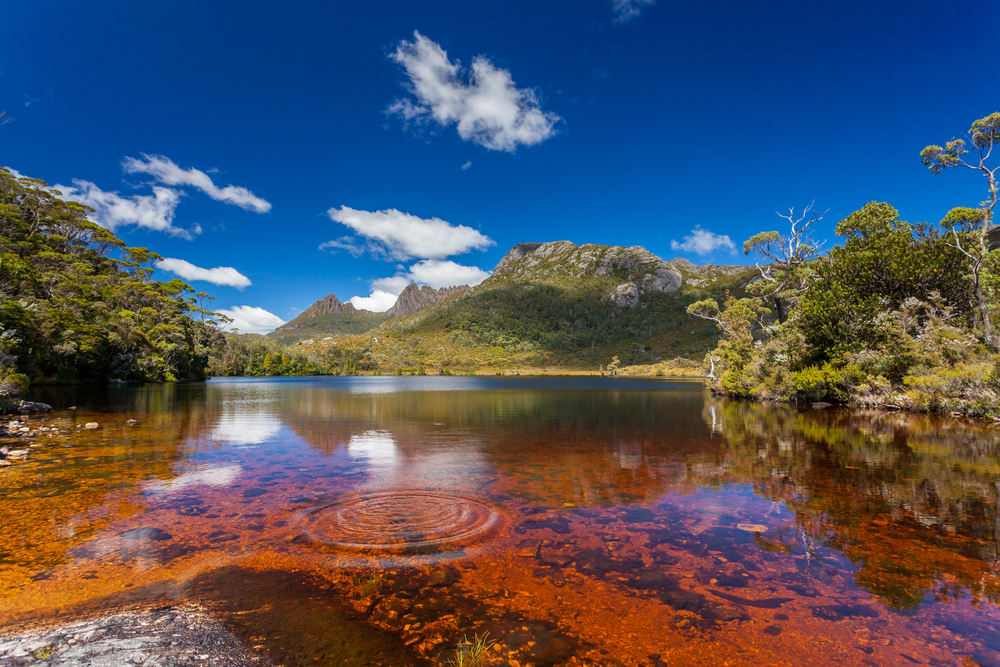
Cradle Mountain–Lake St Clair National Park is located in the heart of the island state of Tasmania and forms one of the most spectacular sections of the Tasmanian Wilderness.
Established in 1922, the park covers approximately 623 square miles (1,614 sq km) and protects a remarkable landscape of rugged mountains, glacial lakes, alpine moorlands, temperate rainforests, and ancient ecosystems. As one of Australia’s premier wilderness destinations, the park is celebrated for its dramatic scenery, endemic wildlife, and exceptional hiking opportunities.
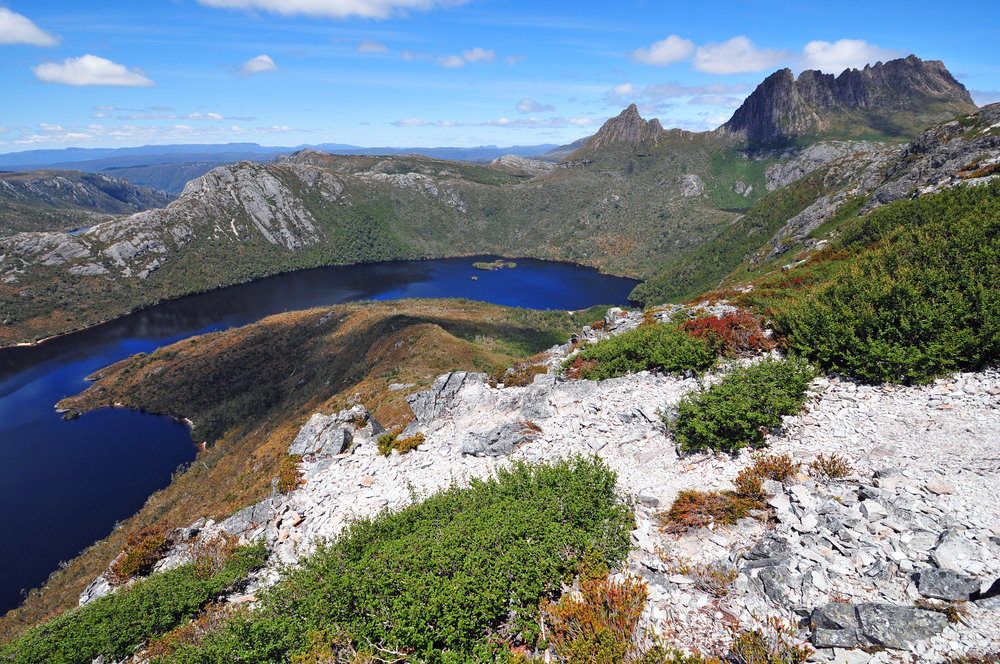
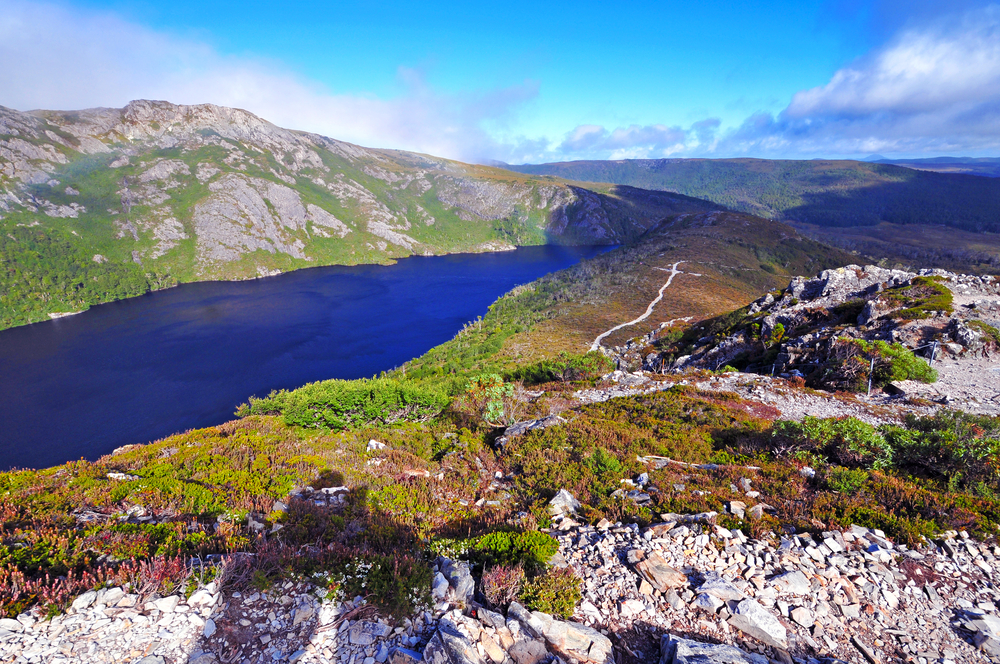
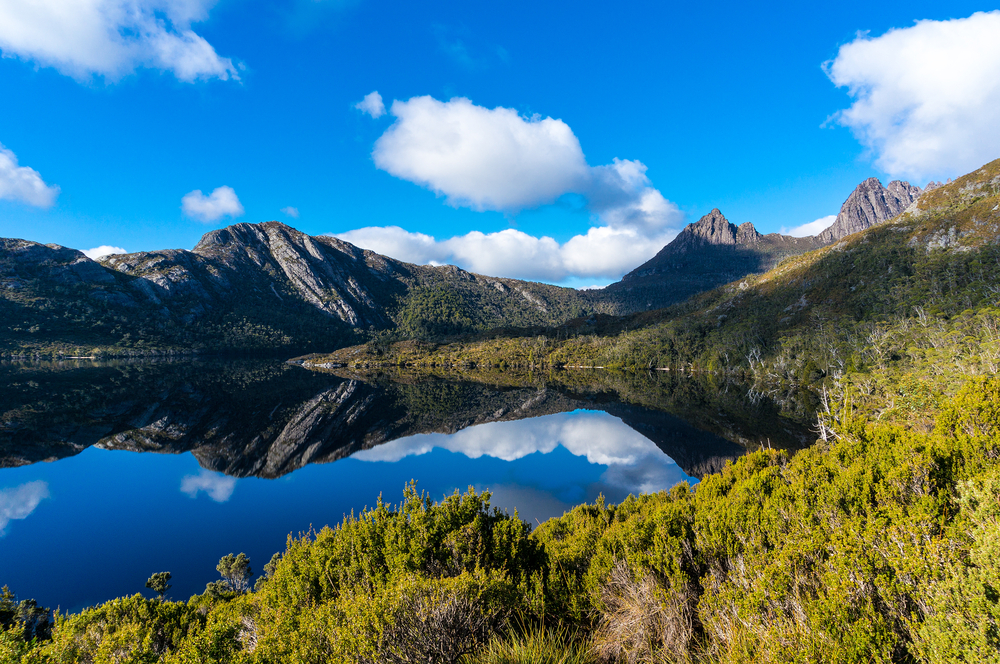
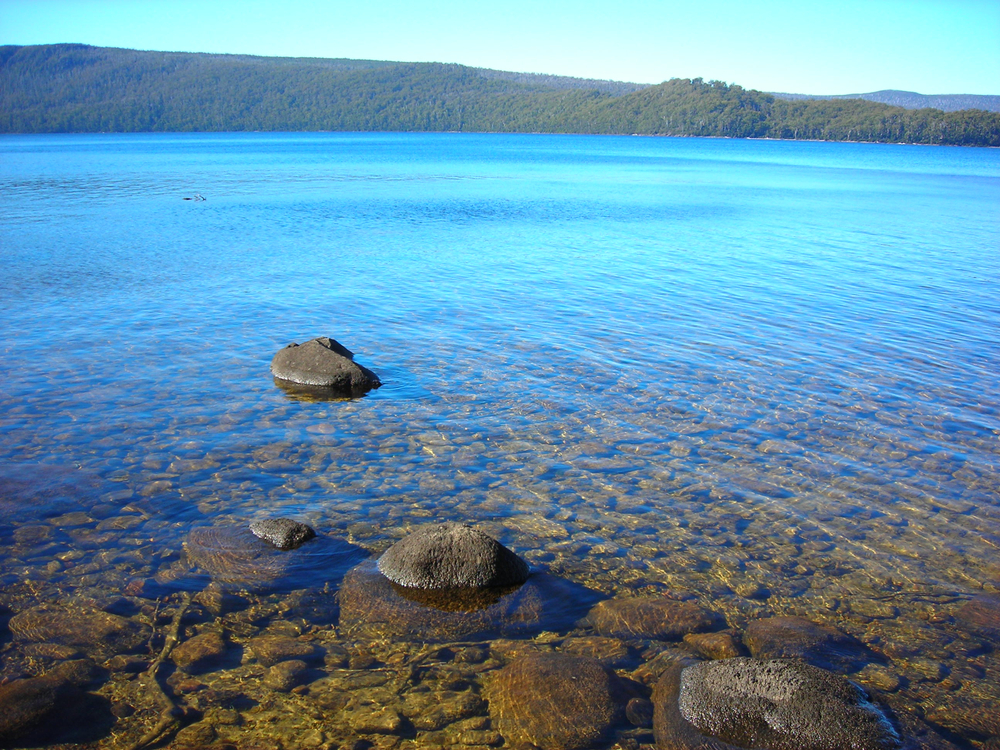
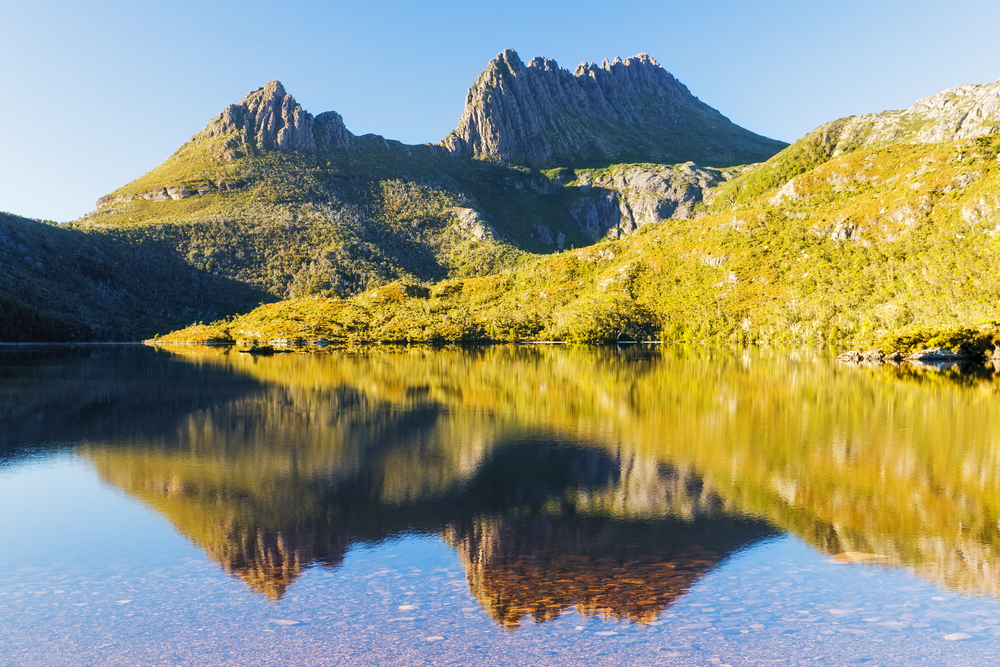
The park is best known for the iconic Cradle Mountain, one of Australia’s most recognizable mountain peaks, and Lake St Clair, the country’s deepest natural freshwater lake at approximately 656 feet (200 meters). Visitors are drawn to breathtaking alpine scenery, crystal-clear lakes, waterfalls, and abundant wildlife.
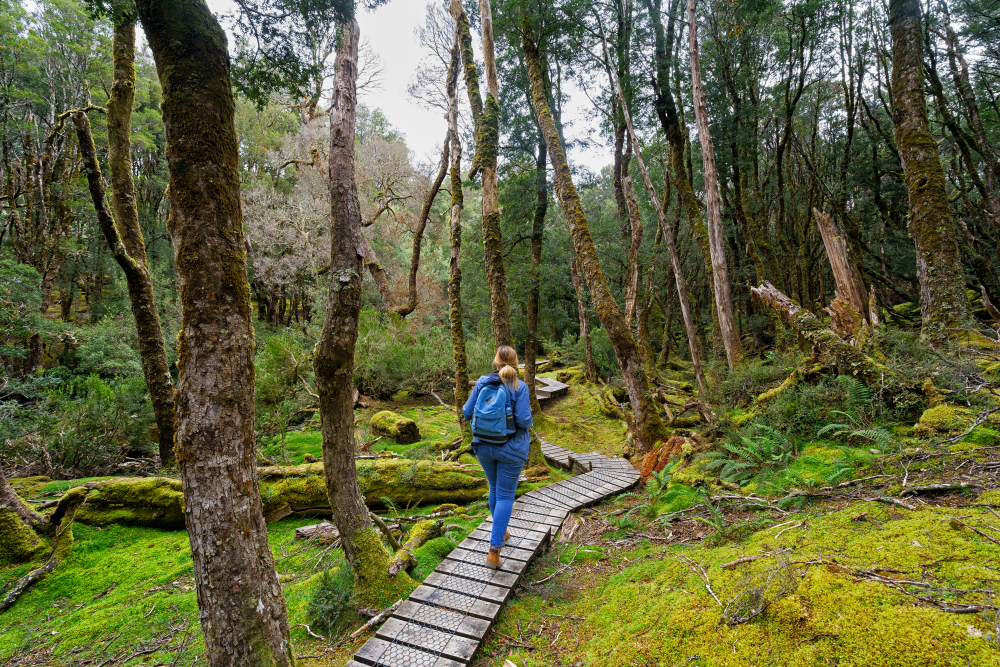
The world-famous Overland Track begins at Cradle Mountain and traverses the length of the park over approximately 40 miles (65 km), making it one of the world’s great multi-day hiking trails. Other popular activities include day hiking, wildlife viewing, canoeing, photography, fishing, and stargazing.
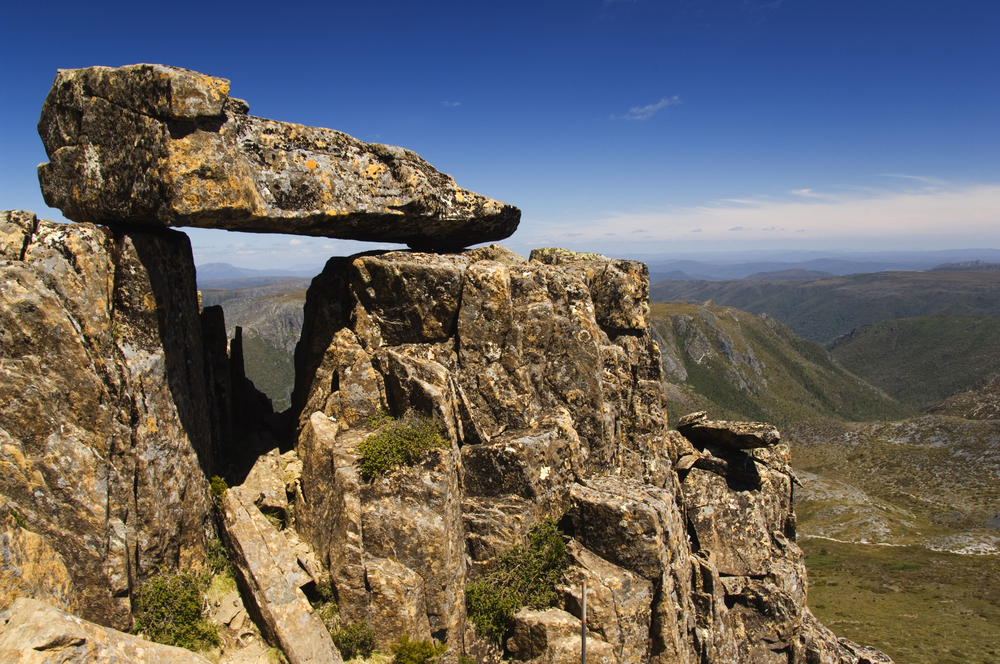
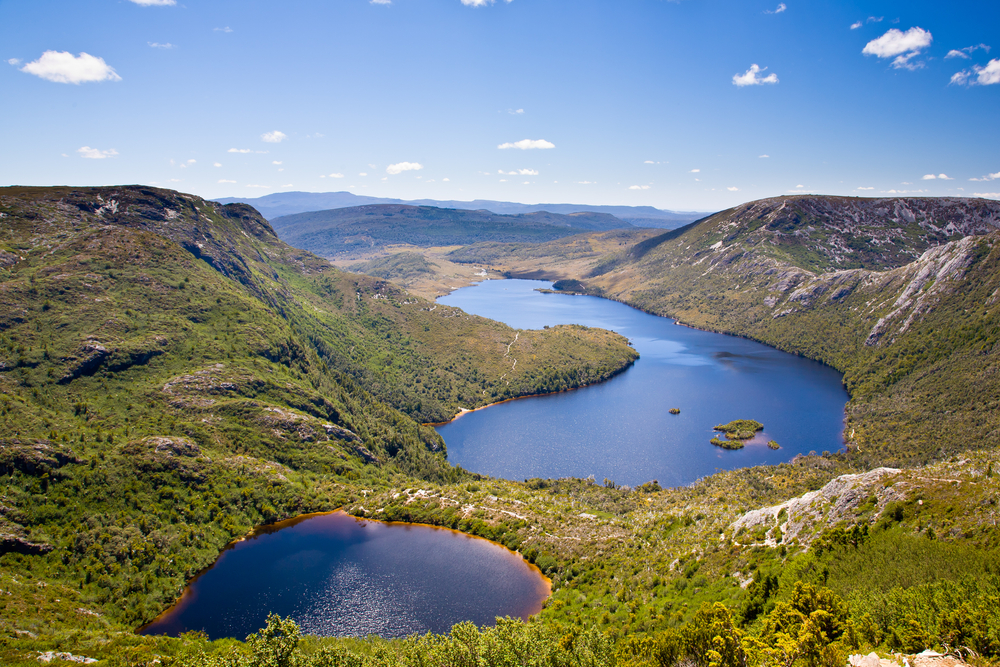
Geographically, Cradle Mountain–Lake St Clair National Park lies within Tasmania’s rugged Central Highlands. The landscape was sculpted by repeated glaciations during the Ice Age, leaving behind jagged dolerite peaks, glacial cirques, alpine tarns, deep valleys, and numerous lakes.
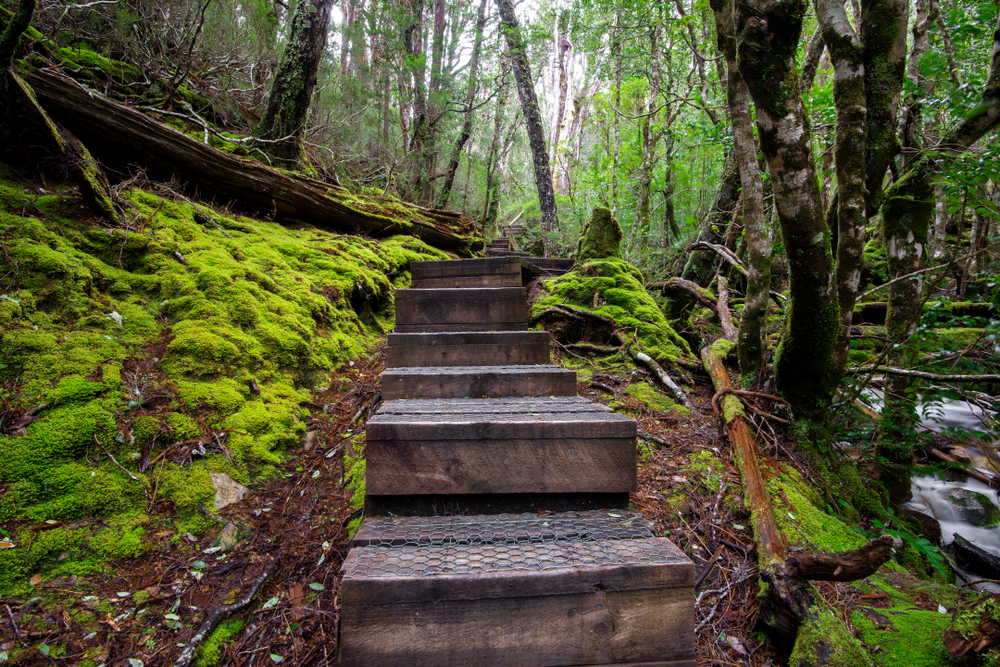
Dense temperate rainforests of myrtle beech, sassafras, and ancient conifers occupy lower elevations, while alpine heathlands, buttongrass moorlands, and subalpine woodlands dominate the higher terrain. The park experiences cool temperatures year-round, with frequent snowfall during winter and rapidly changing mountain weather.
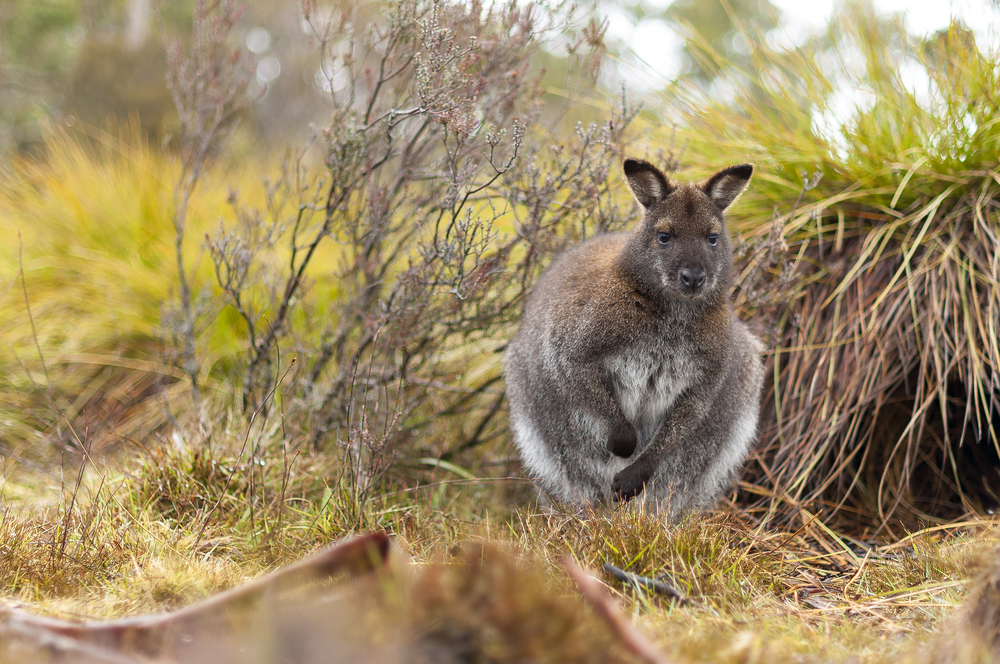
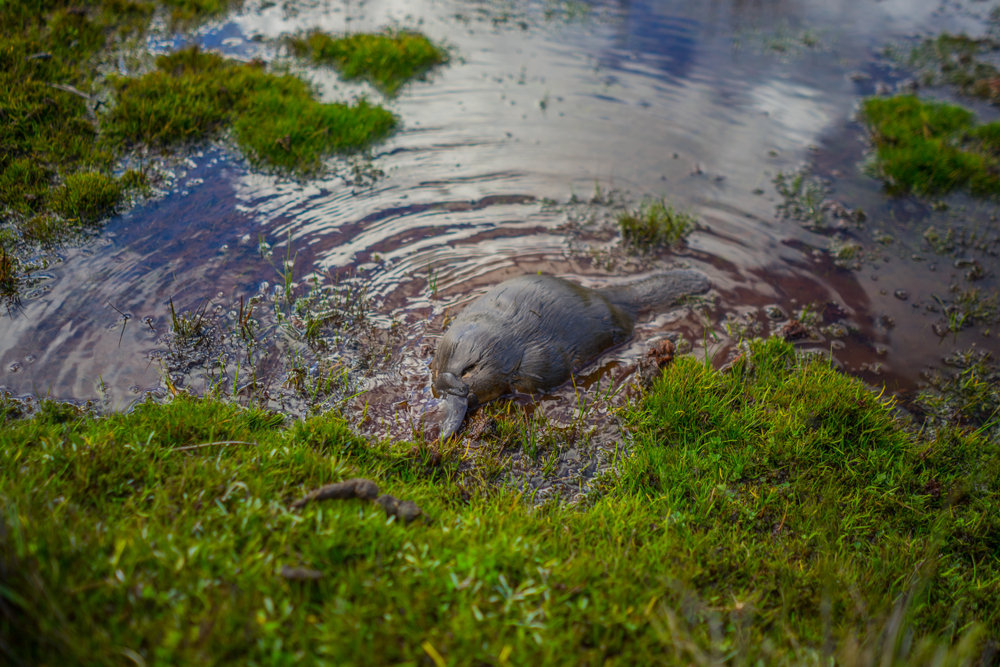
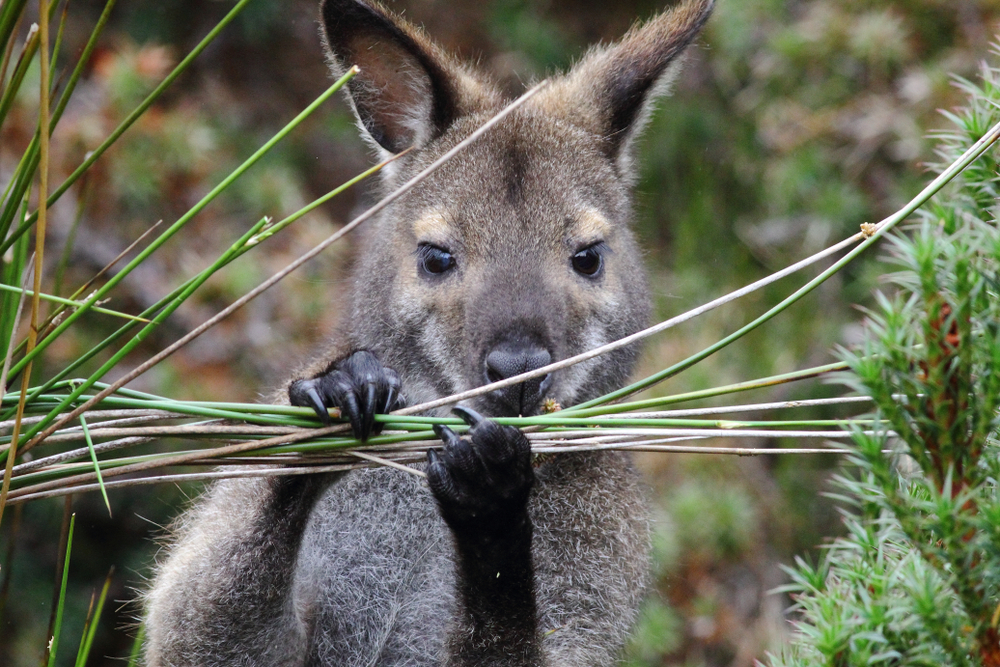
Wildlife within Cradle Mountain–Lake St Clair National Park is among the most distinctive in Australia. Mammals include Tasmanian devils, wombats, eastern quolls, pademelons, Bennett’s wallabies, echidnas, and platypuses. The park provides one of the best opportunities anywhere to observe the endangered Tasmanian Devil in the wild.
Birdlife includes black currawongs, green rosellas, pink robins, wedge-tailed eagles, and several endemic Tasmanian species. Streams and lakes support native fish and amphibians, while ancient forests shelter mosses, lichens, fungi, and plants that have survived since the supercontinent Gondwana.
Cradle Mountain–Lake St Clair National Park plays a vital role in conserving one of Australia’s most significant wilderness ecosystems. The park protects ancient Gondwanan forests, alpine habitats, glacial landscapes, and numerous endemic species while preserving important cultural heritage associated with the Tasmanian Aboriginal people.
Its conservation significance is often compared to Fiordland National Park and Aoraki / Mount Cook National Park because of its dramatic mountain scenery, glacial history, and outstanding wilderness values. Through its rugged peaks, pristine lakes, ancient forests, unique wildlife, and world-renowned hiking trails, Cradle Mountain–Lake St Clair National Park stands as one of Australia’s greatest natural treasures and one of the finest wilderness destinations in the Southern Hemisphere.
Photos
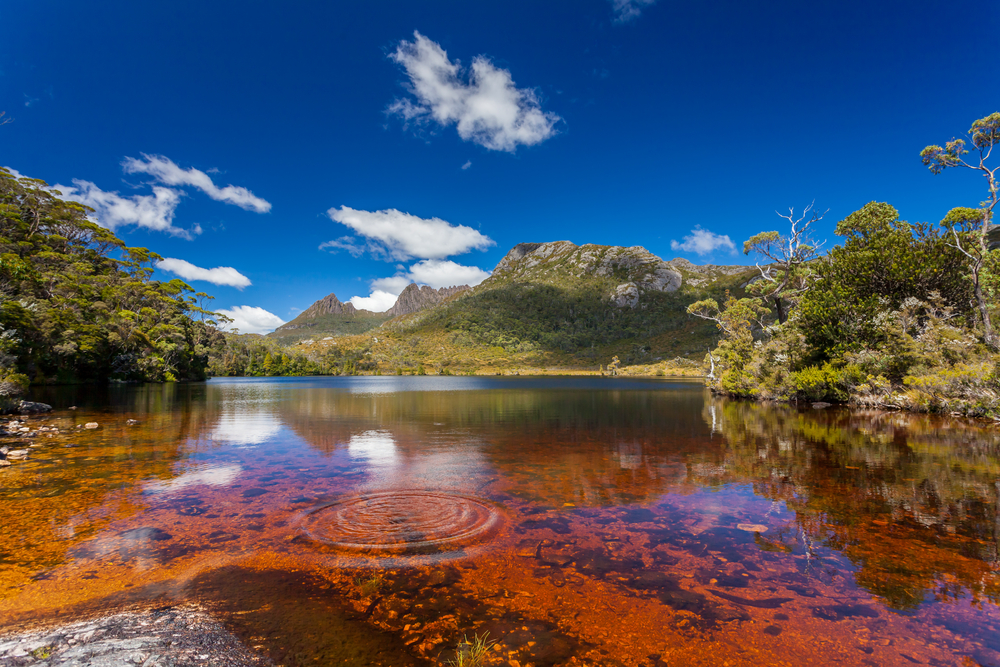
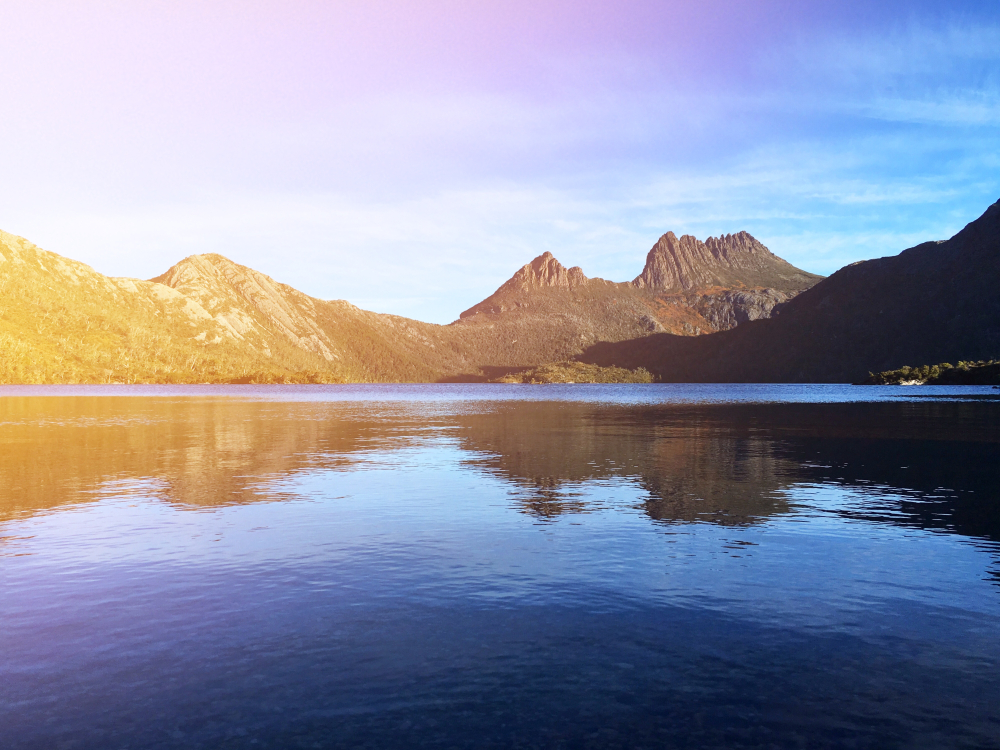
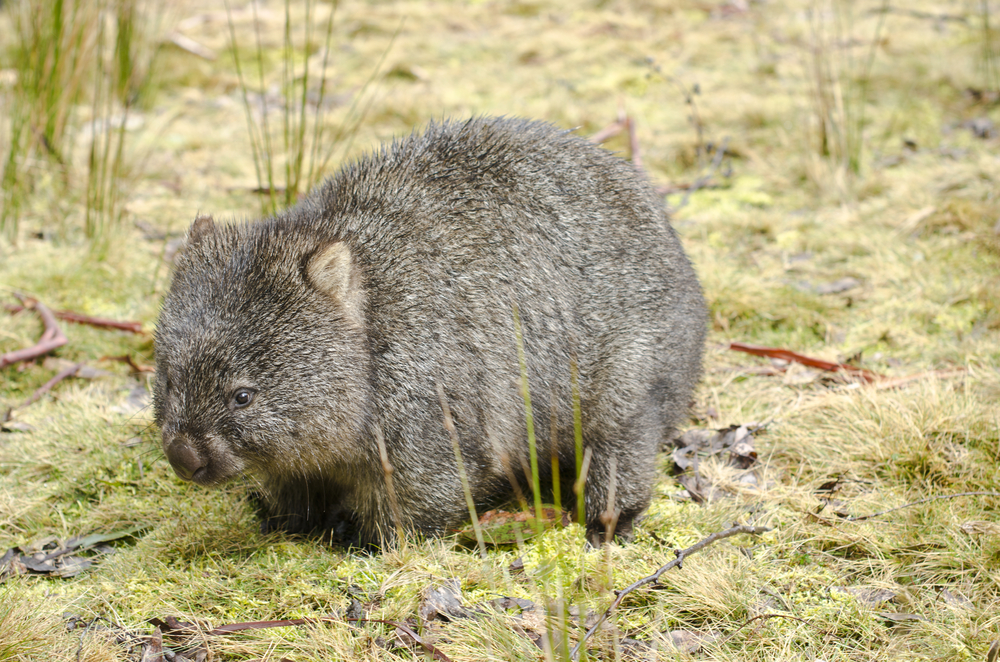
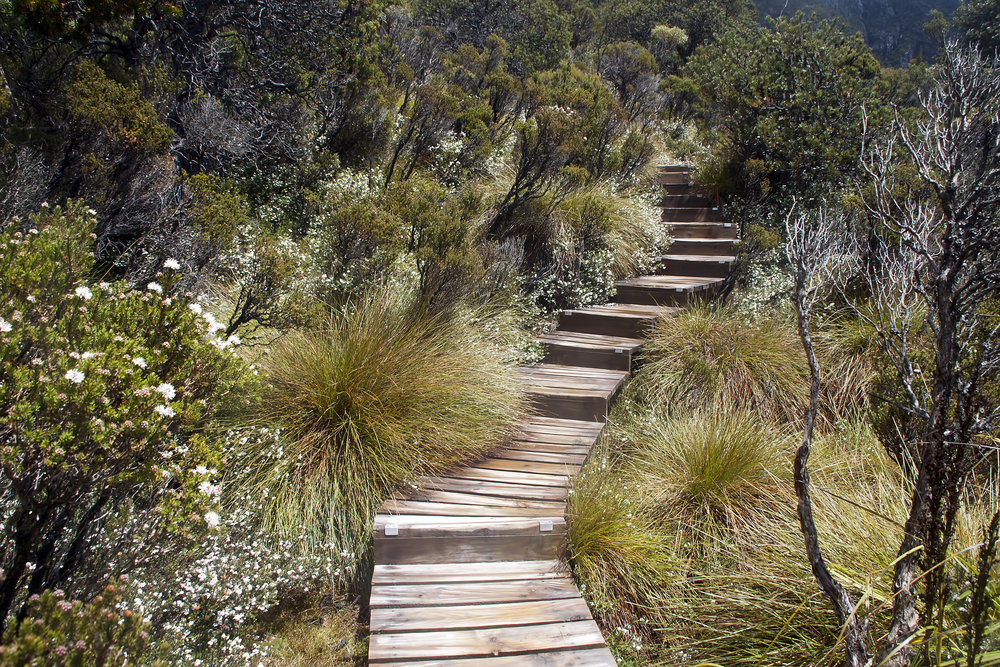
Cradle Mountain-Lake St. Clair Trails
There are a number of hikes that explore the mountain and name-sake lake. Other trails let you experience other facets of nature the park has to offer. You are encouraged to get out and explore this wonderful landscape.

Park Protection
Cradle Mountain–Lake St Clair National Park was created to protect the rugged alpine landscapes, ancient temperate rainforests, glacial lakes, moorlands, and endemic wildlife of central Tasmania. The park provides critical habitat for several threatened species, including the endangered Tasmanian devil, whose largest disease-free populations are found within Tasmania’s protected areas.
Other important wildlife protected by the park includes the spotted-tailed quoll, eastern quoll, platypus, echidna, wombat, and numerous endemic birds such as the green rosella and Tasmanian thornbill. Its ancient forests and alpine ecosystems preserve an exceptional diversity of plants, including species that have survived since the ancient supercontinent of Gondwana.
The park is especially significant for protecting some of the best-preserved glacial landscapes in Australia, including the iconic Cradle Mountain and Lake St Clair, Australia’s deepest natural freshwater lake. As a major component of the Tasmanian Wilderness World Heritage Area, it preserves ancient Gondwanan ecosystems that are among the oldest and most intact on Earth.
Together, Cradle Mountain–Lake St Clair National Park safeguards endangered endemic wildlife, ancient temperate rainforests, remarkable glacial landscapes, and one of Australia’s most significant natural heritage areas.
FAQ’s
What is the main reason people visit Cradle Mountain–Lake St Clair National Park?
Cradle Mountain–Lake St Clair National Park is primarily visited for its spectacular alpine scenery, iconic mountain landscapes, pristine lakes, unique wildlife, and world-renowned hiking opportunities. Located in the heart of Tasmania, the park protects approximately 621 square miles (1,612 square kilometers) of mountains, glacial lakes, temperate rainforests, alpine moorlands, and ancient ecosystems.
Visitors come to experience the famous Cradle Mountain, hike portions of the renowned Overland Track, observe Tasmanian wildlife, and explore one of Australia’s most beautiful wilderness areas.
What animals can visitors hope to see in Cradle Mountain–Lake St Clair National Park?
Cradle Mountain–Lake St Clair National Park supports more than 40 mammal species and is one of Australia’s best places to observe native wildlife in its natural habitat.
Some of the most notable animals found in Cradle Mountain–Lake St Clair National Park include:
- Tasmanian Devil
- Common Wombat
- Bennett’s Wallaby
- Tasmanian Pademelon
- Eastern Quoll
- Spotted-tailed Quoll
- Short-beaked Echidna
- Platypus
- Eastern Grey Kangaroo
- Red-necked Wallaby
- Brushtail Possum
- Ringtail Possum
- Sugar Glider
- Tasmanian Bettong
- Long-nosed Potoroo
- Water Rat
- Swamp Rat
- Bush Rat
- Broad-toothed Mouse
- Velvet-furred Rat
- Tasmanian Masked Owl (occasionally observed)
- Little Pygmy Possum
- Common Dunnart
- Swamp Antechinus
- Dusky Antechinus
- Forest Bat Species
- Gould’s Wattled Bat
- Chocolate Wattled Bat
- Large Forest Bat
- Southern Freetail Bat
- Tasmanian Tree Frog
- Brown Tree Frog
- Common Froglet
- Tasmanian Snow Skink
- Metallic Skink
- White-lipped Snake
- Tiger Snake
- Lowland Copperhead
- Freshwater Crayfish Species
- Native Freshwater Fish
- Mountain Shrimp Species
- Native Alpine Invertebrates
- Giant Freshwater Crayfish (nearby waterways)
- Native Millipedes
- Alpine Beetles
- Tasmanian Cave Spider Species
- Endemic Moth Species
- Native Butterflies
- Alpine Grasshoppers
- Various Endemic Tasmanian Invertebrates
What birds can visitors hope to see in Cradle Mountain–Lake St Clair National Park?
Cradle Mountain–Lake St Clair National Park is home to more than 150 bird species, including many of Tasmania’s endemic birds.
Some of the most popular birds seen in Cradle Mountain–Lake St Clair National Park include:
- Black Currawong
- Green Rosella
- Yellow Wattlebird
- Tasmanian Thornbill
- Pink Robin
- Flame Robin
- Scarlet Robin
- Dusky Robin
- Strong-billed Honeyeater
- Crescent Honeyeater
- New Holland Honeyeater
- Eastern Spinebill
- Superb Fairywren
- Grey Fantail
- Golden Whistler
- Grey Shrike-thrush
- Black-headed Honeyeater
- Satin Flycatcher
- Olive Whistler
- Bassian Thrush
- Scrubtit
- Brown Thornbill
- White-browed Scrubwren
- Striated Pardalote
- Yellow-tailed Black Cockatoo
- Forest Raven
- Wedge-tailed Eagle
- White-bellied Sea Eagle
- Brown Falcon
- Peregrine Falcon
- Southern Boobook
- Masked Owl
- Laughing Kookaburra
- Sacred Kingfisher
- Australasian Grebe
- Black Swan
- Pacific Black Duck
- Chestnut Teal
- Mountain Duck
- Great Cormorant
- Little Pied Cormorant
- White-faced Heron
- Australian Wood Duck
- Silver Gull
- Welcome Swallow
- Tree Martin
- Grey Butcherbird
- Common Bronzewing
- Fan-tailed Cuckoo
- Swift Parrot (seasonal)
Is Cradle Mountain–Lake St Clair National Park worth visiting?
Yes, Cradle Mountain–Lake St Clair National Park is absolutely worth visiting and is widely considered one of Australia’s most spectacular national parks.
The park offers breathtaking mountain scenery, alpine lakes, ancient rainforests, iconic hiking trails, remarkable wildlife, and one of the finest wilderness experiences in Australia. It is also part of the Tasmanian Wilderness World Heritage Area, recognized for both its natural and cultural significance.
The primary hesitation is that mountain weather can change quickly, even during summer. However, visitors who come prepared are rewarded with some of Australia’s most unforgettable landscapes.
What is the best time to visit Cradle Mountain–Lake St Clair National Park?
Weather and Climate
The best time to visit Cradle Mountain–Lake St Clair National Park is from November through April.
Typical conditions include:
- November–December: 40–68°F (4–20°C)
- January–February: 45–72°F (7–22°C)
- March–April: 38–66°F (3–19°C)
- May–October: 25–55°F (-4–13°C)
During the warmer months:
- Hiking trails are generally more accessible.
- Wildflowers bloom across alpine meadows.
- Wildlife is highly active.
- Longer daylight hours improve sightseeing.
- Conditions are ideal for photography.
Winter transforms the park into a snow-covered alpine landscape, offering spectacular scenery but more challenging hiking conditions.
How many days do you need to visit Cradle Mountain–Lake St Clair National Park?
Most visitors should plan for 2 to 4 days in Cradle Mountain–Lake St Clair National Park.
- 1 day: Visit Dove Lake and enjoy several short walks.
- 2 days: Explore Cradle Mountain, Dove Lake, and additional hiking trails.
- 3 days: Hike longer alpine routes and visit Lake St Clair.
- 4+ days: Complete sections of the Overland Track, photograph wildlife, and explore remote wilderness areas.
For most visitors, three days provides the ideal experience. This allows time to experience the iconic Dove Lake Circuit, visit Cradle Mountain viewpoints, enjoy wildlife encounters around dawn and dusk, and explore additional alpine walks.
Outdoor enthusiasts often spend four or more days in the park because it serves as the northern gateway to the famous Overland Track. Additional time allows visitors to experience more of the park’s diverse landscapes, including ancient rainforests, glacial valleys, waterfalls, and Australia’s deepest natural freshwater lake.
How do you get to Cradle Mountain–Lake St Clair National Park?
International Access
Cradle Mountain–Lake St Clair National Park is located in central Tasmania.
The nearest international and domestic gateways include:
- Hobart Airport
- Launceston Airport
Most visitors arrive through Hobart or Launceston.
Driving from Launceston
The most common route is:
- Launceston to Cradle Mountain Visitor Centre.
Travel time:
- Approximately 95 miles (150 km)
- About 2–2.5 hours by road
Driving from Hobart
Travel time:
- Approximately 185 miles (300 km)
- About 4–4.5 hours by road
Visitor Centre and Shuttle System
Private vehicles are generally parked at the:
- Cradle Mountain Visitor Centre
From there, shuttle buses transport visitors to major attractions throughout the day.
Major Attractions
Popular destinations include:
- Cradle Mountain
- Dove Lake
- Lake St Clair
- Overland Track
- Marion’s Lookout
Travel Times
Typical travel times include:
- Launceston to Cradle Mountain: 2–2.5 hours.
- Hobart to Cradle Mountain: 4–4.5 hours.
- Visitor Centre to Dove Lake via shuttle: approximately 20 minutes.
- Cradle Mountain to Lake St Clair by road: approximately 2–2.5 hours.
Who is involved in protecting and supporting Cradle Mountain–Lake St Clair National Park?
Several organizations help protect and support Cradle Mountain–Lake St Clair National Park:
- Tasmania Parks and Wildlife Service – manages Cradle Mountain–Lake St Clair National Park.
- UNESCO – recognizes the park as part of the Tasmanian Wilderness World Heritage Area.
- Tasmanian Land Conservancy – supports habitat conservation throughout Tasmania.
- Local conservation organizations, researchers, Aboriginal communities, and tourism partners that help protect the park’s ecosystems and cultural heritage.
What is unique about Cradle Mountain–Lake St Clair National Park?
Cradle Mountain–Lake St Clair National Park is unique because it protects one of the world’s finest temperate wilderness landscapes within the Tasmanian Wilderness World Heritage Area. The park contains glacially carved mountains, ancient rainforests, alpine moorlands, and Lake St Clair, Australia’s deepest natural freshwater lake at approximately 656 feet (200 meters).
It is also home to the famous Overland Track, one of the world’s premier multi-day hiking trails, and offers some of the best opportunities in Australia to observe iconic wildlife such as wombats and Tasmanian devils in their natural habitat.
Sources
- Australia, Cradle Mountain Lake St. Clair National Park, https://www.australia.com/en-us/places/hobart-and-surrounds/guide-to-cradle-mountain-lake-st-clair-national-park.html, retrieved October 2019.
- Britannica, Cradle Mountain, https://www.britannica.com/place/Cradle-Mountain, retrieved June 2020.
- Britannica, Lake Saint Claire, https://www.britannica.com/place/Lake-Saint-Clair-lake-Tasmania-Australia, retrieved June 2020.
- Discover Tasmania, Cradle Mountain St. Clair National Park, https://www.discovertasmania.com.au/about/national-parks-and-wilderness/cradle-mountain-lake-st-clair-national-park, retrieved October 2019.
- Parks & Wildlife Service Tasmania, Cradle Mountain, https://www.parks.tas.gov.au/?base=3297, retrieved October 2019.
- Wild Sight, Day Walks: Cradle Mountain-Lake St Clair, https://wildsight.com.au/cradle-mountain-lake-st-clair/, retrieved October 2019.