

About
Traslasierra National Park, known locally as Parque Nacional Traslasierra, is a protected area located in the northwest of Córdoba Province, Argentina.
Established in 2018, the park encompasses approximately 440 square kilometers (170 square miles) of the Dry Chaco ecosystem, one of the most threatened ecoregions globally. The park is situated within the historical Estancia Pinas, a rural estate that preserves remnants of the Comechingón culture and a 19th-century chapel.
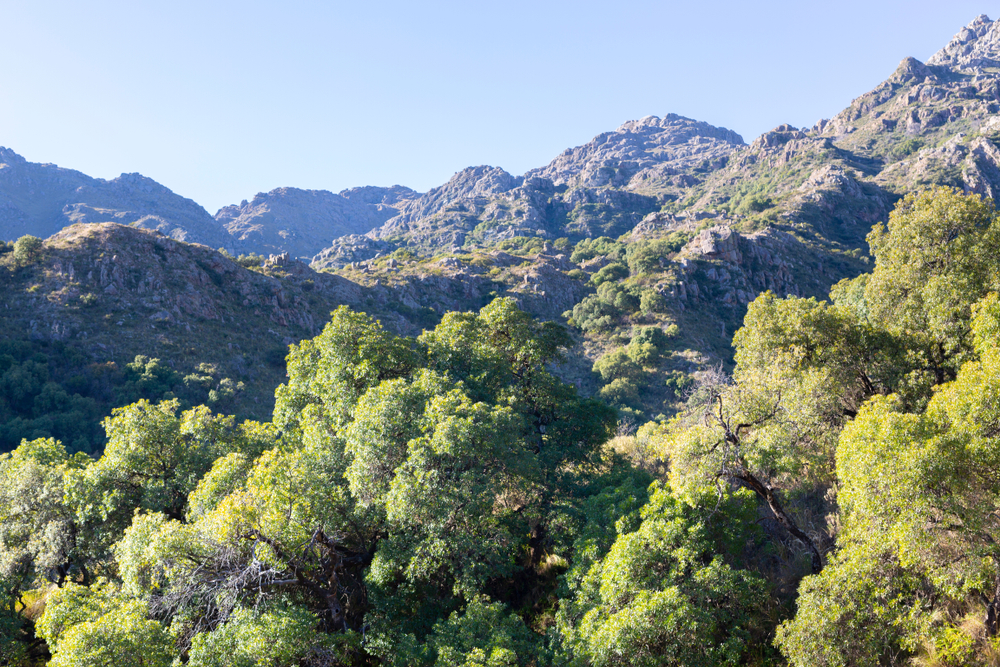
The terrain of Traslasierra National Park is characterized by its mountainous landscapes, including the western slopes of the Sierras de Pocho. This area showcases the Chaco Serrano forest, a unique environment within the Dry Chaco region.
The landscape features rolling hills, dense woodlands, and arid valleys, creating a diverse mosaic of habitats. The park’s vegetation includes native species such as quebracho blanco, algarrobo, horco quebracho, mistol, and brea, which are well-adapted to the semi-arid conditions of the region.
Wildlife in Traslasierra National Park is diverse, with approximately 230 bird species, 35 mammal species, and 30 reptile species identified within its boundaries. Notable mammals include the puma, guanaco, collared peccary, and the Chacoan peccary—a species once thought extinct in the province of Córdoba.
The park also provides habitat for the Argentine tortoise and the lesser anteater. Bird enthusiasts can observe species such as the crowned solitary eagle, Andean condor, yellow cardinal, turquoise-fronted amazon, and Chaco owl, some of which are considered threatened or endangered.
Visitors to Traslasierra National Park can explore the remnants of the Estancia Pinas, including its well-preserved colonial-era buildings and chapel. The park’s diverse landscapes offer opportunities for hiking, birdwatching, and wildlife observation. While the park is still in the process of developing its infrastructure, future plans aim to enhance accessibility and visitor facilities to promote ecotourism and environmental education.
The establishment of Traslasierra National Park represents a significant conservation success, protecting a substantial portion of the Dry Chaco ecosystem. This achievement results from collaborative efforts among national and provincial governments, non-governmental organizations, and international foundations.
Notably, the Wyss Foundation contributed $4,000,000 to support the park’s creation, ensuring the preservation of this critical habitat. Ongoing conservation challenges include managing land use changes, preventing deforestation, and mitigating the impacts of agricultural expansion to maintain the ecological integrity of the park.
Things to See

Park Protection
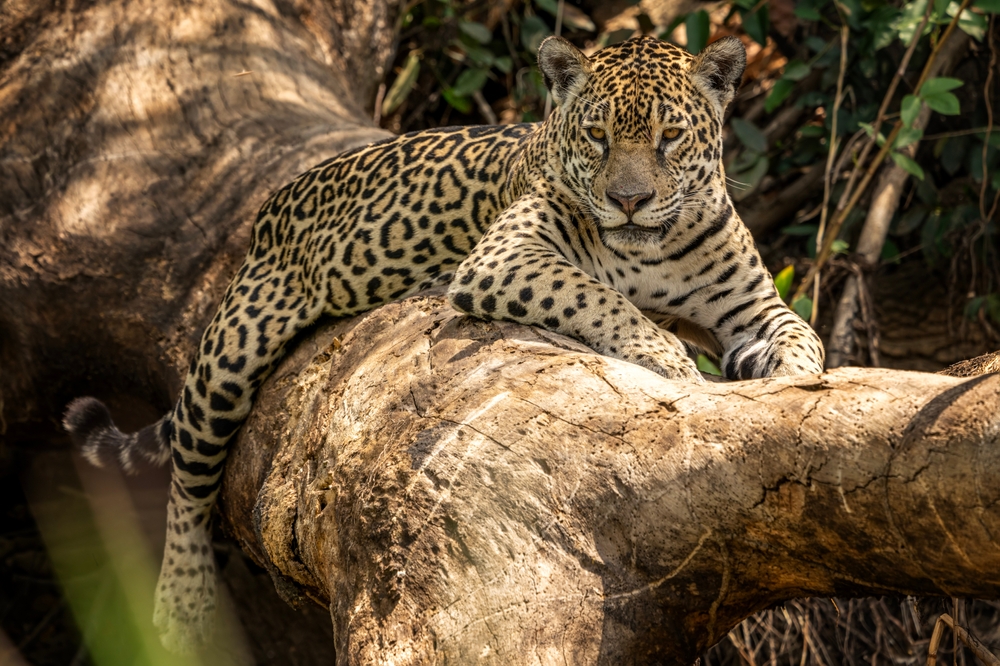
Traslasierra National Park was created to protect the unique ecosystems of the Sierras Grandes and western Córdoba region of Argentina, including Chaco woodlands, high-altitude grasslands, mountain forests, rivers, and rugged canyon landscapes. The park provides important habitat for several species of conservation concern, including the endangered Andean cat, the vulnerable pampas deer, and the endangered crowned solitary eagle, one of South America’s rarest birds of prey.
It also supports pumas, foxes, peccaries, armadillos, and a rich diversity of reptiles, birds, and native plants. The park plays an important role in conserving habitats that have been increasingly fragmented by agriculture and development across central Argentina.
The park is especially significant for protecting a transition zone between the Dry Chaco and the mountain ecosystems of central Argentina, creating a remarkable concentration of biodiversity. Its rivers and watersheds help sustain ecological processes and provide critical water resources for surrounding communities.
The area also supports numerous endemic plant and animal species associated with the Córdoba mountain ranges, many of which occur in few other places. Together, Traslasierra National Park safeguards endangered wildlife, important mountain and Chaco ecosystems, vital watersheds, and one of Argentina’s most distinctive natural landscapes.