

About
Taza National Park (French: Parc National de Taza; Arabic: الحديقة الوطنية تازة) is located along the Mediterranean coast of northeastern Algeria in Jijel Province, approximately 19 miles (30 km) west of the city of Jijel. Established in 1984, the park covers approximately 15 square miles (38 sq km), making it one of Algeria’s smaller national parks.
Despite its modest size, Taza National Park protects an exceptionally diverse combination of coastal cliffs, marine habitats, forests, and mountainous terrain. Situated along a scenic section of the Mediterranean coastline, the park is renowned for its natural beauty and ecological importance within northern Algeria.
The park is best known for its spectacular limestone cliffs, dramatic sea caves, and breathtaking coastal scenery. Visitors are drawn to the park’s rugged shoreline, where steep cliffs plunge into the Mediterranean Sea and waves have sculpted impressive geological formations over thousands of years.
Among its most famous attractions are the sea caves and natural rock arches that line portions of the coast. The park also offers scenic viewpoints overlooking the Mediterranean, providing some of the most striking coastal landscapes in Algeria. Its combination of marine and terrestrial environments creates a unique destination for nature lovers, photographers, and outdoor enthusiasts.
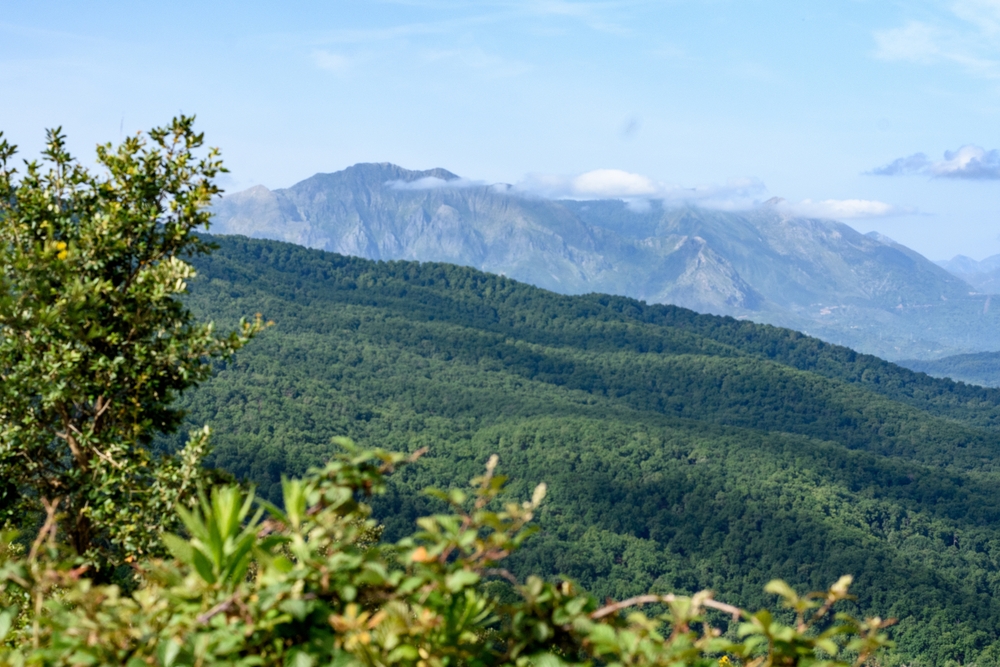
Geographically, Taza National Park occupies a narrow coastal zone where the forested mountains of the Tell Atlas meet the Mediterranean Sea. The terrain includes steep cliffs, rocky headlands, wooded hillsides, valleys, and small coves. Limestone formations dominate much of the landscape and have been shaped by erosion into caves, sinkholes, and dramatic coastal features.
The vegetation is characteristic of Mediterranean ecosystems and includes cork oak forests, holm oak woodlands, Aleppo pine, juniper, and dense shrublands. The park’s relatively high rainfall supports lush plant growth and contributes to its rich biodiversity.
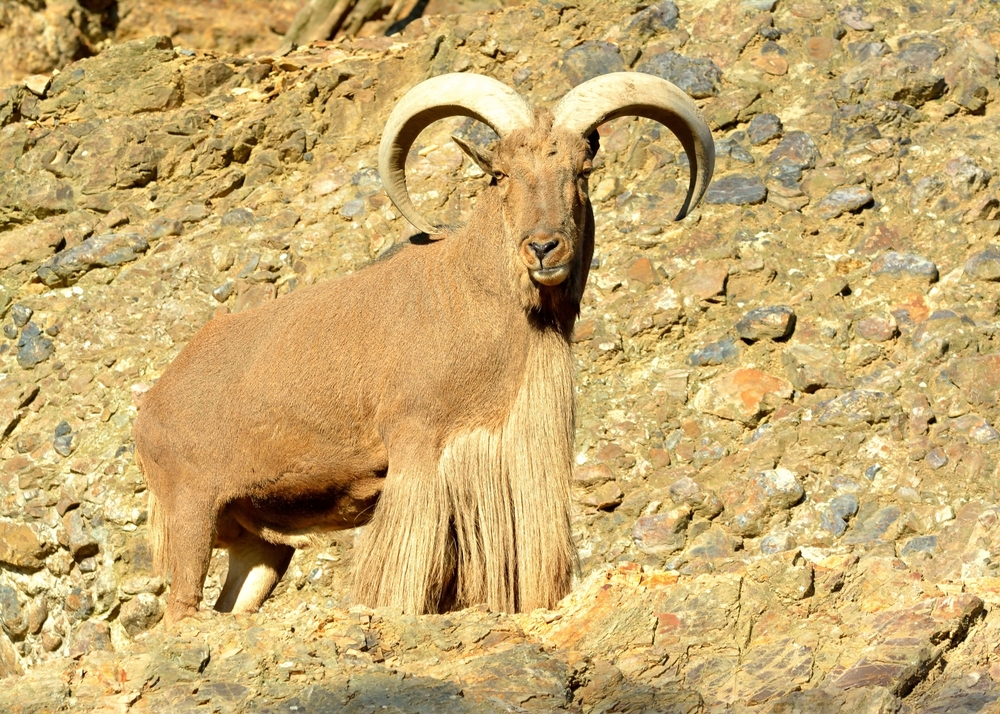
The wildlife of Taza National Park reflects its position at the intersection of marine and terrestrial ecosystems. Mammals found within the park include wild boar, foxes, jackals, mongooses, and small forest-dwelling species. The park is also recognized as an important habitat for the endangered Barbary macaque, which survives in several protected mountain forests across northern Algeria.
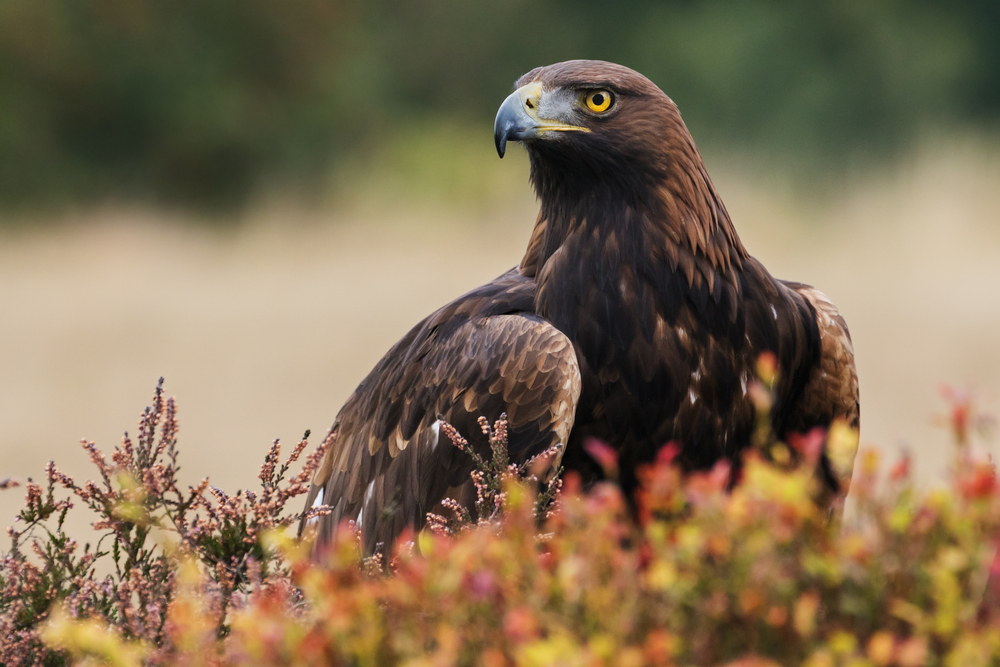
Birdlife is particularly diverse, with peregrine falcons, cormorants, gulls, herons, and numerous migratory birds utilizing the coastline and forests. Offshore waters support fish populations and marine species that contribute to the ecological richness of the Mediterranean environment.
Taza National Park plays a vital role in conserving both coastal and forest ecosystems that are increasingly vulnerable to development and environmental pressures. The park protects important habitats for rare wildlife, preserves unique geological formations, and safeguards portions of Algeria’s Mediterranean biodiversity.
Its combination of dramatic cliffs, marine habitats, and forested mountains gives it ecological significance comparable to coastal reserves such as Calanques National Park and Cinque Terre National Park. Through its scenic landscapes, rich wildlife, and conservation importance, Taza National Park stands as one of Algeria’s most beautiful protected areas and a remarkable example of the natural diversity found along the Mediterranean coast of North Africa.
Things to See
Things To Do
Engaging Taza National Park
