

About
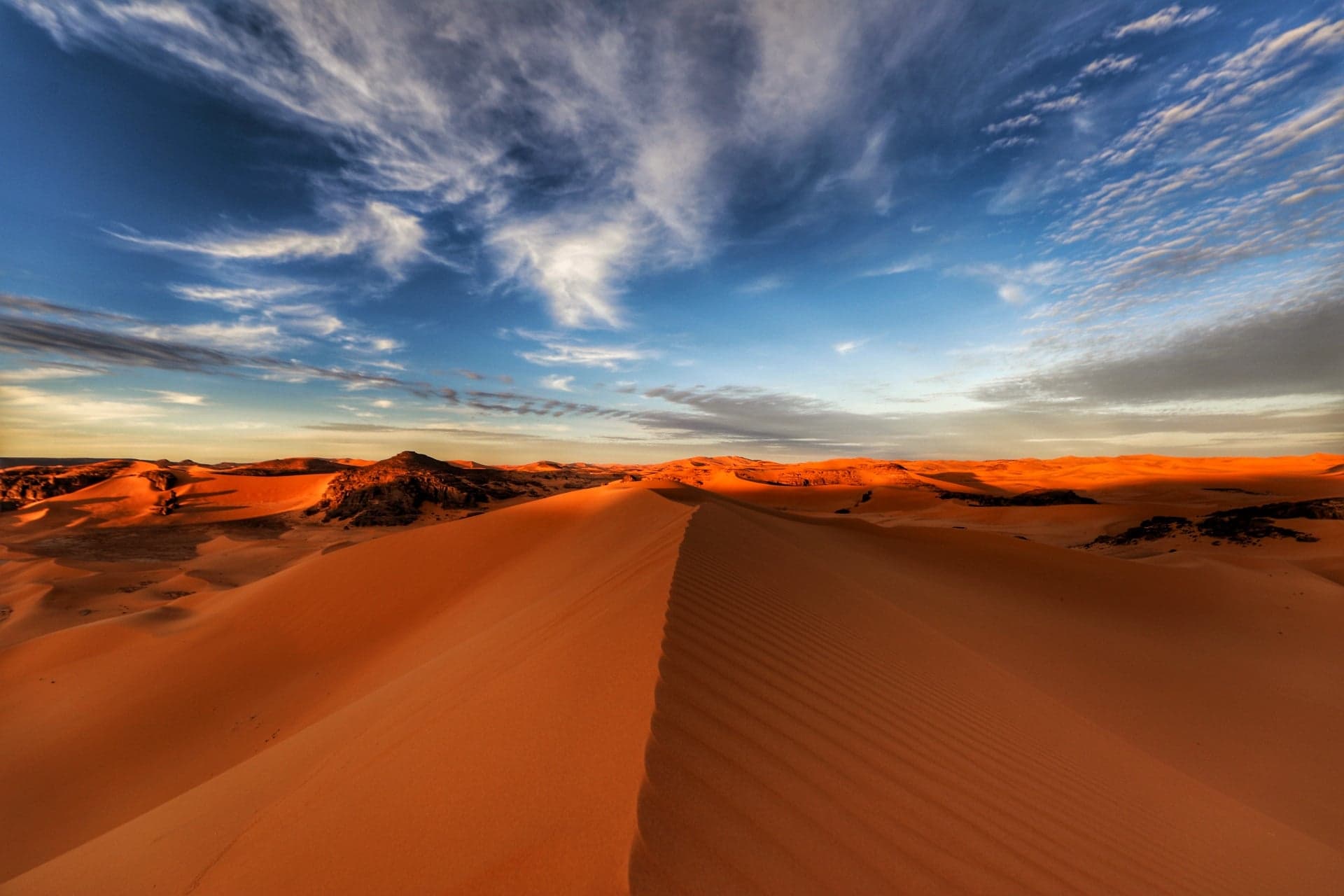
Tassili n’Ajjer National Park, known locally as Parc Culturel du Tassili n’Ajjer, is located in southeastern Algeria near the borders of Libya, Niger, and Mali. Covering approximately 27,000 square miles (72,000 sq km), it is one of the largest protected areas in Africa and one of the most extraordinary desert landscapes in the world.
Established as a national park in 1972 and later designated a UNESCO World Heritage Site in 1982, the park protects a vast plateau of sandstone formations, canyons, arches, and prehistoric cultural treasures within the heart of the Sahara Desert. Situated east of Djanet, Tassili n’Ajjer is renowned not only for its geological wonders but also for one of the world’s greatest collections of prehistoric rock art. Today, it stands as both a natural and cultural landmark of global significance.
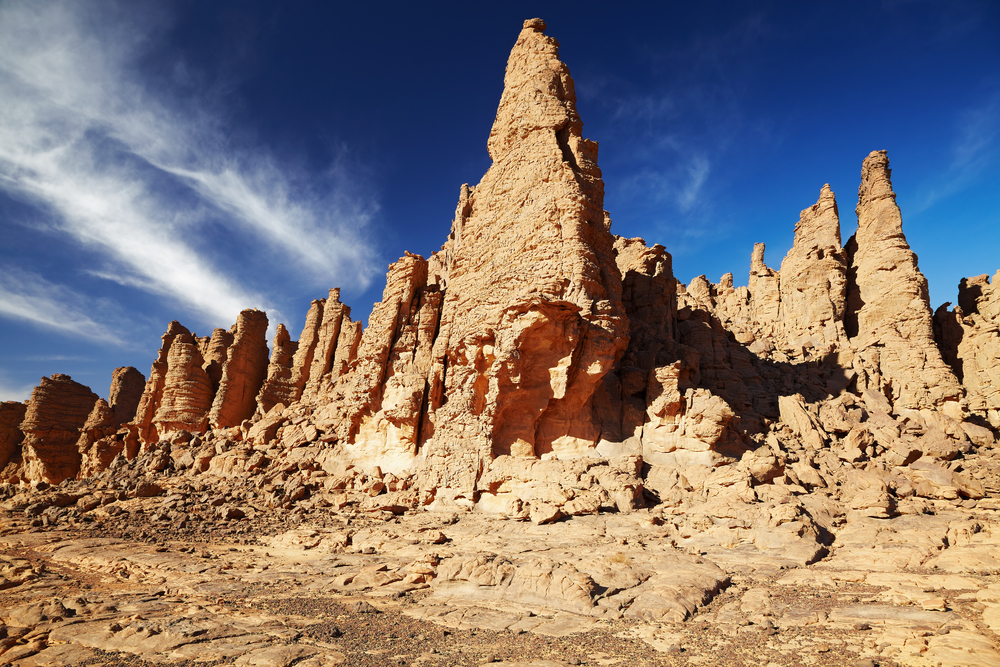
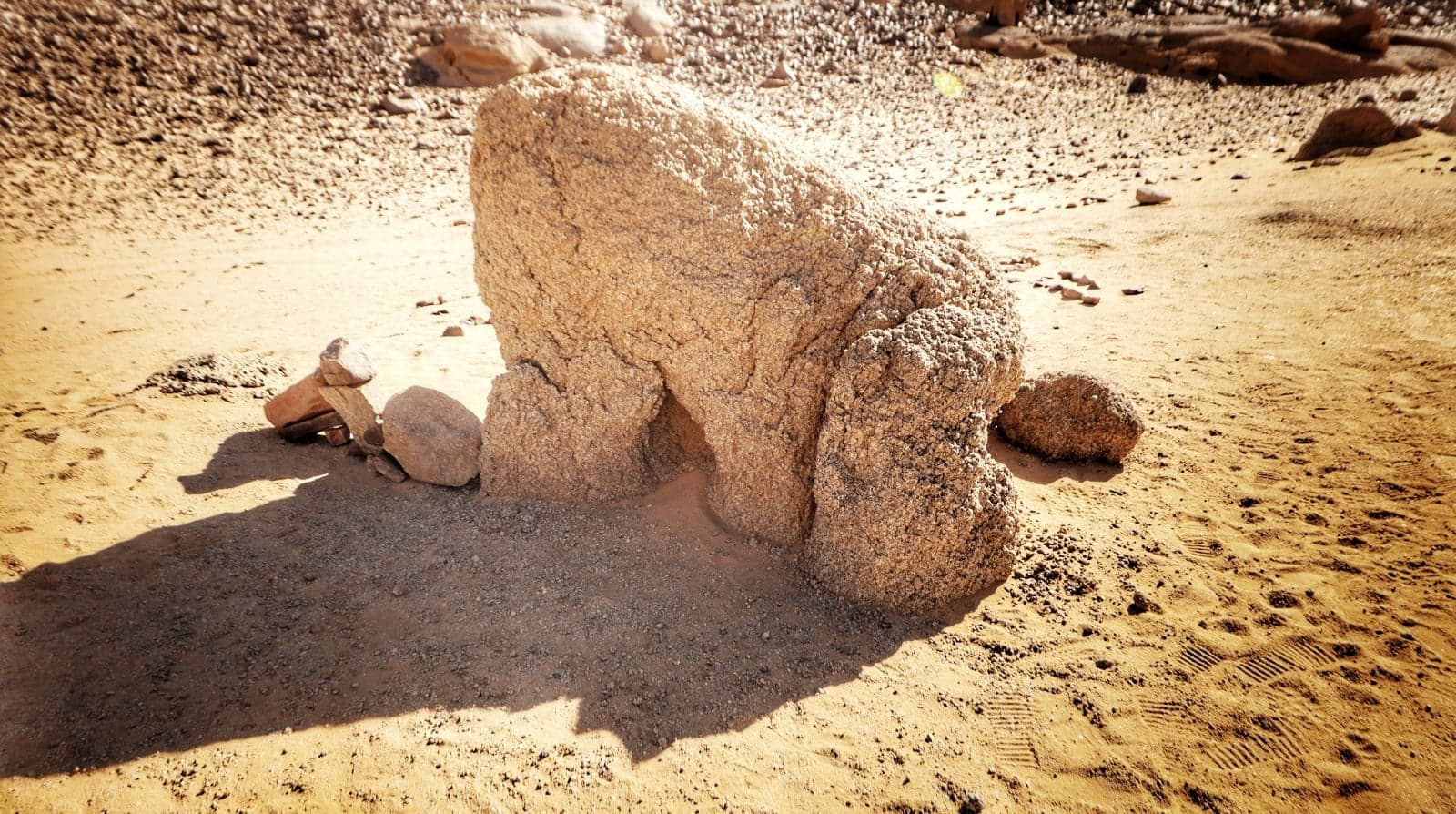
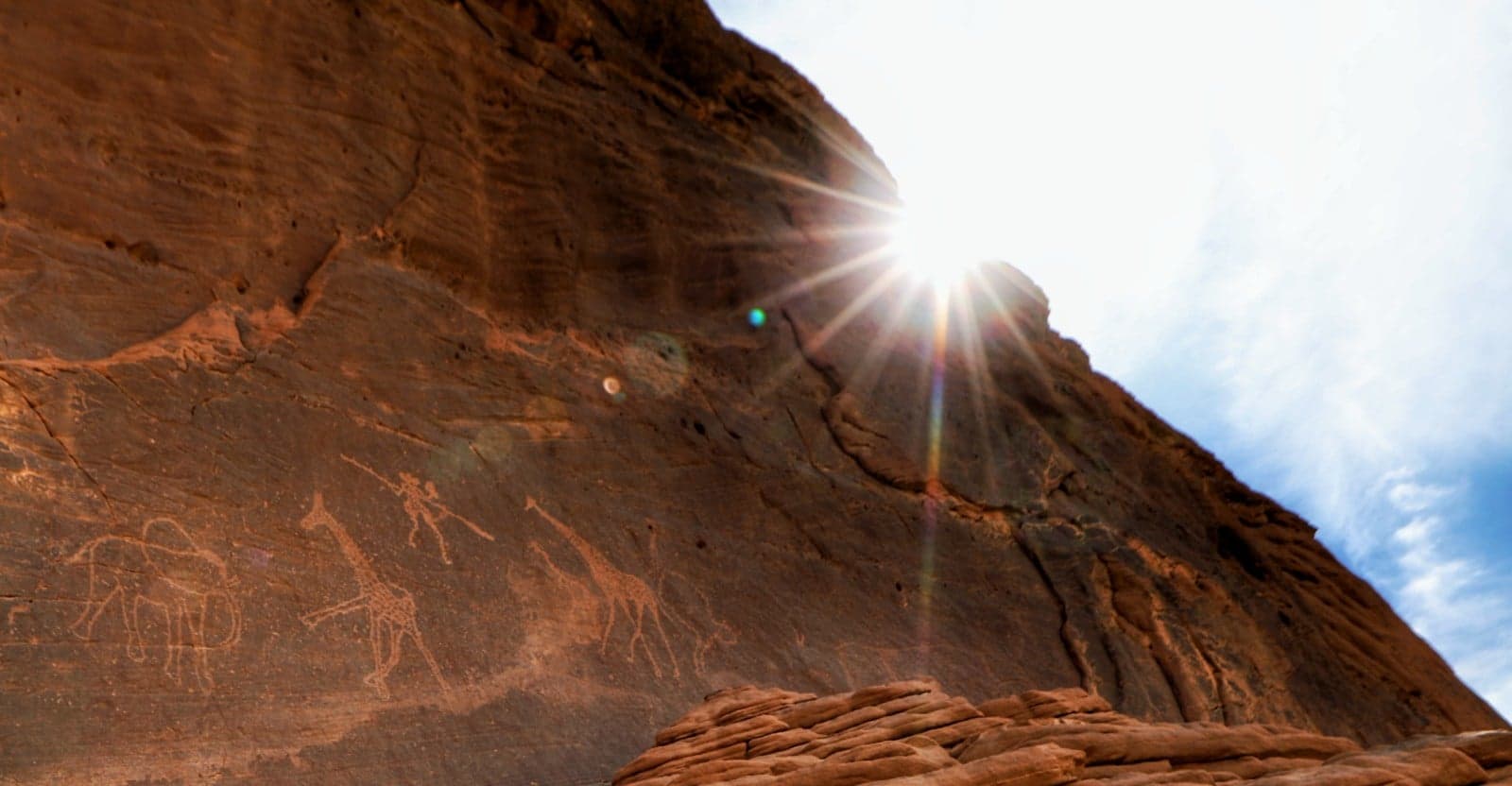
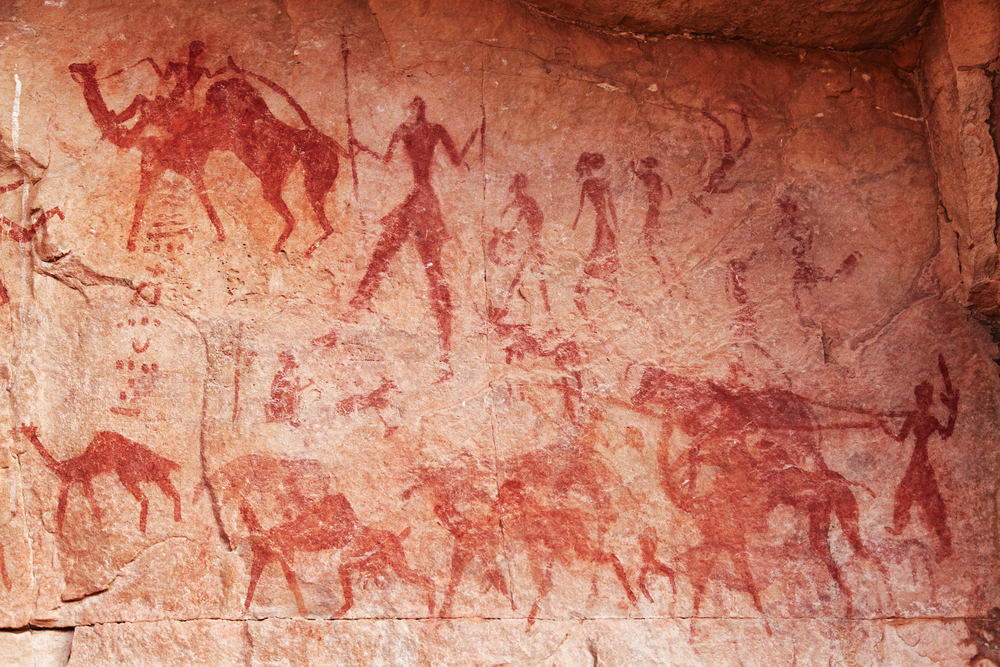
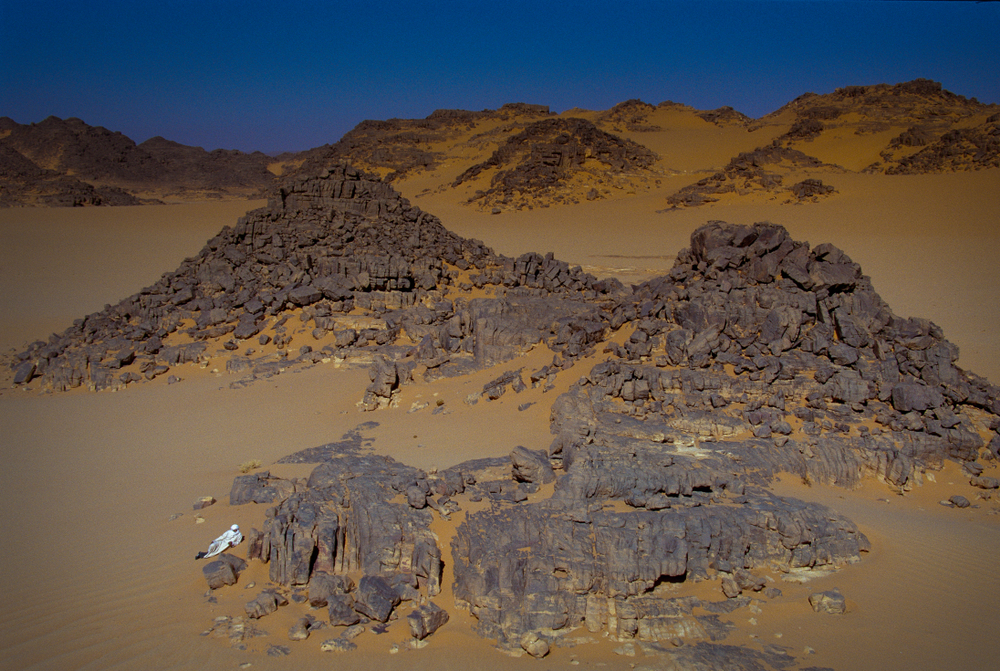
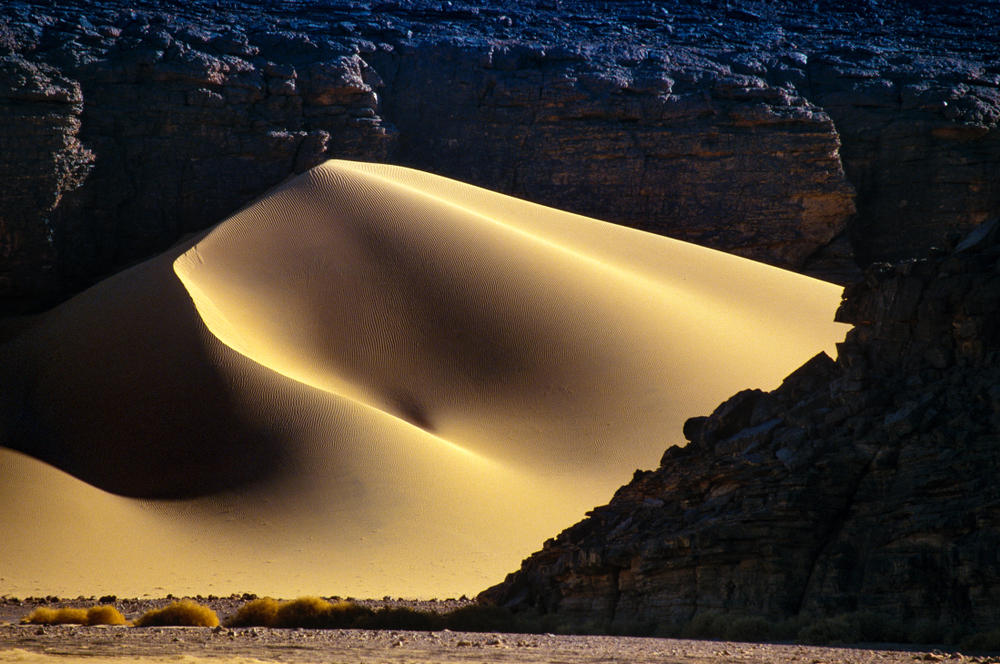
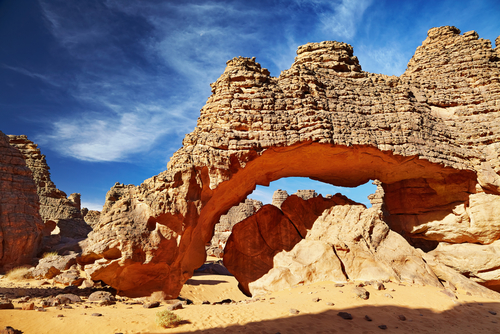
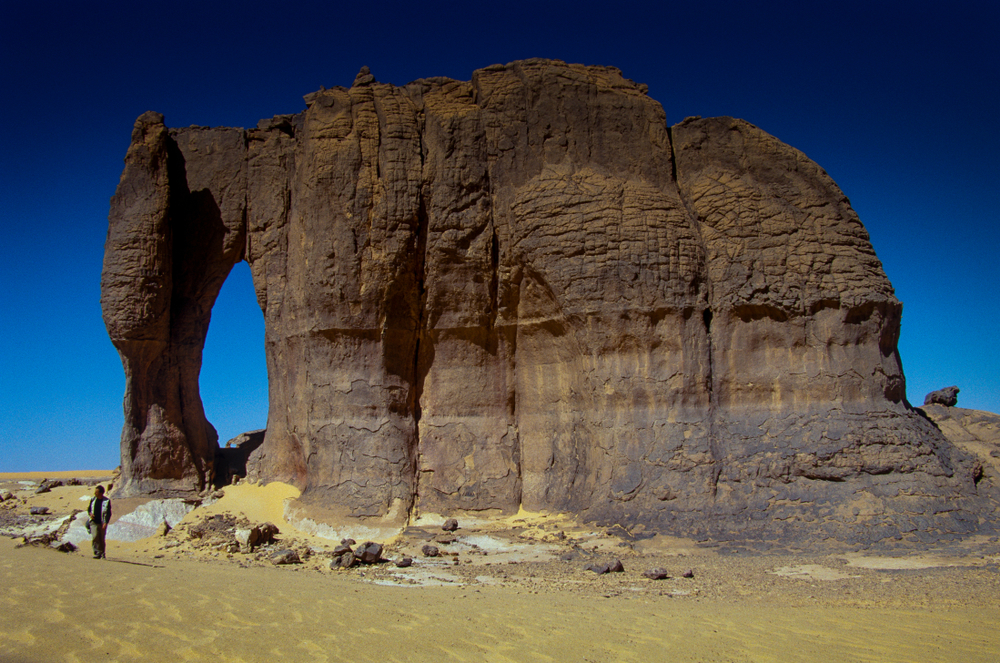
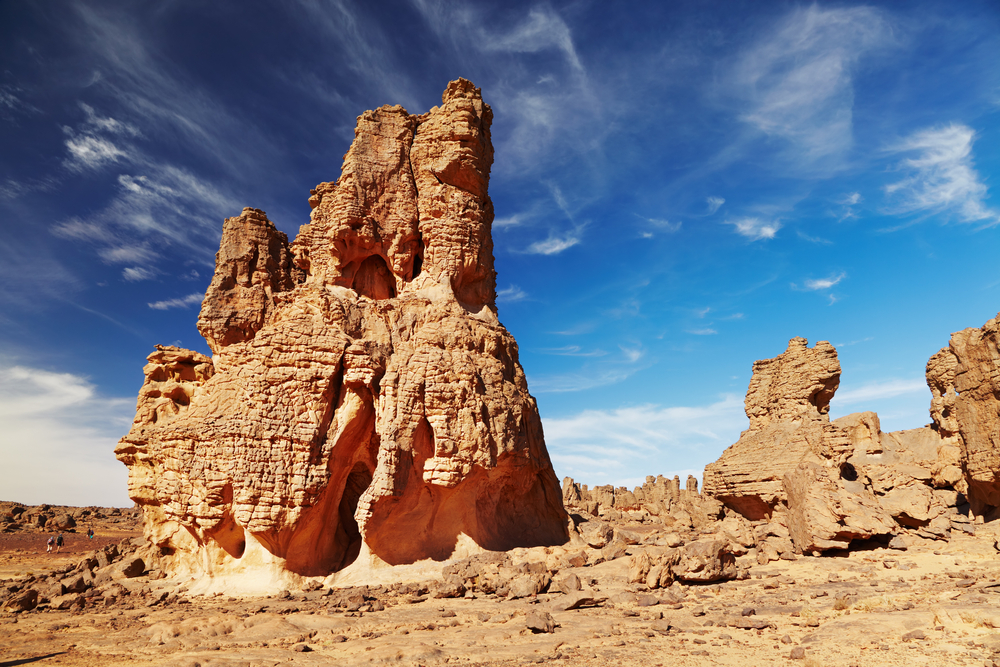
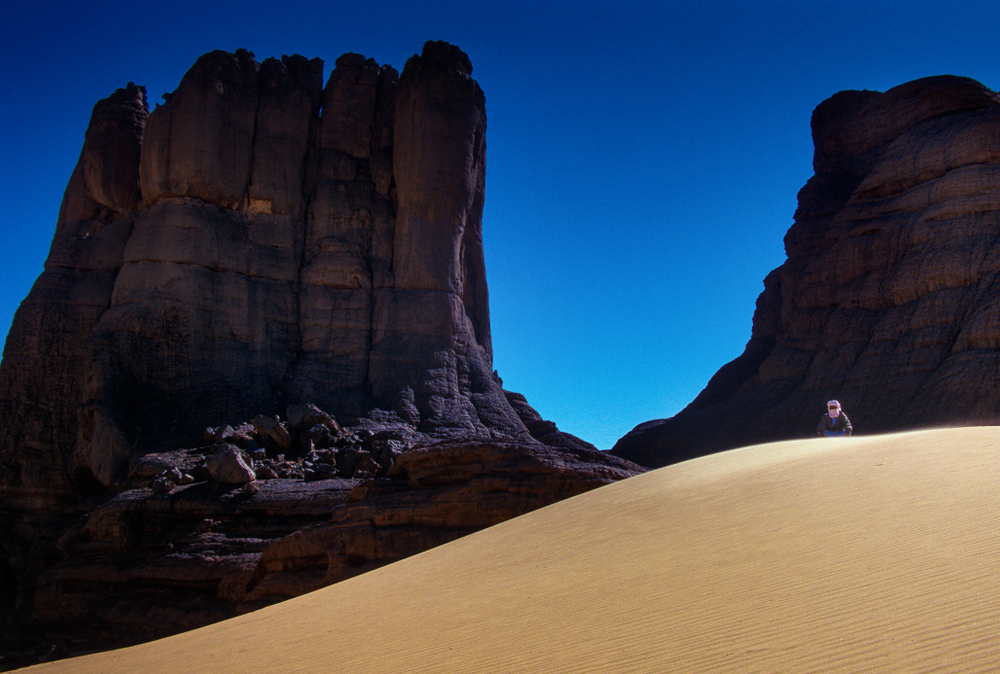
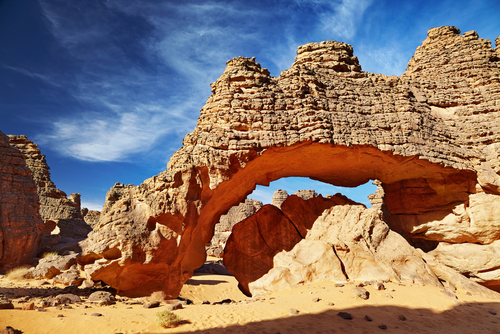
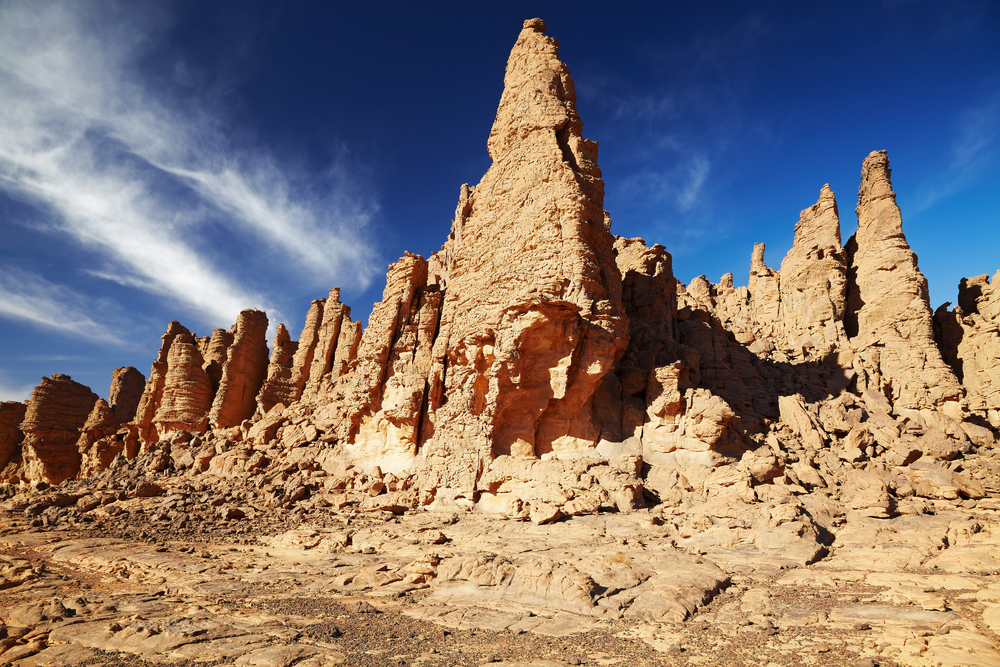
Tassili n’Ajjer National Park is best known for its spectacular sandstone landscapes and thousands of ancient rock paintings and engravings. Visitors are drawn to surreal rock formations that resemble forests of stone, towering arches, natural bridges, deep canyons, and expansive desert panoramas.
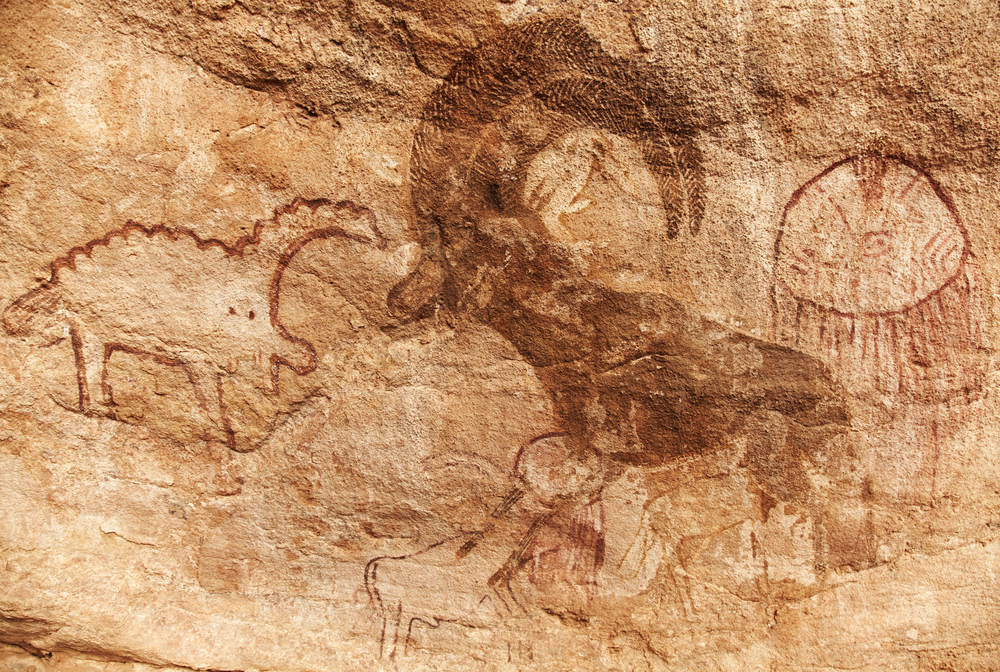
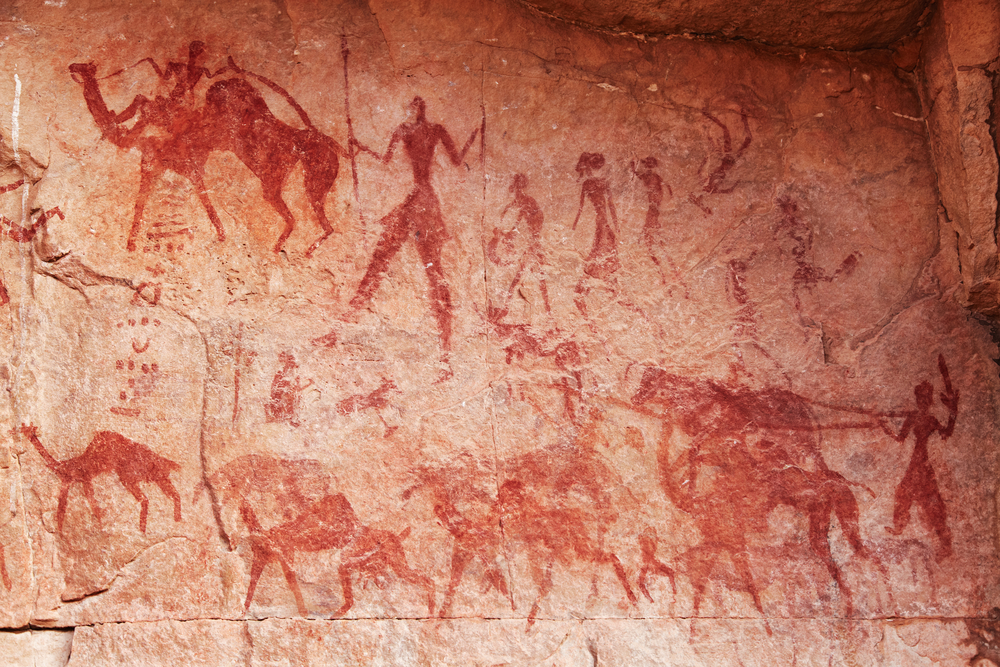
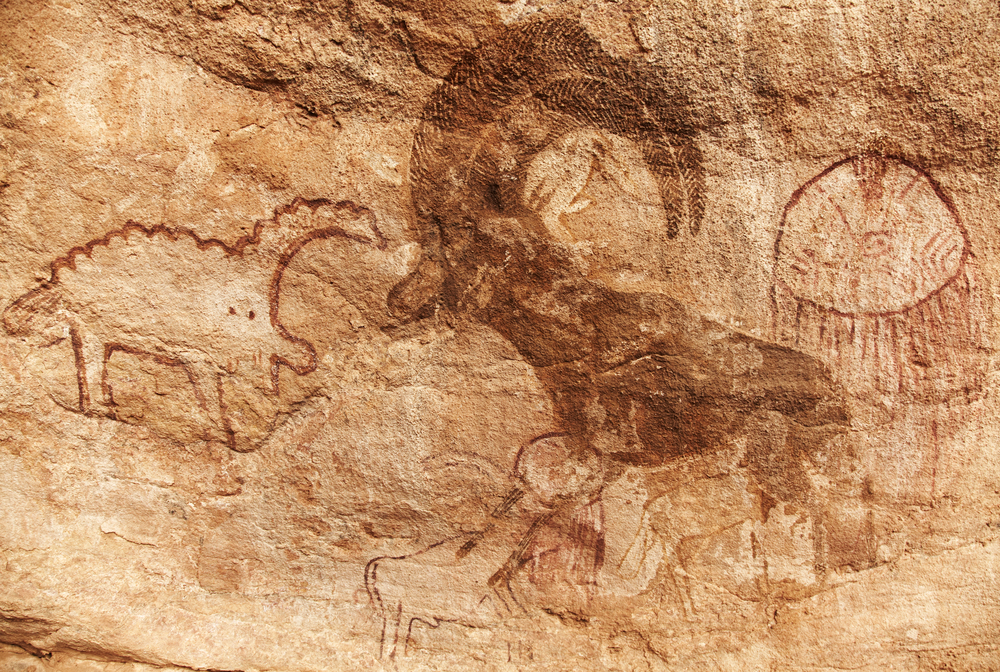
 The park contains more than 15,000 documented examples of prehistoric rock art, some dating back over 10,000 years. These remarkable images depict elephants, giraffes, crocodiles, cattle, hunters, and daily life from a time when the Sahara was far greener and wetter than it is today. The combination of stunning geology and unparalleled archaeological heritage makes Tassili n’Ajjer one of the most unique protected areas on Earth.
The geography of Tassili n’Ajjer is dominated by a massive sandstone plateau rising above the surrounding Sahara. Over thousands of years, wind and water erosion sculpted the landscape into a labyrinth of pinnacles, cliffs, arches, caves, and narrow gorges. Elevations range from broad desert plains to rocky highlands exceeding 7,000 feet (2,150 meters) above sea level. Although the region is now arid, evidence of ancient rivers and lakes can still be found throughout the plateau.
Isolated pockets of vegetation survive in sheltered canyons and seasonal watercourses, creating small ecological refuges within the vast desert environment. These unique geological features have earned the park comparisons to some of the world’s most remarkable desert landscapes.
Wildlife within Tassili n’Ajjer National Park has adapted to the harsh conditions of the Sahara. Mammals include Barbary sheep, fennec foxes, sand cats, jerboas, and other desert-adapted species capable of surviving in extreme environments. Reptiles, insects, and small mammals occupy rocky habitats and sheltered valleys throughout the park.
Birdlife includes desert larks, wheatears, falcons, and migratory species that utilize the plateau during seasonal movements across Africa. Although wildlife densities are lower than in more temperate environments, the species that inhabit Tassili n’Ajjer demonstrate remarkable adaptations to life in one of the planet’s most challenging ecosystems. Rare relict plant species found in isolated canyons further highlight the ecological significance of the area.
Tassili n’Ajjer National Park plays a vital role in preserving both natural and cultural heritage on a global scale. The park safeguards one of the world’s largest collections of prehistoric rock art while protecting a unique Saharan ecosystem and extraordinary geological formations. Its conservation significance is often compared to Uluru-Kata Tjuta National Park and Wadi Rum Protected Area because of its combination of cultural history, desert landscapes, and geological importance.
However, the sheer scale of its rock art record and the vastness of its sandstone wilderness make Tassili n’Ajjer truly unique. Today, the park remains one of Africa’s greatest natural and archaeological treasures, preserving a remarkable window into both the geological history of the Sahara and the lives of the people who once flourished there.
Photos
Things to See
Things To Do
Engaging Tassili N’Ajjer
Tassili n’Ajjer National Park Trails
Because of the heat from the summer months, the best time to hike and explore the national park is during the months of October and November and then again during February and March.

Park Protection
Tassili-n’Ajjer National Park was created to protect the striking Sahara Desert landscapes as well as one of the world’s best collections of prehistoric cave drawings. The cultural significance of the prehistoric paintings also earned the national park area UNESCO World Heritage status as well.
It is important for the global community to come alongside the Algerian government in recognition and protection of this historical treasure.
FAQ’s
What is Tassili N'Ajjer National Park known for?
Tassili N’Ajjer National Park is renowned for its breathtaking desert landscapes, unique rock formations, and ancient rock art. This UNESCO World Heritage Site is characterized by its vast plateau of sandstone cliffs, deep canyons, and towering rock spires, sculpted over millions of years by wind and water erosion.
One of the park’s most significant features is its extensive collection of prehistoric rock art, dating back thousands of years. These ancient paintings and engravings depict scenes of daily life, wildlife, and spiritual beliefs of the region’s early inhabitants, offering valuable insights into the history and culture of ancient Saharan civilizations.
Tassili N’Ajjer is also known for its rich biodiversity, with a variety of desert-adapted plants and animals found throughout the park, including Barbary sheep, desert foxes, and numerous bird species.
Visitors to Tassili N’Ajjer National Park can explore its stunning landscapes on foot or by 4×4 vehicle, marvel at its ancient rock art sites, and experience the tranquility and solitude of the Sahara Desert. It is a place of remarkable natural and cultural significance, offering a unique glimpse into the ancient past of the Sahara region.
Sources
- Atlas Obscura, Tassili n’Ajjer, https://www.atlasobscura.com/places/tassili-najjer, retrieved October 2109.
- Natural Arches, The Natural Arches Tassili National Park, http://naturalarches.org/tassili/, retrieved October 2109.
- Traildino, Tassili n’Ajjer National Park, https://www.traildino.com/trace/continents-Africa/countries-Algeria/regions-Tassili_n’Ajjer_National_Park, retrieved October 2019.
- UNESCO, Tassili n’Ajjer, https://whc.unesco.org/en/list/179/, retrieved October 2019.