About

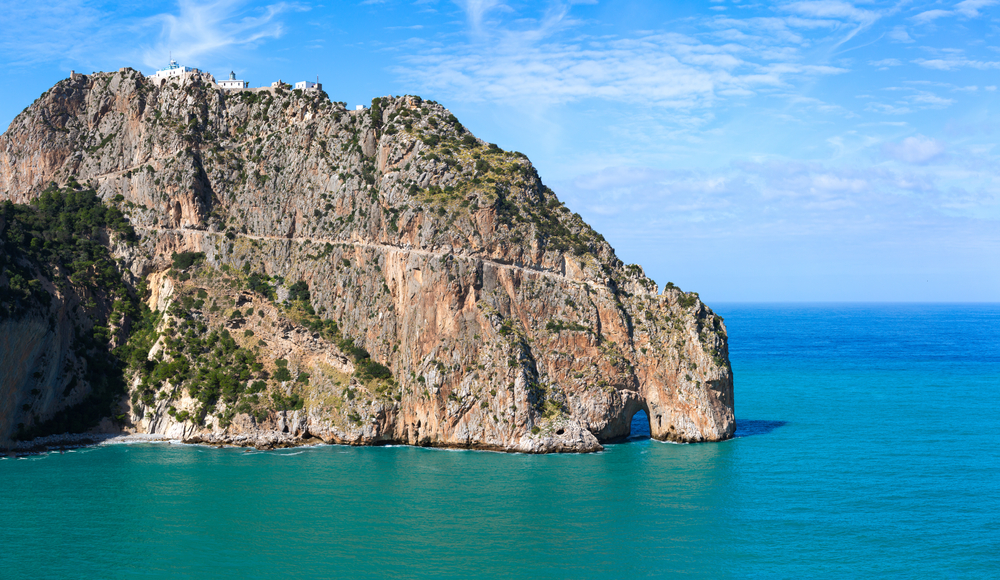
Gouraya National Park (French: Parc National de Gouraya; Arabic: الحديقة الوطنية قوراية) is located on Algeria’s northeastern Mediterranean coast near the city of Béjaïa in Algeria. Established in 1984, the park covers approximately 81 square miles (210 sq km), including both terrestrial and marine environments.

Centered around Mount Gouraya and the surrounding coastal landscapes, the park overlooks the Gulf of Béjaïa and protects one of the most scenic stretches of Algeria’s Mediterranean coastline. Its combination of rugged mountains, forested slopes, and marine habitats makes it one of the country’s most distinctive protected areas. In recognition of its ecological significance, Gouraya is also part of a UNESCO-designated Biosphere Reserve.

The park is best known for its spectacular coastal scenery, where steep mountains descend dramatically into the Mediterranean Sea. Visitors are drawn to panoramic viewpoints overlooking turquoise waters, secluded coves, rocky cliffs, and forested ridges. Mount Gouraya itself rises prominently above the city of Béjaïa, providing breathtaking vistas across the coastline and surrounding mountains.

The park is also home to several historic and cultural landmarks, including ancient fortifications and scenic coastal trails. Its accessibility from Béjaïa has made it one of Algeria’s most popular destinations for hiking, nature observation, and outdoor recreation.

Geographically, Gouraya National Park occupies a unique transition zone between marine and mountain ecosystems. The terrain consists of limestone cliffs, coastal headlands, valleys, forests, and rugged peaks. Elevations range from sea level to over 2,000 feet (660 m), creating diverse habitats within a relatively compact area.

Mediterranean forests dominated by Aleppo pine, cork oak, olive trees, and evergreen shrubs cover much of the landscape. Seasonal streams and small wetlands contribute additional ecological diversity. Offshore waters contain important marine habitats that support fish populations and other aquatic life, extending the park’s conservation value beyond its terrestrial boundaries.

The park supports a rich variety of wildlife characteristic of Mediterranean ecosystems. One of its most notable inhabitants is the endangered Barbary macaque, whose populations have declined significantly across North Africa. Gouraya provides an important refuge for these primates within Algeria.

Other mammals include wild boar, foxes, jackals, mongooses, and small carnivores. Birdlife is abundant, featuring peregrine falcons, eagles, gulls, cormorants, and numerous migratory species that travel along the Mediterranean flyway. Marine environments support fish, crustaceans, and other coastal species, contributing to the park’s exceptional biodiversity.

Gouraya National Park plays a critical role in protecting Algeria’s Mediterranean coastal ecosystems and preserving habitats that are increasingly threatened by urban development and environmental pressures. The park safeguards rare plant communities, important wildlife populations, and scenic landscapes of national significance.

Its combination of mountain and marine habitats gives it ecological importance comparable to protected coastal reserves such as Cinque Terre National Park and Calanques National Park. Through its dramatic cliffs, Mediterranean forests, endangered wildlife, and stunning coastal views, Gouraya National Park stands as one of Algeria’s most treasured natural landscapes and an outstanding example of Mediterranean biodiversity conservation.

Things to See
Popular

Gouraya National Park, located in Béjaïa Province along Algeria’s Mediterranean coast, is celebrated for its rich biodiversity, encompassing a variety of mammals, reptiles, and amphibians.

Barbary macaque: An endangered primate native to North Africa, often observed in social groups within the park’s forests.

Algerian hedgehog: A small, nocturnal mammal distinguished by its spiny coat, commonly found in the park’s woodlands.

Common genet: A slender, nocturnal carnivore with a spotted coat, inhabiting the park’s dense vegetation.

Crested porcupine: Africa’s largest rodent, recognizable by its long quills, residing in burrows throughout the park.

Egyptian mongoose: A small, agile predator that helps control rodent populations within the park.

Wild boar: A robust omnivore that roams the park’s diverse habitats, contributing to the ecosystem’s balance.

Red fox: A versatile and adaptive carnivore, often spotted in various terrains across the park.

Striped hyena: An elusive scavenger playing a crucial role in the park’s ecosystem by cleaning up carrion.

African wildcat: A stealthy predator resembling domestic cats, found in the park’s grasslands and forests.

Barbary sheep: A herbivore with impressive curved horns, adept at navigating the park’s rocky terrains.

Birds

Birds

Gouraya National Park is also a haven for bird enthusiasts, hosting a variety of avian species, including the rare and protected bald ibis.

Bald ibis: A rare and endangered bird species with distinctive bald heads, found in select areas of the park.

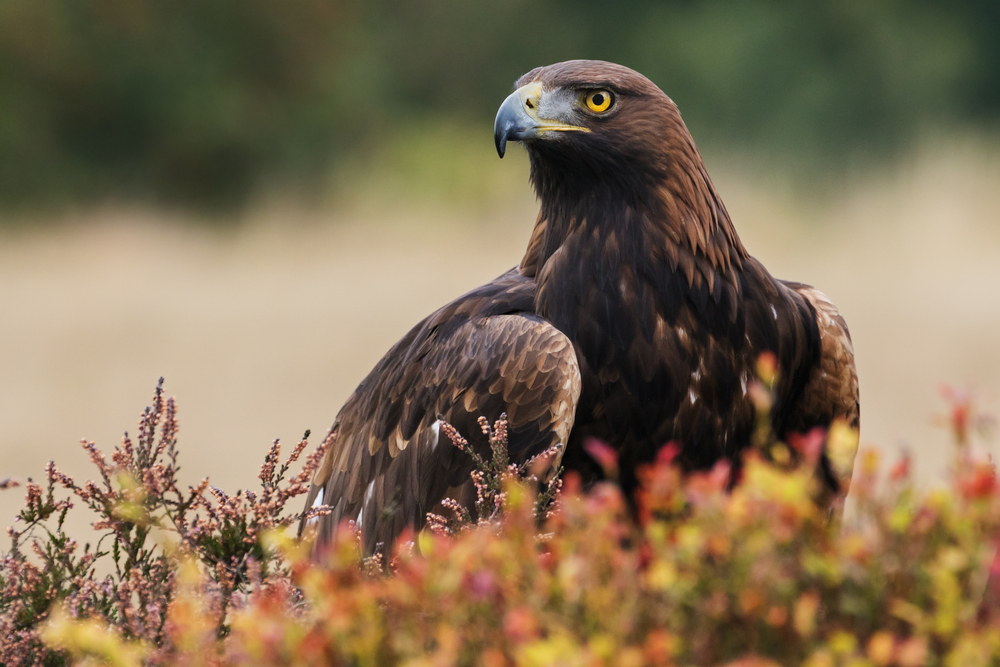
Golden eagle: A majestic raptor that soars above the park’s cliffs and open areas, often hunting small mammals.

Barbary partridge: A ground-dwelling bird with striking plumage, commonly found in the park’s scrublands.

Eurasian hoopoe: Recognized by its unique crown of feathers, this bird frequents the park’s open woodlands and meadows.

White stork: Known for its long migrations, it is a familiar sight near the park’s wetlands.

European bee-eater: Adorned with vibrant colors, this bird flits through the air catching insects on the wing.

Peregrine falcon: The fastest bird in the world, it nests on high cliffs and hunts with precision.

Common kestrel: A small falcon often seen hovering over fields searching for prey.

Barn owl: With its ghostly appearance and heart-shaped face, it patrols the park at night in search of rodents.

Little egret: A graceful white heron that stalks aquatic prey in the park’s rivers and streams.

Things To Do

Engaging Gouraya National Park

placeholder

Coastal Hikes

Embark on scenic hikes along the park’s coastal trails, offering breathtaking views of the Mediterranean Sea and access to diverse ecosystems. These expeditions allow visitors to explore rugged cliffs, sandy beaches, and lush forests, providing opportunities to encounter wildlife such as the Barbary macaque and various bird species. Guided hikes offer insights into the park’s geology and ecology, enhancing the overall experience.

placeholder

Birdwatching

Gouraya National Park is a birdwatcher’s paradise, home to species like the rare bald ibis and majestic golden eagle. Organized birdwatching safaris take visitors to prime observation points, where they can witness these avian wonders in their natural habitats. Early morning excursions increase the likelihood of sightings, and expert guides provide valuable information on bird behavior and conservation efforts.

placeholder

Marine Tours

Discover the park’s marine biodiversity through boat tours that explore the coastal waters. These tours offer the chance to observe marine life, including dolphins and various seabirds, and to appreciate the stunning coastal landscapes from a unique perspective. Some tours may include snorkeling opportunities, allowing visitors to experience underwater ecosystems firsthand.