

About
El Kala National Park (French: Parc National d’El Kala; Arabic: الحديقة الوطنية القالة) is located in northeastern Algeria along the Mediterranean coast near the border with Tunisia. Established in 1983, the park covers approximately 296 square miles (766 sq km), including both terrestrial and marine environments.
It is one of Algeria’s most ecologically diverse protected areas and forms part of the internationally recognized El Kala Biosphere Reserve. The park lies within a network of important wetlands and protected habitats that extend into neighboring Tunisia, making it a vital conservation area for migratory species and regional biodiversity.
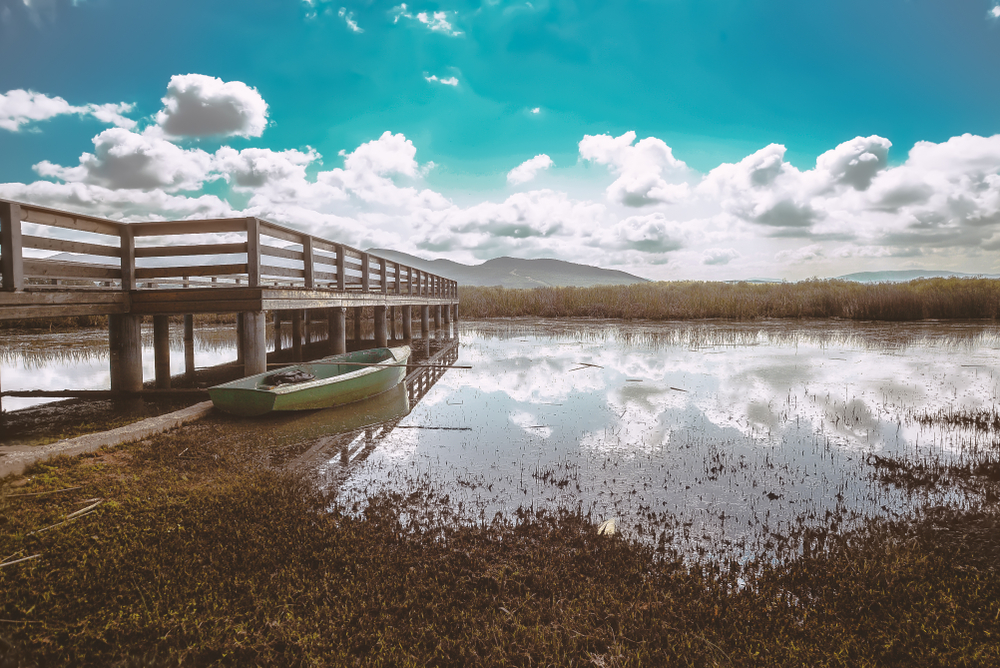
The park is best known for its remarkable combination of coastal lagoons, wetlands, forests, beaches, and marine ecosystems. Unlike many North African parks that are dominated by mountains or desert landscapes, El Kala is defined by water. Visitors are drawn to its scenic lakes, birdwatching opportunities, pristine coastline, and rich natural diversity.
The park contains several notable lakes, including Lake Tonga, Lake Oubeira, and Lake Mellah, the latter being one of the few coastal lagoons in North Africa still connected to the sea. These aquatic habitats create an environment that supports an extraordinary variety of wildlife and provides some of the best birdwatching opportunities on the continent.
Geographically, El Kala National Park occupies a unique position where Mediterranean forests meet coastal wetlands and marine habitats. The landscape includes cork oak forests, maritime pine woodlands, freshwater marshes, sand dunes, rocky coastlines, and shallow lagoons.
The region receives higher rainfall than much of Algeria, supporting lush vegetation uncommon in other parts of North Africa. Wetlands throughout the park act as natural reservoirs and provide critical habitat for countless species. The diversity of ecosystems found within a relatively compact area contributes to the park’s exceptional biological richness.
El Kala National Park is internationally recognized for its wildlife. More than 200 bird species have been recorded, including flamingos, herons, storks, ducks, egrets, and numerous migratory birds traveling between Europe and Africa. Lake Tonga serves as one of the most important breeding and wintering sites for waterfowl in the Mediterranean region.
Mammals found within the park include wild boar, jackals, mongooses, otters, and small carnivores adapted to forest and wetland habitats. The park’s coastal waters support a variety of fish, marine invertebrates, and other aquatic species. Rare amphibians and reptiles also thrive within the extensive wetland systems.
The conservation significance of El Kala National Park extends far beyond Algeria. It protects one of the largest and most intact wetland complexes in the Mediterranean Basin, safeguarding habitats that are essential for migratory birds and numerous threatened species. The park also preserves rare cork oak forests and coastal ecosystems that face increasing pressure from development, pollution, and climate change.
Its ecological importance is often compared to renowned wetland reserves such as Doñana National Park and Camargue Regional Nature Park because of its role as a refuge for migratory wildlife and wetland biodiversity. Through its lakes, forests, coastline, and globally important habitats, El Kala National Park stands as one of North Africa’s most valuable conservation areas and a vital sanctuary for Mediterranean wildlife.
Things to See
Things To Do
Engaging El Kala National Park

FAQ’s
What is the main reason people visit El Kala National Park?
El Kala National Park is primarily visited for its extraordinary biodiversity, birdwatching opportunities, coastal wetlands, and Mediterranean landscapes. Located in northeastern Algeria along the Tunisian border, the park protects one of the most ecologically important regions in North Africa.
Visitors come to experience pristine lakes, wetlands, forests, sand dunes, Mediterranean coastline, and exceptional wildlife. The park is internationally recognized as a UNESCO Biosphere Reserve and a Ramsar Wetland of International Importance, making it one of the premier nature destinations in Algeria.
What animals can visitors hope to see in El Kala National Park?
El Kala National Park supports more than 40 mammal species and approximately 25 reptile species. The park’s diverse habitats—including wetlands, cork oak forests, lakes, marshes, and coastal ecosystems—support one of the richest wildlife communities in North Africa.
Some of the most notable mammals and reptiles found in El Kala National Park include:
- Barbary Red Deer
- Wild Boar
- Golden Jackal
- Red Fox
- African Wildcat
- Common Genet
- Egyptian Mongoose
- European Otter
- Striped Hyena
- Least Weasel
- European Hedgehog
- Algerian Hedgehog
- Cape Hare
- European Rabbit
- Porcupine
- Garden Dormouse
- Fat Dormouse
- Wood Mouse
- Algerian Mouse
- Black Rat
- Brown Rat
- House Mouse
- Mediterranean Horseshoe Bat
- Greater Horseshoe Bat
- Lesser Horseshoe Bat
- Schreiber’s Bat
- Long-eared Bat
- Pipistrelle Bat
- Mouse-eared Bat
- Forest Shrew
- Algerian Shrew
- Water Vole
- Bank Vole
- Field Mouse
- Various Bat Species
- Various Rodent Species
- Marsh Mouse Species
- Forest Mouse Species
- Coastal Rodent Species
- Insectivorous Mammal Species
- Spur-thighed Tortoise
- European Pond Turtle
- Mediterranean Chameleon
- Moorish Gecko
- Mediterranean House Gecko
- Ocellated Lizard
- Algerian Psammodromus
- Montpellier Snake
- Viperine Snake
- Lataste’s Viper
The park is especially famous as the last significant refuge of the endangered Barbary Red Deer in Algeria.
What birds can visitors hope to see in El Kala National Park?
El Kala National Park is one of the most important birdwatching destinations in Africa, with more than 300 recorded bird species. The park hosts large numbers of resident birds as well as migratory species traveling between Europe and Africa. Its lakes, wetlands, forests, and coastal habitats support one of the richest bird communities in the Mediterranean Basin.
Some of the most popular birds seen in El Kala National Park include:
- Greater Flamingo
- White-headed Duck
- Ferruginous Duck
- Marbled Duck
- Purple Swamphen
- Eurasian Spoonbill
- Glossy Ibis
- Sacred Ibis
- Greater White-fronted Goose
- Greylag Goose
- Common Shelduck
- Northern Pintail
- Eurasian Wigeon
- Garganey
- Northern Shoveler
- Common Teal
- Tufted Duck
- Red-crested Pochard
- Common Pochard
- Little Grebe
- Great Crested Grebe
- Black-necked Grebe
- Purple Heron
- Grey Heron
- Great Egret
- Little Egret
- Cattle Egret
- Squacco Heron
- Black-winged Stilt
- Pied Avocet
- Kentish Plover
- Common Redshank
- Green Sandpiper
- Ruff
- Eurasian Curlew
- Black-tailed Godwit
- Eurasian Oystercatcher
- Audouin’s Gull
- Slender-billed Gull
- Yellow-legged Gull
- Sandwich Tern
- Little Tern
- Osprey
- Western Marsh Harrier
- Short-toed Snake Eagle
- Bonelli’s Eagle
- Eurasian Hobby
- Common Kingfisher
- European Bee-eater
- Eurasian Hoopoe
Is El Kala National Park worth visiting?
Yes, El Kala National Park is one of the most worthwhile national parks in Algeria and among the most important protected areas in North Africa. The park offers exceptional birdwatching, unique wetland ecosystems, Mediterranean coastal scenery, and opportunities to observe rare wildlife.
Travelers interested in nature photography, birdwatching, biodiversity conservation, and wetlands will find the park particularly rewarding. Those seeking dramatic mountain scenery or large African safari mammals may find other parks better suited to their interests.
What is the best time to visit El Kala National Park?
The best time to visit El Kala National Park is from October through April.
During this period:
- Migratory bird populations are at their peak.
- Temperatures are mild and comfortable.
- Wetland habitats are highly productive.
- Birdwatching conditions are excellent.
Spring (March–May) is especially attractive because of breeding bird activity and wildflower displays.
How many days do you need to visit El Kala National Park?
Most visitors should plan for 2 to 3 days.
- 1 day: Key lakes and wetland birdwatching.
- 2 days: Lakes, forests, coastline, and wildlife viewing.
- 3 days: Comprehensive exploration of the park’s diverse ecosystems and photography opportunities.
Serious birdwatchers often spend longer due to the park’s exceptional species diversity.
How do you get to El Kala National Park?
El Kala National Park is located in northeastern Algeria near the border with Tunisia.
Most visitors:
- Fly into Annaba.
- Travel approximately 80 kilometers east by road to the park.
- Access the park through the town of El Kala.
The drive from Annaba typically takes about 1.5 hours.
Is El Kala National Park safe for tourists?
In general, the answer is yes, El Kala National Park is generally considered safe for tourists.
Visitors should:
- Stay on designated trails.
- Follow guidance from park staff.
- Use local guides for specialized birdwatching excursions.
- Monitor weather conditions near wetlands and coastal areas.
- Follow current travel advisories for Algeria.
The park is one of Algeria’s most accessible and frequently visited protected areas.
Who is involved in protecting and supporting El Kala National Park?
Several organizations help protect El Kala National Park:
- Direction Générale des Forêts – Algeria’s national authority responsible for protected area management.
- Parc National d’El Kala – the park management authority overseeing conservation and visitor services.
- Conservatoire National des Formations à l’Environnement – supports environmental education and conservation initiatives.
- Regional universities and research institutions conducting biodiversity and wetland research.
- Local communities that participate in sustainable management of forests, wetlands, and fisheries resources.
Why is El Kala National Park important for migratory birds?
El Kala National Park lies along one of the major migratory routes connecting Europe and Africa. Its lakes, wetlands, and coastal habitats provide essential resting, feeding, and breeding areas for hundreds of thousands of migratory birds each year.