

About
Chréa National Park (French: Parc National de Chréa; Arabic: الحديقة الوطنية الشريعة) is located in northern Algeria within the Blida Atlas Mountains, approximately 30 miles (50 km) southwest of Algiers. Established in 1983, the park covers approximately 102 square miles (265 sq km) and protects one of the most important mountain ecosystems in northern Algeria.
Named after the mountain town of Chréa, the park occupies a strategic position within the Tell Atlas range and serves as a vital refuge for biodiversity near the country’s densely populated coastal region. Its proximity to Algiers has made it one of Algeria’s most accessible and popular protected areas.
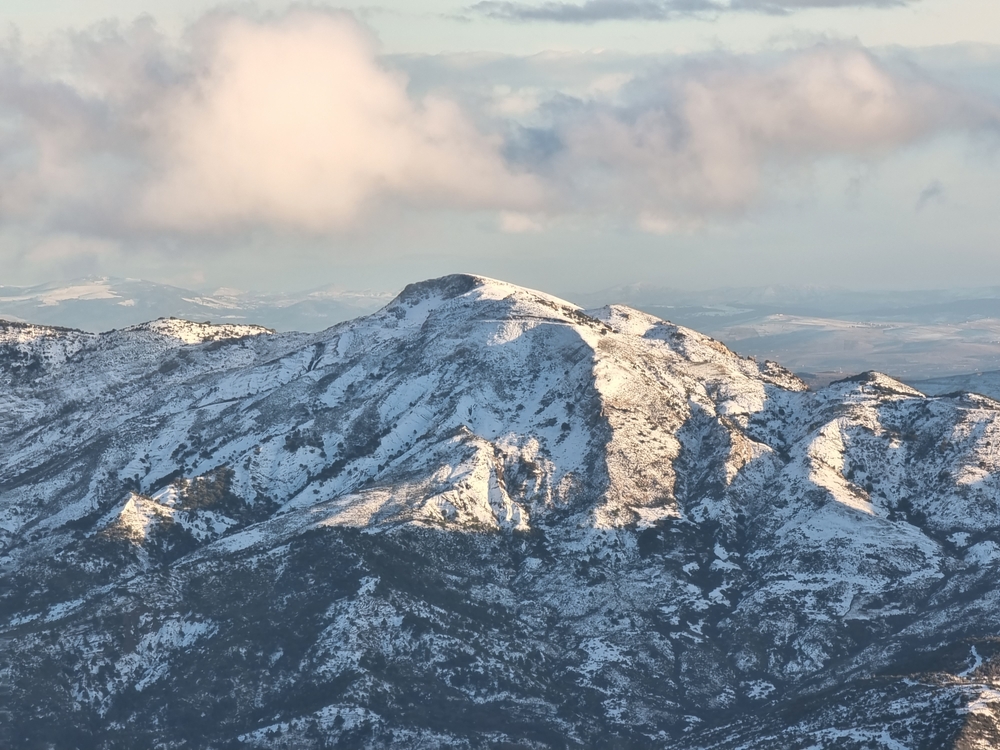
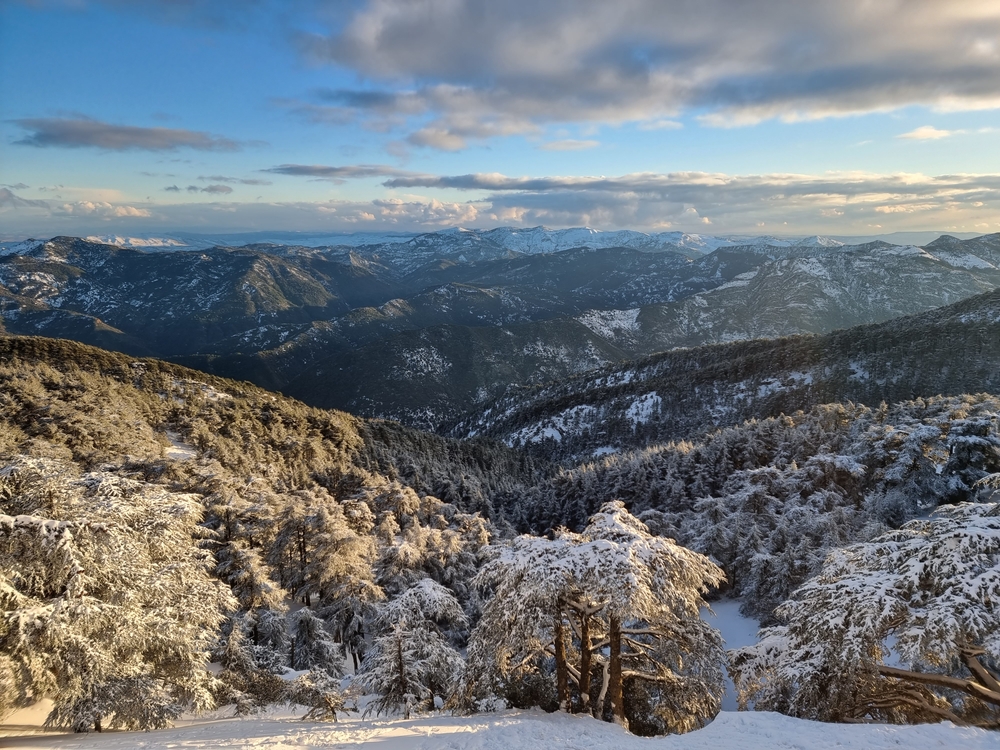
The park is best known for its beautiful cedar forests, scenic mountain landscapes, and status as one of the few locations in Algeria where winter snowfall regularly occurs. Visitors are drawn to Chréa for hiking, wildlife observation, picnicking, and winter recreation. During colder months, the park’s higher elevations become a destination for snow activities, creating a unique experience rarely associated with North Africa.
Panoramic viewpoints throughout the park offer sweeping vistas of the Mediterranean coastline, surrounding mountains, and fertile plains below. The combination of natural beauty and accessibility makes Chréa one of Algeria’s most beloved national parks.
Geographically, Chréa National Park is characterized by rugged mountain terrain, steep slopes, deep valleys, and forested ridges. Elevations range from lower Mediterranean foothills to peaks exceeding 5,000 feet (1,500 m). The park’s varied topography creates diverse habitats and microclimates.
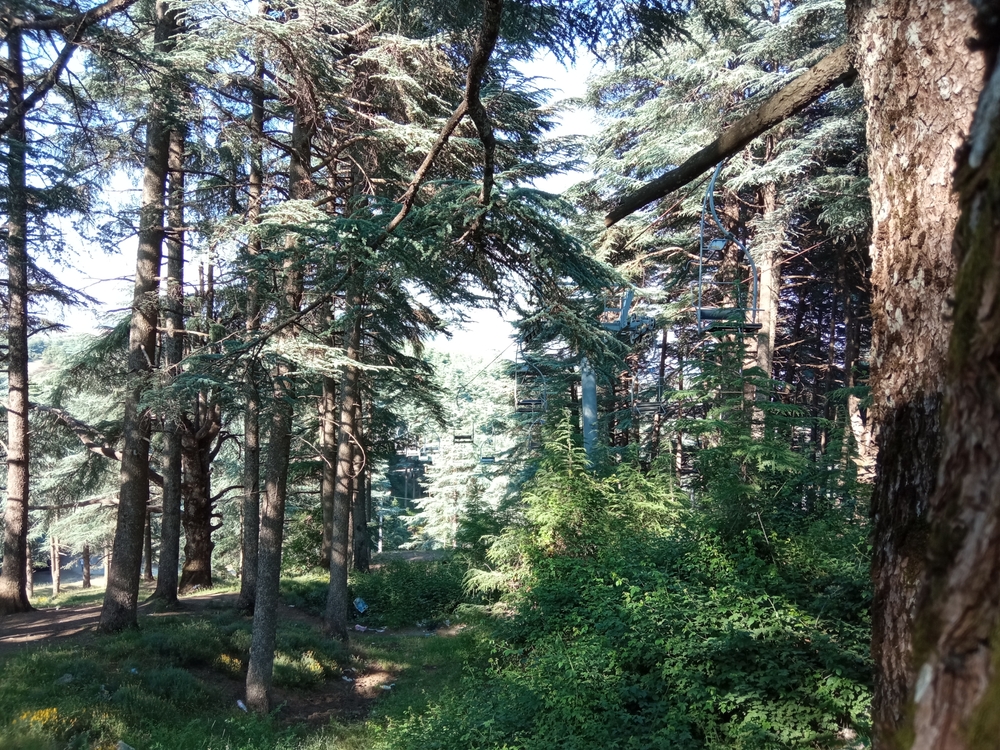
Forests of Atlas cedar, holm oak, Aleppo pine, and juniper dominate much of the landscape. Seasonal streams and springs support lush vegetation, while higher elevations experience cooler temperatures and occasional snow. These mountain ecosystems provide an important contrast to the drier environments found farther inland across Algeria.
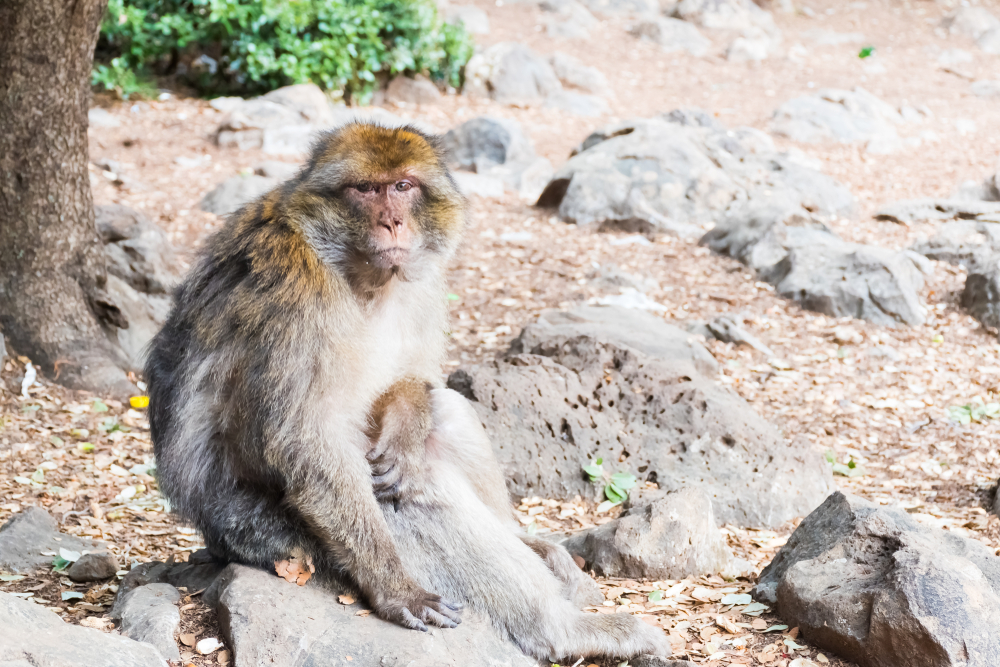
One of the park’s most significant wildlife conservation achievements is the protection of the endangered Barbary macaque. Chréa National Park contains one of the most important populations of this primate, the only monkey species native to North Africa. Visitors frequently encounter macaques along forest roads and trails.
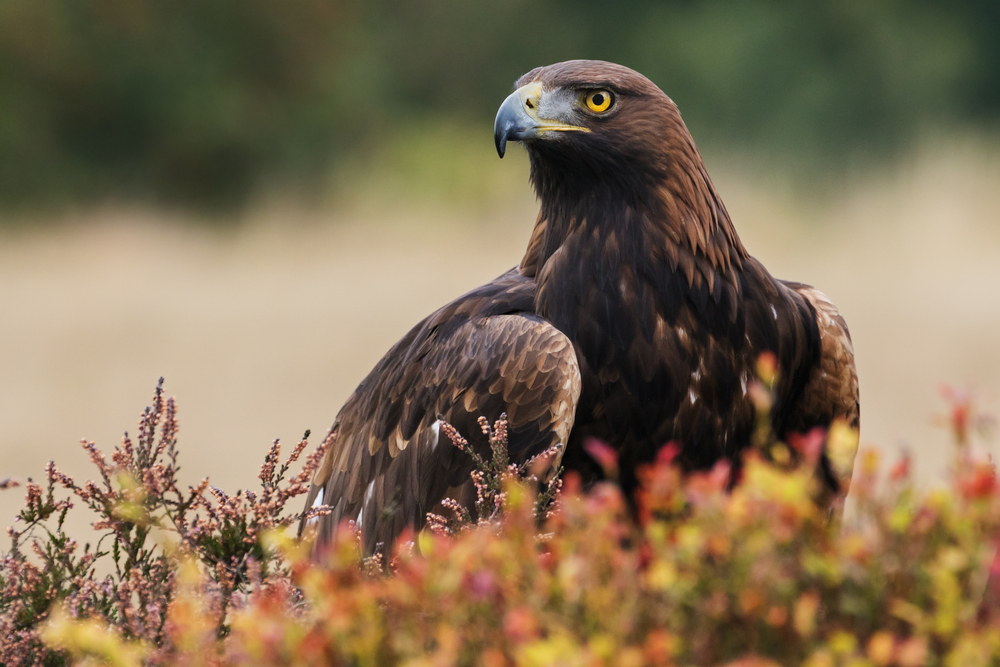
Other mammals include wild boar, foxes, jackals, hares, and small carnivores adapted to mountain habitats. Birdlife is diverse, featuring woodpeckers, owls, hawks, eagles, and numerous migratory species that utilize the park’s forests and mountain corridors. Reptiles and amphibians are also present in wetter habitats near streams and springs.
The conservation importance of Chréa National Park extends beyond its scenic appeal. The park protects critical remnants of Algeria’s Atlas cedar forests and provides essential habitat for the Barbary macaque, a species facing ongoing population declines across its range. It also safeguards watersheds that support nearby communities and helps preserve biodiversity within the Tell Atlas Mountains.
Ecologically, Chréa shares similarities with protected mountain forests such as Talassemtane National Park and Sierra de las Nieves National Park, where Mediterranean forests and mountainous terrain support rare wildlife. Through its cedar woodlands, mountain scenery, and conservation of endangered species, Chréa National Park remains one of Algeria’s most valuable natural treasures and a vital sanctuary for North African biodiversity.
Things to See
Things To Do
Engaging Chrea National Park

Sources
Algeria, Chrea National Park, https://www.algeria.com/attractions/national-parks/chrea-national-park/, retrieved August 2024.
Africa Tour Operators, Chrea National Park, https://www.africatouroperators.org/algeria/chrea-national-park/, retrieved August 2024.
Archiqoo, Chrea National Park, https://archiqoo.com/categories/nature_reserves_sub_lists.php?subsite=chrea_national_park, retrieved August 2024.
Wikipedia, Chrea National Park, https://en.wikipedia.org/wiki/Chr%C3%A9a_National_Park, retrieved August 2024.