About

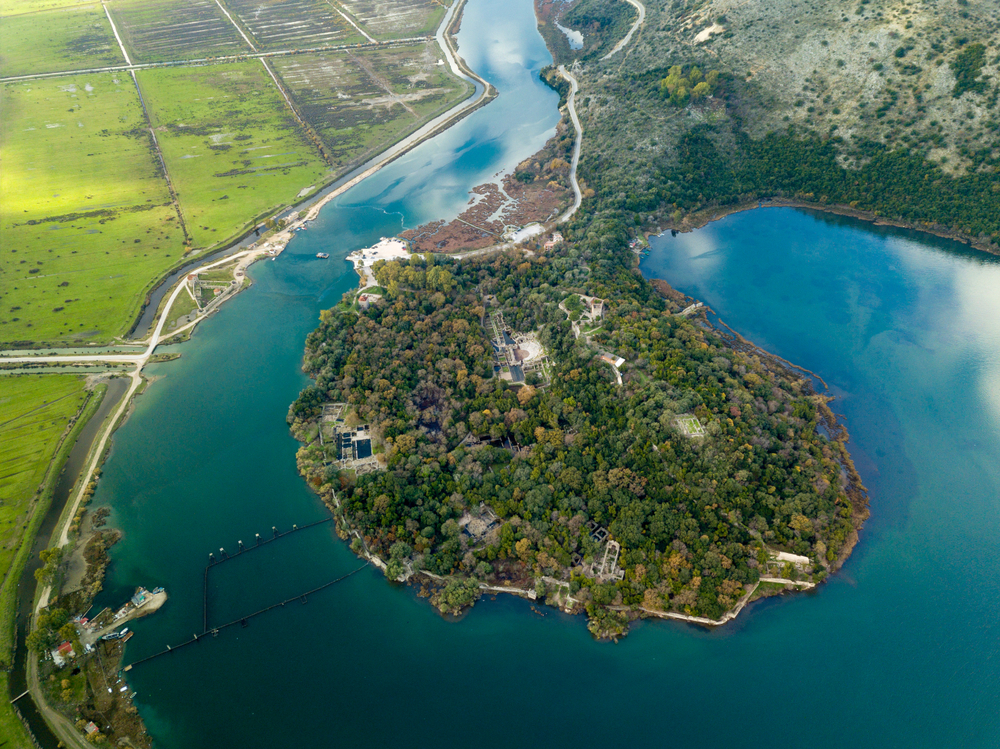
Butrint National Park is located on a small peninsula jetting off the mainland in southern Albania based around the ancient city of Butrint.  The national park encompasses an area of 36.37 square miles (94.2 sq km).

This Albania national park is a special place with a wealth of history, cultural significance, and protection of threatened species.  The park protects natural, semi-natural, and man-made habitats.  It is a historical place that served as a Greek colony, a Roman city, and a bishopric of early Christians.

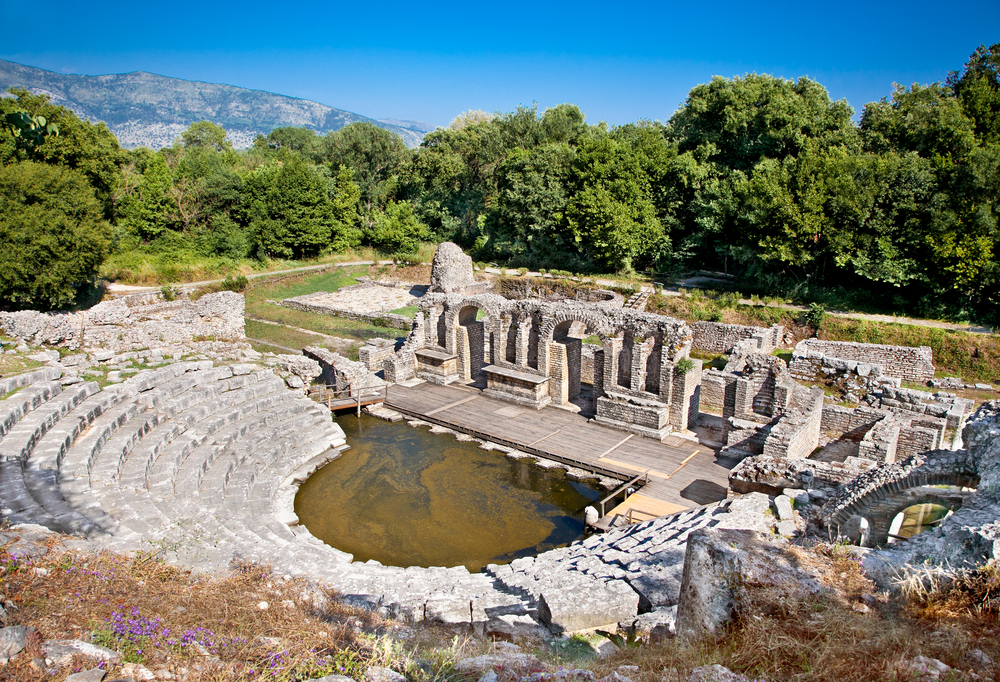
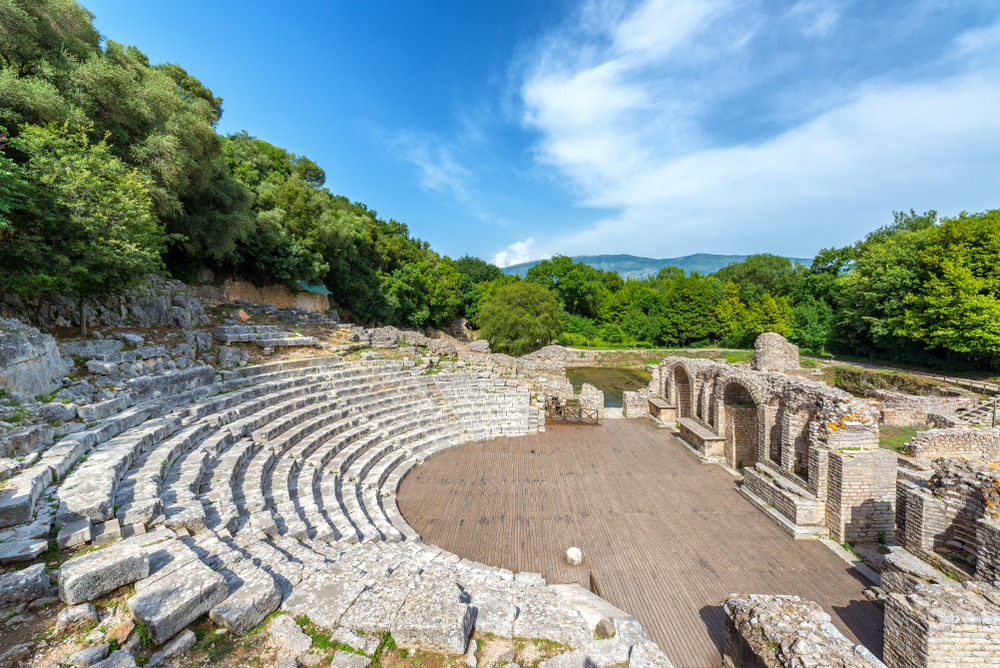
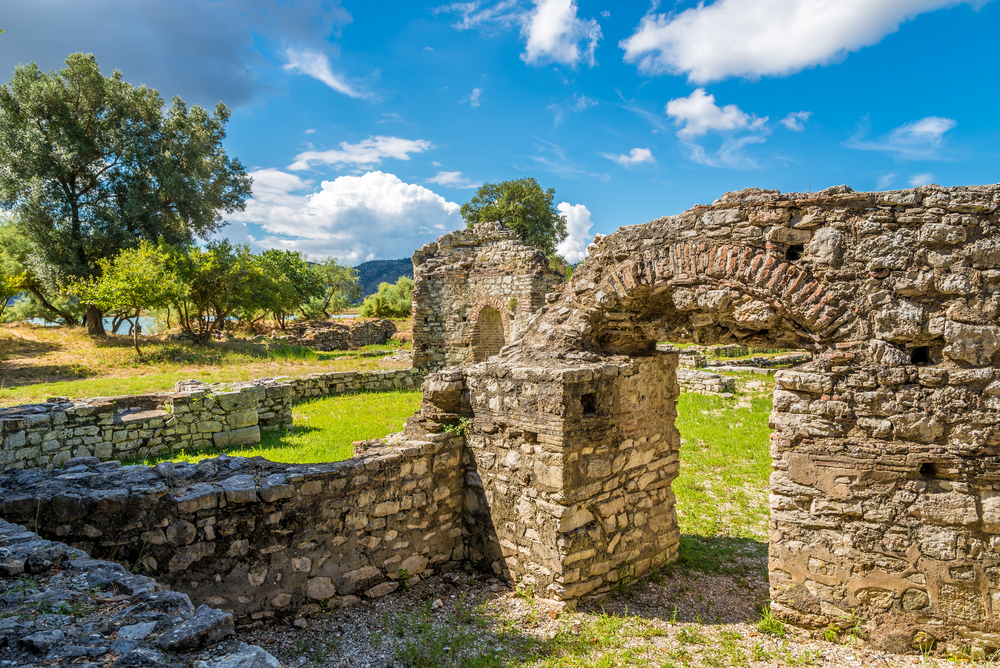
The small peninsula based national park is comprised of marshes, reed beds, coastal waters, rocky shorelines, sandy beaches, and Mediterranean forests.  In addition to these facets of nature, the national park features ancient Roman ruins and a small Amphitheatre as part of the ruins. It is the ecological lagoon environment where the archaeological gem sits that makes this national park such a treasure.

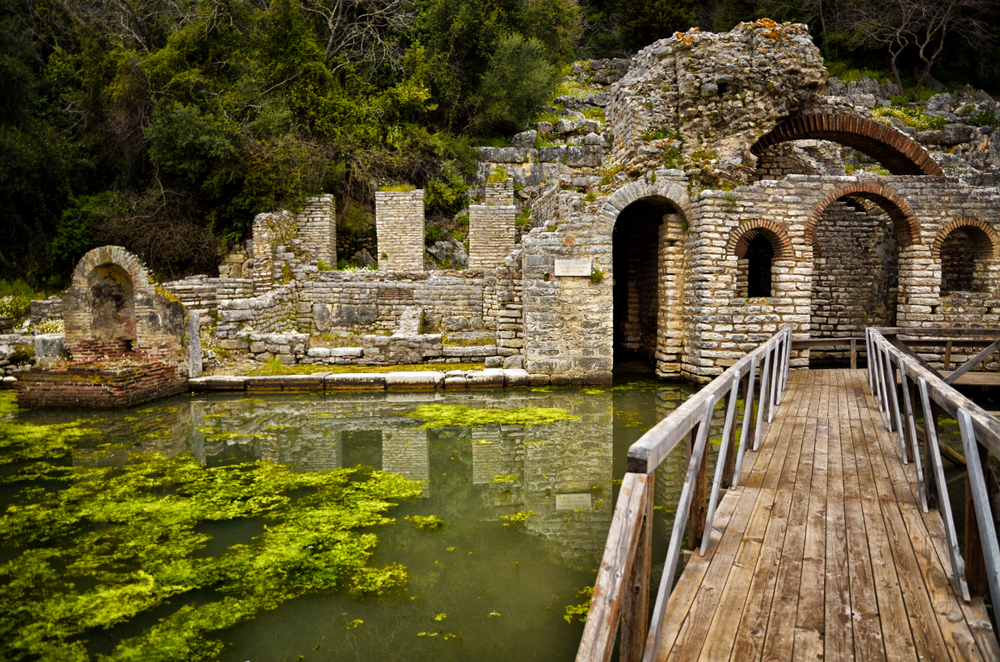
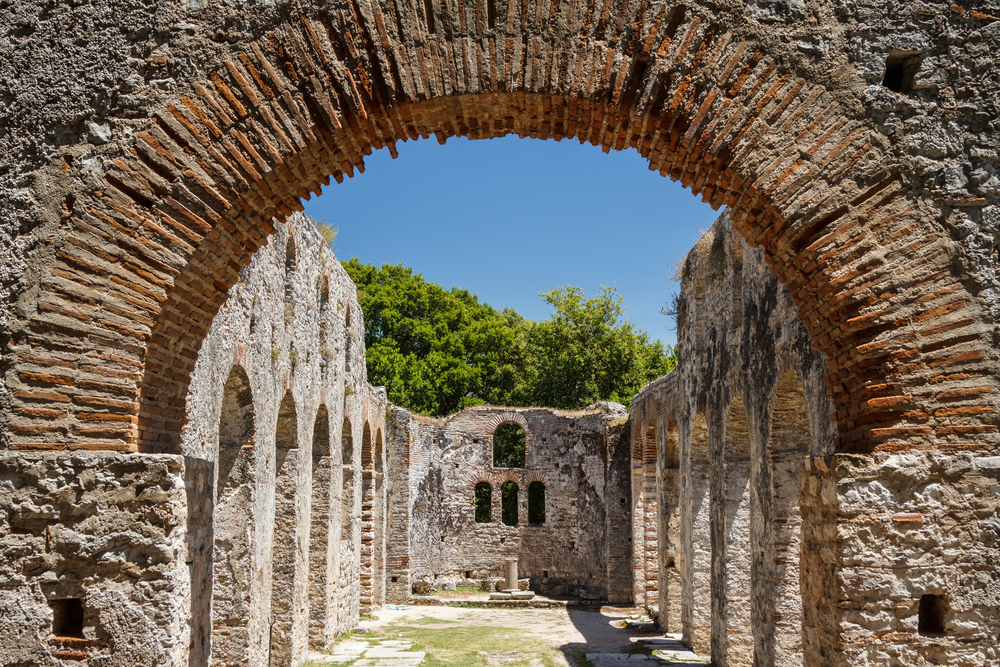
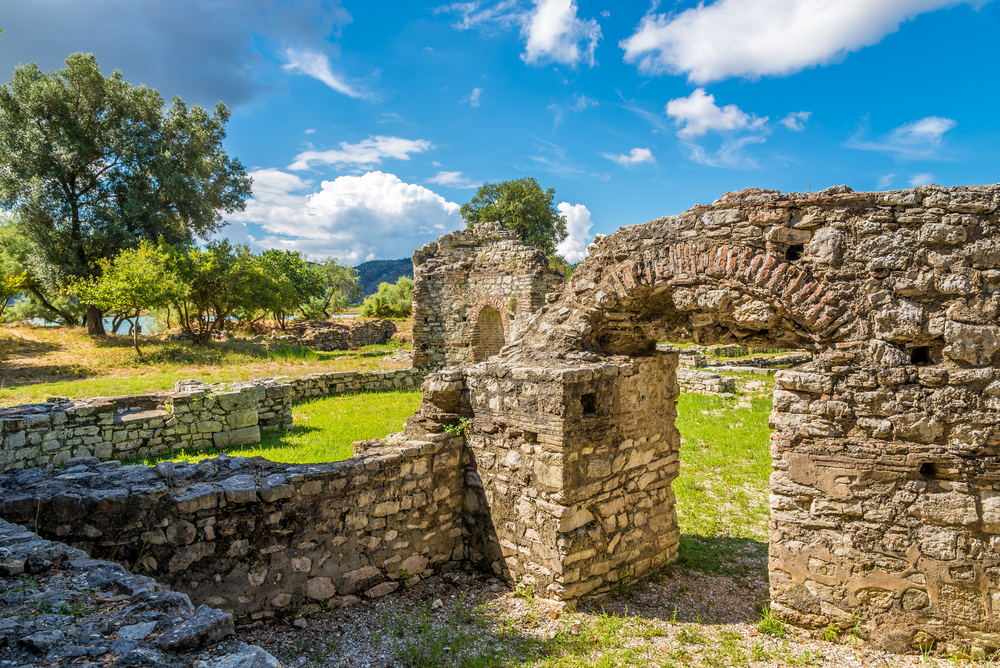
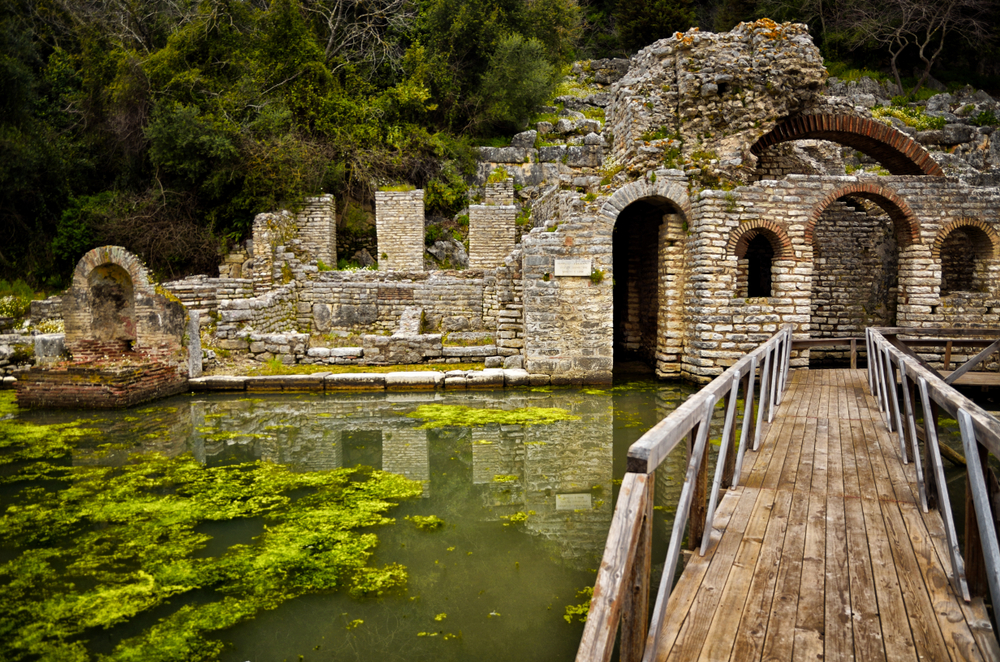
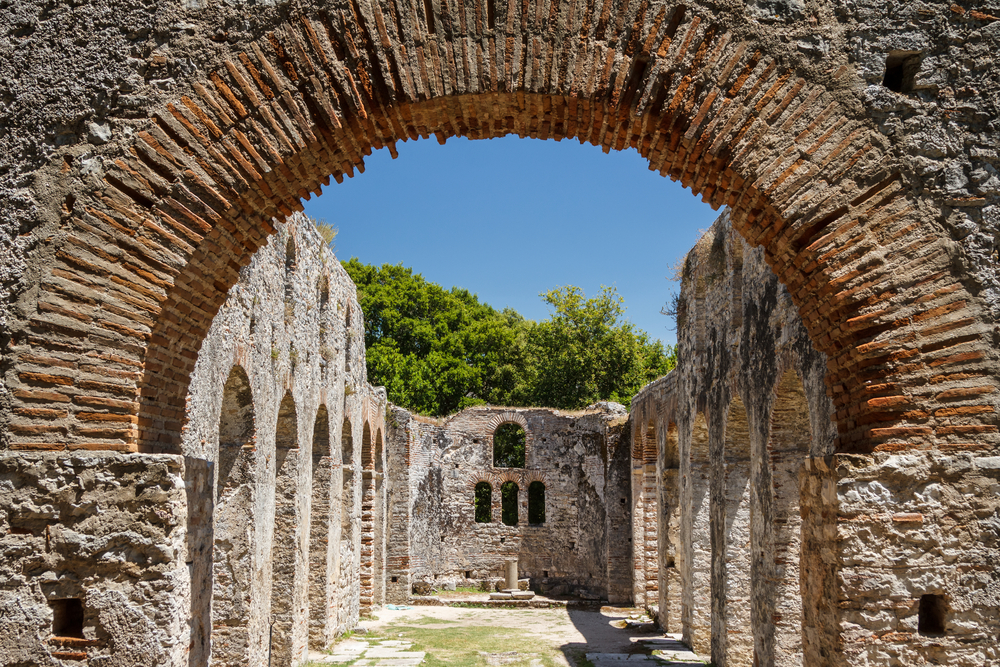
These ruins are 2,500 years old and some of them are the best-preserved Roman ruins across all of Europe.  The Temple of Asclepius is one of the highlights of the ruins.  Some of the other ruins represent some of the early Christian presence in Albania.

The wildlife of the park includes 39 species of mammals, 246 species of birds, and an abundance of coastal species as well.  Some of the mammals include grey wolf, red fox, golden jackal, otter, and beech marten.

The coastal waters feature bottlenose dolphin, short-beaked dolphin, striped dolphin, monk seal, loggerhead sea turtle, and the leatherback sea turtle.  Birdwatchers have opportunities to see a peregrine falcon, common buzzard, rock partridge, and the amazing golden eagle.  There are numerous other bird species to enthrall the bird lovers.

Things to See

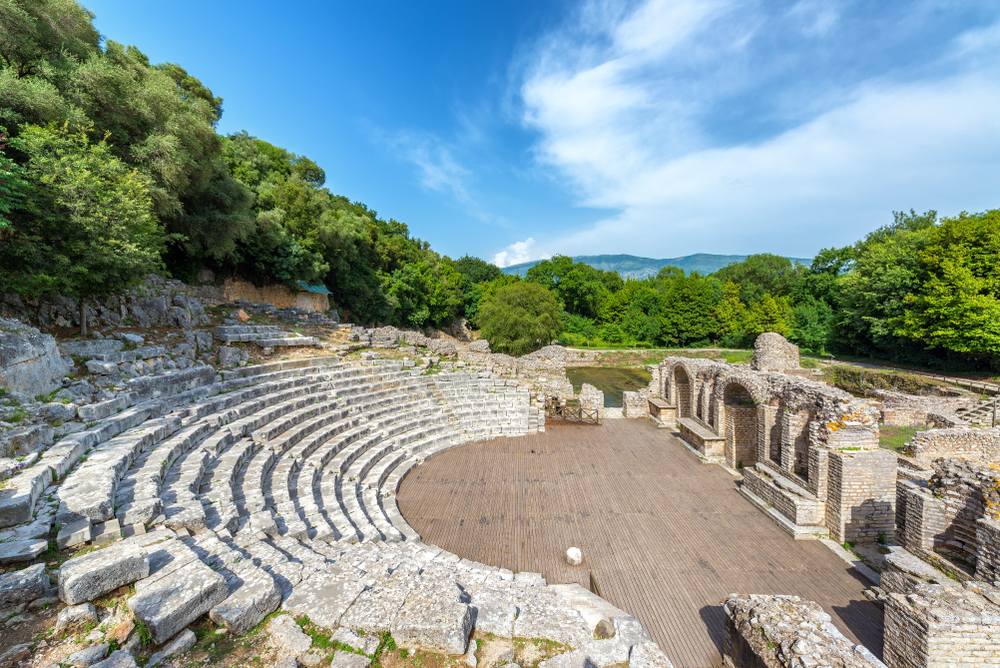
The Temple of Asclepius, amphitheater, and other Roman ruins are some of the best in Europe and a highlight of the national park. This is an uncommon integration of archaeology and natural wonders.

Temple of Asclepius

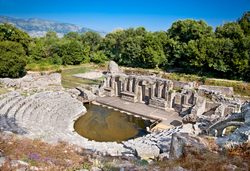
The temple is located on a set of natural terraces where it sits in front of the amphitheater.  The grounds are well cared for and easy to navigate to explore this archaeological treasure from about 3 BC.

Amphitheater

The theater was originally constructed with the Greeks in 2 BC and later rebuilt to have more of the Roman influence.  The theater was part of the sanctuary used for religious ceremonies and community forums.  The floor has been boarded over to help with erosion and to protect the site as visitors come through engaging the cultural history.

Butrint National Park Trails

The park features a network of paths that guide visitors to the various archaeological sites.  The trails lead throughout the town as well as outside the medieval walls that encase the city.  Outside the city area trails will take you to temples, cemeteries, other ruins, and an Ottoman castle. There are also trails with mild elevation changes guiding guests through wetlands, olive groves, and pastureland.

placeholder

Cape of Stillo Trail

This is a challenging 3.2-mile (5.1 km) that travels up the mountain looking out over the archaeological area below.

Butrint National Park

Butrint Archaeological Trail

Rating: Easy

Distance and Elevation Gain: 2.5 miles (4 km) loop, minimal elevation gain

Description: This trail takes visitors through the heart of the ancient city of Butrint, a UNESCO World Heritage site.

Hikers can explore well-preserved ruins spanning Greek, Roman, Byzantine, and Venetian periods, including a theatre, baths, and city walls.

The trail is well-marked and offers insight into the area’s rich history, with stunning views of the surrounding wetlands and the Vivari Channel.

Butrint National Park

Lake Butrint Circuit

Rating: Moderate

Distance and Elevation Gain: 4 miles (6.4 km) loop, 100 feet (30 meters)

Description: Circling the serene Lake Butrint, this trail offers hikers a peaceful walk through lush forests and wetlands, with opportunities to spot diverse birdlife.

The path provides picturesque views of the lake and ancient ruins, including the Lion Gate and the Acropolis, blending natural beauty with archaeological wonders.

Butrint National Park

Vivari Channel Coastal Walk

Rating: Easy

Distance and Elevation Gain: 3 miles (4.8 km) one way, minimal elevation gain

Description: Following the shoreline of the Vivari Channel, this leisurely trail connects the archaeological site of Butrint with the picturesque village of Ksamil.

Hikers can enjoy coastal views, observe local fishing techniques, and spot various waterfowl.

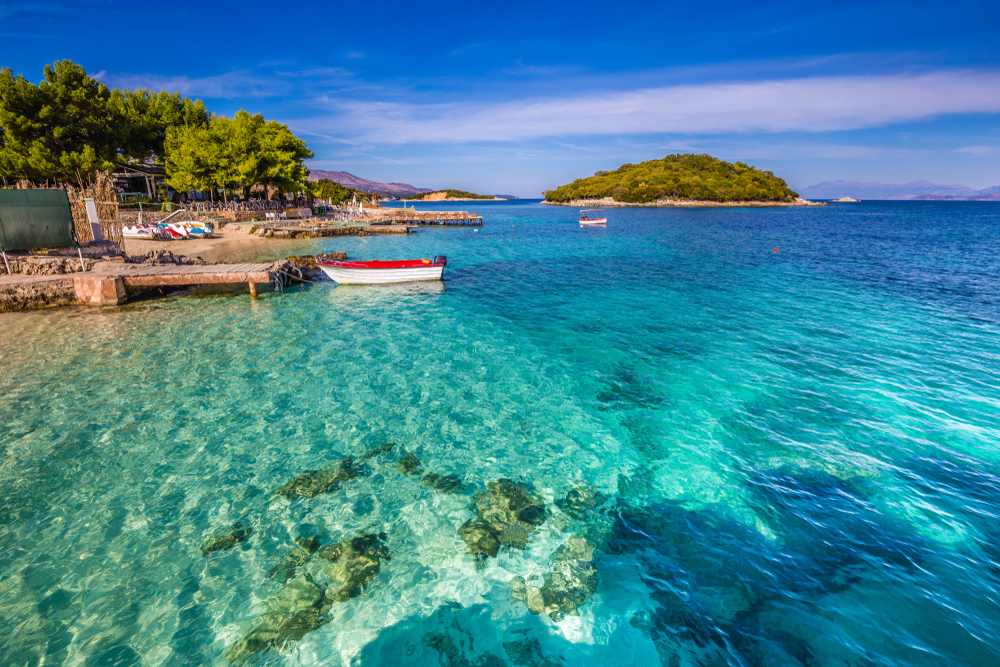
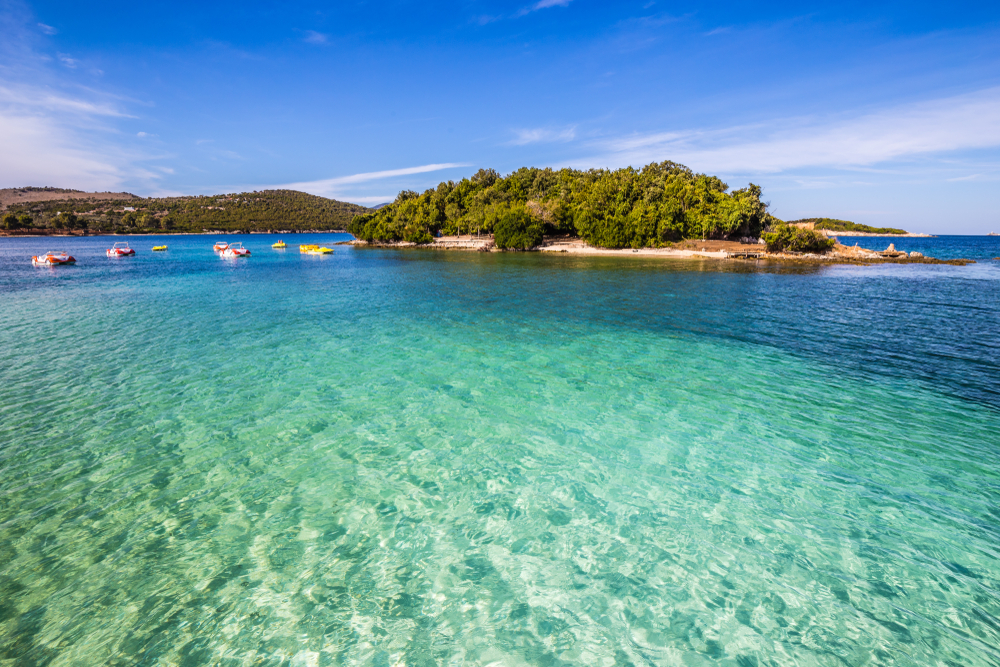
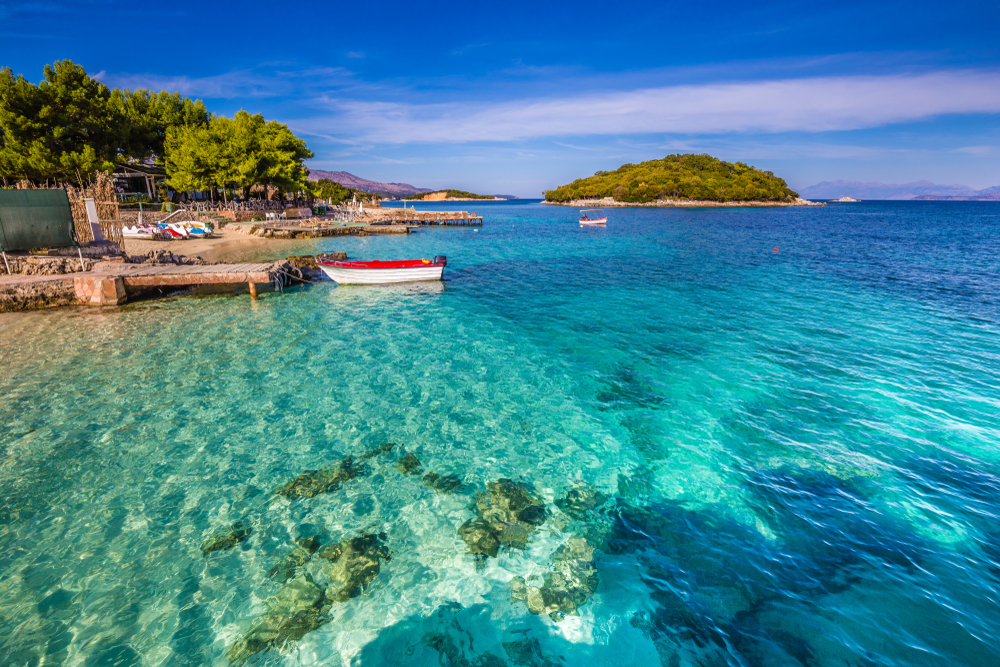
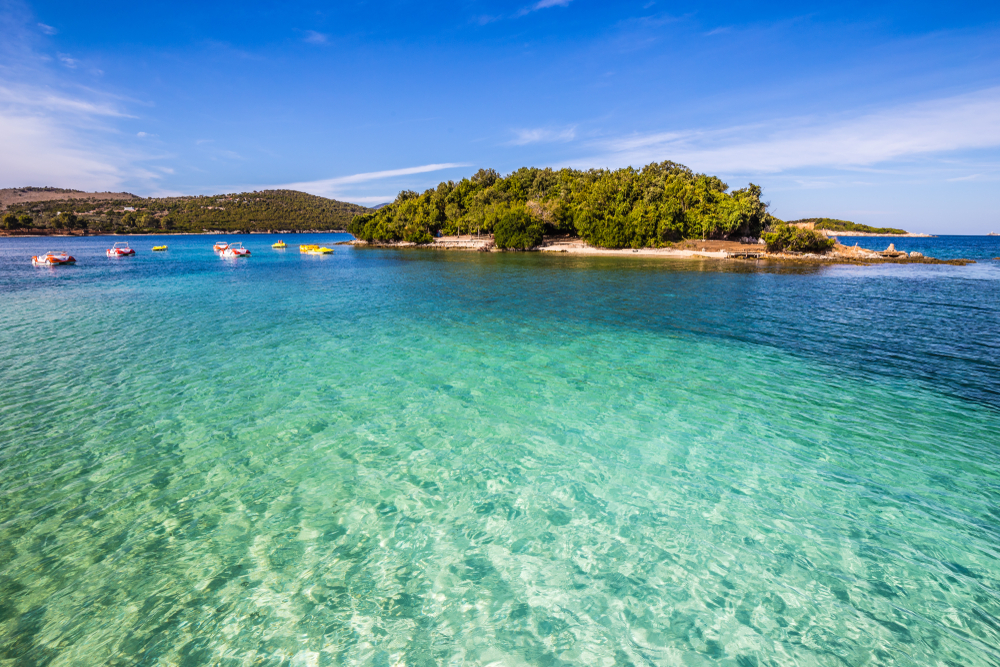
The trail ends at beautiful beaches near Ksamil, where the crystal-clear waters of the Ionian Sea invite a refreshing swim.

Butrint National Park

Castle of Ali Pasha Trail

Rating: Moderate

Distance and Elevation Gain: 1.5 miles (2.4 km) round trip, 150 feet (45 meters)

Description: This trail leads to the Castle of Ali Pasha, situated on a small island connected by a causeway to the mainland.

The hike offers scenic views of the Butrint lagoon and surrounding wetlands.

Inside the castle, visitors can explore the ruins and learn about the historical significance of Ali Pasha, a notable figure in the Ottoman Empire.

Butrint National Park

Ancient Walls and Forest Path

Rating: Easy to Moderate

Distance and Elevation Gain: 2 miles (3.2 km) loop, 50 feet (15 meters)

Description: This trail winds through dense forests and along the ancient defensive walls of Butrint, providing a tranquil escape into nature.

Hikers can marvel at the impressive engineering of the walls and enjoy the lush, green surroundings.

The path is dotted with information panels explaining the site’s historical and ecological importance.

Butrint National Park

Butrint Archaeological Trail

Rating: Easy

Distance and Elevation Gain: 2.5 miles (4 km) loop, minimal elevation gain

Description: This trail takes visitors through the heart of the ancient city of Butrint, a UNESCO World Heritage site.

Hikers can explore well-preserved ruins spanning Greek, Roman, Byzantine, and Venetian periods, including a theatre, baths, and city walls.

The trail is well-marked and offers insight into the area’s rich history, with stunning views of the surrounding wetlands and the Vivari Channel.

Butrint National Park

Lake Butrint Circuit

Rating: Moderate

Distance and Elevation Gain: 4 miles (6.4 km) loop, 100 feet (30 meters)

Description: Circling the serene Lake Butrint, this trail offers hikers a peaceful walk through lush forests and wetlands, with opportunities to spot diverse birdlife.

The path provides picturesque views of the lake and ancient ruins, including the Lion Gate and the Acropolis, blending natural beauty with archaeological wonders.

Butrint National Park

Vivari Channel Coastal Walk

Rating: Easy

Distance and Elevation Gain: 3 miles (4.8 km) one way, minimal elevation gain

Description: Following the shoreline of the Vivari Channel, this leisurely trail connects the archaeological site of Butrint with the picturesque village of Ksamil.

Hikers can enjoy coastal views, observe local fishing techniques, and spot various waterfowl.

The trail ends at beautiful beaches near Ksamil, where the crystal-clear waters of the Ionian Sea invite a refreshing swim.

Butrint National Park

Castle of Ali Pasha Trail

Rating: Moderate

Distance and Elevation Gain: 1.5 miles (2.4 km) round trip, 150 feet (45 meters)

Description: This trail leads to the Castle of Ali Pasha, situated on a small island connected by a causeway to the mainland.

The hike offers scenic views of the Butrint lagoon and surrounding wetlands.

Inside the castle, visitors can explore the ruins and learn about the historical significance of Ali Pasha, a notable figure in the Ottoman Empire.

Butrint National Park

Ancient Walls and Forest Path

Rating: Easy to Moderate

Distance and Elevation Gain: 2 miles (3.2 km) loop, 50 feet (15 meters)

Description: This trail winds through dense forests and along the ancient defensive walls of Butrint, providing a tranquil escape into nature.

Hikers can marvel at the impressive engineering of the walls and enjoy the lush, green surroundings.

The path is dotted with information panels explaining the site’s historical and ecological importance.

Park Protection

Butrint National Park was established by the Alabania government to protect the cultural and historical architecture from the Roman influence.  The park also protects the ecologically pristine blue waters of the lagoon.  The 2,500 year-old ruins are worthy of the national park and UNESCO World Heritage Site status.  The landscapes around the ruins are home to over 39 species of mammals and almost 250 species of birds.

Protecting the envorinment and the cultural history was important to the people and government of Alabania.  Steps are taken to preserve this for future generations.

Sources