About

Aberdare National Park is located in central Kenya, forming part of the Aberdare Mountain Range just west of Mount Kenya. The park covers approximately 295 square miles (767 sq km), encompassing a dramatic landscape of high-altitude terrain that rises from around 7,000 feet to over 13,000 feet (2,100 to 4,000 meters) above sea level.

While it does not directly border another national park, it lies close to Mount Kenya National Park, together contributing to one of the most important highland ecosystems in East Africa. Its cool climate, mist-covered peaks, and dense vegetation set it apart from the more commonly known savanna parks of Kenya.

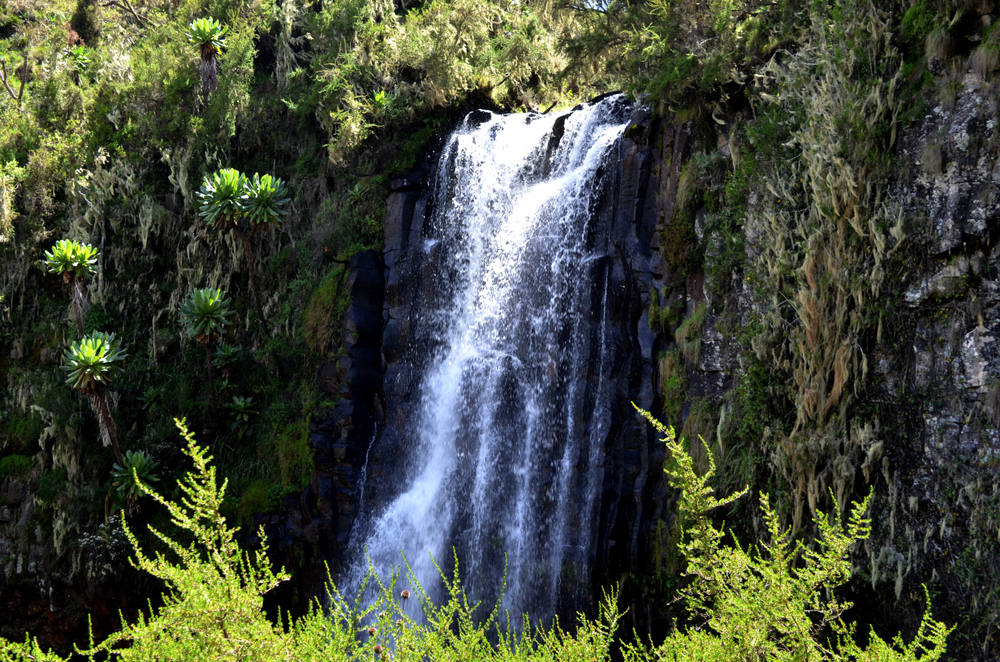
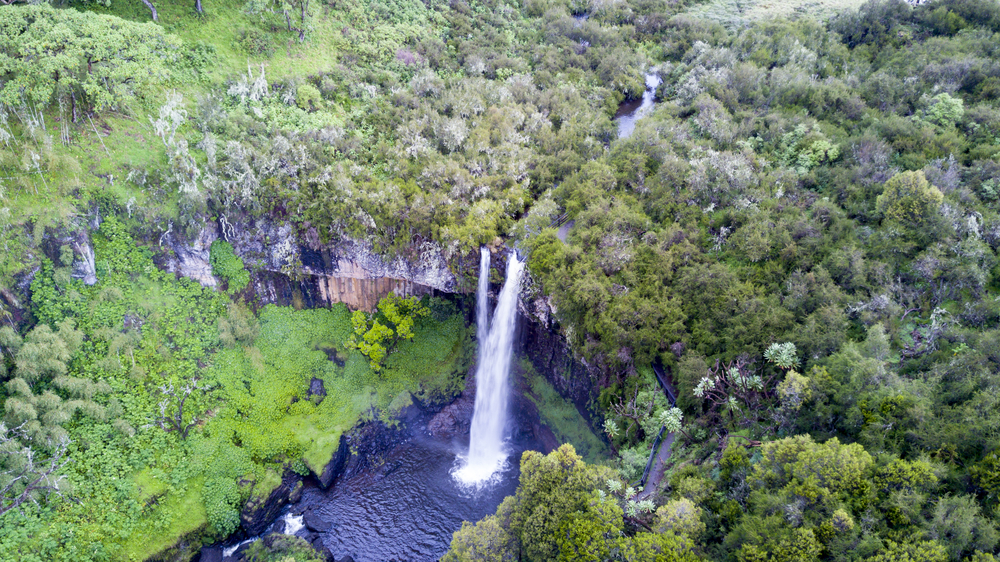
Aberdare National Park is best known for its lush forests, spectacular waterfalls, and unique wildlife viewing experiences. Among its most iconic features are the towering waterfalls that cascade down steep escarpments, including Karuru Falls, one of the tallest in Kenya.

The park is also famous for its historic tree lodges, such as The Ark and Treetops, where visitors can observe wildlife gathering at illuminated waterholes, often throughout the night. This immersive and intimate style of wildlife viewing offers a completely different perspective compared to traditional game drives, allowing guests to witness natural behavior in a quiet, undisturbed setting.

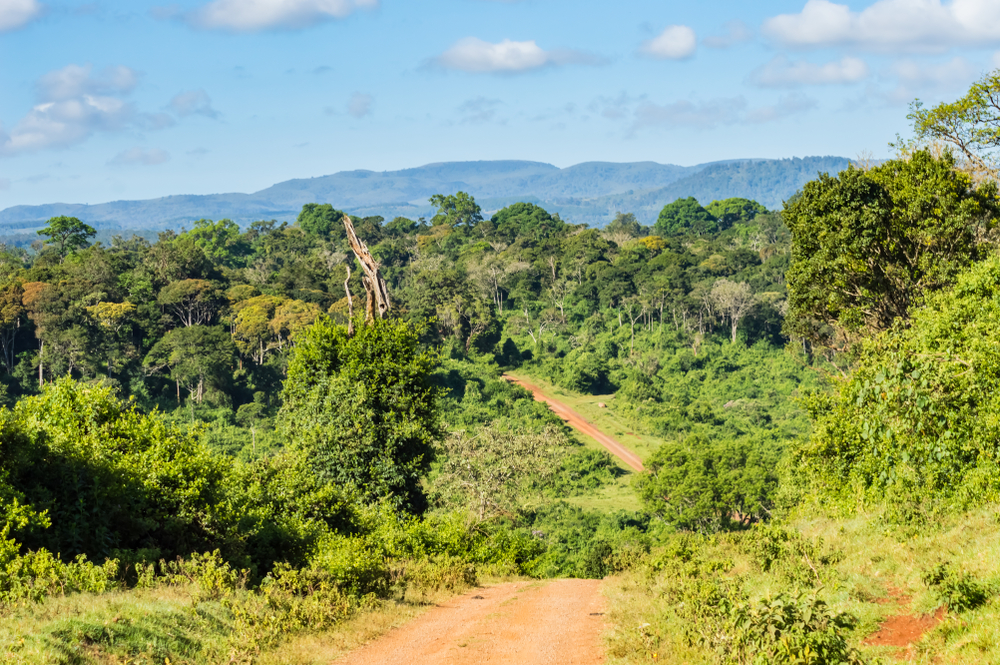
The geography of Aberdare is defined by a striking mix of steep ridges, deep valleys, and rolling moorlands shaped by volcanic activity and erosion over millions of years. Dense montane forests dominate the lower elevations, gradually giving way to bamboo zones and then to open moorlands covered in grasses, heather, and giant lobelias at higher altitudes.

Mist frequently drifts through the forest, creating an almost mystical atmosphere, while rivers and streams cut through the terrain, feeding the park’s numerous waterfalls and sustaining its rich biodiversity. This layered landscape supports a wide range of habitats within a relatively compact area.

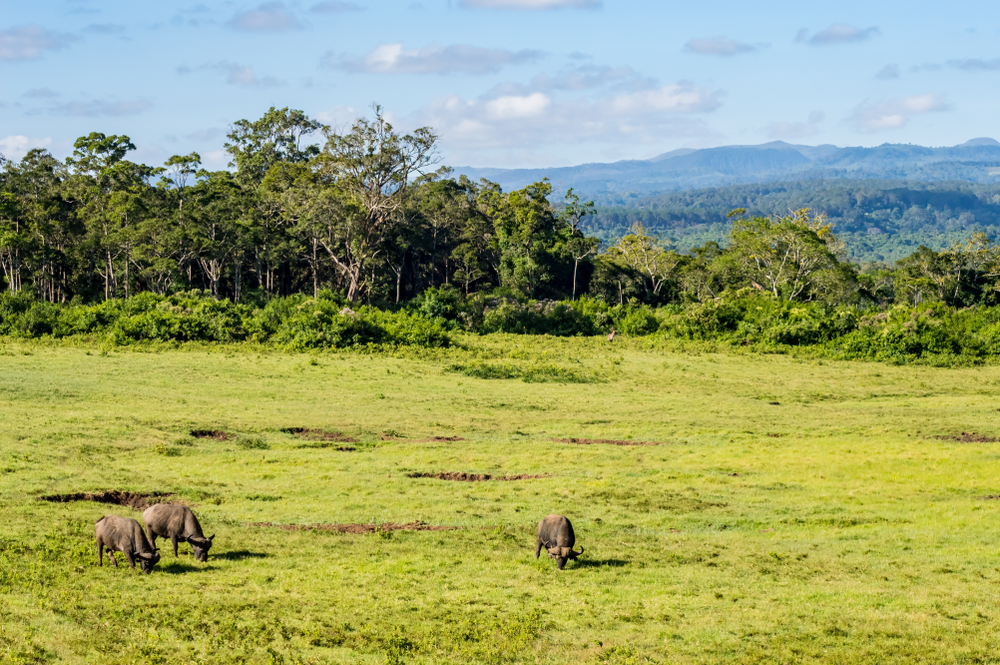
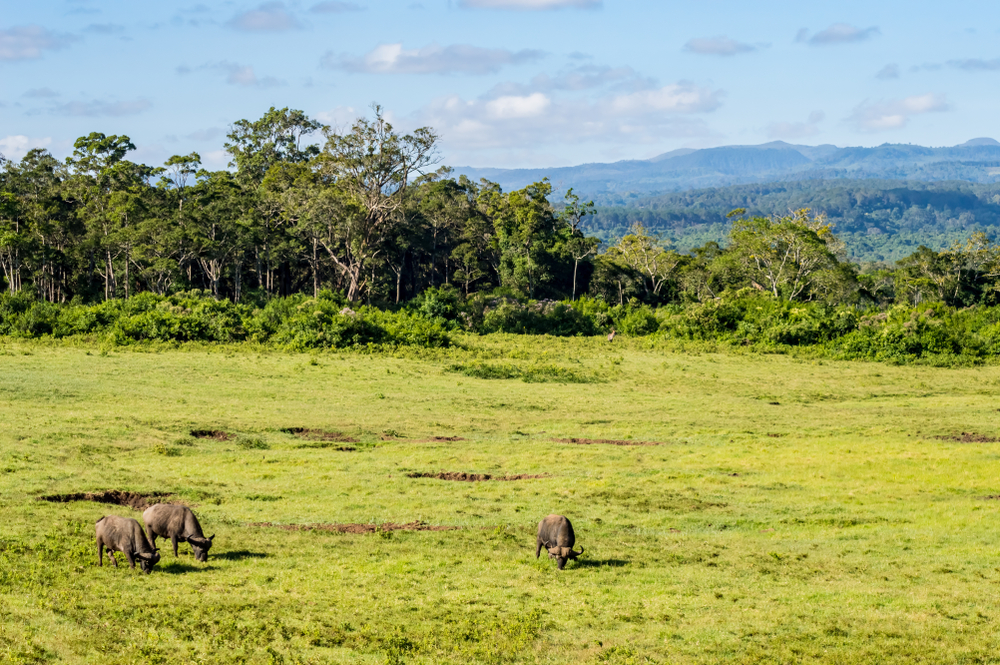
Wildlife in Aberdare National Park is both diverse and specialized, with several species adapted to its forested and high-altitude environment. The park is home to elephants, buffalo, and leopards, as well as rarer and more elusive species such as the bongo, a striking forest antelope that is considered one of Kenya’s most endangered animals.

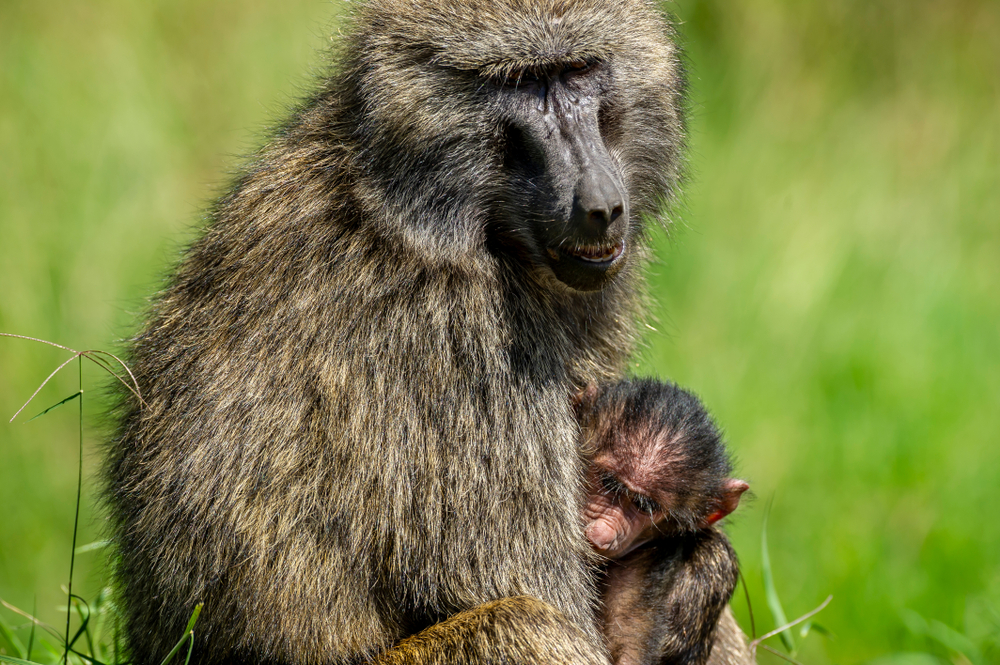
Black rhinos are also protected within the park, highlighting its importance as a conservation stronghold. Primates such as colobus monkeys and baboons are commonly seen, while birdlife is abundant, with numerous forest and highland species contributing to the park’s ecological richness. The dense vegetation can make wildlife harder to spot compared to open savannas, but it also adds to the sense of discovery and adventure.

Aberdare National Park plays a vital role in protecting Kenya’s central highland ecosystems, which are critical for water catchment and biodiversity. The park’s forests act as a natural reservoir, supplying water to surrounding communities and supporting agriculture in the region. Its conservation efforts help safeguard endangered species and maintain ecological balance in a landscape that is under increasing pressure from human activity.

On a global level, Aberdare represents the importance of preserving diverse habitats beyond the iconic savannas often associated with Africa. Its misty forests, cascading waterfalls, and unique wildlife create a powerful reminder of the richness and variety of the natural world, inspiring both appreciation and a commitment to conservation.

Things to See

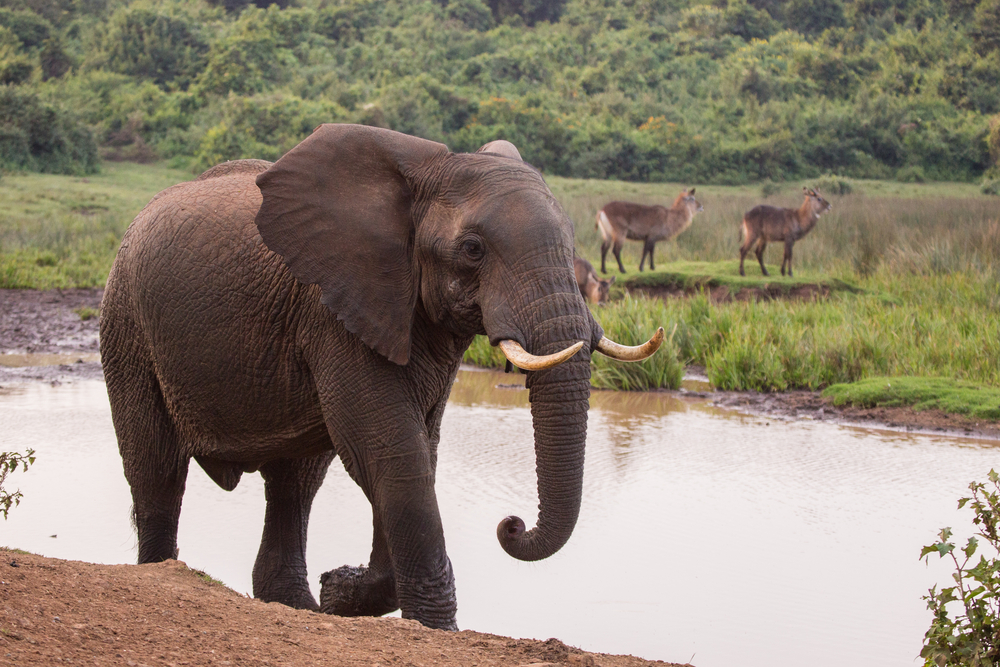
This is a wildlife safari destination and spotting the abundant and varied wildlife is the highlight of a trip to the Aberdare National Park.  The park features a large population of both elephant and rhino which are highlights for many travelers young and old.

Big 5

The Big 5 is a term that was originally coined by hunters who identified these 5 animals as some of the toughest hunts in Africa.  The animals that make of the Big 5 include Lion, Leopard, Elephant, Rhino, and Buffalo.

The national park has all five of these species along with much more roaming about the park.  It has the second largest population of black rhinos giving Kenya a true gem of wildlife experience.

Karuru Waterfall

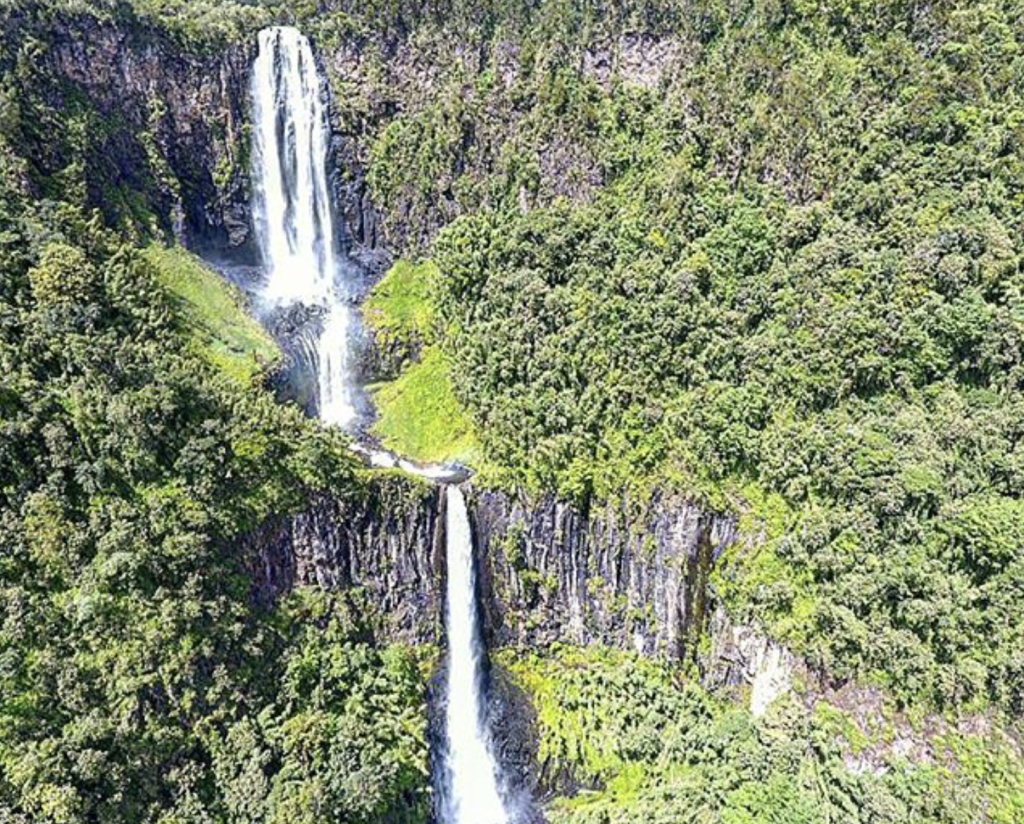
Karuru Waterfall is the tallest waterfall in the park.  It features a total plunge of 895.67 feet (273 m) over three stages. The first stage falls (117 m), with the shortest plunge next at 26 m), and the final drop of (130 m) to the pool below.

Predators

Predators

In Aberdare National Park, visitors have the thrilling opportunity to encounter several predator species in their natural habitat. Here are some of the predator species you may possibly see:

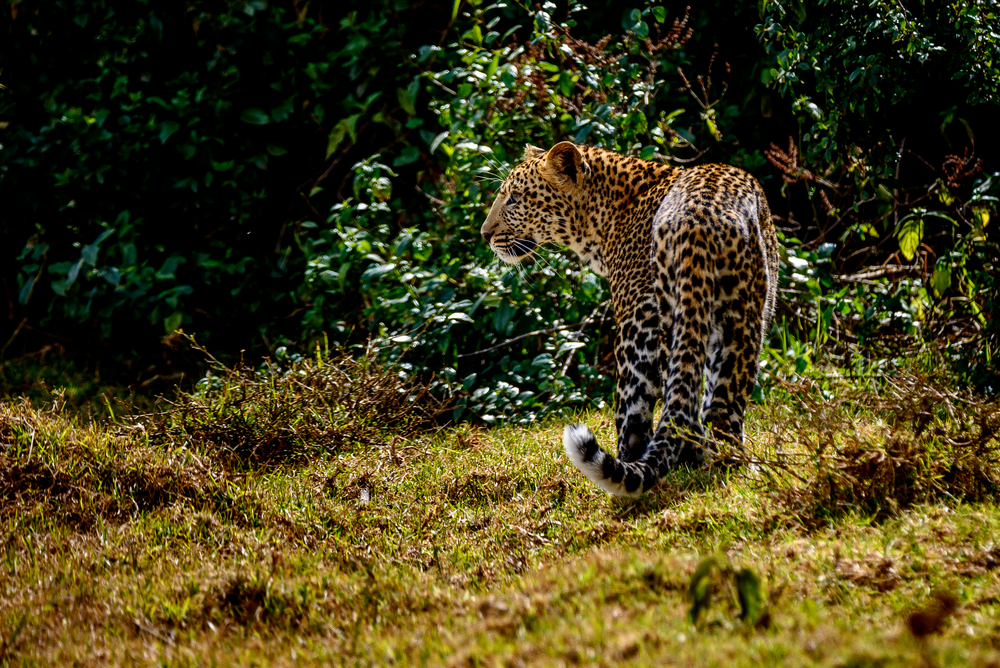
  1. African Leopard (Panthera pardus pardus): The African leopard is a majestic and elusive big cat known for its solitary nature and remarkable climbing abilities. With its golden coat adorned with distinctive rosette markings, the leopard is a master of stealth, often hunting under the cover of darkness. Found throughout Aberdare’s forests and mountainous terrain, leopards prey on a variety of animals, including antelopes, monkeys, and smaller mammals.
  2. African Wild Dog (Lycaon pictus): The African wild dog, also known as the painted wolf, is a highly social and efficient predator characterized by its mottled coat and large rounded ears. Found in packs roaming the savannahs and woodlands of Aberdare, these endangered carnivores hunt cooperatively, using sophisticated tactics to pursue and bring down their prey, which can range from small rodents to larger ungulates.
  3. Spotted Hyena (Crocuta crocuta): The spotted hyena is a formidable predator with a reputation as Africa’s most successful scavenger. With its powerful build, distinct spotted coat, and unmistakable vocalizations, the hyena is a common sight in Aberdare’s grasslands and forest edges. Despite their scavenging habits, hyenas are also skilled hunters, preying on a variety of animals and often competing with lions and other predators for food.
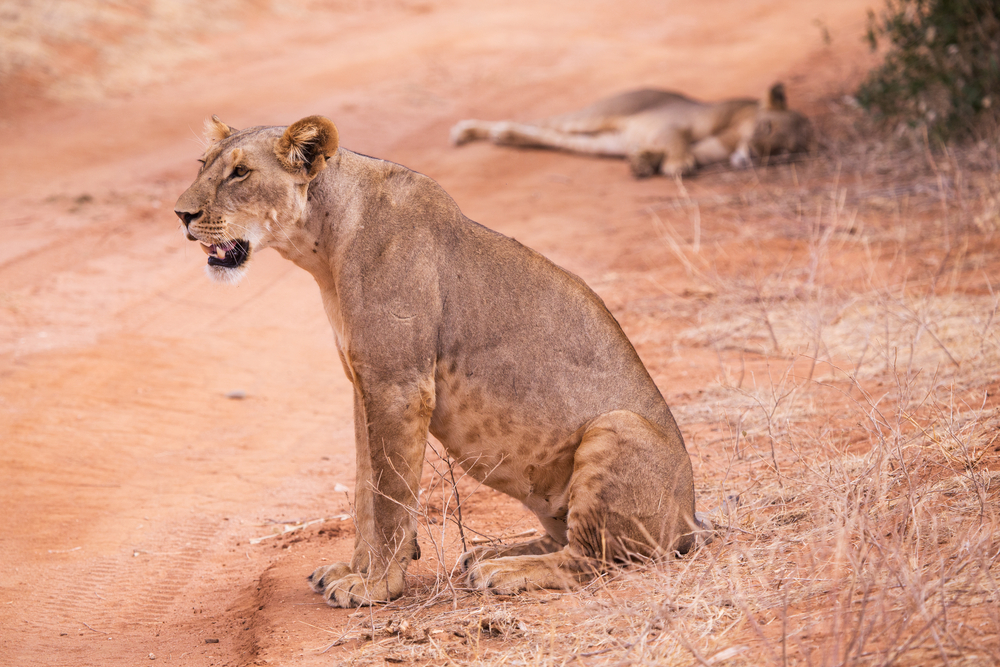
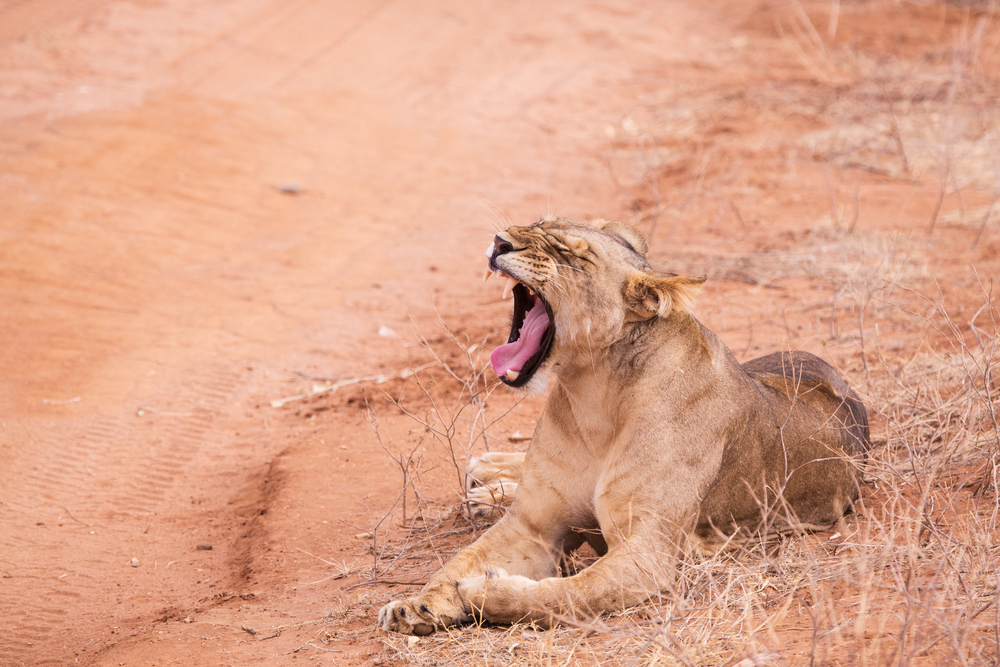
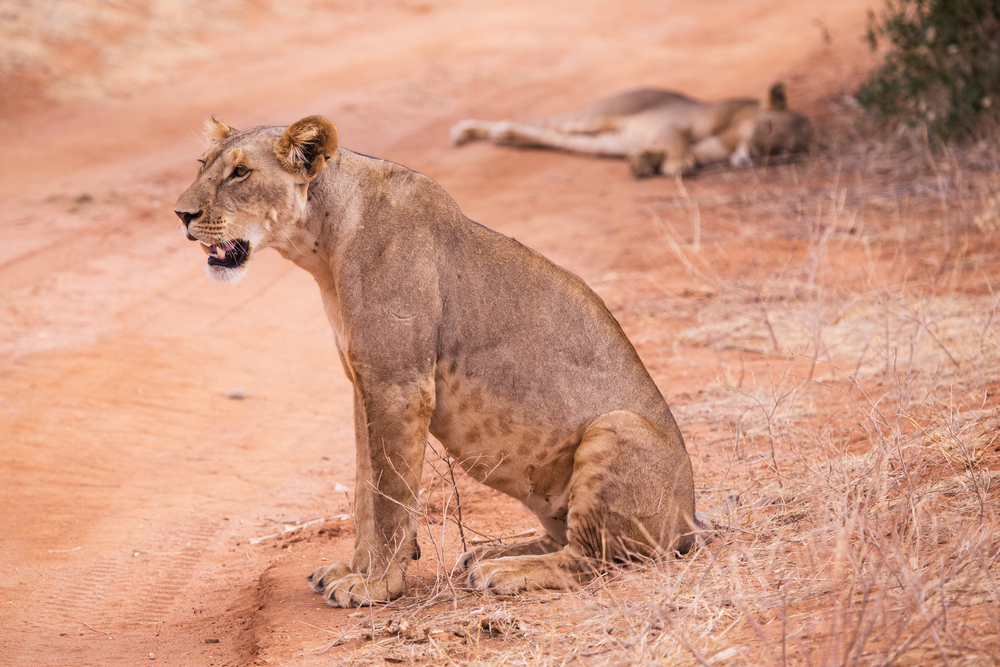
  4. African Lion (Panthera leo): The African lion, often referred to as the “king of the jungle,” is an iconic apex predator found in Aberdare’s grasslands and open savannahs. Recognizable by its golden coat and majestic mane (in males), lions are formidable hunters, relying on teamwork and coordinated ambushes to bring down prey such as zebras, wildebeests, and buffalo. Witnessing a pride of lions on the hunt is a highlight of any safari experience in Aberdare National Park.
  5. Black-backed Jackal (Canis mesomelas): The black-backed jackal is a small but resourceful predator commonly found in Aberdare’s grasslands and scrubby areas. With its distinctive black saddle-like markings on its back, the jackal is an opportunistic hunter and scavenger, feeding on small mammals, birds, insects, and carrion. Often seen in pairs or small family groups, jackals play an important role in the park’s ecosystem as both predators and scavengers
Popular

Popular

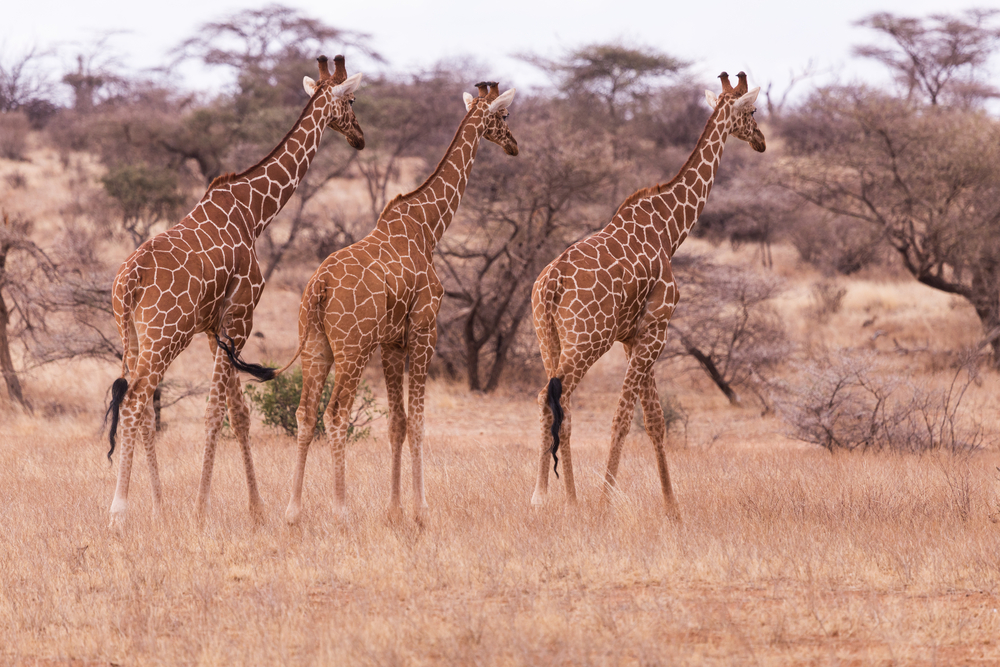
The predators are always a highlight, but here are some of the other popular species you might experience in Aberdare:

  • Aberdare Mountain Bongo: Rare antelope with reddish-brown coat and striking white stripes, known for its elusive nature and habitat in dense forests.
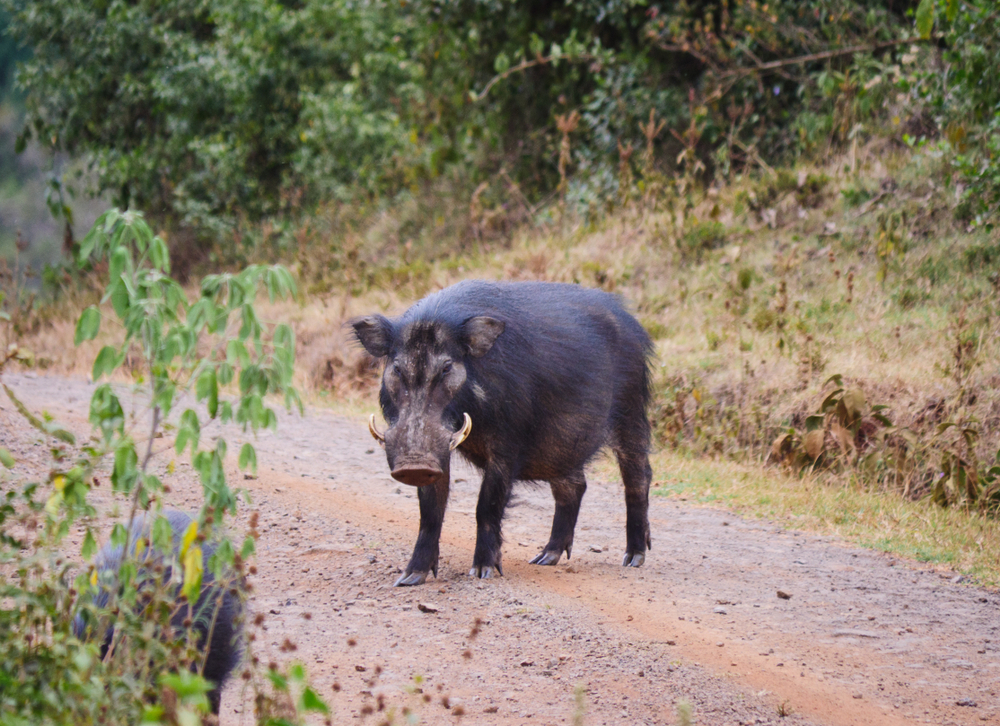
  • Giant Forest Hog: Large, nocturnal swine with distinctive tufted ears and warty face, often seen foraging in wooded areas.
  • Black-and-White Colobus Monkey: Arboreal primates with long tails and unique black-and-white fur, known for their acrobatic leaps through the forest canopy.
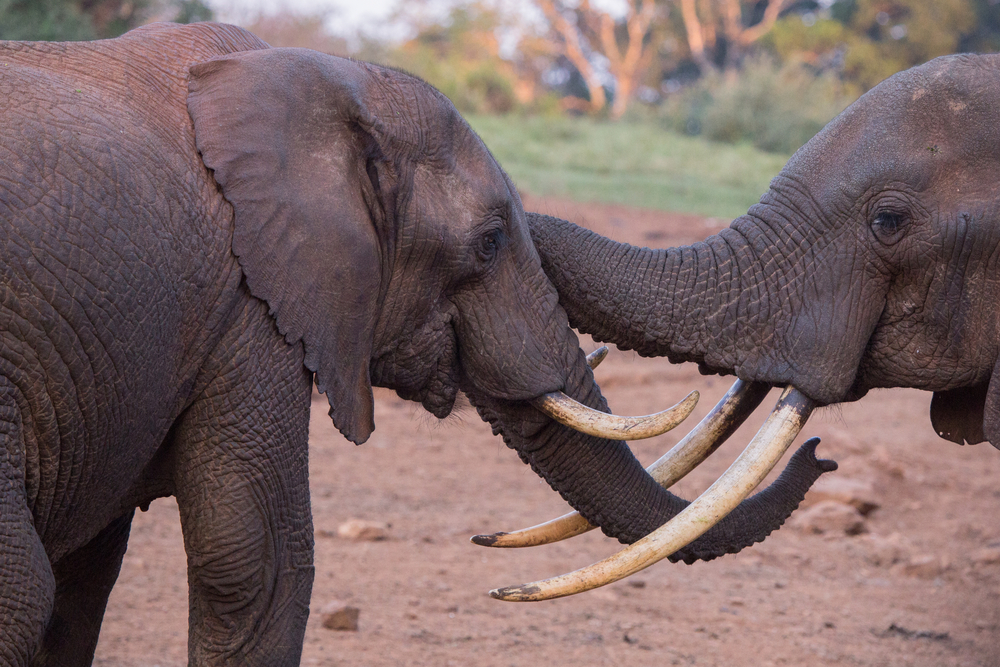
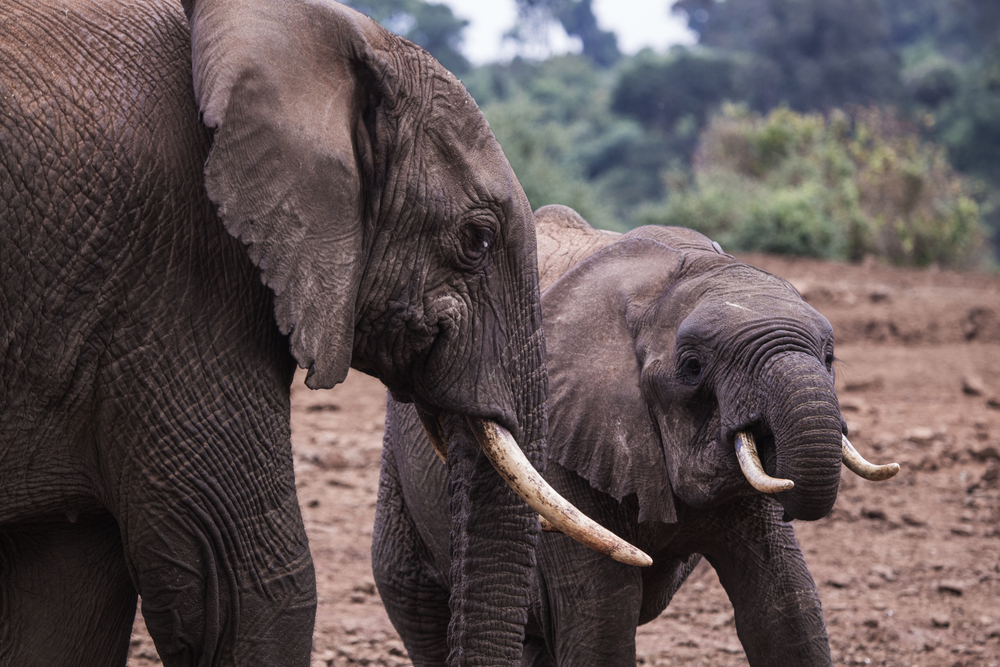
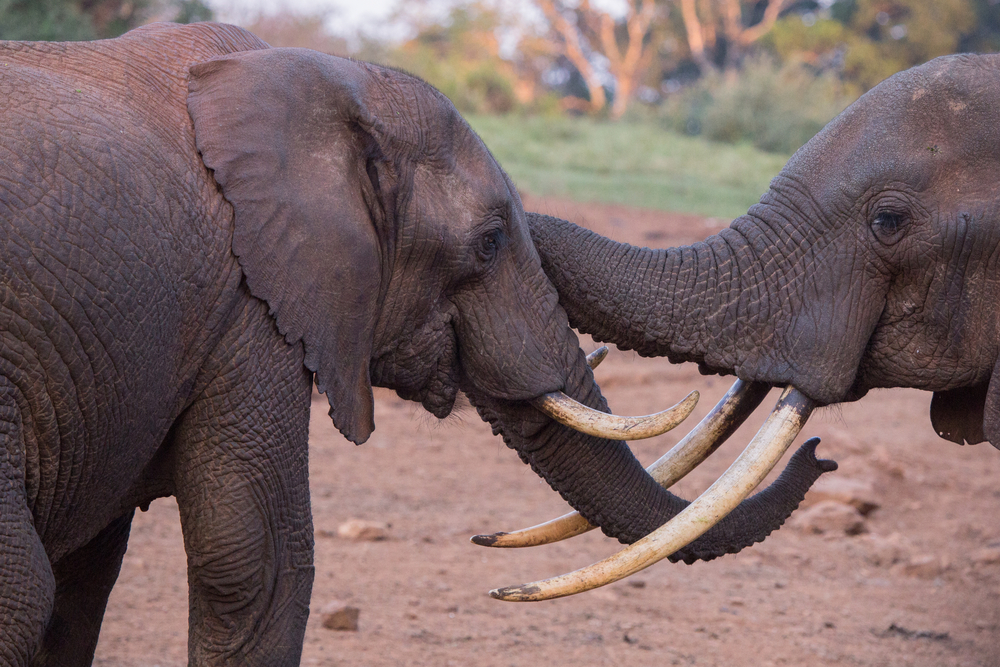
  • African Elephant: Iconic pachyderms with large ears and tusks, frequently spotted near waterholes and in open grasslands.
  • Mountain Reedbuck: Small antelope with reddish-brown coat and white underparts, found in high-altitude grasslands, often seen grazing peacefully
Maguru Falls

Maguru Falls

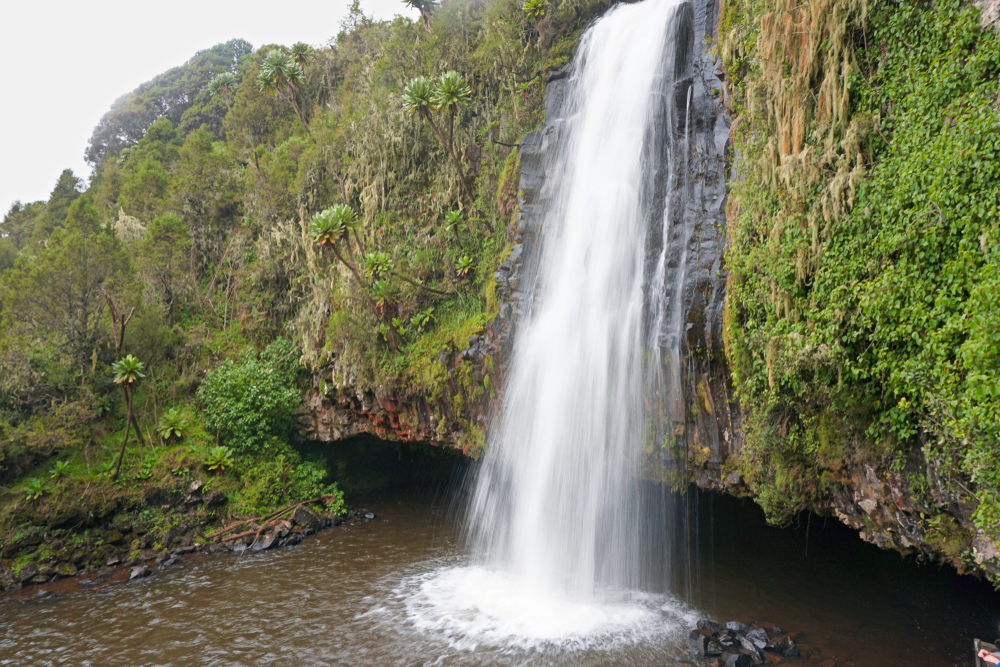
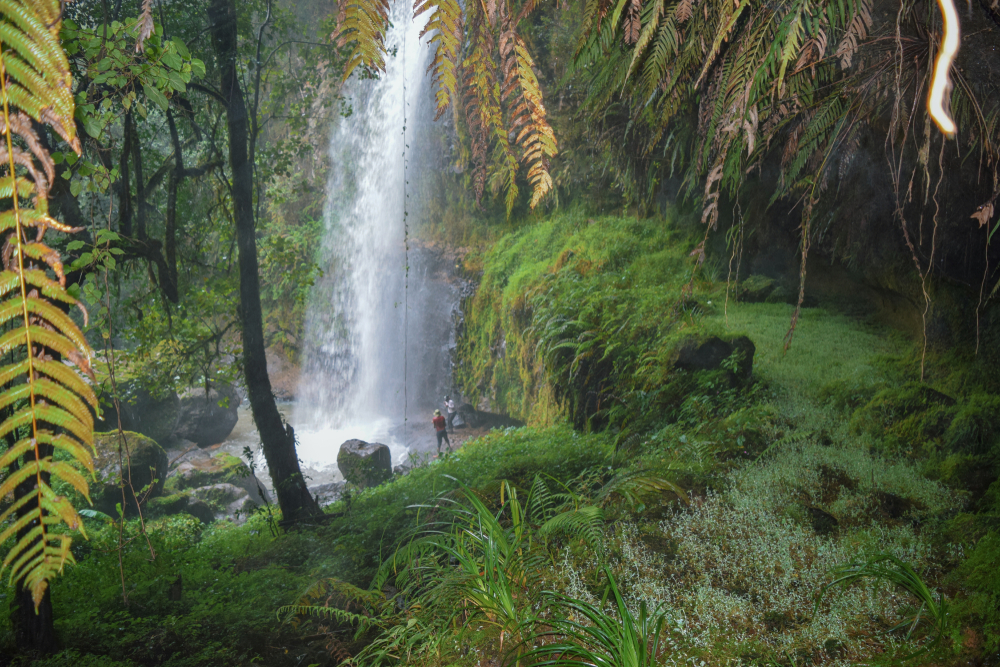
Nestled amidst the verdant landscapes of Aberdare National Park, Maguru Waterfall captivates visitors with its picturesque setting and thunderous cascades. Fed by mountain streams, the waterfall plunges gracefully into a crystal-clear pool below, creating a refreshing oasis in the heart of the wilderness.

Accessible via scenic trails, Maguru Waterfall offers hikers a rewarding journey through diverse ecosystems, teeming with wildlife and lush vegetation.

The tranquil ambiance and scenic beauty make Maguru Waterfall a perfect spot for picnics, photography, and nature appreciation, drawing travelers seeking solitude and serenity..

Sasamua Falls

Sasamua Falls

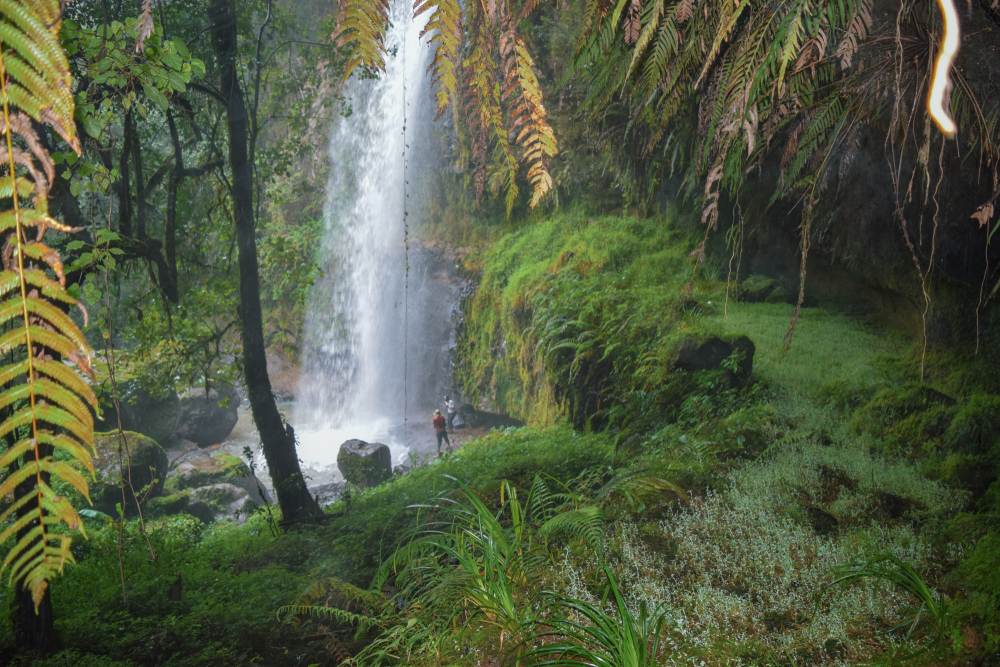
Tucked away in the dense forests of Aberdare National Park, Sasamua Waterfall enchants visitors with its pristine beauty and tranquil surroundings. Emerging from the mist-covered cliffs, the waterfall cascades down in a series of gentle tiers, creating a mesmerizing spectacle.

Accessible via scenic hiking trails, Sasamua Waterfall offers adventurers an opportunity to explore the park’s diverse flora and fauna while immersing themselves in the soothing sounds of nature.

The secluded location and unspoiled wilderness make Sasamua Waterfall a haven for nature lovers and photographers, providing a serene escape from the hustle and bustle of everyday life.

Chania Falls

Chania Falls

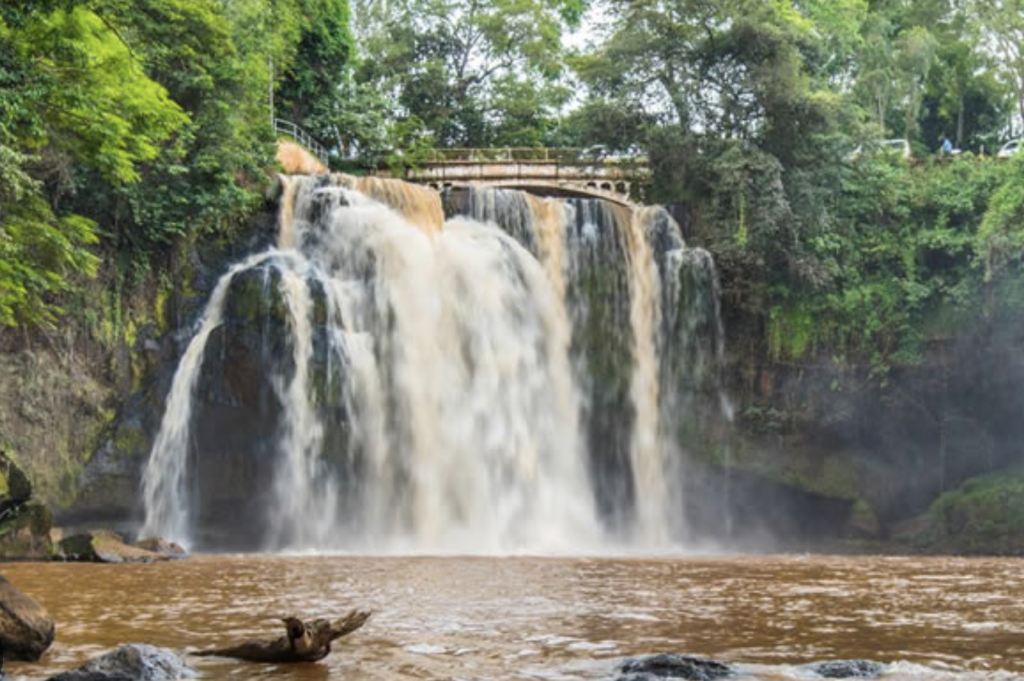
Hidden in the lush forests of Aberdare National Park, Chania Falls cascades down rugged cliffs, creating a mesmerizing sight and a tranquil atmosphere. Surrounded by dense vegetation, reaching this secluded gem requires a moderate hike through the park’s pristine wilderness, offering adventurers an opportunity to immerse themselves in nature’s beauty.

Visitors can feel the misty spray of the falls and marvel at the vibrant flora and fauna along the trail. Chania Waterfall provides a serene escape from the bustling world, inviting travelers to relax and rejuvenate in its peaceful ambiance.

Karuru Falls

Karuru Falls

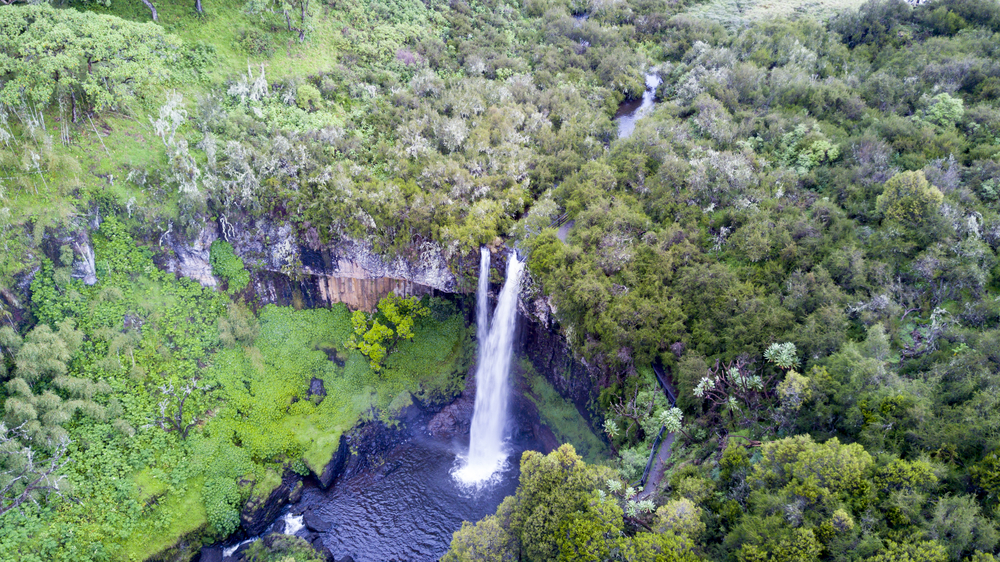
Karuru Falls, located in Aberdare National Park, Kenya, is a spectacular waterfall cascading over a series of rocky ledges amidst lush greenery.

With a height of approximately 272 feet (83 meters), it is one of the tallest waterfalls in Kenya. The falls create a mesmerizing curtain of water that plunges into a deep pool below, surrounded by dense forest vegetation.

Visitors can witness the raw power of nature as the water crashes down, creating a misty atmosphere and a soothing sound that echoes through the gorge.

Karuru Falls offers breathtaking views and opportunities for photography and wildlife viewing, making it a must-visit destination for nature enthusiasts and adventure seekers alike.

Aberdare Range

Aberdare Range

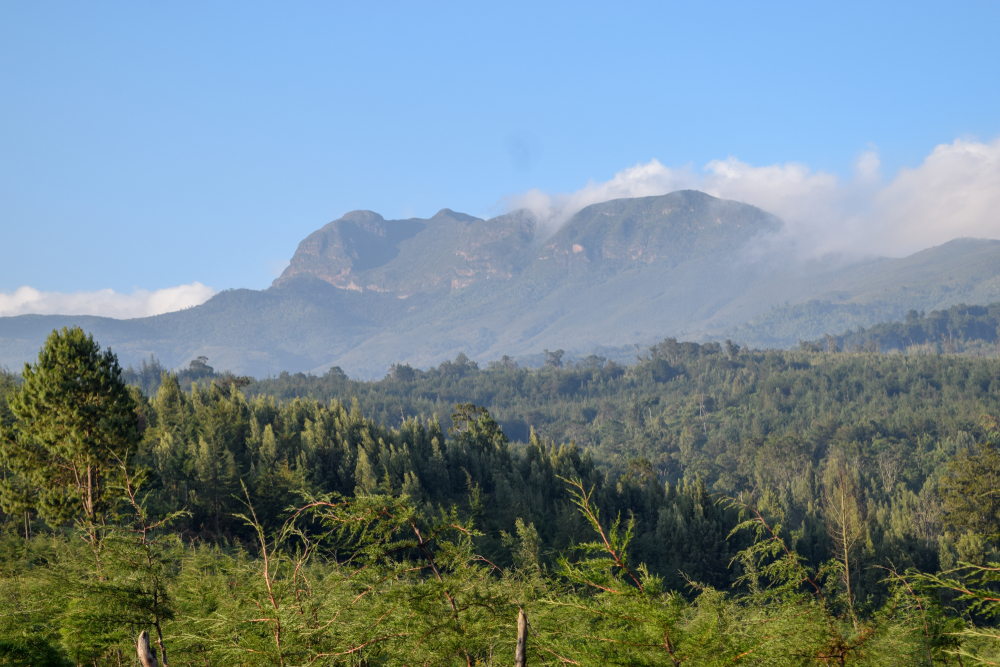
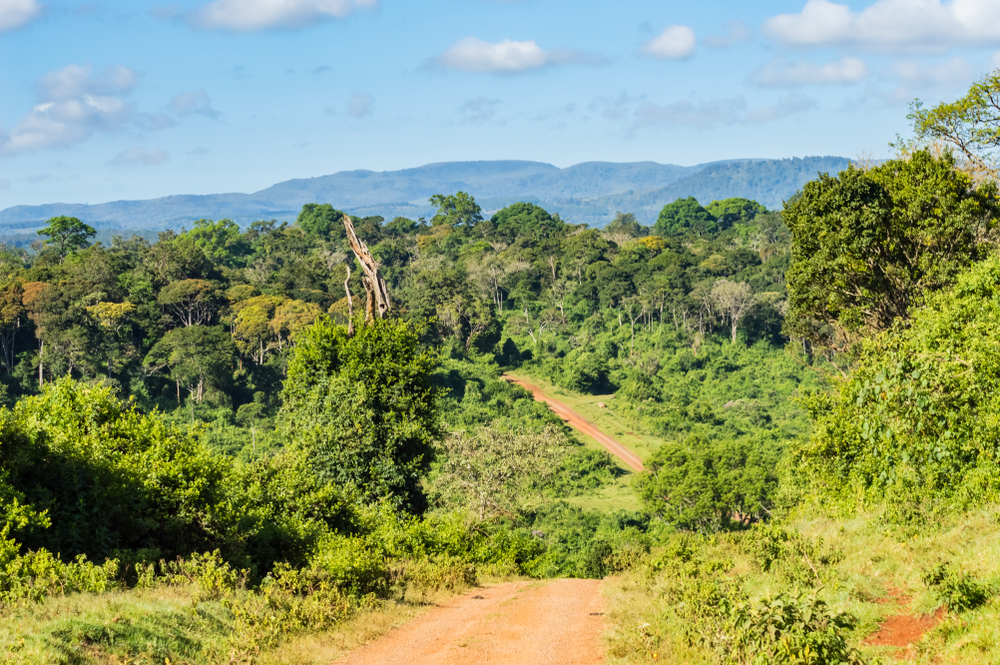
The Aberdare Range, part of Kenya’s Central Highlands, offers visitors a breathtaking landscape characterized by verdant slopes, mist-shrouded peaks, and dense forests.

Travelers exploring this majestic mountain range can embark on exhilarating hikes through diverse ecosystems, encountering an array of wildlife such as elephants, buffaloes, and rare species like the bongo antelope.

With its rugged terrain and dramatic vistas, the Aberdare Range provides adventurers with thrilling opportunities for mountain climbing, birdwatching, and photography.

Visitors can also explore the Aberdare National Park, home to iconic landmarks like Karuru Falls and the Kinangop Plateau, immersing themselves in the region’s rich biodiversity and cultural heritage.

Aberdare Moorlands

Aberdare Moorlands

The Aberdare Moorland is a captivating high-altitude landscape characterized by rolling hills, tussock grasslands, and Afro-alpine vegetation. Visitors to this unique ecosystem can embark on scenic drives or guided treks, marveling at panoramic views of the surrounding mountains and valleys.

The moorland is home to diverse flora and fauna, including giant lobelias, tussock grasses, and elusive species like the mountain bongo and Aberdare mole-rat. Adventurers can also experience the thrill of trout fishing in pristine mountain streams or camping under the star-studded sky.

With its serene ambiance and untouched beauty, the Aberdare Moorland offers travelers a chance to reconnect with nature and unwind in a tranquil setting away from the hustle and bustle of city life.

Things To Do

Engaging Aberdare

Game Drives

Embark on exhilarating game drives through Aberdare National Park, where you can encounter diverse wildlife such as elephants, buffaloes, leopards, and the elusive bongo antelope.

Traverse scenic landscapes ranging from lush forests to open grasslands, offering ample opportunities for wildlife sightings and stunning photography.

Professional guides provide insightful commentary about the park’s ecosystem and help visitors spot elusive species in their natural habitat.

Nature Walks

Explore the park’s rich biodiversity on guided nature walks led by experienced rangers. Wander along well-maintained trails that wind through diverse habitats, including moorlands, dense forests, and mountain streams.

Along the way, learn about the park’s flora and fauna, including unique plant species like giant lobelias and endemic animals such as the Aberdare mole-rat. Nature walks offer a tranquil and immersive experience, allowing visitors to appreciate the park’s natural beauty up close while enjoying the sights and sounds of the wilderness.

placeholder

Birdwatching

Aberdare National Park is a birdwatcher’s paradise, boasting over 250 bird species, including numerous endemic and migratory birds.

Set out on birdwatching excursions to spot colorful feathered inhabitants such as the Aberdare cisticola, Jackson’s francolin, and Hartlaub’s turaco.

Experienced birding guides will help you identify different species and share fascinating insights into their behavior and habitat preferences. Whether you’re a novice or seasoned birder, Aberdare offers unparalleled opportunities to observe avian diversity amidst breathtaking natural scenery.

placeholder

Fishing

Enjoy a relaxing day of fishing in Aberdare’s pristine mountain streams and lakes, home to populations of rainbow and brown trout. Cast your line into crystal-clear waters surrounded by lush vegetation and majestic mountain vistas.

Whether you’re a seasoned angler or trying your hand at fishing for the first time, Aberdare offers tranquil settings and abundant fish populations for a rewarding fishing experience.

Professional guides are available to assist and provide tips for successful catches while ensuring sustainable fishing practices to preserve the park’s delicate

Aberdare National Park Trails

Aberdare National Park is a wildlife destination where the primary activity is safaris.  That said, there are walking safaris with an armed KWS guide.  There are trails that may be engaged allowing visitors to see more of the park.

placeholder

Karuru Falls Trail

This is a short hike from a designated parking area out to view this magnificent waterfall.

placeholder

Elephant Hill Trail

This is an excellent day hike that travels through the exquisite bamboo forest. The trail covers a distance of 11 miles (17.70 km) while ascending to the summit of Elephant Hill at 12,815 feet (3,906 m). As you exit the bamboo jungle you will come upon panoramic views of the terrain with views of Mount Kenya.

placeholder

Guided Nature Walks

There are no traditional trails in Aberdare National Park, however, there are opportunities for guided walks within the park, typically led by experienced guides who can provide insights into the local flora and fauna.

These walks are usually conducted in specific areas and are subject to park regulations and safety considerations due to the presence of wildlife.

FAQ’s

What other national parks are close to Aberdare?

Aberdare is a Kenyan national park and there are a few other national parks that are reasonably close as you look at expanding your outdoor adventures:

  1. Mount Kenya National Park: Home to Africa’s second-highest peak, Mount Kenya, offering diverse landscapes and rich biodiversity, including glaciers and alpine meadows.
  2. Hell’s Gate National Park: Famous for its geothermal activity, towering cliffs, and scenic gorges, offering hiking, cycling, and wildlife viewing opportunities.
  3. Lake Nakuru National Park: Renowned for its flamingo-filled shores and rhino sanctuary, showcasing diverse birdlife and iconic African wildlife against a stunning backdrop.
  4. Nairobi National Park: A unique wildlife sanctuary located near Kenya’s capital, offering close encounters with a variety of species, including lions, giraffes, and zebras.
  5. Mount Longonot National Park: Known for its volcanic crater and panoramic views of the Great Rift Valley, popular for hiking, birdwatching, and scenic landscapes.

What is Aberdare National Park most known for?

Aberdare National Park is most known for its diverse landscapes, including dense forests, waterfalls, moorlands, and alpine meadows, as well as its rich biodiversity, including rare and endangered species like the mountain bongo and the black rhinoceros.

Sources